






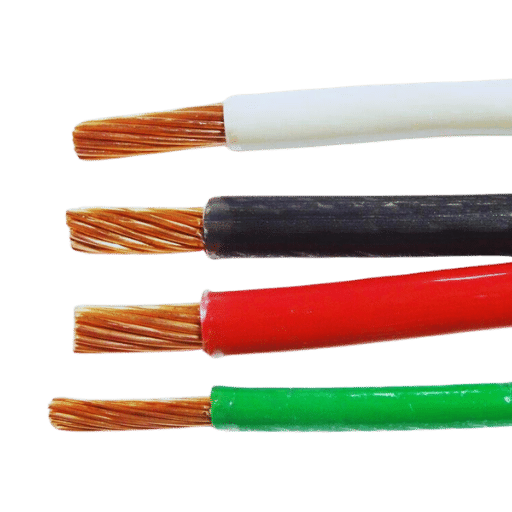
Добро пожаловать в наш окончательный руководство по шестиколейный провод. мы также называем его шесть AWG (американский манометр) электрический провод. с этой статьей, мы рассмотрим каждую важную вещь, что вам нужно знать о 6 манометрического провода, который поможет вам лучше понять его характеристики, использование, и приложения. будь вы профессиональный электрик, делать-самостоятельно, или просто кто-то, кто хочет больше знаний по электропроводке, это руководство предназначено для вас. у нас есть технические характеристики, советы по установке, меры предосторожности и часто задаваемые вопросы, когда мы имеем дело с 6AWG провод. когда мы закончим с этим руководством, нужно быть в состоянии оценить, почему провод 6 калибра надежен и гибок на различных электротехнических предприятиях.
Что такое проволока 6 калибра и ее обычное использование?
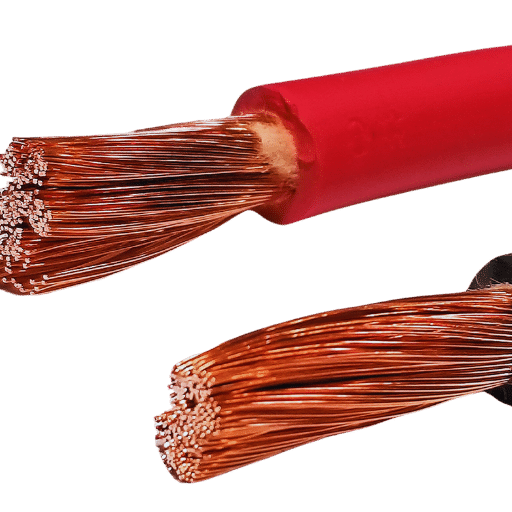
Понимание 6 характеристик проводов AWG
6 AWG провод, иногда называемый шесть калибра провод, является тип электрического проводника, который может обрабатывать большое количество тока Толщина этого провода имеет около 0,162 дюйма (4,11 мм) в диаметре, что делает его достаточно прочным, чтобы выдерживать более тяжелые нагрузки, не получая легко повреждаются Обычный 6 AWG кабель состоит либо из меди или алюминия в качестве его проводящего материала и ПВХ или THHN в качестве изоляционных материалов для дополнительной защиты от повреждений, вызванных влагой или теплом. ток, который может пройти через провода составляет от 55 до 65 ампер, в зависимости от используемой изоляции и окружающих температурных условий. Это делает эти провода пригодными для многих различных применений, таких как подача питания на подпанели в жилых зданиях, сверхмощные удлинители, и другие устройства, где для их эффективной работы требуется большое количество электрической энергии. Знание этих фактов позволит вам принимать правильные решения, когда имеете дело с электричеством дома или в любом другом месте для этого вещества.
Типичные применения для электрического провода 6 калибра
6 калибровочный провод используется в ряде различных электрических приложений, где важны долговечность и пропускная способность по току. Вот несколько распространенных применений, наряду с некоторыми соответствующими техническими спецификациями:
Жилые подпанели:
- Использование: Часто используется в качестве питателей жилых подпанелей.
- Технические параметры: Эти проводники могут выдерживать напряжение от 55 до 65 ампер, что делает их подходящими для распределительных панелей меньшего размера, от которых обслуживается несколько цепей.
Тяжелые удлинители:
- Использование: Идеально подходит для изготовления удлинителей большой мощности, способных приводить в действие инструменты или оборудование высокой мощности.
- Технические параметры: Большой размер и высокая амперсистенция позволяют этому кабелю удовлетворять потребности в мощности, связанные с интенсивным использованием, обеспечивая при этом безопасную и эффективную подачу электроэнергии.
Бытовая техника высокого спроса:
- Использование: Обычно устанавливается за стенами, где подключаются электрические плиты, духовки, водонагреватели или кондиционеры; также находится под землей возле бассейнов или гидромассажных ванн.
- Технические параметры: Его способность безопасно переносить больше электрического тока на большие расстояния без перегрева делает его идеальным для таких приборов, поскольку им обычно требуются провода большего размера, чтобы предотвратить падение напряжения в условиях нагрузки.
Промышленное оборудование:
- Использование: Часто требуется на заводах, где машины должны быть жестко соединены вместе, чтобы каждый двигатель мог получить свою собственную выделенную ответвленную цепь обратно на главную панель, обеспечивающую электроэнергию установки; также распространен на строительных площадках во время временных генераторных установок.
- Технические параметры: Этот тип кабеля может непрерывно выдерживать несколько сотен ампер, что означает, что он подходит для работы больших двигателей и других тяжелых грузов, часто встречающихся в промышленных условиях.
Солнечная панель Установки:
- Использование: Используется во всех системах солнечной энергии при подключении фотоэлектрических панелей к инверторам/контроллерам/батареям и т. д.
- Технические параметры: Везде, где энергия должна эффективно перемещаться между компонентами внутри солнечной установки, не тратя при этом много энергии впустую, поскольку тепло из-за сопротивления на пути, по которому следуют электроны — 6 AWG может оказаться полезным, поскольку он может справляться с более высокими потоками тока, не нагреваясь слишком сильно.
Знание этих приложений и связанных с ними технических параметров поможет пользователям сделать более безопасный и совместимый выбор в отношении потребления электроэнергии.
Сравнение вариантов медной и алюминиевой проволоки
При выборе проволоки для электрического применения медь и алюминий имеют преимущества и недостатки.
Медные провода:
- Проводимость: Медь имеет более высокую электропроводность, примерно на 60% больше, чем у алюминия. Это делает его более эффективным в переносе тока на большие расстояния.
- Долговечность: Медь сильно не реагирует как с влагой, так и с кислородом воздуха. Таким образом, она может прослужить дольше, чем другие металлы, при воздействии различной окружающей среды, которая может вызвать коррозию или ржавчину.
- Вес и стоимость: Будучи тяжелее и дороже алюминия в целом, медь имеет тенденцию увеличивать общие затраты, а также усложнять установку, особенно на крупных предприятиях.
Алюминиевые провода:
- Экономическая эффективность: По сравнению со своим аналогом (медь) алюминий намного дешевле, поэтому его можно использовать там, где большие количества необходимы экономически, например, на огромных установках или в бюджетных проектах.
- Гибкость и вес: Алюминий имеет легкий вес, а также более гибок, чем медь, что упрощает прокладку проводов во время установки, особенно в ограниченном пространстве.
- Расширение отопления: Хотя этот металл расширяется менее быстро с нагревом по сравнению с другими, такими как сталь い, все же более, чем медь い при соединениях из-за недостаточного обеспечения теплового перемещения не должно быть разрешено за счет использования соответствующих типов концевых фитингов вместе с регулярными проверками/техническими работами.
Рассмотрев ваши конкретные требования к применению, включая ограничения по стоимости, факторы окружающей среды, такие как уровень влажности и т. д., и электрические соображения, т. е. расчет падения напряжения, среди прочего, вы сможете сделать обоснованный выбор между этими двумя вариантами, чтобы безопасность не была поставлена под угрозу, пока производительность остается оптимальной.
Как правильно выбрать провод AWG 6?
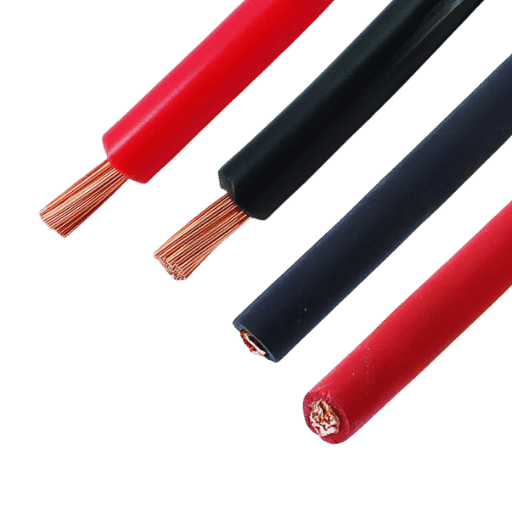
Факторы, которые следует учитывать: непрозрачность, длина и окружающая среда
Непрозрачность
Термин ampacity относится к самому высокому электрическому току, который проводник может нести, не превышая его температурный номинал Например, в проводе 6 AWG это значение может варьироваться в зависимости от изоляционных материалов и типа используемого проводника Обычно медные 6 AWG проводов имеют более высокие ампуситеты, чем их алюминиевые аналоги. Поэтому важно перекрестно ссылаться таблиц Национального электрического кода (NEC) с вашими конкретными потребностями применения, чтобы не перегреваться или не ставить под угрозу безопасность.
Длина
На падение напряжения влияет длина провода, что также влияет на то, как устройства функционируют электронно. большие расстояния требуют больших размеров провода, чтобы уменьшить падение напряжения на пути, поэтому поддержание стабильной электрической производительности. Чтобы обеспечить надежную передачу и распределение мощности на большие расстояния с использованием шести калибровочных кабелей American Wire Gauge (AWG), необходимо рассчитать падение напряжения на них, а также компенсировать любое дополнительное сопротивление, возникающее в результате таких длительных пробегов, либо обращаясь к точным справочным таблицам, либо используя более совершенное программное обеспечение, такое как калькулятор падения напряжения.
Окружающая среда
В дополнение к этому фактору существуют и другие, такие как температура, уровень влажности, воздействие определенных химикатов, а также другие физические повреждения, которые могут быть вызваны внешним воздействием самого кабеля, что также влияет на его выбор. На самом деле существуют разные типы изоляции для этих конкретных проводов, которые были специально спроектированы в зависимости от экологических соображений, которым они будут подвергаться во время использования. Например, когда установка выполняется снаружи зданий или в отраслях, имеющих высокий уровень влажности, могут потребоваться кабели, обладающие водостойкими изоляционными свойствами, в то время как те, которые расположены в районах, подверженных воздействию солнечных лучей, могут вокруг них могут потребоваться рубашки, стабилизированные УФ-излучением, иначе, если это не будет сделано, то в конечном итоге со временем; сбои из-за таких экстремальных условий должны возникнуть раньше, чем позже. Обеспечение правильного выбора подходящего материала покрытия, совместимого с преобладающими обстоятельствами, обеспечивает долговечность, а также надежность систем проводки.
Чтобы правильно выбрать эффективный провод 6 AWG, соответствующий требованиям вашего проекта, учтите все: от амперконсистенции до длины и условий окружающей среды.
Различия между многожильной и цельной проволокой
Чтобы выбрать правильный провод для ваших нужд, необходимо понимание провода твердого и многожильного типа. Вот некоторые ключевые различия и соответствующие спецификации:
Многожильный провод
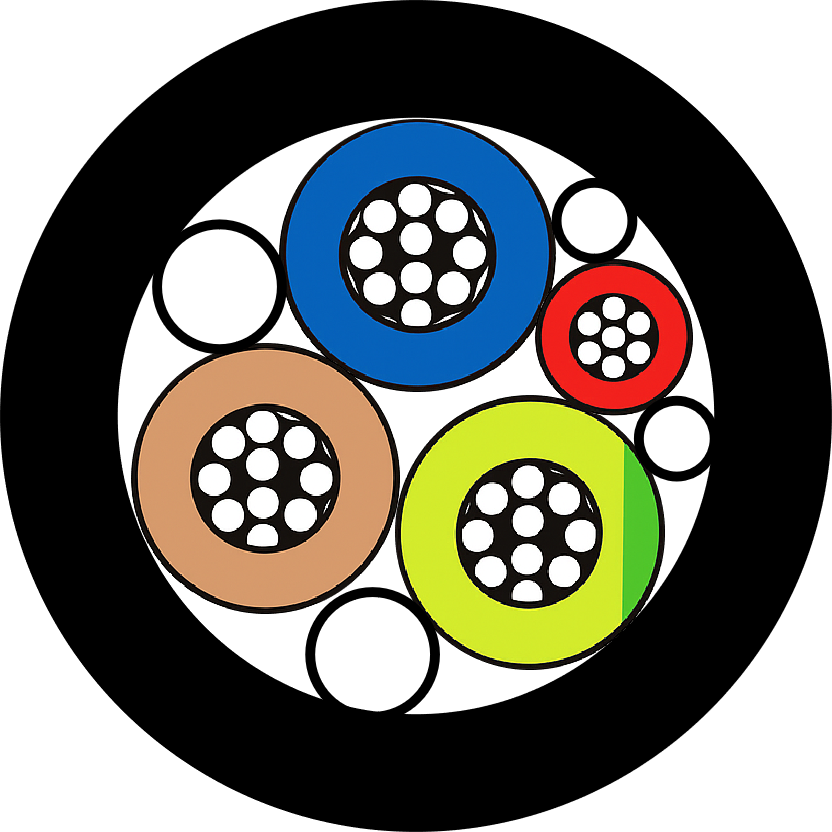
- Гибкость: Многожильный провод состоит из множества небольших проводов, которые скручены вместе. Это делает его чрезвычайно гибким, что полезно в тех случаях, когда провод будет часто перемещаться или сгибаться.
- Сопротивление: Его сопротивление немного выше, чем у сплошной проволоки, потому что за счет каждой отдельной пряди электричество может пройти больше площади поверхности.
- Текущая емкость: Обычно многожильный провод пропускает примерно такое же количество тока, как и сплошной провод с одинаковыми размерами, хотя в некоторых приложениях могут потребоваться другие регулировки.
- Приложения: Портативное оборудование; автомобильное использование; среды с большим количеством вибраций или движений на проводах.
Твердая проволока
- Жесткость: Один проводник включает этот тип, поэтому он не очень гибкий (жестче, чем многожильные провода).
- Сопротивление: Более низкое электрическое сопротивление на больших расстояниях по сравнению с проводником с AWG эквивалентного размера; поэтому лучшая эффективность переноса токов на расстояние.
- Текущая емкость: Стационарные установки требуют постоянной способности нести ток, поэтому твердые проводники всегда имеют этот атрибут неповрежденным на протяжении всей своей длины, в отличие от своих аналогов, чьи способности варьируются в зависимости от точек изгиба вдоль них.
- Приложения: Лучше всего подходит для фиксированной проводки, например, для строительства домов, где вы не собираетесь то и дело перемещать/сгибать кабели.
Решение между многожильными и сплошными проводами должно основываться на конкретных требованиях проекта, таких как требования к гибкости, тип установки и окружающая среда, среди прочего. Помните об этих технических аспектах, чтобы не ставить под угрозу производительность или надежность вашей электрической системы.
Понимание THHN и других типов изоляции
THHN (термопластическое высокотермостойкое нейлоновое покрытие)
- Состав: Проволока THHN состоит из термопластичного изоляционного материала, обычно поливинилхлорида (ПВХ), который устойчив к теплу и пламени. Он дополняется нейлоновым покрытием, которое защищает его от износа, а также химикатов.
- Температурный рейтинг: 90°С (194°F) в сухих местах и 75°С (167°F) во влажных местах.
- Номинальное напряжение: Обычно его мощность составляет 600 В; следовательно, его можно использовать в жилых, коммерческих или промышленных целях.
- Приложения: Обычно используется в строительстве проводки, схем управления, станков, приборов и т. д.
XHHW (перекрестно-сцепленный водостойкий высокотеплостойкий)
- Состав: Провода XHHW имеют изоляцию из сшитого полиэтилена (XLPE), которая обеспечивает лучшую устойчивость к нагреву, чем THHN, а также влагостойкость.
- Температурный рейтинг: Сможет выдерживать температуру до 90° C (194° F) как в сухих, так и во влажных местах.
- Номинальное напряжение: Также номинал около 600 вольт.
- Приложения: Идеально подходит для промышленных систем управления, где может быть воздействие влаги или тепла, таких как, среди прочего, служебные входные кабели.
UF-B (подземная фидерная ветвь)
- Состав: Кабель UF-B имеет твердые или многожильные медные проводники с изоляцией из поливинилхлорида (ПВХ) и нейлоновым покрытием. Также имеется дополнительный слой оболочки из ПВХ для прямого захоронения.
- Температурный рейтинг: Нормально рассчитанный на около 60 °C (140 °F) во влажных местах (диск) подразумевает, что он может безопасно работать под землей даже при воздействии воды.
- Номинальное напряжение: То же, что и THHN и XHHW, который обычно имеет напряжение 600 В.
- Приложения: Подходит для систем прямой проводки захоронения, таких как установки наружного освещения, а также для жилых или сельскохозяйственных нужд, которым может потребоваться проводка, подверженная воздействию влаги и физическим повреждениям.
Таким образом, выбор правильного типа изоляции зависит от окружающих условий и конкретных потребностей в производительности.THHN широко применим благодаря своей высокой термостойкости и химической защите. XHHW превосходно работает во влажных местах, поскольку обладает лучшей влагостойкостью, чем любой другой тип изоляции проводов. UF-B гарантирует надежность в суровых условиях, когда могут возникнуть физические повреждения или подземные захоронения, и в то же время обеспечивает долговечность, необходимую, среди прочего, для систем наружного освещения.
Какие меры безопасности следует соблюдать при использовании провода 6 калибра?

Придерживаясь рекомендаций NEC
Самое важное в использовании провода 6-го калибра - это соблюдение требований Национального электротехнического кодекса (NEC), который также обеспечивает вашу безопасность. Вот некоторые факторы, которые следует учитывать:
- Непрозрачность: Не позволяйте текущей пропускной способности превышать установленную NEC, например, она должна составлять, среди прочего, 55 ампер для медных проводников и 50 ампер для алюминиевых проводников.
- Тип изоляции: Убедитесь, что вы выбрали изоляционный материал, который подходит для окружающей среды, где он будет использоваться, поскольку в разных местах могут потребоваться разные типы изоляции, такие как THHN, который обычно используется, в то время как XHHW используется в районах с высоким содержанием влаги и, наконец, UF-B используется. в прямом захоронении.
- Кабелепровод и корпуса: Необходимо использовать соответствующие трубопроводы или кабельные лотки в соответствии с требованиями NEC, чтобы защитить провода от любых физических повреждений, которые могут возникнуть, а также убедиться, что корпуса имеют правильные оценки в зависимости от того, где они будут установлены.
- Соединения и окончания: Используйте правильные установочные устройства при выполнении электрических соединений и избегайте ослабления соединений, которые могут вызвать перегрев или даже неисправности в электрической цепи, поэтому внимательно следуйте инструкциям производителя.
- Заземление и соединение: Всегда хорошей практикой является правильное заземление или соединение электрических систем, как это предусмотрено статьей 250 NEC. Это помогает предотвратить удары, тем самым повышая надежность системы.
Эти шаги следует выполнять строго всякий раз, когда вы хотите использовать провод шестиколейного типа во время любой электроустановки.
Важность правильной установки и обращения
Электрические системы безопасны и эффективны только при правильной установке и обращении с проводами 6-го калибра. при работе с такими проводами следует учитывать различные технические соображения; к ним относятся
- Правильный размер: Вы должны сопоставлять размеры проводов с требованиями к нагрузке; это означает, что, например, медный провод 6-го калибра может выдерживать до 55 ампер, в то время как его алюминиевый аналог делает то же самое, но всего с 50 амперами.
- Температурные рейтинги: Важно проверить, соответствует ли тип изоляции температуре вокруг того, где она будет использоваться Например, в сухих местах, ТГН изоляции имеют номинал до 90°С.
- Падение напряжения: Держите падение напряжения в допустимых пределах, чтобы не потерять энергию или вызвать перегрев, который обычно составляет около 3% на ответвленных цепях и 5% на фидерах.
- Механическая защита: Для защиты проводов от любых физических повреждений целесообразно использовать трубопроводы или защитные ограждения, указанные NEC (Национальный электротехнический кодекс). Но помните, что эти трубопроводы, такие как ПВХ или ЭМТ, следует выбирать в зависимости от условий их установки.
- Безопасные соединения: Убедитесь, что все соединения достаточно безопасны, используя для надежности разъемы и клеммы, соответствующие требованиям NEC. Свободные соединения из-за плохого качества изготовления могут привести к электрическим неисправностям; следовательно, соответствующие инструменты плюс методы должны быть использованы в соответствии с инструкциями производителя.
- Заземление и склеивание: Все заземления, а также методы склеивания должны выполняться правильно в соответствии со статьей 250 NEC, поскольку это помогает стабилизировать системы, а также обеспечивает пути тока повреждения, предназначенные для защиты людей от поражения электрическим током.
Тщательно рассматривая эти технические детали, можно уменьшить возникновение электрических рисков и в то же время увеличить срок службы, а также производительность электроэнергетической системы.
Обеспечение правильной ширины провода для требований к цепи
Электроустановкам нужен правильный манометр для требований к цепи. Токопроводящая способность, а также эффективность электрической цепи определяются размером провода. Это означает, что если провода имеют неправильный размер, они могут перегреться, что приведет к потере энергии, а также к риску пожара.
- Соответствие датчика провода усилителю цепи: Вы должны выбрать размеры проводов на основе силы тока, которая относится к максимальному току, переносимому этой цепью в любое время; обычно обозначается также в усилителях. Некоторые распространенные примеры включают 14-колейный для 15 ампер, 12-колейный для 20 ампер и 10-колейный для тридцати ампер. Однако важно ознакомиться с NEC (Национальным электрическим кодексом) или другими соответствующими правилами в пределах вашей местности, поскольку они могут иметь свои особенности по этому вопросу.
- Рассмотрим падение напряжения: Падение напряжения становится значительным на длительных пробегах, поэтому его следует принять во внимание. Чтобы избежать огромных падений напряжения, которые приводят к неэффективности и перегреву, иногда могут потребоваться более крупные датчики проводов. Я имею в виду, что что-то сверх трех процентов (3%) на ответвлениях или пяти процентов (5%) для фидеров требует модернизации проводов, чтобы электрические характеристики все еще могли поддерживаться.
- Температурные соображения: Условия окружающей среды, окружающие место установки, также определяют тип изоляции, используемый наряду с номинальной температурой данного кабеля. Чтобы проиллюстрировать этот момент далее, THHN может выдерживать температуры до девяноста градусов Цельсия, когда в засушливых районах. Аналогичным образом, не следует забывать смотреть на факторы, такие как температура окружающей среды плюс уровни воздействия солнечного света, выбирая подходящие размеры для проводников.
Всегда придерживайтесь этих правил и помните, что обратная связь с этими авторитетными материалами, включая спецификации производителей, а также NEC среди других, поможет вам выбрать безопасные и совместимые датчики проводов во всех ваших электрических системах.
Как установить электрический провод 6 калибра?
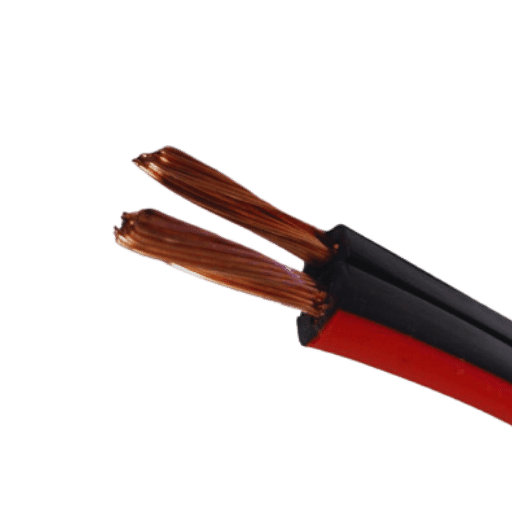
Пошаговое руководство по установке
- Вырезать мощность: Начните с отключения всего питания в области, над которой вы работаете, от коробки главного выключателя Это важная мера безопасности, которая помогает избежать электрических аварий.
- Получите инструменты и материалы: Соберите все необходимые инструменты и материалы для этого проекта. такие предметы могут включать провод 6 калибра, кусачки, съемники проводов, тестер напряжения, электрическую ленту, проволочные гайки и разъемы, если это необходимо.
- Измерьте и отрежьте провод: Отмерьте длину проволоки 6 калибра, необходимую для вашей работы, а затем используйте фрезы, чтобы соответствующим образом обрезать ее; обязательно оставьте дополнительную длину для соединений.
- Полосать изоляцию: С помощью съемников проводов снимите около 3/4 дюйма изоляции с каждого конца проводов. Будьте осторожны, чтобы не разорвать и не повредить медные проводники внутри них.
- Проведите провод: Запустите свои провода (Run your quelicently) (избегайте чрезмерного растяжения или сжатия 6 canuful (сжатия) между тем, откуда им нужна мощность, и тем, откуда эта подача поступает.
- Устанавливать связи: Плотно соединяют одноцветные концы вместе либо гайками, либо соответствующими разъемами, разработанными специально для соединения проводов этого диапазона размеров, надежно; при необходимости подключают также оголенный медный заземляющий проводник (ы) (зеленый винтовой вывод).
- Проверьте и протестируйте все перед закрытием: Используйте бесконтактный тестер напряжения (или другие надежные средства), чтобы убедиться, что живое электричество отсутствует в любой точке на пути этих новых цепей, как только вы закончите подключение; также проверьте наличие признаков, указывающих на плохое качество изготовления, таких как ослабление фитингов или видимые повреждения из-за проблем, связанных с теплом, вызванных перегрузками по проводникам меньшего размера в течение длительного времени в условиях нагрузки, превышающих их номиналы и так далее.
- Безопасные и закрытые каналы маршрутизации и т. д.: Крепите кабели на месте, используя ремни, где это возможно, но не перетягивайте их настолько, чтобы они раздавливали хрупкие изоляционные оболочки, тем самым рискуя коротким замыканием между соседними проводниками под металлической броневой оболочкой, что может легко привести обратно в другую пожароопасную зону. расположен в другом месте неподалеку, где легковоспламеняющиеся материалы могут храниться в пределах доступной зоны пламени, вызванного дуговыми разломами, возникшими в такой ситуации.
- Восстановить мощность: Как только все будет надежно установлено и вы будете уверены, что все соединения были выполнены правильно, включите источник питания обратно на его основном разъединителе или держателе предохранителя, но только после предварительной двойной проверки на наличие ошибок.
- Заключительный тест: Проверьте свою недавно установленную схему (ы) с подходящей нагрузкой (ами), чтобы убедиться, что они работают правильно, как и предполагалось, тем самым обеспечивая максимальную безопасность во время их использования навсегда и после этого до вечности; также сделайте где-нибудь заметку о том, что именно вы сделали здесь сегодня, чтобы будущие поколения тоже могли извлечь уроки из наших ошибок, если это необходимо.
Какие инструменты и аксессуары необходимы?
Для безопасной и эффективной установки электрического провода шестиколейки требуется следующее оборудование и аксессуары:
- Резцы проволоки: Резцы проволоки необходимы, чтобы разрезать проволоку до нужной длины. убедитесь, что ваши резцы проволоки могут работать с проводами 6 калибра.
- Съемники проводов: Эти инструменты снимают три четверти изоляции дюйма с каждого конца кабеля. Выбирайте те, которые могут вместить провода такого размера, чтобы не повредить медные проводники при их зачистке.
- Тестер напряжения: Прежде чем производить какие-либо соединения, следует использовать тестер напряжения, чтобы проверить, нет ли через них питания или нет. Рекомендуется использовать бесконтактный тип для дополнительной безопасности.
- Отвертки: В этом проекте используйте как отвертки с плоской головкой, так и отвертки с крестообразной головкой; один понадобится для крепления разъемов, а другой - для крепления распределительных коробок.
- Проволочные гайки или разъемы: Вам нужно, чтобы эти предметы сделали соединения достаточно безопасными, чтобы они никогда не ослабевали в дальнейшем, потому что изначально они были слишком свободно скручены вместе — так что всегда сочетаются с гайками с номиналом не менее шести калибров (AWG).
- Электрические сверла и сверла: Если вы планируете прокладывать провода через стены или другие труднодоступные места, то примите электрическую дрель. Выберите биты, подходящие как для дерева, так и для металла, так как иногда бывает, что оба материала нуждаются в сверлении.
- Рыбная лента: В случае, если вы можете обнаружить, что вам нужно протянуть некоторые кабели через трубопровод и т. д., этот инструмент очень поможет направить их по пути, пока они не достигнут точки (точек) назначения.
- Зажимы или ремни: Чтобы провода не запутывались и не перемещались без необходимости при натягивании с места ‘А’ в сторону точки ‘В’, используйте ремни/зажимы, специально предназначенные для плотного удержания кабелей 6ga на поверхностях, которые они проходят над/под ними, например, балки и т. д..
- Электрическая Лента use Электрическая лента хорошего качества, которая обеспечивает дополнительную изоляционную ценность, помимо хорошего крепления соединений, что помогает уменьшить количество отказов из-за плохого соединения, вызванного использованием вместо нее лент низкого качества.
- Мультиметр & Этот инструмент поможет проверить уровни напряжения на различных этапах процесса электропроводки, а также определить непрерывность в разных точках подключения после того, как все будет сделано.
Каждый перечисленный инструмент и аксессуар специально выбирается для обеспечения безопасности и эффективности процесса установки, придерживаясь всех технических спецификаций и отраслевых стандартов безопасности.
Распространенные ошибки, которых следует избегать
- Невозможно отключить питание: Чтобы предотвратить поражение электрическим током или травму, всегда следите за тем, чтобы вы отключили питание автоматического выключателя, прежде чем приступать к каким-либо электрическим работам.
- Неправильный размер провода: Перегрев и потенциальная опасность пожара могут возникнуть в результате использования неправильного провода для установки. Убедитесь, что у вас используется провод, соответствующий рейтингу.
- Слабые связи: Проблемы с колеблющейся мощностью и чрезмерный нагрев могут быть вызваны ослаблением или неправильным подключением проводов. Всегда закрепляйте их правильно, используя подходящие разъемы.
- Перегрузочные цепи: Слишком много устройств, подключенных к одной цепи, могут перегреться и отключиться.
- Неправильное заземление: Повреждения оборудования и удары электрическим током могут возникнуть, если заземление электрической системы не соответствует правильным процедурам согласно соответствующим местным электрическим нормам.
- Игнорирование локальных электрических кодов: Обязательно придерживаться всех местных правил электроснабжения, чтобы обеспечить безопасность и соответствие; отказ может привести к небезопасным установкам, помимо сбоев в проверке.
- Неадекватное использование распределительных коробок: Соединение проводов без распределительной коробки опасно и противоречит большинству кодов Всегда используйте распределительные коробки, рассчитанные на безопасное соединение. .
- Недостаточное тестирование: После установки тщательно проверьте каждое соединение с помощью тестера напряжения, а также мультиметра, чтобы гарантировать функциональность, надежность и безопасность.
Какие бренды лучше всего подходят для проводов 6 AWG?
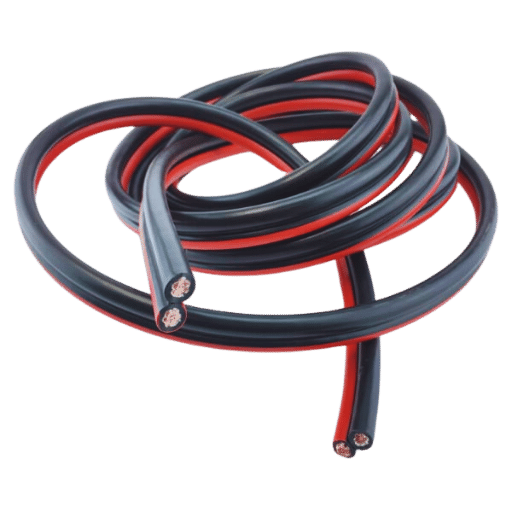
Лучшие варианты: JOCA, Romex и другие
Когда дело доходит до определения лучших брендов для проводов 6 AWG, хорошо идти с производителями, которые имеют твердую репутацию для изготовления надежных продуктов, Одна из этих компаний - JOCA, которая предлагает много различных видов проводов 6 AWG, известных своей надежностью и способностью хорошо работать в различных электрических настройках. другой авторитетный бренд - Romex; они производят надежный провод 6 AWG, который предпочитают многие электрики, особенно при выполнении проводки для жилых помещений, потому что он изгибаемый и легко устанавливается также, Кроме того, есть другие хорошие компании, такие как Cerrowire или Encore Wire, которые оба были признаны, как использование высококачественных материалов, при этом все еще удовлетворяя требованиям безопасности, строго говоря об их репутации среди клиентов, которые покупают их часто (это обеспечит соответствие с необходимыми кодами, обеспечивая при этом стабильную производительность каждый раз.
Отзывы и рекомендации клиентов
Отзывы потребителей о проводах с 6 AWG с самым высоким рейтингом, таких как JOCA, Romex, Cerrowire и Encore Wire, были в основном положительными, поскольку они оказались долговечными, простыми в установке и соответствующими стандартам безопасности.
ДЖОКА:
Рецензенты ценят постоянство качества JOCA при использовании в коммерческих или жилых помещениях, поскольку он всегда работает хорошо.
Технические параметры:
- Материал проводника: Медь.
- Изоляция: ПВХ.
- Температурный рейтинг: 90°С.
- Номинальное напряжение: 600В.
Один человек сказал, “Я использую провод JOCA 6 AWG для всех моих проектов Он принимает тяжелые нагрузки без каких-либо проблем и никогда не провалил инспекцию.”
Ромекс:
Romex получил высокую оценку за гибкость и простоту использования во время проектов проводки жилых помещений.
Технические параметры:
- Материал проводника: Медь.
- Изоляция: Нейлон.
- Температурный рейтинг: 90°С.
- Номинальное напряжение: 600В.
“Я люблю работать с Romex! Это очень легко маневрировать в ограниченном пространстве, которое гарантирует безопасные соединения, что является общим для потребителя.
Серроуайр:
Людям понравился Cerrowire, потому что он использует хорошие материалы и соответствует нормам безопасности.
Технические параметры:
- Материал проводника: Медь.
- Изоляция: ПВХ.
- Температурный рейтинг: 90°С.
- Номинальное напряжение: 600В.
Рецензент написал, что “Cerrowire - удивительный продукт, потому что он предлагает невероятную ценность по низкой цене, не жертвуя при этом производительностью или качеством!”, добавив, что они часто используют его на бюджетных проектах сами.
Провод бис:
Encore Wire ценится многими из-за его долговечности в экстремальных условиях, когда другие бренды могут постоянно выходить из строя в различных приложениях, сохраняя при этом хороший уровень производительности при различных типах установок.
Технические параметры:
- Материал проводника: Медь.
- Изоляция: XLPE (поперечно-сцепленный полиэтилен).
- Температурный рейтинг: 90°С.
- Номинальное напряжение:600В.
“Encore Wire - мой любимый бренд. Он выдерживает тяжелые условия, но всегда хорошо работает для меня, что касается потребителя.
В целом, любой из этих брендов предоставит вам высококачественный провод 6 AWG, который соответствует электрическим кодам и которому можно доверять надежную работу в различных настройках.
Где купить провод 6 калибра?
Чтобы купить провод 6-го калибра, многие надежные продавцы предлагают его в своих магазинах или через Интернет.
- ДЖОКА:Эта компания имеет обширный массив 6 калибра проводов для покупки, которые могут быть использованы для различных целей. они дают подробные описания каждого продукта, который они имеют на своем веб-сайте, а также отзывы, поступающие от клиентов, которые купили эти товары уже плюс они предлагают конкурентоспособные цены.
Лоу:
- Еще одно место, где можно найти электропроводку, - Lowe's.У них есть широкий выбор типов изоляции и материалов проводников для своих проводов 6 калибра, что делает их очень удобными для любого клиента. Их онлайн-платформа проста в навигации, поскольку она включает в себя такие спецификации, как рейтинги и отзывы, которые помогают людям решить, какой провод будет работать лучше всего, на основе наглядных пособий, предоставляемых lowes.com тоже, поэтому не должно быть никаких проблем с выбором правильного элемента легко, не тратя время на просмотр всех доступных вариантов только потому, что вы не знаете, какой из них лучше соответствует вашим требованиям на первый взгляд, либо так, как Lowes доставляет свою продукцию прямо в руки достаточно быстро, экономя много драгоценных минут, потраченных на поиск в другом месте.
Амазонка:
- Если вы хотите разнообразия, то приходите сюда! Поскольку так много брендов продают тонны за тоннами (как в прямом, так и в переносном смысле), которые стоят НАМНОГО больше, чем то, что кажется на первый взгляд, люди доверяют мне, когда я говорю, что это место определенно не разочаровывает, когда дело доходит до удовлетворения даже самых требовательных потребностей, связанных с электрическими проводами, толщина которых измеряется в шестерках 😉. И это еще не все; в каждом листинге на этой платформе есть подробные разделы описания и звездные рейтинги, данные предыдущими покупателями наряду с областями вопросов и ответов, где другие потенциальные покупатели могут задавать вопросы, связанные конкретно с определенными функциями или возможностями, прежде чем принять решение. Однако им следует отметить, что Amazon иногда осуществляет доставку в тот же день, но взимает дополнительную плату.
Часто задаваемые вопросы (FAQ)
Вопрос: Что такое провод 6-го калибра и какое его наиболее распространенное применение?
А: 6-колейный провод, или 6 AWG провод, - это электрический провод, используемый для соединения крупных приборов с подпанелями, а также другими устройствами высокой мощности. ток до значительных количеств может переноситься им, что делает его идеальным для жилого и коммерческого использования.
Вопрос: Сколько ампер несет провод 6-го калибра?
О: Типичный диапазон амперсионности для провода 6 калибра составляет от 55 до 65 ампер в зависимости от типа изоляции и рабочей температуры Например, при температуре 75°С медные провода размера 6 AWG могут нести около 55 А, в то время как это значение увеличивается примерно до 65 А, когда они рассчитаны на более высокую температуру, например 90°С.
Вопрос: Могу ли я использовать провод калибра #6 с прерывателем на 50 ампер?
О: Да, вы можете использовать провод калибра #6 с автоматическим выключателем на 50 А. Фактически, он часто используется в приложениях, где будут непрерывные нагрузки более двадцати ампер, таких как диапазоны, печи или определенные типы нагревателей; всегда обращайтесь к NEC или проконсультируйтесь с электриком, чтобы ваша установка соответствовала местным нормам, однако.
Вопрос: В чем разница между медными и алюминиевыми проводами AWG номер шесть?
О: По сравнению с алюминиевыми медные проволоки демонстрируют меньшее сопротивление из-за их большей проводимости, что также делает их более дорогими, но и долговечными. С другой стороны, хотя алюминий дешевле и легче по весу, ему необходима антиокислительная паста вместе со специальными разъемами, чтобы не разъедать его в точках окончания. .
Вопрос: Чем многожильные проводники отличаются от сплошных проводников электропроводкой шести калибров?
О:Нетиповая проволока состоит из нескольких проводов меньшего размера, скрученных вместе, что обеспечивает большую гибкость, чем сплошной проводник, что упрощает установку внутри трубопровода. Однако сплошные проводники представляют собой одиночные более толстые куски проводов, следовательно, менее гибкие, но обычно более прочные и их легче заделывать в соединителях. .
Вопрос: Можно ли использовать провод 6-го калибра для подключения акустических проводов?
О: Хотя провод 6-го калибра не часто используется из-за своей толщины, он может служить в большей степени проводным динамиком в мощных аудиосистемах, где важно низкое сопротивление. Тем не менее, провода калибра от 12 до 14 подходят для большинства акустических установок.
Вопрос: Каковы преимущества использования медного провода 6-го калибра в электроустановках?
О: Среди преимуществ медной проволоки 6 калибра - более высокая проводимость, чем у алюминия, и лучшая термостойкость, а также долговечность. Таким образом, проводка жилых помещений в основном зависит от медных строительных проводов, поскольку они обладают этими качествами.
Вопрос: Могу ли я закопать провод 6-го калибра напрямую?
О: Да, существуют определенные типы проводов 6-го калибра, которые разрешены для прямого захоронения. чтобы соответствовать местным строительным нормам и обеспечить долгосрочную производительность, вам следует выбрать специально маркированный провод, предназначенный для подземного использования, например кабель UF-B (подземный фидер).
Вопрос: Какой разъем следует использовать с проводом 6 калибра?
О: Разъемы, рассчитанные как на размер проводника (медь или алюминий), так и на его диаметр (манометр), должны использоваться с 6-канальными проводами. Электрические проушины, разъемы с разъемными болтами или проволочные гайки могут работать, но всегда следуйте рекомендациям производителя и убедитесь, что разъемы имеют достаточную номинальную мощность.
Вопрос: Как диаметр AWG #6 соотносится с другими размерами?
О: Диаметр #6 AWG составляет около 0,162 дюйма (4,11 мм), что делает его толще восьмикалиберного, но тоньше четырехкалиберного; поэтому этот размер является идеальным компромиссом между ними при работе с приложениями с умеренно высоким током..