

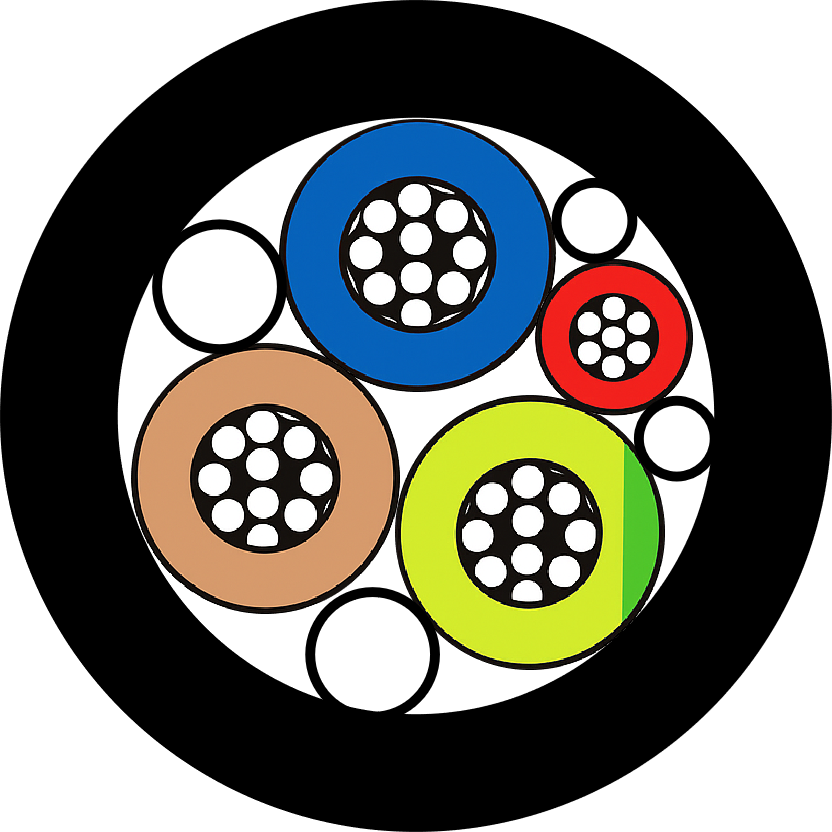





Menguasakan kilang keluli atau pendawaian lebuh raya baharu jarang sekali memaafkan rupa bumi. Dalam iklim yang mencabar itu, pilihan kabel sangat membebankan bil kesihatan terakhir. Beberapa saiz mempunyai daya tahan dan serba boleh konduktor 120 mm—Pemasang menghargai diameter itu untuk kedua-dua teras tunggal melalui terowong yang kemas dan jatuh berperisai ke tanah yang lebih basah. Tolok membawa bahagiannya sambil memberikan ukuran margin tambahan yang dihargai oleh jurutera saraf.
Yang berikut ialah tinjauan padat kabel 120 mm, dilucutkan hiperbola jualan. Artikel itu menyentuh kiraan helai, bahan sarung, penilaian mekanikal, dan cetakan halus kecil pada suhu pemasangan. Ia juga melakar senarai pendek pekerjaan biasa- loji kimia, ladang angin luar pesisir, elektrifikasi rel- di mana tembaga berat membayar yurannya. Juruelektrik di baju dan kerani perolehan di bilik lembaga harus mencari sesuatu yang berguna dalam perenggan yang akan datang.
Mengapa Memilih Kabel Teras Tunggal 120mm?
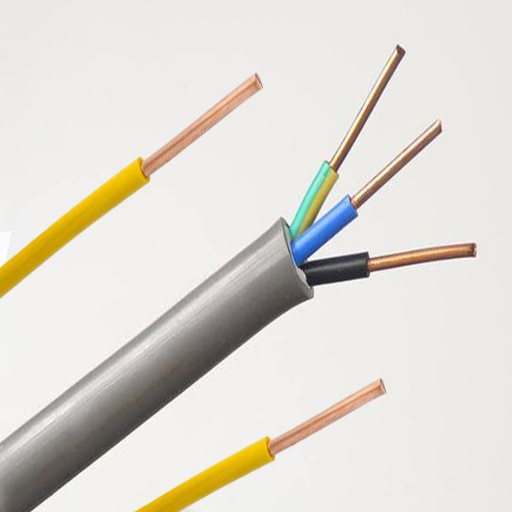
Kabel teras tunggal 120 mm memberikan saiz yang sangat besar yang diperlukan apabila aliran amperage yang berterusan dan tinggi tidak boleh dirunding. Kawasan konduktor yang luas mengekalkan penurunan voltan sederhana dan mengecil terutamanya pada laluan yang panjang. Lantai loji, koridor pemprosesan dan batang utiliti semuanya menemui kabel di rumah kerana ia bertolak ansur dengan penyalahgunaan namun terus berprestasi. Pemegang jalur dan penamat pantas juga mengurangkan masa berjam-jam dari permulaan cuaca kasar.
Faedah Menggunakan Kabel Teras Tunggal 120mm
- Kapasiti Membawa Arus Tinggi
Kabel teras tunggal 120 mm menghasilkan keratan rentas yang sangat besar sehingga utiliti secara rutin memanggilnya planet lain dalam carta ketinggian cabutan mereka. Arus yang besar mengalir melalui dengan hampir tidak ada bisikan perbezaan dari satu hujung ke hujung yang lain. Suapan kilang keluli berat dan terowong pengedaran gred gua jarang meminta lebih.
- Kehilangan Tenaga Rendah
Tembaga kadar pertama, atau atas permintaan, aluminium termaju, mengekalkan tentangan dalam julat mikro-ohm. Penurunan voltan mengecut ke tahap di mana gear pemeteran mendiskaunkannya sebagai hingar digital, melalui laluan jarak jauh, yang secara jimat diterjemahkan kepada pengebilan yang lebih rendah dari halaman pengubah.
- Ketahanan dan Panjang Umur
Sarungnya menggabungkan kekerasan polimer dengan web dalam yang mentertawakan garam, asap dan sepana yang jatuh ganjil. Sejuk kriogenik atau matahari cair, pautan silang enggan retak. Helaian spesifikasi sering memetik hayat perkhidmatan yang diukur dalam beberapa dekad dan bukannya tahun kalendar semata-mata.
- Kemudahan Pemasangan dan Penyelenggaraan
Walaupun tolok tebal, kabel siap berayun dekat dengan jisim mesra juruteknik. Garpu dan mesin dram berjentera mengendalikannya tanpa teater, membiarkan krew memastikan bekas tegak. Pemeriksaan sambatan berkala menjadi berjalan-jalan rutin, bukan lif wujud.
- Serbaguna Merentas Aplikasi
Loji keluli, koridor rel, platform luar pesisir- kekili yang sama jarang mengeluh apabila dialihkan antara mana-mana ini. Kekonduksian yang konsisten, perisai yang boleh dipercayai, dan kaedah potong-ke-panjang akar umbi standard mengelak perjanjian itu. Jurutera menulisnya dahulu, menyemak kemudian jika kerja mengecut dan bukannya berkembang.
Aplikasi untuk Kabel Teras Tunggal 120mm
- Rangkaian Pengagihan Kuasa
Profesional industri menggemari kabel ini untuk menghalakan elektrik merentasi kilang yang luas dan menara pejabat bertingkat tinggi. Sarungnya kekal utuh walaupun selepas bertahun-tahun membongkok, jadi kuasa terus mengalir apabila permintaan meningkat.
- Sistem Tenaga Boleh Diperbaharui
Ladang suria dan gugusan angin berpasangan dengan mudah dengan wayar ini; penyambung aloi terputus ke bar bas dalam sekejap. Pengendali grid menghargai bahawa grid semasa meluncur melalui tanpa gangguan biasa apabila awan hanyut.
- Infrastruktur Kenderaan Elektrik
Mengecas plaza menyimpan kabel ini kerana ia kekal sejuk walaupun semasa malam maraton apabila berpuluh-puluh Tesla dipasang serentak. Mekanik jarang melihat retak sarung, yang menyelamatkannya pembaikan lewat malam.
- Jentera Perindustrian
Penekan setem dan pemotong laser berjalan lebih bersih apabila disuap oleh wayar ini; voltan mantap menghentikan kadar penolakan. Log penyelenggaraan membuktikan masa henti jatuh dari tebing sebaik suis dibuat.
- Pendawaian Bawah Tanah dan Pencawang
Krew mempercayai produk ini dalam parit berlumpur atau di samping rak pengubah yang bersenandung. Penebat tiga lapisan mengenepikan bahan kimia dan kelembapan, menyebabkan jurutera kurang bimbang pada penghujung hari yang panjang.
Apakah Pelbagai Jenis Kabel 120mm?
- Kabel Teras Tunggal
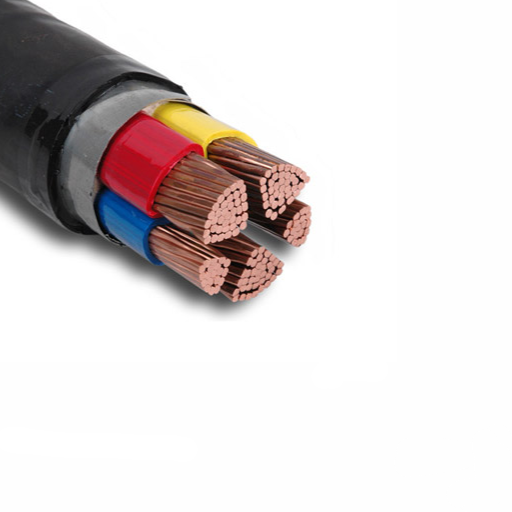
Teras tunggal memastikan perkara mudah, menyokong larian arus tinggi dan voltan rendah di mana pemasangan pantas adalah penting.
- Kabel Berbilang Teras
Dengan beberapa konduktor berpenebat yang digabungkan bersama, kabel berbilang teras muat dengan kemas ke dalam dulang kilang dan panel ketat sambil mengehadkan jumlah trunking yang diperlukan.
- Kabel Berperisai
Jaket dawai keluli atau aluminium melindungi kabel berperisai daripada penghancuran, pemotongan dan penyalahgunaan lain yang terdapat di tapak pembinaan atau di kilang.
- Kabel Halogen Sifar Asap Rendah
Apabila kebakaran berlaku, kabel LSZH mengehadkan penyebaran nyalaan dan sup asap toksik yang biasanya mengikuti, jadi dewan bertingkat tinggi dan terowong rel berasa lebih selamat sedikit.
Saiz 120 mm bagi setiap jenis menjawab panggilan di perlombongan, marin, pusat data atau tempat yang enggan berkompromi dengan kebolehpercayaan atau umur panjang.
Gambaran Keseluruhan Kabel Tunggal dan Berbilang Teras 120mm
Kabel 120 milimeter, sama ada dibina sebagai konduktor tunggal atau digabungkan dalam gandaan, digunakan dalam sektor yang pelbagai seperti perlombongan, dewan data dan penggerudian luar pesisir. Varian teras tunggal bersinar di mana ampacity semata-mata dan bahan profil bertali lurus. Rak pengagihan kuasa dan talian pengeluaran berat mencapainya kerana kuprum tebal membengkok dengan berat hati. Pemasang menghargai bahawa geometri sekeping menjadikan tarikan dan tampalan hampir bebas kekecohan.
Versi berbilang teras menganyam beberapa wayar bertebat ke dalam satu sarung luar, dan lilitan menjimatkan ruang dalam kabinet yang sesak. Panel kawalan, pam dan rak telemetri menggunakannya kerana lebih sedikit ekor bermakna kurang spageti. Walaupun dalam persekitaran yang sempit, rupa yang kemas memudahkan penyelesaian masalah. OEM boleh memilih antara Polietilena Ketumpatan Tinggi untuk penyalahgunaan luar atau jaket Halogen Sifar Asap Rendah untuk koridor keselamatan nyawa. Serbaguna seperti itu mengekalkan kedua-dua format di bahagian atas helaian spesifikasi dalam rangkaian kuasa dan arahan moden.
Perbezaan Antara Kabel Berperisai dan Tidak Berperisai
Ramai pemasang masih memperdebatkan kebaikan perisai: sarung logam berkilat akan mengenepikan alatan yang sesat dalam penggalian, manakala versi bogel menyelinap melalui parit yang lebih ketat dan saluran yang lebih kecil di mana risiko impak sudah ditetapkan harganya.
|
Parameter |
Kabel Berperisai |
Kabel Tidak Berperisai |
|---|---|---|
|
Perlindungan |
Tinggi |
Rendah |
|
Ketahanan |
Lagi |
Kurang |
|
Fleksibiliti |
Kurang |
Lagi |
|
Berat |
Berat |
Cahaya |
|
Kos |
Lebih tinggi |
Lebih rendah |
|
Penggunaan |
I ashpër |
Ringan |
|
Lapisan |
Tambahan |
Tiada |
|
Pemasangan |
Kompleks |
Mudah |
Memilih Antara Konduktor Kuprum dan Aluminium
Memilih antara konduktor tembaga dan aluminium jarang mudah; pereka bentuk secara rutin mengimbangi prestasi terma, beban mekanikal, harga pasaran dan jangka hayat projek. Dengan gred elektriknya yang tinggi, kuprum menjadi bahan utama di mana-mana penurunan voltan minimum dan bahan kebolehpercayaan maksimum. Walaupun dalam atmosfera lembap atau sarat kimia, logam mengekalkan kekuatan dan menentang pengoksidaan permukaan.
Walaupun aluminium mendorong kekonduksian lebih rendah beberapa peratus, beratnya hampir separuh daripada berat dan kos lebih rendah untuk membeli dan memasang. Oleh itu, utiliti talian tinggi mencapai aluminium apabila kabel seribu kilometer mesti kekal ringan semasa menavigasi jarak yang tidak berkesudahan antara menara. Aloi aluminium kejuruteraan terkini telah menutup banyak jurang mekanikal dan meluaskan kebolehgunaan logam merentas sektor.
Akhirnya, konteks projek memacu keputusan muktamad. Kabinet kawalan padat dan litar kritikal misi condong ke arah tembaga untuk silsilahnya yang terbukti; sambungan grid yang luas membalikkan kalkulus dan memihak kepada ekonomi aluminium.
Memahami Aplikasi Kabel untuk Kabel 120mm
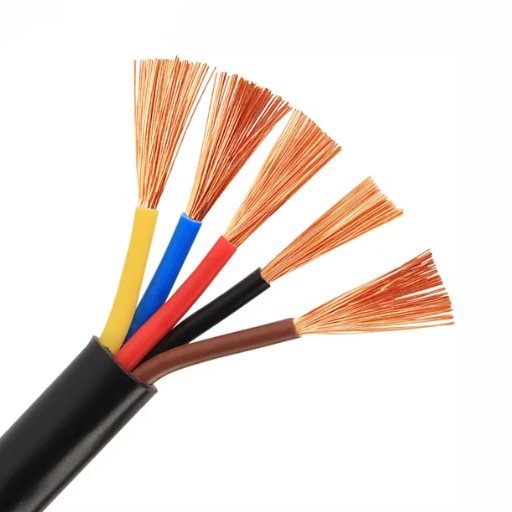
Kabel satu dua puluh milimeter adalah tunjang utama dalam grid kuasa tugas berat kerana terasnya yang luas memakan pancang arus yang besar tanpa mengeluarkan peluh. Utiliti dan kilang mencapainya apabila keutamaan utama adalah haba rendah dan voltan stabil, sama ada beban adalah ladang angin, rangkaian rel atau kilang keluli tunggal yang menolak banyak tenaga elektrik. Mengetepikan sakit kepala penghalaan, penamatan yang betul dan penyelenggaraan yang jujur adalah talian hayat terakhir untuk perkhidmatan yang selamat dan menjimatkan.
Aplikasi Elektrik Kediaman
Elektrik kediaman menjalankan kehidupan seharian rumah. Litarnya menyokong segala-galanya daripada pembuat kopi awal pagi hingga lampu membaca lewat malam. Keselamatan, keselesaan dan tabiat mudah semuanya menggunakan kuasa ghaib itu. Lima kegunaan biasa menggambarkan perkara itu.
- Pencahayaan
Ruang terang dan cahaya alu-aluan kedua-duanya bergantung pada pelan pencahayaan yang direka dengan baik. Keluarga kini mencampurkan mentol LED, kawalan aplikasi pintar dan lekapan berhias dalam satu lorong.
- Pemanasan, Pengudaraan dan Penyaman Udara (HVAC)
Ruang tamu yang membeku pada bulan Januari dan dipanggang pada bulan Julai membuktikan mengapa HVAC tidak pernah meninggalkan pelan tindakan. Relau pusat, penyejuk tingkap dan saluran udara segar berfungsi bersama-atau sekurang-kurangnya sepatutnya.
- Pendawaian Perkakas
Hampir setiap meja bersenandung apabila peti sejuk, ketuhar gelombang mikro dan mesin basuh menarik bahagian wattnya. Litar khusus melindungi peralatan tersebut daripada beban mengejut.
- Hiburan Rumah
Menstrim filem, bunyi sekeliling letupan dan tangkapan kepala pendaratan dalam permainan berbilang pemain semuanya memerlukan saluran yang boleh dipercayai. Hari ini, wayar ular di belakang skrin rata sambil pengawal menghirup Wi-Fi daripada penghala.
- Keselamatan dan Keselamatan
Jeritan penggera, kamera berpusing dan penderia asap berkelip atas sebab: ketenangan fikiran tidak pernah mengecas tambahan. Rangkaian moden mengarahkan makluman ke telefon lebih pantas daripada ribut elektrik boleh merentasi bandar.
Pereka bentuk, pembina dan kadangkala pemilik rumah yang sangat sabar mengetahui pesanan itu penting. Perancangan yang baik, parit yang kemas dan warna yang mematuhi kod memastikan elektrik berharga dan bukannya dramatik.
Kegunaan Komersial dan Perindustrian Kabel 120mm
Kabel pada 120 milimeter telah hanyut daripada penyelesai masalah kepada amalan rutin di kedai yang menuang konkrit dan bilik kawalan tempat robot memasang produk. Ketebalan boleh didapati secara senyap-senyap menyuap penyejuk besar, menukar gear untuk halaman rel, atau bateri litar yang memenuhi pencawang moden. Pembangun yang memasang penyongsang suria atau gantri turbin angin menyambung diameter yang sama terus ke tulang belakang utiliti dan mengharapkan amperage dibawa tanpa drama. Jurutera menghargai bahawa wayar 120 milimeter melepasi setiap ujian keselamatan pada buku, membiarkannya tergelincir di bawah turapan atau melalui koridor pusat membeli-belah yang sibuk tanpa perlu berpeluh. Penghantaran elektrik yang boleh diramalkan melalui semua laluan tersebut bukanlah pilihan.
Aplikasi Kabel Luaran vs Dalaman
Pengilang biasanya memakai kabel luar dalam jaket besar yang mengejek hujan, fros dan cahaya ultraungu; varian dalaman memberikan sebahagian daripada pukal itu untuk fleksibiliti dan pukulan yang lebih ringan kepada bajet.
| Aspek | Jashtë | Dalaman |
|---|---|---|
|
Persekitaran |
I ashpër |
Terkawal |
|
Ketahanan |
Tinggi |
Sederhana |
|
Kalis cuaca |
ya |
No |
|
Fleksibiliti |
Rendah |
Tinggi |
|
Kos |
Lebih tinggi |
Lebih rendah |
|
Aplikasi |
Jarak jauh, keras |
Jarak dekat, ringan |
Apakah Kepentingan Penebat dalam Kabel 120mm?
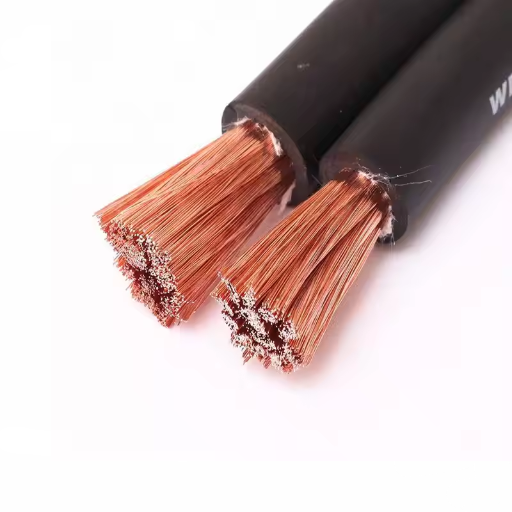
Penebat yang membungkus kabel 120mm adalah tonggak operasi yang selamat dan boleh dipercayai. Mengawal arus dalam konduktor terkandas rayapan elektrik yang sebaliknya boleh mencetuskan seluar pendek atau bahaya renjatan elektrik. Di luar peranan elektrik semata-mata, sarung melindungi daripada kelembapan, pancang suhu dan lelasan mekanikal, semuanya mengancam perkhidmatan tanpa gangguan. Dalam jangka panjang, lapisan pelindung meregangkan hayat perkhidmatan pemasangan, sama ada ia ular melalui lantai loji atau tergantung di atas tiang utiliti.
Jenis Penebat Digunakan dalam Kabel 120mm
Pengilang mencapai bahan yang berbeza bergantung pada pekerjaan yang ada. PVC kekal sebagai pilihan mesra bajet untuk persekitaran sederhana; XLPE membuka pilihan voltan lebih tinggi sambil mengenepikan haba; formulasi asap rendah meningkatkan keselamatan dalam terowong yang sesak; penebat getah mudah bengkok namun tahan terhadap minyak dan air.
| Jenis | Ketahanan | Fleksibiliti | Tahan Haba. | Aplikasi |
|---|---|---|---|---|
|
PVC |
Sederhana |
Tinggi |
Sederhana |
Jeneral |
|
XLPE |
Tinggi |
Rendah |
Tinggi |
Voltan Tinggi |
|
LSF |
Tinggi |
Sederhana |
Tinggi |
Keselamatan Kebakaran |
|
Getah |
Sederhana |
Tinggi |
Tinggi |
Penggunaan Fleksibel |
Bagaimana Penebat Mempengaruhi Prestasi Kabel
Pilihan penebat selalunya merupakan spesifikasi pertama yang diperiksa oleh jurutera sebelum meluluskan larian kabel 120 milimeter. Apabila sarungnya direka bentuk dengan baik, kebocoran voltan sesat dihapuskan, dan litar memegang amperage yang stabil. Sebatian kehilangan rendah juga bertindak seperti perisai, menyekat gelombang elektromagnet luaran yang sebaliknya akan mencemarkan isyarat atau merosakkan ukuran. Suhu adalah satu lagi kebimbangan; lapisan tahan haba menyerap banyak haba berlebihan dan melambatkan saat wayar berjalan dengan panas berbahaya. Penebat yang lebih tebal secara automatik menahan samaran, memendekkan selang antara pembaikan. Faedah ini menambah prestasi komersial, perindustrian dan penyelidikan yang boleh dipercayai.
Sumber Rujukan
- Makmal Kebangsaan Lawrence Berkeley
- Bangunan.Elektrik.Transmisi.Kabel Voltan Rendah
Satu set data dalam arkib makmal menentukan sifat teknikal kabel voltan rendah, antaranya konduktor aluminium 120 mm.
- Bangunan.Elektrik.Transmisi.Kabel Voltan Rendah
- Bilik Bacaan CIA
- Kabel Pembersihan Lombong
Fail risikan lama menggariskan binaan dan penggunaan wayar pembersihan lombong dengan diameter 120 mm.
- Kabel Pembersihan Lombong
- Pejabat Maklumat Saintifik dan Teknikal (OSTI)
- Pemasangan Kabel Luar Pesisir – Lillgrund
Laporan projek di tapak Lillgrund memetakan peletakan litar luar pesisir, sering menamakan gred 120 mm dalam senarai bahan mereka.
- Pemasangan Kabel Luar Pesisir – Lillgrund
Soalan Lazim (FAQ)
S: Mengapa memilih Kabel SWA XLPE Teras Tunggal 120mm?
J: Kabel SWA XLPE Teras Tunggal 120mm adalah pilihan yang sangat baik kerana reka bentuknya yang teguh dan rintangan yang tinggi terhadap kerosakan mekanikal dan faktor persekitaran. Penebat XLPEnya memastikan prestasi elektrik dan ketahanan yang unggul, menjadikannya sesuai untuk pelbagai aplikasi.
S: Apakah kabel SWA?
A: Kabel SWA, atau kabel berpenebat dawai keluli, ialah kabel elektrik dengan perisai pelindung yang diperbuat daripada wayar keluli. Reka bentuk ini menawarkan perlindungan yang luar biasa terhadap kerosakan fizikal, menjadikannya sesuai untuk pemasangan bawah tanah dan luar.
S: Apakah kelebihan menggunakan kabel SWA berperisai?
J: Kabel SWA berperisai menyediakan kekuatan mekanikal yang dipertingkatkan dan perlindungan terhadap keadaan persekitaran yang teruk. Ia memainkan peranan penting dalam tetapan industri di mana kabel mungkin terdedah kepada jentera berat atau potensi kesan.
S: Bagaimanakah saya boleh mencari pembekal kabel SWA 120mm yang boleh dipercayai?
J: Untuk mencari pembekal yang boleh dipercayai untuk kabel SWA 120mm, pertimbangkan untuk mencari pengeluar terkenal seperti Huadong Cable Group. Mereka mempunyai pengalaman yang luas dalam industri dan menawarkan harga yang kompetitif untuk produk berkualiti tinggi.
S: Mengapa memilih Huadong untuk produk kabel 120mm?
J: Huadong ialah pengeluar kabel yang dipercayai dengan lebih 20 tahun pengalaman membekalkan kabel berkualiti. Kepakaran mereka memastikan anda menerima produk kabel 120mm yang tahan lama dan boleh dipercayai yang memenuhi piawaian antarabangsa.
S: Apakah jenis kabel yang ditawarkan oleh Huadong yang berkaitan dengan 120mm?
J: Huadong menawarkan pelbagai produk kabel 120mm yang berkaitan, termasuk kabel SWA 4-teras 120mm dan kabel berperisai yang disesuaikan untuk memenuhi keperluan khusus. Mereka juga menyediakan saiz kabel tersuai mengikut keperluan pelanggan.
S: Apakah perbezaan antara kabel perisai 1 dan 4 teras?
J: Perbezaan utama antara kabel berperisai satu teras dan empat teras ialah reka bentuk dan aplikasinya. Kabel satu teras biasanya digunakan untuk kuasa fasa tunggal, manakala kabel empat teras digunakan untuk sistem kuasa tiga fasa, membolehkan sambungan elektrik yang lebih serba boleh.
S: Bolehkah saya mendapatkan kabel perisai 4 teras 120mm pada harga kilang?
J: Ya, Huadong menawarkan harga kilang yang kompetitif pada kabel perisai 4 teras 120 mmnya. Untuk tawaran terbaik, hubungi mereka terus untuk membincangkan keperluan khusus anda dan dapatkan sebut harga yang disesuaikan.
S: Apakah peranan penebat XLPE dalam kabel 120mm?
J: Penebat XLPE dalam kabel 120mm memberikan kestabilan haba yang sangat baik, prestasi elektrik dan ketahanan terhadap bahan kimia dan kelembapan, menjadikannya pilihan terbaik untuk aplikasi suhu tinggi dan tahan alam sekitar.