

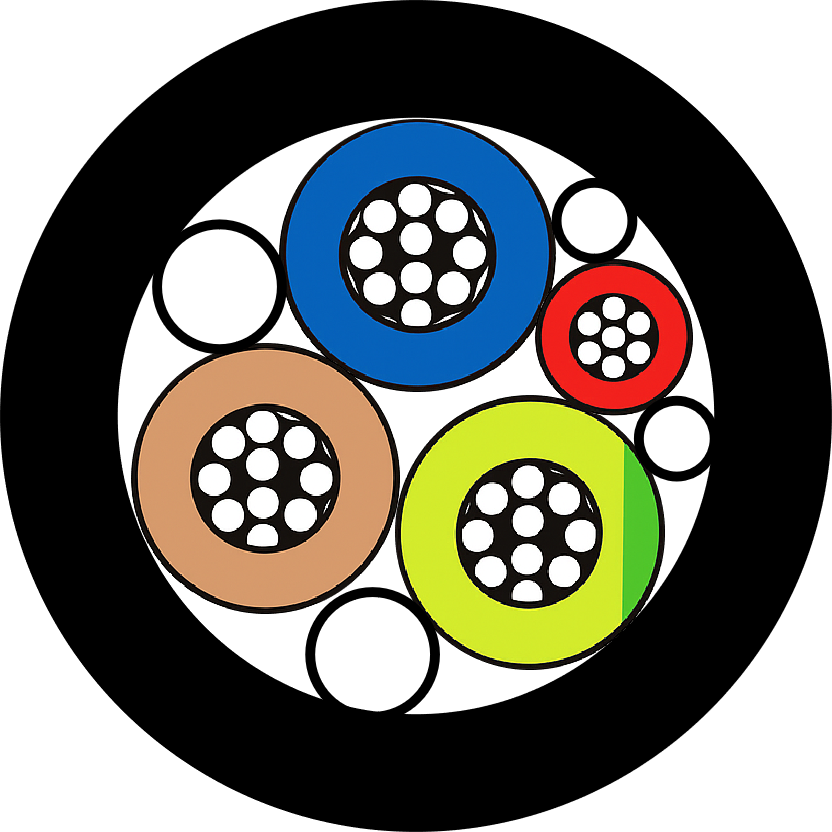





Powering a steel mill or wiring a new stretch of motorway is rarely forgiving terrain. In those demanding climates, the choice of cable weighs heavily on the final bill of health. Few sizes boast the resilience and versatility of the 120 mm conductor—Installers prize that diameter for both single-core runs through tidy tunnels and armoured drops into wetter ground. The gauge carries its share while granting a measure of extra margin that nervous engineers appreciate.
What follows is a compact survey of 120 mm cable, stripped of sales hyperbole. The article touches on strand count, sheath materials, mechanical ratings, and the small fine print on installation temperature. It also sketches a shortlist of typical jobs- chemical plants, offshore wind farms, rail electrification- where the heavy copper pays its dues. Electricians in coveralls and procurement clerks in boardrooms should find something useful in the coming paragraphs.
Why Choose a 120mm Single Core Cable?
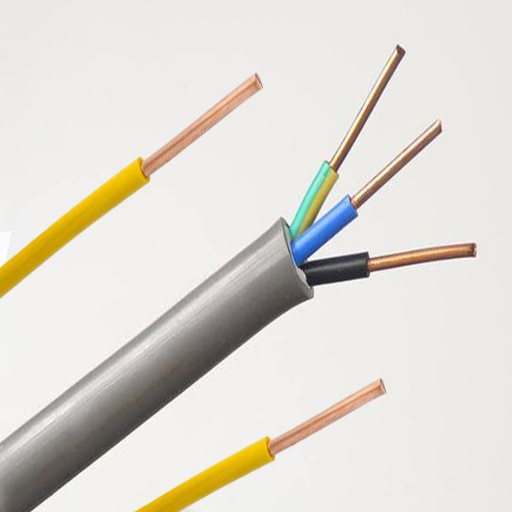
A 120 mm single-core cable delivers the sheer size needed when continuous, high amperage flow is non-negotiable. The generous conductor area keeps voltage drop modest and curtailsparticularly over long stretches of route. Plant floors, processing corridors, and utility trunking all find the cable at home because it tolerates abuse yet keeps performing. Quick strip-and-terminate handles also shave hours off rough-weather start-ups.
Benefits of Using 120mm Single Core Cable
- High Current-Carrying Capacity
A 120 mm single-core cable produces a cross-section so generous that utilities routinely call it another planet in their draw-height charts. Substantial current flows through with scarcely a whisper of difference from one end to the other. Heavy steel-mill feeds and cavern-grade distribution tunnels seldom ask for more.
- Low Energy Losses
First-rate copper, or on demand, advanced aluminium, keeps opposition in the micro-ohm range. Voltage drop shrinks to the point where metering gear discounts it as digital noise, over long-haul routes, that frugally translates to lower billing from the transformer yard.
- Durability and Longevity
The sheath blends polymer hardness with an inner web that laughs at salt, smoke, and the odd dropped spanner. Cryogenic chill or molten sun, the cross-linking refuses to crack. Spec sheets often quote a service life measured in decades rather than mere calendar years.
- Ease of Installation and Maintenance
Despite the chunky gauge, the finished cable swings close to a technician-friendly mass. Forks and mechanised drum machines handle it without theatrics, letting crews keep containers upright. Periodic splice checks become a routine stroll, not an existential lift.
- Versatility Across Applications
Steel plant, rail corridor, offshore platform- the same reel seldom complains when moved between any of these. Consistent conductivity, dependable shielding, and a standard grass-roots cut-to-length method seal the deal. Engineers pencil it in first, revise later if the job shrinks rather than expands.
Applications for 120mm Single Core Cables
- Power Distribution Networks
Industry professionals favor this cable for routing electricity across sprawling factories and high-rise office towers. The sheathing remains intact even after years of bending, so the power keeps flowing when demand spikes.
- Renewable Energy Systems
Solar ranches and wind clusters pair effortlessly with this wire; the alloy connectors snap to the busbars in a heartbeat. Grid operators appreciate that the current grid glides through without the usual hiccups as clouds drift by.
- Electric Vehicle Infrastructure
Charging plazas stock this cable because it stays cool even during marathon nights when dozens of Teslas plug in simultaneously. Mechanics rarely see the sheath crack, which spares them late-night repairs.
- Industrial Machinery
Stamping presses and laser cutters run cleaner when fed by this wire; steady voltage halts the reject rate. Maintenance logs prove the downtime falls off a cliff once the switch is made.
- Underground and Substation Wiring
Crews trust this product in muddy trenches or alongside humming transformer racks. The triple-layer insulation shrugs off chemicals and moisture, leaving engineers one less worry at the end of a long day.
What Are the Different Types of 120mm Cables?
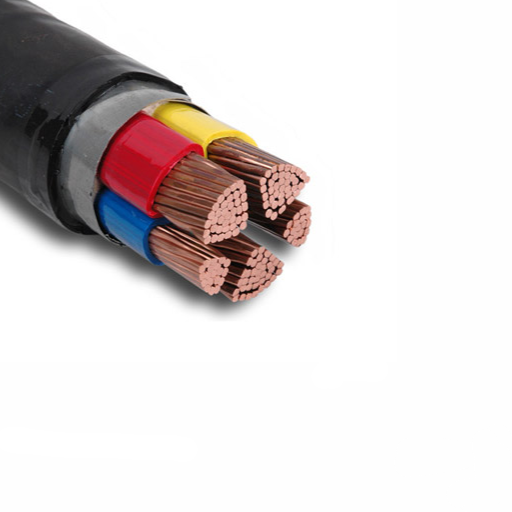
- Single-Core Cables
A single core keeps things straightforward, supporting high-current and low-voltage runs where quick installation is crucial.
- Multicore Cables
With several insulated conductors bundled together, multicore cable fits neatly into factory trays and tight panels while curtailing the amount of trunking required.
- Armored Cables
Steel-wire or aluminum jackets guard armored cable against crushing, cutting, and other abuses found on construction sites or in mills.
- Low-Smoke Zero Halogen Cables
When fire breaks out, LSZH cable limits flame spread and the soup of toxic fumes that usually follow, so high-rise halls and rail tunnels feel a little safer.
120-mm sizes of each type answer the call in mining, marine, data centers, or place that refuses to compromise on reliability or longevity.
Overview of 120mm Single and Multi-Core Cables
A 120-millimetre cable, whether built as a single conductor or bundled in multiples, is used in sectors as diverse as mining, data halls, and offshore drilling. The single-core variant shines where sheer ampacity and a straight-laced profile matter. Power distribution racks and heavy-production lines reach for it because the thick copper bends reluctantly anyway. Installers appreciate that the one-piece geometry makes pulling and patching nearly fuss-free.
Multi-core versions weave several insulated wires into one outer sheath, and the twist saves space in crowded cabinets. Control panels, pumps, and telemetry racks use them because fewer tails mean less spaghetti. Even in cramped environments, the tidy look eases troubleshooting. OEMs can select between High-Density Polyethylene for outdoor abuse or Low-Smoke Zero Halogen jackets for life-safety corridors. Versatility like that keeps both formats at the top of the spec sheet in modern power and command networks.
Differences Between Armoured and Non-Armoured Cables
Many installers still debate the merits of armour: the glossy metal sheath will shrug off wayward tools in an excavation, while the naked version slips through tighter trenches and smaller ducts where the risk of impact is already priced in.
|
Parameter |
Armoured Cables |
Non-Armoured Cables |
|---|---|---|
|
Protection |
High |
Low |
|
Durability |
More |
Less |
|
Flexibility |
Less |
More |
|
Weight |
Heavy |
Light |
|
Cost |
Higher |
Lower |
|
Usage |
Harsh |
Mild |
|
Layer |
Extra |
None |
|
Installation |
Complex |
Easy |
Choosing Between Copper and Aluminium Conductors
Selecting between copper and aluminum conductors is rarely straightforward; designers routinely balance thermal performance, mechanical load, market price, and project lifetime. With its high electrical grade, copper becomes the go-to material wherever minimal voltage drop and maximum reliability matter. Even in humid or chemical-laden atmospheres, the metal retains strength and resists surface oxidation.
Though aluminum nudges conductivity lower by a few percent, it weighs nearly half as much and costs even less to purchase and install. High-line utilities, therefore, reach for aluminum when a thousand kilometers of cable must stay light while navigating endless spans between towers. The latest engineered aluminum alloys have closed much of the mechanical gap and broadened the metal’s usability across sectors.
Ultimately, project context drives the final decision. Compact control cabinets and mission-critical circuits lean toward copper for its proven pedigree; sprawling grid extensions flip the calculus and favor aluminum’s economy.
Understanding Cable Applications for 120mm Cables
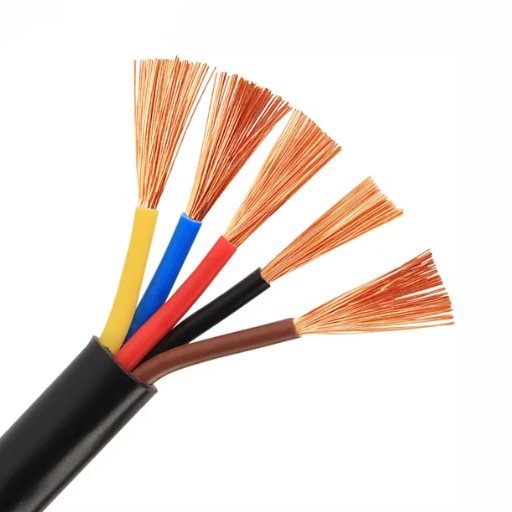
One-twenty-millimetre cables are a mainstay in heavy-duty power grids because their broad core eats up enormous current spikes without breaking a sweat. Utilities and factories reach for them whenever the top priority is low heat and steady voltage, whether the load is wind farms, rail networks, or a single steel mill pushing around tons of electricity. Leaving aside routing headaches, proper termination and honest upkeep are the final lifelines for safe, economical service.
Residential Electrical Applications
Residential electricity runs a home’s daily life. Its circuits support everything from early-morning coffee makers to late-night reading lamps. Safety, comfort, and simple habit all draw on that unseen power. Five familiar uses illustrate the point.
- Lighting
Bright spaces and a welcome glow both hinge on a well-designed lighting plan. Families now mix LED bulbs, intelligent app control, and ornate fixtures in a single hallway.
- Heating, Ventilation, and Air Conditioning (HVAC)
Living rooms that freeze in January and roast in July prove why HVAC never leaves the blueprint. Central furnaces, window coolers, and fresh-air ducting work together- or at least they should.
- Appliance Wiring
Almost every countertop hums when refrigerators, microwaves, and washing machines pull their share of wattage. Dedicated circuits protect those very appliances from surprise overloads.
- Home Entertainment
Streaming movies, blasting surround sound, and landing headshots in multiplayer games all require reliable outlets. Today, wires snake behind flat screens while controllers sip Wi-Fi from routers.
- Safety and Security
Alarms shriek, cameras swivel, and smoke sensors blink for a reason: peace of mind never charges extra. Modern networks route alerts to phones faster than an electric storm could cross town.
Designers, builders, and sometimes very patient homeowners learn that order matters. Good planning, tidy trenches, and code-compliant colors keep the electricity valuable rather than dramatic.
Commercial and Industrial Uses of 120mm Cables
Cables at 120 millimeters have drifted from problem-solver to routine practice in shops that pour concrete and control rooms where robots assemble products. The thickness can be found quietly feeding large chillers, switching gear for rail yards, or the battery of circuits that crowd a modern substation. Developers installing solar inverters or wind-turbine gantries splice the same diameter straight onto the utility backbone and expect the amperage to carry without drama. Engineers appreciate that 120-millimeter wire passes every safety test on the books, letting it slip under pavement or through busy mall corridors without anyone having to sweat. Predictable electricity delivery through all those pathways is simply not optional.
Outdoor vs Indoor Cable Applications
Manufacturers usually dress outdoor cable in a hefty jacket that scoffs at rain, frost, and ultraviolet light; the indoor variant sheds some of that bulk for flexibility and a lighter hit to the budget.
| Aspect | Outdoor | Indoor |
|---|---|---|
|
Environment |
Harsh |
Controlled |
|
Durability |
High |
Moderate |
|
Weatherproof |
Yes |
No |
|
Flexibility |
Low |
High |
|
Cost |
Higher |
Lower |
|
Applications |
Long-distance, harsh |
Short-distance, mild |
What is the Importance of Insulation in 120mm Cables?
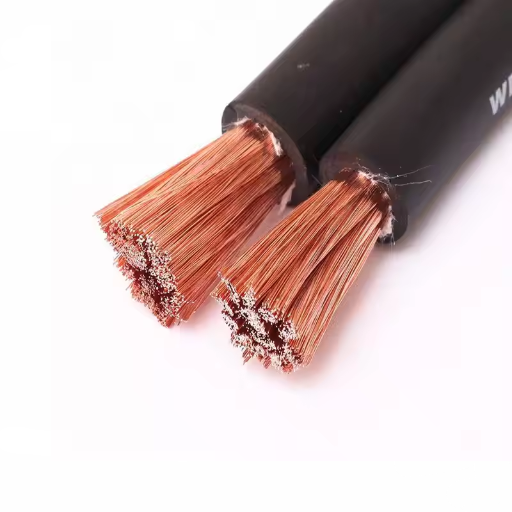
The insulation encasing a 120mm cable is a linchpin of safe, dependable operation. Controlling the current within the conductor strands electrical creep that could otherwise trigger shorts or electrocution hazards. Beyond purely electrical roles, the sheath guards against moisture, temperature spikes, and mechanical abrasion, all threatening uninterrupted service. In the long run, the protective layer stretches the service life of the assembly, whether it snakes through a plant floor or hangs overhead on utility poles.
Types of Insulation Used in 120mm Cables
Manufacturers reach for different materials depending on the job at hand. PVC remains a budget-friendly choice for temperate environments; XLPE opens up higher-voltage options while shrugging off heat; low-smoke formulations improve safety in crowded tunnels; rubber insulation bends easily yet stands up to oil and water.
| Type | Durability | Flexibility | Heat Resist. | Applications |
|---|---|---|---|---|
|
PVC |
Moderate |
High |
Moderate |
General |
|
XLPE |
High |
Low |
High |
High Voltage |
|
LSF |
High |
Moderate |
High |
Fire Safety |
|
Rubber |
Moderate |
High |
High |
Flexible Use |
How Insulation Affects Cable Performance
The choice of insulation is often the first specification engineers check before approving a run of 120-millimetre cable. When the sheath is well-designed, stray voltage leaks are eliminated, and the circuit holds steady amperage. Low-loss compounds also act like shields, blocking external electromagnetic waves that would otherwise smudge a signal or corrupt a measurement. Temperature is another worry; a heat-resistant layer absorbs much excess heat and delays the moment the wire runs dangerously hot. Thicker insulation automatically resists nicks, shortening the intervals between repairs. These benefits add to dependable commercial, industrial, and research performance.
Reference Sources
- Lawrence Berkeley National Laboratory
- Buildings.Electrical.Transmission.LowVoltageCables
A single data set in the laboratory’s archives specifies technical properties of low-voltage cabling, among them 120 mm aluminium conductors.
- Buildings.Electrical.Transmission.LowVoltageCables
- CIA Reading Room
- Mine-Clearing Cable
Older intelligence files outline the build and use of mine-clearing wire with a diameter of 120 mm.
- Mine-Clearing Cable
- Office of Scientific and Technical Information (OSTI)
- Offshore Cable Installation – Lillgrund
Project reports on the Lillgrund site map the laying of offshore circuits, frequently naming 120 mm grades in their materials lists.
- Offshore Cable Installation – Lillgrund
Frequently Asked Questions (FAQs)
Q: Why choose 120mm Single Core XLPE SWA Cable?
A: The 120mm Single Core XLPE SWA Cable is an excellent choice due to its robust design and high resistance to mechanical damage and environmental factors. Its XLPE insulation ensures superior electrical performance and durability, making it suitable for various applications.
Q: What is an SWA cable?
A: SWA cable, or steel wire insulated cable, is an electrical cable with protective armoring made from steel wires. This design offers outstanding protection against physical damage, making it ideal for underground and outdoor installations.
Q: What are the advantages of using armoured SWA cable?
A: Armoured SWA cable provides enhanced mechanical strength and protection against harsh environmental conditions. It is instrumental in industrial settings where cables may be exposed to heavy machinery or potential impacts.
Q: How can I find a reliable 120mm SWA cable supplier?
A: To find a reliable supplier for 120mm SWA cable, consider looking for established manufacturers like Huadong Cable Group. They have extensive experience in the industry and offer competitive prices on high-quality products.
Q: Why choose Huadong for 120mm cable products?
A: Huadong is a trusted cable manufacturer with over 20 years of experience supplying quality cables. Their expertise ensures you receive durable, reliable 120mm cable products that meet international standards.
Q: What types of cables does Huadong offer that are related to 120mm?
A: Huadong offers a variety of related 120mm cable products, including 120mm 4-core SWA cable and armoured cables tailored to meet specific requirements. They also provide customized cable sizes according to the client’s needs.
Q: What is the difference between 1 and 4-core armoured cables?
A: The primary difference between one-core and four-core armoured cables is their design and application. A one-core cable is typically used for single-phase power, while four-core cables are used for three-phase power systems, allowing for more versatile electrical connections.
Q: Can I get a 120mm 4-core armoured cable at the factory price?
A: Yes, Huadong offers competitive factory prices on its 120 mm 4-core armoured cables. For the best deals, contact them directly to discuss your specific requirements and get a tailored quote.
Q: What is the role of XLPE insulation in 120mm cables?
A: XLPE insulation in 120mm cables provides excellent thermal stability, electrical performance, and resistance to chemicals and moisture, making it a superior choice for high-temperature and environmental-resistant applications.