

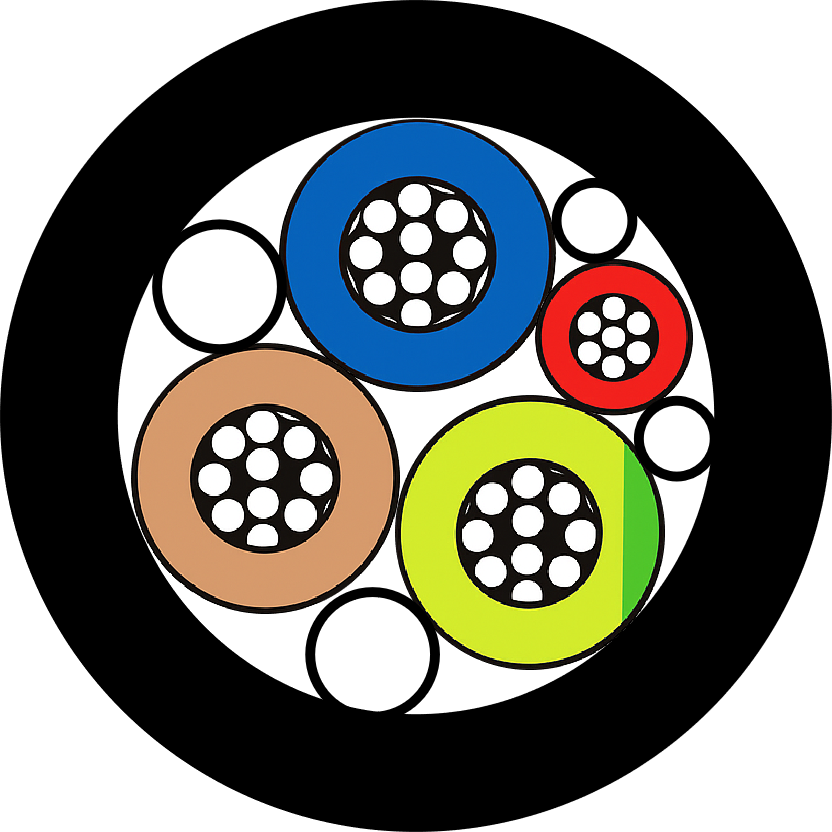





Adakah anda tahu tentang kabel bersalut logam? Sekiranya anda tidak melakukannya, anda tidak perlu risau. Selamat datang ke artikel bermaklumat kami, di mana kami akan cuba menerangkan segala-galanya mengenai produk kabel bersalut logam. Kami akan meneroka struktur, kefungsian, aplikasi dan kelebihan produk kabel bersalut logam. Tidak kira sama ada anda pemilik rumah atau juruelektrik atau mempunyai minat mudah dalam sistem elektrik, artikel ini ditetapkan untuk meneroka kabel bersalut logam dan aplikasinya dalam pelbagai jenis persekitaran. Produk kabel telah muncul sebagai penyelesaian pendawaian elektrik yang paling fleksibel tanpa mengira keperluan elektrik. Jadi, tanpa berlengah lagi, marilah kita mencuba dan memahami kabel bersalut logam dan ia berfungsi secara terperinci bersama-sama,
Apa itu Kabel Bersalut Logam?
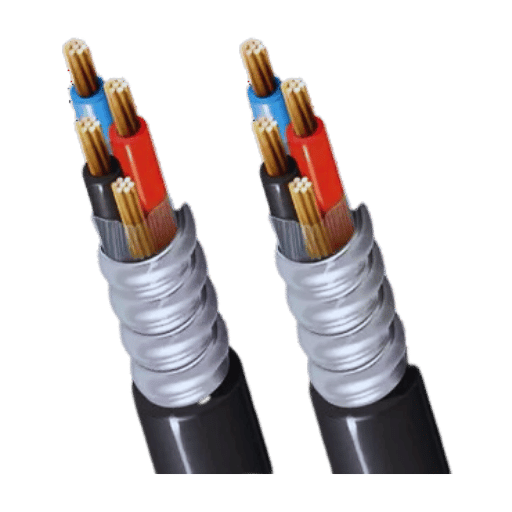
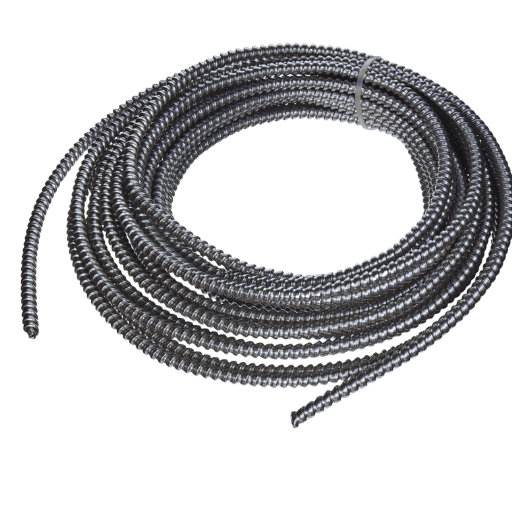
Kabel MC ialah wayar bersalut logam dengan banyak wayar ditempatkan di bawah penyaduran logam. Ia mempunyai cara yang boleh dipercayai dan selamat untuk mencapai voltan atau kuasa yang diingini merentasi pelbagai peranti. Sarung logam, biasanya aluminium atau keluli, berfungsi sebagai perisai pelindung dan wayar pembumian. Reka bentuk ini membenarkan kabel MC mempunyai kekuatan yang unggul dan peningkatan rintangan terhadap kerosakan fizikal dan perisai daripada gangguan elektromekanikal. Kabel MC sering digunakan di rumah kediaman, bangunan besar dan kemudahan mekanikal yang memerlukan fleksibiliti, keteguhan dan pematuhan kod elektrik untuk dipenuhi.
Memahami Struktur daripada Kabel Bersalut Logam
Kabel bersalut logam (MC Cable) ialah kabel elektrik yang menggabungkan pembinaan dan kefungsian unggul. Ia direka bentuk dengan berbilang konduktor tembaga atau aluminium yang disarungkan dalam sarung logam sama ada keluli atau aluminium. Kabel MC ini mempunyai sarung logam yang bertindak sebagai lapisan fizikal yang melindungi konduktor daripada kerosakan luaran dan sebagai konduktor pembumian untuk mengelakkan sebarang gangguan daripada daya elektromagnet.
Kabel MC menawarkan banyak kelebihan struktur. Sarung logam bertindak sebagai lapisan tambahan, meningkatkan jangka hayat kabel dengan melindunginya daripada daya dan faktor luar. Kabel MC sedemikian tahan terhadap bahan kimia, kelembapan dan suhu, membolehkan ia digunakan dalam beberapa senario berbeza sambil turut menyediakan sarung logam untuk mengurangkan kemungkinan kejutan elektrik.
Disebabkan fleksibiliti, reka bentuk yang teguh dan pematuhan dengan kod elektrik, Kabel MC digunakan secara meluas dalam persediaan kediaman, komersial dan perindustrian. Disebabkan kepelbagaian mereka, ia boleh dipasang dalam pelbagai persediaan, termasuk keadaan basah dan juga situasi pengebumian langsung. Reka bentuk dan binaan termaju mereka menjadikan MC. Untuk membuat kesimpulan, kabel bersalut logam mempunyai komposisi konduktor yang terbungkus dalam sarung logam, berfungsi untuk tujuan perlindungan, pembumian dan memberikan rintangan kepada mana-mana faktor luar. Atas sebab ini, ia boleh digunakan dalam tetapan kediaman, komersial dan perindustrian yang memerlukan ketahanan tinggi dan memenuhi piawaian kod elektrik yang ditetapkan.
Peranan Perisai dalam Kabel Bersalut Logam
Perisai Kabel Berpakaian Logam (Kabel MC) dioptimumkan untuk memberikan perlindungan dan kekuatan tambahan. Perisai ialah sarung logam beralun yang mengelilingi konduktor yang diletakkan di dalam kabel. Perisai ini berfungsi sebagai perumah pelindung dan menjamin perlindungan mekanikal yang kuat, melindungi konduktor daripada pelbagai ancaman.
Berikut ialah beberapa aspek utama untuk difahami tentang perisai dalam Kabel MC:
- Perlindungan Mekanikal: Perlindungan mekanikal Kabel MC sangat baik kerana perisai logamnya, yang kuat terhadap hentaman, mampatan dan daya penghancuran. Ini berguna untuk pemasangan di lokasi di mana tekanan fizikal atau kemungkinan kemusnahan pada kabel mungkin berlaku.
- Pembumian: Perisai logam dalam Kabel MC yang menyediakan perlindungan pembumian juga penting. Ia membantu dalam mewujudkan laluan kerosakan tanah, yang mengurangkan dengan ketara kemungkinan berlakunya kejutan elektrik dan, oleh itu, melindungi sistem elektrik.
- Perlindungan Alam Sekitar: Disebabkan pembinaan berperisainya, MC Cable lebih tahan terhadap keadaan cuaca yang teruk seperti kelembapan, bahan kimia dan lava. Akibatnya, ia mungkin lebih baik untuk digunakan dalam pelbagai aplikasi, termasuk pemasangan luaran dan dalaman.
- Fleksibiliti: Perisai beralun memberikan fleksibiliti, dengan itu meningkatkan kesesuaian kabel untuk pemasangan di kawasan yang sempit dan sukar.
Pengilang dan penggunaan perisai yang dimaksudkan menentukan perincian dan reka bentuk yang rumit bagi Perisai Kabel MC. Apabila menggunakan kabel MC, sentiasa ikut kod elektrik dan piawaian yang dikeluarkan oleh pengilang.
Perbezaan Antara Kabel MC dan Kabel Lain
Apabila ingin memasang wayar elektrik, adalah penting untuk membezakan antara Kabel Metal-Clad (MC) dan pilihan lain yang tersedia. Kabel MC mempunyai beberapa faedah yang menjadikannya lebih baik daripada bentuk pendawaian tradisional. Dalam skop ini, kami membincangkan penggunaan Kabel MC dan cara ia berbeza daripada jenis kabel lain yang tersedia dengan menyerlahkan ciri dan kelebihan utamanya.
- Pembinaan dan Reka Bentuk: Kabel MC disarungkan dalam penebat, tetapi ia mempunyai reka bentuk seni bina yang unik yang membezakannya daripada kabel standard. Ini adalah sarung logam pelindung yang mengelilingi konduktornya. Ini menambah ketahanan pada wayar, menjadikannya lebih sesuai untuk keadaan yang lebih keras dan lebih sukar untuk dipecahkan.
- Fleksibiliti dan Pemasangan: Reka bentuk kabel berperisai menjadikannya lebih mudah untuk digunakan. Ia membolehkan fleksibiliti dan serba boleh berbeza dengan kabel konduit dan bukan logam konvensional. Sarung fleksibel memudahkan kerja di lokasi yang lebih keras dan ketat.
- Keselamatan dan Pematuhan: Langkah telah diambil untuk memastikan MC Cable lulus pemeriksaan keselamatan, seperti mempunyai perisai logam kabel yang menutup wayar jadi ia tidak mudah terbakar, menjadikannya lulus peraturan keselamatan lain.
- Aplikasi: Walaupun sesetengah kabel boleh digunakan untuk tujuan tertentu, MC Cable mempunyai pelbagai kemungkinan aplikasi yang lebih luas. Ia digunakan di kawasan basah, pendawaian kediaman dan komersial, dan, dalam beberapa kes, ia juga boleh ditanam secara langsung. Fleksibilitinya memastikan kebolehpercayaan untuk semua jenis pemasangan elektrik.
- Kefungsian dan Prestasi: Mendapatkan cerapan tentang cara Kabel MC agak mudah digunakan semasa membangunkan profil reka bentuk pendawaian sedia ada adalah satu perkara yang perlu diberi perhatian. Untuk kekonduksian, penebat dan perlindungan litar, Kabel MC berprestasi luar biasa. Faktor-faktor ini membantu dalam membina konduktor dan penebat dengan secukupnya untuk memastikan kecekapan maksimum dan operasi elektrik yang betul.
Semasa mempertimbangkan penyelesaian pendawaian yang betul untuk projek elektrik anda, adalah penting untuk mengutamakan dan menilai keperluan dan keperluan unik sedia ada. Sesetengah kabel yang boleh digunakan dibuat khusus untuk pemasangan tertentu, tetapi ini tidak berlaku untuk sesetengah orang. Disebabkan reka bentuk yang unik, fleksibiliti, ciri keselamatan dan kesesuaian untuk pelbagai pemasangan, MC Cable ialah penyelesaian pilihan dalam kebanyakan pemasangan elektrik. Sentiasa rujuk kod elektrik dan arahan pengilang untuk menjamin penggunaan Kabel MC yang selamat dan cekap, memastikan keselamatan pelanggan atau pengguna semasa menggunakan kabel.
Bagaimana Kerja Kabel MC?
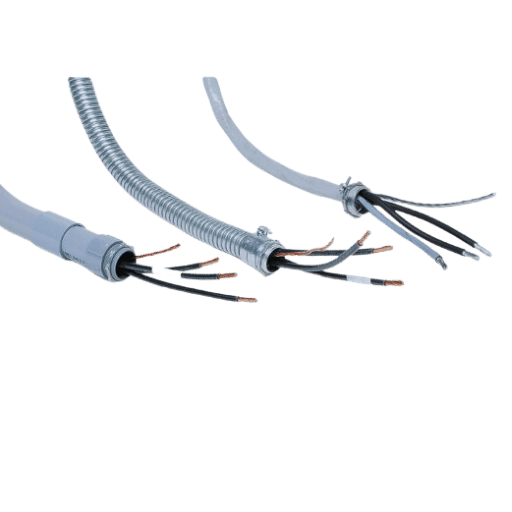
Kefungsian daripada Konduktor dalam Kabel MC
Dalam sistem Kabel MC, konduktor mempunyai tanggungjawab kritikal untuk memindahkan arus elektrik di sekeliling sistem, terutamanya apabila menggunakan konduktor bersalut tembaga. Ia ditugaskan untuk menghantar kuasa dari sumber ke peranti atau peralatan. Kuprum atau aluminium dengan logam yang mengalirkan elektrik dengan cekap digunakan untuk membina peranti ini. Ia direka untuk mengehadkan kerugian sambil dapat membawa beban elektrik yang dijangkakan. Penebat elektrik ditambah untuk melindungi konduktor T daripada litar pintas dan bahaya lain. Lapisan penebat sedemikian menjamin pemindahan arus elektrik yang selamat dan cekap ke seluruh sistem Kabel MC sambil mengelakkan gangguan dengan bahan atau konduktor lain.
Kefahaman Konduktor Litar dalam Kabel MC
Adalah penting untuk mentafsir konduktor litar kabel MC dan peranannya dalam aliran elektrik yang cekap tenaga dan selamat. Konduktor litar memindahkan beban arus atau peranti yang perlu ditenagakan dalam kabel MC bersama-sama dengan beberapa kerugian. Sejak kebelakangan ini, kemungkinan terlalu panas konduktor ini telah dihapuskan dengan saiz dan penebat yang betul, yang juga melindungi daripada bahaya elektrik seperti litar pintas. Perisai penebat menyediakan jarak yang mencukupi antara arus bebas dan penambat atau bahan atau konduktor lain di mana MC kabel dipasang atau dihalakan. Memahami peranan konduktor litar utama dalam kabel MC memastikan pemasangan elektrik yang selamat dan berkesan.
Kepentingan daripada Penebat dalam Kabel MC
Penggunaan penebat yang betul adalah penting untuk berfungsi dengan baik Kabel Metal-Clad (MC), kerana ia membantu dalam penghantaran dan perlindungan arus elektrik. Fabrik lapisan penebat bertindak sebagai penambat penebat yang tidak membenarkan herotan atau halangan arus elektrik dengan mencetuskan bahan atau konduktor lain yang tersedia, yang mungkin menyebabkan pintasan atau kecacatan elektrik lain.
Terdapat beberapa sebab khusus mengapa penebat dianggap penting dalam Kabel MC:
- Keselamatan Elektrik: Menyedari peranan yang dimainkan oleh kabel penyuap dan wayar pembumian dalam pelbagai jenis pemasangan. Fungsi penting bahan penebat yang membungkus Kabel MC adalah untuk memastikan arus aktif mengendalikan beban elektrik dan penebat aktif. Paling penting, penebat membantu mengawal tahap kebocoran elektrik, yang sangat mengurangkan kemungkinan kejutan elektrik atau kemerosotan kabel akibat unsur-unsur dari persekitaran luaran.
- Perlindungan daripada Haba dan Kebakaran: Penebat yang terdapat dalam komponen kabel MC sangat melambatkan kebakaran dan juga boleh menyekat kebakaran dengan hebat. Ini juga melindungi dan melindungi kabel daripada menyala sendiri, dengan itu tidak menyumbang kepada haba dan nyalaan. Penebat juga membantu menguruskan suhu dalam kabel, oleh itu melindungi pelbagai bentuk kemusnahan mekanikal akibat suhu yang sangat tinggi.
- Ketahanan dan Panjang Umur: Perlindungan mekanikal yang ditawarkan oleh lapisan penebat dalam Kabel MC menjamin perlindungan terhadap kerosakan fizikal dan lelasan pada konduktor. Ini meningkatkan ketahanan kabel, membantunya bertahan dalam pelbagai persekitaran dan aplikasi.
- Penarafan Penebat: Penebat dalam Kabel MC dinilai dan dikelaskan mengikut kapasitinya untuk bertolak ansur dengan spesifikasi suhu dan voltan tertentu. Spesifikasi ini membantu menentukan kebolehgunaan kabel untuk jenis pemasangan elektrik tertentu, memastikan prosedur pemasangan yang betul dan selamat.
Profesional mesti memahami kepentingan penebat dalam Kabel MC dan hubungannya dengan keselamatan dan prestasi elektrik supaya mereka boleh memilih dan memasang kabel MC dengan selamat untuk keadaan kerja yang pelbagai dalam litar elektrik.
Mana Boleh Kabel Bersalut Logam Digunakan?
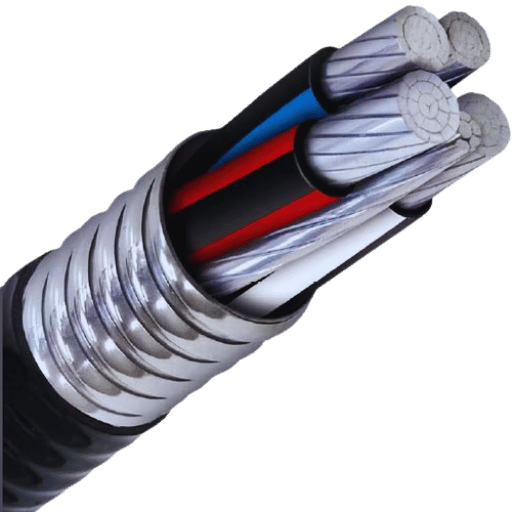
Permohonan dalam Lokasi Basah
Kabel Bersalut Logam (Kabel MC) digunakan secara meluas di kawasan basah atau terdedah kepada lembapan kerana keupayaannya untuk menahan tenggelam dalam air bawah tanah. Kabel ini terlindung khas dan mempunyai binaan tegar, yang membolehkannya digunakan untuk pelbagai aplikasi elektrik dalam persekitaran sedemikian. Di bawah ialah beberapa kawasan di mana Kabel MC biasanya digunakan di zon tumbuh-tumbuhan basah:
- Pencahayaan Luaran: Kabel MC kerap digunakan untuk pencahayaan luar dan agak berkesan dalam menyediakan kuasa untuk menerangi laluan, landskap dan kawasan bangunan luar.
- Kolam Renang dan Spa: Kabel MC berwayar bersih dengan sambungan tanah untuk keselamatan yang lebih baik dan digunakan dalam pendawaian kolam renang/spa elektrik, membolehkan kuasa digunakan di kawasan basah dan menghakis.
- Marina dan Dok: Air, cuaca dan faktor luar yang lain tidak menjejaskan kualiti Kabel MC, oleh itu ia kerap digunakan dalam pemasangan elektrik di marina dan dok.
- Rumah Hijau dan Kemudahan Pertanian: Kabel MC sesuai untuk digunakan dalam kemudahan pertanian dan rumah hijau, membolehkan pendawaian selamat untuk sistem pengairan, lampu dan peralatan lain.
- Cuci kereta: Pembinaan penebat kuat MC Cable membolehkannya menyediakan bekalan elektrik dengan selamat untuk pencahayaan, peranti bermotor dan sistem kawalan dalam kemudahan mencuci kereta dan menyambung dengan kabel penyuap berkuasa tinggi untuk meningkatkan pengurusan kuasa.
Contoh-contoh ini menyerlahkan hanya beberapa daripada banyak aplikasi lokasi basah di mana Kabel MC boleh digunakan. Penebat kalis lembapan dan reka bentuk lasak membolehkan pemasangan sistem elektrik yang selamat dan bebas masalah dalam keadaan yang teruk dengan melindungi daripada kemungkinan ancaman dan mengekalkan perkhidmatan yang cekap.
Kegunaan dalam Kediaman dan Komersial Pendawaian Elektrik
Kabel Bersalut Logam (Kabel MC) adalah standard dalam projek pendawaian elektrik untuk kedua-dua rumah dan bangunan komersial. Pembinaannya teguh dan dilengkapi dengan penebat tahan lembapan; oleh itu, ia boleh digunakan dalam pelbagai pemasangan, memastikan bekalan kuasa yang selamat dan cekap. Di bawah ialah cara menggunakan Kabel MC dalam pemasangan elektrik:
- Kabel MC digunakan dalam bangunan kediaman sebagai pendawaian litar cawangan untuk alur keluar, lampu, dan juga peralatan. Ia memastikan sambungan yang selamat dan kukuh di seluruh bangunan, meningkatkan keselamatan terhadap bahaya sambil memastikan konsistensi dalam pengagihan elektrik melalui ladang.
- Tetapan komersial dan perindustrian lain, seperti pejabat, kedai dan kilang, juga menggunakan Kabel MC dalam pemasangan elektrik. Ia sesuai untuk menjanakan unit pengedaran, membina sistem pencahayaan, dan juga sistem HVAC. Kelembapan tidak menjadi isu apabila menggunakan Kabel MC, menjadikannya sesuai untuk pelbagai aplikasi komersial.
- Sekolah, universiti dan institut pendidikan lain menyambungkan bilik darjah, makmal dan kawasan pentadbiran lain menggunakan Kabel MC. Apabila digabungkan dengan peralatan lain seperti lampu, peralatan audiovisual dan juga makmal komputer, kabel MC berfungsi dengan sempurna sebagai penyelesaian bekalan kuasa yang boleh dipercayai dan selamat.
- Kabel WiringMC Pusat Perubatan kini biasanya digunakan di kemudahan penjagaan perubatan, terutamanya di klinik dan hospital, kabel mc paling sesuai untuk kawasan yang memerlukan pendawaian struktur khas apabila sistem beroperasi seperti bilik pesakit, dewan bedah dan bilik diagnostik. Apabila menangani konteks penjagaan kesihatan, kabel MC digunakan pada peranti perubatan, reka bentuk, pemasangan lampu dan bekalan kuasa operasi penting untuk peralatan yang diperlukan melalui langkah keselamatan dan perlindungan yang teguh.
Di rumah dan bangunan pejabat, Kabel MC memberikan kecekapan yang lebih tinggi di samping pendawaian yang boleh dipercayai untuk pelbagai projek elektrik komersial dan kediaman sambil memastikan pendawaian premis selamat dan mengikut peraturan yang ditetapkan.
Pemasangan dalam Pengebumian Terus Senario
Prosedur yang betul mesti dipatuhi apabila meletakkan kabel MC dalam senario pengebumian terus terus di dalam tanah untuk memastikan sistem elektrik yang selamat dan boleh dipercayai disediakan. Di bawah adalah pertimbangan untuk pemasangan pengebumian terus:
- Konduit Sesuai: Berhati-hati harus dilakukan apabila menggunakan konduit yang betul, seperti konduit logam tegar (RMC) atau konduit logam perantaraan (IMC), untuk melindungi kabel daripada kerosakan semasa pengebumian. Di bawah kod elektrik semasa, konduit mesti dibenamkan pada tahap kedalaman yang betul.
- Kalis air: Air yang mungkin meresap ke dalam kabel melembutkan keberkesanan penebatnya, jadi pengedap, kotak kalis air, dan langkah pembumian yang sesuai harus diambil untuk mengelakkan kelembapan daripada menembusi kabel.
- Pembumian: Ingat untuk membumikan Kabel MC dengan betul dalam senario NC langsung untuk mengurangkan kemungkinan kerosakan elektrik untuk keselamatan dan kebolehpercayaan yang dipertingkatkan. Laksanakan peruntukan NEC dan kod tempatan berkenaan pembumian.
- Kedalaman Betul: Lokasi yang berbeza menuntut pelbagai tahap kedalaman berbanding dengan keadaan tanah, kabel yang digunakan dan jenis wilayah. Oleh itu, kabel MC harus dibenamkan dalam kedalaman yang betul seperti yang diperlukan oleh undang-undang tempatan. Untuk keperluan yang terperinci, berunding dengan kod elektrik dan pihak berkuasa tempatan.
Dengan mengikuti garis panduan ini, juruteknik akan menjamin bahawa Kabel MC dipasang dengan betul dalam situasi pengebumian langsung, sekali gus memastikan sistem elektrik yang selamat dan boleh dipercayai untuk pelbagai aplikasi. Sentiasa rujuk kepada norma dan peraturan yang sesuai serta piawaian keselamatan yang terpakai untuk memastikan pematuhan dalam pemasangan pengebumian langsung.
Apakah itu Kelebihan menggunakan Kabel Bersalut Logam?
Perlindungan daripada Api dan Perosak
Menurut penemuan, kabel MC boleh dianggap sebagai salah satu pilihan wayar bangunan teratas kerana ia menawarkan perlindungan terhadap kebakaran dan perosak tertentu. Pertimbangan pertama yang perlu diambil kira apabila menggunakan Kabel MC ialah perisai pita logam yang saling mengunci agak tahan api dan, oleh itu, boleh mengurangkan risiko kebakaran disebarkan dengan ketara apabila berlaku kerosakan. Tahap perlindungan kebakaran tambahan ini sepatutnya diperlukan untuk aplikasi sedemikian di mana perlindungan sangat dicari, seperti bangunan perindustrian, komersial dan kediaman. Kabel MC juga tahan terhadap kerosakan perosak, yang menyebabkan saya percaya bahawa struktur kabel boleh berfungsi sebagai penghalang untuk menjejaskan kualiti wayar elektrik sistem. Tambahan pula, Kabel MC yang menggunakan perisai logam yang kuat adalah alternatif terbaik untuk melindungi konduktor daripada tikus dan ancaman berbahaya yang lain kepada konduktor. Menggunakan Kabel MC boleh memberi ketenangan kepada pelanggan apabila pendawaian elektrik dilakukan.
Kemudahan Pemasangan Kerana Pita Logam Berjalin
Ciri perisai yang saling mengunci pada Kabel MC adalah mudah untuk dipasang, dan salah satu ciri yang paling berguna ialah ia mengurangkan kerugian tepat pada masa dan usaha untuk pakar elektrik. Memandangkan perisai dihasilkan dengan logam, tiada lagi keperluan untuk kelengkapan konduit atau konduit, yang memudahkan proses pemasangan dan menjimatkan kos bahan. Begitu juga, dengan MC Cable, kakitangan boleh menjalankan pemasangan tanpa risiko tanpa melanggar kod keselamatan atau sebarang peraturan pematuhan.
Kebaikan Perisai Aluminium
Kabel MC Aluminium datang dengan sama ada salutan aluminium atau keluli. Walau bagaimanapun, salutan aluminium juga bermanfaat berbanding keluli kerana ia memegang set atribut berikut yang membolehkan kabel digunakan untuk pelbagai fungsi yang lebih luas. Sebagai permulaan, perisai aluminium adalah tahan kakisan, sekali gus membolehkan kabel digunakan di luar dan dalam persekitaran yang menghakis; ia juga agak ringan dan lebih fleksibel daripada keluli, menjadikannya lebih mudah untuk bergerak semasa pemasangan serta menawarkan kekonduksian yang lebih baik, yang diterjemahkan kepada prestasi elektrik yang dipertingkatkan. Semua ini membolehkan kabel MC perisai aluminium dianggap boleh dipercayai dan serba boleh.
Cara Memilih Yang Betul Kabel MC?

Duke vlerësuar AWG dan Konduktor Jenis
Memilih kabel MC yang betul untuk pemasangan elektrik anda boleh membosankan. Walau bagaimanapun, anda boleh membuat tugas ini lebih mudah dengan memfaktorkan dalam Tolok Wayar Amerika (AWG) dan jenis konduktor yang digunakan. Tiub awg merujuk kepada penyeragaman wayar, di mana nombor yang lebih kecil menandakan wayar yang lebih tebal. Seperti yang anda tahu, Beberapa saiz AWG boleh dilaraskan untuk tujuannya. Ia ditentukan dengan mempertimbangkan perkara seperti amp dan peraturan voltan, kerana terdapat kabel berperisai tembaga dan aluminium dengan banyak diameter.
Beberapa faktor penting di bawah perlu dipertimbangkan semasa menilai AWG dan bentuk jenis konduktor:
- Membawa Arus. Ia adalah prasyarat untuk memilih saiz Kabel MC sesuai dengan saiz AWG yang diperlukan yang boleh menguruskan beban yang dijangkakan tanpa terlalu panas. Rujuk Kod Elektrik Kebangsaan (NEC) atau panduan berasaskan industri lain untuk menyemak julat saiz maksimum tertentu yang sesuai bagi mana-mana awg yang harus digunakan.
- Penurunan Voltan. Untuk mengekalkan kecekapan larian kabel yang panjang adalah perlu untuk menurunkan rintangan konduktor. Oleh kerana AWG yang besar mewakili yang kecil yang mengakibatkan penurunan voltan yang lebih rendah. Untuk memastikan bahawa kabel berfungsi untuk tujuannya, penurunan voltan hendaklah dikira selaras dengan panjang kabel, arusnya dan bahan yang diperbuat daripadanya.
- Bahan Konduktor: Untuk kabel MC, beberapa bahan konduktor tersedia, termasuk tembaga dan aluminium. Kebanyakan aplikasi yang memerlukan pilihan berperisai aluminium berfungsi paling baik dengan konduktor kuprum kerana ia mempunyai kekonduksian yang unggul dan rintangan kakisan. Konduktor aluminium kos lebih murah dan lebih ringan, tetapi ia mungkin perlu dinaik taraf dalam saiz AWG untuk mengimbangi kekonduksian yang dikurangkan.
- Sentiasa ikut kod elektrik, norma industri dan keperluan projek tertentu apabila memilih saiz AWG dan jenis konduktor Kabel MC yang mencukupi untuk pemasangan anda. Ikuti keperluan NEC dan UL untuk memastikan keselamatan dan kebolehpercayaan.
Seperti yang dinyatakan sebelum ini, melayani pelanggan atau juruelektrik berlesen adalah lebih dinasihatkan supaya ge yang betul dipatuhi semasa bekerja dengan Kabel MC untuk keperluan khusus seperti menggunakan wayar penyuap dan tanah.
Duke marrë parasysh Kabel Berperisai Berjaket
Kabel Berperisai Berjaket adalah alternatif yang serba boleh dan kukuh untuk digunakan dalam pemasangan elektrik. Ia melindungi kabel daripada risiko alam sekitar, kesan fizikal dan kelembapan. Kabel ini menggunakan jaket luar lasak dan perisai logam yang meningkatkan pertahanan. Perisai diperbuat daripada bahan logam yang memberikan kekuatan perlindungan kepada kabel daripada hentaman dan penghancuran atau penembusan yang tidak disengajakan. Tambahan pula, perisai berjaket mengekalkan perlindungan terhadap lenturan, merosakkan tikus, kakisan dan UV. Semasa memilih kabel berperisai berjaket yang sesuai, keperluan tepat projek perlu difahami dengan baik, bersama-sama dengan suasana di mana kabel perlu berfungsi. Mengikuti amalan yang dicadangkan, kod elektrik dan peguam profesional akan membantu memastikan anda menggunakan Kabel Berperisai Berjaket yang betul untuk pemasangan anda supaya ia berfungsi dengan cekap dan berkesan dari segi kos.
Pematuhan dengan Kod Elektrik Negara dan UL Standardet
Kabel yang ditutup dengan perisai boleh mematuhi piawaian yang ditetapkan oleh kod elektrik negara dan makmal penaja jamin. Ini memastikan bahawa kabel yang direka bentuk akan mematuhi ciri keselamatan dan prestasi, piawaian yang ditetapkan untuk wayar aluminium, dan kabel tembaga disertakan. Dengan mematuhi NEC, kabel direka bentuk mengikut spesifikasi peruntukan dan peraturan yang ditetapkan oleh pihak berkuasa elektrik untuk wilayah tertentu itu. Sijil UL menjamin bahawa kabel ini telah melalui prosedur ujian dan penilaian muktamad untuk memastikan kualiti dan keselamatannya. Adalah penting bahawa semasa peringkat reka bentuk kabel tercalar berjaket, pematuhan terkawal dengan pemasangan elektrik dan kod keselamatan, piawaian dan peraturan dipastikan.
Soalan Lazim (FAQ)

S: Apakah kabel bersalut logam, dan apakah perbezaannya daripada jenis kabel elektrik yang lain?
J: Kabel bersalut logam, atau kabel jenis MC, dikelaskan sebagai kabel elektrik dengan sama ada satu atau beberapa konduktor berpenebat yang dilindungi oleh selongsong logam. Tiada sistem konduit yang berasingan, tidak seperti sistem lazim di mana semua konduktor individu ditempatkan dalam penutup besi fleksibel, penutup kabel MC. Berbanding dengan kabel AC jenis, kabel MC dibezakan daripadanya kerana kabel MC mengandungi konduktor tanah peralatan bersaiz sama dengan konduktor pembawa arus terbesar dan dengan itu menampung aplikasi keperluan kabel elektrik yang lebih luas.
S: Apakah faedah ketara menggunakan kabel jenis MC?
J: Kabel jenis MC bermanfaat terutamanya kerana ia kurang menyusahkan semasa pengendalian dan penggunaan berbanding konduit logam tegar seperti EMT. Tembaga dan aluminium bersalut logam gred tinggi melindungi daripada kesan fizikal yang berbahaya dan gangguan elektromagnet. Ia juga sesuai untuk pemasangan terdedah dan tersembunyi. Sarung logam juga menyediakan tanah tambahan untuk tujuan keselamatan. Menurut NEC, kabel MC juga tidak sensitif terhadap pengunyahan haiwan dan boleh digunakan di lokasi kering dan basah.
S: Apakah jenis konduktor yang biasa digunakan dalam kabel bersalut logam?
J: Kabel jenis ini mempunyai sama ada konduktor tembaga atau aluminium yang boleh dibina menjadi wayar pepejal atau padat. Ini adalah aluminium bersalut tembaga atau aluminium padat, masing-masing. Terutamanya, wayar berpenebat THHN digunakan untuk konduktor, dan ini cenderung lebih tahan terhadap haba dan lembapan, jadi wayar kuprum kebanyakannya digunakan. Kabel MC juga boleh menggunakan konduktor pembumian, yang digunakan mengikut keperluan reka bentuk kabel, yang, dalam kebanyakan (bukan semua) kes, terlindung, dan keperluan lain yang tidak menggunakan penebat.
S: Bagaimanakah seseorang membina sarung logam dalam kabel MC?
J: Sarung biasanya diperbuat daripada aluminium atau keluli dan boleh licin atau beralun; walau bagaimanapun, keluli beralun adalah lebih elastik dan cenderung untuk digunakan lebih banyak. Sesetengah wayar MC mempunyai perisai yang dibina daripada pita logam yang saling bersambung untuk melindungi sambil masih membenarkan fleksibiliti. Sarung bukan sahaja melindungi wayar lain dalam strukturnya tetapi, dalam banyak (tetapi bukan semua) kes, berfungsi sebagai konduktor pembumian peralatan.
S: Apakah syarat yang perlu dipenuhi untuk memasang kabel bersalut logam?
J: Keperluan pemasangan kabel MH mesti mengikut peraturan NEC 330 dan kawalan lain yang ditetapkan oleh negeri tempatan. Kabel hendaklah disokong dengan baik dan diikat oleh penyambung dan kotak elektrik pada jarak yang munasabah. Semasa memasang pakej MC, jangan pusing terlalu dekat dengan kabel atau sarung untuk mengelakkan salah satu daripadanya pecah. Bergantung pada aplikasi dan kod tempatan, kabel boleh dipasang dalam dulang kabel, melalui dinding, siling atau dipasang pada permukaan.
S: Adakah menggunakan kabel bersalut logam dan bukannya saluran dibenarkan dalam setiap keadaan?
J: Walaupun kabel MC boleh digunakan dalam skop sedemikian, ia bukanlah pengganti yang sempurna untuk aplikasi konduit. Terdapat keadaan apabila saluran logam tegar atau cara pendawaian lain diperlukan, contohnya, di lokasi berbahaya atau kawasan yang boleh mengalami penyalahgunaan fizikal yang melampau. Sentiasa rujuk NEC dan kod tempatan untuk memilih kaedah pendawaian yang sesuai untuk kerja elektrik yang terlibat.
S: Bagaimanakah anda mematikan kabel MC dan menamatkannya dengan sewajarnya untuk membuat sambungan?
J: Penamatan kabel MC memerlukan penggunaan penyambung yang sesuai yang dihasilkan untuk jenis kabel tertentu itu. Sarung biasanya dipotong ke belakang untuk menunjukkan konduktor dalaman, dan bahagian tepinya dicekak untuk mengelakkan kerosakan pada konduktor. Penyambung diletakkan pada hujung kabel yang dipotong ke kotak elektrik atau apa-apa peralatan lain yang sepatutnya dipasang. Terdapat juga keperluan untuk sengkang penyambung tiga, yang menjamin kesinambungan pembumian melalui penyambung dan memastikan semua sambungan ketat.
S: Apakah had penggunaan kabel bersalut logam?
J: Ada kemungkinan kabel MC boleh mengatasi hampir setiap cabaran lain sambil juga meraih ketidakcekapan dan mengurangkan kos. Walau bagaimanapun, penyelesaian yang cekap sepenuhnya dan kos efektif untuk setiap aplikasi tidak tersedia. Kabel MC mempunyai had dalam aplikasi tertentu kerana ia mungkin tidak selalu mematuhi kod tempatan di mana kepungan saling berkait diberi mandat sebagai sebahagian daripada peraturan. Adalah dinasihatkan untuk menyemak semula sebarang perubahan eficiencia sekiranya kabel MC kelihatan praktikal.
Sumber Rujukan
1. Punca Lengkok di dalam Petak Alat Suis Bersalut Logam Tahan Voltan Sederhana pada Hari Cerah Tanpa Kehadiran Lonjakan Pensuisan, 2023 (Paul, YY & Yan Fu, 2023, ms 1 – 7)
Hasil Utama:
- Sekurang-kurangnya, udara lembap dan habuk yang telah menembusi petak kabel suis menyebabkan kerosakan penebat, yang mengakibatkan pengesanan penebat dan kerosakan arka fasa fasa.
- Pergerakan louver letupan arka di atas ruang ekzos arka antara kedudukan terbuka dan tertutup sepenuhnya dibenarkan untuk kemasukan udara dan habuk ke dalam petak kabel, yang tidak dibenarkan dalam reka bentuk kepungan tahan arka.
Metodologi:
- Kami meneliti insiden kerosakan arka dan kerosakan alat suis yang berkaitan, yang melibatkan degradasi penebat, udara lembap dan pencemaran zarah habuk bawaan udara.
- Saya melihat bagaimana louver letupan arka beroperasi dan kesannya pada petak kabel.
2. Seperti yang dinasihatkan sepanjang tujuh tahun yang lalu, Alat suis dan bilik tertutup logam voltan rendah, perlindungan automatik terbina dalam dan sistem kawalan jauh. (Clothier, 1932, hlm. 285–330)
Bawa pulang:
- Pelayaran penerokaan telah dibuat dalam pembinaan jenis suis bersalut logam, dan kemajuan telah dibuat dalam fungsi sistem kawalan automatik dan jauh.
- Ia juga ditekankan bahawa adalah penting untuk mengubah suai reka bentuk bilik dengan ciri pengasingan kerosakan automatik, yang boleh melindungi hartanah dan memastikan kestabilan bekalan asas.
Metodologi:
- Dikumpul melalui literatur yang menghuraikan pembangunan alat suis menjalar logam di samping teknologi perlindungan automatik dan alat kawalan jauh yang semakin maju.