

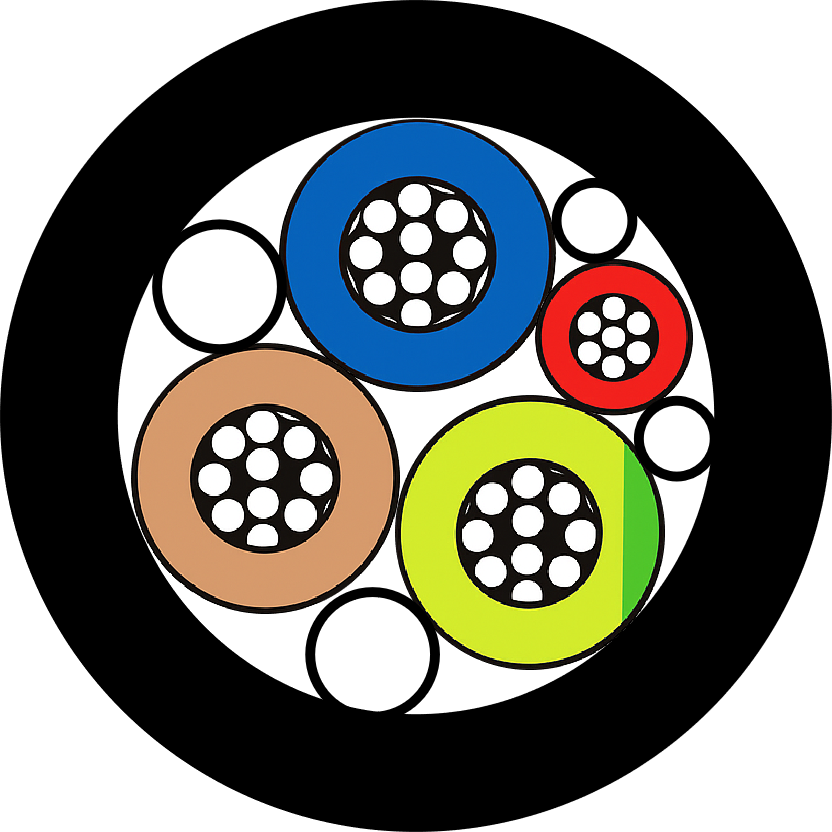





Para uma fiação elétrica eficiente e confiável, mantendo casas e comunidades alimentadas, os fios de Distribuição Residencial Subterrânea desempenham um papel significativo Em termos mais simples, esses cabos devem ser colocados no subsolo para garantir a transmissão suave de eletricidade e protegê-los de quaisquer fatores ambientais prejudiciais, como tempestades e clima severo Este artigo visa esclarecer o significado de Fios URD, (incluindo sua função, construção, vantagens e aplicações primárias Em suma, o blog é um esboço geral direto e direto ao ponto Suponha que você seja um proprietário interessado em entender como a eletricidade é fornecida à sua área, ou você seja alguém que busca clareza sobre os sistemas de fiação URD Nesse caso, este blog fornecerá uma visão geral abrangente, mas concisa, cobrindo as principais informações Obtenha o básico sobre os fios URD, que formam a espinha dorsal da distribuição de energia residencial moderna.
O que é o URD Wire?
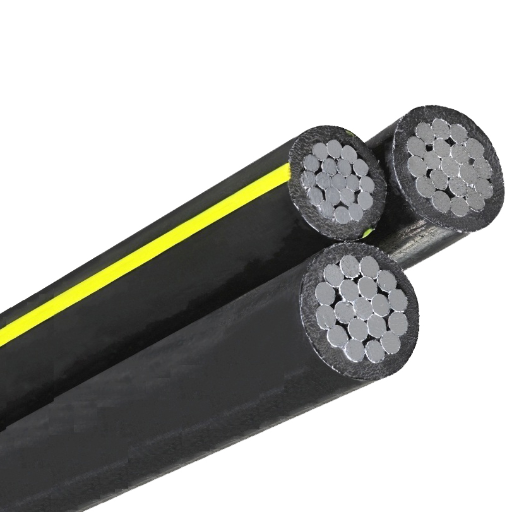
Um fio URD (Underground Residential Distribution) é um tipo de cabo elétrico projetado especificamente para distribuir eletricidade em áreas residenciais através de sistemas subterrâneos, Ele é isolado contra umidade e fatores ambientais, e é forte o suficiente para suportar os rigores da instalação subterrânea Os fios URD são normalmente usados para conectar energia de transformadores para residências, fornecendo energia consistente e confiável, eliminando a necessidade de linhas de energia aéreas.
Definição e Características do Cabo URD
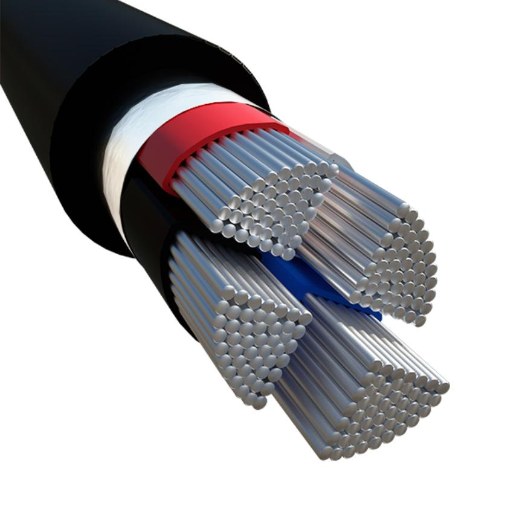
O cabo URD (Underground Residential Distribution) é um cabo elétrico especialmente projetado que fornece energia para sistemas residenciais subterrâneos, garantindo segurança, confiabilidade e uma vida útil mais longa, São cabos multicondutores, sendo o alumínio o condutor usual devido à sua excelente condutividade e menor custo. Tais cabos são altamente isolados com isolamento XLPE (polietileno reticulado), o que os torna excepcionalmente resistentes à umidade, abrasão e tensões térmicas, tornando-os uma escolha adequada para instalações subterrâneas.
Os cabos URD estão disponíveis em várias configurações, em conformidade com os modos monofásico ou trifásico, para atender às necessidades dos sistemas de distribuição de energia residenciais urbanos e suburbanos Eles são normalmente classificados para tensões de aproximadamente 600 V e superiores, facilitando a transferência de eletricidade de transformadores para residências ou estruturas individuais As considerações adicionais incluem estabilidade térmica, resistência aos raios UV em áreas expostas à luz solar e robustez mecânica para suportar pressões subterrâneas.
Pesquisadores mostraram que, quando devidamente mantidos e instalados, a vida útil dos cabos URD varia de 30 a 50 anos Outra vantagem desses cabos é que eles eliminam a necessidade de linhas elétricas aéreas, reduzindo assim os custos de manutenção e proporcionando maior segurança durante tempestades e ventos fortes Além disso, isso destaca a paisagem, pois os cabos permanecem escondidos no subsolo.
Esses cabos servem como a tábua de salvação de qualquer sistema elétrico moderno, atingindo um equilíbrio entre as redes de distribuição de energia que priorizam a eficiência, a confiabilidade e a adaptabilidade ambiental.
Aplicações do Fio URD
Os fios de Distribuição Residencial Subterrânea obtêm energia elétrica para casas e empresas É um componente crucial no sistema de distribuição de energia subterrânea, abrangendo desde transformadores a casas, empresas e outros tipos de instalações Os fios URD são os cabos que correm no subsolo em comunidades urbanas e suburbanas, onde a fiação aérea não é ideal devido a preocupações estéticas ou de segurança Além disso, para projetos de energia renovável, como solar, é considerado um dos melhores métodos de fiação para distribuição de energia subterrânea e confiável, Possui fortes características de isolamento contra agressões ambientais e é adequado para instalações permanentes, independentemente das condições do solo ou umidade Portanto, a adaptabilidade do fio URD o torna uma opção segura no mundo elétrico moderno.
Benefícios do uso do cabo URD
Durabilidade e longevidade: O cabo URD é projetado com isolamento robusto e de alta qualidade que resiste a condições ambientais adversas Ele resiste à umidade, produtos químicos e temperaturas extremas, proporcionando uma longa vida útil mesmo quando instalado no subsolo.
Custo de Instalação: Uma vez que é leve e flexível, é fácil de manusear e instalar, e é criado de tal forma que os custos de mão-de-obra e esforços são reduzidos durante a instalação Além disso, sua durabilidade reduz os custos de manutenção e substituição a longo prazo.
Transmissão de energia eficiente: Os cabos URD fornecem transmissão de energia estável e eficiente em longas distâncias Seu baixo valor de resistência elétrica os mantém longe da perda pecuniária de energia, tornando-os confiáveis para projetos residenciais, industriais e de energia renovável.
Vantagens de segurança: Os cabos URD, sendo fortemente isolados, suportam falhas elétricas e, ao serem enterrados no subsolo, reduzem a exposição a fios aéreos, aumentando assim a segurança para a vida e a propriedade.
Aplicações Versáteis: De projetos de infraestrutura urbana a isolados energia solar projetos, os cabos URD são adaptados para se adequarem a todos os usos. Sua flexibilidade e adaptabilidade os tornam essenciais para as necessidades elétricas modernas.
Tipos de cabo URD
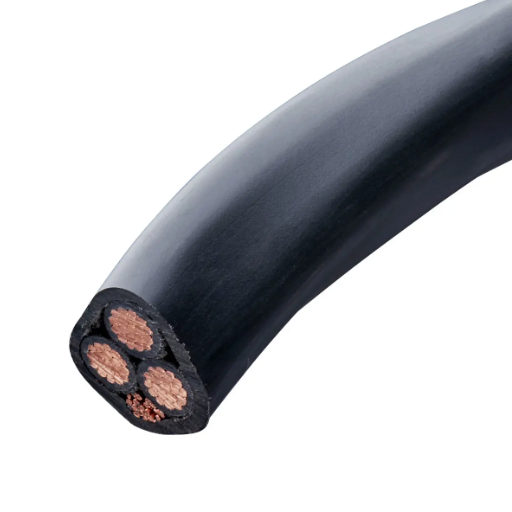
Cabo URD de Condutor Único: Este tipo é normalmente usado em aplicações residenciais e comerciais leves Consiste em um único condutor isolado, geralmente acompanhado por um neutro concêntrico, e pode ser enterrado diretamente ou instalado em conduítes.
Cabo URD multi-condutor: Estes cabos são usados em sistemas elétricos maiores, onde múltiplos condutores são agrupados dentro de uma única bainha de isolamento Eles são geralmente usados em redes de distribuição maiores para transferir energia de forma eficiente para vários pontos.
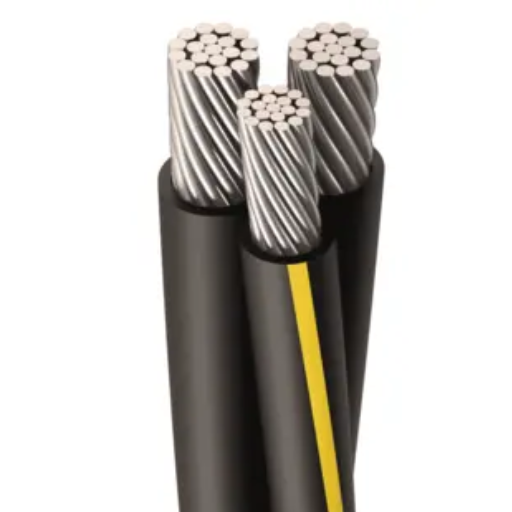
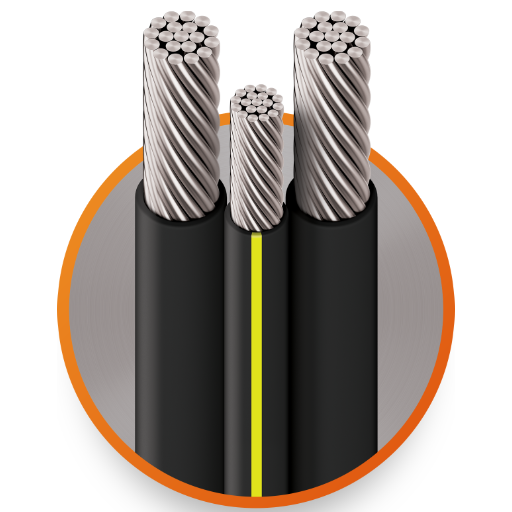
Cabo URD triplex: mesmos condutores de fase isolados e um condutor neutro nu ou isolado; isto é, um cabo triplex usado em linhas de macaco, como linhas de distribuição secundárias, para conectar postes a edifícios residenciais.
Cabo quádruplo: Servindo a finalidades mais pesadas, tais como plantas industriais pequenas comerciais, ele é projetado com quatro condutores URD isolados ou um neutro nu isolado.
Cada tipo de cabo URD é projetado para aplicações específicas, garantindo desempenho confiável e eficiente em ambientes residenciais e comerciais.
Fio URD de alumínio
O fio URD (Distribuição Residencial Subterrânea) de alumínio oferece uma solução econômica que resiste ao teste do tempo em sistemas elétricos subterrâneos Geralmente, possui condutores de alumínio combinados com isolamento XLPE (polietileno reticulado), proporcionando resistência contra umidade, produtos químicos e extremos de temperatura. Esta combinação de fios é amplamente utilizada para transferir energia de transformadores para locais residenciais ou comerciais, garantindo a transmissão eficaz de energia com custos reduzidos de instalação e materiais. Os fios URD de alumínio estão disponíveis em configurações simples, duplex, triplex ou quadruplex, dependendo dos requisitos de carga em um determinado local. Eles são especialmente adequados para distribuição de energia moderna devido à sua natureza leve, resistência à corrosão acentuada e capacidades de alto desempenho em instalações subterrâneas.
Comparação de fios URD de alumínio e cobre
As propriedades usuais que entram em consideração permitem decidir se os fios URD de alumínio e cobre seriam adequados para um projeto de distribuição de energia.
Condutividade: O cobre é muito mais condutor que o alumínio e, portanto, pode transportar mais corrente para um determinado medidor do que o alumínio. No entanto, o alumínio tem condutividade suficiente para a maioria das aplicações e, portanto, é usado em um ou dois tamanhos maiores para compensar sua menor capacidade de corrente.
Peso: O alumínio é significativamente mais leve que o cobre, facilitando o manuseio e a instalação O menor peso de alumínio significa menores custos de transporte e, portanto, menores custos de projeto.
Custo: O fio de alumínio é significativamente menos caro do que o fio de cobre Eles são geralmente selecionados para projetos de grande escala ou áreas onde os fundos são apenas curtos.
Durabilidade: O fio de cobre é preferido para uso em aplicações pesadas devido à sua resistência superior a danos mecânicos e corrosão O alumínio, sendo menos resistente a danos mecânicos, é tratado com revestimentos que melhoram suas propriedades anticorrosivas para aplicações subterrâneas.
Aplicações: O cobre é usado em projetos que exigem alta confiabilidade e durabilidade, como sistemas elétricos críticos ou de alta carga Em contraste, o alumínio é comumente usado em projetos residenciais e comerciais onde o custo e o peso são uma preocupação.
Ambos os materiais têm seus próprios méritos e são adequados para diferentes circunstâncias A escolha depende principalmente do que é essencial para o trabalho, por exemplo, orçamento, considerações de peso ou fatores ambientais.
Escolhendo o tipo certo para suas necessidades
Ao decidir entre cobre e alumínio para o seu projeto, considere os requisitos específicos da sua aplicação O cobre é a melhor escolha para sistemas críticos devido à sua alta condutividade, durabilidade e confiabilidade, que são essenciais para instalações industriais ou sistemas elétricos de carga pesada. Sua maior resistência à tração garante maior longevidade. No entanto, o alto custo e peso são fatores limitantes. O alumínio, por outro lado, é uma opção mais leve e barata onde as finanças e o peso são uma preocupação, por exemplo, fiação residencial ou grandes projetos comerciais. Além disso, o alumínio é mais leve e fácil de manipular ou instalar.
Em última análise, dependendo se sua principal preocupação é a confiabilidade e o desempenho a longo prazo de algo ou seu custo inicial e flexibilidade operacional, sua escolha deve ser feita Uma vez que estes sejam pesados em relação às condições ambientais ou à facilidade futura de manutenção, será mais fácil identificar qual material melhor corresponde às suas necessidades.
Especificações do cabo URD
Escolha do material: Os cabos URD são feitos principalmente de alumínio porque se encaixa no orçamento, é leve e fácil de manusear Em ocasiões em que o desempenho e a confiabilidade de alto grau são primordiais, o cobre deve ser levado em consideração seriamente devido às suas propriedades excepcionais de condutividade e resistência mecânica.
Custo vs. Confiabilidade: Os cabos de alumínio são menos caros e mais flexíveis, tornando-os adequados para projetos onde o custo é uma preocupação primária Por outro lado, os cabos de cobre, embora caros, valem a pena devido à sua maior condutividade, maior resistência à corrosão e manutenção reduzida desde o início.
Condições Ambientais: Considere as condições ecológicas; por exemplo, o cobre tem melhor desempenho em condições adversas do que o alumínio, tornando-o ideal para climas adversos ou instalações críticas.
Necessidades de Instalação: O alumínio é preferível por razões de peso, pois facilita a instalação mais fácil do ponto de vista do manuseio, particularmente em grandes projetos onde o peso é um fator significativo.
Esses fatores devem ser considerados ao selecionar o tipo correto de material de cabo URD para as prioridades do seu projeto.
Opções Comprimento do Fio
As especificações de comprimento de fio para cabos URD devem ser entendidas para um planejamento preciso do projeto e estimativa de custo Os cabos URD podem ser adquiridos de acordo com as especificações, que variam em comprimento de acordo com a aplicação, desde residenciais menores até requisitos comerciais/industriais maiores As opções de comprimento padrão são 250 pés, 500 pés e 1.000 pés; no entanto, comprimentos personalizados geralmente podem ser organizados, dependendo do fornecedor.
Em instalações subterrâneas, comprimentos de cabos mais longos podem reduzir o número de pontos de emenda, manutenção e tempo de instalação, e também representam menos chances de se tornar uma fraqueza do sistema Por exemplo, durante projetos de serviços públicos de longo alcance, uma única bobina de 1.000 pés pode simplificar a implantação de cabos subterrâneos em comparação com o uso de vários mais curtos.
Além disso, muitos fornecedores podem oferecer descontos em massa em comprimentos de fio mais longos, o que é uma excelente consideração para grandes projetos Por outro lado, eles podem ser mais desafiadores de manusear e podem até exigir ferramentas ou equipamentos especializados para transporte e instalação Portanto, considere esses fatores ao avaliar a adequação de vários comprimentos de fio para sua aplicação específica, levando em consideração tanto a facilidade de instalação quanto o armazenamento de cada um.
Classificações de serviço do cabo URD
Os cabos URD, também conhecidos como cabos de Distribuição Residencial Subterrânea, são especialmente projetados para sistemas de transmissão subterrânea e fornecem uma fonte de alimentação confiável para aplicações residenciais, comerciais e utilitárias Esses cabos normalmente carregam classificações de serviço que variam de acordo com o fabricante e o tipo de cabo em si. Os cabos URD de queda de tensão mais comuns têm para distribuição primária aproximadamente 600 volts em sistemas monofásicos e até 15 kV em aplicações de alta tensão.
A ampacidade do URD para transportar corrente UR depende dos metais condutores primários, do tipo de isolamento e da condição da instalação. Por exemplo, os condutores podem ser classificados para condições úmidas ou secas de 90 °C, com ampacidades variadas variando de 100 a acima de 300 amperes, dependendo do medidor e configuração do fio. URD é projetado para suportar todas as condições ambientais adversas, e seu isolamento e revestimento são feitos de materiais resistentes à umidade, abrasão e corrosão.
Tais classificações de serviço garantem a eficiência operacional e a segurança da distribuição de energia subterrânea Consulte quaisquer diretrizes relevantes da indústria, como o Código Elétrico Nacional (NEC) Dessa forma, você poderá encontrar um cabo URD que atenda às suas necessidades específicas.
Compreendendo os preços dos cabos URD
Os preços dos cabos de Distribuição Subterrânea Insegura (URD) podem variar amplamente, dependendo de fatores como o tipo de cabo, o material do condutor, a qualidade do isolamento e, potencialmente, o comprimento real do cabo Al.save) Condutores usados comumente em cabos URD por causa do baixo custo e disponibilidade de alumínio Os graus mais pobres de isolamento também buscarão um preço mais baixo; os melhores custarão mais, com fatores como enterro direto e impermeabilização sendo considerados na avaliação Além disso, descontos também podem estar disponíveis para compras a granel, ou os custos excessivos associados a pedidos especiais devem ser considerados Para preços precisos, é melhor comparar os preços com fornecedores confiáveis contra alguns benchmarks da indústria Embora comprar mais barato possa ser tentador, sempre procure qualidade e adesão aos padrões, pois esses são elementos essenciais para segurança e desempenho a longo prazo.
Considerações de instalação para fio URD
A instalação correta de um fio URD é imperativa para segurança e confiabilidade Primeiro, determine que o fio é adequado para sua aplicação específica (como distribuição residencial subterrânea).Manuseie e instale o fio com segurança usando as ferramentas e equipamentos de proteção apropriados para o trabalho O conduíte ou local de sepultamento direto deve estar livre de quaisquer objetos pontiagudos ou detritos que possam potencialmente ferir o cabo Adira à profundidade recomendada pelo fabricante para instalações enterradas diretamente, geralmente 24 polegadas ou até mais profundamente Observe os códigos e regulamentos elétricos locais; a consulta com um eletricista licenciado pode ser necessária para garantir a conformidade.
Melhores práticas para instalação de enterro direto
Escolha o Cabo Apropriado: Geralmente, deve-se optar por um cabo adequado para enterramento direto, como um UF-B (Underground Feeder) ou um cabo protegido por conduíte Esses cabos são projetados para suportar várias condições de solo e umidade.
Profundidade correta do enterro: Dependendo dos códigos elétricos locais, enterre o cabo na profundidade adequada Os fios de enterro direto devem ser enterrados com pelo menos 24 polegadas de profundidade Os cabos que passam por um conduíte de PVC geralmente podem ser enterrados em uma profundidade menor, normalmente até 18 polegadas.
Preparação da trincheira: cave uma trincheira que esteja livre de pedras, detritos e quaisquer objetos pontiagudos que possam danificar o isolamento do cabo Considere colocar uma camada de areia abaixo e acima do cabo para proteção extra.
Marcando a instalação: Coloque uma fita de advertência 12 polegadas acima do cabo enterrado. Esta fita avisará qualquer pessoa que cave na área no futuro para evitar cortar acidentalmente a fiação.
Proteção contra umidade: Selar todas as juntas do conduíte para evitar a entrada de umidade, pois isso pode levar a curtos-circuitos ou corrosão.
Conformidade e Segurança: Siga sempre os códigos elétricos locais e consulte um eletricista licenciado se não tiver confiança em qualquer aspecto da instalação Algumas regiões também podem exigir permissão e inspeção.
Seguir essas práticas recomendadas do começo ao fim ajudará você a alcançar uma instalação funerária direta verdadeiramente segura e duradoura.
Ferramentas e Equipamentos Necessários
Estas são as ferramentas e equipamentos essenciais necessários para uma instalação funerária direta bem-sucedida:
Pá ou valetadeira: Para cavar a vala até a profundidade necessária de acordo com os códigos locais.
Fita de medição: Para verificar a precisão da altura e espaçamento da vala e da configuração do conduíte.
Conexões de conduíte e conduíte (se estiver usando conduíte): Selecione PVC impermeável ou conduítes à base de metal, juntamente com as conexões apropriadas, para proteger a fiação de danos físicos.
Cabo (Classificação Direta de Enterro): Use cabos UF (Underground Feeder) ou quaisquer outros fios aprovados para enterramento direto de acordo com os requisitos do projeto.
Conectores de fio e tubos termorretráteis: Esses componentes são usados para garantir uma conexão segura e à prova de umidade de fios com propriedades resistentes à umidade, ideais para uso externo.
Fita elétrica e laços de cabo: Para organizar e fixar os fios de maneira organizada.
Multímetro/Testador de tensão: Para verificar a integridade do circuito e seu bom funcionamento.
Cascalho ou Areia (Opcional): Para aterro ao redor do conduíte/cabos como boa vontade para drenagem e proteção.
Luvas de trabalho e equipamentos de segurança: Para segurança pessoal durante instalações e outras atividades de trabalho.
Certifique-se de que todas as ferramentas e materiais utilizados estejam em conformidade com os padrões de segurança e regulamentos elétricos locais para garantir uma instalação segura e confiável.
Erros comuns a evitar durante a instalação
Não Planejar e Medir corretamente: Se o layout não for planejado e as medições não forem feitas, a instalação pode dar errado, os materiais podem ser desperdiçados e, como resultado, pode ser inseguro Cabos muito curtos podem ser emendados perigosamente; enquanto isso, cabos muito longos incorrem em custos desnecessários Sempre verifique novamente as medições e execute um processo de instalação planejado.
Ignorando Códigos e Regulamentos Locais: As instalações elétricas devem ser conduzidas por códigos e padrões locais, levando em consideração as preocupações de segurança e garantindo o cumprimento da lei A falha em conformidade resultaria na rejeição do projeto durante a inspeção, levando a multas ou, em casos extremos, até mesmo acidentes O Código Elétrico Nacional (NEC) nos Estados Unidos, por exemplo, fornece jurisdição sobre bitola de fio, aterramento e proteção de circuito Ele segue e obedece a essas regras para um projeto seguro e que será aprovado.
Usando materiais errados ou de baixa qualidade: Materiais inadequados para o meio ambiente ou finalidade, como cabos que não são adequadamente isolados e classificados para uso externo, podem sinalizar sua degradação perigosa ao longo do tempo Estudos revelam uma maior taxa de falhas e maiores custos de manutenção associados a materiais de baixa qualidade Os melhores componentes devem ser selecionados que foram considerados de boa qualidade e classificados para as aplicações pretendidas.
Não Garantir um Aterramento Adequado: Não garantir um aterramento adequado parece ser o erro mais significativo nas instalações elétricas até o momento O aterramento é o método através do qual o excesso de correntes elétricas é descarregado de forma a evitar qualquer risco de choque ou incêndio Os terrenos impróprios, no entanto, são responsáveis por aproximadamente 20 por cento de todas as falhas do sistema elétrico, tornando-os a principal prioridade em todos os projetos.
Circuitos de Sobrecarga: A presença de corrente elétrica que excede a capacidade do circuito pode fazer com que os disjuntores tropecem e, em alguns casos, até levar a um incêndio As classificações de capacidade dos condutores e equipamentos devem receber atenção meticulosa Por exemplo, não use um circuito de 15 amperes para fornecer energia a mais de um dispositivo de alto consumo de energia, como aquecedores de ambiente ou condicionadores de ar.
Não foi submetido a testes suficientes após a instalação: A falta de testes adequados após a conclusão da instalação é um erro comum O teste garante que tudo esteja bem conectado e funcionando corretamente Verifique se há continuidade, resistência e níveis de tensão em todos os circuitos usando um multímetro ou testador de tensão, para que quaisquer problemas potenciais possam ser identificados e resolvidos antes que se tornem sérios.
Evitar esses problemas comuns pode resultar em um processo de instalação que seja seguro, eficiente e compatível com todos os padrões A segurança e a correção devem ser a prioridade em todas as etapas do projeto!
Manutenção do cabo URD
Para garantir longevidade e confiabilidade sem qualquer quebra, a manutenção deve ser realizada usando o cabo (s) URD definido Realizar inspeções regulares para verificar se há desgaste, danos e corrosão Manter longe de raízes e detritos nas proximidades, pois estes podem criar danos físicos aos cabos Usar kits de emenda resistentes à umidade, e garantir que todas as emendas e terminações sejam seladas firmemente para evitar a entrada de falhas nos fios possam ser rapidamente localizadas usando equipamentos de teste, como refletores no domínio do tempo Os trabalhos de manutenção e reparo devem ser realizados em estrita conformidade com as instruções do fabricante e os códigos de segurança locais.
Dicas de Inspeção e Manutenção
Inspeção Visual: Verificações visuais regulares para danos causados por abrasão mecânica serão conduzidas, incluindo inspeções para rachaduras, cortes e hematomas ao longo da bainha do cabo De acordo com as mais recentes diretrizes da indústria, cabos expostos à aplicação UV ou condições climáticas adversas devem ser inspecionados semestralmente Dados sugerem que uma inspeção completa pode diminuir as chances de falhas elétricas em até 30%.
Verifique conexões e terminais: Conexões soltas ou corrosão em terminais de cabos ou junções causam superaquecimento e, portanto, riscos de incêndio Um multímetro é usado para verificar leituras constantes de tensão, enquanto observações de descarga ou isolamento derretido também devem ser observadas para evidências Estudos mostram que terminais mantidos adequadamente melhoram a eficiência do sistema em 15%.
Teste de resistência ao isolamento: Os testes de resistência ao isolamento devem ser realizados frequentemente com um megohmímetro para determinar a condição do isolamento do cabo O isolamento que envelheceu ou degradou tende a exibir baixos valores de resistência ao isolamento, necessitando de substituição ou reparo A pesquisa indica que cabos com mais de 10 anos devem ser testados anualmente para evitar avarias.
Áreas Limpas ao Arredores: Os cabos devem ser mantidos livres de detritos, poeira e acúmulo de água, pois podem acelerar a degradação. Portanto, o controle ambiental, como o fornecimento de conduítes ou gabinetes de proteção para instalação externa, pode fornecer uma extensão de quase 20% da vida útil do cabo, de acordo com uma revisão sobre manutenção.
Agendar Avaliações Profissionais: Embora o monitoramento contínuo seja, sem dúvida, benéfico, organizar inspeções realizadas por técnicos elétricos certificados uma vez a cada um ou três anos aumenta ainda mais a sensação de segurança O equipamento de diagnóstico avançado usado pelos profissionais pode incluir imagens térmicas, o que ajuda a rastrear falhas ocultas de forma mais eficaz. Foi recentemente revelado que as inspeções profissionais podem identificar quase 401TP3 T de perigos latentes que normalmente são perdidos em uma inspeção visual.
Estratégias de manutenção integradas reduzem significativamente a probabilidade de falha do cabo, melhoram o desempenho e contribuem para a conformidade geral de segurança em sistemas elétricos A implementação consistente dessas estratégias de manutenção garantirá a entrega confiável do serviço e a longevidade.
Como prolongar a vida útil do seu fio URD
Para maximizar a vida útil do fio URD em questão, é aconselhável agendar inspeções e manutenção periódicas, permitindo a identificação e o endereçamento precoce de indicações de desgaste ou danos Métodos de instalação adequados são empregados, incluindo a proteção do fio de influências externas, como umidade, estresse físico e exposição UV O fio não está sujeito a quaisquer sobrecargas além de sua capacidade, e todos os pontos de conexão são contabilizados para garantir que sejam apertados Tais práticas geralmente garantiriam a máxima vida útil e eficiência de um fio URD nos próximos dias.
Quando substituir o cabo URD
Os cabos URD devem ser substituídos quando danos visíveis, como rachaduras, corrosão ou desgaste pesado, forem evidentes e afetarem a camada isolante ou a integridade do cabo Uma substituição imediata também é recomendada se o cabo não suportar mais sua carga elétrica ou tiver desempenho persistentemente ruim, com interrupções frequentes de energia e quedas de tensão ocorrendo com muita frequência O envelhecimento se torna uma consideração adicional; a maioria dos cabos URD tem uma vida útil projetada de 25-40 anos, dependendo dos fatores materiais e ambientais Dependendo dos perigos observados ou sempre que se suspeitar que o cabo não funcionará mais de forma confiável, substitua-o imediatamente Inspeções regulares ajudarão a dar uma estimativa de quando os fios devem ser substituídos.
Fontes de referência
Perguntas frequentes (FAQs)
O que é o URD Wire e suas aplicações?
O fio URD, ou fio de distribuição residencial subterrâneo, é projetado para sistemas de distribuição secundária subterrânea É usado explicitamente para entrada de serviço ou instalações de medidores, fornecendo uma solução confiável para aplicações residenciais e comerciais em locais úmidos ou secos.
Como o cabo URD é diferente de outros tipos de fio?
O cabo URD difere de outros tipos de fio principalmente em sua construção e uso pretendido Ele normalmente apresenta um único condutor ou vários fios envoltos em uma tampa durável que oferece resistência à abrasão Isso o torna adequado para enterro direto e o protege de fatores ambientais.
Quais materiais são usados no cabo URD de alumínio?
O cabo URD de alumínio é feito de liga de alumínio de alta qualidade, o que garante excelente condutividade e propriedades leves Este tipo de cabo é frequentemente marcado com amarelo para fácil identificação e é conhecido por sua longevidade e desempenho em instalações subterrâneas.
Qual é a faixa de preço do fio URD?
O preço do fio URD pode variar significativamente com base em fatores como comprimento, bitola e recursos adicionais, como resistência à abrasão. Geralmente, o preço pode ser competitivo, especialmente quando se considera o valor e a durabilidade a longo prazo da instalação.
Quais comprimentos estão disponíveis para cabos URD?
O cabo URD está disponível em vários comprimentos para atender aos diferentes requisitos do projeto Os comprimentos padrão variam de 100 pés a vários milhares de pés, proporcionando flexibilidade na instalação subterrânea.
O fio URD pode ser usado em locais úmidos ou secos?
Sim, o fio URD é projetado para uso tanto em locais úmidos quanto secos Sua construção robusta e cobertura protetora o tornam adequado para uma ampla gama de ambientes, garantindo um desempenho confiável, independentemente das condições circundantes.
O que é a resistência à abrasão no cabo URD?
A resistência à abrasão no cabo URD vem de sua bainha externa rígida, que protege os condutores internos contra danos durante a instalação e durante toda a sua vida útil. Este recurso é crucial para manter a integridade do fio quando ele está diretamente enterrado no subsolo.
Como o cabo URD é instalado para entrada de serviço?
A instalação do cabo URD para entrada de serviço normalmente envolve enterrar o fio diretamente no subsolo para se conectar ao medidor elétrico Deve ser instalado por códigos e padrões locais, garantindo profundidade e proteção adequadas para facilitar um serviço elétrico seguro e eficiente.