

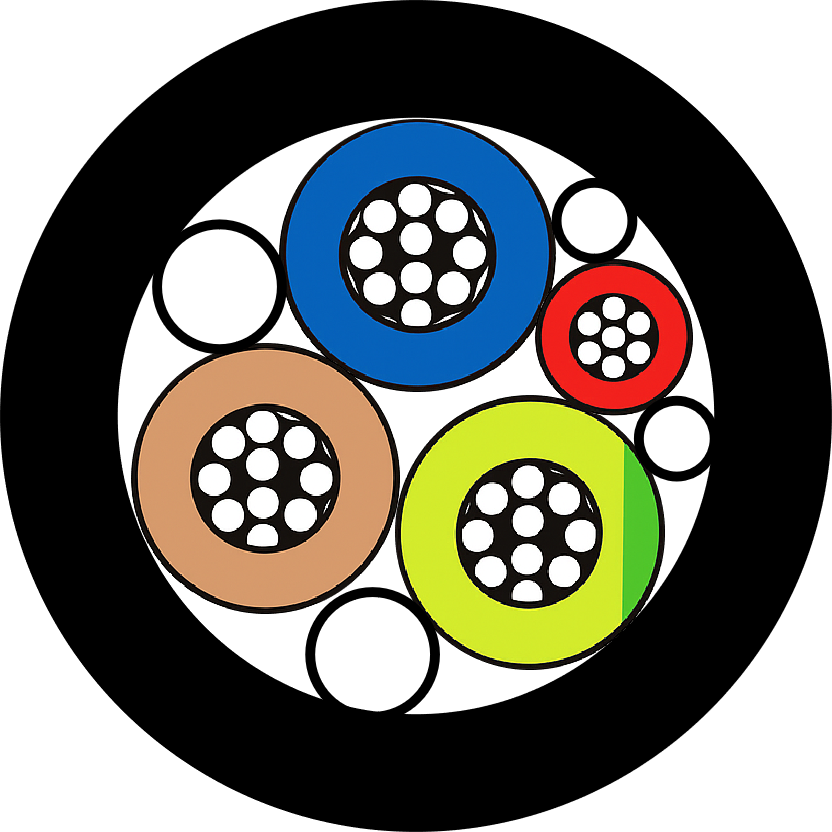





Nos últimos anos, os cabos metálicos ganharam popularidade, sendo a sua principal força a sua robustez e relevância para os trabalhos que são necessários para fazer Enfrentando a sua versatilidade, Cabos MC foram moldados em forma com armadura de proteção, dando-lhes propriedades elétricas para serem usados em diferentes parâmetros de edifícios para uso comercial e até industrial Este blog detalha a estrutura, parâmetros, aplicação e instalação de cabos MC. O objetivo é atender aos leitores com conhecimento de acúmulo sobre soluções de cabos MC, garantindo que os clientes estejam equipados com informações para construir e manter adequadamente essas instalações Enquanto isso, as seções subsequentes fornecerão análises aprofundadas e estudos especializados detalhados dos méritos e deméritos dos cabos MC à medida que cercam esse componente crítico de fiação.
O que é o cabo MC e como funciona?

O cabo MC, ou cabo revestido de metal, é um cabo isolado de cobre ou alumínio envolto dentro de condutores metálicos externos para suporte extra, Esta cobertura externa, conhecida como armadura, geralmente feita de intertravamento de alumínio, protege os condutores internos contra fatores mecânicos e outros fatores ambientais externos que podem danificar os sistemas elétricos Posteriormente, a mecânica do cabeamento permite uma instalação mais fácil e conveniente, permitindo mais facilidade nas áreas onde os fios são densamente embalados, permite uma série de finalidades, uma vez que pode fornecer energia elétrica e sinais para vários estabelecimentos industriais ou comerciais Devido à sua capacidade de suportar várias condições adversas, eles são famosos por soluções de fiação elétrica onde a tenacidade e a flexibilidade são fatores na decisão.
Compreendendo os fundamentos dos cabos revestidos de metal
Os cabos revestidos de metal (MC) são compostos por condutores isolados protegidos de danos mecânicos e ambientais por uma bainha de cobertura, que, na maioria dos casos, é feita de armadura de intertravamento de alumínio, este projeto garante a confiabilidade dos sistemas elétricos melhora a flexibilidade e facilidade de encaixe do cabo, tornando possível o uso do MC dentro de esquemas de fiação mais intrincados, incluindo áreas de alto calor Os fios são mais procurados nos setores comercial e industrial por causa de sua durabilidade e eficiência na transmissão de potência e corrente em condições de operação ásperas, incorporando a otimização de uma configuração de fio de alcance Seu design permite a transmissão de energia e sinais com segurança Assim, eles formam uma estratégia de fiação essencial em sistemas elétricos modernos, como cabos com armadura interligada de aço galvanizado.
O papel dos condutores nos cabos MC
Em cabos revestidos de metal (MC), os condutores são o principal meio de transporte de corrente elétrica Os condutores de cabos MC são tipicamente feitos de cobre ou alumínio, que é muito condutor, flexível e forte Os condutores isolados dentro do cabo MC são relativamente projetados para serem termicamente e eletricamente tensionados, proporcionando transferência adequada de energia e sinal Esses condutores são essenciais para melhorar o desempenho do cabo em várias aplicações que vão desde máquinas grandes até pequenos dispositivos sensíveis Os condutores ajudam a atender aos requisitos de segurança e desempenho, críticos tanto em aplicações comerciais quanto industriais, direcionando como a eletricidade flui.
Como a armadura protege a fiação elétrica
Nos cabos MC, a armadura de metal é uma salvaguarda adicional contra forças que atingem a unidade física ou umidade, produtos químicos, elementos da natureza e abrasão A armadura também é fornecida com um design de intertravamento para aumentar a resistência, permitindo torções suficientes para a flexão do cabo, o que auxilia na instalação e colocação de cabos em espaços confinados Além disso, a armadura atua como o caminho de aterramento, o que aumenta a segurança geral do sistema, minimizando as chances de choque elétrico e curto-circuitos A camada de proteção garante que as peças isoladas dentro dos condutores não sejam danificadas e permaneçam operacionais, o que ajuda a manter a eficácia e a confiabilidade da instalação elétrica e de outros tipos.
Principais características do cabo revestido de metal
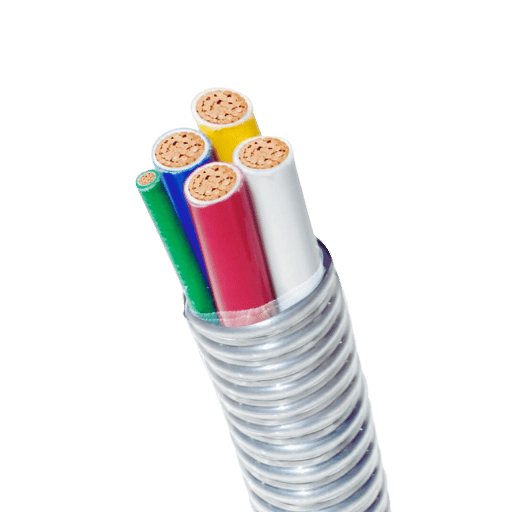
Durabilidade e Proteção em Ambientes Difíceis
Os cabos MC têm um design sólido e robusto, o que os torna altamente duráveis e fortes, permitindo que eles sobrevivam a ambientes industriais desafiadores durante todo o seu uso A armadura de metal, feita principalmente de alumínio ou aço, envolve os condutores internos de forças externas extremas e clima Este design de recursos dá resistência incomparável e resistência ao impacto, permitindo o uso de cabos MC em áreas industriais e comerciais onde o cabo é regularmente exposto a produtos químicos, umidade ou temperaturas muito altas Além disso, a armadura interligada ajuda o cabo a suportar flexão e flexão, mantendo o desempenho Todas as características acima melhoram a vida útil, durabilidade e aplicabilidade do cabo em várias aplicações de ponta.
A importância das listagens UL para segurança
As listagens do Underwriters Laboratories (UL) são essenciais para a integridade elétrica e conformidade Como um órgão conhecido no campo internacional, a UL avalia os produtos para padrões muito altos, o que dá garantia de requisitos de desempenho e segurança Por exemplo, cabos revestidos de metal (MC), que têm a marca UL, foram testados contra incêndio, choque elétrico e riscos mecânicos Esta certificação reduz os riscos em vários usos, uma vez que limita os cabos a ambientes operacionais específicos Todos os sistemas modulares feitos de fios credenciados pela UL foram aprovados O sistema é de alto padrão, o que torna o sistema de instalação fácil, uma vez que é provável que passe todos os códigos locais e internacionais Assim, o uso de produtos listados pela UL melhorará o nível de segurança e confiança de qualquer sistema elétrico.
Explorando vários materiais de jaqueta
As jaquetas de cabos elétricos envolvem a escolha cuidadosa de materiais com base nas condições ambientais e nos requisitos de aplicação Vários sites dos líderes do setor indicam que o Cloreto de Polivinila (PVC) é o material mais comum devido ao seu preço razoável, elasticidade e resistência à chama Embora seja principalmente generalizada, isso pode ser restrito devido à temperatura ou contato com produtos químicos fortes Por outro lado, o Elastômero Termoplástico (TPE) tem boa estabilidade de temperatura e elasticidade, o que é adequado para aplicações industriais Por último, a jaqueta Low Smoke Zero Halogen (LSZH) parece estar ganhando tração na área porque não há emissão prejudicial durante seu processo de combustão Melhora significativamente a segurança, especialmente em locais com alta densidade populacional, como estruturas públicas e sistemas de transporte A familiarização com propriedades e características específicas de tais materiais permite aumentar drasticamente a segurança e a eficácia dos sistemas elétricos.
Como instalar o cabo MC corretamente
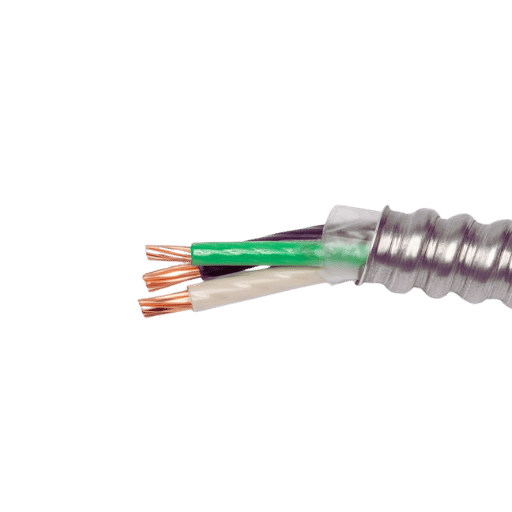
Diretrizes sobre o uso de conectores e conduítes
A instalação do cabo MC é uma tarefa hábil que deve estar em conformidade com os regulamentos de segurança e códigos elétricos, Para isso, é fundamental usar conectores e conduítes apropriados durante o processo de instalação É essencial usar conectores adequados projetados para os tipos de cabos MC Os conectores adequados devem ser dimensionados para serem compatíveis com o diâmetro do cabo, o que minimiza as chances de falhas elétricas Durante o processo de instalação, certifique-se de que os conectores não se soltem como se ficassem soltos ao longo do tempo, pode criar um risco para o circuito.
Escolher os conduítes elétricos adequados também é essencial, especialmente sobre a finalidade do cabo Os conduítes de metal são frequentemente empregados em instalações industriais, uma vez que são resistentes a danos e resistentes e protegem os fios na maioria das situações Portanto, eles são comumente usados em fábricas Se a instalação estiver em uma área que possa entrar em contato com a água ou ser corrosiva, opte por conduítes com revestimento vitalício e resistência à corrosão.
Notavelmente, o Código Elétrico Nacional (NEC) deve ser seguido meticulosamente Ele afirma principalmente o número de condutores, seu aterramento e intervalos necessários para o suporte para que haja conformidade com os requisitos de segurança para um cabo Todas as instalações que usam as práticas da NEC tornarão as inspeções mais acessíveis e geralmente tornarão as coisas seguras Novamente, verifique com o fabricante e os materiais locais se há alterações no procedimento.
Seguindo o Código Elétrico Nacional
Os códigos eletromagnéticos são essenciais ao fazer trabalhos elétricos (NEC).Os regulamentos do NEC, por exemplo, permitem um certo nível máximo do número de fios embalados em um conduíte Isso elimina o risco de superaquecimento de um fio e facilita a tração de um conduíte de transporte de fio durante a instalação Da mesma forma, especifica o espaçamento de suporte necessário para cabos revestidos de metal (MC), geralmente exigindo suporte a pelo menos seis pés de distância e dentro de 12 polegadas de cada extremidade Há um foco recorrente no aterramento adequado em todo o código: requisitos para condutores de aterramento de equipamentos e ligação são colocados No entanto, locais geográficos são cruciais, uma vez que as alterações locais do NEC diferem; assim, padrões e diretrizes de conformidade devem ser usados em conformidade Esta orientação de fornecedores confiáveis é essencial para promover a segurança, eficiência e proteção contra incêndio das instalações elétricas.
Dicas para fiação em locais perigosos
A fiação em áreas perigosas requer a observação de padrões de segurança e regulamentação para mitigar incidentes e garantir eficiência Aderir a essas dicas com base nas tendências atuais do setor.
- Reconhecer as Classificações de Zonas Perigosas: Marcar áreas de preocupação de acordo com os requisitos do Artigo 500 da NEC, que exigem que as áreas sejam listadas em Classe, Divisão e Grupo de acordo com o tipo de material combustível na área Isso é essencial para selecionar equipamentos adequados para o trabalho e o procedimento de fiação.
- Selecione Cabos e peças apropriados: As peças e conexões de fiação devem ser de boa qualidade e adequadas para certas zonas perigosas Dispositivos à prova de explosivos certificados para a área, como paradas de conduítes, tampas à prova de chamas e cabos com temperatura adequada e classificação de resistência ao uso químico, devem ser usados.
- Condução de Manutenção e Inspeções Regulares: Toda a fiação e instalação dos sistemas estão sujeitas a falhas ou defeitos Verificações e serviços regulares são necessários para garantir a confiabilidade e o bom estado do sistema para garantir a conformidade com os padrões exigidos sem implementar mudanças significativas.
Mais recursos sobre as diretrizes incluem a Associação Nacional de Proteção contra Incêndios (NFPA) ou a Administração de Segurança e Saúde Ocupacional (OSHA).
Os benefícios do uso de jaquetas de PVC e XLPE
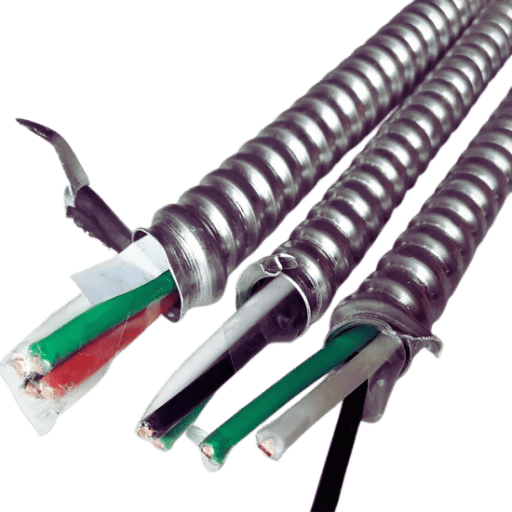
Comparando opções de jaqueta de PVC com XLPE
Ao olhar para as jaquetas comparativas de cabos como PVC (Policloreto de Vinila) e XLPE (polietileno reticulado), pode-se ver que cada material tem características únicas que servem funções específicas O PVC tem boas características de isolamento, proteção razoável contra umidade e preços razoáveis, tornando-o viável para várias aplicações não perigosas No entanto, sua resistência térmica é inferior, e pode ser degradado pela radiação ultravioleta, o que poderia diferenciá-lo de outras formas de cabos Por outro lado, um dos melhores tipos térmicos de plásticos é o XLPE, que permite melhores temperaturas operacionais e maior capacidade mecânica Além disso, é altamente durável contra a exposição química e à luz UV, tornando o XLPE adequado para ambientes agressivos e extremos No final, para informar a decisão, essas duas opções podem ser escolhidas especificando o tipo de instalação a ser feita, considerando aspectos ambientais e térmicos e custos para desenvolver um ajuste preferido para maior confiabilidade e segurança do sistema.
Resistência a Locais Úmidos e Corrosão
Quando se trata de jaquetas de cabos elétricos de alto desempenho utilizadas em locais úmidos, os principais requisitos são resistência à água e corrosão As jaquetas do tipo PVC permitem alguma exposição à água e à corrosão, mas podem se tornar quebradiças para roedores em baixas temperaturas, o que pode afetar sua utilidade Por outro lado, as chapas XLPE provaram ser excelentes contra umedecimento e corrosão, tendo assim um bom desempenho em ambientes úmidos As características da estrutura polimérica permitem que ela possua propriedades superiores para sistemas de proteção de barreira à umidade e uma tez ativa não química, evitando a maioria das formas de corrosão, especialmente em água e ambientes industriais agressivos Essa durabilidade resulta em um ciclo de vida mais longo e menos requisitos de manutenção, permitindo uma instalação mais segura em áreas expostas à alta umidade XLPE se torna a escolha preferida para todas as instalações.
Adequação para aplicações de enterro direto
A avaliação para aplicações de enterramento direto pode ser realizada considerando alguns fatores relevantes que reservam o Polietileno reticulado (XLPE) do Cloreto de Polivinila (PVC).É seguro dizer que os cabos XLPE são preferidos para aplicações de enterramento direto porque têm melhor resistência à umidade e são muito mais duráveis em diferentes tipos de solos Esta característica do movimento do solo e potencial dano mecânico é garantida pela estrutura reticulada do XLPE, que o protege das forças físicas e químicas enfrentadas no subsolo Também, o XLPE possui uma faixa de temperatura de trabalho melhor do que o PVC, o que teoricamente permite que ele seja usado em mais climas Há, no entanto, uma desvantagem para o benefícios que os cabos de PVC ter; mesmo sendo baratos e capazes de executar adequadamente, eles tendem a ser usados predominantemente acima do solo ou em condições onde não são facilmente desgastados Por exemplo, o XLPE é geralmente recomendado para enterramento direto, pois garante maior durabilidade e longevidade, o que significa menores custos de manutenção a longo prazo, ao contrário do PVC. Os pontos de fornecimento dos sites conhecidos da indústria mostram que este tipo de cabo é adaptado para aplicações subterrâneas devido à sua resistência e proteção.
Escolhendo o AWG certo para suas necessidades elétricas
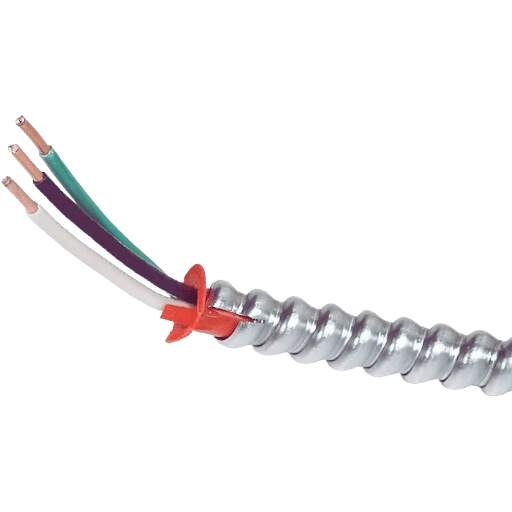
Diferenças entre 10 AWG e outros medidores
No sistema de bitola de fios de medição, o AWG 10 se destaca de forma marcante contra os outros medidores, Como examinei as referências mais importantes, percebi que o fio 10 AWG é mais espesso que os fios de calibre 12 ou 14, e assim, pode transportar e distribuir mais amperes devido ao seu baixo nível de resistência Isso implica que é melhor usado para grandes quantidades de amperes, como aparelhos pesados ou até longas distâncias com corrente elétrica Claro, este não é o caso de medidores baixos como um 8 ou 6, que têm maior capacidade, mas tendem a ter um custo maior, o que entra e limita sua versatilidade Então, é essencial entender todos esses fatores ao decidir sobre um medidor de cabos para fiação elétrica e conexões Juntos, isso garante eficiência na instalação de fios e máxima segurança ao lidar com eletricidade.
Ampacidade de cálculo para cabos tipo MC
Durante minha pesquisa, concentrei-me em três abordagens que pareciam cortar todas A maioria tinha fatores críticos de ampacidade, incluindo temperatura ambiente, construção de cabos e condições de instalação O tamanho do American Wire Gauge (AWG) junto com o condutor Sim, quase sempre cobre ou alumínio No entanto, é imperativo modificar tal linha de base de acordo com os respectivos requisitos do Código Elétrico Nacional, neste caso, a Tabela NEC 310.15 (B) (16), que estipula a classificação de ampacidade de condutores ou cabos usados em conjunto com vários tipos de isolamento classificados em diferentes valores de temperatura Além disso, a des-classificação pode ser necessária quando os cabos MC são utilizados em ambientes ou regiões mais quentes ou quando estão densamente embalados em um conjunto que interfere em suas capacidades de perda de calor Consciência desses fatores significa que as designações de tamanho de cabo proporcionais aos requisitos de instalação identificados serão selecionadas, atendendo aos critérios do código de instalação MC.
Fatores que influenciam a tensão e o isolamento
Vários parâmetros técnicos que governam e comprometem o desempenho de segurança em Tensão e resistência de isolamento em sistemas elétricos também são influenciados um pelo outro Sabe-se que o material condutor determina altamente a tensão Geralmente, cobre e alumínio são usados, garantindo diversas extensões de condutividade e resistividade O material de isolamento também desempenha um papel crítico; materiais como PVC, XLPE e EPR têm diferentes propriedades de resistência térmica e durabilidade, afetando a classificação de Tensão Unitária total e os limites de tensão da referida classificação Além disso, condições como temperatura, umidade ou presença de luz UV ou vários produtos químicos podem sobre-vaporizar o tempo e destruir a intactividade do isolamento, o que ao longo do tempo ou em algum momento leva à quebra do isolamento e instabilidade de tensão em todo o sistema Para várias aplicações e circunstâncias, o Código Elétrico Nacional (NEC) estabelece disposições reconhecendo demandas mínimas de isolamento e classificações de tensão, instando os sistemas a serem capazes de funcionar sob cargas específicas e tensões ambientais O conhecimento aprofundado sobre esses parâmetros pode ajudar significativamente no projeto e instalação mais adequados de sistemas elétricos.
Fontes de referência
Perguntas frequentes (FAQs)
Q: Poderia você explicar o que é o cabo MC e como ele difere de outra fiação elétrica?
R: O cabo MC, também chamado de cabo metálico, é classificado entre as fiações elétricas compostas por um ou mais condutores isolados envoltos em envoltório de fita metálica interligada (de alumínio ou aço galvanizado).É diferente de outros tipos de cabos, como NM-B, pois pode ser utilizado sem conduíte e serve como camada adicional de proteção para fiação.
Q: Quais são os principais componentes do cabo MC?
A: Geralmente, o cabo MC consiste em um ou vários condutores isolados, que são principalmente fios isolados termoplásticos THHN, fio de aterramento e fio de armadura de intertravamento de fita de metal externo com armadura de alumínio adicionada para piso A faixa de armadura também pode ser de alumínio e corda de fio de aço galvanizado Esta armadura forma um invólucro protetor e durável para os fios.
Q: Em que situações pode ser encontrado o cabo MC?
R: O cabo MC é mais adequado para as áreas em um edifício onde vibrações, umidade ou danos físicos podem ser um problema Tais setores incluem, mas não estão limitados a escritórios, hospitais, escolas e teatros Tem muitas aplicações e pode ser usado em ambientes internos e em locais secos específicos ao ar livre É usado principalmente em ambientes comerciais e industriais onde a fiação elétrica requer proteção adicional O cabo MC tem uma ampla gama de aplicações.
Q: É certo instalar o cabo MC em bandejas de cabo?
R: É possível instalar bandejas de cabos com cabos MC. De acordo com o NEC, ou o Código Elétrico Nacional, cabos MC são permitidos em estruturas de bandejas de cabos Isso é ideal para vários usos comerciais e industriais onde o gerenciamento de cabos é essencial.
Q: Quais são as vantagens de usar o cabo MC sobre os sistemas tradicionais de conduítes e fios?
R: Então, para responder à sua pergunta, o cabo Mc tem vários benefícios sobre os sistemas de conduítes e fios, pois a armadura lança proteção embutida enquanto o torna adequado para áreas expostas Ele pode fazer múltiplas conexões de fios, tornando o roteamento deste cabo mais fácil do que usar um conduíte rígido Também pode fazer circuitos de ramificação ou é instalável para cuspir fases Além disso, ser fácil de instalar e não precisar de uma instalação de conduíte separada dá a este sistema muitas vantagens sobre o antigo sistema de fios e conduítes.
Q: É MC cabo adequado para uso ao ar livre?
R: Algumas categorias de cabos MC podem ser usadas ao ar livre, mas são mais adequadas para uso interno Os cabos MC podem ajudar a criar uma boa configuração externa onde outros métodos de fiação não o fariam Dito isso, é ideal sempre verificar o código elétrico da sua área antes de tentar aplicar esses cabos ao ar livre.
Q: Como funciona o aterramento no cabo MC?
R: O cabo MC geralmente inclui um fio terra de cobre ou alumínio não isolado paralelo a condutores isolados dentro da armadura de metal A armadura de metal também pode ser usada como condutor de aterramento de equipamentos, desde que satisfaça cláusulas específicas no Artigo 330 da NEC Este método de aterramento duplo aumenta os padrões de segurança em instalações elétricas, especialmente em locais onde o risco de incêndio que precisa de salvaguardas é essencial.
Q: Qual é a diferença entre MC e cabos blindados (AC ou BX)?
A: Blindado, AC ou BX, também tem uma bainha externa de metal, mas há características distintivas em relação aos dois cabos MC e cabo blindado Um condutor de aterramento é isolado na bainha de metal, e a bainha do cabo MC é relativamente lisa ou ondulada A armadura de fita de metal enrolada em espiral é padrão no cabo blindado, que usa a armadura para aterramento em vez de um conector separado Isso ocorre porque o NEC permite o uso do cabo MC em mais aplicações, incluindo aquelas com armadura interligada de aço galvanizado.
P: É verdade que um cabo MC pode ser usado no lugar de cada fio usado nas instalações de um edifício?
R: Apesar da estrutura multifuncional do cabo MC permitir que ele execute muitas funções, incluindo circuitos de ramificação ou alimentadores, ele pode nunca ser apropriado ou autorizado a ser instalado em toda a fiação elétrica de um edifício Devido à legislação local, fatores ambientais ou outros parâmetros elétricos distintos, outros métodos de fiação podem exigir tais usos Em cada caso, os requisitos elétricos locais e um eletricista licenciado devem ser consultados sobre o melhor método de fiação aplicável.
P: É preciso colocar a distância entre dois pontos conectados com o cabo MC em mais de 60 metros?
R: Em uma única passagem de cabo MC, o NEC não coloca um limite específico; no entanto, diz-se que é ideal ter o único circuito de execução MC permanecer abaixo de 100 pés Fatores como queda de tensão excessiva tornam a manutenção de comprimentos e tensões de cabos específicos desafiadores Para a maioria dos trabalhos e circuitos de ramificação flexíveis, a queda de tensão máxima afirma que os cabos MC devem estar abaixo de cem pés Os fios de conexão podem ser mais longos para distribuição de energia, circuitos ou tamanhos de condutores maiores Você deve consultar seu eletricista qualificado e consultar os estados para seus códigos e regulamentos.