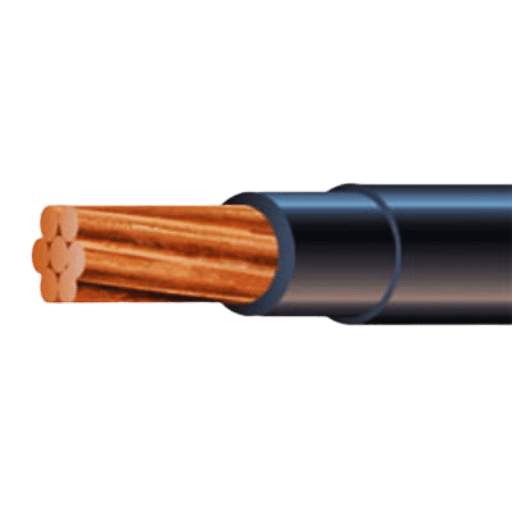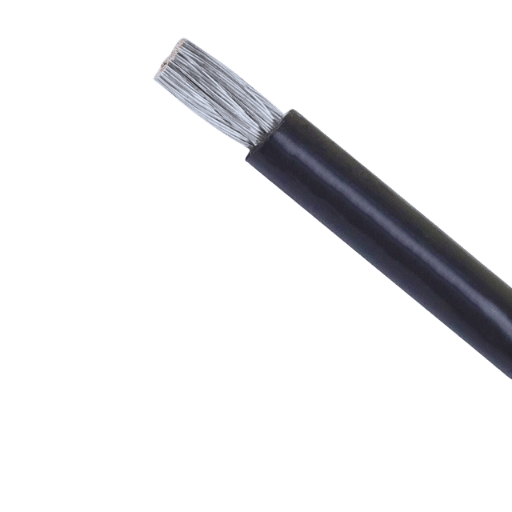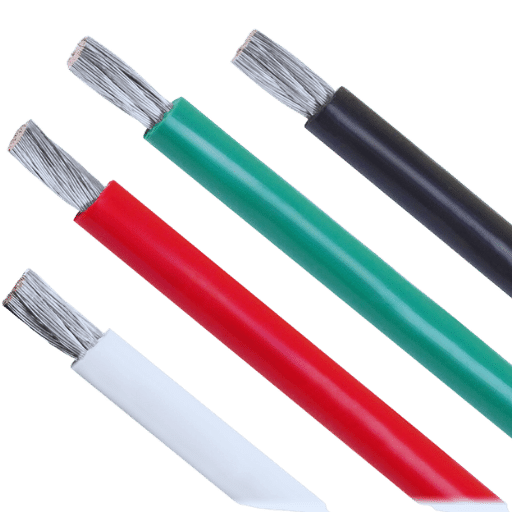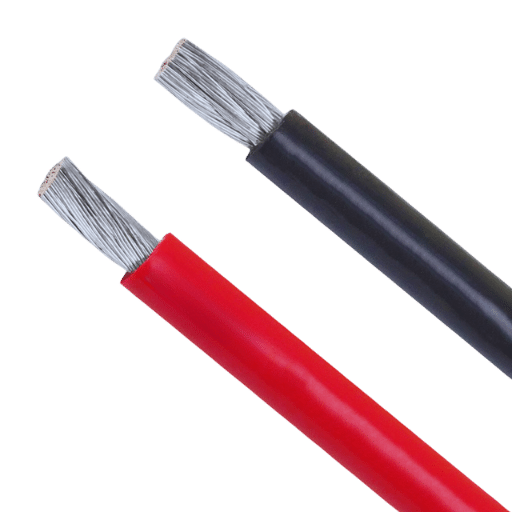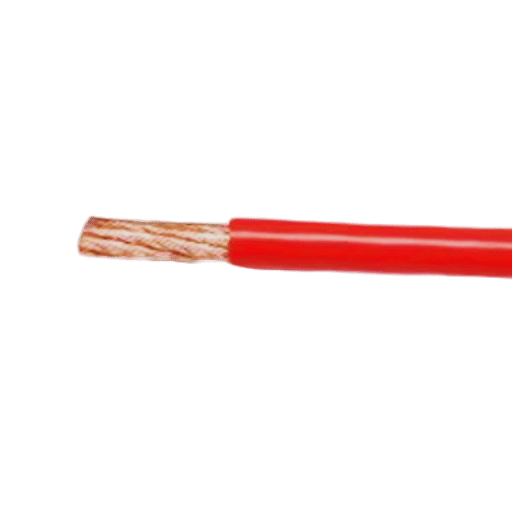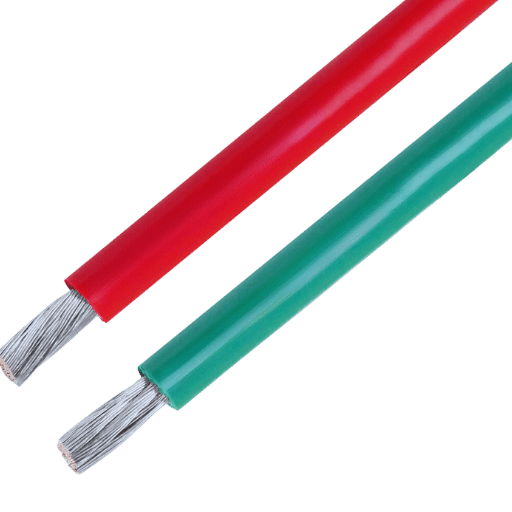


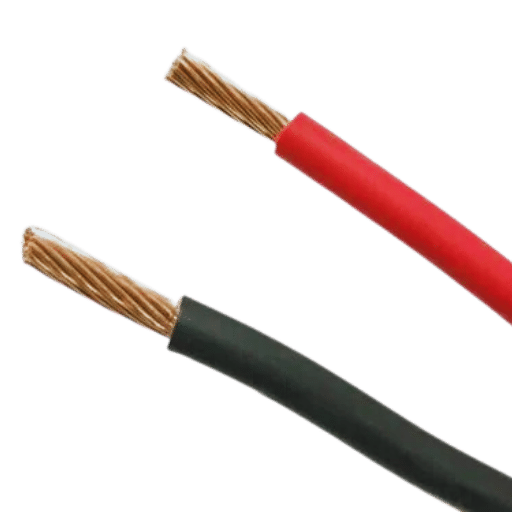
It is important for both professional electricians and DIY enthusiasts to get good electrical components at the cheapest prices in today’s market. The blog intends to provide an exhaustive discussion about 8-gauge electrical wires, battery cables, and copper cables, including their features, advantages and uses. It is possible for a reader to choose wisely in his or her electricity projects that must guarantee safety as well as effectiveness by knowing the technical specifications and performance characteristics of these materials. For any home project, business, or industry work, this write-up will help you choose the most suitable kind of electrical wiring system.
What Is 8 Gauge Wire and Its Common Uses?

Understanding 8 AWG Specifications
American Wire Gauge (AWG) 8 wire is an electrical wire of standard size with a conductor diameter of around 0.1285 inches (3.264 mm). The area of the cross-section for the 8 AWG wire is 8.37 square millimeters, making it possible to transmit power at a current of a maximum of 55 amperes, which can be used in residential, commercial, and industrial power transmission. They are mainly made from either copper or aluminum, although copper has been found to be superior due to its good conduction properties. Conductor insulation material usually differs and relies on voltage requirements and environmental conditions as per the application. This kind of wire gauge is often utilized for heavy-duty purposes like HVAC systems, large appliances, and subpanels, thus making it one of the various necessary components that are being used during different installations related to electricity.
Applications in Electrical Systems
Among other electrical systems, 8 AWG wire can be used as it is capable of handling heavy current loads. Below are some of its main applications, along with respective technical specifications:
HVAC Systems:
- アンパシティ: Around 55 A.
- 電圧定格: Mostly around 600V, depending on the insulation employed.
- ユースケース: Powering air conditioning units, heaters, and ventilation equipment.
Large Appliances:
- アンパシティ: About 55 A.
- 電圧定格: Suitable for both 120V and 240 V installations.
- ユースケース: Connecting electric ovens, washers, and dryers that require high power draw necessitating heavy-duty wiring.
Subpanels:
- アンパシティ: Approximately 55 A.
- 電圧定格: Normally for a 240 V system.
- ユースケース: Adding circuits in a building or feeding new circuits from a main panel to a secondary subpanel.
Industrial Machinery:
- 現在の容量: Up to 55 amperes.
- 電圧定格: Typically up to industrial environments with ratings of about 600V.
- ユースケース: Utilized in wiring motors, generators, and other heavy machinery requiring sturdy and reliable power delivery.
From these technical parameters electricians and engineers can ensure safe operations as they will match wire’s specifications to their respective application needs.
Why Choose Pure Copper for 8 Gauge Wire?
The selection of pure copper is vital in 8 gauge wire as it has stronger electricity transfer as opposed to aluminum or other metals. Pure copper reduces resistance and power losses, thus making it more efficient for high-current applications. Moreover, the good thermal conductivity of copper helps to remove heat rapidly, thus preventing overheating and keeping temperatures stable. Its flexibility and durability make installation easier and longer-lasting, reducing maintenance and replacement expenses. All these qualities guarantee a safer, more effective, cost-saving electrical system.
How to Choose the Right Battery Cable: 8 AWG vs. Other Gauges?

Comparing 8 Gauge Wire to 10 AWG and 18 Gauge
While comparing 8 gauge wire with 10 AWG and 18 gauge, you ought to consider your application’s electrical and mechanical specifics.
現在の容量:
- 8 Gauge Wire: It can handle up to 55 amperes meaning that it is ideal for high current applications such as industrial machinery, heavy duty automotive wiring.
- 10 AWG Wire: This size normally supports a maximum of 30 amperes, which is enough for some residential lighting circuits and smaller motors.
- 18 Gauge Wire: This wire can carry 10 amperes at most and so it is mostly used in low current applications such as small electronics, speaker wire, control circuits.
Voltage Drop and Resistance:
- 8 Gauge Wire: Bigger diameter provides lower resistance and voltage drop, resulting in efficient power transmission over long distances.
- 10 AWG Wire: Moderate resistance plus voltage drop are appropriate when power losses need to be kept at minimum in medium length runs.
- 18 Gauge Wire: High resistance coupled with large percentage voltage drop over long distances allows this to be used only on short runs or low-power devices.
Mechanical Robustness:
- 8 Gauge Wire: More durable and robust materials are required where the wire integrity is critical; one should employ such wires under high mechanical stress conditions or where there is a problem of cable loss.
- 10 AWG Wire: Ordinary uses that need moderate durability are best met by this combination of flexibility and strength. The balance between flexibility and strength makes it suitable for everyday use where average durability is vital.
- 18 Gauge Wire: Highly flexible but less durable wires are good for protected environments or those with moderate stress levels.
By matching the specific electrical load, distance, and environmental conditions, one should make sure that optimal performance will be achieved.
The Advantages of Ultra Flexible 8 AWG Wire
For power demand applications, ultra-flexible 8 AWG wire offers a number of benefits. Here are the main advantages and relevant technical terms:
Increased Current Carrying Capacity:
- Parameter: Up to 55 amperes.
- Justification: By having a larger diameter and thus lower resistance, it can support high current loads for heavy duty vehicles and industrial machinery.
Lower Resistance And Voltage Drop:
- Parameter: Approximately 0.00158 ohms per meter.
- Justification: This cross-section approach decreases resistance, thereby preventing energy losses over long distances which allows efficient delivery of electrical power.
機械的耐久性:
- Parameter: High strand count with flexible insulation.
- Justification: The strong structure of this wiring, in addition to its flexibility, makes it resistant to mechanical stress, thus making it ideal for dynamic environments where wire integrity is vital.
High-Temperature Tolerance:
- Parameter: Up to 200°C (depending on insulation type).
- Justification: It can sustain its functions while adhering to safety regulations in areas with high temperatures because it has insulating materials that are heat-resistant.
柔軟性と設置の容易さ:
- Parameter: High strand count, typically finer strands.
- Justification: These wires are designed with extreme flexibility, allowing them to pass easily through very tight spaces, thus minimizing kinking or bending during installation in complex configurations.
Applications using ultra flexible 8 AWG wires will guarantee you maximum efficiency and reliability in meeting electrical, mechanical and thermal requirements as well as strict safety standards and performance criteria.
Factors to Consider: Length and Material (10 Feet, Tinned Copper)
To select the 8 AWG wire for your application, you will need to know the length and material characteristics so as to optimize performance and minimize costs. Here are some key factors according to the industry standards and top recommendations:
電気伝導率:
- Parameter: 錫メッキ銅.
- Benefit: Tinned copper wire has great electrical conductivity and resistance against rust. It is perfect for high moisture locations or locations with corrosive chemicals because it can fight effect of oxidation through time.
Length and Voltage Drop:
- Parameter: 10 feet.
- Consideration: The length of ten feet provides a manageable voltage drop while still allowing flexibility in operation. With short distances, there is little voltage drop; hence, power transmission is efficient; therefore, smaller wire gauges are not necessary.
Durability and Corrosion Resistance:
- Parameter: 錫メッキ銅.
- Benefit: Copper strands coated with tin make the wires more durable with regard to corrosion particularly in marine and outdoor installations. An oxide layer does not form on these wires’ surface as a result of this coating that ensures long-term reliability.
機械的特性:
- Parameter: Flexible construction.
- Benefit: This flexible nature is essential during installation, especially when passing through difficult layouts without compromising on mechanical strength. Hence, it can be used where vibrations or constant movements occur.
By using these considerations, the choice of utilizing a 10-foot length of tinned copper 8 AWG wire ensures durability along with efficiency designed specifically to fit one’s own personal requirements for electric power needs.
Is Copper Clad Aluminum Worth Considering for 8 Gauge Wire?

Benefits and Drawbacks of Copper Clad Aluminum
利点:
- 経済的な: Generally, Copper Clad Aluminum (CCA) wire is less expensive than pure copper wire. This could result in substantial savings when budgets are tight for large-scale projects.
- Reduced Weights: In instances where weight is an important consideration, CCA wire is lighter than pure copper wire. This feature is of great benefit, especially in the automotive or aerospace industry, where every ounce counts.
- Decent Conductivity: Despites its lower electrical conductivity compared to pure copper, CCA still has reasonably good conductive properties, thereby making it applicable in numerous electrical applications.
Disadvantages:
- Higher Resistance: The fact that CCA wire has higher electrical resistance than pure copper can cause more energy losses over long distances. However, this would require using bigger gauge sizes and thus negate the cost advantage it enjoys somewhat.
- Durability Issues: Because aluminum cores can be fragile when exposed to frequent bending or movement unlike their copper counterparts then this may affect the durability of the wire in future.
- Corrosion Hazards: With the aluminum core still being prone to corrosion though partially shielded by the cladding made of copper; it easily corrodes most especially near marine waters and high humidity places. Thus, this reduces its total lifespan.
To sum up, although copper-clad aluminum serves as an affordable and light alternative but it may not always suit situations which call for extreme reliability and high conduction capability. Therefore, project specifics must be thoroughly considered when determining whether CCA or pure copper wires should be used after all.
Performance Differences: Pure Copper vs. Copper Clad Aluminum
The Electrical Conductivity
- Pure Copper: Pure copper, which is almost 100% IACS (International Annealed Copper Standard), has the best electrical conductivity. Such high conductive property makes it a suitable material for use in cases where the leakage of energy is not acceptable.
- Copper Clad Aluminum (CCA): For CCA wires, this can be around 60-65% IACS. This is sufficient for most uses; however, it leads to greater energy losses as the distance increases over time.
Electrical Resistance
- Pure Copper: About 1.68 µΩ cm at 20°C is the resistance reading for pure copper. Reduced resistance means that there will be minimal energy dissipation and high efficiency.
- Copper Clad Aluminum: CCA has slightly higher resistance, about 2.64 µΩ cm at 20°C compared to pure copper. Higher resistances may require larger wire gauges that somewhat offset its cost and weight advantages.
Mechanical Strength
- Pure Copper: It bends easily because of its excellent ductility and tensile strength (about 210 MPa) which is suitable for highly dynamic applications.
- Copper Clad Aluminum: Lighter than pure copper, CCA cables have lower tensile strength at around 150 MPa. This can lead to higher breakability, especially in flexible or highly strained situations.
重量
- Pure Copper: When compared with CCA, pure copper is more dense, having a density of 8.96 g/cm³ overall weightiness due to this fact, making it disadvantageous when weight becomes important in some applications.
- Copper Clad Aluminum: In contrast, CCA had a density of approximately 3.32 g/cm³, which makes it much lighter than pure copper. Such load reduction does find particular usefulness in automotive and aerospace sectors where mass has to be shed off considerably in order to improve performance and range.
Corrosion Resistance
- Pure Copper: In normal atmospheric conditions, copper is a highly corrosion-resistant material but may tarnish over time.
- Copper Clad Aluminum: The copper cladding provides some protection, but the aluminum core can corrode especially in salty or high humidity environments. CCA wires may not be reliable in the long run in such circumstances because of this.
In summary, choosing between pure copper and Copper Clad Aluminum relies heavily on specific needs for conductivity, mechanical strength, mass related issues and surroundings that will affect it.
How Does 8 Gauge Wire Perform in Speaker Systems?

The Role of 8 AWG Wire in High-Quality Speaker Connections
If high-quality speaker systems are to be used, then 8 AWG wires should be used. The lesser the gauge number, the thicker the wire is. This allows for easy flow of current and less resistance, which is paramount in ensuring that audio quality is maintained even over long distances as well as when it comes to maintaining audio fidelity. As a result of this, powerful amplifiers can send precise signals to loudspeakers without any loss in quality. Additionally, such wires will support regular connections, thus minimizing interference and guaranteeing continuous operation under tough audio conditions.
Choosing the Right Speaker Wire Gauge for Your Setup
To ensure the best audio performance and reliability of a speaker system, one must know how to choose the right speaker wire gauge. Here are some guidelines on how you can select the suitable gauge for your setup:
Power Handling Requirements:
- RMS Power: Make sure that the wire gauge is capable of supporting the Root Mean Square (RMS) power rating given by both amplifier and speakers. If an installation uses over 100 watts RMS power, it is advisable to use thicker gauges like 8 or 10 AWG.
- Peak Power: Remember to consider peak powers for transient responses. They should not make wires heat up too much or cause significant drops in voltages.
Length of Cable Run:
- Short Distances (<50 feet): Normally, 16 or 14 AWG wires are good enough for short runs because they have moderate conductivity combined with flexibility.
- Medium Distances (50-100 feet): In order to minimize signal loss, it is recommended that you use at least a 12 AWG wire when dealing with medium distances.
- Long Distances (>100 feet): To keep resistance low so as not degrade signals too much during long runs, employ either 10 or 8 AWG wire sizes.
Impedance of Your Speakers:
- Lower impedance (4 ohms or 2 ohms) speakers draw more current than higher ones do; this means thicker wires, such as those sized around 10AWG, will be required if these speakers are used.
- Higher impedance (8 ohms) speakers can use relatively thin wire gauges like 12 or even 14 AWGs but still take into account length, especially for longer cable lengths where attenuations may occur due to resistive losses along lines, etcetera.
環境条件:
- Indoor Use: For indoor applications, standard copper conductors suffice without any need for special considerations being taken into account here whatsoever.
- Outdoor/High Humidity: When there is moisture present outside then it would be better off selecting those types having strong insulation jackets around them which may also consist of materials like tinned copper that resist corrosion caused by wetness.
Look at the Technical Specifications:
- 抵抗: The lower the resistance of a wire, the better. For example, an 8AWG has a resistance of about 0.62 ohms per one thousand feet, which is good enough.
- Capacitance and Inductance: These two factors affect high-frequency response in terms of pico farads (pF) capacitance and microhenries (µH) inductance respectively whereby thicker wires have low inductances as well as capacitances hence preserving more high frequency details so to speak.
By understanding these technicalities and choosing accordingly, you will be able to get optimal sound quality from your speakers with accurate audio reproduction.
What Are the Benefits of Using Tinned Copper in 8 AWG Wire?

Corrosion Resistance in Marine and Outdoor Applications
Canned copper is best known for its resistance to corrosion, which makes it a perfect fit for marine and outdoor use. It prevents the underlying copper from oxidizing or corroding because of the tin layer, which is a common problem in wet or salty settings. This safeguard guarantees that electrical conductivity will last over time and stay reliable — an important factor for signal transmission. On top of that, tinned copper can withstand more wear and tear as well as environmental hazards such as extreme temperatures better than other materials used in wiring systems do; therefore, it does not need frequent replacement, thus making them last longer, too.
Durability and Longevity of Tinned Copper Wire
A tinned copper wire’s durability is crucial because it indicates whether it can survive in areas where conditions are harsh. The covering of tin protects the wire by adding an extra layer that makes it last much longer than if it were made with only copper. This coat safeguards against rubbing, contact with chemicals and substances and mechanical pressure which could lead to its failure over time through continuous use.
技術的なパラメータ:
- Abrasion Resistance: Tin coating increases the wire’s ability to withstand abrasion thus suiting well for situations involving frequent movement mechanically.
- 耐薬品性: Tinned copper wires are resistant to various chemicals hence they can be applied in industries where they come into contact with aggressive materials frequently.
- 温度範囲: Typically, tinned copper wires have a wider working temperature range (-55°C to +150°C) which ensures good performance under extreme conditions.
- 柔軟性: Although being durable enough for bending many times without breaking easily the tinned coper must remain flexible so as not increase difficulty during installation especially in complicated configurations.
In summary, tinned-copper 8 AWG wires are very sturdy and long lasting due to their ability to withstand environmental strain, mechanical damage as well chemical attacks thus ensuring sustainable operation with minimized maintenance requirements.
Can 8 Gauge Wire Be Used for Grounding and Welding?

The Importance of Ground Wire in Electrical Systems
During the occurrence of a fault in electrical systems, earth wire serves as a medium through which electric current can be directed back to the ground. This is done so as to avoid getting shocked and damaging appliances as well as other electronic devices around us. When 8 gauge wire is used for grounding, there are two things to note about it, the first being that this type of wire has enough capability to carry current, and secondly, its ability to endure harsh conditions makes it ideal for use as an earth conductor, hence guaranteeing continuous and dependable protection from possible electricity dangers.
Using 8 Gauge Wire for Welding: Key Considerations
If you think about the wire size of eight gauges for welding, there are many technical parameters and considerations that must be taken into account to ensure the best performance and safety. The following are some of these aspects:
- 現在の運搬能力: In most cases, 8-gauge wires can handle currents ranging from 50-55 amperes during welding. This rating is enough to support various welding machines or processes since they offer reliable conductivity.
- 電圧降下: It is important to minimize voltage drops when dealing with welds because they have a great impact on the results obtained. To achieve this, one should think about wire length vis-a-vis current drawn so as to maintain optimal voltage levels across different stages of welding.
- 温度定格: The standard insulation types used on such wires can withstand temperatures up to 90°C (194°F) while higher values are acceptable for specialized insulation materials. Such knowledge becomes necessary given the high heat generated by most welding activities.
- Strength and Flexibility: Eight gauge wires possess both strength and flexibility which is why it suits them well for use in joints where parts need to move relative each other during fabrication. Besides being sturdy overall, these cables come with robust coatings that enhance their lifespan even when subjected intense utilization common within industrial environments like shipbuilding yards among others.
- Compliance With Safety Regulations: Always make sure that any wire you choose complies with applicable safety standards as provided by relevant authorities locally or nationally depending on your location. For example, AWS (American Welding Society) has its own set guidelines concerning this matter; thus, always follow what they say if working under their jurisdiction.
By considering all these factors discussed above, it’s possible for anyone using an eight gauge wire in any form of welding application to achieve desired outcomes consistently without compromising personal well-being along the way.
よくある質問 (FAQ)
Q: What are the main applications of eight-gauge electrical wire?
A: 8 ゲージ電線は、自動車、船舶、溶接などの多くの分野で使用されているほか、強度と柔軟性に優れた大電流電気設備の中でもバッテリー接続にも使用されています。.
Q: How can I tell if a wire is pure copper flexible cable?
A: 高い伝導性、柔軟性および時々ワイヤーが純粋な銅から成っていることを明らかにする印は私達が純粋な銅の適用範囲が広いケーブル ワイヤーを識別するのを助けますまた米国ワイヤー ゲージ(AWG)の標準に合致することを確かめることは良質であることを示します。.
Q: Why should I choose an eight-gauge silicone wire for my project?
A: なぜかというと、8 ゲージのシリコンワイヤーは柔軟性と耐熱性、耐久性に優れており、温度や振動が高い環境に適しているため、自動車やボートでも非常に人気があります。.
Q: Is there any advantage to using a welding battery for pure copper flexible cables?
A: 溶接電池の純粋な銅の適用範囲が広いケーブルは利用できる他のものと比較されたときよりよい伝導性、しなやかさプラス摩耗によって影響されない彼らの能力を所有し、従って高電流区域で好まれる重い動きを含む条件の下で完全に働くことができることを意味します。.
Q: How does the size of the gauge affect the performance of electrical wires?
A: ゲージのサイズは、電流の流れるサイズを処理する能力に影響します。数値が小さいほど、より多くの電流を安全に運ぶことができる太いワイヤーを意味します。したがって、ゲージ サイズを適切に使用することで、火災事故を回避しながら家庭での効果的な電気使用が保証されます。.
Q: Can I use an 8-awg 8-gage wire for marine use?
A: はい、8 つのゲージ8 AWGの海洋の等級のワイヤーは荒い海洋の環境で経験されるような高い流れを扱う機能があります。 結果としてボートのためのそのようなタイプを買うときよりよい耐食性の能力を見つける。.
Q: What are some features of copper building wire?
A: 銅製の建築用ワイヤーは、優れた導電性、設置の容易さ、耐腐食性で広く知られています。住宅用、商業用、産業用の配線用の信頼性が高く長持ちする材料です。.
Q: Where can I buy high-quality 8-awg wires?
A: 高品質の8-awgワイヤーを探す場合、American Wire Gauge (AWG) などの業界標準を満たす製品が最適です。 良好なケーブル/ワイヤーストアを見つける方法の詳細については、電気購入ガイドブックを参照するか、他の顧客が特定のストアについて何と言っているかを確認する必要があります。.
Q: What types of wires exist for automotive applications?
A: 自動車用途の場合、ゲージ シリコーン ワイヤ、純銅フレキシブル ケーブル、標準的な自動車配線など、いくつかの種類のワイヤがあります。各タイプは、自動車業界内の多様な要件を満たすために、柔軟性、耐熱性、耐久性などの独自の利点を提供します。.
Q: How many feet of black wire do I need for my ten-foot row?
A: 例えば、この状況で、人が黒色を使用して10 フィートのセクションを設置するつもりなら、少なくとも10 フィートの長さがインストール中に変更や切断なしで必要とされることを示し、さらに、ワイヤのサイズと目的の点で、プロジェクトの要件に応じて、各タイプがどのように適切な選択になるかを理解することが重要です。.