

H05BZ5-F AC充電ケーブル
TUV EN/IEC Electric Vehicle AC Charging Cable H05BZ5-F
- AC Charging Solution for Electric Vehicles
- Lifetime rated 25 years and certified by TUV/IEC/CE/CPR.
- Make sure: EV charging & vehicle communication enabled.
- Delivery within 7 days of ordering if you are in a 200km radius.
- カスタマイズされたソリューションによる高速サンプル処理
- 高品質な素材
- 手頃な価格のオプション
- グローバル デリバリー
- より良いデータ保護のために、すべてのアップロードが安全であることを確認してください
平均で少なくとも30%を保存します
-
製品の説明
Discover the TUV EN/IEC Electric Vehicle AC Charging Cable H05BZ5-F in this product description.
H05BZ5-F AC Charging Solution. で設計されています 2.5mm² conductors for Mode 1 domestic charging and single-phase current circuits (300/500V の). This architecture maintains full compatibility with EN61851-1 (Modes 1–3).
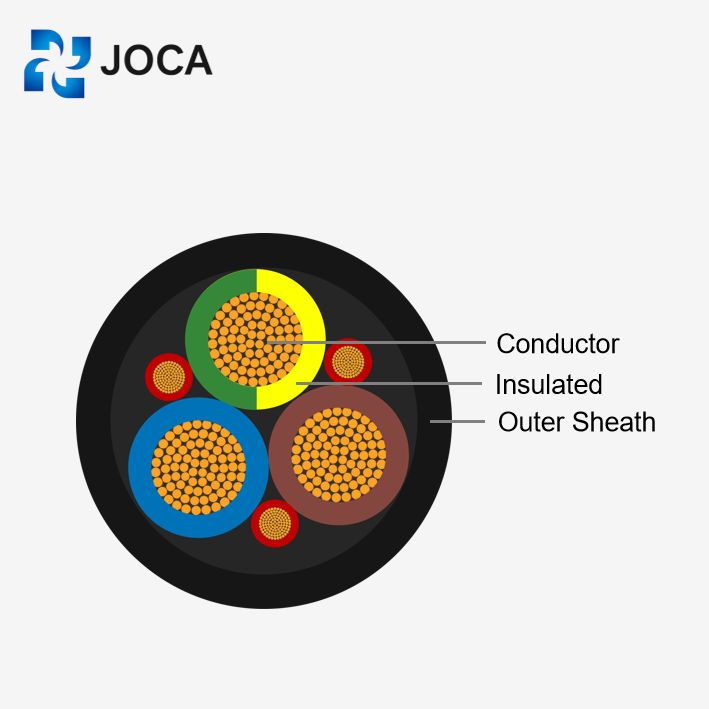
The assembly integrates flexible copper conductors with high-stability rubber insulation, including dedicated CC (Control) そして CP (Pilot) communication cores.
Durability Profile: Protected by a Halogen-Free Polyurethane (PUR) sheath. This material is selected for its high mechanical tear resistance and chemical immunity to oils/greases. Specified for permanent external deployment due to its superior abrasion performance under environmental stress.
-
利点
Discover the benefits of the H05BZ5-F AC Charging Cable - your solution for efficient charging needs.
Charge Efficiency: H05BZ5-F Standard. に 評価 300/500V の single-phase AC circuits. Optimized for Mode 1-3 domestic charging per EN61851-1.
PUR Shielding: Polyurethane (PUR) Sheath. Selected for high mechanical memory. Physical Result: High kink-resistance (no-tangle) and elastic recovery during daily handling.
Material Integrity: Halogen-Free & Oil-Resistant. Chemically inert to greases and automotive fluids. Engineered for -40°C to +90°C thermal range.
Universal Interface: CP/CC Communication. Integrated Control Pilot (CP) and Control Confirmation (CC) cores ensure handshake protocol stability across global EVSE interfaces.
Wear Resistance: Industrial Grade. Tear-resistant outer jacket designed for high-frequency abrasion on abrasive garage floors and driveways.
H05BZ5-F AC Charging Cable Specifications
| ケーブル 建設 | |
|---|---|
| 指揮者 | Fine oxygen-free copper wire, in accordance with IEC/EN 60228 Class 5 soft copper wire |
| 絶縁 | EVI-1 or EVI-2 in accordance with IEC/EN requirements |
| Color identification | Complies with the color insulation identification described in EN50525-1:2011 |
| Twisting | The components are twisted together |
| シールド化: | Copper wire shielding (optional) |
| アウターシース | EVM-1 or EVM-2 in accordance with IEC/EN requirements |
| シース色 | Black (optional) |
| 公称電圧 | 300/500V の |
| テスト電圧 | 2500V/15min |
| Storge Temperature Rating | 45℃ |
| サービス ライフ | 予想寿命は25年以上 |
| 曲げ半径 | 6D (D: Cable diameter) |
| Maximum operating temperature of conductor: | 90° C |
| Minimum installation environment temperature: | -35℃ |
| European standard | EN50620:2017 and IEC62893-3 requirements |
| Flame retardant | compliant with EN60332-1-2:2004/A1:2015 |
| 耐候性/紫外線耐性 | according to EN50620 Annex F |
| Acid and alkali resistant | in line with EN50620 Annex D |
| Mineral oil resistant | according to EN60811-404 |
| Tear-resistant | compliant with EN50396:2005 |
| 認定 | TUV/IEC/CE/RoHS |
寸法/パラメータ
An AC charging cable is EVC Charging Cable H05BZ5-F. The size of the typical cable is 3G1.5…2.5+Nx0.5…1.0 mm².
| model | 指定 | Insulation Materials | Sheath material | Charging mode | Reference current A | Finished product outer diameter mm |
|---|---|---|---|---|---|---|
| H05BZ5-F/62893 IEC 121 | 3×1.5+1×0.5 | Halogen-free compounds | TPU | 1 (single phase) | 14 | 9 |
| 3×2.5+1×0.5 | Halogen-free compounds | TPU | 1 (single phase) | 25 | 9.8 | |
| 3×1.5+2×0.5 | Halogen-free compounds | TPU | 1 (single phase) | 14 | 9 | |
| 3×2.5+2×0.5 | Halogen-free compounds | TPU | 1 (single phase) | 25 | 9.8 |
-
Production Processes Of H05BZ5-F AC Charging Cable
At our facility, we’ve moved away from the old ways of manual assembly to a fully digital, smart floor. The goal was simple: stop human errors before they happen. By shifting to a no-touch setup, we can keep things consistent and make sure the cables are more dependable for long-term use.
We don’t just rely on a final check at the end. Instead, we’ve built testing right into the line. We use “digital eyes”—intelligent image sensors and laser tech—to monitor every centimeter of the cable as it’s being made. These lasers catch tiny size differences that a person might miss. If a batch doesn’t hit our performance marks in the system, it doesn’t ship. It’s a strict, digital-only verification process that keeps our quality levels steady for every customer.
もっと質問がありますか?
Q: Primary Function?
A: EV AC Charging. A specialized flexible link for single-phase power delivery between EVSE (Charging Station) and the vehicle.
Q: H05BZ5-F vs. H07BZ5-F?
A: Voltage Rating Differential. H05BZ5-F: Rated at 300/500V の (Standard domestic AC).
H07BZ5-F: Rated at 450/750V の (Heavy-duty/Higher power density).
Q: Key Technical Features?
A: Class 5 Flexible Copper conductors. Shielded with a halogen-free PUR jacket. Verified to EN 50620 そして TÜV safety protocols for EV charging infrastructure.
Q: AC vs. DC Compatibility?
A: AC Exclusive. Engineered for Alternating Current (Modes 1-3). Not compatible with DC Fast Charging (Mode 4) due to different thermal and pin-out configurations.
Q: Insulation & Jacket Material?
A: EPR/Rubber insulation with a Polyurethane (PUR) outer sheath. This combination provides high mechanical “memory” to prevent kinking and resists chemical degradation from automotive oils.
Q: Global Market Compliance?
A: International Standardized. Adheres to Harmonized (HAR) European codes and IEC standards, ensuring grid compatibility across EU and global 230V/400V systems.
Q: Internal Core Architecture?
A: Includes power cores (L1, N, PE) plus low-voltage signal cores (CP/CC). Control Pilot and Control Confirmation cores handle the digital handshake for charge safety.
Q: Impact of the PUR Jacket?
A: Abrasion Resilience. The PUR layer is specifically chosen for its high tear strength そして ESCR (Environmental Stress Crack Resistance) under direct UV exposure and sub-zero temperatures.