







자,누군가의 집안으로 들어가면 됩니다. 그리고 거의 모든 가정 주택 검사관이 묻는 첫 번째 질문은 “전기 시스템은 어떻습니까?”, 즉 “우리의 모든 가전제품이 제대로 작동합니까? 시스템 안전이 준수되어 가족에게 위험 요소가 없습니까?” 라는 모든 측면을 고려할 때 상세하고 철저합니다 전기 검사 주택 구입 시 성패를 좌우하는 요소가 될 수 있습니다. 그렇다면 어디서부터 시작할까요? 이 기사에서는 가정 전기 검사에 대한 전체 체크리스트를 다루며 모든 추측을 제거합니다. 일상적인 문제,보통 수리에서 우선 순위를 차지하는 사항,사용 중 효율성과 안전성을 유지하는 방법에 대한 세부 정보가 제공됩니다. 이 기사에서는 부동산을 독립적으로 판매하거나 유지하려는 경우 가정의 전기 건강을 시작하고 개선하는 데 필요한 정보를 제공합니다.
전기 검사 이해
전기 검사는 가정의 전기 시스템에 대해 수행되는 일종의 안전,기능 및 규정 준수 평가입니다. 이러한 검사 중에 오래된 배선,과부하 회로 또는 결함이 있는 구성 요소로 인한 위험과 같은 잠재적 위험이 식별되므로 전기 화재 또는 정전과 같은 문제가 발생하지 않도록 주의 깊은 검사와 얽혀 메인 패널,콘센트, 배선,접지 및 전체 시스템 성능에 대한 검사가 있습니다. 특히 오래된 주택에서 또는 주요 개조 공사가 이루어지기 전에 정기적으로 안전을 검사하고 유지 관리해야 합니다.
전기 검사 란 무엇입니까?
전기 검사는 시설의 전기 설비에 대한 철저한 평가로,안전 코드 요구 사항을 충족하고 효과적으로 작동하는지 확인합니다. 여기에는 전기 패널,회로 차단기,배선, 스위치 및 콘센트와 같은 주요 기능을 평가하고 올바른 접지 및 시스템의 전반적인 무결성을 확인하는 것이 포함됩니다. 오래된 알루미늄 배선,과부하 회로 및 부적절한 접지는 검사 중에 자주 관찰되는 가장 중요한 안전 위험 중 하나이며,국가 전기 규정 핸드북에 따르면 다양한 출처에 따르면 결함이있는 전기 시스템은 주택 화재의 주요 원인 중 하나이며 매년 수천 건의 화재가보고되어 정기 검사의 필요성을 강조합니다.
신축 공사의 경우 전기 검사는 해당 부동산이 점유에 적합하다고 판단하기 전에 모든 설비가 현지 규정 및 표준을 준수하는지 확인합니다. 기존 건물 부동산,특히 20 년 이상 된 건물의 경우 검사는 점진적인 노후화 과정을 식별하는 데 도움이되므로 추가 정전이나 위험을 예방할 수 있습니다. 정기 검사는 유지 보수 및 규정 준수를 입증하여 가정 안전을 강화하고 부동산 가치를 높입니다. 주택 소유자가 개조 활동이나 대형 가전 제품의 설치를 예상 할 때마다 전기 시스템이 증가 된 부하를 충족시킬 수있는 충분한 용량을 갖출 수 있도록 검사가 필요합니다.
정기 전기 검사의 중요성
주기적인 전기 검사는 가정의 안전과 효율성에 매우 중요합니다. 안전 규칙 및 업계 표준에 따르면 이러한 검사는 전기 위험을 제거하는 역할을 합니다. 결함으로 인해 미국에서 매년 거의 51,000 건의 가정 화재가 발생합니다. 검사를 통해 모든 배선,콘센트 및 차단기 패널이 NEC (National Electrical Code) 표준을 준수하여 공정 중 위험을 크게 줄입니다.
더 나아가 예방 검사는 장기적으로 어떤 가정에든 더 저렴합니다. 사소한 전기 문제를 조기에 발견하면 수리가 최대 30% 까지 줄어드는 것으로 나타났습니다. 예를 들어 검사 중에 마모된 차단기를 교체하는 것은 고장으로 인한 심각한 손상을 수리하는 것보다 훨씬 적은 비용이 듭니다. 장기적으로 이러한 검사는 전기 시스템의 수명을 연장하고 에너지 효율성을 향상시켜 공과금을 낮출 수 있습니다.
기업에서 상업 검사는 작업장 안전 표준을 유지하고 갑작스런 전기 장애로 인한 가동 중지 시간을 방지하는 데 도움이됩니다. 정전은 비즈니스 중단의 60% 이상을 차지합니다. 전기 시스템을 양호한 작동 상태로 유지하면 귀중한 장비를 보호하고 비즈니스 생산성을 지원할 수 있습니다.
일상적인 전기 검사를 통해 안전, 에너지 절약 및 현대 표준 준수를 촉진하는 동시에 피할 수 있는 전기 위험을 예방할 수 있습니다.
전기 검사를 예약해야 하는 경우
전기 검사를 예약하면 모든 시설의 안전하고 효율적인 운영이 보장됩니다. 전문가들은 주거 시설에 대해 3~5년마다 전기 검사를 권장하는 반면,상업 및 산업 시설은 강도 및 현지 법률에 따라 연간 검사가 필요합니다. 또한 검사를 우선시해야 하는 다른 시나리오도 있습니다; 예를 들어 25 년 이상 된 부동산은 오래된 배선 및 과부하 회로의 위험이 높기 때문에 검사의 필요성이 높아집니다. 주요 개조 또는 시스템이 변경 사항을 처리 할 수 있는지 확인하기 위해 고에너지 기기를 도입 한 후에 또 다른 검사가 필요할 수 있습니다. 차단기가 계속 걸려 넘어지거나,조명이 깜박이거나,전기 요금이 설명할 수 없을 정도로 상승하는 경우에도 검사를 요구할 수 있으며,이 모든 것은 잠재적 인 문제의 지표입니다. 검사에 적극적으로 참여하면 값 비싼 수리를 방지하고 화재 위험을 줄이며 전기 시스템의 수명을 늘려 안전 표준을 충족시킵니다.
전기 검사 체크리스트의 주요 구성 요소
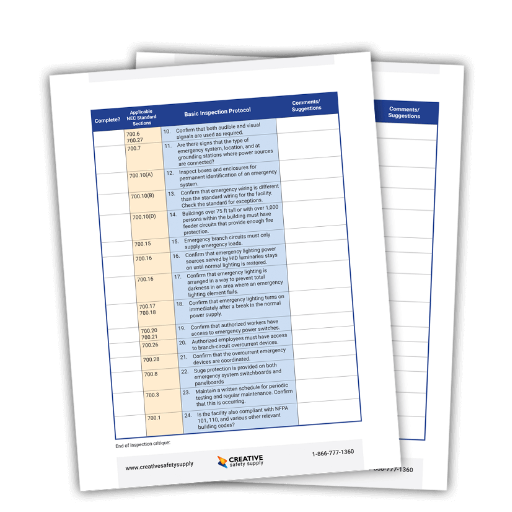
전기 검사 과정에서는 안전과 기능성을 보장하는 데 중요한 몇 가지 핵심 장치에 중점을 둡니다. 배선 시스템의 손상,마모 또는 재료 열화가 있는지 검사해야 합니다. 그 후 회로 차단기와 배전반을 점검하는 것이 올바르게 작동하고 있으며 부하 요구 사항을 충족합니까? 접지 및 기능을 위해 콘센트와 스위치를 테스트하십시오. 또한 GFCI 및 연기 감지기와 같이 고려중인 안전 장치가 제자리에 있고 올바르게 작동하는지 확인하십시오. 마지막 단계는 과열,부식 또는 기타 화재 위험이 있는지 확인하여 이러한 위험을 신속하게 해결할 수 있도록하는 것입니다.
전기 검사 체크리스트 개요
차단기 및 배전반 검사: 차단기 및 배전반이 올바르게 작동하고 부하 요구 사항을 충족하는지 확인하십시오. 파손,부식 또는 과열이 발생하지 않도록하십시오. 적절한 작동 및 유지 보수를 통해 전기와 관련된 위험 발생을 방지합니다.
테스트 콘센트 및 스위치: 모든 콘센트가 접지되어 올바르게 작동하는지 확인합니다. 전선이 느슨하거나 노출되지 않았는지 확인하십시오. GFCI 를 정기적으로 테스트하여 올바르게 작동하고 안전한 환경을 유지하십시오.
안전 장치 평가: GFCI, 연기 감지기, 일산화탄소 감지기 등 적절한 안전 장치가 설치되어 있는지 확인합니다. 모두 테스트하여 위험으로부터 적절하게 보호하고 필요한 안전 표준을 충족하는지 확인하십시오.
배선 조건 검토: 노후화되거나 손상된 배선의 명백한 징후가 있는 지역을 고려하십시오. 예를 들어,퇴색된 절연체 또는 노출된 전선은 연령이 다양할 수 있고 화재를 일으킬 가능성이 더 높습니다. 모든 배선이 현재 코드를 준수하고 전기 시스템의 요구 사항을 충족하는지 확인하십시오.
화재 위험 식별: 콘센트,가전제품, 전기 패널 등 과열의 잠재적 원인이 있는지 철저히 점검하십시오. 전기 부품 주변의 부식,탄 냄새 또는 모든 종류의 변색 징후를 제거하여 화재 위험을 방지하십시오.
찾아야 할 일반적인 전기 위험
전기적 위험은 가정 및 상업 환경 모두에서 안전을 손상시킬 수 있습니다. 다음은 일반적인 전기적 위험과 함께 위험 완화에 대한 자세한 정보입니다:
잘못된 배선 및 출구: 오래되거나 손상된 배선은 난방,불꽃, 및 전기 불을 일으키는 원인이 될 수 있습니다. 안전 학문에 따르면,부적절한 배선은 주거 건물에 있는 전기 불의 대략 80% 에 책임 있습니다. 전선의 빛,뜨거운 출구,또는 녹기의 어떤 번쩍임든지 전기 문제가 존재하고 그것 결과가 사고에 있기 전에 해결되어야 한다는 것을 경고 표시일지도 모릅니다.
과부하 회로: 너무 많은 장치를 단일 콘센트 또는 회로에 연결하면 과열되어 잠재적인 화재 위험이 발생할 수 있습니다. 과부하 회로는 일반적으로 최신 전기 부하를 수용하도록 설계되지 않은 오래된 건물에서 발견됩니다. 서지 보호 장치가 있는 파워 스트립은 서지 발생 시 어느 정도 보호 조치를 제공하지만 전기 시스템에 대해 규정된 한도 내에서 총 전력량을 유지하는 것도 마찬가지로 중요합니다.
부적절한 접지: 접지는 사람에게 부상을 입히고 장비에 손상을 줄 수있는 전기 서지로부터 보호합니다. 접지되지 않은 콘센트 또는 부적절하게 접지 된 시스템은 심각한 충격 위험을 초래합니다. 이러한 문제는 종종 부엌과 욕실과 같은 주요 영역에 세 갈래의 콘센트 또는 GFCI 가 설치되지 않았을 수있는 오래된 속성에서 발견됩니다.
마모되거나 손상된 전원 코드: 라이브 와이어가 노출된 모든 해어지거나 손상된 전원 코드는 감전이나 단락의 심각한 위험을 초래합니다. 모든 전원 코드를 정기적으로 검사하고 손상 징후가 보이는 모든 전원 코드를 폐기하는 것은 필수적이며,일시적인 해결책일 뿐이므로 전기 테이프를 수정으로 사용하는 것은 바람직하지 않습니다.
습한 또는 습한 조건: 물과 전기가 함께 오면 습한 조건에 대한 위험을 초래합니다. 지하실,욕실 및 실외 전기 시스템은 위험도가 높은 위치입니다. 지반 결함 발생시 자동으로 전력을 차단하기 위해 GFCI 를 이러한 영역에 설치해야하므로 전기 충격의 위험이 크게 줄어 듭니다.
오래되거나 불완전한 차단기: 차단기는 급증의 경우에는 힘을 차단해서 전기 체계를 보호합니다. 그들은,그러나, 과열 또는 화재를 일으키는 원인이 될 수 있는 오래되거나 결함이 있는 경우에 반응하지 않을지도 모릅니다. 이 장치가 정확하게 작용하고 있다는 것을 확인하기 위하여 자격을 갖춘 전기 기술자에 의해 정기적으로 검열해 달라고 하는 것이 결정적입니다.
조명기구 과열: 속담 총알: 조명기구의 등급을 초과하는 와트수로 전구를 사용하면 과열되거나 심지어 일부 구성 요소가 녹을 수 있습니다. 조명기구의 등급을 확인하고 호환되는 전구를 사용했는지 확인하십시오.
이러한 위험을 주시하고 수리 또는 업그레이드를 미리 수행하면 전기 사고의 가능성을 거의 제거하는 데 도움이됩니다. 안전 규칙과 결합 된 적절한 유지 보수는 전기로 인해 발생할 수있는 위험으로부터 재산과 생명을 보호합니다.
필수 전기 장비 점검
필수 전기 장비가 테스트되는 동안 안전과 적절한 기능에 관한 주요 관심 영역을 검사하는 것도 중요합니다. 가능한 한 코드와 케이블을 육안으로 검사하여 해어 지거나 갈라 지거나 변색과 같은 노화의 징후를 찾는 것부터 시작하십시오. 성인은 손상의 징후가 보이는 모든 것을 폐기해야합니다. 회로 차단기와 안전 스위치를 테스트하여 제대로 작동하는지 확인하십시오. 이러한 장치는 회로가 과부하되는 것을 방지하고 전기 사고시 충격을받지 않도록 보호합니다. 소켓에 느슨한 전기 콘센트와 변색 또는 화상 자국이 있는지 확인하십시오. 이는 과열 또는 배선 결함을 나타낼 수 있습니다.
점검해야 할 또 다른 문제는 전기적 결함이 해를 끼치지 않도록 모든 가전제품과 장비가 적절하게 접지되었는지 여부입니다. 또한 고정 장치와 조명 소켓이 과부하되거나 사용되는 전구와 호환되지 않는지 확인하십시오. 마지막으로 멀티미터를 사용하여 장비의 전압,전류 및 저항을 측정하여 장비 상태에 대한 자세한 내용을 확인하십시오. 정기적인 점검과 결합된 정기적인 유지 관리 프로그램은 장비를 더 오래 작동시키고 전기 위험을 예방하여 안전을 유지하는 데 도움이 될 수 있습니다.
상세한 전기 패널 검사
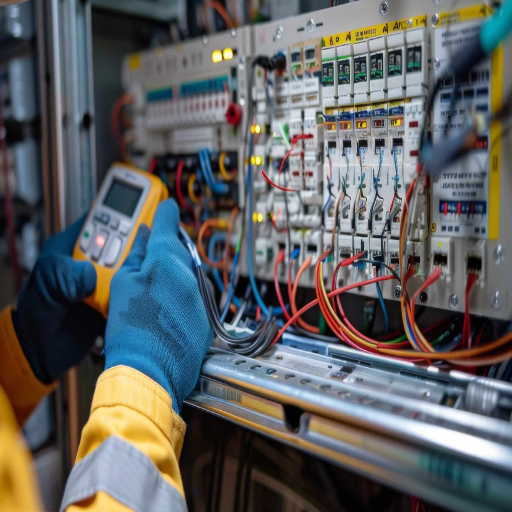
전원 끄기 – 진행하기 전에 주 차단기를 꺼서 검사 중 안전을 확보하십시오.
눈에 보이는 손상 찾기 – 와이어, 차단기 및 패널 자체에 과열, 부식 또는 화상 흔적이 있는지 확인하십시오.
회로 차단기를 테스트 – 각 차단기를 수동으로 켜고 끄면 자유롭게 움직이고 붙어 있지 않은지 확인합니다. 제대로 작동하지 않는 것으로 판명된 차단기는 변경해야 합니다.
배선 연결 검사 – 모든 배선 연결을 확인하여 느슨하거나 닳은 연결이 안전하고 없는지 확인하십시오. 느슨한 연결을 조이십시오.
과부하 상태 확인 – 적절한 부하 분배를 확인하고 패널 용량이 충분한지 확인하여 회로에 과부하가 걸리지 않도록 합니다.
습기를 찾으십시오 – 전기 패널이 심각한 문제로 이어질 수있는 습기 또는 물 침입이 없음을 확인하십시오 누출 징후는 신속하게 해결해야합니다.
접지 확인 – 패널과 장비가 전기적 위험을 방지하기 위해 적절하게 접지되었는지 확인하십시오.
위의 내용을 따르면 문제를 조기에 식별하고 전기 패널을 안전하고 효율적으로 유지할 수 있습니다. 심각한 문제나 수리가 있는 경우 항상 자격증을 갖춘 전기 기술자에게 전화하십시오.
전기패널의 이해
간단히 말해서,전기 패널은 모든 주거용 또는 상업용 건물에서 전기 시스템의 핵심으로 간주됩니다. 전기가 먼저 패널을 통해 구내로 유입된다는 점을 감안할 때,주 공급 라인에서 건물 전체의 다양한 회로로 전력을 분배하여 모든 전기 요구 사항이 안전하고 효율적으로 충족되도록합니다.
일반적으로 현대 전기 패널은 전체 시스템의 전원을 끄는 메인 차단기와 과부하 또는 단락으로부터 회로를 보호하면서 하나의 회로에 과부하가 걸릴 수있는 회로 차단기 또는 퓨즈를 포함합니다. 안전 장치 역할을하는 회로 차단기는 비정상적으로 높은 수준의 전류를 감지하면 회로의 피드를 차단합니다. 표준 패널의 범위는 100 ~ 200 암페어이며 대부분의 가정에 충분합니다; 더 큰 건물이나 상업 시설에는 더 높은 용량의 패널이 필요할 수 있습니다.
Among the more recent innovations in electrical panels are smart panels that allow for detailed monitoring and real-time control through mobile applications. They can inform energy consumption patterns, enable optimization, and even consider input from renewable resources like solar panels; statistics suggest a potential reduction of up to 20% in energy wastage in smart-panel-equipped homes.
The electrical panel requires regular inspection to ensure peak working conditions and safety. This would involve checking for issues such as corrosion, the correct labeling of circuits, and whether the panel has sufficient capacity to support current electrical demands. When it comes to upgrading or performing any significant work on the panel, hire a licensed electrician to ensure it is done by local building codes and in areas that will provide longevity.
Signs of Electrical Problems in the Panel
Every electrician will tell you that if problems are identified in an electrical panel at an early stage, it can avert serious safety concerns, such as electrical fires and power failures. Frequent tripping of circuit breakers is a common sign that something is wrong. Also, it can be indicative of an overload or a short circuit. Any burn marks, discoloration, or an unusual burning smell from the vicinity of the panel may indicate overheating or faulty wiring, both of which are fire hazards.
Buzzing or crackling sounds from the panel are also signs of trouble, as they generally indicate loose connections or failing components. Furthermore, the age of the electrical panel is a factor, as older ones may not adhere to the new safety standards and may not be able to handle the energy requirements of contemporary appliances. For example, Federal Pacific Electric (FPE) or Zinsco panels are known for their failure rates and safety issues, necessitating immediate replacements.
Data show modern homes consume an average of 10,766 kWh per year in the United States, emphasizing the need for panels with the capacity to handle increasing loads safely. If your panel is warm to the touch or exhibits variable supply voltages, it may indicate problems or inefficiency. Embracing a schedule of regular inspections and detecting subtle signs of an impending breakdown early will do a great deal in ensuring a safe and functional electrical system.
How to Perform a Panel Inspection
Conducting thorough panel inspections is essential to ensure the safety and proper functioning of your home’s electrical system. The following steps will assist in performing a practical inspection:
Shut Off Power From the Main Supply: Before beginning work on the panel, switch off the main power supply to avoid any accidents. After turning off the power supply, cross-check the status by testing the voltage at any outlets or switches using a voltage tester.
Visual Inspection of the Panel: Check to see that no damage occurred to the panel: burn marks, scorches, or anything melted. Then, look for signs of rust, corrosion, or moisture intrusion, as these can deteriorate the system.
Check the Condition of Breakers: Switch each circuit breaker on and off. Any breaker that feels loose fails to switch smoothly, or trips frequently requires attention. Such a worn-out or faulty breaker could even cause electrical mishaps or fires.
Check for Overloaded Circuits: Verify that the labels and wiring match properly, ensuring circuits are connected to their corresponding breakers. Overloaded circuits are the primary cause of electrical troubles when the connected appliances draw more energy than the circuit can handle. New reports claim that over 13% of electrical fires in residences per annum in the U.S. may be attributed to overloaded circuits.
Voltage and Load Balancing: Check the voltage levels with a multimeter to ensure an even supply is maintained across the breakers. Unbalanced loading between the phases can strain the system and lower energy efficiency.
Inspect Wiring and Connections: Loose or damaged wires are prevalent hazards. Inspect the tightness of all connections to avoid sparking or unreliable current flow. Faulty wiring causes approximately 30,000 fires annually in American homes, underscoring the importance of regular electrical inspections.
Pay Attention to Sounds: Buzzing or humming from a panel may indicate an excessive load, an impaired component, or a failing breaker. Such sounds need urgent addressing.
Panel Temperature Checks: Test if the panel is warm or hot; this can indicate overheating under load due to loose connections or faulty components.
Check for Panel Capacity: Ensure your electrical panel can meet the current power demand of your household. Since an average modern house consumes more than 10,000 kWh of electricity per year, a panel from an older system will likely require an upgrade to handle such higher loads safely.
Book Maintenance When Needed: If you notice any signs of wear or improper functioning of the panels, consult a licensed electrician for assistance. Regular professional maintenance helps identify hidden issues and ensures system reliability in the long term.
Panel inspection not only addresses safety concerns but also ensures the system operates at peak performance. Whenever working with electricity, always prioritize safety first and reserve all complicated repair and upgrade work for an expert.
Common Electrical Hazards in Residential Areas
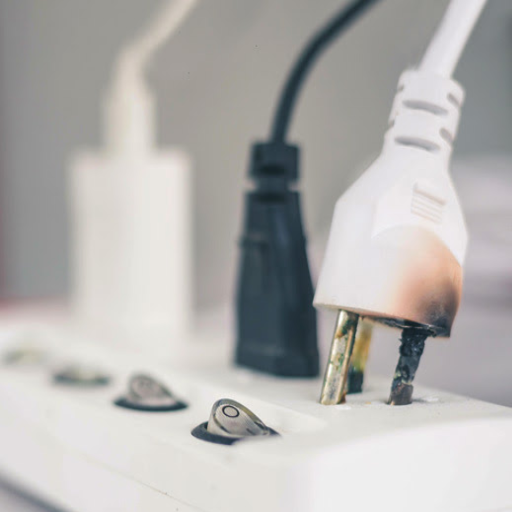
Faulty Wiring – Damaged or outdated wiring can result in electrical fires and shocks.
Overloaded Circuits – Overcrowding an outlet with devices can cause overheating and possible short circuits.
Misusing Extension Cords – Using extension cords as a permanent wiring solution can cause them to deteriorate and become unsafe over time.
Exposed Electrical Parts – Uncovered outlets, wires, or connections pose a significant hazard, especially to children.
Water-Electricity Contact – Being close to water with electrical devices increases the electrocution hazards.
Malfunctioning Appliances – A faulty appliance can overheat and generate sparks, thus posing a potential hazard to the environment.
The risks above can be mitigated by conducting regular inspections, ensuring that all electrical equipment is kept dry, and never overloading any outlet. In cases of repair or upgrade, always seek the services of a qualified electrician.
Identifying Electrical Hazards Outdoors
Outdoor electrical hazards can become life-threatening if not adequately addressed. One of the most common dangers is the presence of overhead electric wires. According to recent statistics, a significant percentage of outdoor electrical injuries are caused by contact with power lines. Ensuring a safe distance from power lines is the best option, as direct contact with high-voltage lines and even mere proximity to them can cause severe shocks.
Another common hazard involves the use of outdoor electrical tools. Electrical tools, such as lawnmowers or hedge trimmers, may also pose a threat if their cords are worn or if they get exposed to water. GFCIs must be used in such circumstances as they protect one from shocks by cutting the power within milliseconds. GFCIs have been proven to be beneficial for decreasing electrocution hazards.
Outdoor lights, such as for Christmas or garden settings, pose the next set of dangers. Always use waterproof and weatherproof lighting units with impeccably sealed connections to prevent any water ingress that may cause short circuits. Additionally, poorly maintained extension cords are an accident waiting to happen; they can overheat and cause fires.
Some preventive measures against outdoor electrical hazards include inspecting electrical equipment before use, ensuring proper grounding, and wearing personal protective equipment. Besides, adequate safety awareness campaigns and adherence to safety standards constitute paramount measures in preventing outdoor electrical system-related accidents.
Fire Safety and Electrical Systems
Fire safety becomes a vital parameter within the spectrum of electrical system management, as electrical malfunctions are among the various causes of fires worldwide. According to the National Fire Protection Association (NFPA), between 10% and 12% of home structure fires in the United States each year involve electrical distribution and lighting equipment, resulting in thousands of injuries and millions of dollars in property losses.
Faulty wiring, overloaded circuits, and outdated equipment are some of the innocent accomplices of electrical fires. For instance, during the construction of an old structure, the wiring system may not have been designed to support today’s electrical loads, which can result in overheating and increased fire hazards. Regular monitoring and inspections must be established by licensed personnel.
Fire safety steps are unimaginable without recent technological intervention. These technologies include arc-fault circuit interrupters (AFCIs) that interrupt arcs, thereby preventing fires. Likewise, ground fault circuit interrupters (GFCIs) also come into play in wet locations such as kitchens and bathrooms, where the risk of shock and fire is higher.
In matters of fire safety, creating awareness within homeowners and businesses is also imperative. Good practices such as never overloading power strips, using fire-resistant materials around electrical components, and storing flammable materials away from outlets are a great deterrent to incidents.
According to data analytics, a 40% reduction in electrical fires is achievable through the strict enforcement of codes and standards related to electricity. Harnessing innovation alongside infrastructure updates and an awareness campaign will significantly reduce hazards associated with electrical systems, thereby creating safer environments for all.
Surge Protection Considerations
Surge protection is crucial for the safety of an electrical system or device when a sudden surge of voltage occurs. Lightning strikes may cause these surges, leading to power outages or power line faults, which can occasionally result in damage to appliances. That said, studies report thunder online damage running into billions of dollars annually, emphasizing the need for adequate protection measures.
To mitigate these hazards, modern SPDs absorb excess voltage and discharge it harmlessly, preventing overloading. It is recommended that Type 1 SPDs be installed at the main service entrance of a building to give external surge protection for the entire electrical system. Further protection is recommended for Type 2 and Type 3 SPDs, particularly for individual outlets and sensitive electronic devices.
Data suggest there are around 60 percent fewer cases of equipment failure due to electrical surges in homes or businesses that have proper surge protection installed. To receive the fullest protective benefits, it is best if the SPD meets approved standards, has thermal cut-off mechanisms installed, and is routinely checked for wear and damage. The risks of power surges can be significantly reduced by considering these precautions, thereby protecting every property and system that genuinely matters.
Working with Professional Electricians
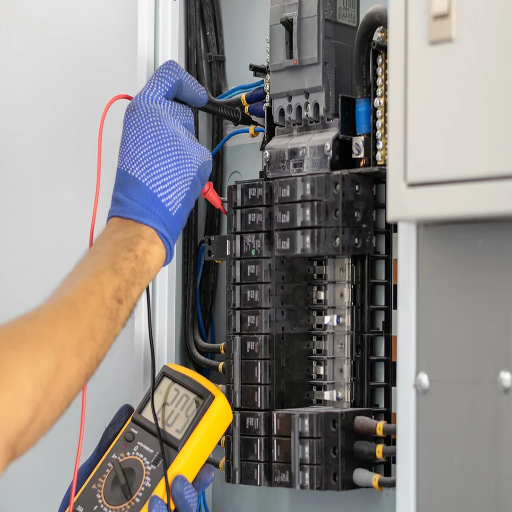
Working with a professional electrician ensures that the job will be safe, compliant with regulations, and efficient. Given an adequately trained electrician, if there is a determined need for surge protection, the electrician will properly install the correct surge protection devices and verify compliance with industry standards. They are trained to identify potential hazards and offer solutions that suit your individual needs. Retaining a licensed electrical contractor minimizes the likelihood of errors and ensures reliable protection for your equipment and infrastructure.
Finding Qualified Electrical Inspectors
Certifications, experience, and reputation should be given priority when evaluating any potential electrical inspectors. Professionals accredited by bodies that advocate for standards of inspection in the electrical field, such as the International Association of Electrical Inspectors (IAEI) or licensed at the state or national level, are usually proficient in their understanding of regulatory standards and best practices. Beyond regulatory knowledge, some inspectors are trained specifically for commercial, residential, or industrial systems to ensure that they will meet a diverse set of requirements.
Experience is also an essential factor. Find inspectors who have demonstrated their capability in handling similar projects, as their expertise can significantly impact the quality and thoroughness of the inspections. Customer reviews and testimonials also hold great value as indicators of reliability and professionalism, building confidence in their services.
Industry reports indicate an increased demand for electrical inspectors, driven by stringent safety standards and the complexity of current electrical systems. For example, the Bureau of Labor Statistics estimates that the growth rate for electricians and related inspectors will be approximately 7 percent over the next decade, underscoring the increasing demand for skilled professionals.
By utilizing major directories or established professional networks, locating reputable inspectors will be a significantly more straightforward process. Many industries offer rigorous platforms that enable you to verify credentials and connect directly with certified experts. When you emphasize credentials, experience, and professional endorsements, your demands for electrical inspection will surely be met with precision and reliability.
The Role of Electricians in Inspections
Electricians ensure the integrity and safety of electrical systems during inspections. They are evaluating electrical installations to ensure they comply with safety codes and standards, such as the National Electrical Code (NEC) in the United States. With modern electrical systems becoming increasingly complex, electricians must utilize sophisticated equipment, such as infrared thermography, circuit analyzers, and insulation testers, to measure parameters objectively.
Statistics have shown that electrical failures are among the leading causes of fires in residential and commercial areas, underscoring the need for professional inspections. Recent studies have suggested that electrical inspections can reduce the occurrence of electrical fires by up to 25%, thereby saving lives and property. Electricians are also skilled at diagnosing inefficient energy use and suggesting ways to enhance electrical performance and reduce energy costs.
Whether it is newly constructed buildings or older ones, licensed electricians check to ensure that everything, from wiring to circuit breakers, is in working order. This means their knowledge is vital for ensuring safety and compliance with changing regulations, thereby protecting property owners from fines and hazards. With this, electricians prove to be necessary in ensuring the safety and reliability of electrical systems.
Creating Your Own Electrical Inspection Checklist
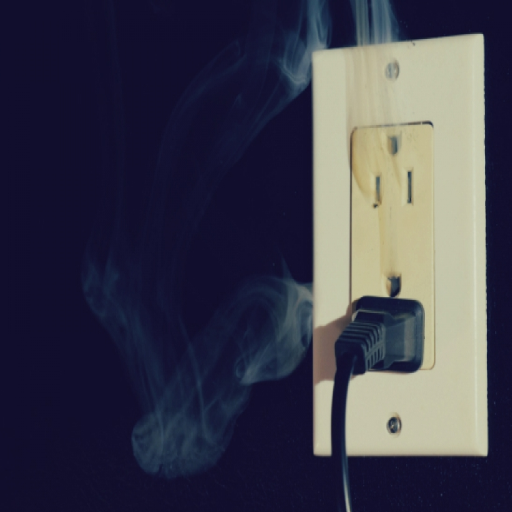
When developing electrical inspection guidelines, begin by identifying the critical areas that require inspection, such as wiring, outlets, switches, circuit breakers, and distribution panels. Each item on the checklist should allow for specific and easy analysis, such as checking for visible damage, loose connections, and signs of overheating, among others. Check the function of the smoke detectors, ensure that GFCI outlets are tripping correctly, and verify that all appliances are properly grounded. To ensure the checklist is comprehensive, research local electrical codes to ensure they meet the necessary standards and safety requirements.
Steps to Develop a Comprehensive Electrical Checklist
Understand Regulatory Standards and Codes: Begin by familiarizing yourself with the latest local and national electrical codes, such as the National Electrical Code, as well as any other applicable standards and codes. These standards provide very detailed guidelines for safety, installation, and maintenance procedures. For instance, according to the NEC, GFCI outlets must be installed in areas such as kitchens, bathrooms, and outdoors to minimize the risk of shock to persons.
Assess Electrical Load and Circuitry: Run load calculations on circuits provided for appliances and devices connected to them. Overloading is a significant safety hazard, carrying a high risk of overheating and potentially leading to a fire outbreak. Statistically speaking, it is known that for household systems, the standard requirements for service capacity range anywhere from at least 100 amps to 200 amps for a typical house, depending on the size and energy consumption of the house.
Inspect the Physical Conditions of Wiring and Components: Observe for visible signs of damage or deterioration, such as frayed insulation or exposed conductors. Also, observe the connections for circuit breakers and firings for any loose components or signs of aging. Research indicates that approximately 54 percent of electrical fires in homes are caused by aging and damaged wiring systems.
Include Safety Mechanism Checks: Test all GFCIs and AFCIs to confirm their operability. These are essential mechanisms to avoid electrical hazards. For example, new generation GFCI outlets shall trip within one-tenth of a second after detection of a fault to prevent shock or injury to a person.
Check Appliances and Fixtures: Ensure that all electrical appliances and fixtures are properly grounded and meet safety standards. Examine for signs of overheating, such as discoloration or a burning smell, as these may indicate faulty components. Data reveal that approximately 25,000 electrical fire cases occur annually in the USA, often associated with appliance failure, which underscores the need for rigorous checks.
Document and update the Checklist Periodically: Develop a documentation process for all inspection results and actions taken. This process should include periodic updates reflecting new code revisions or technological advancements in safety equipment. Experts recommend updating the safety checklist every three to five years to stay current with changes in standards and usage at both home and commercial sites.
When carried out step by step, one ends up forming and updating an electrical checklist that ensures safety, compliance, and long-term reliability in any electrical system.
Resources for Electrical Inspection Covers
Manufacturers’ guidelines, industry codes such as the NEC, and local requirements are a good place to start looking for resources for electrical inspection covers. Moreover, organizations providing professional training, such as the NFPA, or courses in the subject could offer valuable insights regarding best practices. Additionally, I find that reviewing technical documents and safety checklists designed explicitly for particular equipment or systems is also worthwhile.
Using Technology for Inspections Today
As technology advances, traditional inspection methods evolve, gaining efficiency, precision, and greater accessibility in the process. Drones, for one, are becoming increasingly common in inspections of hard-to-reach places, such as rooftops, large industrial structures, and remote pipelines. Besides preventing unsafe working situations that would otherwise be created when inspectors physically had to access such locations, the drones also save a lot of money and time.
Artificial intelligence and machine learning offer the latest cutting-edge innovations in inspections. AI-based image recognition software can be applied to analyze photos and videos for structural defects, corrosion, or anomalies with a level of accuracy that surpasses that of humans. At the same time, artificial sensors embedded in machinery monitor in real-time and alert the operator immediately when some irregularities appear, such as abnormal temperature readings, pressure changes, or vibration.
Despite these innovations, one significant breakthrough has been the development of digital twins: virtual replicas of physical systems. These models allow inspectors to simulate and predict equipment failures under different conditions without interrupting real-life operations. When used with cloud-based systems, digital twins enable secure storage, easy accessibility, and collaborative review of inspection data by team members located at diverse locations.
According to recent industry studies, utilizing advanced technology in inspections yields significant improvements in operational efficiency and error reduction. Companies that use digital inspection solutions report a 30 percent reduction in downtime and better early detection capabilities for issues that extend equipment lifespan. These inventions are revolutionizing inspection processes and establishing new benchmarks for safety and reliability.
참조 소스
자주 묻는 질문 (FAQ)
전기 검사 체크리스트란 무엇입니까?
An electrical inspection checklist is a comprehensive tool used to assess the condition of a home’s electrical systems. This checklist helps identify potential electrical hazards, ensuring that all components, such as wiring, outlets, and the main service panel, are functioning correctly and safely. Regular use of an inspection checklist can help keep your home safe and prevent electrical problems.
전기 안전 검사가 중요한 이유는 무엇입니까?
Electrical safety inspections are crucial for maintaining the integrity of your home’s electrical systems. These inspections help identify issues that could lead to electrical fires or other hazards. By regularly performing these inspections, homeowners can ensure that their electrical systems operate efficiently and safely, providing them with peace of mind.
주거용 전기 검사 체크리스트에는 무엇이 포함됩니까?
주거용 전기 검사 체크리스트에는 일반적으로 전선의 상태,회로 차단기 패널의 기능,연기 및 일산화탄소 감지기의 존재와 같은 항목이 포함됩니다. 또한 서비스 입구 평가 및 전기 연결의 전반적인 안전성을 다루어 안전 표준을 준수하도록 합니다.
전기 검사가 위험을 예방하는 데 어떻게 도움이 될 수 있습니까?
전기 검사는 심각한 문제가 되기 전에 잠재적인 위험을 식별하여 위험을 예방하는 데 도움이 됩니다. 전기 장비의 상태를 정기적으로 검사하고 적절한 전기 유지 관리를 보장함으로써 주택 소유자는 전기 화재의 위험을 완화하고 부동산의 전기 시스템이 안전하고 제대로 작동하는지 확인할 수 있습니다.
전기 패널 검사 중에 무엇을 기대해야 합니까?
전기 패널 검사 중에 자격을 갖춘 전기 기술자가 메인 서비스 패널에 마모,손상 또는 부적절한 연결의 징후가 있는지 평가합니다. 전기 연결의 무결성을 확인하고 패널이 가정에 필요한 전기 부하를 처리 할 수 있는지 확인합니다. 이 검사는 전기 시스템의 안전한 작동을 보장하는 데 필수적입니다.
전기 안전 검사를 얼마나 자주 수행해야 합니까?
전기 안전 검사는 최소한 몇 년에 한 번 이상 또는 전기 문제의 징후가 발견되면 더 자주 수행하는 것이 좋습니다. 정기 검사는 가정의 전기 시스템의 안전과 기능을 유지하는 데 도움이되며 향후 문제를 예방할 수 있습니다.
검사 중에 발견되는 일반적인 전기 문제는 무엇입니까?
검사 중에 확인될 수 있는 일반적인 전기 문제로는 과부하 회로,결함 배선,오래된 전기 패널,오작동하는 연기 및 일산화탄소 감지기가 있습니다. 이러한 문제를 신속하게 해결하면 집을 보호하고 전기 시스템의 안전을 보장할 수 있습니다.
누가 전기 검사를 실시해야 합니까?
자격을 갖춘 전기 검사관 또는 자격증을 갖춘 전기 기술자는 전기 검사를 실시해야 합니다. 이러한 전문가는 주택의 전기 시스템을 철저히 평가하고 필요한 수리 또는 업그레이드에 대한 권장 사항을 제공하여 귀하의 재산이 안전하고 전기 안전 표준을 준수하도록 보장하는 전문 지식을 갖추고 있습니다.