

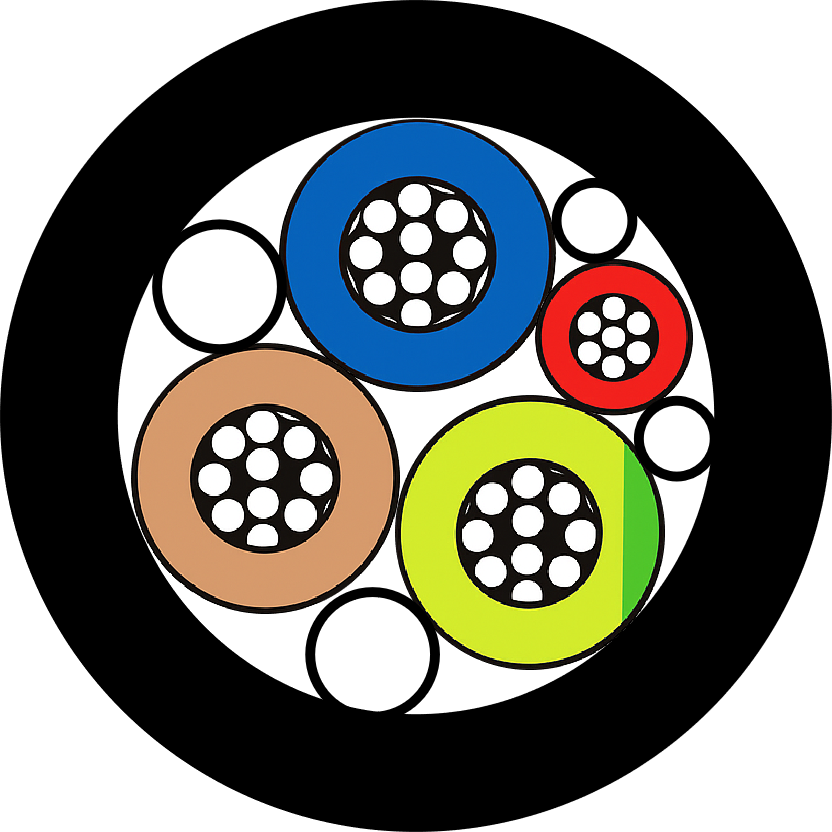





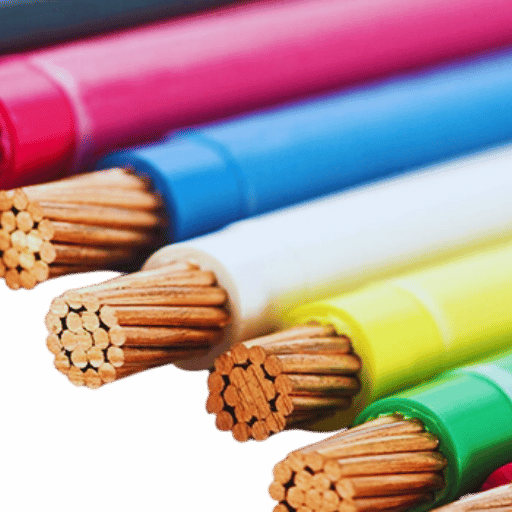
Draden gemaakt van koperen constructies worden beschouwd als een van de kritische elementen van de moderne elektrotechniek en deze worden algemeen aanvaard vanwege hun hoge elektrische geleidbaarheid, sterkte en betrouwbaarheid. Deze handleiding probeert een uitgebreide beschrijving te geven van koperen bouwdraden, waarbij de belangrijkste kenmerken en toepassingen ervan worden benadrukt en waarom ze de voorkeur hebben boven andere bedradingsmaterialen. Dit geldt voor zowel elektriciens als bouwvakkers, maar ook voor gewone huiseigenaren die willen begrijpen hoe de bedrading achter hun muren werkt. Wanneer het onderwerp koperen bouwdraden is, is dergelijke informatie schaars voor de soorten draden die beschikbaar zijn en hoe u koperen bouwdraden kunt installeren en onderhouden, zal deze gids alle betrokken partijen in elk aspect helpen.
Wat is bouwdraad en hoe wordt het gebruikt?
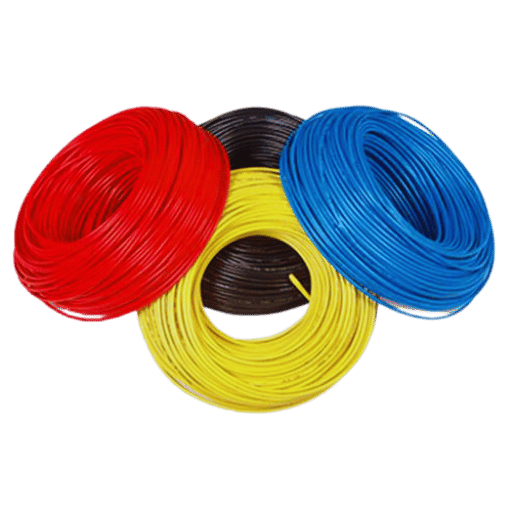
Bouwdraad is een product in de categorie elektriciteitsdraad dat wordt gebruikt voor de distributie van elektriciteit binnen een constructie. Het is bedoeld om elektriciteit die via het elektrische hoofdpaneel in het gebouw is geïntroduceerd, te distribueren naar de verschillende stopcontacten, schakelaars en elektrische apparaten binnen het gebouw Bouwdraden bevatten meestal een geleider, die niet van metaal is, meestal van koper, vanwege de goede geleidbaarheid en beschermd is tegen schokken of kortsluiting met behulp van een isolerende afdekking De belangrijkste toepassing van mobiele draden is het verschaffen van de onderlinge verbinding tussen elektrische circuits die in verschillende huizen of werkplekken bestaan, evenals voor productiedoeleinden, waardoor een veilige elektriciteitsvoorziening wordt geboden.
Soorten Building Wire
Elk van de bouwdraden heeft bepaalde toepassingen en komt dus in verschillende soorten, Hieronder volgen de verschillende soorten bouwdraden:
- NM (niet-metalen) omhulde kabel: Een kabel die meestal in huizen wordt aangebracht; het bestaat uit twee of meer geïsoleerde geleiders en een kale aarddraad bedekt met een plastic omhulsel.
- THHN/DWN-draad: Een draad met thermoplastisch materiaal die op droge locaties is gebruikt; het komt het meest voor in de commerciële en industriële sector.
- UF-kabel (ondergrondse feeder): Dit is voor geen enkele toepassing ontworpen; kan direct onder de grond worden begraven; gebouwd met solide waterdichte isolatie.
- MC-kabel (metalen bekleding): Er zitten geïsoleerde draden in een metalen omhulsel; deze bijna-kabel wordt gebruikt waar commerciële en industriële bedrading wordt uitgevoerd.
- XHHW-draad: Dit is een kabel die wordt gebruikt in natte omgevingen; heeft een goede isolatie en waterbestendigheid en wordt daarom gebruikt in de kamer van mensen.
Veel voorkomende toepassingen van bouwdraad
Bouwdraad vindt toepassing in verschillende gebieden, waaronder woningen, commerciële en industriële gebieden. De NM omhulde kabel is de standaard bedrading voor stopcontacten alsmede schakelaars en verlichtingsarmaturen in woningen THHN/THWN draad wordt in commerciële sectoren gedistribueerd naar power kantoorapparatuur en HVAC-systemen MC-kabel is nuttig in industriële installaties die dergelijke stroom nodig hebben voor verschillende gereedschappen en machines UF-kabel is voor elektrische doeleinden buitenshuis, vooral voor tuinverlichting en zwembadpompen. XHHW-draad wordt ook binnenshuis gebruikt, maar ook buitenshuis in elektrische systemen, die onderhevig zijn aan extreme omstandigheden op het gebied van isolatie.
Draad en kabel bouwen in huizen en bedrijven
Bedradingsapparaten en bekabeling behoren tot de inhoud die de verspreiding van elektrische energie in woningen en organisatie-instellingen bevordert In het geval van huishoudelijke toepassingen hebben NM omhulde kabels meestal de meeste voorkeur vanwege het gemak van het planten van draden aan uitlaten, schakelaars en lichtbronnen, omdat ze flexibel zijn en voorzien zijn van een beschermende omhulling. Om efficiënt te werken in een kantooromgeving, omdat de elektrische apparatuur geavanceerder is, zijn de specificaties niet langer eenvoudig met het gebruik van THHN/THWN-draad, vooral droge en natte toepassingen op de meeste delen van de HVAC-systemen. De reikwijdte gaat verder dan dikkere alternatieven zoals MC Cable, dat grotendeels wordt gebruikt in commerciële en industriële faciliteiten om betrouwbare, strakke verbindingen mogelijk te maken bij het gebruik van zware apparatuur zonder concessies te doen aan de veiligheid in extreme omstandigheden.
Wat zijn de verschillende soorten van het bouwen van draad?

Solid vs Stranded Wire begrijpen
Solid Wire
Een massieve draad bestaat uit een enkele massieve geleider die minder weerstand heeft en normaal gesproken wordt toegepast voor elektrische bewerkingen van lagere kwaliteit, bijvoorbeeld bedrading in huizen voor stopcontacten en schakelaars. Dit soort draden is goedkoop en snel te produceren met sterke en stabiele verbindingen, vooral op vaste plaatsen.
Stranded Wire
In dit geval vertoont de gestrande draad superioriteit in flexibiliteit, omdat het de kleine draaddraden combineert die allemaal gericht zijn op het vormen van een streng. Dit gebeurt meestal waar beweging of trilling van de draad overheerst; vandaar dat de draad wordt gebruikt in auto- en complexe elektronische apparaten. Gestrande draden hebben een hoge neiging tot flexibiliteit zonder de sterkte in gevaar te brengen die nodig is voor zware omstandigheden.
Populaire soorten: THHN, THWN en andere variëteiten
THHN Wire
Het meest gebruikte type draad bij bouwwerkzaamheden is THHN, wat staat voor een thermoplastisch hoogwarmte nylon materiaal De binnenkern heeft een PVC coating en is ook bedekt met nylon isolatie, waardoor de draad op droge en vochtige plaatsen kan worden gebruikt D'Angelo, THHN draad is warmtetolerant omdat het bestand is tegen temperaturen tot 90 graden Celsius en is een veel voorkomende draad in residentiële, commerciële en industriële omgevingen.
THWN WIRE
In feite bevat THWN de meeste fysieke kenmerken en eigenschappen van de THHN-draad, maar de eerste heeft meer waterbestendige eigenschappen. THWN is ontworpen als een gemakkelijkere trekleiding en geschikt voor gebruik op een natte locatie en kan daarom buiten worden gebruikt bij het voeden van elektrische systemen en in natte omgevingen.
Andere variëteiten
Enkele van de andere opmerkelijke zijn onder meer de XHHW-kabel, een verknoopte waterbestendige draad met hoge hitte, en UF-kabels, ook bekend als ondergrondse toevoereenheden. XHHW-draden worden geleverd met verknoopt poly dat chemicaliën, vocht en slijtage serveert, die meer op industriële distributiekracht lijken. De UF-kabel is bedoeld voor nauwe afdekking en niet bedoeld voor snijden en binnendringen, in het geval van kunstmatig versterkte verlichtingskabels buiten en ondergrondse bedradingswerken. Elke draad heeft verschillende eigenschappen die zijn ontworpen voor verschillende vereisten om veilige, betrouwbare en effectieve elektrische verbindingen te hebben in alle elektrische en stroominstallaties.
Gebruik van koper- en aluminiumgeleiders
Als het om elektrische geleiders gaat, zijn koper en aluminium de meest gebruikte materialen, en beide hebben hun eigen unieke kenmerken en voordelen.
Koperen geleiders
Van alle metalen neemt koper de tweede positie in elektrische geleidbaarheid na zilver Dit specifieke metaal wordt ook gebruikt in thermische toepassingen, omdat het een zeer goede thermische geleiding heeft en bestand is tegen veel corrosieve stoffen. Ook staan geleiders van koper of koperlegeringen bekend om hun grote sterkte en lage gevoeligheid voor oxidatie, wat leidt tot een lange levensduur en weinig onderhoud. Vanwege zijn sterkte kan de draad helpen veel meer gewicht te dragen of meer spanning aan te kunnen en kan hij worden gebruikt voor woningbedrading van lagere kwaliteit en industriële stroomcircuits van hogere kwaliteit. Een verdere vergroting is mogelijk vanwege de hoge treksterkte van koper, waardoor draden met een kleine diameter mogelijk zijn, die van grote waarde zijn bij strakke en ingewikkelde constructies.
Aluminium geleiders
Hoewel aluminium qua geleidbaarheid niet goed te vergelijken is met koper, is het vanwege zijn lichtgewicht en lage kosten geschikt voor elektrische bedrading. Vanwege deze eigenschappen kunnen aluminium geleiders minder gewicht in de constructie gebruiken en zijn ze dus geschikt om te ondernemen in grote eenheden zoals elektriciteitsnetten en hoogspanningsleidingen. Aluminiumdraden zijn over het algemeen ook geïsoleerd en afgedekt om een beperkte levensduur of blootstelling aan de elementbehuizing te hebben. Vanwege de lage treksterkte in vergelijking met de mechanische sterkte voorkomt de flexibiliteit van de vorm dat deze breekt tijdens de installatie, en het gebruik ervan boven het hoofd in elektriciteitsleidingen vervult zijn doel in toepassingen die zich over grote gebieden uitstrekken.
Samenvattend wordt de beslissing over het gebruik van koperen of aluminium geleiders bepaald door de kenmerken van het elektrische systeem, inclusief factoren zoals de geleidbaarheidsvereiste, de sterkte van de geleider, de omgeving en de economie. Beide materialen zijn nuttig in de huidige elektrische systemen, rekening houdend met prestaties en praktische eigenschappen.
Hoe kies je de juiste bouwdraad voor je project?
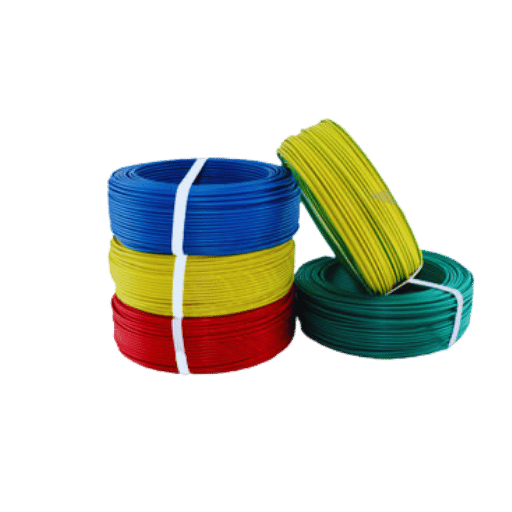
Factoren waarmee u rekening moet houden: capaciteit, isolatie en meer
Bij het overwegen wat voor soort elektrische draad in een gebouw moet worden gebruikt, moeten verschillende belangrijke parameters in overweging worden genomen:
- Ampaciteit: Kies de grootte van de draad met een stroomdraagvermogen dat voldoende kan voldoen aan de huidige belastingseisen van uw toepassing en waardoor de draad niet oververhit raakt Gebruik ampaciteitstabellen om de verwachte stroombelastingen te relateren aan de vereiste draadgroottes.
- Isolatie: Het geselecteerde isolatiemateriaal moet niet alleen rekening houden met de normale temperaturen, maar ook bestand zijn tegen chemicaliën, vloeistoffen en vocht. Voorbeelden van de isolatieafdekking zijn PVC, THHN en XHHW.
- Spanningsclassificatie: Bevestig dat de spanningswaarde van het draadtype ook gelijk is aan die aanwezig op het systeem, zodat de isolatie niet fysiek wordt aangetast als gevolg van elektrische overspanning.
- Flexibiliteit: Controleer of de geïnstalleerde draad flexibel genoeg is om een gemakkelijke installatie van de draden te vergemakkelijken, vooral in drukke en gecompliceerde gebieden. Flexibele draden zijn gemakkelijk te routeren en vereisen dus minder tijd om te installeren.
- Milieuomstandigheden: Overweeg fysieke of omgevingsblootstelling aan ultraviolette straling, een giftige omgeving of fysieke schade. Gebruik indien nodig draden met geschikte jassen of coatings.
- Naleving van normen: Zorg ervoor dat lokale internationale codes van het betreffende elektrische bedradingssysteem, bijvoorbeeld de National Electric Code (NEC), bij het verkrijgen van de draden worden gehandhaafd.
- Kosten: Prestatiespecificaties en andere eisen moeten worden afgemeten aan het budget en er moeten goedkope materialen en specificaties worden aangenomen om optimale veiligheid en efficiëntie te bieden.
Draadmeter kiezen: 10 AWG, 14 AWG en anderen
In veel opzichten is de selectie van draaddiktes een kunst. Het houdt in dat de volgende factoren in overweging worden genomen:
- Huidige draagkracht: De belangrijkste overweging bij de selectie van draaddiktes is ongetwijfeld of er voldoende stroom moet worden getransporteerd of niet zonder een overmatige spanningsval of oververhitting van de draad. Hoewel een AC-eenheiddraad 10 AWG gemakkelijk ongeveer 30 ampère kan dragen, is draad 14 AWG van toepassing op momenten waarop minder dan 15 ampère door de circuits wordt geleid. Het allerbelangrijkste is dat het belangrijk is om naar de American Wire Gauge (AWG)-kaart te verwijzen om de grootte van de draad te relateren aan de stroom die zal worden geïnduceerd.
- Lengte van de run: De maximale lengte waarover de draad kan lopen, kan een effect hebben op de spanningsval. In dergelijke scenario's waarin AC-eenheden zich op afstand bevinden, zou dit een dikkere draad vereisen (kleiner AWG-nummer), vooral om de spanningsval te verminderen en zo de elektrische mechanismen te laten werken zoals bedoeld.
- Toepassingsvereisten: Toepassingsbehoeften kunnen ook de dikte van de draad bepalen. Terwijl bijvoorbeeld 10 AWG-draden oké zijn voor waterverwarming of wisselstroominstallatie, zullen verlichtingscircuits of algemene stopcontacten zonder dat er andere apparaten op zijn aangesloten, 14 AWG-draden gebruiken.
- Regelgeving: U moet er te allen tijde voor zorgen dat het, zelfs als het gaat om de keuze van de draadmeter, moet voldoen aan de National Electrical Code (NEC) en andere toepasselijke lokale regelgeving.
In een notendop is het een kwestie van compromissen kiezen van de juiste draadgrootte gezien de huidige geleiding, afstanden, specifieke behoeften en naleving van normen Elk project kan worden geoptimaliseerd met een bepaald bereik van metergroottes.
Het belang van draadjassen begrijpen
Draadmantels, ook wel onder andere aangeduid als isolatiemantels of gewoon mantels, zijn bedoeld om de veiligheid, duurzaamheid, en goede werking van elektrische apparaten te verbeteren Hieronder volgen enkele redenen voor het bestaan van draadmantels:
- Elektrische isolatie: Elektrische draadmantels omvatten het isoleren van het binnenste deel van de draad waardoor de draadkabels en andere delen van een circuit kunnen worden vernietigd en ook voorkomen dat individuen schade worden toegebracht. Dit is van cruciaal belang voor het veilig functioneren van elektrische circuits en beschermt de mensen tegen de mogelijke gevaren die zich kunnen voordoen.
- Milieubescherming: Isolaties houden de draden beschermd tegen fysieke schade en zelfs schadelijke omstandigheden zoals vochtigheid, chemicaliën, zonlicht en zowel hoge als lage extremen. Deze verbeteringen vergroten de kans dat de draden lang meegaan vanwege hun vermogen om extreme toestanden te weerstaan.
- Mechanische integriteit: De mantel fungeert als een barrière en geeft fysieke sterkte aan de draad in sommige gevallen bescherming van de draad tegen slijtage, snijwonden, en mechanische krachten die kunnen resulteren in een verandering in de structuur van de draad Dit moet worden benadrukt in industriële omgevingen en gebieden waar er hoge mate van slijtage.
- Naleving van regelgeving: Adequate isolatie zorgt ervoor dat de draad volgens de voorschriften van de industrie en de regio in kwestie op de voorgeschreven wijze wordt gebruikt en stimuleert ook het verantwoord gebruik van elektriciteit, waar elektrische kabels onder codevereisten worden geïnstalleerd, is er over het algemeen de verwachting dat certificeringen zoals UL (Underwriters Laboratories) en NEC (National Electric Code) zullen worden voldaan met vooraf bepaalde isolatienormen.
Kortom, draadmantels zijn van belang als het gaat om elektrische veiligheid, uithoudingsvermogen van het milieu, mechanische sterkte en juridische aspecten. Er wordt veel belang gehecht aan draadmantels, omdat ze de algehele afscherming van de elektrische constructies beïnvloeden met betrekking tot de operationele efficiëntie en veiligheid van de hele gebouwde omgeving.
Hoe installeer je bouwdraden veilig en efficiënt?
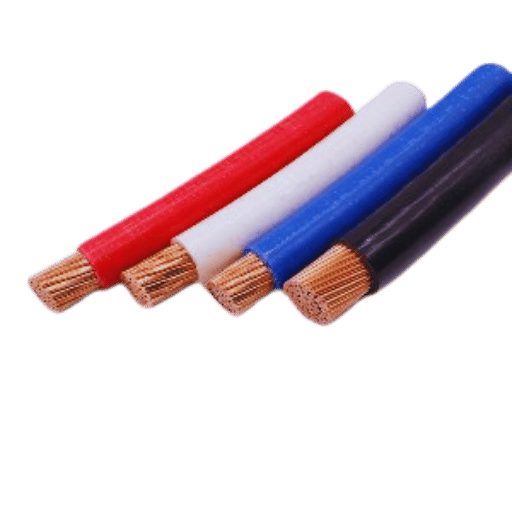
Essentiële hulpmiddelen voor het bouwen van draadinstallatie
- Draadstripper: Wordt gebruikt om de isolatie van de markeringen van de metaaldraad te verwijderen zonder enige schade aan de geleidende stroomdraden te veroorzaken.
- Visband: Deze slordige procedure wordt gebruikt om meer bedrading via muren, leidingen of, beter nog, elektrische panelen te trekken.
- Spanningstester: Wordt gebruikt om te controleren of een circuit veilig is om aan te raken en is uitgeschakeld om elektrocutie te voorkomen.
- Kabelscharen: Dit zijn handgereedschappen die worden gebruikt voor het snijden van draad, stroomdraden van verschillende afmetingen, gebouwen...en het verkrijgen van perfecte randen.
- Conduit Bender: Dit maakt het mogelijk om de leidingen te buigen op een manier die de bedrading in veilige en beschutte paden geleidt.
- Elektrische band: Gebruikt om draadconnectoruiteinden en -afsluitingen te isoleren en vast te houden.
- Schroevendraaiers en moeraandrijvers: Deze worden gebruikt voor het bevestigen van wandplaten die de schakelaars en uitlaten bedekken, waarvan er ongeveer 53 zijn.
- Etiketmaker: Een plakkerig labelpistool is niet alleen een must-have voor de juiste organisatie van draden, circuits en constructies, maar ook voor het eenvoudig oplossen van problemen.
- Multimeter: Een instrument dat wordt gebruikt om spanning, stroom en weerstand te meten, waarbij wordt gecontroleerd of een bepaald circuit naar behoren werkt.
- Boor en bits: Vereist om openingen te creëren op muren en andere componenten in constructies om de doorgang van bedrading mogelijk te maken.
Installatiehandleiding stap voor stap
- Plan de lay-out: Eerst, kaart de bedradingslay-out vanaf het ontwerpplan voor het gebouw Volg de lokale elektrische code en normen.
- Uitschakelen: Maak alle circuits waar u aan gaat werken spanningsloos door de voedingseenheid die zich langs het hoofdonderbrekerpaneel bevindt uit te schakelen Bevestig dit met behulp van een spanningstester.
- Meet en knip: Zoek naar de kern van draden die moet worden gemeten en gesneden met behulp van het juiste gereedschap, kabelscharen genaamd. Markeer beide zijden van elke draad voor gemakkelijke identificatiedoeleinden.
- Stripisolatie: Draden zijn geïsoleerd van vocht en andere externe elementen. Er wordt een draadstrippergereedschap gebruikt om ongeveer 3⁄4 inch isolatie van de uiteinden van de draden te verwijderen, terwijl u voorzichtig bent om de geleiders niet door te snijden.
- Vis de draden: Gebruik visbanden om draden door muren, leidingen of aansluitdozen te trekken. Maak indien nodig tijdelijke verbindingen met de draden ter ondersteuning.
- Installeer leidingen: Gebruik een leidingbuiger om leidingen waar nodig te buigen en te installeren Bevestig dat leidingen stevig aan structurele elementen zijn bevestigd.
- Verbind draden: Maak de benodigde aansluitaansluitingen in elektrische panelen, schakelaars en stopcontacten Een moeraandrijver of schroevendraaier werd gebruikt bij het aandraaien van connectoren.
- Beveiligd met elektrische tape: Zorg ervoor dat alle draadverbindingen goed zijn afgedekt met elektrobandisolaties voor stabiliteit en veiligheid.
- Testen: Controleer aansluitingen met behulp van een multimeter om spanning, stroom en weerstand op de aangesloten circuits te meten.
- Etikettering: Gebruik een printer om alle draden van de respectievelijke circuits te labelen, omdat dit het vinden van fouten zal vergemakkelijken.
- Power Up: Nadat u ervoor heeft gezorgd dat alle verbindingen veilig zijn gemaakt en zijn getest, herstelt u de stroom op het hoofdonderbrekerpaneel en test u het geïnstalleerde elektrische systeem.
Veelvoorkomende fouten die u moet vermijden
- Verkeerde draadmeter: Als de gebruikte draad niet overeenkomt met de classificatie van de stroomsterkte van het circuit, zijn er onvermijdelijk oververhitting en brandbedreigingen. Houd u altijd aan de National Electrical Code (NEC) bij het kiezen van draadafmetingen.
- Slechte verbindingen: Als een snelle oplossing voor draden het niet geschikt maakt, bestaat de mogelijkheid dat de geleider as wordt als gevolg van vonken. Zorg ervoor dat deze aansluitverbindingen veilig zijn en gebruik draadmoeren of een goedgekeurd apparaat voor de beveiliging van de verbindingen.
- Het negeren van aarding: Een goede aarding dient een veiligheidsdoel, omdat het elektrische schokken voorkomt en ook de stabiliteit van de systemen handhaaft. Aarding krijgt hoge prioriteit en mag niet worden weggelaten. Stand-byverbindingen moeten altijd worden gecontroleerd op naleving van de code.
Wat zijn de normen en voorschriften voor het bouwen van draden?
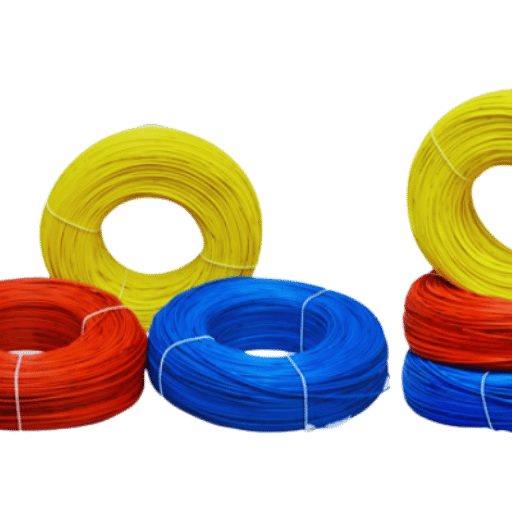
NEC-voorschriften begrijpen
National Electrical Code (NEC) is een norm die in een bepaalde geografische regio kan worden aangenomen voor het veilig installeren van elektrische draden en apparatuur Het naleven van de NEC-voorschriften minimaliseert elk elektrisch gevaar voor het geval er brand of schok ontstaat tijdens het gebruik van de elektrische systemen Enkele van de essentiële aspecten van de NEC-maatregelen zijn
- Draadgrootte: De administratie vermeldt de minimumeisen waaraan moet worden voldaan om eventuele ongelukken met de stroomstroom in de betreffende bedrading te voorkomen. Voor een bepaalde ampère en met het oog op het gebruik van verschillende soorten draden zijn gedetailleerde tabellen opgenomen in de NEC.
- Aarding en binding: Tijdens voorbijgaande of foutstootomstandigheden overschrijdt de stroom in het systeem zijn normale draagvermogen, en aarding maakt een snelle dissipatie van overtollige energie naar de aarde mogelijk. Verbindingsmiddelen die alle toegankelijke harddragende geleidende onderdelen elektrolytisch verbinden om eventuele verschillen in potentiaal tussen deze onderdelen te voorkomen of te minimaliseren.
- Beschermingsapparaten: De elektrische circuits moeten worden beschermd door de installatie van gemechaniseerde apparaten, helmen of circuitbeveiligingsapparaten genaamd, zoals stroomstoringen, zekeringen of andere soortgelijke apparaten die de stroom in de elektrische circuits uitschakelen in geval van overbelasting of kortsluiting.
- Installatienormen: In het geval van de NEC zijn er relevante bepalingen die vertellen hoe materialen moeten worden gebruikt, gefixeerd en weergegeven om aanstootgevend vocht en fysiek misbruik te voorkomen.
- Naleving en inspectie: Om de naleving van de NEC te behouden, worden vóór de goedkeuring van het gebruik goedkeuringen verkregen van het bestuursorgaan met een deskundigenonderzoek om zich ervan te vergewissen dat de installaties in overeenstemming met de normen zijn uitgevoerd.
Het naleven van NEC als ontwerpstandaard speelt een cruciale rol bij de bescherming en prestaties van elektrische installaties in woningen, kantoren en industriële gebouwen.
Bouwdraadnormen voor residentieel versus commercieel gebruik
Er is een enorm verschil in de normen voor bouwdraden voor de residentiële en commerciële sector, omdat hun eisen niet dezelfde zijn.
Residentieel gebruik
Voor het bouwen van draadtypes die in woonhuizen worden gebruikt, zijn de bedradingssystemen eenvoudig te installeren, goedkoop en veilig voor de huisbewoners. De meest toepasbare draden zijn onder meer niet-metalen omhulde kabels of wat algemeen bekend staat als Romex. Deze bedrading wordt uitgevoerd via kettingen in een gebouwschilspanning, waardoor een aanvaardbare mate van taaiheid en flexibiliteit wordt geboden. De NEC vereist dat de doelbelastingen de belastingen zijn die aanwezig zijn in de verlichting, stopcontacten en kleine apparaten van de meeste Amerikaanse huishoudens.
Commercieel Gebruik
Het commerciële bedradingsontwerp is strenger omdat de elektrische belastingen en omgevingsomstandigheden in zowel commerciële als industriële omgevingen groter zijn. In commerciële gebouwen zijn bijvoorbeeld vaak dikke draden zoals THHN of MC nodig om tegemoet te komen aan een grotere elektrische belasting en weerstand te bieden tegen mechanische schade. De verhouding tussen commerciële systemen en residentiële systemen is complexer, daarom zijn er strengere brandvoorschriften van kracht en moeten er uitgebreidere procedures met betrekking tot het verbinden en aarden worden uitgevoerd voor de veiligheid van het gebouw en de bewoners.
Concluderend: als het gaat om de bedradingsnormen voor residentieel gebruik, is de voornaamste zorg de kosten en eenvoud, terwijl bij commercieel gebruik de voornaamste zorg capaciteit, sterkte en naleving van zeer strenge gezondheidsnormen op het gebied van bedrading is.
Zorgen voor naleving van veiligheidscodes
Alle elektrische installaties in zowel woon - als bedrijfspanden moeten zich houden aan de vereiste veiligheidsregels om risico's te voorkomen die zich kunnen voordoen en vereisen dat de wet wordt nageleefd De startfocus op dit aspect van wettelijke regelgeving is een grondig begrip van de regelgeving waarin de Nationale Elektrische Code (NEC) voorziet, waarbij er vooral voor wordt gezorgd dat de gewijzigde of herziene codes, in dit geval NEC, worden gevolgd aangezien deze codes met grote tussenpozen worden herzien vanwege nieuwe onthullingen in het bestuur.
Voor bedradingsholtesystemen voor woningen en thuisbioscopen die binnen de muren zijn geïmplanteerd, omvat strikte naleving van de NEC-richtlijnen, maar is niet beperkt tot, het gebruik van vermelde en gelabelde componenten, het gebruik van de juiste draadgrootte voor de circuits op de installatie en het juiste gebruik van de aansluitdoos. Daartoe omvat het, in het geval van commerciële bedrading, ook af en toe reparaties, het gebruik van goedgekeurde materialen zoals THHN- of MC-kabels, en inflexibele naleving van mores met betrekking tot aarding en verlijming.
Regelmatige veiligheidsinspecties en beoordelingen, zoals het behouden van erkende elektriciens, kunnen ervoor zorgen dat altijd aan de naleving wordt voldaan. Het is in hun belang, maar ook in dat van anderen, dat deze professionele codemakers de nieuwe codes begrijpen, zodat ze deze correct implementeren. Ook moeten elektrische installaties van gebouwen in totaal met goede precisie worden geregistreerd, zodat bij routinecontroles elke overmatige belasting of tekort aan bedrading gemakkelijk kan worden vastgesteld.
Als alle gestelde veiligheidsnormen worden nageleefd, is er zeer weinig kans op elektrische brand, systeemstoringen of schadelijke problemen in zowel woon- als commerciële gebouwen.
Referentiebronnen
Veelgestelde vragen (FAQ's)
Vraag: Wat zijn koperen bouwdraden en waar worden ze gebruikt?
A: De draden van het koperbouw zijn elektrische geleiders die bij de bouw van bijna alle commerciële gebouwen of woonplaatsen worden gebruikt Dergelijke producten zijn interne bedrading binnen structuren die elektrische macht dragen en zijn bekend als de bedrading van de vertakkingskring in huizen of kantoren Zij zijn zeer cruciaal voor veilige en effectieve levering van elektrische macht.
Vraag: Welke typische spanningswaarde hebben koperen bouwdraden?
A: De algemene classificatie voor de meeste koperen bouwdraden die door residentiële of commerciële ontwerpers worden geïnstalleerd is. Deze spanningsclassificatie is geschikt voor de meeste bedradingstoepassingen van aftakcircuits in huizen of kantoren.
Q: Wat is de procedure betrokken bij het selecteren van de juiste AWG geleider grootte voor mijn elektrische installatie?
A: Bij het kiezen van de juiste AWG (American Wire Gauge) geleidergrootte is het belangrijk om rekening te houden met de huidige belasting en spanningsval, evenals de afstand. Maten zijn meestal verkrijgbaar in 14,12,10,8,6 en 4 AWG. Bij de meeste elektrische installaties moeten lokale codes en erkende elektriciens worden geraadpleegd bij het bepalen van de juiste grootte voor de toepassing.
Vraag: Welke soorten isolatie zijn er te zien op koperen bouwdraden?
A: De draden zijn geïsoleerd met thermoplastische materialen zoals THHN (Thermoplastic High Heat-resistant Nylon-coated) voor koperen bouwdraden of THWN (Thermoplastic Heat and Water resistant Nylon-coated) Deze isolatietypes helpen schade door hoge temperaturen, vocht en contactslijtage te voorkomen, terwijl ze toch flexibel genoeg zijn om gebruiksgemak tijdens de installatie mogelijk te maken.
Vraag: Hoeveel voet draad zit er gemiddeld in één rol?
A: De draadlengte in een rol kan veel variëren, gebruikelijke hoeveelheden zijn 50, 100, 250, 500 en 1000 ft. Het is belangrijk om rekening te houden met de lengte die u nodig heeft, rekening houdend met de reikwijdte van uw project en de beschikbare ruimte voor opslag. Bepaalde distributeurs zullen rollen vermelden die een specifieke lengte hebben om individuele bestellingen uit te voeren.
Vraag: Kunnen koperen bouwdraden worden gebruikt in zowel woningen als commerciële constructies?
A: Ja, koperen bouwdraden zijn flexibel genoeg en kunnen worden toegepast bij de constructie van bijna elk type commercieel gebouw of woning. Van laagspanningssystemen kunnen ze worden gebruikt in meer elektrisch veeleisende systemen in commerciële en industriële omgevingen.
Vraag: Op welke manier verbeteren koperen bouwdraden de veiligheid van andere producten tijdens elektrische installaties?
A: In termen van productveiligheid, helpen koperen bouwdraden veel door hun juiste en efficiënte elektrische geleiding Daarom voorkomen ze overmatige warmteopwekking, voorkomen of minimaliseren ze elektrische brandgevaren binnen gebouwen, en zorgen ze voor een gelijkmatige stroomvoorziening naar alle punten in de gebouwen In de juiste handen zullen deze draden helpen bij de elektrische veiligheid in allerlei interieurdecoraties en voor elektrische apparaten in woningen en kantoren.
Vraag: Zijn koperen bouwdraden geschikt voor flexibele snoeren of machinebedradingstoepassingen?
A: Kabels zoals koperen bouwdraden zijn zeer geschikt voor vaste bedradingstoepassingen; bepaalde categorieën koperdraad zijn echter gemaakt voor gebruik in flexibele koorden en machinebedrading. Deze draden voor speciale doeleinden hebben meestal fijnere strengen en buigzamere isolaties die zijn gemaakt om herhaaldelijk buigen en bewegen te doorstaan. Voor elke toepassing moet het juiste soort draad worden geselecteerd om de prestaties en veiligheid maximaal te garanderen.