


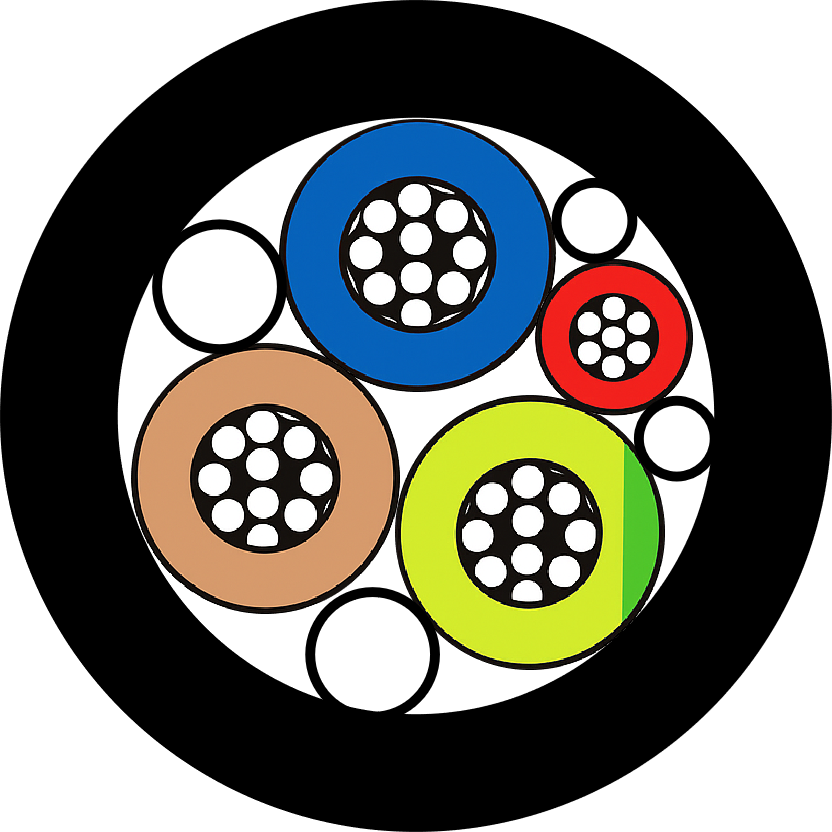





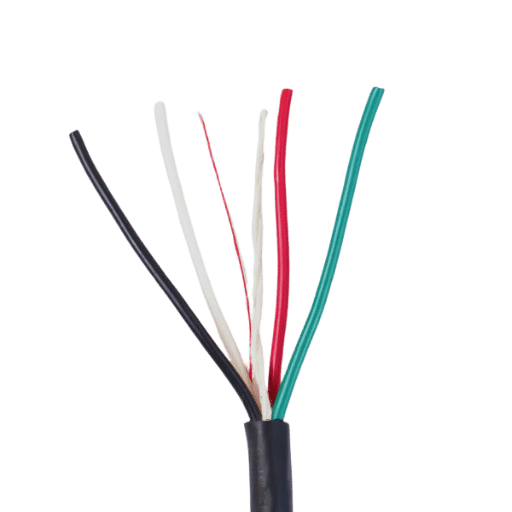
Het belang van het selecteren van de juiste specificaties is van cruciaal belang op het gebied van elektronicatoepassingen waar veiligheidsprestaties vereist zijn. SJOOW en SJEOOW zijn twee van de meest gebruikte koorden, elk zeer veelzijdig, die verschillen in hun ontwerp en toepassingsgebieden Beide zijn echter beoordeeld voor zwaar gebruik, maar onderscheiden zich door enkele kenmerken die passen bij verschillende toepassingen en omstandigheden. Het doel van dit artikel is om de technische verschillen tussen de twee koorden, SJOOW en SJEOOW, uit te leggen in termen van materiaalsamenstelling, temperatuurwaarden, flexibiliteit en oliebestendigheid. Dergelijke kennis is belangrijk om specialisten te helpen bij het kiezen van koorden, afhankelijk van de situatie behoeften van hun elektrische engineering werk.
Wat is Zuiddraad, en hoe verhoudt het zich tot SJOOW en SJEOOW?

Southwire Company, gevestigd in de Verenigde Staten, wordt erkend als de dominante fabrikant van draad en kabel producten in Noord-Amerika, met een aanzienlijke productie van draagbare koorden, waaronder SJOOW en SJEOOW Ze bieden een verscheidenheid aan elektrische producten, en die specifieke koorden maken deel uit van hun bredere portfolio, dat gericht is op het dienen van verschillende industriële en commerciële doeleinden Southwire handhaaft industriestandaardpraktijken bij het vervaardigen van artikelen, en als zodanig ondergaan producten alle tests die nodig zijn om betrouwbaarheid, veiligheid en efficiëntie te garanderen. Materiaalkunde en techniek die door het bedrijf worden aangeboden, maken de productie mogelijk van nieuwe koorden die passen bij de verschillende gebruiksomgevingen en toepassingen.
Rol van Southwire bij de productie van draagbare snoeren
De productie van draagbare snoeren is een van de belangrijkste activiteiten van Southwire en omvat als zodanig materiaalkunde en techniek om sterke, veilige en efficiënte snoeren te bereiken. Het portfolio heeft SJOOW- en SJEOOW-typen die voldoen aan de vastgestelde industriële normen en betrouwbaar functioneren in verschillende soorten toepassingen. Het bedrijf zet zich in voor het creëren van oplossingen voor industriële en commerciële eindgebruikers, waardoor zijn dominante positie in de sector wordt versterkt draad en kabel market.
Differentiëren van SJOOW- en SJEOOW-kabels door Southwire
De SJOOW- en SJEOOW-kabels vervaardigd door Southwire hebben verschillende technische kenmerken die ze relevant maken voor verschillende toepassingsgebieden. Deze beschrijven de differentiatoren verder:
Isolerend materiaal:
- SJOOW: Het heeft een thermohardend rubber aan de buitenkant van de draden, wat de flexibiliteit en de slijtvastheid en mechanische slagvastheid vergroot.
- SJEOOW: Het heeft een elastomere isolerende afdekking, die de weerstand tegen chemicaliën, oliën en oplosmiddelen verbetert.
Temperatuurbeoordelingen:
- SJOOW: de draden hebben waarschijnlijk een temperatuur variërend van negatief veertig graden Celsius tot negentig graden Celsius.
- SJEOOW: Dit heeft ook een vergelijkbare temperatuurcapaciteit als de SJOOW-draden die optimaal werken van min vijftig graden tot vijfenhonderd graden.
Spanningsclassificatie:
- De twee soorten draden hebben vaak een nominaal vermogen voor spanningen tot 300, maar dit is bij draagbare snoeren.
Chemische weerstand:
- SJOOW: Dit heeft een goede weerstand tegen oliën en zuren, maar is waarschijnlijk minder chemisch resistent vergeleken met SJEOOW.
- SJEOOW: Dit heeft een betere oliebestendigheid en kan dus het beste worden gebruikt in toepassingen waarbij de rubberen draad wordt blootgesteld aan veel chemicaliën en olie.
Flexibiliteit en gebruikscontext:
- SJOOW: Dit staat bekend om zijn grote flexibiliteit en wordt daarom aanbevolen voor gebruik in draagbare apparatuur, draagbare lampen en andere toepassingen die tijdelijke voedingen vereisen.
- SJEOOW: Naast de flexibiliteit is deze kabel bedoeld om tegemoet te komen aan zwaardere omstandigheden en toepassingen waarbij een hogere oliebestendigheid en een lang uithoudingsvermogen nodig zijn.
Dus wetende dat ik nu het juiste kabeltype kan kiezen in overeenstemming met de milieu- en technische behoeften van mijn specifieke toepassing, wat een effectief en veilig gebruik garandeert.
Southwire's naleving van de industriestandaarden
Southwire is een gespecialiseerde Amerikaanse fabrikant die een verscheidenheid aan elektrische kabels en draden produceert. Om aan de vereiste productiviteits-, prestatie- en veiligheidscriteria te voldoen, houdt het bedrijf zich aan verschillende regelgevende maatregelen, waaronder UL-normen (Underwriters Laboratories) die de veiligheid en milieuvriendelijkheid van draad- en kabelproducten evalueren. Bovendien probeert Southwire te voldoen aan de vereisten van de nationale elektrische code en normen, namelijk NEC (National Electrical Code) en ICEA (Insulated Cable Engineers Association) met betrekking tot de totale materiaaleigenschappen, isolatie en milieuaspecten. Southwire houdt zich aan deze strenge normen en kan ervoor zorgen dat de ontworpen producten zonder mankeren aan zowel consumenten- als wettelijke eisen.
Het verkennen van de kenmerken van 55043321: Een specifieke SJOOW-kabel

Specificaties van de 55043321 SJOOW-kabel
De 55043321 SJOOW Kabel is gebouwd om te voldoen aan de hoge normen van stoer industrieel en commercieel gebruik Het bezit alle vereiste eigenschappen en is zeer betrouwbaar De belangrijkste specificaties zijn
- Geleidermateriaal: Kaal koper, dat wordt gekenmerkt door een hoge geleidbaarheid en flexibiliteit.
- Maatmaat: 12 AWG, die aan talrijke vereisten voor krachtoverbrenging kan voldoen.
- Dirigententelling: 3 geleiders geschikt voor meerfasige energiesystemen of gebruik van afzonderlijke circuits.
- Jas Materiaal: Thermohardend rubber (EPDM), dat een hoge mate van slijtage, zonlicht en chemische bestendigheid heeft voor gebruik in zware omstandigheden.
- Spanningsclassificatie: 300 volt capaciteit maakt het ideaal voor gebruik in veel apparatuur en verlichtingsarmaturen.
- Temperatuurbereik: Hoge en lage bedrijfstemperaturen van -40 °C tot +90 °C, dat wil zeggen zeer koud en zeer heet.
- Goedkeuringsbeoordelingen: De kabel is ook UL en CSA vermeld wat betekent dat de kabel aan strenge normen voor veiligheid en prestaties heeft voldaan.
Deze parameters verklaren op hun beurt het gebruik van de kabel in draagbaar gereedschap, draagbare verlichting en tijdelijke voedingen voor betrouwbare prestaties onder uiteenlopende omstandigheden.
Toepassingen van 55043321 in verschillende industrieën
De 55043321 SJOOW-kabel is ontworpen en vervaardigd met robuuste dwarsdoorsnede- en veelzijdigheidseigenschappen, waardoor hij geschikt is voor gebruik in meer dan één branche. Binnen de bouwsector is kabelgebruik behoorlijk nuttig voor tijdelijke stroom- en verlichtingseisen, dankzij hun vermogen om langdurige blootstelling aan buitenomgevingen te doorstaan. Er zijn ook veel andere toepassingen aanwezig, zoals in de productiesector, waar draagbare gereedschappen en machines van stroom moeten worden voorzien, en heel wat daarvan doen dit vanwege het sterke en concurrerende ontwerp van de kabel. De entertainmentsector maakt gebruik van de hoge flexibiliteit en veiligheidsbeoordelingen van de kabel om podiumverlichting en geluidsapparatuur efficiënt van stroom te voorzien. Het vermogen om milieuproblemen en de effectieve goedkeuringscijfers te weerstaan, maakt het de meest geschikte optie in industrieën die dit vereisen.
Voordelen van SJOOW 55043321 ten opzichte van SJEOOW
De SJOOW 55043321-kabel verdient de voorkeur boven de SJEOOW-kabel omdat deze flexibeler is en bestand is tegen de omgeving Om te beginnen zijn de rubberisolatie en de mantel van de SJOOW zwaar belast en kunnen ze afhankelijk zijn van stress vanwege hun betere weerstand tegen slijtage, UV-stralen en contact met olie dan de SJEOOW. Meer is dat het SJOOW-model is gemaakt met verbeterde flexibiliteit, waardoor het gemakkelijk te hanteren en te installeren is in ingewikkelde arrangementen, een voordeel bij het omgaan met beperkte of ongelijke plaatsing. Ook, hoewel beide bestand zijn tegen vocht en ozon, heeft SJOOW de voorkeur in situaties waarin extreme temperaturen betrokken zijn en voor industrieën waar er drastere temperaturen zijn 5 verklaren.
Hoe Does Compliance Beïnvloed het gebruik van SJOOW en SJEOOW?
Naleving van regelgeving voor flexibele snoeren
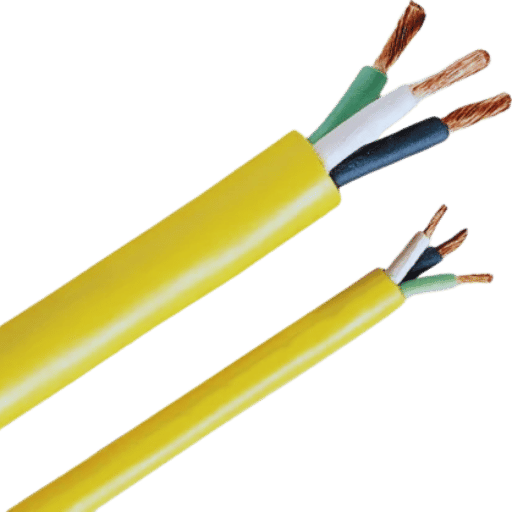
Het is van cruciaal belang om naleving van de regelgeving te garanderen bij het gebruik van flexibele snoeren zoals SJOOW- en SJEOOW-kabels. Concreet zijn goede productiepraktijken van fundamenteel belang; Kabelassemblages van beide typen moeten bijvoorbeeld voldoen aan de normen die zijn vastgesteld door Underwriters Laboratories (UL) en de National Electrical Code (NEC) en anderen. UL 62 specificeert bijvoorbeeld onder meer de soorten flexibele snoeren, typische constructiespecificaties, maximale temperatuur en olie- en vochtbestendigheid. Het naleven van deze eisen helpt de bruikbaarheid van de snoeren zowel binnen als buiten te vergroten, evenals de veiligheid van de snoeren in vijandige situaties.
Bovendien blijkt uit nalevingsdocumenten dat SJOOW-kabels zijn ontworpen om temperaturen te weerstaan die variëren van -40 °C tot 90 °C, wat een groter bereik is dan andere flexibele snoeren. SJEOOW-kabels voldoen aan de eisen, maar zijn ontworpen voor toepassingen die water- en oliebestendigheid vereisen met een temperatuurbereik van ongeveer -50oC tot 90oC. Deze nalevingseisen zijn belangrijk bij het kiezen van kabels om ervoor te zorgen dat efficiënt en veilig gebruik van de kabels wordt bereikt zonder overtredingen van de wettelijke vereisten. Naleving helpt niet alleen de veiligheid te verbeteren, maar ook de operationele efficiëntie en duurzaamheid te vergroten, waardoor mogelijke kosten als gevolg van niet-nalevingssituaties worden vermeden.
Belang van naleving voor veiligheid en efficiëntie
De trouw aan de conformiteitseisen voor flexibele koorden kan niet genoeg worden benadrukt met betrekking tot veiligheid en effectiviteit. De naleving zorgt ervoor dat de koorden milieustress kunnen verdragen zoals ze bedoeld zijn, en helpt zo risico's als branden en defecten te voorkomen. Organisaties die zich aan de relevante regelgeving houden, beschermen niet alleen hun werknemers en apparatuur, maar helpen zichzelf ook te beschermen tegen mogelijke claims als gevolg van hun nalatigheid. Bovendien verbetert het gebruik van koorden die aan de acceptatiecriteria voldoen de effectiviteit, omdat er minder stilstand en onderhoud is en de levensduur van elektrische apparaten wordt vergroot. Daarom is de noodzaak om aan de vereiste processen te voldoen essentieel voor een veilige en efficiënte werkplek.
Vergelijking van SJOOW- en SJEOOW-nalevingsbeoordelingen
Zowel SJOOW als SJEOOW kabels bezitten bepaalde prestatie - en veiligheidsvoorzieningen, maar ze hebben diverse toepassingsgebieden SJOOW kabels hebben uitstekende eigenschappen van flexibiliteit, slijtage en olie & vochtbestendigheid die hen helpen om gematigde industriële omstandigheden te weerstaan Over het algemeen hebben SJOOW kabels werktemperatuurclassificaties van -40 tot 90 graden Celsius en een spanningsclassificatie van 300V, wat geschikt is voor algemene toepassingen.
In tegenstelling tot SJOOW hebben SJEOOW kabels extra bescherming tegen zonlicht en ozon, deze kabels kunnen werken over een typisch temperatuurbereik van -50 graden Celsius tot 105 graden Celsius, dit verlaagt de mogelijkheid dat SJEOOW kabels in extreme omgevingen geuren of zwaardere omgevingsomstandigheden moeten doorstaan Al deze kabels zijn gemarkeerd voor relevante wettelijke en veiligheidseisen en zijn ideaal voor gebruik in elektrische installaties SJOOW en SJEOOW toepassingen zullen daarentegen afhankelijk zijn van de omgevingsomstandigheden en compliance eisen voor het beoogde gebruik.
Wat zijn de belangrijkste verschillen tussen SJOOW en SJEOOW Flexibel Koorden?

Materiaal en constructie Verschillen
Het herkennen van de materiaal - en constructieverschillen tussen SJOOW - en SJEOOW-kabels is van cruciaal belang bij het bepalen van het juiste type kabel dat geschikt is voor een bepaalde toepassing De uitleg wordt hieronder geanalyseerd.
Jas Materiaal:
- SJOOW: Jassen zijn gemaakt van thermohardend rubber dat een zeer goede weerstandseigenschappen heeft van water, oliën en hoge temperaturen. Dit materiaal maakt flexibiliteit mogelijk en is geschikt voor gebruik onder normale omstandigheden op temperatuur en vocht.
- SJEOOW: Jassen zijn ook gemaakt van thermohardend rubber, maar ontworpen om een hoge weerstand te hebben tegen UV-stralen en ozonbestendig te zijn, waardoor ze geschikt zijn voor gebruik buitenshuis of onder extreme omstandigheden.
Geleidermateriaal:
- In beide kabels zijn koperen geleiders aanwezig die ervoor zorgen dat het elektrisch verbruik op een maximaal niveau gebeurt Geleidbaarheid is belangrijk en koper is geschikt vanwege de sterkte.
Isolatie:
- SJOOW: Kenmerken rubberisolatie die nuttig is in de basisbescherming tegen de impact van hitte en vocht Het kan mild industrieel gebruik weerstaan.
- SJEOOW: Heeft gewoonlijk een rubberisolatie die is verbeterd door de toevoeging van klevend ethyleenpropyleendieenmonomeer (EPDM), waardoor een hoge isolatie wordt geboden tegen extreme temperaturen en andere omgevingsfactoren.
Vulmateriaal:
- Het vulmateriaal dat in beide soorten kabels wordt gebruikt, is meestal een soort synthetisch materiaal, dat de kabel sterkte geeft en zijn ronde vorm behoudt, terwijl er toch voldoende flexibiliteit mogelijk is.
Flexibiliteit:
- SJOOW: De flexibiliteit van de kabel heeft de hoogste prioriteit, terwijl de kabel wordt gebruikt voor verschillende soorten toepassingen en opstellingen, waardoor bewegingsgemak voor plaatsing gegarandeerd is.
- SJEOOW: Behoudt hetzelfde bewegingsbereik als SJOOW, zelfs als de installatieomstandigheden uitdagender zijn, en biedt bovendien een goede bescherming tegen de meeste omgevingsfactoren.
Vanwege deze materiaal- en constructieverschillen kan elk type kabel voldoen aan bepaalde eisen voor industrieel gebruik voor algemene doeleinden of voor zwaardere omgevingen met verhoogde milieubeschermingskenmerken.
Spanningsbeoordelingen en toepassingen van elk snoertype
Zowel SJOOW als SJEOOW koorden dienen verschillende doeleinden die verder gaan dan hun spanningswaarden en omvatten hun tolerantie voor omgevingsfactoren binnen de constructie van de kabel. In de meeste gevallen kunnen deze kabels een spanning van 300 volt dragen, waardoor ze geschikt zijn voor lichte tot middelgrote industrieën. Het SJOOW-koord wordt over het algemeen gebruikt in omstandigheden die een buiging van het koord vereisen. Daarom wordt het toegepast in draagbare gereedschappen, draagbare apparaten, kleine motoren en machines die daarmee verband houden. Aan de andere kant is het SJEOOW-koord, met zijn verbeterde weerstand tegen extreme omgevingsomstandigheden, uitstekend geschikt voor toepassingen met blootstelling aan oliën, chemicaliën en extreme temperaturen tijdens buitenconstructies of bij gebruik in sterk blootgestelde industriële omgevingen. Hun eigenschappen zijn uniek als zodanig.
Flexibiliteit en duurzaamheid in verschillende omgevingen
Wat de flexibiliteit en duurzaamheid van SJOOW-koorden en SJEOOW betreft, zijn de isolatie en mantelmatting van de twee geleiders gemaakt van thermohardende rubbermaterialen Naar aanleiding van de laatste gegevens van gerenommeerde technische aanbieders worden SJOOW-koorden aanbevolen voor gebruik in de open lucht en binnenshuis vanwege hun uitstekende flexibiliteit bij koudere temperaturen zonder de broosheidsfactor. Om deze reden is SJOOW een voorkeursoptie voor draagbare gereedschappen en apparatuur die vaak op verschillende locaties worden gebruikt. Aan de andere kant staan SJEOOW-koorden bekend om hun weerstand tegen oliën, chemische stoffen en schuurmiddelen, waardoor ze geschikt zijn voor zware buiten- en industriële omgevingen waar ze overvloedig worden blootgesteld. Deze kenmerken zorgen ervoor dat de gebruiksperiode niet voldoende wordt beperkt.
Voor welk draagbaar snoer het meest geschikt is Outdoor Toepassingen?

Weerbestendigheid van SJOOW versus SJEOOW
Er zijn een paar technologische aspecten die de moeite waard zijn om te investeren in SJOOW vs. SJEOOW draagbare koorden tijdens de analyse van hun weersbestendigheidseigenschappen Deze factoren omvatten het volgende
- Temperatuurextremen: SJOOW - en SJEOOW-koorden zijn bij extreme temperaturen voldoende gemaakt Het lijkt erop dat SJOOW gemiddeld bestand is tegen -40 C tot 90 C terwijl het bij zeer lage temperaturen nog steeds flexibel is SJEOOW-koorden hebben een vergelijkbare capaciteit, met een minimale en maximaal toelaatbare temperatuur van respectievelijk -50 C tot 105 C, waardoor ze zeer robuust zijn in weersomstandigheden met veranderende temperaturen.
- Vochtbarrières: De constructie van de koorden van beide typen is vochtbestendig wat van cruciaal belang is bij gebruik buitenshuis Dat gezegd hebbende, SJEOOW koorden zijn gemaakt voor een betere vochtbestendigheid wat wordt vergemakkelijkt door hun materiaal van de buitenmantel Dit maakt SJEOOW koorden indexeerbaar in natte en vochtige omgevingen.
- Milieugevaren: Koorden van SJEOOW zijn beter in termen van UV-tolerantie in vergelijking met SJOOW, waardoor ze in staat zijn tot duurzaam gebruik buitenshuis en in gebieden die goed zichtbaar zijn voor de zon. Een dergelijke functie zorgt ervoor dat de koorden niet gemakkelijk beschadigd raken en relatief lang meegaan.
- Olie- en chemische bestendigheid: Hoewel beide koorden bestand zijn tegen oliën en chemicaliën, zijn SJEOOW koorden de betere keuze in omstandigheden waarin ze naar verwachting zullen worden blootgesteld Ze hebben sterk mantelmateriaal dat voorkomt dat de interne componenten roesten en zwellen als gevolg van chemicaliën.
Concluderend kunnen we stellen dat zowel SJEOOW- als SJOOW-koorden aanpasbaar en betrouwbaar zijn voor gebruik buitenshuis; In gevallen waarin voortdurende blootstelling aan olie, chemicaliën en UV-licht het meest zorgwekkend is, bieden SJEOOW-koorden echter een merkbaar voordeel. In situaties waarin er sprake is van extreme temperaturen of zonlichtintensiteit, worden SJEOOW-koorden aanbevolen omdat ze worden verbeterd in kenmerken die ze wenselijker maken.
Buitengebruik voor SJOOW en SJEOOW
Door hun stoere en stevige constructie zijn SJOOW en SJEOOW koorden het meest geschikt voor een breed scala aan buitentoepassingen Ze worden meestal gebruikt in werkomstandigheden zoals bouwplaatsen waar het belangrijk wordt om apparatuur te laten opstarten, en deze koorden zijn flexibel en weerbestendig Andere draden vinden ook toepassing in de entertainmentindustrie, waarbij openluchtconcerten en evenementen betrokken zijn waarbij draden meestal worden blootgesteld aan vocht en zonlicht Bovendien kunnen ze door hun olie - en chemische bestendigheid ook worden gebruikt in industrieën waar het altijd nodig is om met dergelijke elementen om te gaan SJEOOW-draden vinden toepassing in extreme klimatologische omstandigheden omdat ze UV-bestendigheid bieden en ook extreme temperaturen verdragen Als het juiste snoer wordt geselecteerd afhankelijk van de omgevingsomstandigheden, worden buitentoepassingen veilig, efficiënt, duurzaam.
Overwegingen voor naleving van buitengebruik
Het is belangrijk dat bij het gebruik van buitenkoorden goed rekening wordt gehouden met de bestaande normen of richtlijnen. Zorg er eerst voor dat alle koorden zijn gebouwd volgens de specificaties die worden verstrekt door de National Electrical Code and Underwriters Laboratories, die veiligheidseisen stelt aan elektrische producten en installatie in buitenomstandigheden. Ten tweede heeft de kabel een IP-classificatie (Ingress Protection), die betrekking heeft op stof- en waterpenetratie, en het niveau van de IP-classificatie bepaalt de gebruiksmogelijkheden van het snoer. Blijf ten slotte op de hoogte van de lokale wet- en regelgeving die het gebruik en de plaatsing van elektrische componenten in de open lucht regelt, aangezien deze de risico's die gepaard gaan met blootstelling aan het milieu kunnen beïnvloeden door aanvullende beperkingen of eisen te stellen.
Referentiebronnen
Veelgestelde vragen (FAQ's)
Vraag: Wat zijn de verschillen tussen draagbare SJOOW- en SJEOOW-koorden?
A: De isolatie - en mantelmaterialen zijn de belangrijkste onderscheidingen tussen SJOOW en SJEOOW draagbare koorden Over het algemeen bevat het koord dat bekend staat als SJOOW thermoplastisch elastomeer (TPE) In het geval van SJEOOW bevat het een thermoplastisch elastomeer dat bovendien olie - en milieubestendig is (zonlicht en water) Beide worden gebruikt voor laagspanningstoepassingen, maar SJEOOW kan worden gezegd dat het geschikter is voor gebruik buitenshuis.
Vraag: Zijn SJOOW- en SJEOOW-apparaatverlengsnoeren voor automobieltoepassingen?
A: Ja, SJOOW- en SJEOOW-koorden kunnen beide worden gebruikt als verlengsnoeren voor automobieltoepassingen. Gezien hun flexibiliteit zijn ze in staat draagbare stroomtoepassingen te gebruiken om elektrom-tools en andere elektronische apparaten binnen de automobieltoepassingen te brengen.
Vraag: Wat duidt het woord ‘junior’ aan in het geval van SJOOW- en SJEOOW-koorden?
A: De ‘junior’-nomenclatuur in termen van SJOOW- en SJEOOW-koorden betekent dat ze inderdaad een lagere ontwerpsterkte van constructie en draagvermogen hebben dan dezelfde koorden die deze letter niet in hun aanduiding hebben. Het heeft meer te maken met draagbaar touwwerk voor toepassingen met lagere spanning, zoals het voeden van kleine apparaten en elektronica.
Q: Komen SJOOW en SJEOOW-Koorden in aanmerking voor 120V-toepassingen?
A: Zeker SJOOW en SJEOOW koorden kunnen worden gebruikt in 120V voedingen Ze worden vaak gebruikt als stroomkoorden voor woningen en voor doe-het-zelf projecten die een flexibele toevoer van voldoende elektrische energie vereisen.
Vraag: Verkoopt Amazon.com draagbare SJOOW- en SJEOOW-koorden?
A: Ja, SJOOW en SJEOOW draagbare koorden kunnen worden gekocht bij Amazon.com Deze worden aangeboden in verschillende lengtes, meters en configuraties om aan verschillende behoeften en toepassingen te voldoen.
Vraag: Welke maatmaten zijn beschikbaar voor SJOOW- en SJEOOW-koorden?
A: SJOOW en SJEOOW koorden worden vervaardigd in verschillende maten van de meter, zoals 18 AWG, 16 AWG, en 10 AWG meters De juiste meter wordt bepaald door het nominale stroomverbruik van elektrische of elektronische apparatuur die wordt aangesloten.
Vraag: Zijn er draagbare SJOOW- en SJEOOW-koorden die bestand zijn tegen het weer?
A: Ja. SJEOOW-koorden zijn door hun mantelmaterialen weerbestendig en daarom kunnen deze worden gebruikt voor buitendoeleinden, waaronder stroomkabels, luidsprekerverlengingen en andere flexibele stroomvereisten. SJOOW vertoont ook een matige weersbestendigheid, maar de algehele duurzaamheid in de extreme omgeving voldoet niet helemaal aan die van SJEOOW.
Vraag: Wat zijn de mogelijkheden van de SJOOW- en SJEOOW-koorden in atmosferen met lage temperaturen?
A: Bij dit type test vertoonden zowel SJOOW - als SJEOOW-koorden goede acties bij lage temperaturen, bij lage temperatuur biedt het TPE-materiaal voldoende werkeigenschappen, waardoor deze koorden goed geschikt zijn voor buiten voor flexibiliteitsdoeleinden of voor gebruik binnenshuis onverwarmd.