






Înființarea unei companii care se ocupă de energia solară nu este doar extrem de satisfăcătoare, ci este și una dintre cele mai bune mișcări către energie curată. Odată cu cererea din ce în ce mai mare de surse regenerabile de energie, devine imperativ ca oamenii de afaceri greenhorn să știe ce alcătuiește o instalație de panouri solare, stimulente relevante și cele mai bune practici ale industriei. În acest ghid, vom analiza tot ce trebuie să faceți atunci când vă începeți propria întreprindere de energie solară în 2024, astfel încât, până când veți termina de citit acest text, toate zonele confuze vor fi demistificate. Acest articol urmărește să ofere o bază elaborată pentru înțelegerea modului în care funcționează instalațiile solare din punct de vedere tehnologic, precum și pentru a aprofunda motivațiile financiare și cerințele de reglementare, printre altele, echipându-vă astfel cu cunoștințele necesare necesare înainte de a vă aventura pe această piață în creștere rapidă.
De ce aveți nevoie pentru a începe o afacere solară?
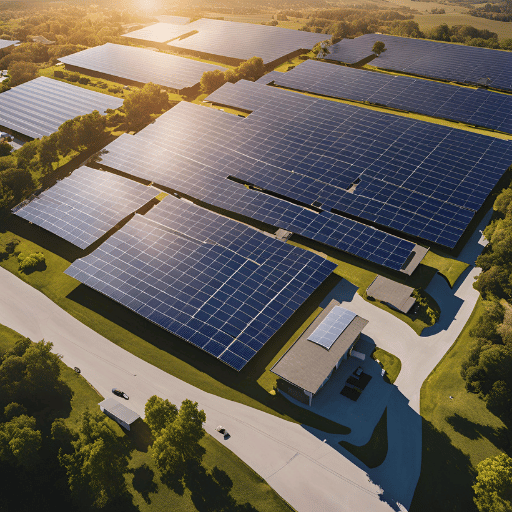
Înțelegerea sistemelor de energie solară
Energie solară sistemele includ în principal panouri fotovoltaice (PV), invertoare, stocare baterii, și structuri de montare. panouri fotovoltaice transforma razele solare în energie electrică în timp ce un invertor transformă curentul continuu (DC) produs de panou în curent alternativ (AC) pentru utilizarea la case și întreprinderi. baterii stoca surplusul de energie atunci când există ore de lumină solară scăzută. Structuri de montare securizează panouri fotovoltaice fie pe acoperișuri sau terenuri, asigurându-se că acestea sunt bine poziționate pentru a primi expunerea maximă la lumina soarelui. fiecare parte este importantă în a face sistemele de energie solară eficiente, conducând astfel la producerea eficientă și utilizarea energiei.
Echipamente și instrumente cheie de instalare solară
Când vine vorba de instalarea panourilor solare, este nevoie de instrumente și echipamente specifice, deoarece, fără ele, procesul poate fi ineficient sau ineficient. Iată câteva dintre aceste elemente;
- Panouri fotovoltaice (PV): Acestea sunt componente foarte cruciale pentru transformarea razelor solare în energie electrică, făcându-le astfel un must-have în orice afacere de succes bazată pe energie solară.
- Invertoare: Ele schimbă energia electrică DC generată din celulele fotovoltaice în energie electrică AC utilizabilă la case și birouri, printre alte locuri unde este necesar.
- Sisteme de stocare a bateriilor este folosit ca rezervor pentru stocarea cantităților excesive de energie generată în timpul orelor de vârf de soare, care poate fi apoi utilizat mai târziu, când există puțină sau deloc lumină solară disponibilă.
- Hardware de montare selecția este un pas critic pentru întreprinderile care intră în industria energiei solare.: Aceasta fixează modulele fotovoltaice pe acoperișuri sau pe alte suprafețe plane, cum ar fi cele găsite pe teren; acestea vin în configurații diferite, în funcție de faptul că le doriți montate pe acoperiș sau pe sol.
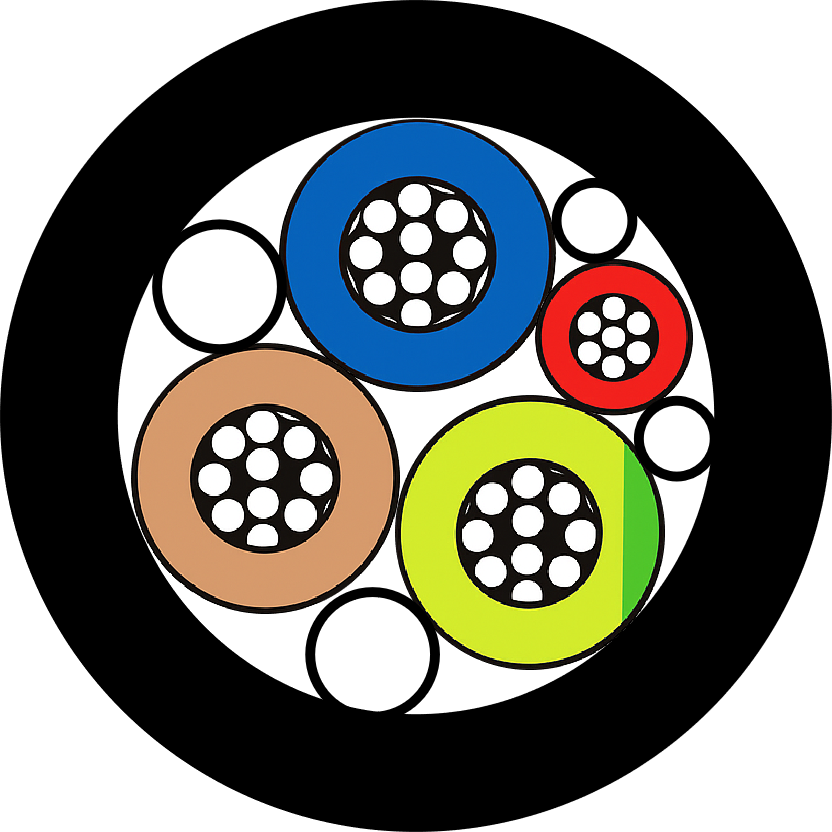
- Cablaj electric acest lucru conectează toate părțile unui circuit împreună, astfel încât să formeze o unitate completă capabilă să funcționeze conform așteptărilor.
- Controlere de încărcare acestea reglează nivelurile de tensiune provenite de la panourile solare, astfel încât bateriile să nu fie supraîncărcate, deteriorându-se astfel din cauza fluxului excesiv de curent prin bornele lor; controlerele de încărcare împiedică, de asemenea, fluxul invers de curent în perioadele în care nu există lumină solară.
- Instrumente ructe Setul de instrumente include mașini de găurit, niveluri pentru a verifica dacă o suprafață este orizontală sau, respectiv, verticală, chei de diferite dimensiuni utilizate pentru strângerea piulițelor și șuruburilor, printre alte funcții; multimetrele sunt utilizate pentru a măsura diferiți parametri electrici, în timp ce echipamentele de siguranță, cum ar fi mănușile și ochelarii de protecție, trebuie purtate în timpul procedurilor de instalare și întreținere.
Acest echipament formează baza pe care pot fi construite sisteme solide de energie solară, asigurând astfel că fiecare pas al procesului este eficient și sigur.
Pași pentru configurarea panourilor solare
- Evaluarea site-ului: Evaluați locația unității în ceea ce privește accesibilitatea la lumina solară și stabilitatea structurală.
- Aspectul sistemului de proiectare: Determinați modul în care modulele fotovoltaice (PV) sunt aranjate în ceea ce privește cerințele energetice și spațiul disponibil.
- Obțineți permise: Obțineți toate documentele necesare de la autoritățile locale relevante înainte de a face ceva.
- Fixați structurile de montare: Utilizați hardware adecvat pentru a asigura monturile urmând planul de aspect al sistemului, astfel încât panourile să poată fi bine poziționate.
- Atașați panouri fotovoltaice: Panourile fotovoltaice trebuie montate pe structuri deja montate.
- Conectați invertoarele: Puneți invertoarele în poziție așa cum este menționat de producător, asigurând o conversie corectă DC în AC.
- Instalare cablaje este crucial pentru funcționarea optimă a energiei solare a afacerii dvs.: Conectați panourile solare, invertoarele, unitățile de stocare a bateriilor și sistemele legate de rețea împreună folosind fire electrice.
- Instalați controlere de încărcare: Includeți controlere de încărcare care vor regla ratele de încărcare și descărcare a bateriei în designul dvs.
- Testați sistemul: Faceți teste extinse pe întreaga configurație pentru a vă asigura că totul funcționează corect și sigur pentru utilizare sau instalare
- Inspecție finală: Invitați inspectorii sau autoritățile locale pentru un control final pentru a confirma dacă îndeplinește standardele.
Cum poate beneficia afacerea de instalarea panourilor solare?
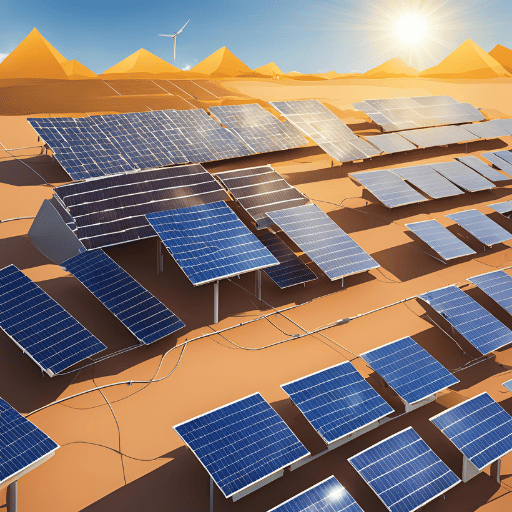
Reduceți factura la energie prin trecerea la solar
În acest fel, întreprinderile pot economisi mult la facturile de energie electrică, accesând energia regenerabilă a soarelui, care este produsă direct din aceasta. Organizațiile ar putea reduce o mare parte din costurile lor de utilități prin instalarea de sisteme solare care alimentează înapoi în rețea, reducând astfel dependența de energia furnizată prin liniile de transport. Deși pot exista cheltuieli inițiale asociate cu montarea panourilor solare, acestea sunt de obicei compensate în economiile viitoare datorate aranjamentelor nete de contorizare, reducerilor de taxe și creditelor, printre altele. În plus, prețurile bazate pe rate fixe pe perioade lungi protejează întreprinderile de prețurile fluctuante legate de combustibilii fosili, făcându-le astfel mai gestionabile din punct de vedere financiar și sustenabil operațional pe termen lung. Această schimbare nu numai că reduce costurile, ci contribuie și la obiectivele de responsabilitate socială corporativă pentru durabilitate.
Inițiativele ecologice stimulează satisfacția clienților
Atunci când companiile devin ecologice cu inițiative precum utilizarea surselor alternative de energie, cum ar fi lumina soarelui, ele creează niveluri mai ridicate de mulțumire în rândul clienților lor, ceea ce duce și la o loialitate sporită. Cumpărătorii iau din ce în ce mai mult în considerare considerentele ecologice în etapele de cumpărare; astfel, firmele care se angajează să genereze energie curată își pot îmbunătăți brandingul, rezultând în proiecte solare înfloritoare. Nu este vorba doar de a fi ecologic; adoptarea de soluții fotovoltaice demonstrează acest fapt, precum și potrivirea valorilor deținute de diferite secțiuni ale clienților, în special de cei care iubesc cel mai mult natura. O astfel de aliniere poate menține cumpărătorii mai mult timp în interiorul propriului val, sporind în același timp percepțiile pozitive despre mărci față de colegii care operează pe piețe similare care nu acordă prioritate protecției mediului. În plus, a face public ceea ce s-a realizat până acum în ceea ce privește prietenia ecologică ajută la implicarea consumatorilor, apropiindu-i astfel și de problemele de conservare, strângându-le astfel legăturile emoționale cu produsele oferite sub eticheta noastră.
Economii pe termen lung legate de instalarea panourilor solare
Decizia de a investi în sisteme fotovoltaice are implicații financiare atractive pentru organizații pe perioade îndelungate. În afară de o reducere semnificativă a facturilor la energie, deoarece întreprinderile își pot produce propria energie electrică folosind lumina soarelui, plătind astfel mai puțin pentru aceasta prin utilitate pe durata de viață a unui panou, care poate fi atât de lungă cât sau chiar depășind 25 de ani, există și un alt beneficiu. Multe state oferă credite fiscale federale pentru investiții, printre altele, care ar putea acoperi până la jumătate din costurile de instalare, scurtând astfel considerabil perioada de rambursare pentru astfel de investiții. În plus, certificatele de energie solară regenerabilă (SREC) permit firmelor să vândă creditele în exces generate în unitățile lor înapoi pe sistemele de rețea la ratele pieței, sporind și mai mult randamentul capitalului angajat în acest domeniu. Pe lângă aceste scheme federale, există și stimulente locale, cum ar fi granturi sau împrumuturi cu dobândă scăzută oferite de municipalități și state, care pot contribui în mare măsură la reducerea cheltuielilor inițiale necesare pentru înființarea rețelelor fotovoltaice. Profitând de stimulente financiare precum acestea, întreprinderile vor spori capacitatea de gestionare a fluxului de numerar, îmbunătățind în același timp puterea bilanțului și asigurând rambursări mai rapide din investițiile efectuate către obiective de durabilitate ecologică.
Care sunt unele dintre principalele ademeniri solare pentru 2024?

Revizuirea creditelor fiscale și a creditelor fiscale solare
În 2024, cel mai mare stimulent fiscal pentru energie solară este Creditul fiscal federal pentru investiții (ITC), care permite companiilor să-și scoată o proporție din taxele federale pentru costurile de instalare. Obținerea energiei solare pentru afacerea dvs. vă poate economisi mulți bani. Rata actuală a ITC este de 30% până în 2032 pentru sistemele instalate în acest an. Există, de asemenea, adesea diverse stimulente de stat, cum ar fi credite fiscale, reduceri, granturi etc., care pot ajuta la economisirea mai multor bani. Ceea ce fac aceste certificate de energie solară regenerabilă (SREC) este să permită vânzarea de credite de energie regenerabilă legate de producția de energie solară. În total, aceste stimulente reduc costul instalării panourilor și îl fac mai atractiv din punct de vedere financiar pentru companii să devină solare.
Stimulente la nivel de stat pentru companiile din industria solară
Pe lângă faptul că au acces la ITC-uri federale, diferite state au venit cu propriile stimulente menite să încurajeze adoptarea mai multor sisteme de energie solară. Unele includ:
- California rud California Solar Initiative oferă bani înapoi pentru instalații rezidențiale și comerciale plus stimulente bazate pe performanță.
- New York-ul programul Tric NY-Sun are reduceri uriașe și oferă SREC producătorilor, ceea ce îmbunătățește profiturile financiare.
- Massachusetts uts Are un program numit SMART (Solar Massachusetts Renewable Target), în care plățile fixe sunt efectuate pe baza nivelurilor de producție atinse.
- Texas cu Diverse guverne locale oferă scutiri de impozit pe proprietate pentru instalații, iar scutiri fiscale federale sunt, de asemenea, disponibile.
- New Jersey ruth Programul pentru energie curată inițiază reduceri inițiale, permițând în același timp tranzacționarea cu SREC, ceea ce face ca noile întreprinderi în afaceri solare să fie mai atractive.
Fiecare dintre aceste scheme specifice statului poate reduce considerabil costurile proiectului și poate îmbunătăți economia generală din spatele acestuia, făcând astfel buna simț solar pentru orice afacere care analizează această opțiune energetică în acele state menționate mai sus.
Stimulente pentru energie regenerabilă la nivel federal
Creditul fiscal pentru investiții (TIC) este stimulentul federal major pentru energia regenerabilă, permițând firmelor să deducă o parte din taxele lor federale pe baza unui procent din costurile de instalare a sistemului solar. Un alt program, Creditul fiscal pentru producție (PTC), oferă ajutor financiar în legătură cu cât de multă energie provine din surse durabile. Aceste scutiri fiscale cresc foarte mult viabilitatea investițiilor în energie regenerabilă din punct de vedere economic și ajută la stimularea unei creșteri mai largi în sector prin atragerea mai multor afaceri. Există, de asemenea, alte scheme federale, cum ar fi acordarea de granturi sau acordarea de împrumuturi cu rate scăzute ale dobânzii, care sprijină cercetarea, precum și dezvoltarea în tehnologii curate; acest lucru ajută la promovarea utilizării lor în diferite domenii, stimulând totodată inovarea.
Cum puteți face publicitate companiei dvs. care vinde energie solară?
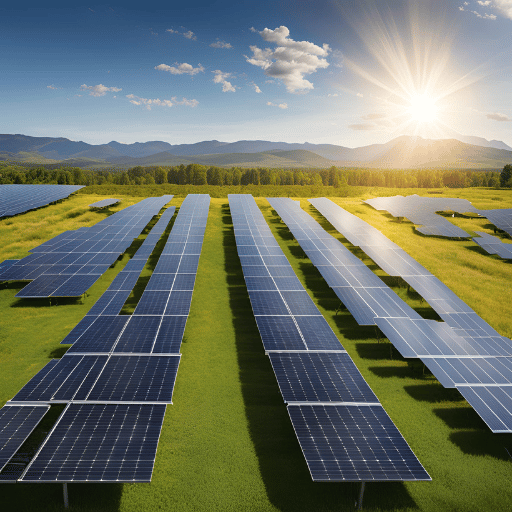
Strategii viabile pentru vânzările solare în Kansas City
Întreprinderile ar trebui să țină cont de piața locală atunci când comercializează energie solară în Kansas City; prin urmare, este important să se utilizeze o abordare pe mai multe direcții. În primul rând, atelierele și sesiunile de informare desfășurate ca parte a programelor de informare comunitară pot lumina potențialii clienți cu privire la beneficiile energiei solare, precum și la stimulentele disponibile. În al doilea rând, parteneriatul cu organizațiile locale de mediu va spori credibilitatea mărcii și va extinde acoperirea acesteia.
Pentru a atrage consumatori cunoscători de tehnologie, trebuie folosite strategii de marketing digital precum optimizarea motoarelor de căutare (SEO) și publicitatea direcționată pe rețelele sociale. Încrederea poate fi construită și prin afișarea de instalații de succes prin mărturii ale clienților și studii de caz. În cele din urmă, ar trebui furnizate opțiuni de finanțare transparente, cum ar fi contractele de închiriere solară sau contractele de cumpărare a energiei (PPA), pentru a facilita accesul oamenilor la aceste soluții, promovând astfel o adoptare mai largă în cadrul comunităților.
Utilizarea platformelor digitale pentru promovarea energiei solare
Marketingul de conținut combinat cu implicarea în rețelele sociale și publicitatea online este o modalitate eficientă de promovare a energiei solare prin intermediul platformelor digitale. Pot fi create postări pe blog, infografice sau videoclipuri care sunt suficient de informative și distractive pentru a educa consumatorii despre diferite tipuri de tehnologii solare, beneficiile acestora și cele mai recente tendințe. Interacțiunile în timp real cu potențialii clienți pot fi, de asemenea, promovate pe platformele de social media precum Facebook, Instagram sau LinkedIn, unde companiile împărtășesc povești de succes în timp ce răspund la întrebările făcute de utilizatori, pe lângă conștientizarea acestora cu privire la evenimentele care privesc această industrie la nivel local sau global prin fluxuri live etc. Este la fel de semnificativ faptul că se vizează anumite grupuri interesate de soluții de energie regenerabilă în timpul campaniilor de anunțuri pe internet folosind instrumente precum Google Ads plus Facebook Ads, astfel încât doar cei care contează să fie contactați în timp ce alții sunt ignorați, economisind astfel timp plus resurse.
Construirea relațiilor cu clienții comerciali care instalează panouri solare
Sprijinul în comunicare și transparență sunt elemente cheie pentru crearea de relații solide între instalatori, furnizori, companii de birouri de servicii și agenții și firme implicate în tranzacții comerciale care implică înființarea de sisteme fotovoltaice la scară largă pe terenurile de pe acoperiș. Ascultarea activă ar trebui făcută de la început până la sfârșit, astfel încât toate nevoile și obiectivele exprimate de clienți să fie îndeplinite prin furnizarea de instalații personalizate care să-și atingă obiectivele individuale de afaceri. Actualizările regulate de comunicare privind starea proiectului, cuplate cu timpi de răspuns rapid și servicii de îngrijire a clienților nu numai că vor spori încrederea, ci vor asigura și niveluri de fiabilitate și satisfacție în rândul acestor clienți. În plus, sesiunile de formare care acoperă procedurile de întreținere a operațiunilor trebuie să fie oferite una alături de cealaltă sau separat, în funcție de comoditate, capacitatea de bază de cunoștințe deținută de utilizatorii implicați în gestionarea și operarea acestor tipuri de unități de generare a energiei, acolo unde este necesar, cu atât mai mult dacă ar fi entități la scară largă care se ocupă de operațiuni comerciale, de exemplu, mall-uri spitale fabrici de producție etc. În plus, verificările periodice favorizează implicarea continuă, în timp ce servicii suplimentare, cum ar fi monitorizarea sistemului, evaluarea performanței poate duce la o implicare sporită pe parcursul parteneriatelor pe termen lung, prin urmare, construirea loialității în rândul jucătorilor industriali care ar putea trimite pe alții mai târziu în același sector
Care este costul proiectelor comerciale de panouri solare?
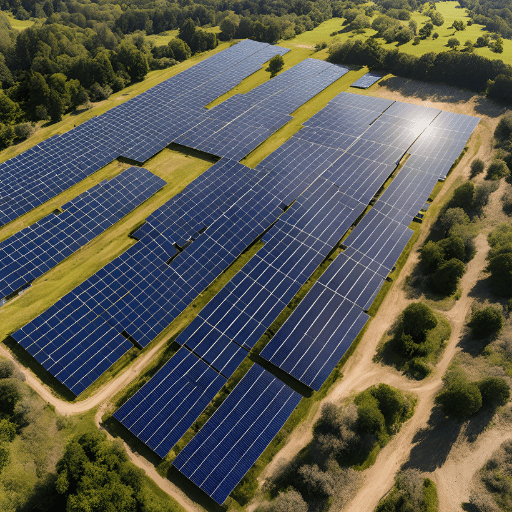
Analizarea costurilor de instalare solară
Cheltuielile efectuate de comerciale panou solar proiectele pot fi împărțite în diferite părți, care sunt foarte importante pentru o nouă afacere solară.
- Costul echipamentului: Aceasta presupune cumpărarea de invertoare, structuri de montare și cablare etc necesare afacerii dumneavoastră pentru a avea energie generată de la soare.
- Costul de instalare: Taxele de muncă în timpul instalării variază în funcție de cât de complicat este proiectul sau chiar de rata salariului pe oră, în funcție de locație.
- Taxe de autorizare și inspecție 4 cerințe obligatorii la înființarea oricărei instalații solare certificate.: Acestea sunt costuri care vin odată cu obținerea autorizațiilor relevante, precum și efectuarea tuturor inspecțiilor obligatorii necesare înainte de începerea unei astfel de unități.
- Taxa de proiectare si inginerie: Plăți efectuate pentru realizarea proiectelor de sisteme personalizate plus serviciile de inginerie structurală necesare.
- Cost de întreținere și operare: Deși aceasta poate părea o cheltuială continuă, ar trebui să facă parte din costul total de proprietate pentru instalațiile solare.
Toți acești factori se însumează la valoarea investiției inițiale, care joacă un rol cheie în determinarea viabilității financiare și a rentabilității investiției (ROI) pentru orice proiect fotovoltaic comercial dat.
Opțiuni de finanțare a proiectelor solare
Multe modalități pot fi utilizate pentru finanțarea proiectelor solare în scopuri comerciale, cu condiția ca acestea să poată acoperi capitalul inițial. Acestea pot implica:
- Împrumuturi: Fie împrumuturile bancare tradiționale, fie împrumuturile concepute special pentru energia solară ar putea fi utilizate în acest caz în care sunt necesari bani cu condiții fixe de plată.
- Contracte de închiriere: Acestea permit companiilor să instaleze și să utilizeze panouri solare fără a fi nevoite să plătească pentru ele în avans; în schimb, o taxă lunară care rămâne constantă în timp este plătită de o întreprindere către furnizorul său de energie închiriată.
- Contracte de cumpărare a energiei electrice (PPA): În cadrul acestui aranjament, firmele convin cu furnizorii de energie electrică asupra tarifelor percepute pe kilowatt-oră produse din soare, permițându-le astfel să obțină energie electrică mai ieftină decât cea percepută de companiile de utilități din localitățile lor; mai mult decât atât, în majoritatea cazurilor nu sunt necesare avansuri.
- Stimulente guvernamentale: Guvernele federale și de stat pot oferi credite fiscale, reduceri sau granturi care vor reduce substanțial costurile suportate în timpul instalării sistemelor fotovoltaice.
- Programe solare comunitare: Aceste programe permit întreprinderilor să investească în ferme solare îndepărtate, unde produc energie de care beneficiază întreprinderile, fără a instala neapărat panouri, oferind astfel acces la surse regenerabile curate fără implicare directă.
Fiecare metodă menționată mai sus are propriile avantaje și dezavantaje, așa că este important să luăm în considerare aceste opțiuni atunci când implementăm proiecte solare în industrie.
Luând în considerare returnările pe termen lung pentru antreprenori
Pentru analiza rentabilității investiției proiectelor solare în ceea ce privește profitabilitatea pe termen lung, proprietarii trebuie să analizeze unele cifre. Ar trebui să se ia în considerare perioada de rambursare, care este perioada de timp necesară pentru economiile de energie pentru a compensa cheltuielile inițiale de capital. Urmează să se calculeze valoarea actuală netă (VAN), care ajută o companie să știe dacă această investiție va fi profitabilă de-a lungul anilor, deoarece ține cont de fluxurile de numerar viitoare și le reduce la ratele lor adecvate; este, de asemenea, util atunci când încercați să aflați câți bani ar putea aduce o întreprindere cu timpul. În plus, se înțelege rata internă de rentabilitate (IRR), care indică ce randament procentual poate fi așteptat anual de la o întreprindere; acest lucru permite compararea diferitelor oportunități de investiții din industria energiei solare între ele pe baza randamentelor lor anualizate. În cele din urmă, există potențiale creșteri ale prețurilor proprietăților și facturi reduse la electricitate care vin odată cu adoptarea energiei solare, iar acestea nu trebuie trecute cu vederea, deoarece pot aduce mult beneficii financiare generale.
De ce să mergi la PV în 2024?
Beneficii pentru mediu și surse regenerabile de energie
Utilizarea energiei solare în 2024 va contribui foarte mult la reducerea emisiilor de gaze cu efect de seră, care sunt cauza majoră a schimbărilor climatice. energia solară este un tip de energie curată care provine din resurse naturale, astfel încât reduce dependența de combustibilii fosili și reduce contaminanții de mediu produși în timpul generării de energie electrică. în plus, instalațiile de acest fel ne pot îmbunătăți securitatea energetică, precum și reziliența, deoarece diversifică sursele din care obținem energie. De asemenea, acest sistem de utilizare a terenurilor sprijină conservarea naturii prin identificarea strategică a siturilor și programele de restaurare a habitatului, conducând astfel la protecția diversității biologice la nivel mondial. Întreprinderile care trec la energia solară nu numai că contribuie la un viitor durabil, ci și le economisesc bani din operațiunile legate de utilitatea electrică.
Creștere fără precedent a instalațiilor de energie solară
Viteza de creștere a inovației
În ultimii zece ani și ceva, a existat o rată de creștere incredibilă în industria solară, în principal datorită progreselor tehnologice, stimulentelor guvernamentale și scăderii costurilor. Cu o capacitate de peste 1000 GW la nivel global până la sfârșitul anului 2023 (conform rapoartelor), industria solară este acum mai mult ca niciodată pregătită pentru o extindere ulterioară. Unii factori cheie includ noi fronturi de eficiență, cum ar fi celulele fotovoltaice mai performante, economiile de scară generate de activitățile de producție la scară largă, cuplate cu sisteme de stocare îmbunătățite, care fac aprovizionarea cu energie și mai fiabilă, etc., etc. În plus, creșterea cererii consumatorilor determinată de conștiința mediului, printre altele, împreună cu angajamentul corporațiilor față de durabilitate, au jucat și ele roluri semnificative, catalizând astfel creșterea pieței. Se preconizează niveluri mai ridicate de adoptare, susținute de inovații în rețelele inteligente, precum și de o acoperire mai largă a rețelei, care va spori capacitatea de instalare, printre altele, conform diferitelor anchete efectuate
Alegerea panourilor solare ideale pentru dvs
Acestea sunt principalele lucruri de luat în considerare atunci când selectați panouri solare:
- Eficiență: Găsiți panouri care folosesc la maximum spațiul limitat, având o rată de eficiență mai mare.
- Durabilitate: Alege panouri cu materiale puternice și garanții care garantează performanțe bune pe perioade lungi în diferite condiții de mediu.
- Tip de panou: Decideți dacă cumpărați module solare monocristaline, policristaline sau cu peliculă subțire, în funcție de bugetul dvs, spațiul disponibil și nivelurile de eficiență dorite.
- Eficiență a costurilor: Cântăriți costul total (inclusiv instalarea și întreținerea) față de economiile de energie anticipate plus orice reduceri sau alte stimulente care pot fi aplicabile în zona dvs.
- Reputația producătorului: Consultați înregistrările producătorilor cu privire la fiabilitatea sistemelor produse, precum și la furnizarea serviciilor de asistență pentru clienți; întrebați, de asemenea, despre estimările duratei de viață a produsului de la astfel de companii.
- Certificari: Este important să selectați instalatori solari certificați care se vor asigura că instalația dvs. funcționează eficient și fiabil timp de mulți ani. în plus, asigurați-vă că aceste unități au îndeplinit toate standardele relevante care confirmă adecvarea performanței și cerințele de siguranță.
Luând în considerare aceste puncte, veți putea alege cu înțelepciune în funcție de nevoile dvs. specifice de energie și de obiectivele de investiții.
Surse de referință
Întrebări frecvente (FAQs)
Î: Care sunt primii pași pentru deschiderea unei companii de energie solară?
R: Începeți o afacere cu energie solară prin efectuarea de cercetări de piață, scrierea unui plan de afaceri elaborat, achiziționarea licențelor necesare și asigurarea finanțelor. în plus, este important să evaluați nevoile afacerii dvs. și să selectați echipamente solare adecvate. Networking cu furnizorii și producătorii vă pot ajuta, de asemenea, să obțineți panouri solare de calitate la prețuri competitive.
Î: Cum poate beneficia afacerea mea cu panouri solare de software-ul de proiectare solară?
R: Software-ul de proiectare solară poate fi utilizat pentru a eficientiza procesul de proiectare a sistemelor eficiente și eficiente de energie solară. Facilitează simulări precise, ajută la optimizarea aspectului rețelelor și reduce erorile, precum și la îmbunătățirea rezultatelor proiectelor comerciale, reducând astfel costurile în mod semnificativ.
Î: Care sunt avantajele de a merge solare pentru afacerea mea?
R: Există mai multe avantaje pe care întreprinderile le pot obține în urma utilizării energiei solare; acestea includ; costuri reduse ale energiei, amprentă de carbon mai mică, eligibilitate pentru credite fiscale legate de sistemele alimentate cu energie solară și independență energetică sporită. În plus, instalarea unui sistem fotovoltaic ar putea spori reputația companiei dvs., arătându-și în același timp angajamentul față de responsabilitatea față de mediu.
Î: Care sunt unele tipuri comune de sisteme alimentate cu energie solară potrivite pentru afaceri?
R: Unele tipuri comune de sisteme alimentate cu energie solară aplicabile în diferite dimensiuni de întreprinderi includ PV rezidențiale pentru întreprinderi mici, proiecte fotovoltaice comerciale pentru organizații mijlocii și mari, precum și extinderi industriale concepute special pentru a satisface cerințele uriașe de energie din diverse industrii. Fiecare categorie poate fi adaptată în funcție de cerințele energetice specifice necesare unei întreprinderi.
Î: Care este prețul sistemelor solare comerciale?
R: Costul sistemelor solare comerciale se poate schimba în funcție de diferite lucruri, cum ar fi amploarea instalării, tipul de panouri, printre alte componente suplimentare, cum ar fi sistemul de stocare a energiei. De obicei, proiectul dvs. solar ar putea costa orice, de la $50 k până la $500 k plus. Cu toate acestea, aceste cifre pot fi reduse semnificativ de granturi și stimulente, în plus față de creditele fiscale care sunt legate de utilizarea energiei solare.
Î: Cum finanţez un sistem de energie solară pentru afacerea mea?
R: Există mai multe moduri în care puteți finanța un sistem de energie solară pentru afacerea dvs, inclusiv împrumuturi, leasing, contracte de cumpărare a energiei (PPA) și granturi. De asemenea, făcându-l accesibil pentru întreprinderi, mai ales în această perioadă în care există o creștere rapidă în ceea ce privește sursele regenerabile de energie, cum ar fi colectoarele de căldură solară; asigurarea de reduceri de stimulente guvernamentale, precum și profitând de creditele fiscale asociate cu industria de generare a energiei electrice în lumina soarelui.
Î: De ce asigurare am nevoie pentru afacerea mea de instalare a panourilor solare?
R: O persoană care operează o afacere care instalează panouri are nevoie de anumite tipuri de acoperire, cum ar fi răspunderea generală, care acoperă orice accident cauzat din neglijență în timpul șantierului; răspundere profesională care protejează împotriva reclamațiilor care decurg din erori comise în faza de proiectare sau specificare; compensarea lucrătorului care oferă beneficii angajaților accidentați șantierul de muncă, dar include și asigurarea proprietății care acoperă daunele aduse clădirilor deținute de alții în care au loc instalații, printre alte riscuri implicate de Panel Installing Ventures.
Î: Cum ajută punerea în aplicare a unui sistem energetic alimentat de lumina soarelui întreprinderea mea pe termen lung?
R: Pe termen lung, instalarea unui astfel de dispozitiv ar economisi costurile suportate din cauza surselor convenționale, ajutând astfel compania dvs. să economisească mai mulți bani în timp prin facturile reduse la utilități și să se protejeze de orice majorare a tarifelor impuse de companiile de utilități. În plus, oferă o aprovizionare sigură, deoarece nimeni nu poate controla accesul la razele solare, ceea ce face dificil pentru orice persoană sau instituție a organismului să saboteze disponibilitatea energiei atunci când este cea mai mare nevoie. Nu numai asta, dar crește și valoarea spațiilor utilizate ca spațiu de birou, atrăgând astfel o clientelă conștientă de mediu care preferă organizațiile care sunt ecologice.
Î: Ce stimulente sunt disponibile pentru întreprinderile care instalează sisteme de energie solară în 2024?
R: Există diverse stimulente de care se pot bucura întreprinderile care instalează astfel de facilități în acest an, cum ar fi creditul fiscal federal pentru energie solară, printre altele, cum ar fi reduceri sau granturi de stat/administrații locale plus amortizarea accelerată conform MACRS.