






Основное руководство по безопасности: Для всех электрических проектов, самое пристальное внимание должно быть уделено факторам безопасности и эффективности в игре. одним из таких жизненно важных элементов, который постоянно был под вопросом, является определение правильного размера провода для 50-амперных цепей. выбор провода правильного размера - это не только соответствие требованиям кода; это также помогает предотвратить возможные опасные ситуации, такие как перегрев или перебои в подаче электроэнергии, обеспечивая при этом оптимальную производительность вашей системы. Это руководство предоставляет всю необходимую информацию о размере провода для 50-амперный схемы, с акцентом на наиболее критические соображения, предложения экспертов, и основные подводные камни, чтобы избежать Понимание этих основных будет иметь существенное значение для вашего проекта, независимо от того, работаете ли вы над ним дома или нанимаете электрика.
Понимание схем на 50 А
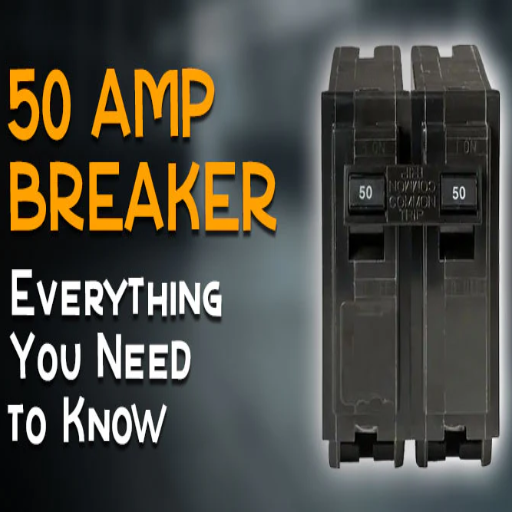
Схема на 50 ампер подходит для жилых помещений и коммерческих применений, которые требуют значительной энергии для зарядки крупных приборов, инструментов или оборудования, таких как электрические диапазоны, электрические автофургоны или системы отопления, вентиляции и кондиционирования воздуха. Работа двухполюсного выключателя позволяет получать напряжение 240 В. Правильный размер провода необходим для безопасности и эффективности; Для типичных цепей на 50 ампер, исходя из электрической нагрузки, обычно рекомендуется использовать медный или алюминиевый провод 6 калибра, чтобы предотвратить чрезмерное нагревание. Всегда желательно проверить характеристики провода и выключателя в соответствии с местным электрическим кодом, чтобы обеспечить безопасность и соответствие требованиям.
Что такое 50-амперная схема?
Схемы с пятьюдесятью усилителями - это тип схемы, который мы обычно видим. Следуя установленным соглашениям, они могут подавать 50 ампер при напряжении 120 вольт или 240 вольт на тяжелые приборы, такие как электрические печи, системы отопления, вентиляции и кондиционирования или электрические подключения для автофургонов. Например, при конфигурации с напряжением 240 вольт схема с напряжением 50 ампер может подавать мощность, достигающую 12 000 Вт (вольт в раз ампер), что делает ее подходящей для подачи питания на устройства, требующие сильной и устойчивой электрической мощности.
240 Вольт × 50 А = 12 000 Вт Максимальная мощность
Независимо от безопасности или функции, проводка 50-амперных цепей имеет первостепенное значение. обычно, они изготовлены из 6 AWG проводников, В некоторых приложениях, однако, они могут быть 4 AWG, чтобы минимизировать падение напряжения на длительных пробегах. обычно схема использует двухполюсные выключатели, позволяя этому типу цепи обрабатывать более высокие напряжения, сохраняя при этом адекватные стандарты безопасности. Однако, в зависимости от требований приборов, которые должны быть подключены, размер провода или тип выключателя может незначительно отличаться.
Соответствие коду: Установка 50-амперной схемы должна производиться строго в соответствии с местными электрическими нормами и стандартами для обеспечения безопасности. Правильное заземление, номинальная мощность выключателей и изоляция проводов являются важными параметрами, которые при правильном внедрении помогают избежать любых рисков, связанных с перегревом, короткими замыканиями или электрическим пожаром. Таким образом, монтажнику становится крайне важно проконсультироваться или обратиться за профессиональной помощью, чтобы гарантировать, что работа выполняется эффективно и с соблюдением требований.
Применения схемы на 50 А
Мощный электрический ток: схема на 50 ампер может подавать большую нагрузку и устанавливается как на жилом, коммерческом, так и на промышленном уровне.
🚐 Крючки для автофургонов и кемперов
Эта 50-амперная схема обычно используется для питания тяжелых приборов, таких как кондиционеры, в автофургонах и кемперах. Новейшие автофургоны с несколькими приборами для систем отопления и развлечений требуют такой большой силы тока для эффективной подачи энергии без перегрузки системы.
🚗 Домашние зарядные устройства для электромобилей
Зарядное устройство для домашнего электромобиля обычно имеет усилие 50 ампер, что позволяет заряжать 2-й уровень. Это позволяет владельцам электромобилей заряжать свои автомобили быстрее, чем от стандартной розетки, тем самым уменьшая общее время зарядки и повышая удобство.
🍳 Кухонное оборудование
Схема на 50 ампер обычно поставляется для мощной кухонной техники, такой как двойные печи, большие холодильники или электрические плиты. Этот сценарий обычно применяется к кухням с высокой степенью использования в коммерческих условиях, где надежность и производительность имеют первостепенное значение.
🔧 Мастерские и Гаражи
Семинары, которые устанавливают такие схемы на 50 ампер для сварщиков, компрессоров или электропил, признают явное преимущество. Эти электроинструменты требуют такого номинала усилителя, что необходима выделенная линия, чтобы обеспечить их одновременное использование без отключающих прерывателей.
🛁 Горячие ванны и спа-центры
Многие гидромассажные ванны и спа-центры работают на 50-амперных схемах, обеспечивая достаточную мощность для водонагревателей, форсунок и интегрированных систем освещения. Это обеспечивает бесперебойное и безопасное пребывание пользователей в жилых или спа-центрах.
— Резервные генераторы и подпанели
Хорошим местом для 50-амперных цепей являются генераторы или подпанели для удержания услуг на других частях объекта. Таким образом, стабильное распределение обеспечивается либо во время отключений, либо при больших нагрузках.
Преимущество универсальности: Универсальность схемы на 50 ампер делает ее стоящей инвестицией для различных применений, требующих большой мощности для надежной работы электрических машин.
Важность выбора правильного размера провода
Выбор правильного размера провода для защиты цепи нагрузки 50-ампер, в свою очередь, обеспечивает безопасность, эффективность и долговечность. определение размера провода в электрическом применении включает в себя рассмотрение текущей емкости, которая представляет собой количество тока, которое проводник может безопасно нести, не выделяя чрезмерного тепла или не повреждая. Для цепи с 50 амперами американский стандарт Wire Gauge (AWG) определяет, что размер провода должен быть не менее размера 6 в меди. Использование алюминиевого провода, с другой стороны, требует четырехпроводного провода большего размера, потому что алюминий не проводит ток так же хорошо, как медь.
| Материал проволоки | Требуемый размер AWG | Текущая емкость | Типичное использование |
|---|---|---|---|
| Медь | 6 СРГ | 55 ампер | Стандартный жилой/коммерческий |
| Алюминий | 4 СРГ | 50+ усилителей | Бюджетно-ориентированные установки |
Слишком маленький провод может перегреться, что приведет к потере энергии и потенциальным опасностям, таким как пожар. Например, провод меньшего размера нагревается в течение длительных периодов текущего использования, не позволяя эффективно использовать текущую нагрузку. Напротив, провод большего размера, чем необходимо, будет способствовать ненужным расходам без каких-либо выгод.
Экологические и дистанционные соображения
Длина провода и среда, в которой он проложен, являются еще одним элементом, чтобы рассмотреть. особенно на длинных участках провода, перенося электричество в большие объекты или наружные установки, падение напряжения может стать проблемой. Падение напряжения происходит каждые 100 футов провода, потенциально требуя более толстый провод для переноса тока. Кроме того, специальные изолированные провода или те, которые предназначены для использования в суровых погодных условиях, могут быть оправданы в таких установках, подверженных воздействию погодных условий или встроенных в стены.
Профессиональная рекомендация: Выбирая правильный размер провода и материал, домовладельцы и электрики могут снизить потери энергии, повысить доверие и снизить вероятность неисправностей цепи. Необходимо соблюдать местные электрические коды и консультации специалистов в области электротехники, чтобы обеспечить безопасность и эффективность установок, адаптированных к конкретным потребностям каждого конкретного прибора или системы.
Размер и манометр провода для выключателя на 50 ампер

Для 50-амперного выключателя рекомендуемый размер провода 6 AWG медь или 4 AWG алюминий Медный провод часто предпочтителен из-за его превосходной проводимости и большей долговечности, хотя алюминиевый провод может быть использован в качестве экономичной альтернативы при правильной установке. самое главное, нужно убедиться, что используемый провод рассчитан на 50 ампер и подходит для окружающей среды, в которой он будет установлен, будь то внутри, снаружи или для подземных применений. всегда дважды проверьте на соответствие местным электрическим кодам, и если есть сомнения, обратитесь к лицензированному электрику для правильной установки.
Определение правильного размера провода
Выбор размера провода имеет решающее значение для обеспечения безопасности, эффективности и соответствия нормативным требованиям на типичных установках. Размер провода выбирается на основе токопроводящей способности (в амперах), расстояния прохождения провода и падения напряжения, среди других факторов, а также конструкции провода, изготовленного из меди или алюминия. Например, схема на 50 ампер должна оставаться установленной обычно с помощью медного провода номер 6 или алюминиевого провода номер 4. Хотя если пробег длинный, то размер провода должен быть увеличен с учетом падения напряжения.
Соображения о падении напряжения
Падение напряжения происходит, когда напряжение в проводе уменьшается, что запускается сопротивлением при протекании тока, тем самым создавая падение напряжения. отраслевые стандарты требуют, чтобы падение напряжения поддерживалось на уровне 3% или меньше, что особенно важно для чувствительного оборудования. номинал пробега провода 100 футов в цепи с 50 амперами потребует использования либо медного провода 4 калибра, либо алюминиевого провода 2 калибра, чтобы обеспечить приемлемое падение напряжения.
| Расстояние | Размер медной проволоки | Алюминиевый Проволока Размер | Падение напряжения |
|---|---|---|---|
| До 50 футов | 6 СРГ | 4 СРГ | < 2% |
| 50-100 футов | 4 СРГ | 2 СРГ | < 3% |
| 100-150 футов | 3 СРГ | 1 СРГ | < 3% |
| 150+ футов | 2 AWG или больше | 1/0 AWG или больше | < 3% |
Экологические факторы
С другой стороны, необходимо учитывать степень изоляции и возможность существования провода в среде установки. Проводам следует разрешить выдерживать ожидаемые температуры и условия, например, те, которые обнаруживаются на открытом воздухе, под землей или во влажной среде. Например, провод THHN является распространенным выбором для сухих помещений в помещении, а провод UF-B используется для прямого захоронения и наружного применения.
Безопасность прежде всего: Рассматривая такие условия и придерживаясь норм электробезопасности, можно выбрать подходящий размер провода как для безопасности, так и для эффективности. Всегда консультируйтесь с лицензированным электриком для подтверждения и для обеспечения правильной установки проекта в практических приложениях.
Варианты измерения провода для схемы с усилителем 50 ампер
Размер провода может быть выбран на основе материала провода и длины установки, обеспечивая его безопасность от перегрузки и перегрева Стандартная рекомендация провода 6-колейный медный провод в большинстве учреждений, который может безопасно обрабатывать до 55 ампер и обеспечивает небольшой буфер. так как алюминиевый провод менее проводящий, чем медный, 4-колейный алюминиевый провод, как правило, требуется для того чтобы нести ту же самую 50-амперную нагрузку.
🥉 Медный провод (6 AWG)
- Вместимость: До 55 ампер
- Буфер безопасности: запас 5 ампер
- Проводимость: Улучшенный
- Долговечность: Отлично
- Стоимость: Более высокие первоначальные инвестиции
- Вес: Тяжелее
🥈 Алюминиевый провод (4 AWG)
- Вместимость: 50+ усилителей
- Проводимость: Ниже, чем медь
- Стоимость: Экономичнее
- Вес: Зажигалка
- Установка: Требует особого ухода
- Техническое обслуживание: Может потребоваться больше внимания
Однако, когда продолжительность пробега приводит к падению напряжения, что становится проблемой, для поддержания эффективности и безопасности необходимо увеличить размер проволочного датчика. Можно использовать калькулятор падения напряжения, или электрик может помочь в определении соответствующих регулировок для больших расстояний.
Соответствие коду: Также убедитесь, что выбор соответствует требованиям Национального электротехнического кодекса (NEC) и местным нормам, которые применяются. Правильный размер провода не только спасет вас в вопросе соответствия, но и защитит от возможного возгорания или повреждения оборудования.
Влияние размера провода на электрическую эффективность
Независимая от электричества эффективность и размер провода неразделимы, так как сопротивление проводников является ключевым фактором при оценке их препятствия эффективности. чем тоньше провод, тем выше его удельное сопротивление, что означает, что энергия теряется в виде тепла. Эта потеря тепла значительно снижает эффективность и может вызвать перегрев, тем самым повреждая оборудование. И эти необычные размеры можно использовать с более низкими значениями удельного сопротивления, но они могут быть менее продуктивными для любого применения, требующего большей мощности или длительных компоновок.
На основе ампер или электрического тока, протекающего через провод, расстояния, которое должен пройти ток, и максимально допустимого падения напряжения (обычно 3 процента для типичного жилого применения), можно определить оптимальный размер провода проводника. например, для более длинных расстояний требуются более толстые провода, чтобы соответствовать стандартам эффективности и безопасности. Кабели меньшего размера приведут к снижению эффективности, более высоким затратам энергии и, возможно, представляют опасность из-за неисправности или пожара.
Для более практического руководства используйте калькуляторы падения напряжения, электрические справочники или просто свяжитесь с лицензированным электриком. Следуя этим шагам, в сочетании с NEC и местными кодами, вы находите баланс между безопасностью, эффективностью и экономической эффективностью. Выбор правильного размера провода с самого начала является решающим фактором в обеспечении долговечности и надежности электрической системы.
Падение напряжения и его важность

Считается, что падение напряжения является результатом уменьшения напряжения, в то время как электрический ток проходит через проводник, Это важно в ситуациях, когда значительное падение напряжения может означать низкий КПД, отказ в работе или даже повреждение электрооборудования, Чтобы смягчить последствия, рассмотрите правильное измерение провода на основе расстояния, нагрузки и материала проводника. Следуя установленным нормам, таким как Национальный электрический кодекс (NEC), подразумевается в обеспечении безопасной и эффективной системы электрической работы.
Расчет падения напряжения для цепи мощностью 50 А
Для нахождения падения напряжения для 50-амперной схемы формула стоит как
Падение напряжения (V) = (Ток × Расстояние × 2 × Сопротивление на 1000 футов) ÷ 1000
Пошаговый процесс расчета:
- 1Войдите в систему, материал проводника и сопротивление: В основном это медь и алюминий, и значения сопротивления можно найти в стандартных таблицах NEC. Например, медь демонстрирует меньшее сопротивление, чем алюминий.
- 2Измерьте расстояние в одну сторону: Расстояние от источника питания до нагрузки следует умножить на 2, чтобы учесть ход тока туда и обратно.
- 3Введите значения: Ток = 50 ампер, расстояние = общее расстояние туда и обратно и сопротивление = сопротивление выбранного материала проводника.
- 4Рассчитать результат: Допустим, вы выбрали медную проволоку с сопротивлением 0,098 Ом на 1000 футов и 100 футов расстояния в одну сторону.
Падение напряжения = (50 × 100 × 2 × 0,098) ÷ 1000 = 0,98 Вольта
Минимизация падения напряжения с правильным размером провода
Должен быть выбран правильный размер провода, чтобы минимизировать падение напряжения из-за сопротивления провода. Большие размеры с меньшим сопротивлением провода приводят к меньшему падению напряжения. следуйте этим ключевым точкам, чтобы выбрать провод правильного размера:
- Проверьте нагрузку и расстояние: Определите нагрузку силы тока и рассчитайте длину провода от источника до груза (туда-обратно). чем выше нагрузка и расстояние, тем больше должен быть провод для достижения эффективной производительности.
- Используйте диаграммы падения напряжения или калькуляторы: Эти ссылки дают быстрые и простые рекомендации по размеру провода, основанные на нагрузке, расстоянии и желаемом падении напряжения (обычно между 3% и 5% напряжения системы).
- Рассмотрим материал проволоки: Медные провода обладают меньшим сопротивлением, чем алюминиевые, что снижает падение напряжения, но они более дороги.
- Пределы безопасности: Включите запас прочности и рассмотрите провода немного большего размера, чем рассчитано, чтобы они могли выдерживать любые увеличения нагрузки или изменения расстояния.
Гарантия эффективности: Тщательно оценивая эти факторы, можно обеспечить эффективную и надежную электроустановку, которая минимизирует потери энергии и защищает подключенные устройства.
Электрические коды и стандарты безопасности
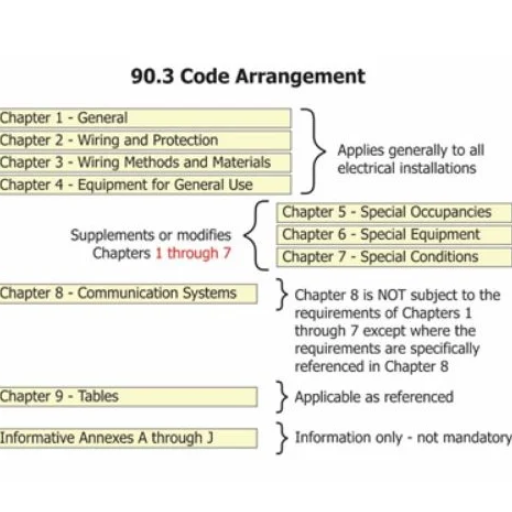
Электрические коды установлены как надлежащие коды для безопасного проектирования, установки и использования электрических систем. Эти коды обеспечивают фундаментальные конструктивные соображения, которые должны соблюдаться при проводке, заземлении, защите цепи и размещении оборудования. Они становятся свидетелями и, следовательно, устраняют опасности для жизни и имущества посредством пожара и поражения электрическим током.
Следует иметь в виду новейший кодекс, применимый в данной области, поскольку такие коды регулярно обновляются, чтобы быть в курсе изменений в технологии и соображениях безопасности. Их соблюдение принятых стандартов обеспечивает соответствие требованиям законодательства, а также повышает безопасность и эффективность эксплуатации любой электрической системы в жилых, коммерческих или промышленных зданиях. проконсультируйтесь с лицензированным специалистом, если у него есть сомнения относительно конкретного положения кодекса.
Обзор местных электрических кодов
Хотя само по себе английское законодательство обеспечивает безопасность, функциональность и соответствие требованиям в отношении установок, местный электрический кодекс часто является нормативным актом, в который вносятся поправки из национального стандарта, например, NEC в США, или любых аналогичных параллельных нормативных актов, применяемых в других странах. Затем в этот кодекс вносятся поправки для решения местных проблем и требований, которые возникают. Например, в конкретном населенном пункте могут быть разрешены определенные спецификации в системах заземления из-за различий в проводимости почвы, в то время как в другом районе могут применяться спецификации защиты от перенапряжений из-за факторов, связанных с возникновением молний.
Современные улучшения безопасности
Кодексы и стандарты, регулирующие проводку и установку, учитывают множество новых повышений безопасности и мер по энергосбережению недавнего урожая. Некоторые считают, например, что требования к внедрению AFCI в жилые здания должны быть такими, чтобы можно было избежать возгорания электроэнергии при возникновении неисправности электрической дуги. Аналогичным образом, установка GFCI во влажных местах, таких как ванные комнаты и кухни, необходима для предотвращения поражения электрическим током. Установки системы возобновляемых источников энергии, для которых выдвигаются рекомендации по безопасному и надежному методу установки или обслуживания фотоэлектрических (солнечных) панелей или систем хранения литий-ионных батарей, являются еще одной растущей тенденцией в области кодов.
Экологические соображения в кодексах
Могут также существовать местные кодексы, которые обеспечивают соблюдение, помимо требований к проводке, материалов трубопроводов и методов установки в соответствии с проблемами, свойственными данному местоположению, такими как холодный климат или очень сильный ветер. Такие кодексы гарантируют, что установки способны противостоять экологическим и эксплуатационным нагрузкам.
Текущее пребывание: Учитывая постоянно меняющиеся электрические нормы, безопасность с одной стороны и эффективное использование энергии и устойчивость с другой, причем все три становятся проблемами в нынешней климатически опасной среде, считаются неотложными; следовательно, обновление местных поправок будет иметь важное значение, помимо обеспечения присутствия сертифицированных подрядчиков, чтобы гарантировать, что все системы соответствуют любому применимому стандарту.
Соответствие электрическим кодам для схем на 50 А
Соблюдение Национального электротехнического кодекса (NEC) и местных стандартов обеспечит безопасность и функциональность этой установки или модернизации схемы на 50 ампер. Эти схемы обычно предназначены для использования с крупными приборами, автофургонами или тяжелым оборудованием. Учитывая это, манометр, типы выключателей и розетки потребуют особого внимания.
Требования к манометру провода
НЭК требует минимум медного провода 6 калибра или алюминиевого провода 4 калибра для схемы 50 ампер, чтобы обеспечить безопасный ток. Меньшая проводка может поставить под угрозу безопасность и перегрев, плавление изоляции и создание пожароопасности. на расстояниях, превышающих 100 футов, падение напряжения может потребовать увеличения толщины провода для поддержания напряжения в допустимых пределах в месте использования.
Разрывники и сосуды
Автоматический выключатель для 50-амперной цепи должен быть рассчитан на 50 ампер, что соответствует типу нагрузки, которую он обслуживает. Обычно двухполюсные типы выключателей выбираются во время установки для 240-вольтового приложения, чтобы обеспечить защиту бытовых приборов. Сосуды также должны быть рассчитаны на 50-амперные соединения, обычно с использованием розетки NEMA 14-50, которая поддерживает как 120, так и 240 вольт.
Заземление и скрепление
Схема на 50 ампер должна быть правильно заземлена и соединена, что имеет чрезвычайное значение, особенно в наружных или автофургонах. GFCI и соответствующий заземляющий проводник помогут снизить риск возникновения опасности ударов, отвечая нынешним стандартам безопасности.
Местные поправки и разрешения
Различные юрисдикции применяют эти поправки к НЭК Например, в определенных местах может потребоваться использование трубопровода в конкретных помещениях, или могут быть наложены дополнительные ограничения на наружные установки. поэтому необходимо получить разрешения на начало работ и обеспечить, чтобы такие работы проводились при содействии лицензированных электриков, знакомых с этими кодексами, чтобы можно было избежать штрафов, возникающих в результате несоблюдения.
Обеспечение соответствия: Придерживаясь этих предусмотренных руководящих принципов и отдавая приоритет соблюдению национальных и местных электрических норм, независимые подрядчики и домовладельцы смогут устанавливать надежные и безопасные цепи на 50 А, которые приводят к снижению опасности поражения электрическим током.
Избегание электрических пожаров при правильном размере провода
Важнейший первый шаг для обеспечения безопасности и работоспособности электрических систем: правильный размер провода. Если провода выбраны слишком маленькими для тока, который они должны нести, они имеют тенденцию нагреваться, что иногда приводит к поломке изоляции и пожароопасности. Код классифицирует размеры проводов по номиналу ампера; таким образом, для схемы 50А NEC устанавливает минимальный размер провода: медный провод 6 AWG или алюминиевый провод 4 AWG, чтобы гарантировать, что провод способен выдерживать текущую нагрузку без чрезмерного нагрева.
Факторы окружающей среды и расстояния
Другие параметры, такие как температура окружающей среды и расстояние, также учитываются при расчете размеров проводов Любое увеличение температуры окружающей среды или большее расстояние увеличит сопротивление в проводе и позволит теплу накапливаться дальше Например, падение напряжения будет проблемой на очень длинных цепях, и провода, возможно, потребуется увеличить, чтобы обеспечить их эффективную и безопасную работу.
Современные стандарты изоляции
Другой ключевой аспект - изоляционный материал провода. в качестве изоляторов в старых проводах использовались резиновые и хлопчатобумажные оболочки. в настоящее время провода изолированы термопластичными покрытиями, такими как THHN или THWN, которые выдерживают более высокие температуры и обеспечивают дополнительную защиту от электрических пожаров. Однако важно выбрать правильные типы проводов для конкретных применений, таких как внутренние или наружные настройки, чтобы обеспечить безопасность и соблюдение местных электрических норм.
Стратегия предотвращения пожаров: Выбор правильного размера и типа проводов для ваших цепей, согласно рекомендациям NEC, значительно снижает вероятность возгорания электрики. Регулярные осмотры лицензированным электриком помогут выявить потенциальные проблемы до того, как они станут рискованными ситуациями. Правильное использование размеров проводов не только продлевает срок службы ваших электрических систем, но и защищает ваш дом и семью от потенциальных опасностей.
Инсталляция Соображения
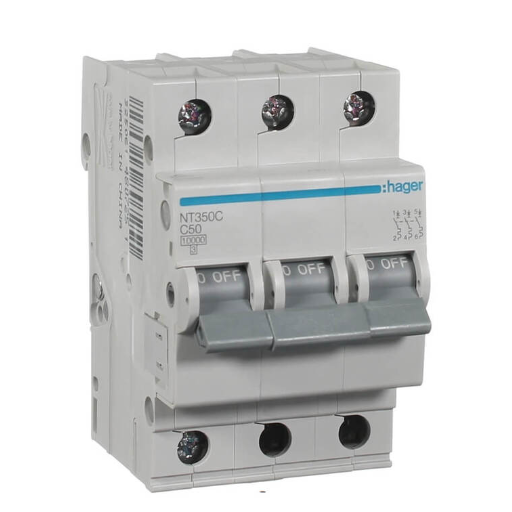
Для монтажа проводки, убедитесь, что все соединения безопасны и провода должным образом изолированы, чтобы предотвратить случайный контакт или короткие замыкания. использовать одобренные кабелепровод или кабельные зажимы, чтобы закрепить провода на месте, предотвращая физические повреждения. согласно местным строительным нормам и NEC, проверить выбор размещения, расстояния, и заземления. перед установкой чего-либо, отключить автоматический выключатель и затем использовать тестер напряжения, чтобы подтвердить, что ток не протекает для сложных установок, нанимать лицензированного электрика для безопасной и надежной работы.
Длина провода и ее последствия
Фактическая производительность и безопасность любой электрической цепи во многом зависят от длины провода. повышенное сопротивление может быть создано путем более длинного провода проводов, что вызывает падение напряжения. говорят, что падение напряжения действует, когда наблюдается измеримое снижение напряжения на пути проведения электричества через провод, и на этом уровне напряжение недостаточно для любых приборов или оборудования, подключенных к нему. Согласно стандартам, любое падение напряжения, превышающее 3% для ответвлений, считается неэффективным и его следует избегать для оптимальной производительности системы.
| Тип схемы | Длина провода | Оригинальный размер провода | Рекомендуемое обновление | Удар падения напряжения |
|---|---|---|---|---|
| 120В Цепь | 50 футов | 12 СРГ | Никаких изменений не нужно | Незначительный |
| 120В Цепь | 200 футов | 12 СРГ | 10 AWG или 8 AWG | Значимо без обновления |
| 50A Схема | 100+ футов | 6 AWG Медь | 4 AWG Медь | Критический фактор |
Провод манометр является одним из тех факторов, которые учитываются в падении напряжения. более тонкие провода (с более высокими номерами манометров) сопротивляются потоку тока и, следовательно, страдают от падения напряжения на больших расстояниях. Считается хорошей практикой возводить более толстый провод для длительных пробегов. Например, 120-вольтовая цепь, на которой проходит провод 12 AWG на протяжении 50 футов, будет испытывать незначительное падение напряжения, что касается нагрузки на жилые помещения; однако та же самая нагрузка, идущая на протяжении 200 футов, скорее всего, потребует модернизации проводов до 10 AWG или даже 8 AWG размеров для поддержания производительности и безопасности.
Соображения высокого тока: В больших токах падение напряжения увеличивается, поэтому целесообразно учитывать токовую нагрузку и общую длину кабеля во время планирования. калькуляторы падения напряжения, таким образом, полезны для прогнозирования потерь и выбора подходящего размера провода. Размер провода в соответствии с этими процедурами обеспечивает безопасность и эффективность систем, которые менее подвержены перегреву или повреждению подключенного оборудования. При рассмотрении этих вопросов всегда убедитесь, что установка энергоэффективна и соответствует коду.
Выбор правильного провода для разных сред
Несколько факторов влияют на выбор провода для различных сред. во-первых, я фокусируюсь на самом климате - будь то внутри, снаружи или в условиях различных экстремальных условий, таких как влага, тепло или химикаты. В тех случаях, когда воздействие включает воду, я гарантирую, что провода имеют изоляцию соответствующего типа, с рейтингом кабеля THWN или UF, чтобы противостоять повреждению воды. В тех случаях, когда речь идет о высоких температурах, я выбираю те, которые рассчитаны на высокую температуру, обеспечивая более длительный срок службы провода. Я бы также рассмотрел корпус из медной или алюминиевой проволоки, принимая во внимание проводимость и соображения стоимости. Соответствие провода потребностям окружающей среды обеспечивает безопасную и долговечную установку, которая кондиционируется с точки зрения окружающей среды.
| Окружающая среда | Рекомендуемый тип провода | Ключевые возможности | Особые соображения |
|---|---|---|---|
| Крытые сухие локации | ТХН | Термостойкий, универсальный | Стандартное жилое использование |
| Открытые/влажные зоны | БРОШЕННЫЙ | Водонепроницаемый | Кухни, ванные комнаты, снаружи |
| Прямое захоронение | УФ-Б | Подземный рейтинг | Отдельные гаражи, хозяйственные постройки |
| Высокая температура | ТХН/ТХУН-2 | Повышенная термостойкость | Рядом с печами, горячие среды |
Лучшие практики установки 50-амперного автоматического выключателя
Установите выключатель на 50 ампер с соблюдением требований безопасности и стандартных процедур:
Процесс установки
- 1Знайте свою электрическую панель: Сначала определите, может ли ваша панель разместить дополнительный 50-амперный выключатель. проверьте наличие дополнительных слотов для размещения выключателя и одновременно подтвердите предел силы тока панели.
- 2Выберите инструменты и материалы: Используйте провод соответствующего размера для 50-амперного выключателя. для меди 6 AWG является стандартным; для алюминия 4 AWG является обычным явлением, в зависимости от требований и расстояния пробега. выберите выключатель, если возможно, той же марки, что и панель, чтобы обеспечить плавность работы.
- 3Выключите питание: Основной источник питания должен быть отключен перед началом любых работ, чтобы предотвратить возможные удары или травмы. Защитное снаряжение должно быть надето на протяжении всего процесса подачи всех мер безопасности, включая изолированные перчатки и очки.
- 4Составьте проводные соединения: Осторожно разденьте провода, чтобы убедиться, что они надежны. горячие провода соединяются с винтами клемм прерывателя, нейтральный провод с нейтральной шиной и заземляющий провод с заземляющей планкой в панели.
- 5Установите Breaker: Защелкните прерыватель в панели в пустом слоте, обеспечивая прочное и плотное соединение. перепроверьте всю проводку, прежде чем снова включать питание.
- 6Проверьте настройку: После установки снова включите основное питание и проверьте выключатель с помощью тестера напряжения, чтобы убедиться, что он работает правильно. Если возникнут какие-либо проблемы, немедленно обратитесь к ним, чтобы обеспечить безопасную работу.
Профессиональная консультация: Следуя этим шагам и ссылаясь на местные электрические коды, вы можете обеспечить безопасную и эффективную установку. для двусмысленности всегда обратитесь к лицензированному электрику.
Основные рекомендации по безопасности и окончательные рекомендации
Контрольный список основной безопасности
- ANDAME Всегда используйте минимум медной проволоки 6 AWG или алюминиевой проволоки 4 AWG
- – расчет падения напряжения для пробегов более 100 футов
- – Обеспечить правильное заземление и склеивание
- — Используйте соответствующую изоляцию проводов для окружающей среды
- ‘Цифра/Цитата) При необходимости установите всю защиту GFCI
- — Получите необходимые разрешения перед установкой
- — Иметь работу, проверенную квалифицированными специалистами
Заключение
Резюме эксперта: Правильный размер и установка 50-амперных цепей требуют тщательного рассмотрения множества факторов, включая материал провода, манометр, расстояние, условия окружающей среды и требования местных кодов. следование рекомендациям NEC и консультации с лицензированными электриками обеспечивают безопасные, эффективные и совместимые установки, которые будут надежно служить в течение многих лет. Помните, что электромонтажные работы несут в себе неотъемлемые риски, а профессиональная установка всегда является самым безопасным выбором для сложных проектов схем на 50 ампер.
Отказ от ответственности: в настоящем руководстве содержится исчерпывающая информация о проводке цепи на 50 ампер в образовательных целях Всегда консультируйтесь с лицензированным электриком и получайте надлежащие разрешения, прежде чем начинать какие-либо электрические работы, чтобы обеспечить безопасность и соответствие кодам.