








Essential Safety Guide: For all electrical projects, utmost attention has to be given to safety and efficiency factors at play. One such vital element that has continually been in question is determining the correct wire size for 50-amp circuits. Choosing the right-sized wire is not just about meeting code requirements; it also helps prevent possible hazard situations, such as overheating or power interruptions, while providing optimal performance to your system. This guide provides all the necessary information on wire sizing for 50-amp circuits, with an emphasis on the most critical considerations, expert suggestions, and major pitfalls to avoid. An understanding of these essentials will make a significant difference for your project, whether you’re working on it at home or hiring an electrician.
Understanding 50 Amp Circuits
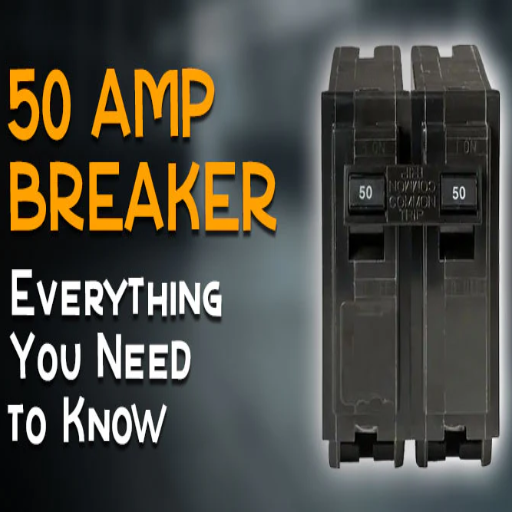
A 50-amp circuit is suitable for residential setups and commercial applications that require substantial energy to charge large appliances, tools, or equipment, such as electric ranges, electric RVs, or HVAC systems. Double-pole breaker operation allows for the output of 240 volts. Proper wire sizing is essential for safety and efficiency; a 6-gauge copper or aluminum wire is generally recommended for typical 50-amp circuits, based on the electrical load, to prevent excessive heat. It is always advisable to verify the specifications of a wire and breaker according to the local electrical code to ensure safety and compliance.
What is a 50-amp circuit?
Fifty-amp circuits are the type of circuit we commonly see. Following established conventions, they can supply 50 amperes at 120 volts or 240 volts to heavy appliances, such as electric ovens, HVAC systems, or RV electrical hookups. For example, on a 240-volt configuration, a 50-amp circuit can supply power reaching up to 12,000 watts (volts times amps), making it suitable for energizing devices that require a strong and steady electrical output.
240 Volts × 50 Amps = 12,000 Watts Maximum Power
Regardless of safety or function, wiring 50-amp circuits is paramount. Usually, they are fabricated from 6 AWG conductors. In some applications, however, they may be 4 AWG to minimize voltage drop on long runs. Typically, the circuit utilizes double-pole breakers, allowing this type of circuit to handle higher voltages while maintaining adequate safety standards. However, depending on the requirements of the appliances to be connected, the wire size or breaker type may vary slightly.
Code Compliance: The installation of the 50-amp circuit should be made strictly according to the local electrical codes and standards to ensure safety. Proper grounding, rating of the breakers, and insulation of the wires are essential parameters that, when correctly implemented, help avoid any risks related to overheating, short circuits, or an electrical fire. It thus becomes imperative for the installer to consult or seek professional help to ensure that the work is done efficiently and in compliance.
Applications of a 50-Amp Circuit
Powerful Electrical Current: The 50-amp circuit can supply a heavy load and is installed at residential, commercial, and industrial levels alike.
🚐 RV and Camper Hookups
This 50-amp circuit is typically used to power heavy appliances, such as air conditioning units, in RVs and campers. Newer RVs with several appliances for heating and entertainment systems require this much amperage to power effectively without overloading the system.
🚗 Home EV Chargers
A home electric vehicle charger is typically 50 amps, allowing for Level 2 charging. This enables EV owners to charge their vehicles faster than from a standard outlet, thereby decreasing overall charge time and increasing convenience.
🍳 Kitchen Equipment
A 50-amp circuit is typically supplied for high-power kitchen appliances, such as double ovens, large refrigerators, or electric ranges. This scenario applies typically to kitchens with high usage in commercial environments, where reliability and performance are of utmost importance.
🔧 Workshops and Garages
Workshops that install such 50-amp circuits for welders, compressors, or power saws will recognize a distinct advantage. These power tools require such an amp rating that a dedicated line is necessary to allow for their simultaneous use without tripping breakers.
🛁 Hot Tubs and Spas
Many hot tubs and spas operate on 50-amp circuits to provide adequate power for water heaters, jets, and integrated lighting systems. This ensures a seamless and safe user experience in residential or spa environments.
⚡ Backup Generators and Subpanels
A good site for the 50-amp circuits is the service retention generators or subpanels on other parts of the property. This way, stable distribution is ensured either during outages or demand heavy loads.
Versatility Advantage: The 50-amp circuit’s versatility makes it a worthwhile investment for various applications that require heavy power for the reliable operation of electrical machines.
Importance of Choosing the Right Wire Size
Choosing the correct wire size for protecting a 50-amp load circuit, in its turn, assures safety, efficiency, and durability. Determining the wire size in an electrical application involves considering the current capacity, which is the amount of current a conductor can safely carry without generating excessive heat or being damaged. For a 50-amp circuit, the American Wire Gauge (AWG) standard specifies that the wire size must be at least size 6 in copper. Using aluminum wire, on the other hand, requires a larger size four-wire because aluminum does not conduct current as well as copper.
| Wire Material | Required AWG Size | Current Capacity | Typical Use |
|---|---|---|---|
| Copper | 6 AWG | 55 Amps | Standard residential/commercial |
| Aluminum | 4 AWG | 50+ Amps | Budget-conscious installations |
A wire that is too small can overheat, resulting in energy loss and potential hazards, such as fire. For example, an undersized wire heats up during prolonged periods of current usage, failing to effectively utilize the current load. On the contrary, a wire bigger than needed would contribute to unnecessary expense with no benefits at all.
Environmental and Distance Considerations
The wire’s length and the environment in which it is laid down are yet other elements to consider. Particularly on long stretches of wire carrying electricity into large properties or outdoor installations, voltage drop can become a concern. Voltage drop occurs every 100 feet of wire, potentially requiring thicker wire to carry the current. Furthermore, special insulated wires or those rated for use in weather-harsh conditions might be warranted in such installations exposed to weather or embedded into walls.
Professional Recommendation: By selecting the correct wire size and material, homeowners and electricians can reduce energy loss, enhance credibility, and decrease the likelihood of circuit malfunctions. Local electrical codes and the consultation of electric professionals must be followed to ensure the safety and efficiency of installations, tailored to the specific needs of each particular appliance or system.
Wire Size and Gauge for a 50 Amp Breaker

For a 50-amp breaker, the recommended wire size is 6 AWG copper or 4 AWG aluminum. Copper wire is often preferred due to its superior conductivity and greater durability, although aluminum wire can be used as an economical alternative when installed correctly. Most importantly, one needs to ensure that the wire used is rated for 50 amps and is suitable for the environment in which it will be installed, whether indoor, outdoor, or for underground applications. Always double-check against local electrical codes, and if in doubt, consult a licensed electrician for correct installation.
Determining the Correct Wire Size
Choosing a wire size is crucial for ensuring safety, efficiency, and regulatory compliance in typical installations. A wire size is chosen based on the current-carrying capacity (in amperes), the distance of the wire runs, and the voltage drop, among other factors, as well as the wire’s construction, whether it is made of copper or aluminum. For example, a 50-ampere circuit shall remain installed by generally a number 6-gauge copper wire or a number 4-gauge aluminum wire. Though if the run is long, then the wire size shall be increased, considering the voltage drop.
Voltage Drop Considerations
Voltage drops occur when the voltage in a wire decreases, triggered by resistance as current flows, thereby creating a voltage drop. Industry standards require voltage drops to be maintained at 3% or less, which is especially important for sensitive equipment. A wire run rating of 100 feet in a 50-amp circuit will require the use of either a 4-gauge copper wire or a 2-gauge aluminum wire to ensure an acceptable voltage drop.
| Distance | Copper Wire Size | Aluminum Wire Size | Voltage Drop |
|---|---|---|---|
| Up to 50 feet | 6 AWG | 4 AWG | < 2% |
| 50-100 feet | 4 AWG | 2 AWG | < 3% |
| 100-150 feet | 3 AWG | 1 AWG | < 3% |
| 150+ feet | 2 AWG or larger | 1/0 AWG or larger | < 3% |
Environmental Factors
On the other hand, one must consider the insulation rating and whether the wire can exist in the installation environment. Wires should be permitted to withstand anticipated temperatures and conditions, such as those found outdoors, underground, or in wet environments. For example, THHN wire is a common choice for indoor dry locations, while UF-B wire is used for direct burial and outdoor applications.
Safety First: By considering such conditions and adhering to electrical safety codes, a suitable wire size can be chosen for both safety and efficiency. Always consult your licensed electrician for confirmation and to ensure the project is installed correctly in practical applications.
Wire Gauge Options for a 50 Amp Circuit
The wire size can be selected based on the wire material and the installation length, ensuring it is safe from overloading and overheating. The standard recommendation of wire is 6-gauge copper wire in most institutions, which can safely handle up to 55 amps and provides a slight buffer. Since aluminum wire is less conductive than copper, a 4-gauge aluminum wire is typically required to carry the same 50-amp load.
🥉 Copper Wire (6 AWG)
- Capacity: Up to 55 amps
- Safety Buffer: 5 amp margin
- Conductivity: Superior
- Durability: Excellent
- Cost: Higher initial investment
- Weight: Heavier
🥈 Aluminum Wire (4 AWG)
- Capacity: 50+ amps
- Conductivity: Lower than copper
- Cost: More economical
- Weight: Lighter
- Installation: Requires special care
- Maintenance: May need more attention
When the length of the run, however, leads to voltage drop becoming a concern, then an upsize in wire gauge shall be necessary to maintain efficiency and safety. One can use a voltage drop calculator, or an electrician can assist in determining the appropriate adjustments for long distances.
Code Compliance: Also, ensure that the selection aligns with the National Electrical Code (NEC) requirements and the local codes being enforced. Proper wire sizing will not only save you in the matter of compliance but also protect against possible fire or damage to equipment.
Impact of Wire Size on Electrical Efficiency
Electricity-independent efficiency and wire size are inseparable, as the resistance of conductors is a key factor in evaluating their impediment to efficacy. The thinner the wire, the higher its resistivity, which means that energy is lost as heat. This loss of heat significantly reduces the efficiency and can cause overheating, thereby damaging the equipment. And those uncommon dimensions can be used with lower resistivity values, but may be less productive for any application requiring higher power or lengthy layouts.
Based on the amperes or electrical current flowing through the wire, the distance to be traveled by the current, and the maximum acceptable voltage drop (usually 3 percent for a typical residential application), the optimal conductor wire size can be identified. For example, longer distances require thicker wires to meet efficiency and safety standards. Undersized cables will result in poor efficiency, higher energy costs, and possibly pose a hazard due to malfunction or fire.
For more practical guidance, use voltage drop calculators, electrical handbooks, or merely contact a licensed electrician. Following these steps, combined with the NEC and local codes, strikes a balance between safety, efficiency, and cost-effectiveness. Selecting the correct wire size from the outset is a crucial factor in ensuring the longevity and reliability of an electrical system.
Voltage Drop and Its Importance

A voltage drop is considered to result from the diminution in voltage while electrical current passes through a conductor. It is essential in situations where a significant voltage drop could mean low efficiency, operational failure, or even damage to electrical equipment. To mitigate the effects, consider proper wire gauging based on distance, load, and the conductor’s material. Following established codes, such as the National Electrical Code (NEC), is implicit in ensuring a safe and efficient electrical operation system.
Calculating Voltage Drop for a 50 Amp Circuit
For finding the voltage drop for a 50-amp circuit, the formula stands as:
Voltage Drop (V) = (Current × Distance × 2 × Resistance per 1,000 ft) ÷ 1,000
Step-by-Step Calculation Process:
- 1Log in the conductor material and resistance: This is mostly copper and aluminum, and resistance values can be found in the standard NEC tables. For instance, copper exhibits less resistance than aluminum.
- 2Measure the one-way distance: The distance from the power source to the load should be multiplied by 2 to factor in the round trip of the current.
- 3Enter the values: Current = 50 amps, Distance = the total round-trip distance, and Resistance = the resistance of the selected conductor material.
- 4Calculate the result: Let’s say you picked copper wire with a resistance of 0.098 ohms per 1,000 ft and 100 ft of one-way distance.
Voltage Drop = (50 × 100 × 2 × 0.098) ÷ 1,000 = 0.98 Volts
Minimizing Voltage Drop with Proper Wire Size
The proper wire size must be selected to minimize voltage drop due to wire resistance. Larger sizes with less wire resistance result in lower voltage drop. Follow these key points to select the right-sized wire:
- Check Load and Distance: Determine the amperage load and calculate wire length from the source to the load (round trip). The higher the load and distance, the larger the wire must be to achieve efficient performance.
- Use Voltage Drop Charts or Calculators: These references provide quick and easy recommendations for wire size based on load, distance, and the desired voltage drop (typically between 3% and 5% of the system voltage).
- Consider Wire Material: Copper wires present less resistance than aluminum wires, which reduces voltage drop, but they are more costly.
- Safety Margins: Include a safety margin and consider slightly larger wires than calculated, so that they can accommodate any load increases or changes in distance.
Efficiency Guarantee: By carefully assessing these factors, an efficient and reliable electrical installation can be ensured that minimizes energy loss and protects connected devices.
Electrical Codes and Safety Standards
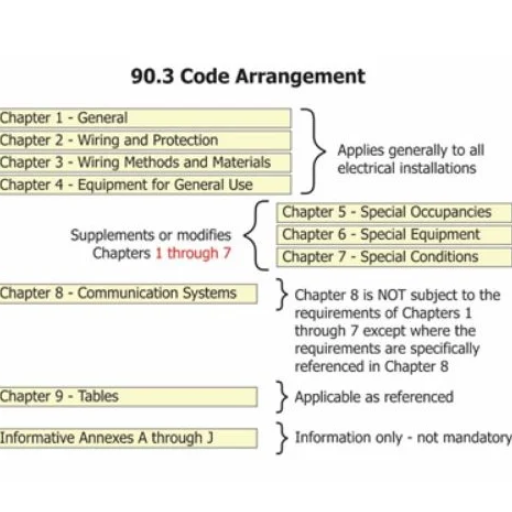
The electrical codes are established as proper codes for safe design, installation, and use of electrical systems. These codes provide fundamental design considerations that must be followed in wiring, grounding, circuit protection, and equipment placement. They witness and hence eliminate hazards to life and property through fire and electrocution.
One should keep in mind the latest code applicable in the area, as such codes are updated regularly to stay current with changes in technology and safety considerations. Their adherence to accepted standards ensures conformity with legal requirements, while also increasing safety and efficient operation for any electrical system in residential, commercial, or industrial buildings. Consult a licensed professional when in doubt about a specific provision of the code.
Overview of Local Electrical Codes
While, in itself, English law ensures safety, functionality, and compliance regarding installations, a local electrical code is often a regulation that is amended from a national standard, such as the NEC in the USA, or any similar parallel regulations enforced in other countries. This code is then amended to address local issues and requirements that arise. For example, a particular locality may permit certain specifications in grounding systems due to differences in soil conductivity, while another area may enforce specifications for surge protection due to factors related to lightning occurrence.
Modern Safety Enhancements
Codes and standards governing wiring and installations have considered many new safety enhancements and energy conservation measures of recent vintage. Some think, for instance, that the requirements for incorporating AFCIs in residential buildings should be such that electrical fires can be avoided when an electrical arcing fault occurs. Similarly, the installation of GFCIs in wet locations, such as bathrooms and kitchens, is required to prevent electrical shocks. Renewable energy system installations, for which recommendations are put forth for a safe and sound method of installing or maintaining photovoltaic (solar) panels or lithium-ion battery storage systems, are another growing trend in codes.
Environmental Considerations in Codes
There may also be local codes that enforce, in addition to wiring requirements, conduit materials, and installation practices, according to problems peculiar to a given locale, such as a cold climate or very high winds. Such codes would ensure installations are capable of resisting environmental and operational stresses.
Staying Current: With the ever-changing electrical codes, safety on one side and efficient energy use and sustainability on the other, with all three becoming issues in the present climate-conscious environment, are considered urgent; hence an update of local amendments will be significant, besides making sure that certified contractors are around to ensure that all systems comply with any applicable standard.
Compliance with Electrical Codes for 50 Amp Circuits
Compliance with the National Electrical Code (NEC) and local standards will assure the safety and functionality of this installation or upgrade of a 50-amp circuit. These circuits are typically designed for use with large appliances, RVs, or heavy equipment. Given this, the wire gauge, breaker types, and receptacles will all demand special attention.
Wire Gauge Requirements
The NEC requires a minimum of 6-gauge copper wire or 4-gauge aluminum wire for a 50-amp circuit to ensure safe current flow. Smaller wiring can compromise safety and overheat, melting insulation and creating fire hazards. For distances exceeding 100 feet, voltage drop may require an increase in wire thickness to maintain voltages within acceptable limits at the point of use.
Breakers and Receptacles
The circuit breaker for a 50-amp circuit has to be rated at 50 amps, matching the type of load it serves. Typically, dual-pole types of breakers are selected during installation for a 240-volt application to provide protection for heavy-duty appliances. Receptacles would also have to be rated for 50 amp connections, typically utilizing a NEMA 14-50 receptacle, which supports both 120 volts and 240 volts.
Grounding and Bonding
A 50-amp circuit must be properly grounded and bonded, which is of extreme importance, especially in outside or RV applications. GFCIs and an appropriate grounding conductor would help reduce the risk of shock hazards, meeting present safety standards.
Local Amendments and Permits
Various jurisdictions apply these amendments to the NEC. For example, certain locales may require the use of conduit in specific premises, or supplementary restrictions may be imposed on outdoor installations. It is, therefore, necessary to obtain permits to commence work and to ensure that such work is undertaken with the assistance of licensed electricians familiar with these codes, so that penalties arising from noncompliance can be avoided.
Compliance Assurance: By adhering to these stipulated guidelines and giving precedence to compliance with the national and local electrical codes, independent contractors and homeowners will be able to install reliable and safe 50 amp circuits that lead to a reduction in electrical hazards.
Avoiding Electrical Fires with Proper Wire Sizing
A crucial first step to ensure electrical systems remain safe and functional: proper wire sizing. If wires are chosen too small for the current they have to carry, they tend to get hot, sometimes giving rise to insulation breakdown and a fire hazard. The code classifies wire sizes by ampere rating; thus, for a 50A circuit, the NEC states a minimum wire size of 6 AWG copper wire or 4 AWG aluminum wire to ensure the wire is capable of carrying the current load without undue heat.
Environmental and Distance Factors
Other parameters, such as ambient temperature and distance, are also taken into account when calculating wire sizes. Any increase in the ambient temperature or a greater distance will increase resistance in the wire and allow heat to build up further. For example, voltage drop will be an issue on very long circuits, and wires may need to be upsized to ensure they operate efficiently and safely.
Modern Insulation Standards
Another key aspect is the insulation material of the wire. Older wires used rubber and cotton sheaths as insulators. Nowadays, wires are insulated with thermoplastic coatings, such as THHN or THWN, that withstand higher temperatures and provide additional protection against electrical fires. However, it is essential to select the correct wire types for specific applications, such as indoor or outdoor settings, to ensure safety and compliance with local electrical codes.
Fire Prevention Strategy: Choosing the correct wire size and type for your circuits, by NEC recommendations, significantly reduces the potential for electrical fires. Regular check-ups by a licensed electrician would help identify potential problems before they become risky situations. Proper use of wire sizing not only extends the life of your electrical systems but also protects your home and family from potential dangers.
Installation Considerations
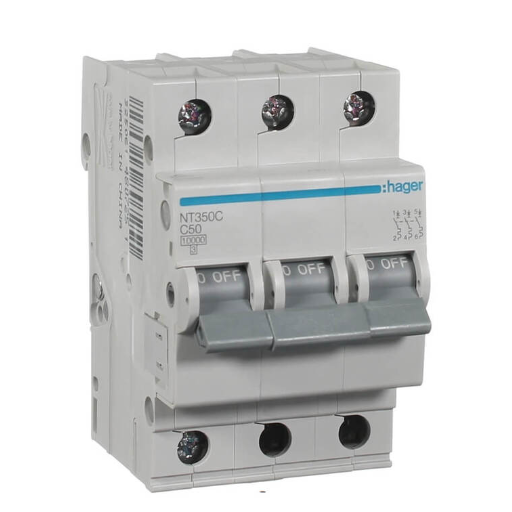
For wiring installation, ensure that all connections are secure and wires are properly insulated to prevent accidental contact or short circuits. Use approved conduit or cable clamps to secure the wires in place, preventing physical damage. According to the local building code and NEC, verify the selection of placement, spacing, and grounding. Before installing anything, shut off the circuit breaker and then use a voltage tester to confirm that no current is flowing through. For complex installations, hire a licensed electrician for safe and reliable work.
Wire Run Length and Its Effects
The actual performance and safety of any electrical circuit hugely depend on the length of the wire run. Increased resistance may be created by running the wires longer, which causes a voltage drop. Voltage drop is said to be in effect when there is a measurable decrease in voltage along the path of conducting electricity through the wire, and, at that level, the voltage is insufficient for any appliances or equipment connected thereto. According to the standards, any voltage drop exceeding 3% for branch circuits is considered inefficient and should be avoided for optimal system performance.
| Circuit Type | Wire Length | Original Wire Size | Recommended Upgrade | Voltage Drop Impact |
|---|---|---|---|---|
| 120V Circuit | 50 feet | 12 AWG | No change needed | Negligible |
| 120V Circuit | 200 feet | 12 AWG | 10 AWG or 8 AWG | Significant without upgrade |
| 50A Circuit | 100+ feet | 6 AWG Copper | 4 AWG Copper | Critical factor |
Wire gauge is one of those factors considered in voltage drop. Thinner wires (with higher gauge numbers) resist current flow and therefore suffer voltage drop over long distances. It is regarded as a good practice to erect a thicker wire for long runs. For instance, a 120-volt circuit running 12 AWG wire for 50 feet will experience negligible voltage drop, as far as residential loads are concerned; however, the same load running for 200 feet will most likely require wire upgrades to 10 AWG or even 8 AWG sizes to maintain performance and safety.
High Current Considerations: In large currents, the voltage drop increases, so it is advisable to consider current loading and the total cable length during planning. Voltage drop calculators are thus helpful in predicting losses and selecting the appropriate wire size. Wire sizing according to these procedures ensures safe and efficient systems, which are less susceptible to overheating or damage to the connected equipment. When considering these issues, always ensure that the installation is both energy efficient and code compliant.
Choosing the Right Wire for Different Environments
Several factors influence the selection of wire for various environments. First, I focus on the climate itself-whether it is indoor, outdoor, or one exposed to different extreme conditions such as moisture, heat, or chemicals. For instances where the exposure includes water, I ensure that the wires have insulation of the appropriate type, those with THWN or UF cable ratings, to resist water damage. In cases where high temperatures are involved, I opt for those rated for high heat, ensuring the wire lasts longer. I would also consider the copper or aluminum wire body, taking into account conductivity and cost considerations. Matching the wire with the environmental needs ensures a safe and durable installation, which is environmentally conditioned.
| Environment | Recommended Wire Type | Key Features | Special Considerations |
|---|---|---|---|
| Indoor Dry Locations | THHN | Heat resistant, versatile | Standard residential use |
| Outdoor/Wet Areas | THWN | Water resistant | Kitchens, bathrooms, exterior |
| Direct Burial | UF-B | Underground rated | Detached garages, outbuildings |
| High Temperature | THHN/THWN-2 | Enhanced heat resistance | Near furnaces, hot environments |
Best Practices for Installing a 50-Amp Circuit Breaker
Install a 50-amp breaker with care for safety and standard procedures:
Installation Process
- 1Know Your Electrical Panel: First, determine if your panel can accommodate an additional 50-amp breaker. Check for extra slots to accommodate the breaker and confirm the amperage limit of the panel at the same time.
- 2Select Tools and Materials: Use the appropriate size wire for a 50-amp breaker. For copper, 6 AWG is standard; for aluminum, 4 AWG is common, depending on the requirements and the distance of the run. Choose the breaker, if possible, of the same brand as the panel, to ensure smooth performance.
- 3Turn Off the Power: The main power supply should be shut off before starting any work to prevent possible shock or injury. Safety gear must be worn throughout the entire supplication of all safety steps, including insulated gloves and goggles.
- 4Make the Wire Connections: Strip the wires carefully to ensure they are secure. Hot wires connect to the breaker terminal screws, the neutral wire to the neutral bus bar, and the ground wire to the grounding bar in the panel.
- 5Install the Breaker: Snap the breaker into the panel at the empty slot, ensuring a firm and tight connection. Double-check all wiring before turning the power back on.
- 6Test the Setup: Once installed, turn the main power back on, and check the breaker with a voltage tester to ensure it’s working correctly. If any problems arise, address them immediately to ensure safe operation.
Professional Consultation: By following these steps and referencing local electrical codes, you can ensure a safe and efficient installation. For ambiguity, always consult a licensed electrician.
Key Safety Guidelines and Final Recommendations
Essential Safety Checklist
- ✅ Always use 6 AWG copper or 4 AWG aluminum wire minimum
- ✅ Calculate voltage drop for runs over 100 feet
- ✅ Ensure proper grounding and bonding
- ✅ Use appropriate wire insulation for environment
- ✅ Install GFCI protection where required
- ✅ Obtain necessary permits before installation
- ✅ Have work inspected by qualified professionals
Conclusion
Expert Summary: Proper sizing and installation of 50-amp circuits requires careful consideration of multiple factors including wire material, gauge, distance, environmental conditions, and local code requirements. Following NEC guidelines and consulting with licensed electricians ensures safe, efficient, and compliant installations that will serve reliably for years to come. Remember that electrical work carries inherent risks, and professional installation is always the safest choice for complex 50-amp circuit projects.
Disclaimer: This guide provides comprehensive information about 50-amp circuit wiring for educational purposes. Always consult with a licensed electrician and obtain proper permits before beginning any electrical work to ensure safety and code compliance.