







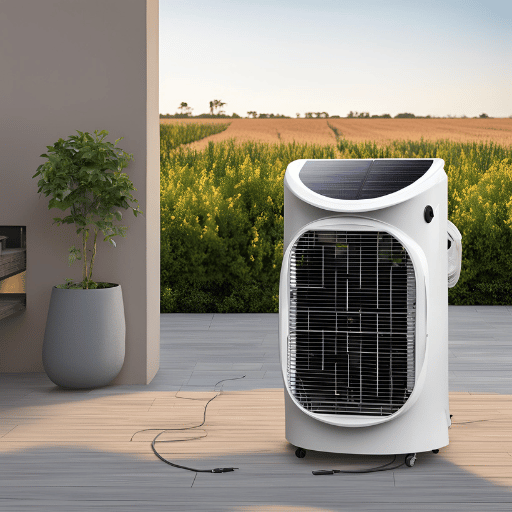
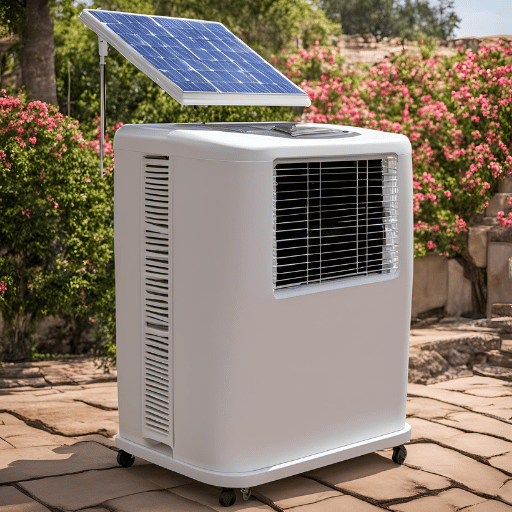
En medio de un mundo que se alimenta progresivamente de soluciones de energía sostenible y renovable, el enfriador evaporativo de pantano Solar Chill DC representa un logro sin precedentes en términos de creatividad y practicidad. Esta pieza pretende realizar un examen detallado de este sistema de refrigeración de última generación diseñado únicamente para uso fuera de la red. El enfriador solar de CC Solar Chill depende de la energía solar para proporcionar aire acondicionado eficiente y ecológico en lugar de los sistemas convencionales. Ya sea que se esté preparando para actividades al aire libre, residiendo en un sitio remoto o simplemente optando por soluciones de enfriamiento respetuosas con el medio ambiente, esta publicación analizará las especificaciones técnicas, las ventajas operativas y las instrucciones de instalación del enfriador evaporativo de CC Solar Chill. Profundicemos en cómo esta tecnología puede revolucionar sus necesidades de refrigeración con un impacto ambiental mínimo, como a través de los sistemas de refrigeración zendo.
¿qué es un enfriador evaporativo solar?
¿cómo funcionan los refrigeradores evaporativos?
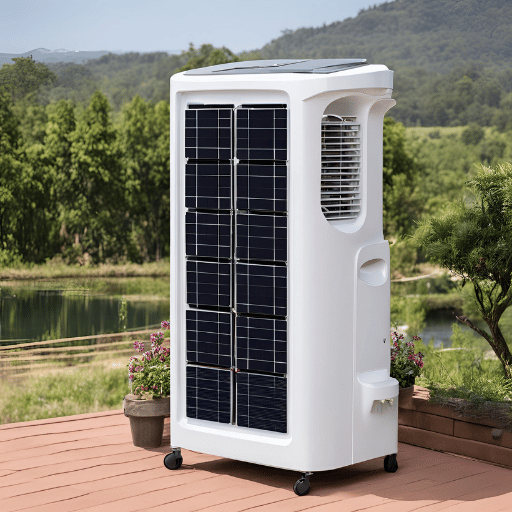
Un enfriador evaporativo, también conocido como enfriador de pantano, funciona según el principio de enfriamiento evaporativo. Toma aire caliente del entorno y lo pasa sobre almohadillas empapadas de agua, como lo hacen muchas unidades de enfriamiento evaporativo alimentadas por energía solar. El agua absorbe el calor del aire a medida que se evapora al pasar a través de estas almohadillas, lo que conduce a una disminución de la temperatura del aire. Luego, este aire frío y humedecido circula por todo el espacio, proporcionando así un enfriamiento natural y eficiente con un enfriador zendo. Este método utiliza leyes termodinámicas, especialmente el calor latente de vaporización, para enfriar sin ciclos de refrigeración tradicionales.
¿qué hace que un refrigerador “impulsado por energía solar”?
Se hace referencia a un refrigerador como ”alimentado por energía solar” cuando aprovecha la energía solar utilizando paneles solares que convierten esta energía en electricidad responsable del funcionamiento de sus partes. En lugar de depender de redes eléctricas o generadores de combustible, renovables energía solar carga baterías, que luego suministran la energía eléctrica constante necesaria para el funcionamiento de dichos refrigeradores. Un acuerdo de este tipo reduce la dependencia de los combustibles fósiles y enfría la huella de carbono, especialmente si los CC funcionan con un sistema solar.
Ventajas sobre los AC tradicionales
Los refrigeradores evaporativos alimentados por energía solar ofrecen una serie de beneficios en comparación con los acondicionadores de aire tradicionales. En primer lugar, son mucho más eficientes energéticamente ya que emplean procesos naturales junto con energía solar, reduciendo así el consumo de electricidad, lo que a su vez también reduce los costos de operación. Además, no se utilizan refrigerantes químicos en este tipo de refrigeradores, lo que los hace respetuosos con el medio ambiente. Además, siguen circulando aire fresco enfriado constantemente, contribuyendo a una mejor calidad interior, eliminando así la necesidad de espacios herméticamente cerrados diseñados en torno al concepto hermético. Por último, los requisitos de instalación y mantenimiento suelen ser fáciles y más baratos para los refrigeradores evaporativos que los sistemas de CA convencionales.
¿Cómo establecer un enfriador evaporativo que funcione con energía solar?
Elegir el panel solar adecuado
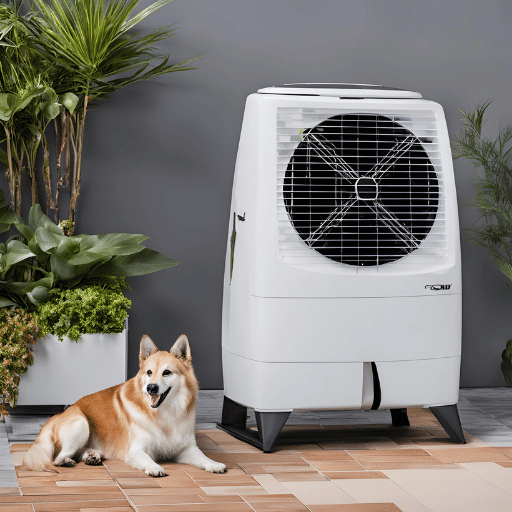
Se deben considerar varias cosas al seleccionar una apropiada panel solar:
Salida de energía: asegúrese de que la potencia del panel solar coincida con las necesidades energéticas de su refrigerador.
- Eficiencia: Seleccione paneles de alta eficiencia para una máxima conversión de energía en espacios con cobertura de área limitada.
- Tamaño y peso: Compruebe si las dimensiones y el peso son adecuados para el lugar donde desea instalar.
- Durabilidad: Opte por aquellos fabricados con materiales resistentes que puedan soportar condiciones climáticas adversas durante largos períodos si se usan al aire libre de forma continua.
- Compatibilidad: Asegúrese de que funcione con la batería y el sistema de gestión de energía del refrigerador.
Conexión de la bomba y la batería
- Encuentra conexiones «los puertos de entrada de energía deben estar tanto en las baterías como en las bombas, así que ubíquelos.
- Tensión coincidente -asegúrate de que lo que emite una batería corresponda a lo especificado por una bomba para su nivel de voltaje de entrada.
- Utilice cables adecuados Los cables de calibre ñona utilizados entre bombas y baterías deben tener capacidad suficiente para manejar el flujo de corriente debido a este tipo de conexión (carga de energía).
- Conexiones seguras están bien ajustados para que los cabos sueltos no creen cortocircuitos, especialmente cuando se utilizan dispositivos que funcionan con baterías.
El sistema de prueba ejecuta pruebas que verifican si la configuración se ha realizado correctamente garantizando que las bombas funcionen como se espera y de manera eficiente.
Enfriadores de aire que funcionan con energía solar: preguntas comunes respondidas
¿Qué tipo de mantenimiento necesita?
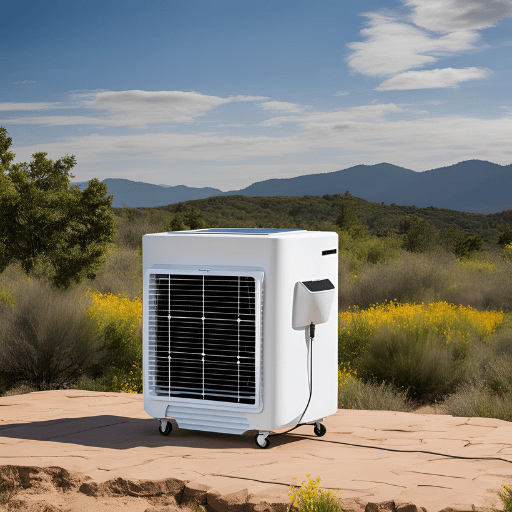
A continuación se muestran algunos trabajos de mantenimiento habituales que se deben realizar con enfriadores de aire que funcionan con energía solar:
- Limpiare regulată: La acumulación de polvo y minerales se puede evitar limpiando los paneles solares, las almohadillas del refrigerador y el depósito de agua.
- Chequeo: Se deben inspeccionar ventiladores, bombas, conexiones eléctricas o cualquier pieza si hay signos de daño o desgaste con regularidad.
- La calidad del agua juega un papel fundamental en la eficiencia de los enfriadores evaporativos solares.: Utilice agua limpia en el depósito para evitar obstruir la bomba y las almohadillas con minerales y desechos.
- Verificarea bateriei: Realice un seguimiento de los niveles de carga y de la funcionalidad; reemplácelos cuando sea necesario para un funcionamiento constante.
- Ajuste del ángulo del panel: A lo largo del año, ajústelos ocasionalmente para que queden expuestos al máximo a la luz solar durante todo el año.
¿Cuánta energía solar necesito?
La cantidad que necesitará dependerá de cuántos vatios por hora consuma su dispositivo en particular (los sistemas de televisión por vía intravenosa pueden ayudar). Debe calcular este valor averiguando cuál es su potencia nominal -generalmente dada en las especificaciones del producto -an- y luego multiplicándola por 24 horas; por mucha potencia que produzca cada panel diariamente debe ser mayor o igual a ese número. Por ejemplo, digamos que nuestra máquina seleccionada utiliza cien vatios durante el uso normal. Nuestra área total de recolección tiene que generar al menos ciento veinte vatios debido a ineficiencias dentro del sistema que coinciden con el proceso con los niveles reales de consumo de energía. ¡Es por eso que siempre recomendamos agregar una capacidad adicional de 20-30%, en caso de que las cosas se queden cortas en algún momento del camino!
¿Puede funcionar cuando el sol no brilla?
Sí, pero no de manera eficiente porque funcionarían a niveles de eficiencia reducidos dependiendo de los sistemas de almacenamiento de baterías que entran en vigor cuando no hay suficiente luz solar. El rendimiento durante esos momentos depende de qué tan bien diseñadas estuvieron las copias de seguridad de sus baterías junto con la capacidad de poca luz de este tipo de módulos fotovoltaicos utilizados durante la fabricación de esos dispositivos.
¿funcionan los refrigeradores solares evaporativos en todos los climas?
Efectividad a diferentes niveles de humedad
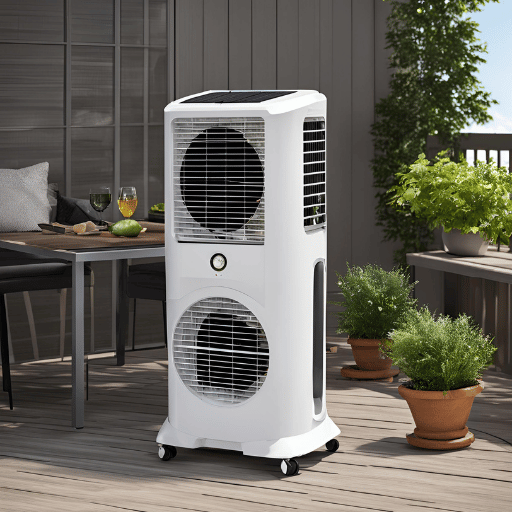
Los enfriadores evaporativos que funcionan con energía solar pueden funcionar con sistemas de 12 voltios y son muy eficaces en climas secos o regiones donde el aire es árido y la humedad es relativamente baja. En tales situaciones, la evaporación se produce más rápidamente de lo habitual, lo que provoca una reducción considerable de la temperatura que constituye la base a partir de la cual funcionan este tipo de sistemas de refrigeración. Alternativamente, si se usan en lugares con alto contenido de humedad dentro de la atmósfera, los acondicionadores de aire que funcionan con energía solar se vuelven menos eficientes porque se evita un enfriamiento adicional debido a la incapacidad de dicho aire para retener más humedad, lo que los hace ineficaces a temperaturas decrecientes. Lo mejor sería que estos refrigeradores estuvieran situados donde la humedad relativa promedio no exceda 60%.
Condiciones de uso ideales
Para un rendimiento óptimo, se recomienda colocar enfriadores evaporativos alimentados por energía solar en un ambiente que tenga una humedad relativa inferior a 60%. Este tipo funciona mejor en condiciones climáticas cálidas y secas. Debe haber abundante luz solar disponible mientras se colocan los paneles solares correctamente combinados con suficiente capacidad de almacenamiento de batería para funcionar durante períodos caracterizados por luz limitada.
Comparación entre las actuaciones de los refrigeradores de pantano tradicionales
Cuando se operan en áreas de baja humedad que también son secas, los enfriadores evaporativos que funcionan con energía solar funcionan de manera similar a los enfriadores de pantano tradicionales en términos de qué tan bien pueden proporcionar un efecto de enfriamiento. Sin embargo, existe una diferencia importante entre ellos, es decir, la fuente de energía; esto hace que los modelos alimentados por energía solar sean más sostenibles además de ahorrar en las facturas de electricidad, mientras que sus homólogos dependen de la red eléctrica suministrada por las empresas de servicios públicos. En los días nublados, cuando la luz solar es escasa, el rendimiento puede variar entre varias marcas bajo unidades alimentadas por energía solar debido a la dependencia de la luz solar en comparación con las máquinas convencionales, que permanecen constantes ya que hay un suministro estable de electricidad.
Eficiencia Energética y Beneficios Ambientales
Ventajas del bajo consumo energético
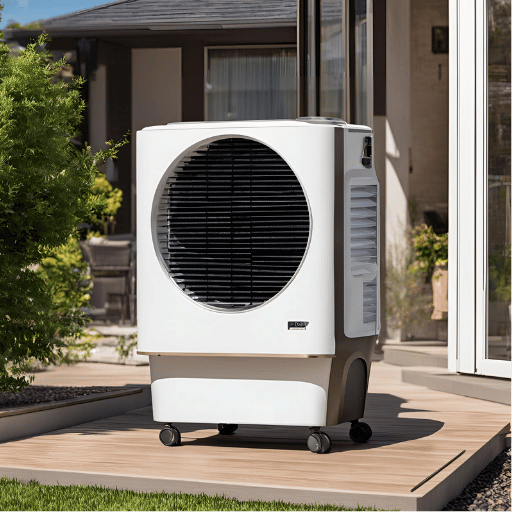
Los aires acondicionados tradicionales consumen demasiada electricidad, lo que no ocurre con los refrigeradores evaporativos que funcionan con energía solar. Esto se debe a que lo único que necesitan para sus ventiladores y bombas de agua es una pequeña cantidad de energía que pueda ser suministrada eficazmente por paneles solares. Esto conlleva una reducción significativa de las facturas de energía así como una menor presión en la red. Además, cuando consumes menos energía, significa que tu huella de carbono se reduce, contribuyendo así a la sostenibilidad ambiental.
Cómo reducir tu huella de carbono
Reducir directamente las emisiones es una de las cosas que se logran mediante la utilización de refrigeradores evaporativos que funcionan con energía solar. Estos sistemas hacen esto utilizando la energía del sol, reduciendo así la dependencia de fuentes de generación de energía no renovables, de modo que también se reducen los gases de efecto invernadero liberados a la atmósfera. Además, siguen manteniendo la sostenibilidad, ya que se requiere poca energía para tal fin, lo que reduce aún más los niveles de consumo general. En otras palabras, por lo tanto, cambiar a soluciones de refrigeración que funcionen con energía solar mejorará la eficiencia energética y al mismo tiempo respaldará los objetivos de conservación.
La forma en que ahorra en facturas de energía
Para entender cómo estos dispositivos reducen costos, tomemos un ejemplo: los ventiladores y las bombas de agua se encuentran entre las partes principales de los sistemas de refrigeración por evaporación impulsados por electricidad, ¡pero en este caso, la luz solar gratuita sirve como fuente! Debido a esto, se tomarán muchos menos vatios de las empresas de servicios públicos locales en comparación con los aire acondicionado tradicionales, lo que conducirá a menores gastos mensuales de servicios públicos y menores cantidades de uso general. Además, los recursos renovables contribuyen en gran medida a garantizar una refrigeración sostenible y asequible sin depender completamente de los combustibles fósiles.
Características y variaciones favoritas en enfriadores solares
Funciona con baterías versus energía solar directa
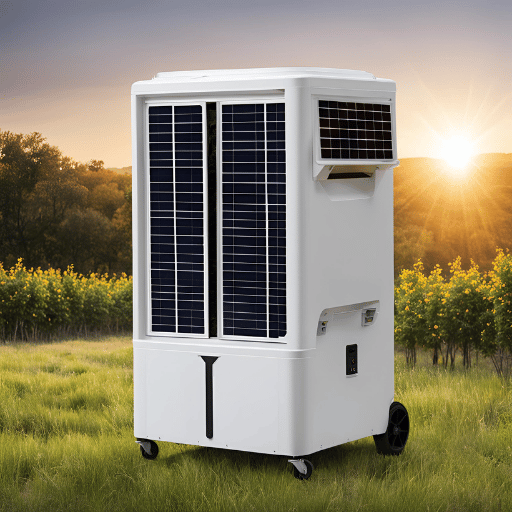
Alimentado por baterías: Los enfriadores solares que funcionan con baterías almacenan energía solar en baterías para que pueda usarse cuando no hay luz solar para garantizar un enfriamiento continuo. Esta opción brinda más flexibilidad y confiabilidad, pero requiere una mayor inversión inicial debido al costo de comprar baterías.
Solar directa: Las unidades de enfriamiento solar directo dependen completamente de la luz solar para su funcionamiento; a veces se les llama aires acondicionados alimentados por energía solar. Estas unidades son más baratas al principio y necesitan menos mantenimiento, pero su eficiencia está determinada por la cantidad de luz solar disponible, que puede variar.
Controles y configuraciones mejorados
Los enfriadores solares con controladores avanzados permiten a los usuarios regular con precisión la temperatura, la humedad y la velocidad del ventilador, lo que ayuda a mantener niveles deseables de comodidad. Con frecuencia, tienen configuraciones programables y capacidades de control remoto. Además, estos dispositivos también pueden ahorrar energía ajustando el funcionamiento del sistema en función de la situación ambiental actual, lo que los convierte en refrigeradores multifuncionales y rentables en general.
Tamaños de tanques de agua y opciones de válvulas
En los enfriadores solares se encuentran comúnmente diferentes capacidades para tanques de agua para satisfacer diversas necesidades de enfriamiento durante diferentes duraciones. Por ejemplo, los tanques más grandes funcionarían mejor durante períodos de uso más largos, mientras que los más pequeños sirven mejor en espacios reducidos o tiempos operativos más cortos, como los enfriadores evaporativos de pantano de CC. Además, existen dos tipos de válvulas; Las válvulas manuales permiten un fácil control del flujo de agua pero necesitan intervención humana, mientras que las automáticas ajustan este flujo de acuerdo con los requisitos del sistema y las condiciones ambientales, mejorando así la eficiencia de operación además de la comodidad para los usuarios.
Fuentes de referencia
Preguntas frecuentes (FAQ)
R: Un enfriador evaporativo de pantano Solar Chill DC es un sistema de enfriamiento alimentado por energía solar que no requiere energía de la red y utiliza enfriamiento por aire evaporado para reducir las temperaturas interiores. Esta máquina depende de la luz solar para su funcionamiento y funciona con 12v CC, lo que proporciona medios de ahorro de energía respetuosos con el medio ambiente para enfriar su área.
P: ¿En qué se diferencia el aire acondicionado con energía solar del aire acondicionado tradicional?
R: Las fuentes de electricidad tradicionales ya no son necesarias cuando se utiliza un enfriador evaporativo de pantano de CC con refrigeración solar generado por el sol porque funciona obteniendo su suministro de energía del sol. La eficiencia energética es una característica que distingue a este tipo de refrigerador de otros; En lugar de comprimir el gas refrigerante en forma líquida como se hace en las unidades de CA habituales, aquí se lleva a cabo el proceso de evaporación, que enfría el aire, haciéndolo más eficiente energéticamente y respetuoso con el medio ambiente en general.
P: ¿Es fácil instalar el enfriador evaporativo de pantano Solar Chill DC?
R: Sí, la instalación se ha simplificado cuando se trata de este producto; El enfriador evaporativo de pantano Solar Chill DC se ha diseñado teniendo en cuenta la facilidad de instalación. Se proporcionan instrucciones de configuración sencillas junto con todos los componentes necesarios para hacerlo usted mismo fácilmente sin necesidad de ayuda profesional ni conocimientos técnicos.
P: ¿Puedo usar el enfriador evaporativo de pantano Solar Chill DC en mi vehículo recreativo?
R: Sí, puedes usarlo en tu casa rodante. El aparato funciona con 12 V y puede funcionar con batería, lo que lo hace adecuado para refrigeración en entornos móviles donde no hay acceso a energía eléctrica, como cuando se acampa fuera de la red.
P: ¿Cuánto aire mueve el enfriador evaporativo de pantano Solar Chill DC?
R: El caudal de aire de 2500 pies cúbicos por minuto (cfm) incorporado en el diseño garantiza una acción de enfriamiento rápida y eficiente en amplias áreas cubiertas por esta poderosa unidad llamada enfriador evaporativo de pantano Solar Chill DC para que no tenga que preocuparse por los puntos calientes nuevamente.
P: ¿Funcionará el enfriador evaporativo de pantano Solar Chill DC en un invernadero?
R: Sí, se recomienda utilizar el enfriador evaporativo de pantano Solar Chill DC para enfriar invernaderos. Utiliza energía del sol y puede enfriar el aire de manera efectiva para mantener la mejor temperatura para que las plantas prosperen.
P: ¿Cómo maneja este refrigerador diferentes condiciones del aire ambiente?
R: Este enfriador logra su objetivo al absorber aire exterior a través de alimentación por gravedad y un método diseñado para enfriar el aire en diversas condiciones. Por lo tanto, se enfría de manera constante incluso con cambios de temperatura impredecibles.
P: ¿Cuáles son algunas de las ventajas de utilizar un enfriador de aire solar?
R: Hay muchos beneficios derivados del empleo de un enfriador de aire solar como el enfriador evaporativo de pantano Solar Chill DC, que comprende bajos costos de energía, funcionamiento ecológico y disponibilidad de refrigeración fuera de la red. Además, proporciona una refrigeración potente debido a su alto flujo de aire cfm junto con una excelente eficiencia de refrigeración.
P: ¿Dónde puedo dejar comentarios sobre mi experiencia con el enfriador evaporativo de pantano Solar Chill DC?
R: Puede escribir su reseña sobre este producto en el sitio web del vendedor o en cualquier otra plataforma donde lo venda. Al hacerlo, permitirá que otros sepan más sobre este tipo de sistema de refrigeración alimentado por energía solar.