


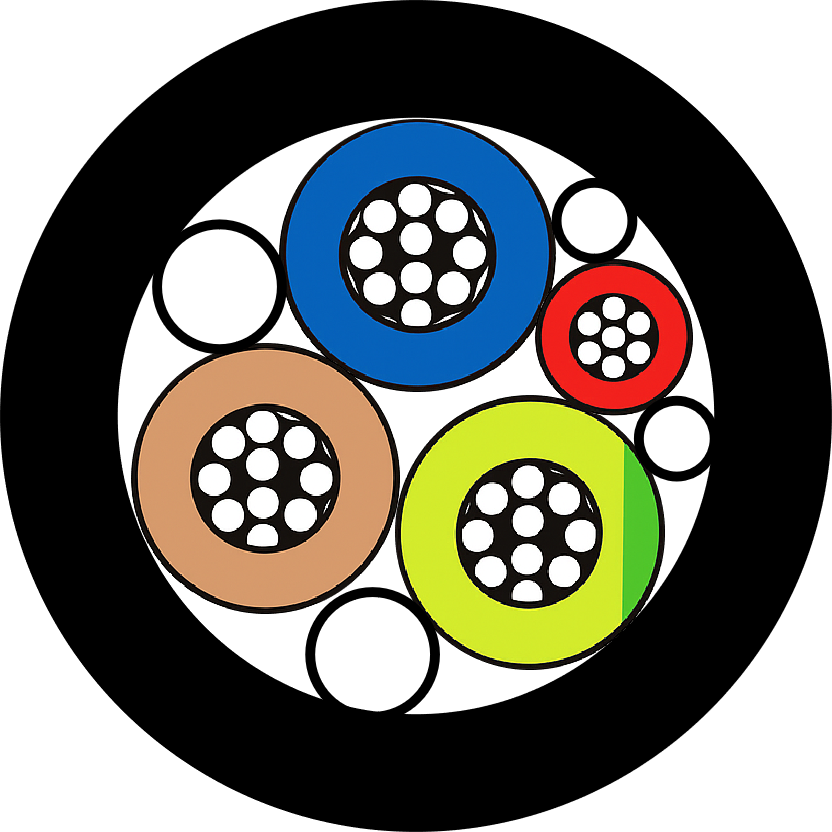





Per garantire un'installazione elettrica sicura ed efficiente, è necessario avere conoscenze sulle dimensioni degli indicatori e sulla loro corrispondente ampiezza Questo articolo parlerà del filo di calibro 10, che è valutato a 30 ampere, discutendone le caratteristiche, le applicazioni e le considerazioni importanti Esaminando in cosa consiste, i tipi di isolamento utilizzati su di esso e dove può essere applicato in ambienti domestici o aziendali, tra le altre cose, questo articolo mira a fornire ai lettori una comprensione approfondita di come possono scegliere e utilizzare al meglio trenta fili di calibro 10 per diversi progetti elettrici. Che tu sia un elettricista esperto o semplicemente qualcuno che ama fare le cose da solo (DIY), l'intenzione dietro la stesura di questo manuale è quella di fornirti le informazioni necessarie che ti consentiranno di esprimere giudizi consapevoli riguardo alle tue esigenze di cablaggio elettrico.
Che cosa è 10 Gauge 30 Amp Wire?
Comprensione del filo calibro 10
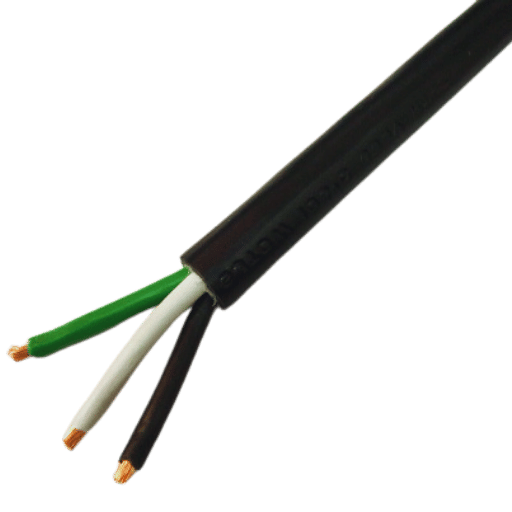
Un filo elettrico comunemente usato in molte applicazioni è chiamato filo di calibro 10. prende il nome dal suo diametro, che misura circa 2.588 mm (0.102 pollici) Questo tipo di cavo può trasportare correnti fino a 30 ampere secondo gli standard del Codice elettrico nazionale (NEC). L'ampacità dipende dalle condizioni di isolamento e installazione, di solito consentendo 30 ampere con fili di rame e 25 ampere utilizzando quelli di alluminio Circuiti di diramazione che forniscono elettricità a carichi pesanti come condizionatori d'aria, scaldabagni o utensili elettrici richiedono questo tipo di dimensione del cavo poiché può supportarli bene sia nei cantieri residenziali che commerciali.
Il ruolo dei 30 Amp
Il filo da 30 ampere svolge un ruolo nel garantire che l'elettricità fluisca in modo sicuro ed efficiente nei circuiti che supportano macchinari ad alta richiesta Questa capacità impedisce il surriscaldamento del sistema e la sua rottura Per soddisfare le norme di sicurezza ed evitare incendi elettrici o distruzione delle apparecchiature, è necessario utilizzare fili di dimensioni adeguate come quelli che sono classificati per trenta ampere con un numero di calibro dieci Inoltre, questi tipi di circuiti sono comunemente utilizzati nei collegamenti di veicoli ricreativi (RV), apparecchi pesanti come frigoriferi o congelatori e condizionatori d'aria, tra le altre cose, che richiedono un'alimentazione stabile durante tutto il loro tempo di funzionamento; quindi, hanno bisogno costantemente di un ingresso di corrente di 30 ampere. Rispettare con indicatori e amperaggi corretti è importante non solo per l'efficienza operativa ma anche per pratiche di installazione sicure in tutte le opere elettriche.
Usi comuni del cavo da 30 Amp di calibro 10
Il filo da 30 ampere, che è di calibro 10, ha molti usi che richiedono molta potenza. Eccone alcuni comuni:
- Veicoli ricreativi (RV): Questo filo collega un sistema di camper all'energia elettrica o ai generatori a terra in modo che possano avere elettricità sicura ed efficiente.
- Elettrodomestici pesanti: Collega elementi come scaldacqua elettrici, condizionatori d'aria centralizzati ed essiccatori (55), tutte fonti di elettricità forti e affidabili.
- Utensili elettrici e attrezzature: Sia in ambienti residenziali che commerciali, viene utilizzato per strumenti più grandi che si trovano nei cantieri edili o nelle fabbriche dove sono presenti macchinari più grandi; ciò garantisce che tali macchine funzionino in modo ottimale senza sovraccaricarsi o danneggiarsi.
Come scegliere il giusto filo calibro 10 per circuiti da 30 Amp
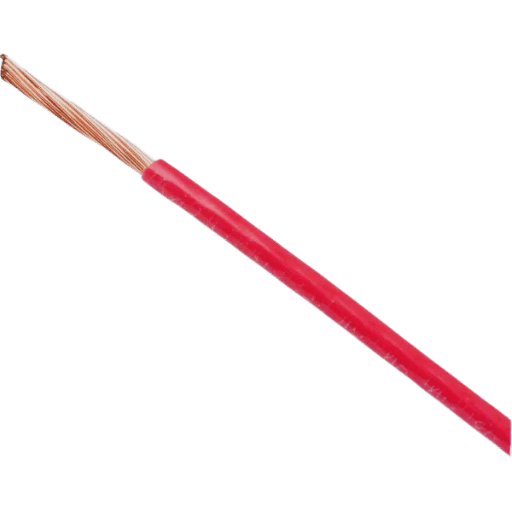
Fattori da considerare quando si selezionano 10 AWG
- Valutazione di amperaggio: Per evitare il surriscaldamento, assicurarsi che il filo sia classificato per trasportare almeno 30 ampere.
- Lunghezza del filo: La caduta di tensione su lunghe distanze può richiedere un aumento dello spessore utilizzando una dimensione del calibro maggiore.
- Tipo di isolamento: Selezionare l'isolamento adeguato per il filo in base a dove verrà utilizzato (es. THHN per interni, UF sotterraneo).
- Temperatura ambiente: Tenere conto a quale temperatura sarà esposto il filo; all'aumentare del calore aumenta anche l'ampiezza del filo.
- Condizioni di installazione: Se si verifica un'esposizione all'umidità o un contatto chimico/abrasivo con il cablaggio, è necessario considerare di conseguenza diversi tipi di isolanti.
- Conformità normativa: Tutti i cablaggi devono seguire i relativi codici elettrici comunali riguardanti specifiche e modalità di installazione.
Confronto tra filo di rame e filo di alluminio
Al momento di decidere il filo per circuiti da 30 amp, bisogna scegliere tra rame e alluminio Il rame, che ha la migliore conduttività tra i metalli, ha anche una bassa resistenza e perde meno energia su distanze più brevi Inoltre, il rame è più forte meccanicamente e più resistente alla corrosione rispetto a qualsiasi altro metallo utilizzato negli impianti elettrici; questo lo rende adatto a molte applicazioni pur essendo costoso, Tuttavia, i fili di alluminio sono più leggeri delle loro controparti in rame pur costando meno; pertanto, potrebbero essere utili durante installazioni su larga scala o dove le risorse finanziarie sono limitate Il principale svantaggio del filo di alluminio è la sua tendenza ad ossidarsi facilmente, causando così un calore ad alta resistenza se non ben terminato utilizzando connettori appropriati In conclusione, se i fili di rame o alluminio debbano essere considerati dipende principalmente da quali requisiti conduttivi sono necessari per un particolare progetto, nonché dall'efficienza dei costi e dagli aspetti ambientali.
Comprensione delle valutazioni di tensione e amperaggio
Conoscere tensione e amperaggio quando si lavora con circuiti elettrici è importante per assicurarsi che funzionino in modo sicuro ed efficiente La tensione (V) è la misura della differenza di potenziale elettrico tra due punti in un circuito; definisce quanta energia è disponibile per carica per spingere una corrente elettrica attraverso un circuito Ciò significa che tensioni più elevate possono consentire dispositivi che richiedono più potenza per funzionare, ma ciò richiede anche un buon isolamento e altre precauzioni di sicurezza.
L'amperaggio (A), o corrente, si riferisce alla quantità di carica elettrica che scorre attraverso un circuito nel tempo e può essere utilizzata nel dimensionamento dei fili La Legge di Ohm descrive la relazione tra volt e ampere come espressa da V = I × R dove R sta per resistenza La mancata valutazione di questi valori può comportare la selezione di indicatori di filo errati oltre a portare a un cablaggio che non può affrontare la corrente prevista senza bruciare o innescare incendi Tieni presente, tuttavia, sempre fare riferimento a norme e regolamenti locali basati su scenari di casi d'uso specifici poiché questi potrebbero avere enormi impatti su come i sistemi funzioneranno efficacemente mantenendo le persone al sicuro dai danni dovuti all'uso improprio dell'elettricità.
Linee guida per l'installazione per filo calibro 10 da 30 Amp
Precauzioni e standard di sicurezza
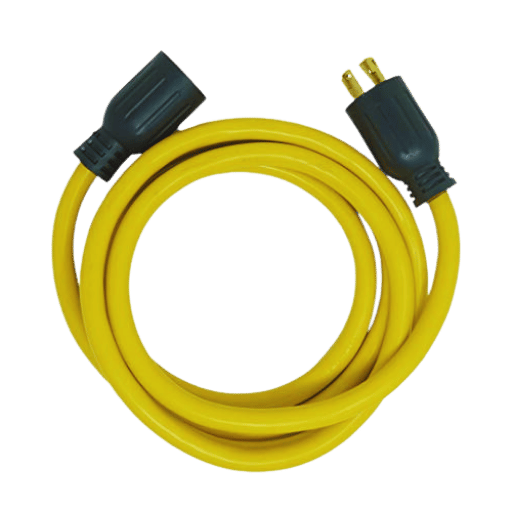
Quando si inserisce un filo calibro 10 da 30 ampere, è necessario seguire gli standard di sicurezza Assicurarsi sempre che gli interruttori automatici e i fusibili possano proteggersi da troppa corrente Utilizzare strumenti isolati e indossare dispositivi di protezione individuale (DPI) per proteggersi dalle scosse elettriche L'installazione dovrebbe essere conforme al Codice elettrico nazionale (NEC) e a qualsiasi altra normativa locale pertinente, il che significa mettere a terra correttamente e non sovraccaricare i circuiti Controllare che tutti i collegamenti siano stretti e puliti in modo che non si corrodano o si deteriorino in termini di qualità delle prestazioni Effettuare ispezioni regolari per segni di usura o altri problemi che potrebbero svilupparsi nel tempo; questo manterrà le cose al sicuro mantenendo anche loro ben funzionanti.
Processo di installazione passo passo
- Raccogliere Materiali e strumenti Necessari: Assicurati di essere dotato di tutti gli strumenti necessari come spelafili, un coltello multiuso, cacciaviti e un multimetro Ottieni filo calibro 10 da 30 ampere, interruttori automatici appropriati e tutti i connettori necessari.
- Spegnimento: Se devi lavorare su un progetto elettrico, spegni sempre prima l'interruttore di alimentazione principale per evitare scosse elettriche.
- Misurare le lunghezze del filo e tagliare: Misurare la distanza tra entrambe le estremità dei punti di connessione e tagliare il filo di calibro 10 di conseguenza consentendo un certo eccesso per accogliere le connessioni in un punto.
- Terminazioni dei fili della striscia: Utilizzando questo metodo, rimuovere con attenzione l'isolamento dalle estremità dei fili utilizzando uno stripper, esponendo abbastanza rame per i terminali.
- Collegare all'interruttore: Collegare un'estremità del filo all'interruttore appropriato assicurandosi che sia saldamente fissato in modo che in futuro non si verifichino archi o surriscaldamenti.
- Installare Grounding: Nel caso in cui sia applicabile collegare il filo di terra sul terminale di messa a terra dell'interruttore o sul luogo di messa a terra adatto a tale scopo in modo da migliorare le precauzioni di sicurezza.
- Filo di posa: Lungo un percorso specifico, far passare un cavo, che dovrebbe essere supportato da fascette o morsetti a seconda delle normative locali evitando spigoli vivi o contatti con fonti di calore.
- Attaccare Carico: Infine, all'altra estremità, il filo dovrebbe essere collegato al carico (apparecchio, presa ecc.) secondo le specifiche del produttore, assicurandosi che tutte le connessioni siano sicure ed esatte.
- Esaminare le connessioni: Guardare su tutte le connessioni sono buone Non c'è filo nudo, e tutto è adeguatamente isolato.
- Accendere nuovamente l'alimentatore: Restituisci l'elettricità riaccendendo l'interruttore principale Successivamente, prova l'installazione con un multitester per verificare se è stata ripristinata la giusta tensione per il corretto funzionamento del sistema.
- Check up finale: Effettuare un'ispezione finale annotando eventuali segni di usura visibili o potenziali pericoli per la sicurezza riscontrati durante l'installazione per riferimento futuro.
Strumenti e materiali necessari
Strumenti:
- Stripper per fili: Questi sono usati per rimuovere l'isolamento dalle estremità del filo.
- Cacciavite: Per mantenere i collegamenti a interruttori e carichi.
- Multimetro: Questo è usato per testare la tensione e controllare la sicurezza dell'installazione.
- Fascette o morsetti per cavi: Per fissare il filo lungo percorsi specificati.
- Pinze: Necessario per la presa e la piegatura dei fili secondo necessità.
Materiali:
- Filo calibro 10: Abbastanza a lungo da passare dall'interruttore automatico al carico.
- Interruttore automatico(Deve soddisfare la domanda di carico e l'amperaggio richiesto).
- Filo di messa a terraPer scopi di messa a terra.
- Nastro ElettricoCollegamenti usati per il fissaggio e l'isolamento.
- Connettori-Come dadi o morsettiere, per effettuare connessioni sicure.
Problemi comuni e suggerimenti per la risoluzione dei problemi
Problemi di Breaker Tripping
- Circuito sovraccarico di lavoro Non consentire il sovraccarico dell'interruttore Utilizzare circuiti diversi per vari apparecchi, se necessario.
- Corto Circuito 10.00 Rendere sicuro che i fili non sono stati utilizzati e che non vi è alcun contatto tra fili sotto tensione e quelli neutri. Tale contatto può causare uno sgancio istantaneo.
- Faglia Terrestre (Confermare) che non c'è terra Applicare il multimetro per testare la continuità a terra e fissare qualsiasi cablaggio esposto.
- Guasto dell'interruttore (EN) Se il demolitore inciampa anche quando non sembra nulla di sbagliato, potrebbe essere necessario cambiarlo perché potrebbe essere difettoso.
- Fattori Ambientali (Controllare se condizioni esterne come le temperature estreme possono influire sulle prestazioni di un interruttore.
Affrontare le cadute di tensione
Le cadute di tensione possono avere un effetto negativo sui circuiti elettrici come i lunghi cicli di filo Per affrontare questo problema in modo efficace:
- Selezione del calibro del filo: La scelta di un calibro di filo più spesso diminuirà la resistenza e impedirà la caduta di tensione A seconda del carico e della lunghezza della corsa, utilizzare un calibro 8 o un filo più grande per distanze più lunghe.
- Accorcia le lunghezze dei fili: Se possibile, ridurre la distanza tra la fonte di alimentazione e il carico I fili più corti hanno naturalmente una minore resistenza che porta a minori cadute di tensione.
- Controlla le connessioni: Assicurarsi che tutte le connessioni siano strette e pulite perché i contatti difettosi aumentano la resistenza che causa più problemi con le cadute di tensione.
- Distribuzione del carico: Distribuire i carichi elettrici su diversi circuiti in modo che nessun singolo circuito venga sovraccaricato, diminuendo così la caduta di tensione totale subita.
Questi passaggi preservano la continuità all'interno di un sistema elettrico portando a migliori prestazioni e sicurezza.
Identificazione e correzione di guasti elettrici
Per assicurarsi che sia la sicurezza che la precisione siano raggiunte, è necessario un approccio metodico quando si individuano guasti elettrici. I passaggi elencati di seguito devono essere seguiti per rilevare e correggere i guasti elettrici comuni:
- Sicurezza prima: Prima di iniziare qualsiasi lavoro di esame o riparazione, spegnere l'alimentazione elettrica dall'interruttore in modo da evitare di rimanere fulminati Utilizzare strumenti isolati e indossare adeguati dispositivi di protezione individuale (DPI).
- Guarda da vicino: Controllare tutti i sistemi di cablaggio; connettori; dispositivi come interruttori, prese ecc., per eventuali segni fisici di danni ad esempio, tagli sui materiali isolanti che coprono i fili causando cortocircuiti; giunti bruciati causati da un riscaldamento allentato sotto flusso di corrente intenso o da contatti scadenti tra terminali che portano a resistenza alle prestazioni nel tempo, tra gli altri.
- Utilizzare strumenti di prova: Effettuare misurazioni utilizzando strumenti come i multimetri in grado di misurare con precisione i valori di tensione, corrente e resistenza Queste letture consentono di capire quanto bene diverse parti di un circuito lavorano insieme, rivelando quindi dove ci sono guasti che influenzano il funzionamento complessivo.
- Osservare in condizioni di carico: Mettere in azione l'intero sistema applicando carichi durante i test eseguiti in modalità operativa normale. Ciò aiuta a rivelare guasti intermittenti riscontrati solo in condizioni di pieno carico ma non si manifesta se controllato al minimo.
- Rilevare sovraccarichi: Scopri se i conduttori o gli interruttori automatici sono stati fatti per trasportare più corrente di quella che possono gestire senza surriscaldamento che porta alla loro fine al guasto.
- Disposizione del circuito di revisione: Fare riferimento a schemi elettrici che illustrano l'interconnessione tra i vari componenti che compongono un dato sistema facilitando così l'identificazione delle aree che potrebbero avere problemi basati esclusivamente sulle caratteristiche di progettazione.
Quando si seguono questi passaggi procedurali, si è in grado di individuare e gestire efficacemente i guasti elettrici, mantenendo così i sistemi sicuri e funzionanti in modo efficiente. I controlli di manutenzione effettuati a intervalli regolari combinati con il monitoraggio continuo fungono da sistema di allarme rapido in cui è possibile identificare potenziali sfide prima che si trasformino in minacce maggiori, migliorando così l’affidabilità di intere installazioni.
Domande frequenti Informazioni sul cavo calibro 10 da 30 A
Posso utilizzare un cavo calibro 10 per un circuito da 20 A?
Infatti, è possibile utilizzare filo di calibro 10 per un circuito da 20 amp. Questo perché il filo è valutato fino a 30 ampere che fornisce una capacità più che sufficiente garantendo la sicurezza attraverso una diminuzione della caduta di tensione. Tuttavia, assicurarsi che l'interruttore corrisponda al suo utilizzo pianificato in modo che tutto rimanga entro i requisiti del codice.
Qual è la lunghezza massima per il cavo calibro 10 da 30 A?
Per le applicazioni standard, in genere, la lunghezza più lunga del filo consentita per il calibro 10 su un circuito da 30 amp è di circa cento piedi con una caduta di tensione non superiore a 3%. Tuttavia, questo numero può cambiare a seconda di determinati parametri di installazione e codici elettrici locali Se si sta correndo più lontano di quello, si consiglia di utilizzare cavi di grosso calibro in modo da evitare di perdere troppa potenza in transito, che farà funzionare il sistema in modo inefficiente Si dovrebbe sempre chiedere a un elettricista su che tipo di filo e quanto di esso è giusto per il vostro lavoro.
10 AWG è adatto sia per 120 V che per 240 V?
Infatti, un filo di calibro 10 è adatto per circuiti a 120 V e 240 V. Ciò è dovuto al fatto che la sua capacità in termini di diametro lo rende in grado di accogliere l'ampiezza per entrambi i tipi di tensione servendo così a scopi diversi in modo flessibile In relazione a un circuito a 120 volt, questo filo può trasportare fino a 30 ampere in modo sicuro, mentre con uno a 240 volt, può anche gestire fino a 30 ampere a condizione che ci sia una protezione adeguata, come un interruttore L'intero design dovrebbe seguire codici elettrici appropriati e misure di sicurezza per un funzionamento efficiente.
Dove acquistare filo calibro 10 da 30 Amp
Rivenditori popolari e negozi online
Il filo di rame che è calibro 10 e può gestire 30 ampere di corrente è disponibile presso negozi come Home Depot o online attraverso siti come Amazon. Ecco alcuni dei luoghi più popolari per acquistarlo:
Home Deposito (Home Depot) Hanno una vasta gamma di tipi di fili, compresi quelli utilizzati per scopi elettrici.
- Quello di Lowe 11 un altro negozio dove è possibile trovare tutti i tipi di cavi che funzionerebbero nelle case e in ambienti industriali più grandi.
- Amazzonia molti fornitori sono presenti su questa piattaforma significa che spesso vengono con recensioni di clienti precedenti che li hanno acquistati, aiutando a determinare la loro qualità prima di acquistare qualcosa da soli!
- Walmart (Hanno anche sedi fisiche in tutta l'America, ma operano tramite il loro sito web dove vengono vendute anche molte forniture elettriche, compresi i cavi.
- Elettronica Mouser À un buon posto per cercare cavi di qualità professionale perché forniscono specifiche tecniche per ognuno in modo da sapere cosa stai entrando prima di acquistare qualsiasi prodotto da qui.
- McMaster-Carr (EN) Questo sito offre vari prodotti relativi a schede tecniche che forniscono informazioni su di essi, il che aiuta a prendere una decisione informata quando ne si seleziona uno.
Confronto Prezzi e Qualità
Per confrontare i prezzi e la qualità per il filo da 30 amp calibro 10, considerare il costo per piede così come le proprietà di resistenza chimica e termica del filo I rivenditori possono addebitare quantità di denaro molto diverse per questo prodotto, a seconda della marca che è o della durata dell'isolamento; pertanto, tali cose dovrebbero essere prese in considerazione quando si effettuano confronti tra di loro I fili di qualità superiore potrebbero avere materiali isolanti migliori che sono più resistenti al calore o ad altri tipi di danni causati dall'ambiente ma avranno anche un prezzo più alto rispetto alle alternative a fine inferiore Un altro metodo utile comporterebbe la lettura attraverso le recensioni lasciate dai clienti che hanno utilizzato un certo tipo in varie applicazioni anche queste vi diranno qualcosa sulla sua qualità complessiva L'ultima raccomandazione è piuttosto autoesplicativa: l'acquisto in blocco consente di risparmiare denaro, quindi non dimenticare di provare varie quantità attenendosi alle regole di sicurezza e seguire i requisiti del progetto, che possono determinare quale importo specifico deve essere utilizzato per qualsiasi compito dato.
Cavo Bulk vs. Lunghezze pre-taglio
Quando si sceglie tra cavo sfuso e filo pretagliato calibro 10, alcuni punti chiave da considerare sono per cosa li si sta utilizzando, quanto sono convenienti e il loro rapporto costo-efficacia.
- Cavo sfuso: Questo metodo può funzionare bene quando si tratta di progetti su larga scala che richiedono filo di molte lunghezze diverse Non solo ti dà la possibilità di tagliarli da solo, ma di solito finisce per essere più economico per piede pure Luoghi come Home Depot o Lowe's offrirà cavi sfusi in bobine o bobine in modo da poter ottenere tutto ciò di cui hai bisogno tutto in una volta, in base a ciò che il tuo progetto richiede Previene anche i rifiuti che sono sia economicamente che ambientalmente efficienti.
- Lunghezze pretagliate: Al contrario, se il lavoro non richiede molto materiale o non si vuole affrontare il taglio di pezzi più lunghi, allora andare con i pre-tagli potrebbe essere la cosa migliore Questi sono semplici perché sono già pronti, il che elimina il dover togliere qualsiasi ulteriore allentamento dopo aver messo insieme le cose Nella maggior parte dei casi, posti come Amazon o Walmart stock queste opzioni, quindi chiunque cerchi qualcosa di veloce sarà in grado di trovarlo lì, anche se il prezzo per piede potrebbe essere più alto rispetto all'acquisto all'ingrosso.
In conclusione, dipende da ciò di cui il progetto ha bisogno per quanto riguarda la comodità e da quanti soldi sono disponibili per la spesa; le imprese più grandi trarranno vantaggio dall’acquistare di più, mentre quelle più piccole potrebbero averne bisogno solo di alcuni.
Fonti di riferimento
Domande frequenti (FAQ)
D: Cosa fa un filo da 30 ampere calibro 10?
A: Un filo da 30 amp calibro 10 è un filo elettrico che può trasportare fino a trenta ampere di corrente Viene spesso utilizzato nel cablaggio domestico per apparecchi come unità HVAC, generatori e altre apparecchiature che richiedono molta potenza Questo tipo di cavo è tipicamente costituito da dieci fili di rame awg in modo da garantire la migliore conduttività ed efficienza possibili.
Q: Posso usare un filo di calibro 10 su un interruttore da 30 amp?
R: Sì, è possibile utilizzare un filo di dieci gauge con un interruttore di trenta ampere È stato progettato per gestire correnti fino a trenta ampere ed è comunemente impiegato in ambienti residenziali dove questa grande corrente può essere necessaria.
Q: Che lunghezze sono disponibili per il filo da 30 amp calibro 10?
A: I cavi da 30 amp calibro 10 sono disponibili in diverse lunghezze, come dieci piedi, venticinque piedi, cinquanta piedi e cento piedi Queste diverse opzioni forniscono flessibilità durante l'installazione sia su brevi distanze che su lunghe distanze.
D: Il filo da dieci calibri e trenta ampere è adatto per i collegamenti del generatore?
R: Sì, i cavi da trenta ampere a dieci gauge vengono spesso utilizzati quando si collegano i generatori con quadri di distribuzione di energia o direttamente con gli apparecchi stessi L'utilizzo di un cavo di alimentazione valutato almeno per questo valore garantisce un trasferimento sicuro ed efficiente dell'elettricità riducendo le possibilità di surriscaldamento che potrebbe causare incendi.
D: Perché dovrei voler utilizzare un filo di rame da 10 awg invece del calibro 12 per un circuito che deve gestire 30 ampere?
A: Utilizzando conduttori di diametro maggiore come quelli realizzati da #10 AWG anziché #12 AWG, verrà abbassata meno tensione su di essi a causa della loro minore resistenza per piede, il che significa che più energia il dispositivo alimentato raggiunge particolarmente importante quando si ha a che fare con dispositivi ad alta corrente come condizionatori d'aria o forni elettrici, ecc.
D: Quanti conduttori si trovano in genere in un filo calibro 10 da 30 A?
A: Di solito, un filo standard di 10-gauge di 30 amp rating ha tre conduttori, tra cui due fili di trasporto e un filo di messa a terra Tuttavia, per alcune applicazioni, potrebbe richiedere quattro fili di configurazione che aggiunge un ulteriore neutro.
D: I cavi calibro 10 da 30 A sono elencati UL e resistenti alle intemperie?
A: La maggior parte dei cavi da 30 amp calibro 10 di Southwire o Americord sono elencati UL. Alcuni di essi possono anche essere progettati come resistenti alle intemperie, il che significa che possono resistere a condizioni esterne come l'utilizzo di un cavo di alimentazione per un generatore.
D: Posso utilizzare un filo calibro 10 per un circuito da 40 A?
R: No. L'uso del calibro consigliato non è consigliato quando si utilizza il valore nominale alla capacità massima del dispositivo piuttosto che il carico collegato nel caso in cui sia necessario installare in condizioni di temperatura specifiche Ciò causerà surriscaldamento e potenziale rischio di incendio Per il vostro interruttore di quaranta ampere basta procurarsi otto cavo calibro come sei a posto.
D: Quali sono i diversi tipi di fili calibro 10 30 amp disponibili?
A: I tubi NM-B (non metallici), rivestiti in metallo e Romex sono alcune varietà di cavi Ampère da trenta calibri. È importante scegliere il tipo giusto in base ai requisiti applicativi e alle condizioni per qualsiasi progetto intrapreso.
D: Come faccio a collegare un filo calibro 10 da 30 ampere a una presa NEMA?
A: Cavo della striscia una lunghezza appropriata dall'estremità per assicurare che il terminale di terra sia collegato saldamente con la presa NEMA Utilizzando questo modo, sarete in grado di rispettare i codici elettrici attaccando il cavo di terra al terminale di messa a terra, garantendo così la sicurezza.