






安全で効率的な電気設備を保証するためには、ゲージサイズとそれに対応するアンパシティに関する知識が必要です この記事では、30 アンペアで定格される10 ゲージワイヤについて、その機能、用途、重要な考慮事項で構成されているもの、使用されている絶縁の種類、家庭やビジネス環境で適用できる場所などを検討することで、この記事は、読者がさまざまな電気プロジェクトで10 ゲージ30 アンペアワイヤを選択して使用するのに最適な方法 (DIY) をラウンドに理解できるようにすることを目的としています。このマニュアルを作成する背後にある意図は、経験豊富な電気技師であっても、単に自分で物事を行うこと (DIY) を愛する人であっても、電気配線のニーズについて知識に基づいた判断を下せるようにするために必要な情報を提供することです。.
10 ゲージ30 アンペアワイヤーとは何ですか?
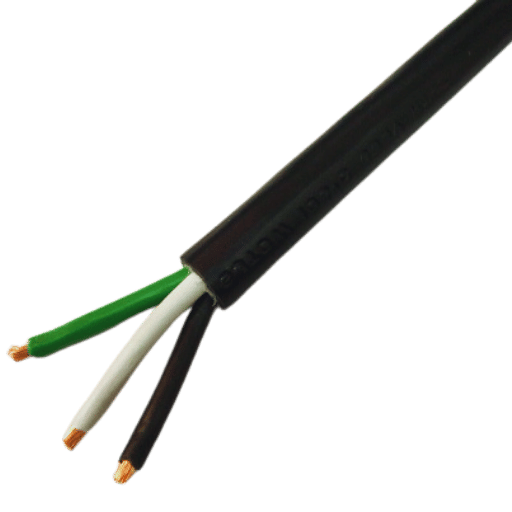
10 ゲージワイヤーを理解する
多くの用途で一般的に使用される電線は 10 ゲージ ワイヤと呼ばれます。直径が約 2.588 mm (0.102 インチ) であることにちなんで名付けられました。このタイプのケーブルは、国家電気基準 (NEC) 規格に従って最大 30 アンペアの電流を流すことができます。アンパシティは絶縁および設置条件によって異なり、通常は銅線で 30 アンペア、アルミニウム線で 25 アンペアが可能です。エアコン、給湯器、電動工具などの頑丈な負荷に電力を供給する分岐回路は、住宅用と商業用の両方の建設現場で適切にサポートできるため、この種のケーブル サイズが必要です。.
30 アンペアの役割
30 アンペア線は、高需要の機械をサポートする回路で電気が安全かつ効率的に流れることを保証する役割を果たします この容量は、システムの過熱とその故障を防ぎます 安全規制を満たし、電気火災や機器の破壊を避けるためには、ゲージ番号10で30 アンペア定格のもののような適切なサイズのワイヤを使用する必要があります さらに、これらのタイプの回路は、RV (RV) 接続、冷蔵庫や冷凍庫などの大型家電製品、エアコンなどで一般的に使用されており、動作時間全体を通じて安定した電源が必要です; したがって、常に30 アンペアの電流入力を必要とします正しいゲージとアンペア数に準拠することは、動作効率だけでなく、すべての電気工事における安全な設置慣行にとっても重要です。.
10 ゲージ30 アンペアワイヤーの一般的な使用法
10 ゲージである30 アンプワイヤーは、多くの電力を必要とする多くの用途があります。いくつかの一般的なものを次に示します:
- レクリエーション車両(rv): このワイヤーは RV システムを陸上電力または発電機に接続し、安全で効率的な電力を供給できるようにします。.
- 頑丈なアプライアンス: 電気給湯器、セントラルエアコン、乾燥機などの機器を接続しますが、これらはすべて強力で信頼性の高い電源を必要とします。.
- 電動工具および機器: 住宅でも商業環境でも同様に、建設現場やより大きな機械がある工場で見られるより大きな工具に使用されます。これにより、それらの機械が過負荷になったり損傷したりすることなく最適に動作することが保証されます。.
30 アンペア回路用の適切な 10 ゲージ ワイヤを選択する方法
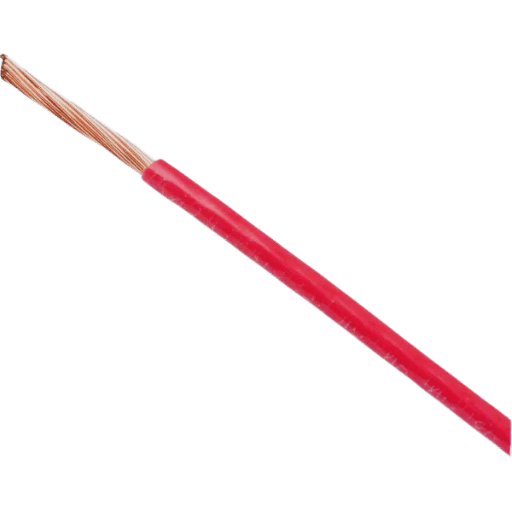
10 AWG を選択する際に考慮すべき要素
- アンペア数評価: 過熱を避けるために、ワイヤが少なくとも 30 アンペアを運ぶように等級付けされていることを確認してください。.
- ワイヤー長さ: 長距離にわたる電圧降下には、より大きなゲージ サイズを使用して厚さを増やす必要がある場合があります。.
- 絶縁タイプ: 使用場所に基づいてワイヤの適切な絶縁を選択します (例: 屋内の場合は THHN、地下の場合は UF)。.
- 周囲温度: ワイヤがどの温度にさらされるかを考慮してください。熱が増加すると、ワイヤの容量も増加します。.
- 設置条件: 配線に湿気や化学的/研磨的な接触が生じる場合は、それに応じてさまざまな種類の絶縁体を考慮する必要があります。.
- 規制遵守: すべての配線は、仕様および設置方法に関する関連する地方自治体の電気規格に従わなければなりません。.
銅線対アルミ線の比較
30 アンペア回路のワイヤーを決める際には、銅とアルミニウムのどちらかを選択しなければならない。 金属の中でも最も導電率の高い銅は、抵抗も低く、短距離でのエネルギー損失も少ない。 さらに、銅は機械的に強く、電気システムで使用される他の金属よりも腐食に強い。; これにより、高価であるにもかかわらず、多くの用途に適しているが、アルミニウム線は銅製の対応物よりも軽量でありながら、コストも低い。; したがって、大規模な設置中や財源が限られている場合に役立つ可能性がある。アルミニウム線の主な欠点は、酸化しやすい傾向があるため、適切なコネクタを使用して適切に終端しないと高抵抗熱が発生する可能性がある。結論として、銅線とアルミニウム線のどちらを検討すべきかは、主に特定のプロジェクトでどのような導電要件が必要か、またコスト効率と環境面によって決まる。.
電圧とアンペア数の評価を理解する
電気回路を扱う際に電圧とアンペア数を知ることは、それらが安全かつ効率的に動作することを確認するために重要です。 電圧 (V) は、回路内の2 点間の電位差の尺度です; これは、回路に電流を押し込むために充電ごとに利用可能なエネルギーの量を定義し、より高い電圧が可能になることを意味します より多くの電力を必要とするデバイス 動作するには、適切な断熱材やその他の安全上の注意も必要です。.
アンペア数 (A) 、つまり電流は、回路を流れる電荷の量を時間とともに指し、ワイヤのサイズ設定に使用できます。 オームの法則は、V = I × R で表されるボルトとアンプの関係を説明します。 R は抵抗を表します。これらの値を理解しないと、誤ったワイヤゲージが選択されるだけでなく、火災が燃え尽きたり火花が散ったりすることなく予想される電流に対処できない配線につながる可能性があります。ただし、これらは電気の誤用による危害から人々を安全に保ちながらシステムが効果的に動作する方法に大きな影響を与える可能性があるため、特定のユースケースシナリオに基づいた地域の規則や規制を常に参照してください。.
10 ゲージ30 アンペアワイヤーの設置ガイドライン
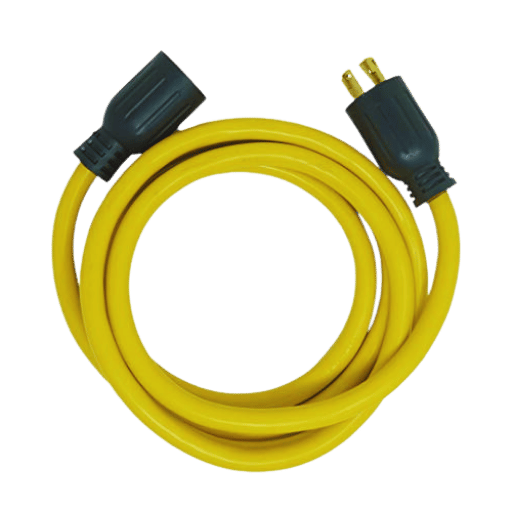
安全上の注意事項と基準
10 ゲージ30 アンプワイヤーを入れるときは、安全基準に従う必要があります サーキットブレーカーとヒューズが電流の多すぎを防ぐことができることを常に確認してください 絶縁ツールを使用し、感電から身を守るために個人用保護具 (PPE) を着用してください セットアップは、National Electrical Code (NEC) およびその他の関連する地域の規制に準拠する必要があります。つまり、適切に接地し、回路に過負荷をかけないことを意味します。すべての接続がきつくきれいで、腐食したり性能品質が低下したりしないように確認してください。摩耗の兆候や、時間の経過とともに発生する可能性のあるその他の問題がないか定期的に検査します。これにより、物事が安全に保たれ、同時に正常に動作し続けることができます。.
ステップバイステップのインストールプロセス
- 資料とツールを収集する 必須: ワイヤーストリッパー、ユーティリティナイフ、ドライバー、マルチメーターなど、必要なすべてのツールが装備されていることを確認してください。 10ゲージ30アンプワイヤー、適切な遮断器、必要なコネクタを入手してください。.
- パワーオフ: 電気プロジェクトに取り組む必要がある場合は、感電を避けるために必ず最初に主電源スイッチをオフにしてください。.
- ワイヤーの長さを測定し、切断します: 接続ポイントの両端間の距離を測定し、ポイントでの接続に対応するために余分な部分を考慮して 10 ゲージのワイヤを切断します。.
- ストリップワイヤーの終わり: この方法を使用して、ストリッパーを使用してワイヤの端から絶縁体を慎重に剥がし、端子に十分な銅を露出させます。.
- サーキットブレーカーに接続: ワイヤの一端を適切なブレーカーに接続し、将来的にアーク放電や過熱が発生しないようにしっかりと固定します。.
- 接地をインストールします: 安全上の注意を強化するために、ブレーカーの接地端子またはその点に適した接地場所に接地線を取り付けることが適用される場合。.
- 敷設ワイヤー: 指定された経路に沿ってケーブルを走行します。ケーブルは、鋭いエッジや熱源との接触を避けながら、地域の規制に応じてケーブルタイやクランプで支える必要があります。.
- 添付する 読み込む: 最後に、他の端では、すべての接続が安全かつ正確であることを確認するために、メーカーの仕様に従ってワイヤを負荷 (アプライアンス、コンセントなど) に接続する必要があります。.
- 接続を調べる: すべての接続を見渡してください。裸のワイヤーはなく、すべてが適切に絶縁されています。.
- 電源を再度オンにします: メインサーキットブレーカーを元に戻して電気を返します その後、マルチテスターでインストールを試して、システムの適切な機能のために適切な電圧が復元されているかどうかを確認してください。.
- 最終チェックアップ: 将来の参考のために、設置時に目に見える摩耗の兆候や潜在的な安全上の危険がある場合には、最終検査を行ってメモしてください。.
必要なツールと材料
ツール:
- ワイヤーストリッパー: これらはワイヤーの端から絶縁材を除去するために使用されます。.
- ドライバー: ブレーカーや負荷への接続を保持するため。.
- マルチメータ: これは、電圧をテストし、設置の安全性を確認するために使用されます。.
- ケーブルタイまたはクランプ: 指定されたルートに沿ってワイヤーを固定します。.
- プライヤー: 必要に応じてワイヤーを掴んだり曲げたりする必要があります。.
材料:
- 10 ゲージワイヤ: サーキットブレーカーから負荷までブリッジするのに十分な長さ。.
- サーキットブレーカー・負荷需要に対応し、必要に応じてアンペア数評価を取得する必要があります。.
- 接地ワイヤーー接地用.
- 電気テープー接続の固定と絶縁に使われます.
- コネクタ- ワイヤーナットや端子台など、安全な接続を実現します。.
よくある問題とトラブルシューティングのヒント
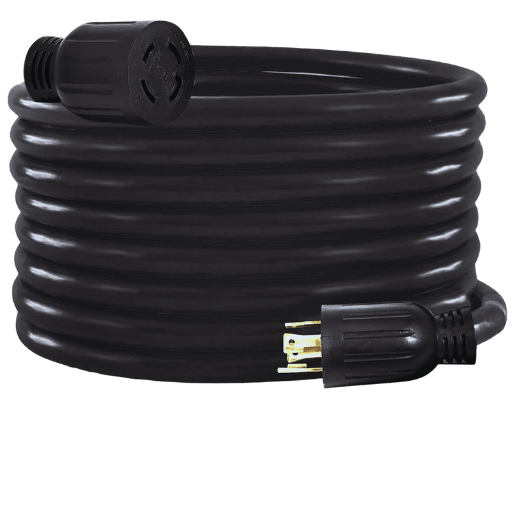
壊れ目のトリップの問題
- 過労 サーキット ¤ ブレーカーに過負荷がかからないようにしてください。必要に応じて、さまざまなアプライアンスに異なる回路を使用してください。.
- ショート サーキット ーワイヤーが損傷していないこと、および活線と中性線の間に接触がないことを確認してください。このような接触は瞬時にトリップを引き起こす可能性があります。.
- 地上断層 ー地絡がないことを確認する マルチメータを適用してアースへの導通をテストし、露出した配線を修正します。.
- ブレーカー 断層 ○何も問題がないように見えてもブレーカーが作動した場合は、故障している可能性があるため変更する必要がある場合があります。.
- 環境要因 ○湿気や極端な温度などの外部条件がブレーカーの性能に影響を与えるかどうかを確認します。.
電圧降下への対処
電圧降下は、長いワイヤの実行などの電気回路に悪影響を及ぼす可能性があります この問題に効果的に対処するには、次のようになります:
- ワイヤーゲージの選択: より太いワイヤーゲージを選択すると、抵抗が減少し、電圧降下を防ぐことができます。走行の負荷と長さに応じて、より長い距離には 8 ゲージ以上のワイヤーを使用してください。.
- ワイヤーの長さを短くする: 可能であれば、電源と負荷の間の距離を短くする 短いワイヤは当然抵抗が少なく、電圧降下を低減します。.
- 接続を確認する: 悪い接点は電圧降下に関するより多くの問題を引き起こす抵抗を増加させるため、すべての接続がきつくきれいであることを確認してください。.
- 負荷分散: 複数の回路に電気負荷を分散させて、単一の回路に過負荷がかからないようにすることで、発生する総電圧降下を軽減します。.
これらの手順により、電気システム内の連続性が維持され、パフォーマンスと安全性が向上します。.
電気的障害の特定と修正
安全性と精度の両方を確実に達成するには、電気的故障を見つけるときに系統的なアプローチが必要です。一般的な電気的故障を検出して修正するには、以下に挙げる手順に従う必要があります:
- 安全第一: 検査や修理作業を開始する前に、感電しないように遮断器からの電力供給をオフにしてください。絶縁工具を使用し、適切な個人用保護具 (PPE) を着用してください。.
- よく見て: すべての配線システムを確認してください; コネクタ; スイッチ、ソケットなどのデバイス、損傷の物理的な兆候がないかなど、ワイヤを覆う絶縁材料の切断により短絡が発生します。接続が緩んだために接続が加熱されたり、端子間の接触不良によって接合部が焼けたりして、抵抗が発生し、時間の経過とともに性能に影響を与えます。 ――とりわけ。.
- テスト機器を使用する: 電圧、電流、抵抗の値を正確に測定できるマルチメーターなどの機器を使用して測定を行います。これらの測定により、回路のさまざまな部分がどの程度うまく連携しているかを理解できるようになり、全体的な動作に影響を与える障害がどこにあるのかが明らかになります。.
- 負荷条件の下で観察する: 通常の動作モードで行われるテスト中に負荷をかけることで、システム全体を実行に移します。これは、全負荷条件下でのみ満たされる断続的な障害を明らかにするのに役立ちますが、アイドル時にチェックしても表示されません。.
- 過負荷を検出する: 導体やサーキットブレーカーが、最終的に故障につながる過熱せずに処理できる以上の電流を流すように作られているかどうかを確認します。.
- レビュー Circuit Arrangement: 特定のシステムを構成するさまざまなコンポーネント間の相互接続を示す電気回路図を参照してください。これにより、設計上の特徴のみに基づいて問題が発生する可能性のある領域の特定が容易になります。.
これらの手順に従えば、電気的故障を効果的に特定して対処することができ、それによってシステムの安全性と効率的な稼働を維持することができます。継続的な監視と組み合わせて定期的に実行されるメンテナンス チェックは、潜在的な課題がより大きな脅威に成長する前に特定できる早期警告システムとして機能し、設備全体の信頼性が向上します。.
10 ゲージ 30 アンペア ワイヤーに関するよくある質問
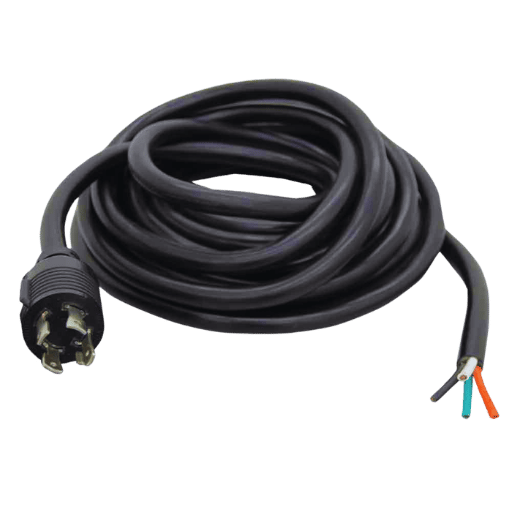
20 アンペアの回路に 10 ゲージ ワイヤを使用できますか?
確かに、20 アンペア回路のために10 ゲージのワイヤを利用することが可能です これは、ワイヤが電圧降下低下を通じて安全性を保証しながら、十分な容量以上の30 アンペアまで定格されているにもかかわらず、回路ブレーカがその計画された使用に対応していることを確認し、すべてがコード要件内に留まるようにします。.
10 ゲージ 30 アンペア ワイヤの最大長はどれくらいですか?
標準アプリケーションの場合、通常、30 アンペア回路で 10 ゲージに許容されるワイヤの最長長さは、電圧降下 3% を超えない約 100 フィートです。ただし、この数値は、特定の設置パラメータや地域の電気コードに応じて変化する可能性があります。それ以上走行している場合は、輸送中に電力が失われすぎてシステムが非効率的に動作しないように、大きなゲージのワイヤを使用することをお勧めします。どのような種類のワイヤで、どのくらいのワイヤが仕事に適しているかを常に電気技師に尋ねる必要があります。.
10 AWGは120Vと240Vの両方に適しています?
確かに、10 ゲージのワイヤは120Vおよび240V回路に適しています これは、直径に関するその容量が、このように柔軟に異なる目的に役立ついずれかの電圧タイプのアンパシティを収容することができるという事実によるものです 120 ボルトの回路に関連して、このワイヤは30 アンペアまで安全に運ぶことができますが、240 ボルトの回路では、ブレーカーなどの適切な保護があることを条件に、最大30 アンペアまで処理できる設計全体が、効率的に機能するために適切な電気コードと安全対策に従う必要があります。.
10 ゲージ 30 アンペア ワイヤーを購入できる場所
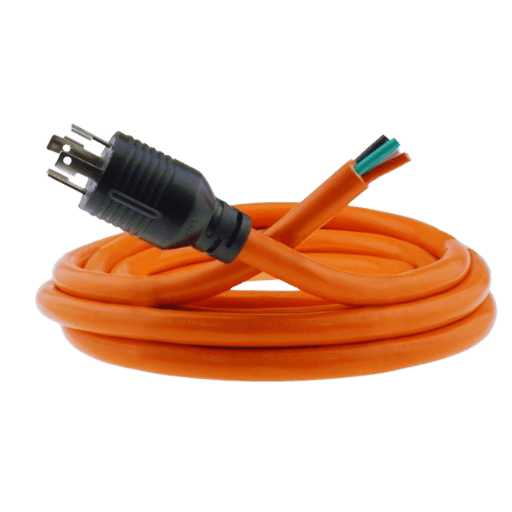
人気の小売店とオンライン ストア
10 ゲージで30 アンペアの電流を処理できる銅線は、ホームデポなどの店舗や、Amazonなどのサイトを通じてオンラインで入手できます。 購入するのに最も人気のある場所のいくつかを次に示します:
ホームデポ - 電気目的で使用されるワイヤーを含む、さまざまな種類のワイヤーが幅広くあります。.
- ロウ の ・家庭や大規模な産業環境でも機能するあらゆる種類のケーブルを見つけることができる別の店舗です。.
- アマゾン ー多くのサプライヤーがこのプラットフォームに存在するため、多くの場合、サプライヤーを購入した以前の顧客からのレビューが付属しており、自分で何かを購入する前にサプライヤーの品質を決定するのに役立ちます!
- ウォルマート ・彼らはアメリカ全土に物理的な拠点を持っていますが、ウェブサイトを通じても活動しており、そこでは電線を含む多くの電気用品も販売されています。.
- マウザー エレクトロニクス ーここから製品を購入する前に、それぞれの技術仕様が記載されているため、プロフェッショナル グレードのケーブルを探すのに最適な場所です。.
- マクマスター=カー ・このサイトでは、ワイヤーに関連するさまざまな製品と、ワイヤーに関する情報を提供するデータシートを提供しています。これは、ワイヤーを選択する際に十分な情報に基づいた決定を下すのに役立ちます。.
価格と品質の比較
10 ゲージ30 アンペアワイヤーのための価格と品質を比較するために、, 検討するだけでなく、フィートあたりのコスト, ワイヤーの化学的および熱抵抗特性. 、 小売業者は、この製品のために非常に異なる金額を請求することができます, それはどのブランドであるか、または断熱材がどのくらい続くかによって; したがって、それらの間の比較を行うときに、そのようなことを考慮に入れる必要があります. 高級ワイヤーは、環境によって引き起こされる熱または他の種類の損傷に対してより耐性であるより良い断熱材を持っているかもしれませんが、彼らはまた、低価格の代替手段よりも高い価格になります. 別の有用な方法は、様々なアプリケーションで特定のタイプを使用した顧客が残したレビューを読むことを含むだろう ʻ これらはあまりにもその全体的な品質について何かを教えてくれます.最後の推奨事項はむしろ自明です: 一括購入は現金を節約しますので、安全規則に固執し、プロジェクトの要件に従って様々な量を試すことを忘れないでください, これは、任意のタスクのために使用する必要がある特定の量を決定する可能性があります。.
バルク ケーブルとプリカットの長さ
バルクケーブルとプレカット10 ゲージワイヤーのどちらかを選択する場合、考慮すべき重要なポイントは、それらを使用目的、利便性、および費用対効果です。.
- バルクケーブル: この方法は、さまざまな長さのワイヤーを必要とする大規模なプロジェクトに対処する場合にうまく機能することができます。自分でワイヤーを切断できるだけでなく、通常は 1 フィートあたりのコストも安くなります。 Home Depot や Lowe's などの場所では、スプールまたはリールでバルク ケーブルを提供するためです 必要なものはすべて プロジェクトが求めるものに基づいて、一度に。また、経済的にも環境的にも効率的な廃棄物を防ぎます。.
- プリカットの長さ: 逆に、仕事に多くの材料を必要としない場合、またはより長い部分を切り取ることに対処したくない場合は、プリカットを使用するのが最善かもしれません。これらは既製であるためシンプルであり、物事をまとめた後に追加のたるみを脱ぐ必要がなくなります。ほとんどの場合、Amazon や Walmart などの場所ではこれらのオプションが用意されているため、すぐに何かを探している人は誰でもそこで見つけることができますが、1 フィートあたりの価格はまとめ買いよりも高い場合があります。.
結論として、利便性と支出に利用できる金額の大きさに応じて、プロジェクトが何を必要としているかによって異なります。大規模な事業はより多くの購入から利益を得ますが、小規模な事業はわずか数個しか必要としない可能性があります。.
参照ソース
よくある質問 (FAQ)
Q: 10 ゲージの30 アンプ ワイヤーは何をしますか?
A: 10 ゲージ 30 アンペア ワイヤは、最大 30 アンペアの電流を流すことができる電線です。HVAC ユニット、発電機、および多くの電力を必要とするその他の機器などの家庭用配線によく使用されます。このタイプのケーブルは通常、可能な限り最高の導電性と効率を確保するために 10 本の awg 銅線で構成されています。.
Q: 30 アンペアブレーカーに10 ゲージのワイヤーを使用できますか?
A: はい、30 アンペアのブレーカーを備えた 10 ゲージのワイヤーを使用できます。最大 30 アンペアの電流を処理できるように設計されており、これだけの電流が必要になる住宅環境で一般的に使用されています。.
Q: 10 ゲージ30 アンプワイヤーにはどのような長さがありますか?
A: 10 ゲージの30 アンプワイヤーは、10 フィート、25 フィート、50 フィート、100 フィートなど、さまざまな長さがあります。これらのさまざまなオプションにより、短距離でも長距離でも、設置中に柔軟性が得られます。.
Q: 10 個のゲージ 30 アンプ ワイヤは発電機接続に適していますか?
A: はい、発電機を接続するときは 10 ゲージの 30 アンペア線がよく使用されます 配電パネル または、家電製品自体と直接。少なくともこの値で評価された電源コードを使用すると、安全かつ効率的な電気の伝達が保証され、火災の原因となる可能性のある過熱の可能性が軽減されます。.
Q: 30 アンペアを処理する必要がある回路に、12 ゲージの代わりに 10 awg の銅線を使用したいのはなぜですか?
A: #12 AWG ではなく #10 AWG で作られた導体のような大径導体を使用することにより、フィートあたりの抵抗が低いため、導体全体にかかる電圧が低下することが少なくなります。これは、大口導体を使用する場合は、大口導体によって電力が供給されるデバイスに多くのエネルギーが届くことを意味します。 -エアコンユニットや電気オーブンなどの電流デバイス。.
Q: 10 ゲージ30 アンペアのワイヤには通常何本の導体が入っていますか?
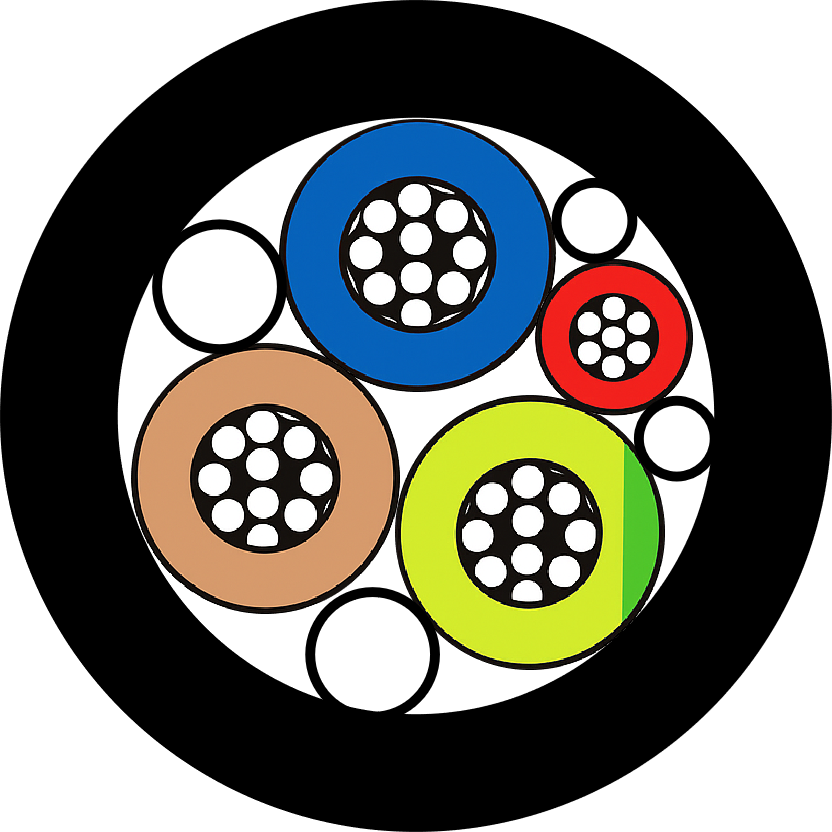
A: 通常、定格 30 アンペアの標準 10 ゲージ ワイヤには、搬送ワイヤ 2 本と接地ワイヤ 1 本を含む 3 本の導体があります。ただし、用途によっては、ニュートラルを追加する 4 本のワイヤ構成が必要になる場合があります。.
Q: 10 ゲージ 30 アンプ ワイヤ UL はリストされており、耐候性がありますか?
A: サウスワイヤーまたはアメリカードの 10 ゲージ 30 アンプ ワイヤーの大部分は UL リストに登録されています。それらの一部は耐候性として設計することもできるため、発電機用の電源コードの作動などの屋外条件に耐えることができます。.
Q: 40 アンペア回路に10 ゲージのワイヤを使用できますか?
A: いいえ、特定の温度条件下で設置する必要がある場合に備えて、接続された負荷ではなくデバイスの最大容量で定格を使用する場合、推奨されるゲージの使用は推奨されません。これにより、過熱や火災の危険が生じる可能性があります。 40 アンペアのブレーカーの場合は、8 ゲージのケーブルを手に入れるだけです。.
Q: 利用できる10 ゲージ30 アンプのワイヤーの異なったタイプは何ですか?
A: NM-B (非金属)、金属被覆、およびロメックス ホースは、10 ゲージの 30 アンペール ケーブルのいくつかの品種です。実施されるプロジェクトでは、アプリケーションの要件と条件に基づいて適切なタイプを選択することが重要です。.
Q: 10 ゲージの30 アンプワイヤをNEMAレセプタクルに接続するにはどうすればよいですか?
A: 接地端子がNEMAレセプタクルと確実に接続されるように、端から適切な長さのワイヤを剥がします。この方法を使用すると、接地端子に接地線を取り付けることで電気規格に準拠できるようになり、安全性が確保されます。.