







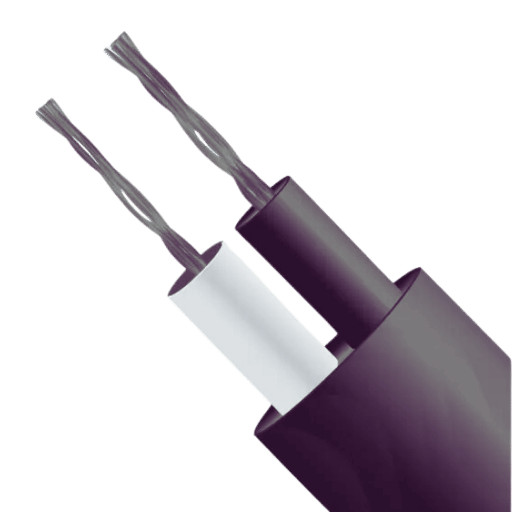
Due to their importance in temperature measurement in a broad range of industries, thermocouples are most suitable among most extension wire types. Several thermocouple extension wires are used in extreme temperature conditions of up to 1382 (750) degrees Fahrenheit, and in this blog, we focus on type J thermocouple-grade extension wires. The content here advertises how Type J is advantageous and alluring for usage due to its iron with constant materials. Consequently, users will learn fundamental and technical information as well as the application and installation instructions for enhancing Type J thermocouples. Furthermore, we will discuss factors to consider and how best to address them to ensure that adequate thermal accuracy is achieved over time, which will be helpful to readers in the field of thermal sensors.
What is a Type J Thermocouple?
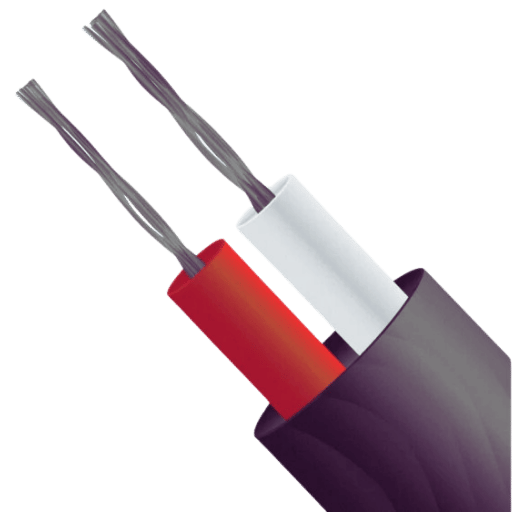
The Type J thermocouple is simple and composed of iron and constant wires joining at one junction to measure the temperature. One of the most commonly used factory thermocouples will work correctly in the temperature range of −346F (−210C) to 1382F (750C). Due to the excellent performance of Type J thermocouples in oxidizing and reducing environments, these thermocouples are widely used in applications. However, these do not exceed this temperature range and are economical and dependable.
Definition and Basic Components of Type J Thermocouples
Type J thermocouples can be defined as a thermoelectric instrument for measuring temperature that consists of two metal alloys, i.e., iron and constantan, which are joined at a junction. These metals are connected at their soldering point, known as the measuring point. Essential workings are based on the Seebeck effect. Namely, there is a temperature difference across the abovementioned wires in response to which a voltage is produced. This phenomenon allows for accurate measurement of temperature using both J and K-type thermocouples. This is because the iron-constantan combination of materials is sensitive to temperature changes but also maintains structural integrity under elevated temperatures, which is why it applies to many industrial processes. Its design simplicity and efficiency are adhered to in engineering so that it does not affect the already established thermal management systems.
Comparison with Other Thermocouple Types
Several notable distinctions stand out when juxtaposing Type J thermocouples with others like Type K and Type T. J-type thermocouples, made of iron and constantan wires, operate efficiently in the temperature range of -346°F(-210°C) to 1,382°F(750°C). These prove to be of tremendous benefit, especially in situations where / say, moderate temperatures are maintained. Still, there is a high need for accuracy. On the other hand, K-type thermocouples using chromel and alumel in their construction have a more comprehensive temperature range of use -454°F (-270°C) – 2,482°F (1,370°C) and are therefore used in slightly thicker applications. At the same time, T-type thermocouples made of copper and constantan work very well in temperatures ranging from -454° F (-270° C) to 700° F (370° C) since they are pretty sensitive and can easily measure good precision for very low temperatures, thus making them fit for use in these areas of cryogenics or laboratory environments. In the end, what matters in choosing the right thermocouple type is mainly the application in question, from the temperature range to the desired sensitivity and environmental conditions.
Common Applications of Type J Thermocouples
Due to their precision and affordability, Type J thermocouples are among the most preferred in many industries. They are mainly applied in the plastics industry to control and measure the processing temperatures of injection moulds. They are also used for various equipment in the food industry, such as ovens and refrigerators, which require accurate temperature control to enhance durability and safety. In manufacturing, Type J thermocouples are noteworthy for the heat treatment of metals such as steel due to their strength and efficiency at moderate temperatures. The enhancement of overall product quality and process performance can be attributed to conditions that allow these thermocouples to work accurately on various products.
How Does Thermocouple Wire Work?
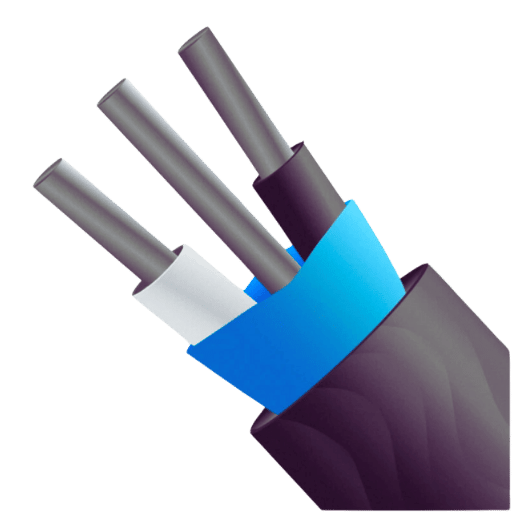
Understanding Thermocouple Functionality
It is commonly held that thermocouples operate based on the emf phenomenon even though any closed thermoelectric circuit made up of two metals with unidentical junctions at different temperatures produces emt. This voltage generated is proportional to the difference in temperature of the two junctions, making the thermocouple a temperature-measuring device. A thermocouple comprises a measuring or hot junction and a reference junction-type thermocouple wire. The contrast in temperature between these two points causes an output of voltage that can easily be harkened to temperature readings through several methods, including calibration or setup. Thermocouples are particularly favorable in several industrial automation due to their durability, large operational temperature span, and ability to take rapid readings.
The Role of Insulation in Thermocouple Performance
Thermocouple wires are surrounded by insulation, which serves the essential function of preventing electrical interference and environmental conditions that will alter the device’s readings. Two types of insulation are most often used: fiberglass and Teflon, and each of these materials has advantages that are suitable for given thermometric wire types. Fiberglass has an excellent heat resistance of approximately 700°C, making it safe for long-date high-temperature installations such as j-type thermocouples and k-type thermocouples in crystal. On the other hand, Teflon is more resistant to chemicals but is used for medium-temperature applications up to about 260°C. The insulating material selected determines the temperature and environmental effects, such as thermal conductivity, mechanical strength, and electrical isolation. Using the right insulating cover ensures that the thermocouple readings are accurate over time and in different surroundings without bias, especially in highly realistic temperature states. In addition, employing the correct type of insulation reduces the errors associated with the measurements done on the thermocouple by minimizing the impact of extrinsic factors such as moisture, physical stress, and electromagnetic interference.
Temperature Range and Tolerance for Type J
A Type J Thermocouple embodies an iron and a constantan(i.e., copper-nickel alloy) wire. Compared to other thermocouples, of course, it is a standard type J thermocouple. It provides temperature measurements from 0 degrees Celsius to about 760 degrees Celsius. Yet exposed iron wire in j-type thermocouples may also be oxidized if it exceeds 550 degrees C for an excessive period, making it brittle and affecting its durability. The tolerance for these thermocouples at the 0 degrees C to 275 degrees C range is ±2.2 degree C of the measured temperature or 0.75% of the measured temperature, whichever is higher. Tolerance for temperatures above 275 degrees C is usually ±2.2degree c or 2 percent of the measured temperature. These factors make Type J thermocouples ideal, where elements must be utilized for dynamic industrial applications with moderate temperature gauging receptacles.
Choosing the Right Extension Grade Wire

Difference Between Extension Grade and Thermocouple Grade
Extension-grade wires and thermocouple-grade wires are helpful in measurement systems intended to protect the applicability of the thermocouple circuit. Such cables are said to be made as thermocouples only made out of the same electrode material, with thermocouples, in turn, keeping computational disorder at the measured temperature through the range of operation of the appliance. Typically, these wires are used in areas with high heat application, and accuracy is questioned. Alternatively, extension-grade cables are constructed with materials of the same type but low grade, meant to carry the temperature constants from the thermocouple’s proximal end to the control room instruments over long distances. These wires are intended to be used in nondestructive testing at room temperature and above, where this temperature tolerance can be accepted within limitations. In as much as thermocouples grade wires are necessary where high levels of accuracy in measurements are sought, extension grade wires are less costly as they do not fully have to be built for those sections where thermocouples chronically endure outside high temperatures.
Factors to Consider When Selecting Thermocouple Extension Wire
Some key factors, such as the ones below, if settled properly, will promote accurate temperature readings and alleviate system inefficiency when picking the thermocouple extension wire.
- Thermocouple Extension Wire Compatibility with Thermocouple: Different types of thermocouples, commonly identified using letters such as J, K, T, E, or N, will have corresponding extension wire types based on their material properties. Invalid extension wires introduce distortion to the signal, leading to measurement errors.
- Temperature Range: Check the limits of temperature within which the extension wire would be used. For example, extension wires with room temperature factors may seem too weak to withstand higher temperature ranges, resulting in wrong recordings.
- Insulation Material: Insulation material selection also affects thermal insulation performance and the mechanical strength of the wires. Materials include PVC, Teflon, fiberglass, etc., and each has different thermal effects and wear-and-tear resistance to moisture and chemicals, among other things.
- Tolerance Levels: Depending on their use, extension-grade wires will exhibit variations in intolerances, ultimately impacting the measurement system’s accuracy. It is important to note that an extension wire with the proper tolerance levels for the desired measurement system accuracy is paramount.
- Distance of Signal Transmission: In situations where the signal transmission is large, potential signal loss or noise interference, especially with the thermocouple wire type, may occur. To preserve integrity, a choice of wire diameter and wire material that increases resistance and leads to high-distance signal loss or degradation should be avoided.
- Area of Installation: The location where the wire will be installed is subject to environmental factors, including humidity, chemical factors, physical abrasion, etc. This helps to enhance durability and prevent weak areas which may cause destruction or corrosion.
Considering these factors will assist in the appropriate selection of a thermocouple extension wire, allowing the trade-off of the costs, fidelity, and robustness of the temperature measurement system.
Importance of Wire Gage and Compatibility
The wire gauge is significant in measuring electrical resistance and the current handling capacity of an extension wire. Fig. 1 describes the gauge of the wire, in which more significant gauge numbers represent smaller wire diameters. This may cause high resistance, leading to signal loss, especially for long cables. Such high resistance may not enhance the performance of the temperature measurement systems due to inaccurate and unreliable measurements. A lower gauge number means a thicker wire with better conductivity, ensuring presentable signals.
Compatibility guarantees that the extension wire is appropriate for the specific type of thermocouple employed, thereby avoiding the problem of providing the wrong kind of wire. Matching extension wires are necessary for different types of thermocouples since they are constructed of varying wire materials and to avoid discrepancies induced by variations in the materials used. Wire gage and compatibility requirements improve the measurement system when wires are used, as proper wire distortion and degeneration due to adverse conditions are guaranteed.
Types of Insulation for Thermocouple Wire

Overview of PVC, PFA, and Fiberglass Insulation
The first account presents several thermocouple wire insulations, including plasticized polyvinyl Chloride, Polyfluoropolymer, and fiberglass. As I examine them, I see that each variety of insulation appears to perform optimally in thermocouple wire installation. The plasticized polyvinyl chloride insulation materials accept water and various chemicals and do not deteriorate; therefore, they can be used for non-specialized purposes and in low-temperature conditions. However, they bear a relatively higher service temperature than that.
The plastic-molded Perfluoroalkoxy (PFA) insulation materials allow for the application of the wire within high-temperature and Acidic and Base Caustic media. They are useful in ultra-expansive applications because they give the same useful properties over an incredible temperature difference and maintain useful properties over a large span of temperature through low temperatures without any brittleness.
The fiberglass insulation does not fail to impress with the applied elements roughing up to very high and withstands even Robert Holt test temperature. It is used due to its thermic stability and mechanical resistance but leaves enough room for Alcides, which need fixation to remedy imperfect, so use coats or impregnation. Each insulation type is aimed at the surrounding factors that allow the wire to be used to inform the decision based on the application needs and performance parameters of the thermocouple and extension application.
Benefits of PVC Insulated Wire
PVC insulated wire finds everyday use due to its low cost and diverse applications. The most emphasized beneficial attribute is the superior resistance to many chemicals and moisture, making it suited for places with such exposures. In addition, PVC material for insulation has good performance in providing electrical field isolation, aiding in the integrity of signals carried by the wire. It exhibits high mechanical strength as it experiences mechanical forces and wears out with time, enhancing the use of this wire. It has also shown ease of installation and flexibility, positively increasing its practicality and making it effective in home and corporate usage. Though it tolerates heat moderately, the PVC insulated wire can still be applied for many general purposes; thus, it is unnecessary to explain why more advanced and costly insulations are used.
High-Temperature Applications and PFA Insulation
PFA (Perfluoroalkoxy) is also thermally stable and solvent-resistant at extremely high temperatures, which is why it is often used for regions that undergo harsh conditions. High performance is one of thermal stability and factors with PFA’s limit of 260 C/500 F, even in aggressive corrosion-resistant areas. PFA composites are most valuable for aerospace and automotive industrial applications, always demanding performance, reliability, and safety. Because there is no fire risk and PFA-insulated wires own excellent strength, working within extreme conditions is safe and efficient because the dangers of fires are low. PFA sya2061 does not burn, however, regarding getting rid of the aeronautical and elliptical artwork, which looks excellent and costly since there are no after expectations of whether it will perform.
Availability of Thermocouple Extension Wire in the Market
Finding Thermocouple Wire in Stock
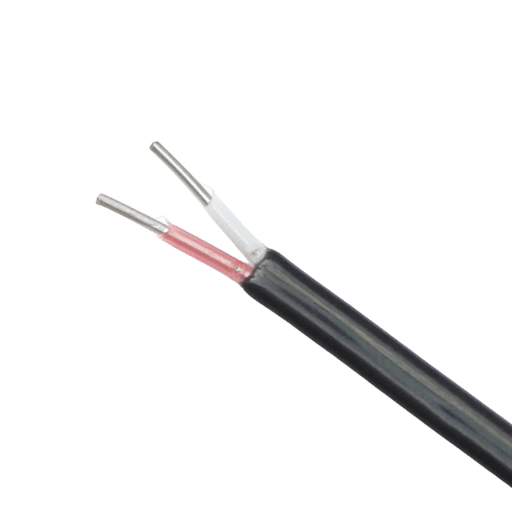
To find readily available thermocouple extension wire in stock, it is worthwhile to look around major online shops and industrial product websites. Typical search results for thermocouple wire can be found on the Omega Engineering, Grainger, and Digi-Key Electronics sites. Besides the literature, the Omega Engineering website makes it possible to see multiple types of thermocouple wires and learn about their availability. Grainger offers thermocouple wires suitable for use in both HVAC and industrial settings and shows expected stock levels for procurement within the same order. In the same way, Digi-Key Electronics targets engineers and hobbyists, and a dedicated section of the company’s web page caters to thermocouple wire needs with a dedicated catalog, updating the stock level in real time and offering fast delivery options. These sites have significant stock and, thus, are good sites to get thermocouple wires as quickly as possible.
Understanding Available from Stock Options
As stock options become more prevalent, studying their applications in thermocouple extension wires is essential. This aspect requires an examination of the stocks of such leading companies as Omega Engineering, Grainger, and Digi-Key Electronics. Across its range of thermocouple wires, Omega Engineering usually lists all available stock items and their composition and rating information. A company with a vast stock is Grainger, which provides thermocouple wires of different grades with details of stock availability. A more commendable approach used by Digi-Key Electronics includes providing precise stock availability per thermocouple model with continuous updates. These platforms make it possible to order and procure everything from the stock because all items are in order, data is current, and so are the deliveries, hence timely satisfaction of technical needs.
Fonti di riferimento
Domande frequenti (FAQ)
Q: What is a Type J thermocouple? What makes it different from other types?
A: Una termocoppia di tipo J è un'altra disposizione specifica di uno strumento di misurazione della temperatura che lavora con una lega ferro-costantana Si trova fuori altri tipi, come la termocoppia di tipo K, nella realizzazione della sua costruzione e le temperature che può misurare Le termocoppie di tipo J forniscono livelli di sensibilità molto elevati e, quindi, sono impiegate in varie industrie industriali per misurare temperature non superiori a 760oC 1400oF.
Q: What is the use of Type J thermocouple wire?
A: Il filo della termocoppia di tipo J è usato per aumentare la lunghezza del filo conduttore e collegare l'estremità di un sensore della termocoppia di tipo J a uno strumento di misura La sua costruzione è tale da conservare le stesse proprietà EMF (forza elettromotrice) di quella della termocoppia stessa in modo che le lunghe distanze siano colmate senza perdere la lettura della temperatura dove viene utilizzato il tipo di filo della termocoppia In tali circostanze, questo filo è essenziale, in quanto il sensore deve essere situato ad una distanza apprezzabile dal dispositivo di lettura.
Q: How is Type J thermocouple wire different from Type K thermocouple wire?
A: J e K sono anche tipi di termocoppie ampiamente utilizzati, ma i loro materiali e intervalli di temperatura differiscono notevolmente Secondo la loro costruzione, il Tipo J è costituito da ferro e costantano, e il Tipo K è costituito da cromo ed ex studenti L'intervallo di temperatura del Tipo J è di gran lunga inferiore a quello del Tipo K, a soli -760 gradi Celsius, mentre il Tipo K può arrivare fino a 1260 gradi Celsius La particolare applicazione e la temperatura richiesta determinano quale deve essere selezionata.
Q: Why is it necessary to have a suitable thermocouple cable for extensions?
R: Qualsiasi estensione inserita dovrebbe avere un cavo termocoppia adatto per preservare la precisione L'intreccio successivo di leghe varia nelle risposte termo-emf alla temperatura Gli errori di temperatura possono essere potenzialmente commessi utilizzando il filo di estensione appropriato Ciò migliora la precisione e la coerenza assicurate nelle misurazioni per le termocoppie di tipo J in cui verrebbe utilizzato il filo di estensione di tipo J.
D. Quali tipi di isolamento sono disponibili per il filo termocoppia di tipo J?
A: Il filo della termocoppia di tipo J è offerto con i vari materiali dell'isolamento per le applicazioni e le temperature differenti PFA (Perfluoroalcoxy) è isolamento comunemente usato dovuto le sue capacità chimiche eccellenti e ad alta temperatura; FEP (Propilene di etilene fluorurato) inoltre le temperature elevate possono adattarsi alla vetroresina o al Kapton, che potrebbero essere usati da alcuni utenti finali.
D. Quale misuratore di filo è più comunemente associato al filo di estensione della termocoppia di tipo J?
A: Naturalmente, è possibile acquistare filo di estensione della termocoppia di tipo J, ad esempio, filo di calibro 32, ma uno standard più comune è di calibro 24 Tuttavia, la scelta del calibro del filo è determinata da altri parametri, come la lunghezza di estensione richiesta, il tipo di ambiente e l'applicazione del filo Per corse più lunghe e peggiori interferenze elettromagnetiche, è possibile utilizzare fili più spessi (numeri di calibro inferiori).
Q: In what ways do international standards influence type J thermocouple wire?
A: Il filo della termocoppia di tipo J è prodotto e codificato a colori secondo gli schemi adottati dall'Organizzazione internazionale per gli standard per IEC, ecc. Queste regole assicurano che le caratteristiche del filo della termocoppia e le consistenze del codice colore siano le stesse in molti produttori e paesi Per il tipo J, il cavo positivo è principalmente bianco nero e negativo nel mercato statunitense mentre bianco e nero in altre aree.
Q: Is it recommended to use Type J thermocouple extension wire with other types that use other thermocouples?
A: Type J thermocouple extension wire should not be applied to other thermocouples too often. Each thermocouple type has distinct EMF properties, and it is recognized that the amalgamation of thermocouple types will result in significant distortion in measurement. Thermocouple connectors have extension wires that should always be employed with the corresponding thermocouple type to obtain the required temperature points or to ensure the system’s functioning with appropriate thermocouple connectors.