







再生可能エネルギー源は、エネルギーと環境管理の探求に関連するものに成長しており、そのため、新しい太陽光発電技術により、ソーラーパネルが最大の解決策として浮上しています。この記事の目的は、パネルの性能だけでなく、さまざまな測定パラメータを通じて生成される出力に関して、ソーラーパネルを適切にテストする方法を詳細に説明することです。個々のコンポーネントまたはシステム全体の性能を向上させ、基礎となる技術と関連するテスト技術を適切に評価することで、発電サイクルで最大の収量を確保するために必要な改善の可能性を特定することが可能です。ソーラーエネルギーシステムの設置業者、技術者、さらにはファンもいますが、この記事では、ソーラーパネルの動作性能を評価し、問題のトラブルシューティングを行い、購入した資産を最大限に活用する方法について皆さんに洞察を与えることができます。.
すでに設置されたソーラーパネルのテストがなぜそれほど重要なのでしょうか?

太陽光発電システムを使用した発電におけるテストの役割は何ですか?
太陽電池パネルの性能には試験が不可欠です技術者は性能を定量化できより具体的には太陽電池パネルの実際の重量を中心とする出力を計算し遮光汚れの蓄積量を特定できますその他の部品の故障を定期的に試験するプログラムで監視して修正し太陽系からのエネルギー生産期待を拡張することが可能です実際にある方が良いです 太陽光発電の電力予測 当該パネルの実際のテストによるシステム。.
中古ソーラーパネルに関連する一般的な欠陥は何ですか?
中古ソーラーパネルには通常、微小破壊による効率の低下、封止材の黄変、層間剥離の可能性など、いくつかの欠点があります。発生する可能性のあるもう 1 つの問題は、セル上のホットスポットです。老朽化した部品は配線に欠陥が生じる傾向があり、一部の端子は腐食する可能性がありますが、建物や樹木による日よけはオフグリッド太陽系倍率器からのエネルギー量を大幅に削減できます。検査とテストによる予防は、適切な条件下でのこれらの問題の鍵であり続けます。.
ソーラーパネルの検査にはどのような機器が不可欠ですか?

マルチメータはソーラーパネルテスターとして機能できますか?
A はい、それで十分です。マルチメーターはソーラー パネル テストで使用できる基本的なテスターですが、技術者は個々のソーラー パネル (複数可) の電圧と電流出力を評価して効率を決定できます。この機器は、欠陥のある接続や機能しないセルに起因する問題をテストするために非常に重要です。それでも、マルチメーターは単純なテストには適していますが、高度なテスト ツールは電気性能と診断の評価において同等以上の精度を備えている場合があります。.
クランプメーターは電流と電圧だけでなく何を測定しますか?
電流と電圧ゲージのセクションでは、クランプ付きメーターは非常に重要であり、特にソーラーパネルが関与するシステムなどの電気システムでは、このようなデバイスを使用する技術者は、回路を壊すことなく導体に電流を供給することができ、回路の中断が少なくなり、これは非常に重要な要素です。メーターの動作原理は、導体の上にクランプし、その後、ワイヤーに流れる電流の磁場から電流を得ることができるということです。さらに、電圧計ヘッドを備えたクランプメーターを見つけるのが一般的であり、したがって、両方のパラメーターをテストして、特定の機器の性能を完全に把握することができます。クランプメーターのこれらすべての特徴は、太陽エネルギーシステムにおける故障発見と性能最適化における高い有用性に貢献しています。.
ソーラーチャージコントローラーの設置は必須ですか?
電池の充放電プロセスを制御するために別々に販売されているものを持つことが必要であり、この場合、ソーラーパネルから来るでしょう これは、バッテリーが過充電レベルに達するだけでなく、深い放電から保護し、したがって、それらの寿命とエネルギースタッキングのための能力を向上させる 安全性とは別に、システムの効率も向上します したがって、のパフォーマンス ソーラーパワー システム.
ソーラーパネルの出力電圧はどのように測定されますか?
マルチメータで電圧を測定するプロセスは何ですか?
- マルチメータを設定します: マルチメータを上げて、回路の種類に応じて、AC 電圧または DC 電圧のいずれかの必要な設定に切り替えます。.
- プローブの準備: 黒い鉛を共通の端子 (多くの場合中央) に配置し、赤い鉛をマルチメーターの V 端子に置きます。.
- サーキットへ: 回路がオンになり、電圧を測定する 2 つの点が配置されます。.
- 電圧を取ります: コンポーネントまたは回路の負の端にあるクリップの黒色のリードと、正の端にある赤色のリードを見つけます。.
- 応答として表示に注意してください:マルチメータは、それが機能する限り正しく使用されており、の期待電圧 ポータブルソーラー システムが登録されました.
- パワーオフ: 最後に、測定が完了したら、プローブを取り外し、マルチメーターをオフにします。.
開放回路電圧は他の測定値とどのような点で異なりますか?
ソーラーパネルがいかなる負荷にも接続されていない場合 (したがって、電流はゼロです) 、 開放回路電圧 (V oc) は、ソーラーパネルから利用可能な電圧を象徴し、これは値が最大である電流による電圧降下がこの測定には存在しないためです、サービス中のコンポーネント間の測定電圧とは対照的に、V ocは負荷条件ではなくパネルの能力を示します それにもかかわらず、一般的な観察は、負荷と固有抵抗の影響により、回路内の動作電圧よりも開放回路電圧の方が大きいということです。この区別の領域は、結果として得られるシステム性能の評価と、さまざまな太陽光発電アプリケーションコンポーネントのサイズの決定において重要です。.
ソーラーパネルのアンペアをテストする方法は何ですか?
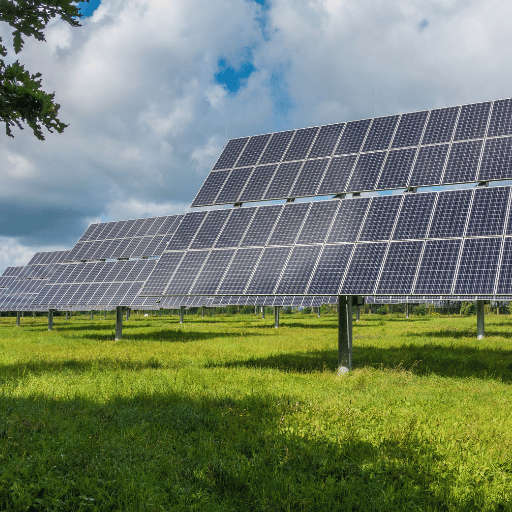
クランプを介して電流をどのように確立できますか?
クランプメーターを使用して電流を測定するには、次の手順に従う必要があります。.
- 適切な設定を選択します: クランプメーターをオンにし、AC または DC のいずれであっても、回路の種類に適した範囲内で電流を読み取るように調整する必要があります。.
- クランプを開きます: クランプは電流を測定する導体の上に配置し、単一のワイヤのみを収容するようにする必要があります。.
- クランプを閉じる: 接触が完全に行われるように、クランプは導体の周囲で慎重に閉じる必要があります。.
- Take the Reading: ワイヤーを通る電流を与える位置はクランプメーターの表示です。.
- オフにする: 測定が完了したら、クランプを取り外し、必要に応じてメーターをオフにします。.
短絡電流 (Isc) とはどういう意味ですか?
光電流としても知られる短絡電流 (Isc) は、標準試験条件下で端子が短絡されたときにパネルによって生成できる電流量を単に示すため、ソーラー パネルの性能を評価する際に非常に重要な測定値です。これは、すべての要素が理想的な場合にソーラー パネルの出力を示すため、ソーラー パネルの効率と性能を定義する役割を果たします。 ISC は、システムで使用されるさまざまなコンポーネントを一致させるのに役立つため、太陽エネルギー システムを計画する際に特に重要な変数であり、システムのパフォーマンスと安全性の正確な計算を可能にし、システムの入口保護を実現します。.
How to Investigate a Faulty Solar Panel?
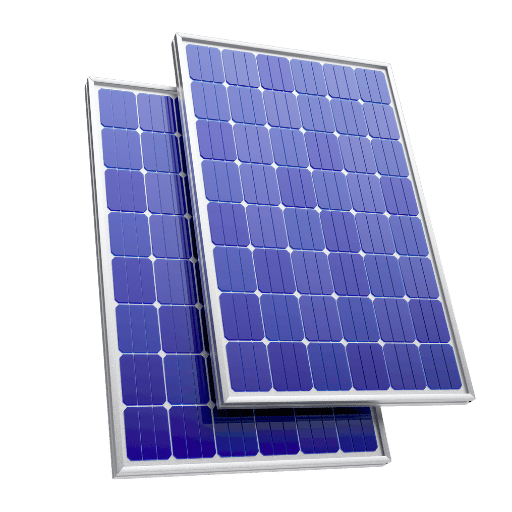
How do you know when a panel in a solar PV system is faulty?
Normal inspection methods used to determine the quality of the PV panels and identify potential defects include:
- Low Output: Overall, less energy was produced than anticipated for the given power rating.
- Physical Damage: The presence of surface cracks or peeling of the panel.
- Color Changes: The formation of deposits or patches that signify overheating or other types of damage.
- Intermittent Output: Variations in the output that are not a response to the change in the intensity of solar radiation or other conditions.
- Abnormal shapes: The configuration of the panel has distorted and such deformation has damaged the structure of the panel.
How does one test bypass diodes in photovoltaic panels?
To assess the operation of bypass diodes in a solar panel, the procedure is as follows:
- Sight Inspection: Look at the panel to verify if there are any discolorations or destruction around the bypass diodes preventing one from maximizing solar energy business operations.
- Testing with a Multimeter: If the panel is lit, connect the glass probe to the top minus bypass diode and hit the voltage drop for a forward-biased test across the bypass diode. The standard diode should have a forward voltage worth less than about 0.7 volts.
- Bias Displacement Test: Change the multimeter probes; in this orientation the bypass diode under test would display no current representatives are moving across Therefore it is functioning normally.
- サーマルイメージング: Employ a thermal imaging camera therefore pinpointing the hot spots on the panel where a bypass diode may be failing because there is excessive heat.
- Comparative Analysis: Performance of the said panel, which is in doubt, is evaluated against that of other similar panels put under the same conditions to see if output differed.
What About Solar Panels? What Are the Challenges?
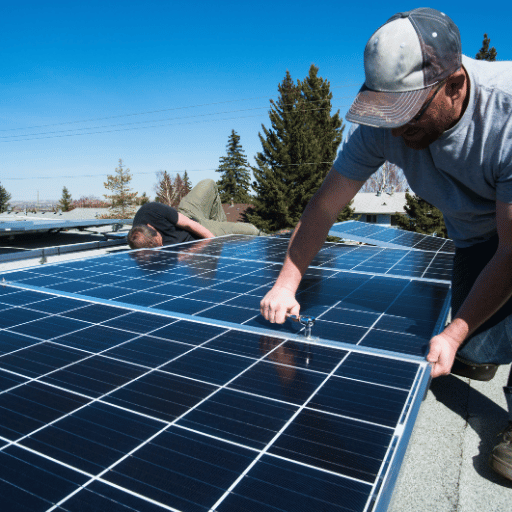
How can we test for deficiencies in voltage output?
In terms of voltage output issues associated with solar panels, the following approaches can be employed:
- Voltage Evaluation: The voltage output of the panel is evaluated using a multimeter under Normal Operating Conditions. It is necessary to confirm that these values conform to the requirements of the manufacturer.
- Benchmarking: The output voltage obtained is compared to a threshold voltage obtained from other similar panels in the same ambient conditions.
- Voltage Testing: Voltage tests can also be performed on the panel when connected to a sellout where the panel output is connected to a resistance.
- Temperature Changes: Also, it is important to note other factors that may cause a drop in output voltage; for instance, an increase in temperature typically leads to a lower output voltage.
- 目視検査: Inspect the terminal connections and wiring for wear and tear, loose wires, or evidence of corrosion; however, these could also be reasons for the drop in voltage.
What are some common defects of solar modules?
Solar modules may present the following shortcomings:
- Hot Spots: These occur due to shading or even defects in the cells, leading to a rise in temperature only in specific areas, and thus, the cell may burn.
- Bypass Diode Failure: This would usually cause underperformance of the module or its total failure due to climate conditions as a result of the defective bypass devices.
- Delamination: It is the layer separations of the module that occur mainly due to the intrustion of moisture or defect in the manufacturing process and which affect the efficiency.
- Microcracks: These are very small cracks on solar cells that are mainly due to stress or mechanical pressure and where the loss of energy conversion efficiency might become a core issue for any solar energy company.
- Corrosion: This is the process of deterioration of electrical terminals and other components that result from many factors and leads to rise in resistance and output reduction.
- Poor Bypass Functionality: Causes of such types of bypass are ineffective and therefore there can be excessive energy production losses in the shaded regions.
In which way is performance retained from the used panels?
Used solar panels can cause adverse performance for various reasons. To begin with, the gradual wear down of solar cells decreases the percentage of energy that can be converted, which is also known as “aging.” Where there are also damages that can be caused by environmental conditions, for instance, recurrent hailstorms, exposure to ultra violet light, or extreme cold or heat may result to internal imperfections such as microcracks or delamination. In addition, dirt, oils, and other foreign substances may build up on the surfaces of the panels that, in turn, reduce sunlight penetration, producing accordingly low output. The use pattern, and particularly the maintenance pattern of panels is also very important; forgotten or wrongly used panels are the ones that may cause adverse effects rather than contributing positively to the performance of the system design use.
参照ソース
よくある質問 (FAQ)
Q: Testing Solar Panels with a Multimeter. How Do I Do That?
A: ソーラー パネルをテストする方法はいくつかありますが、最も簡単な方法の 1 つはマルチメーターを使用することです。まず、マルチメーターを DC 電圧モードの測定モードに切り替えることから始めます。次に、ソーラー パネルの正のリードと負のリードをマルチメーターのリードに取り付けることができます。パネル出力の測定を行うために、パネルが点灯していることを確認します。.
Q: At what time of the day is a solar panel test performed to get precise output readings?
A: 理想的には、太陽電池パネルの出力をテストするのに最適な時期は、パネルが太陽に直接面しているとき、特に正午に太陽がピーク位置にあるときです。これにより、最高のパフォーマンス状態にある太陽電池パネルの出力を測定できるようになります。.
Q: How do I know if my solar panel is faulty?
A: ソーラーパネルに欠陥があるかどうかを判断する1 つの方法は、パネルに亀裂や変色などの物理的欠陥がないかチェックすることです もう1 つの方法は、マルチメーターで出力を測定し、電圧と電流の読み取り値が期待値に大きく低下した場合、これはパネルの欠陥の兆候である可能性があります。.
Q: How can I check the wattage of my solar panel?
:ソーラーパネルのワット出力をチェックするためには、電圧 (Voc) と電流 (Isc) の2 つのパラメーターをチェックすることが不可欠です。 MPPT設定を調整する際に、これらのパラメーターは重要です。検出値は、電流に電圧を掛けたもの、または有効電力に電圧に電流を掛けたもの(ワット = V x I)のいずれかです。パネルが完全に点灯したときにこの測定を実行して、正確な結果を得ることができます。.
Q. 直列構成でソーラーパネル試験は可能ですか?
A: はい、直列構成で太陽電池パネルのテストを実行することが可能です 並列にパネル上のそのようなテストを取り出すときは、非同期アンプメーターの助けを借りてパネルからの総電流の流れのみを使用して問題を回避します。.
Q: What meters do I require in order to evaluate the efficiency of my solar panel system?
A: ソーラーパネルシステムの評価においては、直流電流と電圧を測定するためのマルチメーターやアンプメーターなどの測定装置が必要になりますが、交流出力を評価する場合にはインバーターが必要になる場合があります。テストプロセス全体を通じて正確な測定値を確保するには、晴れた日が最も重要です。.
Q: How do I identify the correct working of my solar panel system?
A: パネルが彼らの仕事をしていることを望んで、あなたは完全な太陽条件下でmulitmeterでパネルの出力を測定することによって太陽電池パネルシステムをチェックします 値は製造業者の要件によって提供されるものと一致するべきです 読み取り値が推定値の範囲内である場合、あなたのシステムはおそらくうまく機能しています あるいは、外部の専門家の助けを借りて、より徹底的なテストが検討されるかもしれません。.
Q: Are there any home tests for the solar panels?
A: In short , yes .It is possible to test out solar panels by one’s self using rudimentary instruments such as a multimeter. : However, if you are not confident about any given step, or if your efforts yield odd outcomes, it is better to consult a specialist and be sure you do not make mistakes in your solar energy business’ work.
Q: What are the indicators of a faulty solar panel?
:欠陥のあるソーラーパネルは、亀裂や変色などの物理的欠陥、設定されたしきい値に対する電力出力の減少、またはオフグリッドシステムを事実上機能不全にする可能性のある奇妙な電圧と電流の測定値によって特徴付けられます。不良の疑いのあるソーラーパネルについては、徹底的な検査または専門的な相談によって症状を改善することができます。.
Q:.lista de documentosDisponiblesQ: How do I measure the dc power output of a solar panel?
A: ソーラーパネルのDC電源出力を測定するには、マルチメーターをDC電圧と電流を測定するように設定します マルチメーターのプローブをソーラーパネルの正端子と負端子に押し込みます ワット単位で出力される電力を見つけるには、取得した電圧と測定した電流を掛けるだけです。.