






Bij laagspanningsbedrading kan de juiste keuze van een draadtype van invloed zijn op de veiligheid, functionaliteit en levensduur van het project dat wordt uitgevoerd. SPT-1 en SPT-2 wires Zijn onder de meest gebruikte soorten draden; begrip van hun verschillen is van cruciaal belang voor het maken van een weloverwogen beslissing Of het nu tijdens vakantie lichtinstallaties, huishoudelijke apparaten circuits, of een andere elektrische functie, het hebben van kennis met betrekking tot elk type bespaart waardevolle middelen, inspanning, en tijd die anders zou kunnen worden verspild Deze gids gaat diepgaand in op de verschillen tussen SPT-1 en SPT-2 draden en hun respectieve toepassingen, en het biedt deskundige kennis om te helpen bij het maken van de optimale keuzes voor uw vereisten Met dit artikel, zult u voldoende kennis die u toelaat om logisch te benaderen van de komende bedrading projecten die u hebt gepland.
Wat is de spt-1 en spt-2 Draad?
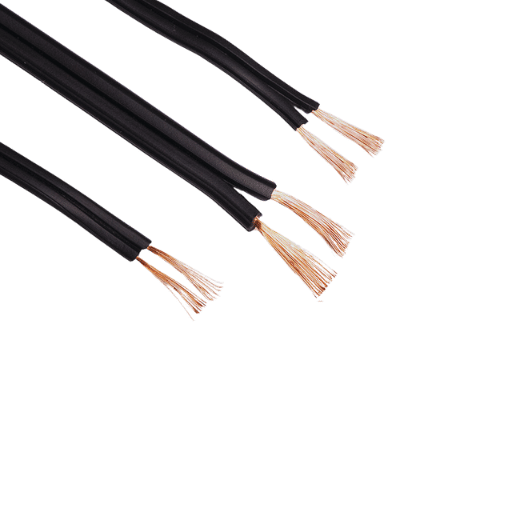
SPT-1 en SPT-2 zijn soorten lampkoorden die worden gebruikt in laagspanningsbedradingstoepassingen Het belangrijkste verschil tussen de twee is hun isolatiedikte SPT-1 heeft een dunnere isolatie, waardoor het flexibeler wordt Als zodanig kan SPT-1 worden gebruikt voor lichte taken zoals het aandrijven van lampen of kleine apparaten binnenshuis SPT-2 heeft een dikkere isolatie, die een grotere duurzaamheid biedt en het ideaal maakt voor gebruik buitenshuis of zwaar gebruik. Het kiezen van de juiste draad is afhankelijk van de omgevingsomstandigheden en de elektrische belastingseisen voor het project.
Inzicht in SPT-1- en SPT-2-draadspecificaties
Het primaire verschil tussen SPT-1 en SPT-2 draden is de dikte van hun isolatie SPT-1 draad heeft isolatie die slechts 0,03 inch dik is, waardoor flexibiliteit mogelijk is, wat ideaal is voor toepassingen binnen en met lage spanning Aan de andere kant heeft SPT-2 draad ongeveer 0,045 inch dikke isolatie, wat een betere bescherming biedt tegen het milieu, waardoor het geschikt is voor toepassingen buiten of met hogere belasting In beide gevallen moet rekening worden gehouden met de individuele omgevingsomstandigheden en veiligheidsnormen van het project.
Toepassingen van SPT-draden in verschillende industrieën
SPT-draden hebben belangrijke toepassingen in tal van disciplines vanwege hun flexibiliteit, verschillende isolatiebreedtes en economische prijzen, evenals andere definieerbare eigenschappen. Hieronder volgen de belangrijkste toepassingen van SPT-draden op verschillende gebieden:
Consumer Electronics
- SPT-draden zijn te vinden in huishoudelijke apparaten zoals stofzuigers, waterkokers en zelfs in decoratieve lampen.
- In het geval van lampen worden bijvoorbeeld SPT-1-draden gebruikt in de snoersets, omdat de spanning en belasting relatief laag zijn en de elektrische vraag licht is.
- SPT-draden worden gebruikt in consumentenelektronica omdat SPT-draden eenvoudig te installeren zijn en ze kunnen worden geïntegreerd in kleinere ruimtes, wat een pluspunt is voor het ontwerp.
Automotive Sector
- Voor het auto-interieur worden SPT-2-draden gebruikt voor de binnenverlichting vanwege de betere isolatie en de extreme temperaturen die ze kunnen verdragen.
- Soms worden deze draden gebruikt om apparaten met een laag spanningsbereik, zoals dashboard-LED's en andere hulpapparaten, van stroom te voorzien.
Bouw en Woonbedrading
- SPT-draden worden vaak gebruikt om de lichten van stroom te voorzien in evenementen waarbij semi-permanente elektrische bedrading binnenshuis vereist is.
- SPT-1-draden zijn efficiënt voor toepassingen met lichte belasting, terwijl SPT-2-draden worden gebruikt voor veeleisendere taken, waaronder gebruik buitenshuis, waarbij de beschermende behuizing wordt blootgesteld aan bepaalde omgevingsomstandigheden.
Verlichting en Decor
- spt-draden zijn niet alleen populair onder gebruikers maar ook fabrikanten vanwege de esthetische complimenten die ze bieden aan de verlichting en het decoreren van objecten via de draad in flexibel geplaatste vakantielichten. Terwijl SPT-1-bedrading binnenshuis wordt gebruikt vanwege het lichtgewicht, heeft SPT-2 de voorkeur buitenshuis in omgevingen die een grotere duurzaamheid vereisen.
Industriële Gereedschappen
- SPT-2-draad wordt gebruikt in industriële machines en gereedschappen die mobiele stroomaansluitingen nodig hebben vanwege de sterkte onder hogere belastingen en veeleisendere omstandigheden.
- De draden bieden een redelijk geprijsde en effectieve oplossing voor macht aansluitingen die tijdelijk moeten zijn voor gebruik in een fabriek.
Elke applicatie demonstreert de prestatiemogelijkheden van SPT-draden in specifieke operationele en milieueisen, en toont veelzijdigheid in verschillende industrieën.
Hoe beïnvloedt isolatiedikte de prestaties?
Als het gaat om de prestaties van een draad, speelt de isolatiedikte een cruciale rol. Elektrische isolatie, veroudering en veiligheid zijn er bijvoorbeeld allemaal van afhankelijk. Grotere isolatielagen verhogen de hulp tegen fysieke schade, thermische spanning en elektrische interferentie. Dit is vooral belangrijk in omstandigheden waarin draden ernstige mechanische blootstelling moeten ondergaan. Dikkere isolatie garandeert bijvoorbeeld een betrouwbare werking vanwege het verhoogde vermogen om slijtage en mechanische slijtage te verdragen.
Vanuit technisch perspectief verbetert dikke isolatie ook de diëlektrische sterkte, wat het vermogen van een isolatiemateriaal is om doorslagspanningen te weerstaan zonder het verlies van zijn isolerende eigenschappen. Deze eigenschap is van cruciaal belang om te voorkomen dat elektrische kortsluitingen de efficiënte overdracht van energie beschermen. Dikke draadisolatie kan echter leiden tot een grotere diameter, waardoor de flexibiliteit in gevaar komt en eenvoudige installaties in smalle ruimtes worden voorkomen. Bovendien zullen deze factoren bijdragen aan de totale materiaalkosten en het gewicht van de draad, wat bij sommige toepassingen van cruciaal belang kan zijn.
Uit gegevens uit materiaalprestatieanalyses blijkt bijvoorbeeld dat een standaard SPT-2-draad met een grotere isolatiedikte tot 300 volt tolereert en efficiënt werkt binnen een temperatuurbereik van -20 °C tot 60 °C. Deze prestatie toont de geschiktheid ervan aan voor residentiële en commerciële bedradingssystemen. De isolatiedikte moet echter worden geselecteerd op basis van de elektrische belasting, de blootstelling aan het milieu en ruimtelijke overwegingen van een specifieke toepassing om de algehele prestaties te verbeteren.
Hoe kies je SPT-1 of SPT-2 voor je project?

Factoren waarmee rekening moet worden gehouden: lengte van de draad en stroombeoordeling
Bij het kiezen tussen SPT-1 en SPT-2 is het belangrijk om rekening te houden met de draadlengte en de stroomwaarde van de toepassing. Bij langere draadruns is SPT-2-bedrading geschikter vanwege de dikkere isolatie die zowel spanningsval als warmteaccumulatie voorkomt. In termen van stroomsterkte is SPT-2 beter geschikt voor hogere elektrische belastingen vanwege de grotere isolatiedikte. Aan de andere kant maken de lagere kosten en toereikendheid van SPT-1 voor korte runs en lage stroomsterkte het een redelijke keuze. Vergeet niet om te verifiëren dat de gekozen draad voldoet aan de elektrische criteria en veiligheidsvoorschriften van het project.
Hoe weersomstandigheden uw keuze beïnvloeden
Draadkeuze buiten is cruciaal voor weergerelateerde toepassingen Afhankelijk van klimaatfactoren functioneren SPT-1 en SPT-2 draden anders vanwege de verschillen in isolatie-eigenschappen en materiaalsterkte.
SPT-2 bedrading wordt vaak aanbevolen voor gebieden met extreme hitte of langdurige blootstelling aan de zon vanwege de dikkere isolatie die de blootstelling aan UV en de afbraak door hitte vermindert terwijl de algehele levensduur wordt verlengd Studies suggereren dat extreme hitte de isolatieschade versnelt waardoor de levensduur van de draad wordt verminderd Gebieden die een temperatuurbereik van 90 °F tot 120 °F doorstaan, worden steeds moeilijker op dunnere isolatietypes, dus SPT-2 is de betere optie.
In koudere streken die vriestemperaturen ervaren, wordt flexibiliteit onder nul een andere kritische factor. Sommige dunnere draden, zoals SPT-1, kunnen functioneren zolang ze gedurende een lange periode niet te veel fysiek worden belast. Door de verhoogde isolatiedichtheid heeft SPT-2 echter nog steeds meer weerstand tegen scheuren onder nul en broosheid van het materiaal.
Verdere aandacht moet worden besteed aan vochtigheid en neerslag Draden die worden geplaatst in gebieden die zijn blootgesteld aan consistent vocht, zoals kust - en regenachtige gebieden, lopen meestal het risico van corrosievorming op verbindingspunten, zodat ze vaak te maken krijgen met corrosieproblemen Het selecteren van een afdichtmiddel dat geschikt is voor vocht en het koppelen van de draad met weerbestendige connectoren is absoluut noodzakelijk Vanwege de robuuste isolatie die helpt beschermen tegen vochtpenetratie, presteert SPT-2 doorgaans beter in zeer vochtige omgevingen.
Ongeacht het gekozen draadtype worden bij deze aanpak betrouwbare en veilige prestaties onder alle omstandigheden gegarandeerd, dus voor gebruik van bedrading buitenshuis moeten altijd beschermende stappen zoals leidingbekleding en weerbestendige behuizingen worden toegevoegd.
Professionele kerstinstallateurs: welke draad geven ze de voorkeur?
Vanwege de lage prijs en de lichtgewicht isolatie, waardoor het gemakkelijker wordt om mee te werken in droge ruimtes, gebruiken professionele kerstinstallateurs vaak SPT-1 draad voor de meeste standaard installaties, echter, voor gebieden die hoog zijn in vocht of vochtigheid, gebruiken ze meestal SPT-2 draad omdat de dikkere isolatie zorgt voor een betere duurzaamheid en bescherming De uiteindelijke beslissing is afhankelijk van de omgevingsfactoren en veiligheidsmaatregelen die nodig zijn voor het specifieke project.
Het verschil tussen SPT-1 en SPT-2 onderzoeken
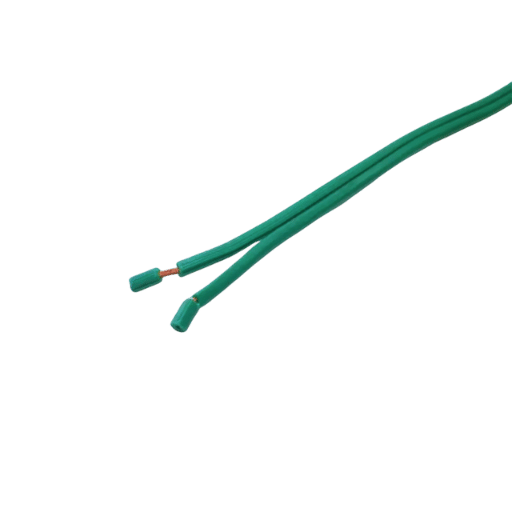
Gedetailleerde vergelijking: SPT-1 versus SPT-2-draad
Isolatiedikte en duurzaamheid
De isolatiedikte is een van de belangrijkste onderscheidende kenmerken tussen SPT-1 en SPT-2. SPT-1 draad heeft een isolatiedikte van 0,03 inch, waardoor het lichtgewicht en gemakkelijk te manoeuvreren is. Aan de andere kant wordt SPT-2 draad geleverd met een veel dikkere isolatielaag, ongeveer 0,045 inch dik. Deze extra dikte verhoogt de duurzaamheid van de draad en de bescherming tegen slijtage, slijtage en vochtschade, waardoor deze geschikt is voor omgevingen met hoge luchtvochtigheid buitenshuis.
Spanning en stroomclassificatie
Hoewel zowel SPT-1- als SPT-2-draden toepassing vinden in laagspanningssystemen, verschillen hun stroomwaarden enigszins vanwege de isolerende kenmerken van elke draad. SPT-1-draden zijn over het algemeen geschikt om een stroombelasting van zeven tot tien ampère te ondersteunen. Daarentegen hebben SPT-2-draden, vanwege hun extra isolatie, de neiging een iets hogere belasting van tien tot dertien ampère te ondersteunen. Dit verschil wordt vooral belangrijk in contexten die betrouwbaarheid vereisen onder zwaardere belastingseisen.
Gebruiksscenario's
SPT-1 draad wordt vaak geselecteerd voor gebruik binnenshuis, zoals het voeden van huishoudelijke apparaten en lampen, evenals kleine apparaten, vanwege het lage risico op externe schade of vocht Ondertussen wordt SPT-2 draad vaak gebruikt voor landschapsarchitectuur en buitenverlichting, waar extra isolatie belangrijk is voor de veiligheid en levensduur.
Kostenoverwegingen
Vanwege de dunnere isolatie is SPT-1 draad goedkoper dan SPT-2 De productiemateriaalkosten en het gebruiksgemak dragen bij aan het prijsverschil, wat SPT-1 zuiniger maakt voor eenvoudige binnenprojecten Aan de andere kant heeft SPT-2 iets hogere materiaalkosten vanwege de toegevoegde beschermende eigenschappen, maar biedt het een betere waarde voor duurzamere en hoge beschermingsstandaardprojecten.
Veiligheidsnormen en naleving
Zowel de SPT-1- als de SPT-2-draden voldoen aan de regelgeving van Underwriters Laboratories (UL). Bij de selectie van de twee moet altijd rekening worden gehouden met de omstandigheden, de omgevingscontext, veiligheidskenmerken en het beoogde gebruik voor naleving en de betrouwbare levensduur.
Door deze factoren te begrijpen, kunnen specialisten de overeenkomstige vereisten aanpassen, waardoor dit onderscheid van cruciaal belang is voor het beschrijven van de juiste draad voor een bepaald project.
De rol van dikkere isolatie in SPT-2-draden
In SPT -2 draden speelt dikkere isolatie een belangrijke rol bij het verbeteren van duurzaamheid en veiligheid Persoonlijk erken ik dat het een betere weerstand biedt tegen slijtage, evenals schade door externe factoren of zelfs de gebruiks - en installatieprocessen Deze extra isolatie vergroot ook het vermogen van de draad om hogere stroomsterktebelastingen te beheren, waardoor het geschikt is voor veeleisende toepassingen.Het kennen van deze voordelen geeft mij het vertrouwen om SPT-2 draden te selecteren wanneer projecten extra bescherming en betrouwbaarheid vereisen.
Spannings- en stroomwaarden begrijpen
Spanning wordt beschreven als het elektrische potentiaalverschil dat stroom in een circuit voortstuwt, terwijl de stroomsterkte de waarde van stroom in een bepaald gedeelte van een circuit beschrijft Verder specificeert de spanningswaarde van een draad de maximale spanning die een draad kan dragen zonder enige vernietiging aan isolatie te verliezen. De stroomsterkte van de stroomsterkte definieert de maximale stroom die een draad kan dragen zonder oververhitting of schade te veroorzaken. Om de veiligheid, efficiëntie en prestaties te garanderen, is het selecteren van de juiste draad waarvan de beoordelingen precies overeenkomen met de behoeften van het systeem van fundamenteel belang. Controleer altijd documenten of elektrische codes die relevant zijn voor het product voor een goede selectie.
Installatietips voor SPT-draad en -koorden
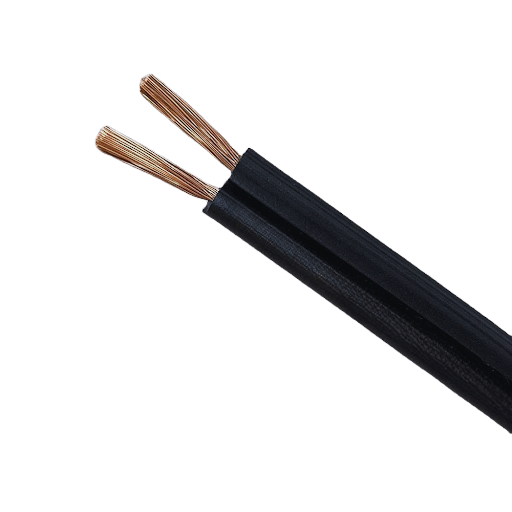
Veilige praktijken voor het gebruik van SPT-1- en SPT-2-draad
Stem draad uit op gebruik
- Zorg er altijd voor dat het geselecteerde type draad overeenkomt met de taak die voor u ligt. SPT-1 is geschikt voor omgevingen binnen en met laag vermogen, terwijl SPT-2 met dikkere isolatie geschikter is voor omstandigheden met hoog vermogen en buitenshuis.
Controleer de spannings- en stroomsterktebeoordelingen
- Zorg ervoor dat de waarde van de draad in volt en ampère overeenkomt met de waarde van de aan te sluiten apparaten, om oververhitting en defecten aan het systeem te voorkomen.
Vermijd Overmatig Buigen of Druk
- Buig, overspin of druk deze draden niet te veel samen, omdat dit ertoe kan leiden dat de isolatie de bedrading doorsnijdt en blootlegt, waardoor deze onveilig wordt.
Inspecteer op schade
- Controleer de draad periodiek op eventuele sneden, schaafwonden en elke andere vorm van slijtage Gecompromitteerde draden moeten onmiddellijk worden vervangen.
Volg Bekende Elektrische Codes
- Houd u aan lokale elektrische codes en installatievereisten om aan de normen te voldoen en de veiligheid in alle configuraties te garanderen.
Door deze aanbevelingen op te volgen, gaan de draden SPT-1 en SPT-2 langer mee en werken ze betrouwbaarder.
Richtlijnen voor de veiligheid van stekkers en stopcontacten
Het afdwingen van de veiligheid van stopcontacten en stekkers is van cruciaal belang voor het beperken van elektrische risico's en het behoud van de integriteit van een systeem. De onderstaande maatregelen kunnen worden gevolgd om veiligheidsgerelateerde problemen te beheersen:
Compatibiliteit verifiëren
- Zorg er altijd voor dat de stroom- en spanningswaarden van de stekkers en stopcontacten geschikt zijn. De meeste huishoudelijke stopcontacten in de VS hebben bijvoorbeeld een vermogen van 120V en 15A, maar sommige zware apparaten hebben mogelijk hogere beoordelingen nodig. Controleer de specificaties van het apparaat en de stekkers om overbelasting te voorkomen, zoals de apparaten en hun respectievelijke stopcontacten.
Inspecties uitvoeren
- Voer regelmatig inspecties uit van stekkers en stopcontacten om te controleren op externe tekenen van schade, bijvoorbeeld brandwonden, scheuren en losse verbindingen als gevolg van oververhitting. Het is belangrijk om defecte stopcontacten of stekkers zo snel mogelijk te vervangen, om de kans op kortsluiting of brand te verkleinen.
Voorkom dat outlets overbelast raken
- Het aansluiten van te veel stroomvragende apparaten op stopcontacten kan leiden tot oververhitting en kan ernstige schade aan de circuits veroorzaken. Om dit risico te beperken moeten stekkerdozen worden gebruikt die overspanningsbeveiligers bevatten, terwijl ervoor wordt gezorgd dat de totale vermogensafname de nominale belasting van de strips niet overschrijdt.
Houd u aan de juiste procedures
- Controleer tijdens het installatieproces van stopcontacten of alle aansluitingen en afsluitingen van kabels strak zijn Deze praktijk verkleint de kans op vonkoverslag en het optreden van branden. Om een betere bescherming tegen alle gevaren te bieden, worden fraudebestendige houders (TRR's) geadviseerd voor installatie, vooral in huizen met kinderen.
Stuur duidelijk uit onrechtmatige uitbreidingen
- Vermijd het gebruik van verlengsnoeren als een oplossing voor de lange termijn Overweeg bij langdurige stroombehoeften om extra stopcontacten te laten installeren door professionals Omdat verlengsnoeren elk jaar worden misbruikt voor meer dan drieduizend elektrische branden in huis, bestaat er een gevaar dat de neiging heeft onopgemerkt te blijven. Het is opgemerkt door de NFPA (National Fire Protection Association).
Gfci's toevoegen
- GFCI's moeten worden toegevoegd op plaatsen die zeer gevoelig zijn voor vocht, zoals waterige keukens en badkamers, evenals buitenomgevingen. Deze apparaten beschermen door stroom te snijden als er een aardfout wordt gedetecteerd, waardoor stroomschokken worden voorkomen. Ze hebben de elektrocutiegraad sinds hun uitvinding volgens de Electrical Safety Foundation International (ESFI) met meer dan tachtig procent verlaagd.
Sockets veilig houden
- Bedek ongebruikte stopcontacten met slimme stopcontactafdekkingen om mogelijke ongelukken door onbeheerde stopcontacten te voorkomen, terwijl vuil, vloeistof en stof niet rond stekkers mogen samenkomen.
Een schone stroomlijnomgeving kan worden bereikt als een bedrijf of een individu actief probeert de risico's van oneigenlijk gebruik van elektrisch gebruik te vermijden. Zorgvuldige monitoring van deze acties zal de veiligheidsnormen aanzienlijk verbeteren en een beter milieu voor iedereen bieden.
Hoe om te gaan op de juiste manier omgaan met SPT-2 Kabels in Outdoor Instellingen
Bij het buitenshuis werken met SPT-2 kabels zijn bescherming en veiligheid erg belangrijk Bescherm de kabels met afdekkingen of leidingen om vocht - en UV-schade, evenals fysieke schade te voorkomen Gebruik buiten goedgekeurde krimpkous voor draden of weerbestendige connectoren om ervoor te zorgen dat alle aansluitingen waterdicht zijn Beveilig de kabels goed om struikelgevaren te elimineren en tegelijkertijd af te zien van het plaatsen van zware voorwerpen bovenop, wat schuren of scheuren kan veroorzaken Voer vóór gebruik een visuele inspectie uit om eventuele kabelschade en slijtage te identificeren, vervang ze indien nodig Het volgen van lokale wetten, evenals de instructies van de fabrikant, zal een goede en veilige omgang met kabels in de open lucht vergemakkelijken.
Kan SPT-draad worden gebruikt voor kerstlichtdisplays?
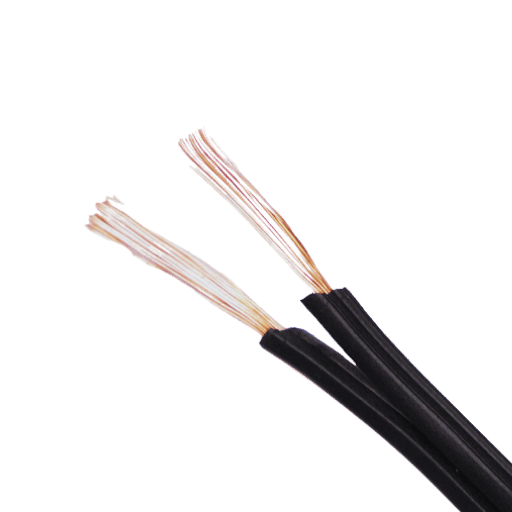
Veiligheid garanderen met vakantielichtinstallaties
Mits het voldoet aan de vereiste veiligheidsnormen, kan SPT-draad worden gebruikt voor kerstlichtdisplays Bevestig dat de draad is beoordeeld voor buiten en goed geïsoleerd is om weerelementen te ondersteunen Controleer altijd het laadvermogen van de draad om er zeker van te zijn dat deze het totale wattage van uw lichtdisplay kan ondersteunen Voor extra veiligheid gebruikt u geaarde stopcontacten en verlengsnoeren met openluchtclassificatie Volg de aanwijzingen van de fabrikant voor zowel de draad als de lichten, en controleer alle onderdelen op schade voorafgaand aan de installatie. Als u deze richtlijnen naleeft, kunt u de feestdagen veilig vieren met een decoratief lichtdisplay.
Het effect van UV en zwaar weer op SPT-draden
SPT-draden zijn gevoelig voor slijtage en verslechtering bij blootstelling aan extreme weersomstandigheden en langdurige ultraviolette (UV) straling UV-blootstelling kan de buitenste isolatie van de draad beschadigen, wat resulteert in scheuren of verkleuring, waardoor de beschermende eigenschappen ervan worden verzwakt Extreme temperaturen, sneeuw en regen kunnen het verslechteringsproces verder versnellen door de toevoeging van vocht of broosheid aan het materiaal. Om deze uitdagingen te bestrijden moeten SPT-draden die bedoeld zijn voor gebruik buitenshuis UV-bestendig en weersafhankelijk zijn Langdurige blootstelling moet tot een minimum worden beperkt en regelmatige inspecties zijn van cruciaal belang om eventuele geïdentificeerde schade op zijn vroegst aan te pakken.
Het Ideale Type Koord voor Feestelijke Verlichting
Voor de vakantielichten is het beste type snoer het snoer dat speciaal is ontworpen voor gebruik buitenshuis en past bij de elektrische eisen van de lichten Zorg ervoor dat u controleert op de markeringen “UL-genoteerde” of “ETL-genoteerde”, aangezien deze voldoen aan de veiligheidsnormen De zware verlengsnoeren buiten moeten een vocht - en temperatuurbestendige buitenbekleding hebben Ook zijn extra veiligheidsvoorzieningen zoals een geaarde stekker de perfecte selectie voor gebruik buitenshuis Zorg ervoor dat het wattagevermogen niet groter is dan het vermogen dat nodig is voor verlichting om oververhitting of elektrische gevaren te voorkomen.
Veelgestelde vragen (FAQ's)
Vraag: Wat onderscheidt SPT-1 het meest van SPT-2-draad?
A: Het kritische onderscheid tussen SPT-1 en SPT-2 draad is de dikte waarin de draden zijn geïsoleerd SPT-2 draden zijn robuuster door hun dikkere isolatie ten opzichte van SPT-1 draden Deze toegevoegde isolatie maakt de SPT-2 mogelijk draden om hogere versterker te verkrijgen beoordelingen en bestand tegen extreme omstandigheden.
Vraag: Wat is beter voor kerstverlichting en decoratie, SPT-1- of SPT-2-draad?
A: Gebruik ofwel SPT-1 of SPT-2 voor kerstverlichting en decoreren op basis van wat je nodig hebt SPT-1 koorden zijn geschikt voor licht, binnengebruik, terwijl SPT-2 koorden beter zijn voor veeleisend buitengebruik of waar duurzaamheid van cruciaal belang is.
Vraag: Welke impact heeft de isolatiedikte tussen SPT-1 en SPT-2?
A: De isolatiedikte van SPT-1 en SPT-2 heeft voornamelijk invloed op hun duurzaamheid en amp rating Vanwege koudere klimaten waardoor SPT-2 draden minder gevoelig zijn voor bros worden, maakt hun dikkere isolatie SPT-2 draden duurzamer Aan de andere kant zijn SPT-1 draden minder duurzaam en lichter.
Q: Wat is de amp rating voor SPT-1 draad?
A: Amp ratings voor SPT-1 draden zijn afgedekt rond 7 ampère, ongeacht of de toepassing een ritssluiting of een elektrisch snoer is.
Vraag: Is het mogelijk om het SPT-2-snoer te gebruiken in gebieden met extreem koud weer?
A: Ja, het gebruik van SPT-2-koord is mogelijk bij extreem koud weer, omdat het minder broos is vanwege de dikkere isolatie in vergelijking met SPT-1-koorden, waardoor het onder die omstandigheden betrouwbaarder is.
Vraag: Wat is de gebruikelijke koordmeter die wordt gebruikt voor SPT-1- en SPT-2-draden?
A: Een koperdraad van 18 gauge wordt meestal gebruikt voor zowel SPT-1- als SPT-2-draden, wat gebruikelijk is voor veel huishoudelijk en siergebruik, zoals c9- en c7-lampen en -decoraties.
Vraag: Hoe kan ik het verschil in isolatiedikte voor SPT-1 en SPT-2 leren?
A: Om het verschil te leren, kijk naar een SPT-1 en SPT-2 draadgeleider die u zal laten zien dat SPT-2 dikkere isolatie heeft, dus een grotere maximale stroomsterkte en een grotere duurzaamheid dan SPT-1-draad.
Vraag: Welke moet ik kiezen voor elektrische snoeren binnenshuis, SPT-1 of SPT-2?
A: Voor binnen elektrische koorden in gecontroleerde omgevingen, SPT-1 is meestal goed genoeg vanwege zijn lichtere isolatie Als de eisen aan duurzaamheid en amp capaciteit hoger zijn, kan SPT-2 echter de betere keuze zijn.
Vraag: Kosten SPT-2-draden meer dan SPT-1?
A: Ja, SPT-2-draden zijn meestal duurder dan SPT-1 vanwege hun dikkere isolatie en grotere duurzaamheid voor specifieke toepassingen die meer duurzaamheid vereisen.