







In low-voltage wiring, the proper selection of a wire type can impact safety, functionality, and the life span of the project being undertaken. SPT-1 and SPT-2 wires are among the most widely used types of wires; comprehension of their differences is critical to making an educated decision. Be it during holiday light installations, home appliance circuitry, or any other electrical function, having knowledge regarding each type saves valuable resources, effort, and time that could otherwise be wasted. This guide goes in-depth into the differences between SPT-1 and SPT-2 wires and their respective applications, and it provides expert knowledge to aid in making the optimal choices for your requirements. With this article, you will have sufficient knowledge that allows you to logically approach the coming wiring projects you have planned.
What is the spt-1 and spt-2 Wire?
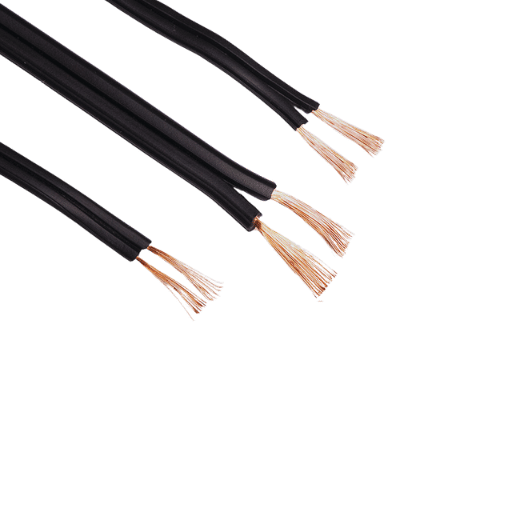
SPT-1 and SPT-2 are types of lamp cords used in low-voltage wiring applications. The key difference between the two is their insulation thickness. SPT-1 has thinner insulation, which makes it more flexible. As such, SPT-1 can be used for light-duty tasks such as powering lamps or small appliances indoors. SPT-2 has thicker insulation, which offers greater durability and makes it ideal for outdoor or heavy-duty uses. Choosing the right wire is dependent on the environmental conditions and the electrical load requirements for the project.
Understanding SPT-1 and SPT-2 Wire Specifications
The primary difference between SPT-1 and SPT-2 wires is the thickness of their insulation. SPT-1 wire has insulation that is only 0.03 inches thick, allowing flexibility, which is ideal for indoor and low-stress applications. On the other hand, SPT-2 wire has approximately 0.045-inch thick insulation, which offers better protection against the environment, making it suitable for outdoor or higher-load applications. In both cases, the individual environmental conditions and safety standards of the project must be taken into consideration.
Applications of SPT Wires in Various Industries
SPT wires have important uses across numerous disciplines because of their flexibility, different insulation widths, and economical pricing, as well as other definable properties. The following are the primary uses of SPT wires in various fields:
Consumer Electronics
- SPT wires can be found in household appliances such as vacuum cleaners, kettles, and even in decorative lamps.
- For example, in the case of lamps, SPT-1 wires are used in the cord sets as the voltage and load is relatively low and the electrical demand is light.
- SPT wires are used in consumer electronics because SPT wires are easy to install and they can be integrated into smaller spaces which is a plus for design.
Automotive Sector
- For the automotive interiors SPT-2 wires are used for the interior lighting because of the better insulation and the temperature extremes they can endure.
- Sometimes these wires are used to power low-range voltage devices like dashboard LEDs and other auxiliary devices.
Construction and Residential Wiring
- SPT wires are often used to power up the lights in events where semi-permanent indoor electrical wiring is required.
- SPT-1 wires are efficient for light load applications while SPT-2 wires are used for more demanding tasks including outdoor use where the protective casing is exposed to some environmental conditions.
Lighting and Decor
- SPT wires are popular not only among users but also manufacturers due to the aesthetic compliments they provide to the lighting and decorating objects through the wire in flexibly positioned holiday lights. While SPT-1 wiring is used indoors because of its lightweight, SPT-2 is preferred outdoors in settings that require greater durability.
Industrial Tools
- SPT-2 wire is used in industrial machinery and tools needing mobile power connections because of its strength under higher loads and more demanding conditions.
- The wires offer a reasonably priced and effective solution for power connections that need to be temporary for use in a manufacturing plant.
Each application demonstrates the performance capabilities of SPT wires in specific operational and environmental requirements, showcasing versatility across different industries.
How Does Insulation Thickness Affect Performance?
When it comes to a wire’s performance, the insulation thickness plays a critical role. For example, electrical insulation, aging, and safety all depend on it. Greater insulation layers increase aid against physical damage, thermal stress, and electrical interference. This is particularly important in circumstances where wires have to endure severe mechanical exposure. For example, thicker insulation guarantees reliable operation due to its increased ability to endure abrasion and mechanical wear.
From a technical perspective, thick insulation also improves dielectric strength, which is an insulating material’s ability to withstand breakdown voltages without the loss of its insulating properties. This feature is vital for preventing electrical shorts from protecting the efficient transfer of energy. However, thick wire insulation might lead to increased diameter, thus compromising flexibility and preventing simple installations in narrow spaces. Additionally, these factors will add to the total material expense as well as the weight of the wire, which can be critical in some uses.
For example, data from material performance analyses shows that a standard SPT-2 wire with increased insulation thickness tolerates up to 300 volts and operates efficiently within a temperature range of -20 °C to 60 °C. This performance demonstrates its suitability for residential and commercial wiring systems. However, insulation thickness should be selected based on a specific application’s electrical load, environmental exposure, and spatial considerations to enhance overall performance.
How to Choose SPT-1 or SPT-2 for Your Project?

Factors to Consider: Length of the Wire and Current Rating
While choosing between SPT-1 and SPT-2, it is important to consider wire length and the current rating of the application. With longer wire runs, SPT-2 wiring is more appropriate because of its thicker insulation which prevents voltage drop as well as heat accumulation. In terms of current rating, SPT-2 is better suited to higher electrical loads due to greater insulation thickness. On the other hand, SPT-1’s lower cost and sufficiency for short runs and low amperage make it a reasonable choice. Remember to verify that the chosen wire complies with the project’s electrical criteria and safety regulations.
How Weather Conditions Influence Your Choice
Outdoor wire selection is crucial for weather-related applications. Depending on climate factors, SPT-1 and SPT-2 wires function differently because of the differences in insulation characteristics and material strength.
SPT-2 wiring is often recommended for areas with extreme heat or prolonged exposure to the sun due to its thicker insulation which reduces UV exposure and the degradation from heat while prolonging overall life. Studies suggest that extreme heat accelerates insulation damage which diminishes the life of the wire. Areas that endure a temperature range of 90°F to 120°F are increasingly difficult on thinner insulation types, so SPT-2 is the better option.
In colder regions that experience freezing temperatures, sub-zero flexibility becomes another critical factor. Some thinner wires, like SPT-1, can function as long as they are not physically stressed too much over a long period. However, due to increased insulation density, SPT-2 still has more resistance to sub-zero cracking and material brittleness.
Further attention should be devoted to humidity and precipitation. Wires that are placed in regions exposed to consistent moisture, such as coastal and rainy areas, are usually at risk of corrosion forming at connection points, so they often face corrosion issues. Selecting a sealant rated for moisture and pairing the wire with weatherproof connectors is imperative. Due to its robust insulation which helps protect against moisture penetration, SPT-2 tends to perform better in highly humid environments.
Irrespective of the wire type chosen, reliable and safe performance in all conditions is guaranteed using this approach, so for outdoor use of wiring, protective steps like conduit coverings and weatherproof casings should always be added.
Professional Christmas Installers: Which Wire Do They Prefer?
Due to its low price and lightweight insulation, which renders it easier to work with in dry areas, professional Christmas installers often use SPT-1 wire for most standard installations. However, for areas that are high in moisture or humidity, they usually use SPT-2 wire because its thicker insulation provides better durability and protection. The ultimate decision relies on the environmental factors and safety measures needed for the particular project.
Exploring the Difference Between SPT-1 and SPT-2
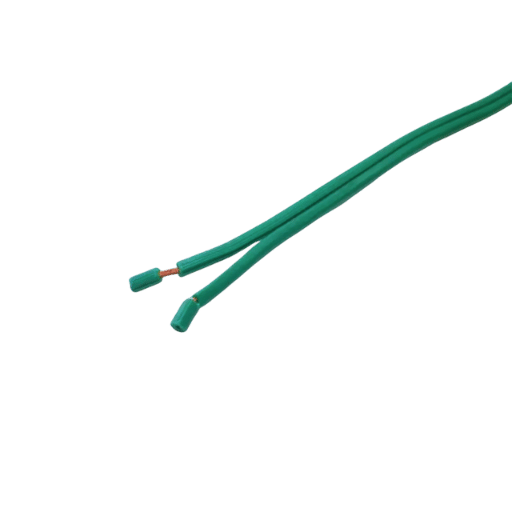
Detailed Comparison: SPT-1 vs SPT-2 Wire
Insulation Thickness and Durability
The insulation thickness is one of the primary distinguishing features between SPT-1 and SPT-2. SPT-1 wire has an insulation thickness of 0.03 inches, making it lightweight and easy to maneuver. On the other hand, SPT-2 wire comes with a much thicker insulation layer, approximately 0.045 inches thick. This additional thickness increases the wire’s durability and protection against wear, abrasion, and moisture damage, making it suitable for outdoor high-humidity environments.
Voltage and Current Rating
Though both SPT-1 and SPT-2 wires find application in low-voltage systems, their current ratings differ slightly due to the insulating features of each wire. SPT-1 wires are generally rated to support a current load of between seven to ten amps. In contrast, SPT-2 wires, due to their added insulation, tend to support a slightly higher load of ten to thirteen amps. This difference becomes particularly important in contexts requiring dependability under heavier load demands.
Usage Scenarios
SPT-1 wire is commonly selected for use indoors, such as powering household appliances and lamps, as well as small devices, due to the low risk of external damage or moisture. Meanwhile, SPT -2 wire is commonly used for landscaping and outdoor lighting, where extra insulation is important for safety and longevity.
Cost Considerations
Because of its thinner insulation, SPT-1 wire is less expensive than SPT-2. The production material costs and ease of use add to the price difference, which makes SPT-1 more economical for simple indoor projects. On the other hand, SPT-2 has slightly higher material costs due to its added protective features, but provides better value for more durable and high protection standard projects.
Safety Standards and Compliance
Both SPT-1 and SPT-2 wires are compliant with regulations set forth by Underwriters Laboratories (UL). The selection of the two should always factor in the conditions, environmental context, safety features, and intended use for compliance as well as dependable longevity.
Understanding these factors allows specialists to adjust corresponding requirements, making these distinctions critical for describing the appropriate wire for any given project.
The Role of Thicker Insulation in SPT-2 Wires
In SPT -2 wires, thicker insulation plays an important role in improving durability and safety. Personally, I recognize that it offers better resistance to wear and tear, as well as damage from external factors or even the use and installation processes. This additional insulation also enhances the wire’s capacity to manage higher amperage loads, making it suitable for demanding applications. Knowing these advantages gives me the confidence to select SPT-2 wires when projects demand extra protection and reliability.
Understanding Voltage and Amperage Ratings
Voltage is described as the electrical potential difference that propels current in a circuit, while the amperage describes the value of current in a determinate section of a circuit. Furthermore, the voltage rating of a wire specifies the maximum voltage that a wire can carry without losing any destruction to insulation. Amperage rating defines the maximum current that a wire can carry without overheating or causing any damage. To ensure safety, efficiency, and performance, selecting the proper wire whose ratings exactly match the needs of the system is fundamental. Always check documents or electrical codes pertinent to the product for proper selection.
Installation Tips for SPT Wire and Cords
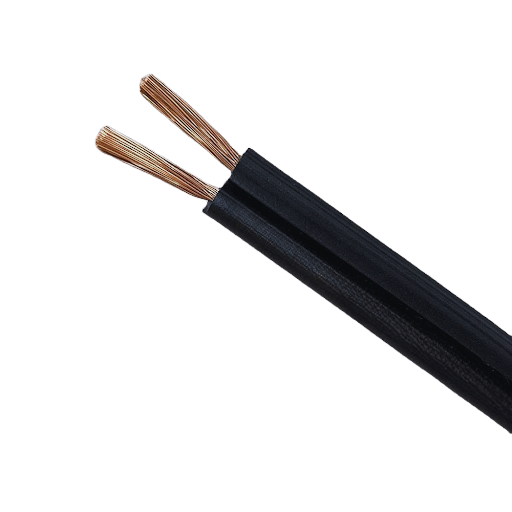
Safe Practices for Using SPT-1 and SPT-2 Wire
Align Wire to Usage
- Always ensure that the type of wire selected matches the task at hand. SPT-1 is appropriate for indoor and low-power environments, whereas SPT-2 with thicker insulation is more suitable for high-power and outdoor conditions.
Check The Voltage and Amperage Ratings
- Ensure that the rating of the wire in volts and amperes corresponds to the value of the devices to be connected so as to avoid overheating and failure of the system.
Avoid Excessive Bending or Pressure
- Do not overbend, overspin, or overly compress these wires, as doing so could cause the insulation to cut and expose the wiring, making it unsafe.
Inspect For Damage
- Check the wire periodically for any cuts, scrapes and any other form of wear and tear. Compromised wires should be replaced immediately.
Follow Known Electrical Codes
- Adhere to local electrical codes and installation requirements in order to comply with standards and ensure safety in all configurations.
Following these recommendations will make wires SPT-1 and SPT-2 last longer and work more reliably.
Plug and Socket Safety Guidelines
Enforcing socket and plug safety is critical for mitigating electrical risks, as well as preserving the integrity of a system. The measures below can be followed to manage safety-related issues:
Verify Compatibility
- Always ensure that the current and voltage ratings of the plugs and sockets are appropriate. For instance, most household outlets in the US are rated 120V and 15A, but some heavy-duty appliances could need higher ratings. Verify the specifications of the device and plugs to prevent overload, such as the appliances and their respective sockets.
Perform Inspections
- Conduct regular inspections of plugs and sockets to check for external signs of damage, for example burns, cracks, and loose connections which result from overheating. It is important to replace defective sockets or plugs as soon as possible, to reduce the chances of short circuits or fires.
Prevent Outlets From Being Overloaded
- Plugging too many power demanding devices to outlets can lead to their overheating and may cause serious damage to the circuits. In order to mitigate this risk, power strips that contain surge protectors should be used, while ensuring that the total power draw does not exceed the rated load of the strips.
Abide By Proper Procedures
- In the process of socket installation, check that all connections and terminations of cables are tight. This practice mitigates the chances of arcing and the occurrence of fires. To provide better protection against all hazards, tamper-proof receptacles (TRRs) are advised for installation especially in homes with children.
Steer Clear from Unlawful Extensions
- Avoid using extension cords as a long-term solution. For prolonged power needs, consider having extra outlets installed by professionals. As extension cords are misused for over three thousand home electrical fires every year, there is a danger that tends to go unnoticed. It has been noted by the NFPA (National Fire Protection Association).
Adding GFCIs
- GFCIs should be added in places that are highly prone to moisture such as watery kitchens and bathrooms, as well as outdoor settings. These devices protect by cutting power if a ground fault is detected, thus preventing power shocks. They have reduced electrocution rates by more than eighty percent since their invention according to the Electrical Safety Foundation International (ESFI).
Keeping Sockets Safe
- Cover unused sockets by smart socket covers to prevent potential accidents from unattended sockets while debris, liquid and dust should not be allowed to congregate around plugs.
A clean streamline environment can be achieved if a business or an individual actively tries to avoid the risks of improper use of electrical use. Careful monitoring of these actions will greatly improve safety standards providing a better environment for all.
How to Properly Handle SPT-2 Cables in Outdoor Settings
When working with SPT-2 cables outdoors, protection and safety are very important. Protect the cables with covers or conduits to prevent moisture and UV damage, as well as physical damage. Use outdoor-approved heat-shrink tubing for wires or weatherproof connectors to ensure all connections are waterproof. Properly secure the cables to eliminate trip hazards while refraining from placing heavy items on top, which could cause abrasion or tearing. Conduct a visual inspection before use to identify any cable damage and wear, replacing them as needed. Following local laws, as well as the manufacturer’s instructions, will facilitate proper and safe handling of cables in the open air.
Can SPT Wire Be Used for Christmas Light Displays?
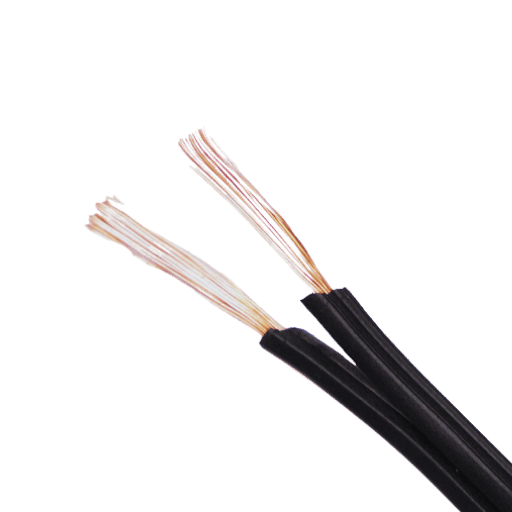
Ensuring Safety with Holiday Light Installations
Provided it fulfills requisite safety standards, SPT wire can be used for Christmas light displays. Confirm that the wire is rated for the outdoors and properly insulated to sustain weather elements. Always check the load capacity of the wire to ensure it can support the total wattage of your light display. For added safety, use grounded outlets and outdoor-rated extension cords. Follow manufacturer directions for both the wire and lights, and check all parts for damage prior to installation. Observing these guidelines will enable you to safely celebrate the holidays with a decorative light display.
The Effect of UV and Harsh Weather on SPT Wires
SPT wires are prone to wear and deterioration when subjected to extreme weather conditions and prolonged ultraviolet (UV) radiation. UV exposure can damage the outer insulation of the wire, resulting in cracks or discoloration, which weakens its protective qualities. Extreme temperatures, snow, and rain can further accelerate the deterioration process through the addition of moisture or brittleness to the material. To combat these challenges, SPT wires intended for outdoor use should be UV-resistant and weather-rated. Prolonged exposure should be minimized and regular inspections are key to deal with any identified damage at the earliest.
The Ideal Type of Cord for Festive Lighting
For the holiday lights, the best type of cord is the one specifically designed for outdoor use and fits the electrical requirements of the lights. Make sure to check for the markings “UL-listed” or “ETL-listed” as they comply with safety standards. The heavy-duty outdoor extension cords must have a moisture and temperature-resistant outer covering. Also, extra safety features like a grounded plug are the perfect selection for outdoor use. Make sure the wattage capacity is not greater than the power required by lighting to prevent overheating or electrical dangers.
Frequently Asked Questions (FAQs)
Q: What sets SPT-1 apart from SPT-2 wire the most?
A: The critical distinction between SPT-1 and SPT-2 wire is the thickness in which the wires are insulated. SPT-2 wires are more robust due to their thicker insulation relative to SPT-1 wires. This added insulation allows the SPT-2 wires to garner higher amp ratings as well as withstand extreme conditions.
Q: Which is better for Christmas lighting and decorating, SPT-1 or SPT-2 wire?
A: Use either SPT-1 or SPT-2 for Christmas lighting and decorating based on what you need. SPT-1 cords are suitable for light, indoor use, while SPT-2 cords are better for demanding outdoor use or where durability is critical.
Q: What impact does the insulation thickness between SPT-1 and SPT-2 have?
A: The insulation thickness of SPT-1 and SPT-2 mainly affects their durability and amp rating. Due to colder climates making SPT-2 wires less prone to becoming brittle, their thicker insulation makes SPT-2 wires more durable. On the other hand, SPT-1 wires are less durable and lighter.
Q: What is the amp rating for SPT-1 wire?
A: Amp ratings for SPT-1 wires are capped around 7 amps irrespective of the application being a zip cord or an electrical cord.
Q: Is it possible to use the SPT-2 cord in regions with extreme cold weather?
A: Yes, using SPT-2 cord is possible in extreme cold weather since it is less brittle due to its thicker insulation compared to SPT-1 cords, which makes it more dependable in those conditions.
Q: What is the common gauge of cord used for SPT-1 and SPT-2 wires?
A: An 18 gauge copper wire is usually used for both SPT-1 and SPT-2 wires, which is common for many household and ornamental uses like c9 and c7 lights and decorations.
Q: How can I learn the difference in insulation thickness for SPT-1 and SPT-2?
A: To learn the difference, look at an SPT-1 and SPT-2 wire guide which will show you that SPT-2 has thicker insulation, thus greater maximum amperage and greater durability than SPT-1 wire.
Q: Which one should I choose for indoor electrical cords, SPT-1 or SPT-2?
A: For indoor electrical cords in controlled environments, SPT-1 is usually good enough because of its lighter insulation. However, if durability and amp capacity requirements are higher, SPT-2 may be the better choice.
Q: Do SPT-2 wires cost more than SPT-1?
A: Yes, SPT-2 wires are usually more expensive than SPT-1 due to their thicker insulation and greater durability for specific applications that require more durability.