







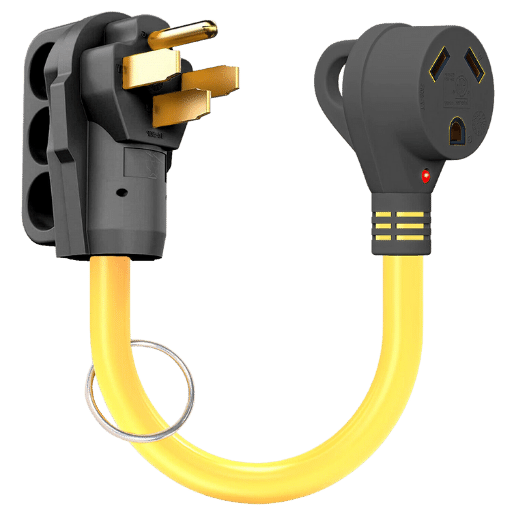
Pentru un RVer care dorește o conexiune electrică fiabilă și robustă, mufa de 50 de amperi este indispensabilă. Oferă mult mai multă putere decât mufa standard de 30 de amperi. Acest lucru este necesar pentru rulotele mai mari cu aparate și electronice cu cerere mare. Aceste mufe au de obicei patru dinte: două pentru fire fierbinți la 120 de volți, unul pentru un fir neutru și altul pentru un fir de împământare. Aceste dinte pot furniza până la 12.000 de wați prin două picioare de 120 de volți, astfel încât mai multe aparate mari să poată lucra împreună pe un circuit fără a-l supraîncărca. Știind ce se cere de la acest tip de mufă și cum ar trebui să fie utilizat, va asigura un consum sigur de energie în rulota dvs.
Ce este un dop de 50 de amperi?
Înțelegerea unui dop de 50 de amperi
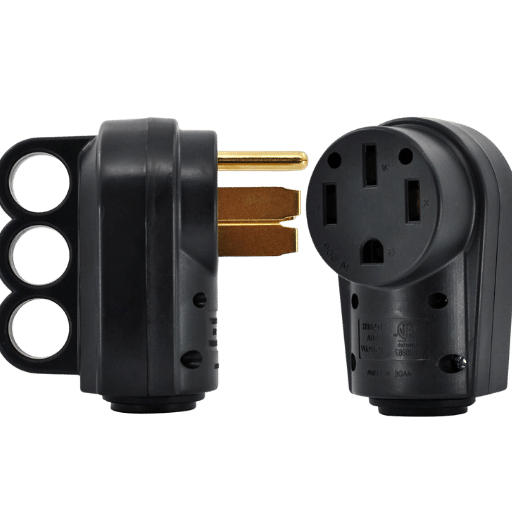
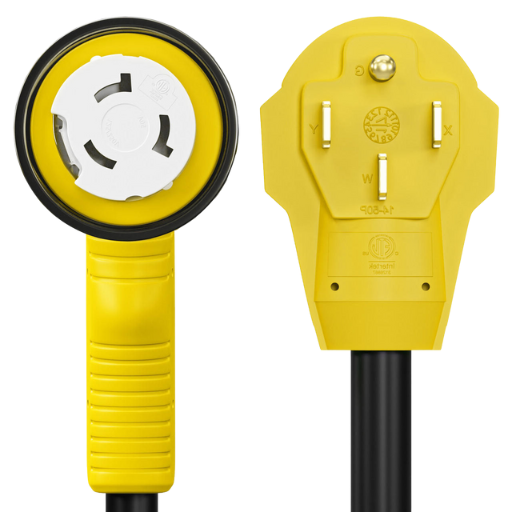
O mufă de 50 amperi este un conector electric unic proiectat pentru aplicații de mare putere, de obicei în vehicule de agrement (RV).Are patru dinte: două fire fierbinți de 120 de volți, un fir neutru și un fir de împământare. Prin furnizarea a două circuite diferite de 120 de volți care pot livra fiecare până la 6000 de wați, acest aranjament furnizează o putere de până la 12 kW, făcându-l perfect pentru RV-urile cu sarcini electrice grele. Durabilitatea construcției garantează o distribuție sigură a energiei electrice prin mai multe aparate care consumă mai mulți wați simultan, fără teama că sistemul poate fi supraîncărcat.
Diferențele dintre un dop de 50 de amperi și un dop de 30 de amperi
Când se compară o mufă de 50 de amperi cu o mufă de 30 de amperi, principalul lucru care le separă sunt capacitățile electrice și configurațiile dinților. De exemplu, o mufă de 50 de amperi are patru dinte: două fire fierbinți de 120 de volți, un fir neutru și un fir de împământare. Aceste patru dinte pot transporta până la 12.000 de wați prin două circuite de 120 de volți. Pe de altă parte, o mufă de 30 de amperi are doar trei dinte: un fir fierbinte de 120 de volți, un fir neutru și un fir de împământare, oferind puterea maximă de ieșire de 3.600 de wați.
Parametri tehnici:
Mufă de 50 de amperi:
- Dinte: Patru (Două fire fierbinți fiecare la 120 volți-, sârmă neutră, sârmă de împământare)
- Tensiune: 240 Volți (două circuite separate, fiecare producând 120 volți)
- Putere de ieșire: Maximul este de aproximativ sau egal cu 12 KW
- Aplicație tipică: RV-uri mari cu multe dispozitive cu cerere mare care necesită mai multă energie electrică decât pot suporta prizele mai mici simultan. De exemplu, unele aparate de aer condiționat se pot apropia sau mai mult decât această valoare.
Mufă de 30 de amperi:
- Dings: Trei (Un fir fierbinte la 120 volți-, sârmă neutră, sârmă de pământ)
- Tensiune: Un singur circuit care produce tensiune la aproximativ sau aproape de 110/120 VAC
- Putere de ieșire: Aproximativ/Până la aproximativ/aproximativ/până la treizeci și șase sute de wați, ceea ce este egal cu trei puncte șase kW.
- Aplicație tipică: Vehiculele de agrement mai mici au cerințe de sarcină electrică mai mici în comparație cu cele mai mari, cum ar fi roțile a cincea plus remorcile de călătorie etc., dar excluzând rulotele pop-up.)
Aceasta înseamnă că, dacă aveți un RV cu nevoi de putere mai mari, va trebui să utilizați un serviciu de cincizeci de amperi, astfel încât toate aparatele dvs. să poată fi rulate simultan fără a supraîncărca niciun circuit, în timp ce treizeci de amperi ar fi suficienți pentru unitățile mai mici de vehicule de agrement sau pentru cele cu mai puține cerințe electrice.
De ce să folosiți o priză de 50 de amperi pentru rulota dvs.?
O mufă de 50 de amperi are mai multe avantaje atunci când vine vorba de optimizarea performanței electrice în RV-ul dvs. Primul și cel mai important este că o mufă de 50 de amperi poate gestiona mult mai multă putere decât una de 30 de amperi, permițând până la 12.000 de wați în loc de 3.600 de wați. Această creștere mare a puterii disponibile permite utilizarea multor aparate cu cerere mare, cum ar fi aparatele de aer condiționat, cuptoarele cu microunde și încălzitoarele electrice, în același timp fără supraîncărcarea sistemului.
De asemenea, deoarece are o capacitate mai mare, este ideal pentru vehiculele de agrement (RV) mai mari, cu caracteristici electrice multiple. acest lucru asigură că toate gadgeturile funcționează bine și îmbunătățește astfel confortul și confortul în timp ce utilizați un RV. Un alt avantaj este că sursa de alimentare este mai stabilă și mai echilibrată datorită configurației cu patru direcții care distribuie puterea pe două circuite de 120 de volți care vin cu acest tip de priză.
Un alt motiv pentru care ar trebui să utilizați acest tip de ștecher este că previne suflarea siguranțelor sau a întrerupătoarelor, care sunt comune în sistemele care depășesc limitele stabilite de ștecherele de treizeci de amperi. Acest lucru nu numai că sporește siguranța, dar reduce și riscul potențialelor daune cauzate sistemului electric al unui RV. Prin urmare, dacă vehiculul dvs. de agrement necesită mai multă energie electrică, atunci cincizeci de amperi ar trebui considerați o cerință minimă pentru o performanță mai bună.
Cum se instalează o priză de 50 de amperi
Instrumente necesare pentru instalare
Pentru o configurare sigură și eficientă, există instrumente necesare pe care trebuie să le utilizați pentru instalarea unei mufe de 50 amperi în RV. Iată o scurtă listă a acestor instrumente:
- Tester de tensiune (Tentage Tester) (în engleză) „Just“) Aceasta va verifica dacă există sau nu fire sub tensiune în timpul instalării.
- Șurubelnițele (atât cu cap plat, cât și Phillips) sunt folosite pentru a strânge șuruburile de pe dop, precum și de pe panou.
- Decapatoarele de sârmă sunt folosite pentru a scoate izolația din fire.
- Needle Nose Clește (clește pentru nas cu ac) „jucați“ Acest instrument este menit să îndoaie și să modeleze firele.
- Întrerupător de circuit (Circuit Breaker) (întrerupător de circuit cu două poli) de 50 amperi, care se potrivește panoului dvs. electric.
- Banda electrică (Electrical Tape) asigură împreună conexiunile cablurilor și le izolează și pe acestea!
- Piulițe de sârmă - Conectează firele în siguranță, așa că asigurați-vă că aveți unele disponibile dacă este necesar și dimensionate corespunzător!
- Cutie de ieșire (Outlet Box) (Jucați) Trebuie să fie dimensionată corespunzător pentru a găzdui mufa de 50 amperi.
- Receptacul de 50 de amperi (jet) Proiectat special pentru mufe RV conform standardului NEMA 14-50R.
- Burghie & Burghie-Acestea sunt utile atunci când este necesară montarea unei cutii de evacuare
- Cablul (calibrul 6/3 cu solul) de 6/3 cu cablu de masă ar trebui utilizat deoarece are o capacitate suficientă pentru o conexiune de 50 amperi și este, de asemenea, sigur
Având aceste piese de echipament gata înainte de a începe instalarea va asigura totul merge fără probleme și în condiții de siguranță. întotdeauna să adere la instrucțiunile producătorului și codurile locale în timp ce face orice lucru electric. în caz de îndoială, consultați un electrician care știe ce fac pentru a nu risca nimic periculos.
Proces de instalare pas cu pas
Dezactivați sursa de alimentare primară:
- Înainte de a începe orice sarcină, asigurați-vă că ați oprit sursa principală de alimentare a panoului electric pentru a nu primi un șoc electric.
Pregătiți cutia de ieșire:
- Poziționați și fixați cutia de evacuare folosind burghie. Asigurați-vă că este fixată suficient de bine și are dimensiuni care sunt potrivite pentru recipientul de 50 de amperi.
Rulați cablul:
- Un cablu de calibrul 6/3 este utilizat pentru a rula de la panoul electric la cutia de priză. asigurați-vă că lăsați cablu suplimentar la ambele capete pentru conexiuni confortabile.
Dezbrăcați firele:
- Folosind dispozitive de stripare a sârmei, îndepărtați izolația de aproximativ trei sferturi de inch din fiecare fir din cablu, având grijă să nu deteriorați firele în sine.
- Instalați întrerupătorul de circuit:
- Deschideți panoul și introduceți un întrerupător cu poli dubli de 50 amperi în orice slot disponibil. fixați-l în siguranță, conform instrucțiunilor producătorului și codurilor electrice locale.
Conectați firele la panou:
- Conectați firul negru la o bornă a noului întrerupător; conectați roșu la o altă bornă pentru același comutator. Albul (neutru) ar trebui să fie conectat înapoi în jos pe bara neutră, în timp ce pământul gol se ridică pe bara de masă.
Instalați recipientul:
- Wire up your 50-amp receptacle following the NEMA 14-50R standard: Brass terminals receive black and red wires; silver terminals receive white wire; and green terminals receive bare wire.
Secure Receptacle:
- Carefully mount receptacle into outlet box making sure all connections are tight fitted with receptacle flush against box wall etcetera..
Instalare de testare:
- Verify that there are no live wires using a voltage tester. Then, turn the main power supply back on and test the receptacle to see if it’s working fine. An RV power pedestal analyzer can be helpful for this last check.
Inspecție finală:
- Double-check all connections, ensuring none are loose or exposed components. If necessary, use electrical tape and wire nuts to reseal the panel and outlet box.
By following these steps carefully, you can install a 50-amp plug for an RV safely and efficiently. Always remember safety first, and consult with local electrical codes where necessary or whenever you are unsure about anything.
Măsuri de siguranță în timpul instalării
Power Down:
- Make sure you completely switch off the power at the main circuit breaker before doing any electrical work. This way, it is guaranteed that there will be no electric shock or short-circuiting.
Echipament individual de protecție (EIP):
- Always wear suitable PPE, such as insulated gloves and safety goggles, to protect oneself from electric shocks and flying materials.
Confirm Lack of Voltage:
- Before touching any wires or terminals, check them first with a voltage tester to be sure they do not have electricity passing through them.
Instrumente și echipamente adecvate:
- Use only those tools and equipment which are meant for electrical works; also ensure that each tool is well maintained without any defects whatsoever.
Dry Work Area:
- Keep your workplace dry all the time because water plus electricity can cause very serious injuries.
Check for Compliance:
- Make certain that all connections and installations meet the requirements of National Electrical Code (NEC) as well as those set by local authorities.
Professional Guidance:
- Consult a licensed electrician whenever in doubt or lacking experience about any step involved. Wrong installations may lead to many safety hazards.
Following these safety measures will help you reduce accidents while ensuring a secure installation process.Types of 50 Amp Plugs and Connectors
Male vs. Female 50 Amp Plugs
50 Amp plugs, both male and female, are needed to create a strong power supply for applications with high current. The male plug is the part that has prongs sticking out, which fit into a corresponding female socket. Specifically speaking. Usually, there are four prongs in a male plug – two live wires, one neutral wire, and one grounding conductor – intended for carrying up to 50 amps safely. On the other hand, female plugs or receptacles have four slots where they receive these male counterparts’ pins in order to make tight connections.
Such connectors are commonly used in recreational vehicles (RVs), generators as well as heavy-duty appliances such as air conditioners or heaters, which draw much electricity. It is important that the right match between males and females is made because failure to do so may result in dangerous situations like arcing, overheating, or poor electrical continuity. Besides this fact, reputable brands design their connectors to be robust enough to withstand harsh environments while still meeting safety requirements set forth by regulatory bodies throughout different countries worldwide.
To wrap up my discussion, let me state once more how important it is for all those who deal with high-current electrical systems, either professionally or just at home, to understand what these items are used for and their specifications. If not, we will not only compromise our own safety but also risk damaging equipment due to inappropriate connection methods being employed when making power supplies using them.
4 Prong vs 3 Prong 50 Amp Plugs
The main difference between 3-prong and 4-prong 50 Amp plugs is how their connections are configured, which can affect the safety and functionality of an electrical system. A 3-prong plug has two hot wires and one ground wire where a current is made possible, but there is no separate neutral wire, which could result in dangers like electric shock or equipment damage due to a shared neutral-ground path.
On the other hand, a 4-prong plug includes one additional prong for the neutral wire along with the two hot wires and one ground wire. This design allows for separate paths to be created by which current may travel back through neutral thus ensuring better reliability as well as safety in connection points. The National Electrical Code now requires this type of setup because it reduces the chances of electrical interference while enhancing overall system safety.
In sum, although found in some older installations, three-prongs should not be used anymore except if their purpose meets present-day requirements since four-prongs have been made with more advanced protective features and compliance to NEC standards.
Choosing the Right 50 Amp Connector for Your RV
In order to select the right 50 Amp connector for a recreational vehicle (RV), there are some factors that must be taken into account. The following are the main points based on current information from leading websites:
- Type of plug: To meet recent electrical codes and establish a safer connection, most modern motorhomes need a four-pronged fifty-amp fitting. Therefore, check whether it matches your camper’s socket.
- Compatibility with power sources: It is essential to ensure that whichever 50 Amp connector you choose matches up correctly with what will serve as your power source. Usually, this should be at campsites or RV parks where they offer fifty amperes of current, but before plugging in, always confirm if their outlet has any unique configuration that differs from others.
- Length and quality of cable: The length of the cable can affect how easy it is to connect. Choose one which spans between where power comes from and reaches your vehicle without hanging too loosely such that people might trip over them; this depends on specific situations so just use common sense here. Go for high-quality cables made using strong insulation materials capable of withstanding harsh outdoor environments because they last longer under such conditions as well.
- Different types of plugs may be required for older models or nonstandard arrangements; therefore having appropriate converters at hand will prevent unnecessary inconvenience caused by lack thereof electrically safe adapters.
To sum it all up, use modern four-pronged fifty-ampere connectors, check compatibility with sources, mind specifications about lengths and qualities, then keep various adapters depending on situational demands – this ensures safe power connection between an RV and its surroundings.
Troubleshooting Common Issues with 50 Amp Plugs
Identifying Electrical Problems
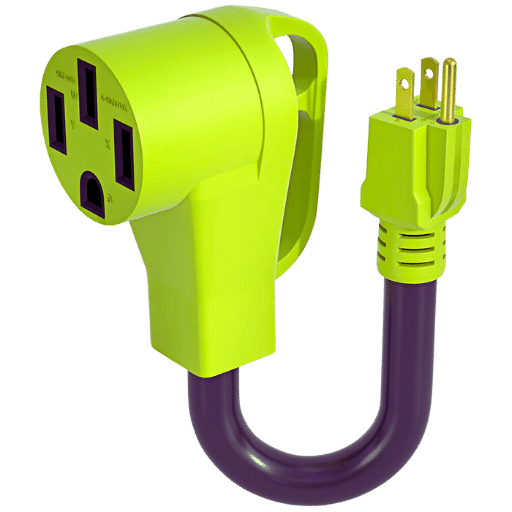
When it comes to spotting electrical issues with a 50 Amp plug in your RV, you must follow a methodical troubleshooting procedure. The following are some common problems and their solutions:
- Circuit Breaker Tripping: Frequent tripping of the circuit breaker may be caused by an overloaded circuit or a short circuit. Check the appliances that are connected to this circuit and ensure that they don’t exceed their amperage. Also, check for any damaged wiring or loose connections along the way.
- Power Loss: Intermittent power loss or the complete absence could be due to a bad power pedestal at the campground, damaged power cords, or loose connections at plug/outlet ends. A multimeter is used to test voltage levels at various points from the external power source through different sections of the RV’s internal electrical system.
- Burnt/Scorched Outlets: This usually occurs because of bad connections or overheating. Look out for signs of burning, melting, or scorching marks around plugs and sockets; replace anything that appears damaged, and fasten everything well so that there won’t be any more problems in the future.
- Incorrect Voltage: Ensure the power source provides the right voltage. Normally, a 50-amp service should provide 240 volts across two 120-volt hot wires. Confirm this using a multimeter and see if it falls within the expected range because variations in voltage can harm delicate electronic devices within an RV.
- GFCI Outlets Issues: Ground Fault Circuit Interrupters (GFCIs) trip when they sense current flowing through unintended paths like the human body instead of equipment; hence, imbalances might lead them into tripping too often even without any fault present elsewhere along affected branch circuitry. Test GFCI outlets frequently by pressing TEST and then RESET buttons successively; if they keep on tripping after every reset attempt, then you should investigate further for possible ground faults beyond such outlets.
By dealing with these common issues effectively, you will be able to establish a dependable and safe electrical connection for your RV’s 50-amp system. However, if this doesn’t work out well or more problems arise later on, it would be advisable to seek the services of an electrician who is well conversant with recreational vehicle electricals.
Fixing a Faulty 50 Amp Plug
A systematic method should be used to troubleshoot an incorrect 50-amp plug. The first thing to do is turn off the power. Look at the plug for any visible signs of damage, such as cracks, burns, or corrosion. If there are any of these damages, then replace them.
Take apart the plug by unscrewing the cover screws. Check that all internal wiring connections are tight and free from corroding agents. Where wires are loose, damaged, or corroded, trim off damaged sections and strip back the insulation to expose fresh wire before reconnecting them onto appropriate terminals; hot terminals should have black and red wires connected, while neutral terminals must only connect white wire with green or bare wire attaching itself to the ground terminal then tighten up each connection firmly.
When everything has been connected together again, reassemble the plug using screws to secure its cover in place. Test this device by means of a multimeter so that you may ensure voltage continuity is maintained throughout. These steps, if followed keenly, will help fix bad 50 amp plugs and give safe electrical connections you can rely on always.
When to Replace Your 50 Amp Plug
There are some situations where it may be necessary to change your 50 amp plug for safety and reliability reasons. For one, if the plug or its prongs show visible signs of damage like cracks, burns, melted plastic, or corrosion, then this is an immediate sign that you should replace them as soon as possible to prevent any potential electrical hazards. Secondly, even though they may seem fine on the outside after being submerged in water or other substances, such plugs still need swapping out since, over time, these can cause shorts within the system or even eat away at metals due to chemical reactions.
In addition, with time and use, plugs wear down eventually becoming faulty themselves; when inserted into sockets, if there’s a loose fit between the receptacle & connector, it means that either internal connections have weakened over time or else pins themselves have lost integrity through repeated use – replacing these will help ensure good electrical contact is maintained all round. If circuit breakers keep tripping while using appliances connected via this particular socket, something more serious could be wrong internally, such as bad wiring connections somewhere along the line, necessitating another replacement.
Following these conditions ensures safety and extends the lifetime of an electric system.
Accessories and Adapters for 50 Amp Plugs
Using a 50 Amp Adapter with a Generator
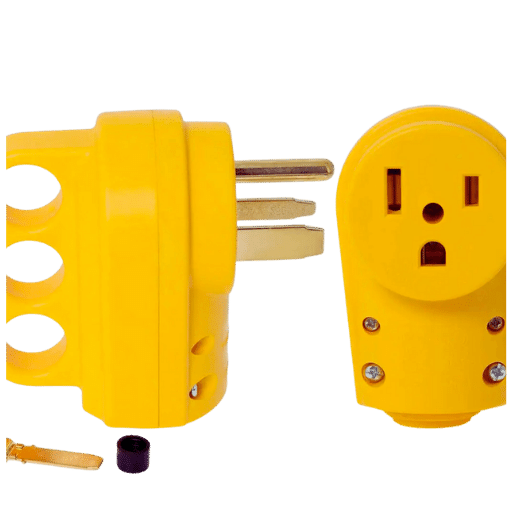
When working with a 50 Amp adapter on the generator, it is necessary to ensure compatibility and safety. Ensure the generator has an output large enough for the 50 Amp load in the first place. Using a 50 Amp adapter helps connect various types of outlets on a generator with equipment requiring 50A service. Usually, this means plugging one end into the outlet of your portable power source and then plugging another into your device using this current supply.
Do not forget about following the manufacturer’s instructions for both pieces of equipment involved – generators as well as adapters themselves (if any). So, you should check the wattage capacity of my generator. And does it match the power needs for all gadgets I will connect through it? In addition to this, grounding should be done properly while using heavy duty weather resistant cables/ cords & plugs/ outlets, etcetera; otherwise, safety and reliability are at stake, especially during bad weather conditions like rain storms or snow falls etcetera.
Moreover, note whether such devices can work outside without protection against rainwater splashes (dampness), which may occur frequently when camping outdoors during rainy seasons, among other times; therefore, if necessary, always make sure that such converters have been designed specifically for outdoor use, i.e., they must be rated safe under wet conditions, too!
Extension Cords for 50 Amp Plugs
While picking an extension cord for a 50-amp plug, it’s fundamental to pick one that is made for heavy-duty usage and can support high power loads. These extension cords usually have larger sizes, such as six—or eight-gauge wires, which are necessary to securely conduct the current required by devices with 50 amperes.
Ensure that the chosen extension cord is rated for outdoor usage and insulated enough to withstand different weather conditions. The voltage drop may be affected by how long the cord is hence it is good practice to use the least possible length so as not lose much power. Moreover, select those cords with connectors of high quality and reinforced ends which will prevent them from wearing out easily.
For safety purposes and better performance, run the extension cord in a way that no physical damage or tripping hazard can occur. Always follow what has been described by manufacturers concerning this item together with connected equipment according to their specifications or guidelines given out while considering both pieces mentioned above. By utilizing an appropriate extension cord meant for fifty amp plugs, you will be able to establish a steady power connection required by your high-demand electrical appliances while still ensuring safety.
Power Adapters and Converters
The reason for power adapters and converters is to allow electrical appliances to to work by changing their voltage and current levels. In order to choose a good power adapter or converter, it’s important to know the voltage required by the device and whether or not it’s compatible with the available power supply. When making adapters for international use, they need to have different plug shapes that can fit into sockets anywhere in the world; also, they should be able to adapt voltages ranging from 100VAC up to 240 VAC.
For camping purposes or any other outdoor activities where electricity might not be readily available, converters should be designed so that they can withstand harsh weather conditions such as high humidity levels caused by rain showers, etc., and extreme temperatures like freezing cold during the winter season. The best quality converters usually come with surge protectors against lightning strikes, multiple output ports allowing connection of more than one device at once, and strong insulation material that can insulate against environmental stressors, among others.
According to leading sources like Lifewire, TechRadar, and CNET, there are some general recommendations including but not limited to prioritizing safety certifications; verifying maximum wattage supported by a given model before purchase; choosing those models having protective circuits that safeguard equipment from being damaged due to power surges caused by fluctuations in electricity supply etcetera. All in all, it is important that you select an appropriate power adapter/converter if you want your electronic gadgets to function effectively outdoors under various atmospheric conditions.
Întrebări frecvente (FAQs)
Q: What is a 50 amp RV plug?
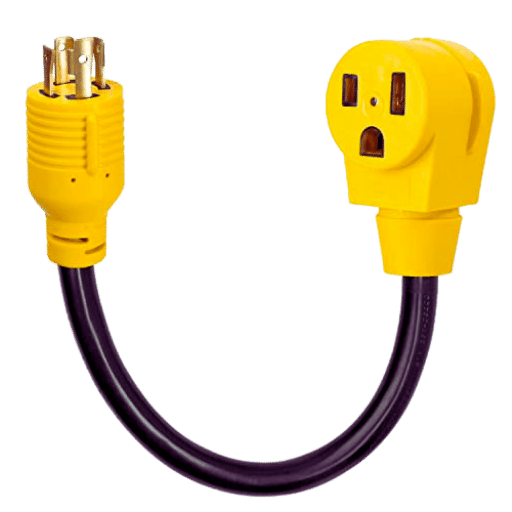
R: O priză electrică specializată care este utilizată pentru a vă conecta RV-ul la sursa de alimentare. Această priză este proiectată pentru a gestiona curentul mai mare de aproximativ 50 de amperi; prin urmare, furnizează suficientă energie pentru toate sistemele și aparatele dintr-un RV.
Q: How do I safely install a 50 amp RV plug?
R: Procedura de instalare sigură pentru o mufă RV de 50 amperi implică conectarea firelor la terminalele respective din mufă. Cablurile fierbinți trebuie conectate la bornele X și Y, firele neutre trebuie conectate la terminalul W, iar firele de împământare trebuie conectate la terminalul G. Este important să vă asigurați că toate conexiunile sunt etanșe și respectă standardele electrice.
Q: Can I use a 50 amp RV plug with a 20 amp power source?
R: Nu, nu puteți utiliza o mufă RV de 50 de amperi direct într-o sursă de alimentare de 20 de amperi, deoarece au mufe diferite și sunt proiectate pentru sarcini de alimentare diferite.Ați avea nevoie de un adaptor adecvat pentru a vă conecta în siguranță RV-ul de 50 de amperi cu sursa de alimentare de 20 de amperi.
Q: What’s the difference between a 50 amp RV plug and standard household plugs?
R: În mod normal, prizele standard de uz casnic tind să aibă configurații mai mici, cum ar fi 15-20 de amperi, care nu pot găzdui sarcini grele găsite în vehiculele de agrement (RV); întrucât, pe de altă parte, există acele mai mari numite ‘cincizeci de amperi’ special făcute pentru a fi utilizate în aceste autocaravane sau remorci. Numai în ceea ce privește designul, acest tip are în mod normal patru vârfuri la două fierbinți, unul neutru și altul terminal de împământare, permițând mai mult flux de curent prin el, permițând astfel o capacitate de putere de ieșire mai mare decât orice altă priză obișnuită/convențională.
Q: What are the components of a 50 amp RV power cord?
R: Un cablu de alimentare tipic pentru vehicule de agrement de cincizeci de amperi constă dintr-un ștecher tată care se conectează la RV și o priză mamă care se conectează la sursa de alimentare. în plus, poate avea o caracteristică de blocare prin răsucire care asigură stabilirea unei conexiuni strânse.
Q: What is the appropriate 50 amp male plug for my RV?
A: Pick a 50-amp male plug that meets your RV’s specifications and needs. Make sure it is made from strong materials, matches the type of receptacle, and has features like a twist lock if your setup requires it.
Q: What is a 50 amp female plug used for?
A: A 50-amp female plug connects the power cord to the RV’s power inlet. It receives current from the source of electricity or generator and transfers it into the RV’s electrical system.
Q: What should I do if my 50 amp RV plug stops working?
A: When your 50 amp RV plug stops working, examine it for any visible damage or loose connections. If damaged, you may have to replace it with another one. Ensure that the new plug matches your RV’s specifications so that they fit well together.
Q: Can I use a generator with a 50 amp RV plug?
R: Da, puteți utiliza un generator cu o mufă RV de 50 amperi, cu condiția ca generatorul să aibă un recipient compatibil de 50 amperi. acest lucru permite suficientă energie pentru a furniza un RV atunci când nu este conectat la puterea de la mal.
Q: How do I use an adapter with a 50 amp plug on my RV?
R: Pentru a utiliza un adaptor cu o mufă de 50 de amperi pe RV, conectați pur și simplu un capăt al acestui adaptor, care are un grad de amperaj mai mare sau egal cu cincizeci de amperi, pe o parte a prizei electrice existente montate pe majoritatea vehiculelor de agrement, în timp ce cealaltă parte trebuie conectată direct la orice sursă de alimentare externă disponibilă. Aceste adaptoare urmăresc să asigure o conexiune sigură între diferite tipuri de prize electrice cu curenți variați măsurați în amperi (amperi).