







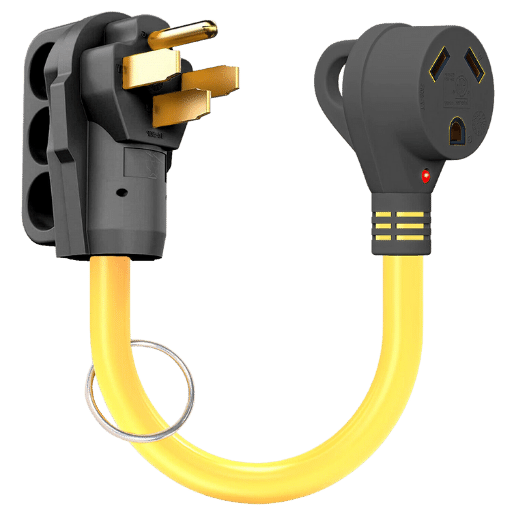
For an RVer who wants a dependable and robust electrical connection, the 50 amp plug is indispensable. It gives much more power than the standard 30-amp plug does. This is necessary for bigger RVs with high-demand appliances and electronics. These plugs usually have four prongs: two for hot wires at 120 volts, one for a neutral wire, and another for a ground wire. These prongs can deliver up to 12,000 watts through two 120-volt legs so that several large appliances can work together on one circuit without overloading it. Knowing what is required of this type of plug and how it should be used will ensure safe energy consumption in your RV.
What is a 50 Amp Plug?
Understanding a 50 Amp Plug
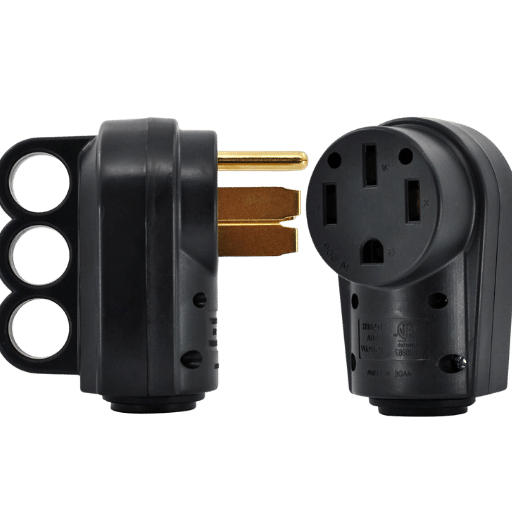
A 50 amp plug is a unique electric connector designed for high-power applications, typically in Recreational Vehicles (RVs). It has four prongs: two 120-volt hot wires, a neutral wire, and a ground wire. By providing two different 120-volt circuits that can each deliver up to 6000 watts, this arrangement supplies as much as 12kW of power, making it perfect for RVs with heavy electrical loads. The durability of the construction guarantees dependable electricity distribution through multiple appliances consuming many watts simultaneously without fear that the system may be overloaded.
Differences Between a 50 Amp Plug and a 30 Amp Plug
When comparing a 50 amp plug to a 30 amp plug, the main thing that separates them is their electrical capacities and prong configurations. For example, a 50 amp plug has four prongs: two 120-volt hot wires, one neutral wire, and one ground wire. These four prongs can carry up to 12,000 watts across two 120-volt circuits. On the other hand, a 30 amp plug only has three prongs: one 120-volt hot wire, a neutral wire, and a ground wire, giving its maximum power output as 3,600 watts.
Technical Parameters:
50 Amp Plug:
- Prongs: Four (Two hot wires – each at 120 volts-, Neutral Wire, Ground Wire)
- Voltage: 240 Volts (two separate circuits, each producing 120 volts)
- Power Output: Maximum is about or equal to12 KW
- Typical Application: Large RVs with many high-demand devices that require more electricity than smaller plugs can handle at once. For example, some air conditioners may draw close to or more than this value alone.
30 Amp Plug:
- Prongs: Three (One Hot Wire – at 120 volts-, Neutral Wire, Ground Wire)
- Voltage: Single circuit producing voltage at about or near 110/120 VAC
- Power Output: About/Up to around/roughly/thus far not exceeding thirty-six hundred watts, which equals three point six kW.
- Typical Application: Smaller Recreational Vehicles have lower electrical load requirements as compared to bigger ones, such as fifth wheels plus travel trailers, etc., but excluding pop-up campers.)
This means that if you have an RV with higher power needs, you will need to use a fifty-amp service so that all your appliances can be run simultaneously without overloading any circuits, whereas thirty amps would suffice for smaller recreational vehicle units or those with fewer electrical demands.
Why Use a 50 Amp Plug for Your RV?
A 50-amp plug has several advantages when it comes to optimizing electrical performance in your RV. The first and most important is that a 50-amp plug can handle a lot more power than a 30-amp one, allowing up to 12,000 watts instead of 3,600 watts. This great increase in available wattage permits the use of many high-demand appliances, such as air conditioners, microwaves, and electric heaters, at the same time without overloading the system.
Also, because it has a higher capacity, it is ideal for larger recreational vehicles (RVs) with multiple electrical features. This ensures that all gadgets work well and thus improves comfort and convenience while using an RV. Another advantage is that the power supply is more stable and balanced due to the four-pronged configuration that distributes power across two 120-volt circuits that come with this type of plug.
Another reason why you should use this kind of plug is that it prevents blowing fuses or tripping breakers, which are common in systems that exceed the limits set by thirty-ampere plugs. Not only does this enhance safety, but it also reduces the risk of the potential damage caused to an RV’s electrical system. Therefore, if your recreational vehicle demands more electricity, then fifty amperes should be considered as a minimum requirement for better performance.
How to Install a 50 Amp Plug
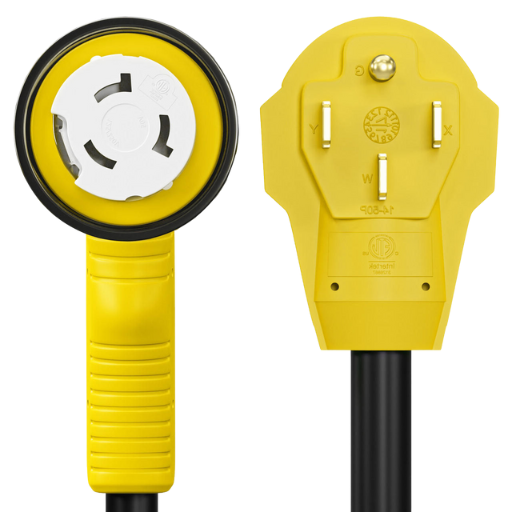
Required Tools for Installation
For a safe and efficient setup, there are necessary tools that one must use for the installation of a 50amp plug in your RV. Here is a brief list of these tools:
- Voltage Tester – This will check whether or not there are any live wires during the installation.
- Screwdrivers (both flathead and Phillips) – used to tighten screws on the plug as well as the panel.
- Wire Strippers are used to take off insulation from wires.
- Needle Nose Pliers – This tool is meant to bend and shape wires.
- Circuit Breaker – A 50 amp dual-pole circuit breaker that suits your electrical panel.
- Electrical Tape – It secures wire connections together and insulates them too!
- Wire Nuts -They connect wires securely, so ensure you have some available if needed and appropriately sized!
- Outlet Box – Must be appropriately sized to accommodate the 50 amp plug.
- 50 Amp Receptacle – Designed specifically for RV plugs following NEMA 14-50R standard.
- Drill & Drill Bits- These come in handy when mounting an outlet box is required
- Cable (6/3 gauge with the ground)– 6/3 with ground cable should be used because it has enough capacity for a 50amp connection, and it’s safe too
Having these pieces of equipment ready before you begin installing will ensure everything goes smoothly and safely. Always adhere to manufacturer instructions and local codes while doing any electrical work. In case of doubt, consult an electrician who knows what they are doing so as not to risk anything hazardous.
Step-by-Step Installation Process
Deactivate the Primary Power Supply:
- Before getting started on any task, make sure that you have turned off the main power supply to the electrical panel so as not to receive an electric shock.
Prepare the Outlet Box:
- Position and secure the outlet box using drill bits. Ensure it is fixed well enough and has dimensions that are suitable for the 50 amp receptacle.
Run the Cable:
- A 6/3 gauge cable is used to run from the electrical panel to the outlet box. Be sure to leave extra cable at both ends for comfortable connections.
Strip the Wires:
- Using wire strippers, remove about three-quarter-inch of insulation from each wire within the cable, taking care not to damage the wires themselves.
- Install Circuit Breaker:
- Open up your panel and insert a 50 amp dual-pole circuit breaker into any available slot. Fasten it securely according to manufacturer’s instructions and local electrical codes.
Connect Wires at Panel:
- Connect black wire to one terminal of the new circuit breaker; connect red to another terminal for this same switch. White (neutral) should be connected back down onto the neutral bus bar, while bare ground goes up against the ground bus bar.
Install Receptacle:
- Wire up your 50-amp receptacle following the NEMA 14-50R standard: Brass terminals receive black and red wires; silver terminals receive white wire; and green terminals receive bare wire.
Secure Receptacle:
- Carefully mount receptacle into outlet box making sure all connections are tight fitted with receptacle flush against box wall etcetera..
Test Installation:
- Verify that there are no live wires using a voltage tester. Then, turn the main power supply back on and test the receptacle to see if it’s working fine. An RV power pedestal analyzer can be helpful for this last check.
Final Inspection:
- Double-check all connections, ensuring none are loose or exposed components. If necessary, use electrical tape and wire nuts to reseal the panel and outlet box.
By following these steps carefully, you can install a 50-amp plug for an RV safely and efficiently. Always remember safety first, and consult with local electrical codes where necessary or whenever you are unsure about anything.
Safety Precautions During Installation
Power Down:
- Make sure you completely switch off the power at the main circuit breaker before doing any electrical work. This way, it is guaranteed that there will be no electric shock or short-circuiting.
Echipament de protecție personală (PPE):
- Always wear suitable PPE, such as insulated gloves and safety goggles, to protect oneself from electric shocks and flying materials.
Confirm Lack of Voltage:
- Before touching any wires or terminals, check them first with a voltage tester to be sure they do not have electricity passing through them.
Herramientas y equipos adecuados:
- Use only those tools and equipment which are meant for electrical works; also ensure that each tool is well maintained without any defects whatsoever.
Dry Work Area:
- Keep your workplace dry all the time because water plus electricity can cause very serious injuries.
Check for Compliance:
- Make certain that all connections and installations meet the requirements of National Electrical Code (NEC) as well as those set by local authorities.
Professional Guidance:
- Consult a licensed electrician whenever in doubt or lacking experience about any step involved. Wrong installations may lead to many safety hazards.
Following these safety measures will help you reduce accidents while ensuring a secure installation process.Types of 50 Amp Plugs and Connectors
Male vs. Female 50 Amp Plugs
50 Amp plugs, both male and female, are needed to create a strong power supply for applications with high current. The male plug is the part that has prongs sticking out, which fit into a corresponding female socket. Specifically speaking. Usually, there are four prongs in a male plug – two live wires, one neutral wire, and one grounding conductor – intended for carrying up to 50 amps safely. On the other hand, female plugs or receptacles have four slots where they receive these male counterparts’ pins in order to make tight connections.
Such connectors are commonly used in recreational vehicles (RVs), generators as well as heavy-duty appliances such as air conditioners or heaters, which draw much electricity. It is important that the right match between males and females is made because failure to do so may result in dangerous situations like arcing, overheating, or poor electrical continuity. Besides this fact, reputable brands design their connectors to be robust enough to withstand harsh environments while still meeting safety requirements set forth by regulatory bodies throughout different countries worldwide.
To wrap up my discussion, let me state once more how important it is for all those who deal with high-current electrical systems, either professionally or just at home, to understand what these items are used for and their specifications. If not, we will not only compromise our own safety but also risk damaging equipment due to inappropriate connection methods being employed when making power supplies using them.
4 Prong vs 3 Prong 50 Amp Plugs
The main difference between 3-prong and 4-prong 50 Amp plugs is how their connections are configured, which can affect the safety and functionality of an electrical system. A 3-prong plug has two hot wires and one ground wire where a current is made possible, but there is no separate neutral wire, which could result in dangers like electric shock or equipment damage due to a shared neutral-ground path.
On the other hand, a 4-prong plug includes one additional prong for the neutral wire along with the two hot wires and one ground wire. This design allows for separate paths to be created by which current may travel back through neutral thus ensuring better reliability as well as safety in connection points. The National Electrical Code now requires this type of setup because it reduces the chances of electrical interference while enhancing overall system safety.
In sum, although found in some older installations, three-prongs should not be used anymore except if their purpose meets present-day requirements since four-prongs have been made with more advanced protective features and compliance to NEC standards.
Choosing the Right 50 Amp Connector for Your RV
In order to select the right 50 Amp connector for a recreational vehicle (RV), there are some factors that must be taken into account. The following are the main points based on current information from leading websites:
- Type of plug: To meet recent electrical codes and establish a safer connection, most modern motorhomes need a four-pronged fifty-amp fitting. Therefore, check whether it matches your camper’s socket.
- Compatibility with power sources: It is essential to ensure that whichever 50 Amp connector you choose matches up correctly with what will serve as your power source. Usually, this should be at campsites or RV parks where they offer fifty amperes of current, but before plugging in, always confirm if their outlet has any unique configuration that differs from others.
- Length and quality of cable: The length of the cable can affect how easy it is to connect. Choose one which spans between where power comes from and reaches your vehicle without hanging too loosely such that people might trip over them; this depends on specific situations so just use common sense here. Go for high-quality cables made using strong insulation materials capable of withstanding harsh outdoor environments because they last longer under such conditions as well.
- Different types of plugs may be required for older models or nonstandard arrangements; therefore having appropriate converters at hand will prevent unnecessary inconvenience caused by lack thereof electrically safe adapters.
To sum it all up, use modern four-pronged fifty-ampere connectors, check compatibility with sources, mind specifications about lengths and qualities, then keep various adapters depending on situational demands – this ensures safe power connection between an RV and its surroundings.
Troubleshooting Common Issues with 50 Amp Plugs
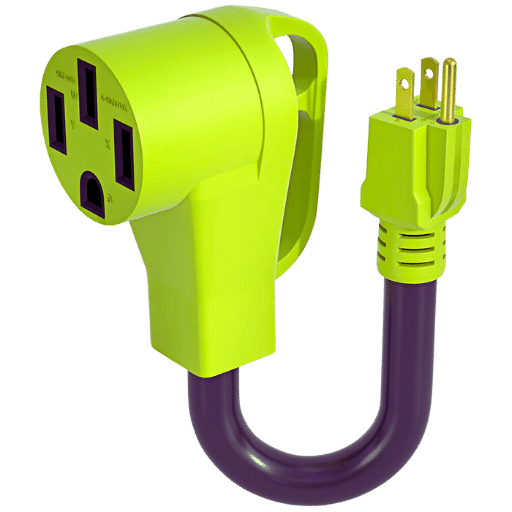
Identifying Electrical Problems
When it comes to spotting electrical issues with a 50 Amp plug in your RV, you must follow a methodical troubleshooting procedure. The following are some common problems and their solutions:
- Circuit Breaker Tripping: Frequent tripping of the circuit breaker may be caused by an overloaded circuit or a short circuit. Check the appliances that are connected to this circuit and ensure that they don’t exceed their amperage. Also, check for any damaged wiring or loose connections along the way.
- Power Loss: Intermittent power loss or the complete absence could be due to a bad power pedestal at the campground, damaged power cords, or loose connections at plug/outlet ends. A multimeter is used to test voltage levels at various points from the external power source through different sections of the RV’s internal electrical system.
- Burnt/Scorched Outlets: This usually occurs because of bad connections or overheating. Look out for signs of burning, melting, or scorching marks around plugs and sockets; replace anything that appears damaged, and fasten everything well so that there won’t be any more problems in the future.
- Incorrect Voltage: Ensure the power source provides the right voltage. Normally, a 50-amp service should provide 240 volts across two 120-volt hot wires. Confirm this using a multimeter and see if it falls within the expected range because variations in voltage can harm delicate electronic devices within an RV.
- GFCI Outlets Issues: Ground Fault Circuit Interrupters (GFCIs) trip when they sense current flowing through unintended paths like the human body instead of equipment; hence, imbalances might lead them into tripping too often even without any fault present elsewhere along affected branch circuitry. Test GFCI outlets frequently by pressing TEST and then RESET buttons successively; if they keep on tripping after every reset attempt, then you should investigate further for possible ground faults beyond such outlets.
By dealing with these common issues effectively, you will be able to establish a dependable and safe electrical connection for your RV’s 50-amp system. However, if this doesn’t work out well or more problems arise later on, it would be advisable to seek the services of an electrician who is well conversant with recreational vehicle electricals.
Fixing a Faulty 50 Amp Plug
A systematic method should be used to troubleshoot an incorrect 50-amp plug. The first thing to do is turn off the power. Look at the plug for any visible signs of damage, such as cracks, burns, or corrosion. If there are any of these damages, then replace them.
Take apart the plug by unscrewing the cover screws. Check that all internal wiring connections are tight and free from corroding agents. Where wires are loose, damaged, or corroded, trim off damaged sections and strip back the insulation to expose fresh wire before reconnecting them onto appropriate terminals; hot terminals should have black and red wires connected, while neutral terminals must only connect white wire with green or bare wire attaching itself to the ground terminal then tighten up each connection firmly.
Cuando todo se haya vuelto a conectar, vuelva a ensamblar el enchufe usando tornillos para asegurar su cubierta en su lugar. Pruebe este dispositivo mediante un multímetro para asegurarse de que se mantenga la continuidad del voltaje en todo momento. Estos pasos, si se siguen con atención, ayudarán a reparar enchufes defectuosos de 50 amperios y brindarán conexiones eléctricas seguras en las que siempre puede confiar.
Cuándo reemplazar su enchufe de 50 amperios
Hay algunas situaciones en las que puede ser necesario cambiar el enchufe de 50 amperios por razones de seguridad y confiabilidad. Por un lado, si el enchufe o sus clavijas muestran signos visibles de daños como grietas, quemaduras, plástico derretido o corrosión, entonces esta es una señal inmediata de que debe reemplazarlos lo antes posible para evitar posibles riesgos eléctricos. En segundo lugar, aunque puedan parecer finos por fuera después de sumergirse en agua u otras sustancias, dichos enchufes aún necesitan ser intercambiados ya que, con el tiempo, pueden provocar cortocircuitos dentro del sistema o incluso devorar metales debido a reacciones químicas.
Además, con el tiempo y el uso, los enchufes se desgastan y eventualmente se defectuan; cuando se insertan en los enchufes, si hay un ajuste flojo entre el receptáculo y el conector, significa que las conexiones internas se han debilitado con el tiempo o los propios pines han perdido integridad debido al uso repetido (reemplazarlos ayudará a garantizar que se mantenga un buen contacto eléctrico en todas partes). Si los disyuntores siguen disparándose mientras se utilizan aparatos conectados a través de este enchufe en particular, algo más grave podría estar mal internamente, como conexiones de cableado defectuosas en algún lugar de la línea, lo que requiere otro reemplazo.
Seguir estas condiciones garantiza la seguridad y prolonga la vida útil de un sistema eléctrico.
Accesorios y Adaptadores para Enchufes de 50 Amp
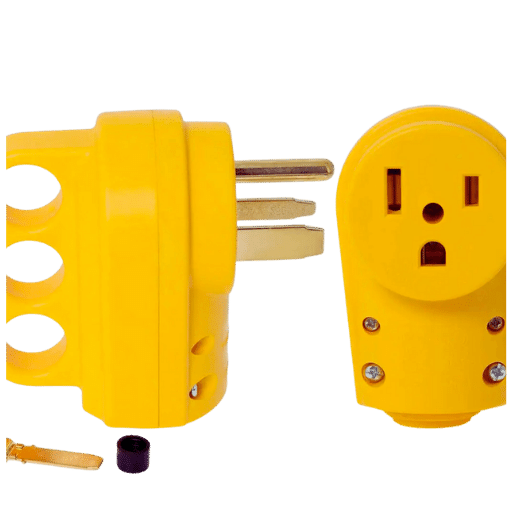
Usando un adaptador de 50 amperios con generador
Cuando se trabaja con un adaptador de 50 amperios en el generador, es necesario garantizar la compatibilidad y la seguridad. Asegúrese de que el generador tenga una salida lo suficientemente grande para la carga de 50 amperios en primer lugar. El uso de un adaptador de 50 amperios ayuda a conectar varios tipos de tomas de corriente en un generador con equipos que requieren servicio de 50 A. Por lo general, esto significa enchufar un extremo a la toma de corriente de su fuente de alimentación portátil y luego enchufar otro a su dispositivo mediante esta fuente de alimentación de corriente.
No olvide seguir las instrucciones del fabricante tanto para los equipos involucrados (generadores como para los propios adaptadores (si los hubiera). Entonces, debes verificar la capacidad de potencia de mi generador. ¿Y coincide con las necesidades de energía de todos los dispositivos que conectaré a través de él? Además de esto, la conexión a tierra debe realizarse correctamente mientras se utilizan cables/cordones y enchufes/tomacorrientes resistentes a la intemperie, etc.; de lo contrario, están en juego la seguridad y la confiabilidad, especialmente durante condiciones climáticas adversas como tormentas o nevadas, etc.
Además, tenga en cuenta si dichos dispositivos pueden funcionar en el exterior sin protección contra salpicaduras de agua de lluvia (humedad), que pueden ocurrir con frecuencia al acampar al aire libre durante las temporadas de lluvias, entre otras ocasiones; por lo tanto, si es necesario, asegúrese siempre de que dichos convertidores hayan sido diseñados específicamente para uso en exteriores, es decir, que también deben calificarse como seguros en condiciones húmedas!
Cables de extensión para enchufes de 50 amperios
Al elegir un cable de extensión para un enchufe de 50 amperios, es fundamental elegir uno que esté hecho para uso intensivo y que pueda soportar cargas de alta potencia. Estos cables de extensión suelen tener tamaños más grandes, como cables de calibre seis u ocho, que son necesarios para conducir de forma segura la corriente requerida por dispositivos de 50 amperios.
Asegúrese de que el cable de extensión elegido esté clasificado para uso en exteriores y lo suficientemente aislado para soportar diferentes condiciones climáticas. La caída de voltaje puede verse afectada por la longitud del cable, por lo que es una buena práctica utilizar la menor longitud posible para no perder mucha energía. Además, seleccione aquellos cables con conectores de alta calidad y extremos reforzados que eviten que se desgasten fácilmente.
Por motivos de seguridad y mejor rendimiento, haga funcionar el cable de extensión de manera que no se produzcan daños físicos ni riesgos de tropiezo. Siga siempre lo descrito por los fabricantes con respecto a este artículo junto con el equipo conectado de acuerdo con las especificaciones o pautas proporcionadas al considerar las dos piezas mencionadas anteriormente. Al utilizar un cable de extensión apropiado destinado a enchufes de cincuenta amperios, podrá establecer una conexión de energía estable requerida por sus aparatos eléctricos de alta demanda y al mismo tiempo garantizar la seguridad.
Adaptadores y convertidores de potencia
El motivo de los adaptadores y convertidores de potencia es permitir que los aparatos eléctricos funcionen cambiando sus niveles de voltaje y corriente. Para elegir un buen adaptador o convertidor de corriente, es importante saber el voltaje requerido por el dispositivo y si es compatible o no con la fuente de alimentación disponible. Al fabricar adaptadores para uso internacional, necesitan tener diferentes formas de enchufe que puedan caber en enchufes en cualquier parte del mundo; Además, deberían poder adaptar voltajes que van desde 100VAC hasta 240 VAC.
Para acampar o cualquier otra actividad al aire libre donde la electricidad pueda no estar disponible, los convertidores deben diseñarse de manera que puedan soportar condiciones climáticas adversas, como altos niveles de humedad causados por lluvias, etc., y temperaturas extremas como frío glacial durante el invierno. temporada. Los convertidores de mejor calidad suelen venir con protectores contra sobretensiones contra rayos, múltiples puertos de salida que permiten la conexión de más de un dispositivo a la vez y material aislante resistente que puede aislar contra factores estresantes ambientales, entre otros.
Según fuentes líderes como Lifewire, TechRadar y CNET, existen algunas recomendaciones generales que incluyen, entre otras, priorizar las certificaciones de seguridad; verificar la potencia máxima admitida por un modelo determinado antes de la compra; elegir aquellos modelos que tengan circuitos de protección que protejan los equipos de daños debido a sobretensiones causadas por fluctuaciones en el suministro de electricidad, etc. Considerándolo todo, es importante que seleccione un adaptador/convertidor de corriente adecuado si desea que sus dispositivos electrónicos funcionen eficazmente en exteriores en diversas condiciones atmosféricas.
Preguntas frecuentes (FAQ)
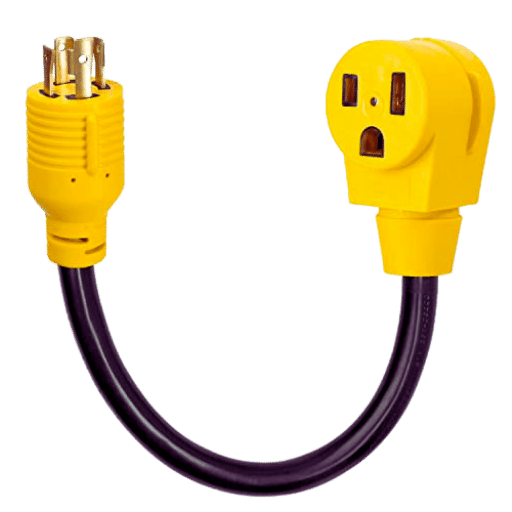
P: ¿Qué es un enchufe para vehículos recreativos de 50 amperios?
R: Un enchufe eléctrico especializado que se utiliza para conectar su vehículo recreativo a la fuente de energía. Este enchufe está diseñado para manejar la corriente más alta de aproximadamente 50 amperios; por lo tanto, suministra suficiente energía para todos los sistemas y electrodomésticos de una casa rodante.
P: ¿Cómo instalo de forma segura un enchufe para vehículos recreativos de 50 amperios?
R: El procedimiento de instalación seguro para un enchufe RV de 50 amperios implica conectar cables a los respectivos terminales del enchufe. Los cables calientes deben conectarse a los terminales X e Y, los cables neutros deben conectarse al terminal W y los cables de tierra deben conectarse al terminal G. Es importante asegurarse de que todas las conexiones sean herméticas y cumplan con las normas eléctricas.
P: ¿Puedo usar un enchufe para vehículos recreativos de 50 amperios con una fuente de alimentación de 20 amperios?
R: No, no puede usar un enchufe para vehículos recreativos de 50 amperios directamente en una fuente de alimentación de 20 amperios porque tienen enchufes diferentes y están diseñados para diferentes cargas de energía. Necesitaría un adaptador adecuado para conectar de forma segura su vehículo recreativo de 50 amperios con la fuente de alimentación de 20 amperios.
P: ¿Cuál es la diferencia entre un enchufe para vehículos recreativos de 50 amperios y enchufes domésticos estándar?
R: Normalmente, los enchufes domésticos estándar tienden a tener configuraciones más pequeñas, como 15-20 amperios, que no pueden acomodar cargas pesadas que se encuentran en vehículos recreativos (RV); mientras que, por otro lado, existen los más grandes llamados ‘cincuenta amperios’ fabricados específicamente para su uso dentro de estas autocaravanas o remolques. Sólo en términos de diseño (este tipo normalmente tiene cuatro puntas), dos calientes, un neutro y otro terminal de conexión a tierra, lo que permite un mayor flujo de corriente a través de él, lo que permite una mayor capacidad de potencia de salida que cualquier otro tomacorriente ordinario/convencional.
P: ¿Cuáles son los componentes de un cable de alimentación para vehículos recreativos de 50 amperios?
R: Un cable de alimentación típico de un vehículo recreativo de cincuenta amperios consta de un enchufe macho que se conecta al vehículo recreativo y un enchufe hembra que se conecta a la fuente de alimentación. Además, puede tener una función de bloqueo giratorio que garantiza que se establezca una conexión estrecha.
P: ¿Cuál es el enchufe macho de 50 amperios apropiado para mi vehículo recreativo?
R: Elija un enchufe macho de 50 amperios que cumpla con las especificaciones y necesidades de su vehículo recreativo. Asegúrese de que esté hecho de materiales resistentes, coincida con el tipo de receptáculo y tenga características como un bloqueo giratorio si su configuración lo requiere.
P: ¿Para qué se utiliza un enchufe hembra de 50 amperios?
R: Un enchufe hembra de 50 amperios conecta el cable de alimentación a la entrada de alimentación del vehículo recreativo. Recibe corriente de la fuente de electricidad o generador y la transfiere al sistema eléctrico del vehículo recreativo.
P: ¿Qué debo hacer si mi enchufe para vehículos recreativos de 50 amperios deja de funcionar?
R: Cuando el enchufe de su casa rodante de 50 amperios deje de funcionar, examínelo en busca de daños visibles o conexiones sueltas. Si está dañado, es posible que deba reemplazarlo por otro. Asegúrese de que el nuevo enchufe coincida con las especificaciones de su vehículo recreativo para que encajen bien.
P: ¿Puedo usar un generador con un enchufe para vehículos recreativos de 50 amperios?
R: Sí, puede utilizar un generador con un enchufe para vehículos recreativos de 50 amperios, siempre que el generador tenga un receptáculo compatible de 50 amperios. Esto permite que se suministre suficiente energía a un vehículo recreativo cuando no está conectado a la red eléctrica costera.
P: ¿Cómo uso un adaptador con un enchufe de 50 amperios en mi casa rodante?
R: Para utilizar un adaptador con un enchufe de 50 amperios en su vehículo recreativo, simplemente conecte un extremo de este adaptador, que tiene un amperaje mayor o igual a cincuenta amperios, a un lado de la toma eléctrica existente instalada en la mayoría de los vehículos recreativos, mientras que el otro lado deberá conectarse directamente a cualquier fuente de alimentación externa disponible. Estos adaptadores tienen como objetivo garantizar una conexión segura entre diferentes tipos de tomas de corriente con corrientes variables medidas en amperios (amperios).