





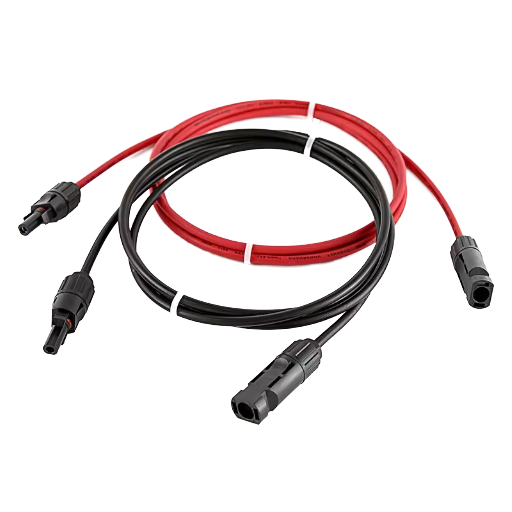
Durante los últimos diez años, ha habido un gran aumento en la adopción de sistemas de energía solar impulsado por nuestra necesidad de energía sostenible y renovable. Mientras los paneles solares sean cada vez más eficientes y confiables, no podemos ignorar una parte esencial que garantiza que estos sistemas funcionen mejor (cables y alambres solares con certificación UL. Este artículo se propone explicar por qué se debe utilizar cables listados por ul en la instalación de sus paneles solares consultando sus especificaciones técnicas; estándares de rendimiento y beneficios sobre las opciones no certificadas disponibles en el mercado. Nuestro objetivo no es sólo resaltar lo que significa la certificación ul sino también mostrar cómo puede afectar los niveles de durabilidad y eficiencia de su sistema fotovoltaico.
¿Qué hace que la certificación UL sea crucial para los cables y alambres solares fotovoltaicos?

Los fundamentos de la certificación UL para sistemas solares fotovoltaicos
La certificación de Underwriters Laboratories (UL) es importante para los sistemas solares fotovoltaicos (PV) por varias razones. La primera razón es que garantiza que cumplen con estrictos estándares de seguridad y rendimiento establecidos por organismos independientes de certificación y prueba. Durante la prueba, los cables y alambres solares certificados por UL están sujetos a condiciones ambientales extremas como altas temperaturas, contenido de humedad o incluso radiación UV, lo que confirma su resistencia. Por esta razón, dichos cables deben tener excelentes propiedades resistentes al fuego, así como durabilidad mecánica para evitar cortocircuitos o incendios que puedan provocar accidentes eléctricos. Además, otra ventaja es que muchos códigos eléctricos nacionales e internacionales pueden cumplirse utilizando componentes de certificación UL, lo que los hace fácilmente aceptados por las autoridades locales durante los procesos de aprobación de instalación y operación. Además, los requisitos eléctricos en términos de voltaje nominal y capacidad de carga de corriente necesarios para buenas condiciones de trabajo y una vida útil prolongada de cualquier sistema solar fotovoltaico determinado se cumplen sólo si los cables o alambres utilizados en el proceso de instalación son productos enumerados por UL. En resumen, se deben elegir aquellos tipos de cables o alambres que han sido probados de acuerdo con estas reglas porque no sólo promueven la seguridad sino también la confiabilidad, especialmente cuando se trata de cuestiones de rendimiento a largo plazo, así como de conformidad regulatoria.
Comprensión del estándar UL 4703 para cables solares fotovoltaicos
Básicamente, el propósito detrás de la redacción de la norma UL 4703 fue establecer los criterios mínimos requeridos con respecto a los aspectos de seguridad frente a los factores de rendimiento relacionados específicamente con el cable fotovoltaico (PV) comúnmente empleado dentro de sistemas diseñados para convertir la energía solar en energía. Esta especificación considera la capacidad del cable para soportar diversas condiciones adversas, como exposición a la luz solar (UV) y altas temperaturas, entre otras tensiones mecánicas que probablemente se produzcan durante su uso. Además, existen otros parámetros bajo prueba, propiedades retardantes de fuego, voltaje nominal, etc., lo que ayuda significativamente a garantizar la facilidad de uso y al mismo tiempo cumple con los códigos eléctricos nacionales internacionales locales. El cumplimiento también brinda a los instaladores de los fabricantes la confianza de que un producto determinado puede funcionar de manera confiable cuando se somete a un entorno operativo normal, lo que aumenta la eficiencia de los niveles de seguridad del sistema.
El papel de la certificación UL en la seguridad de las aplicaciones de energía solar
Después de haber trabajado muchos años como profesional experto en este campo, reconozco la importancia que otorga la certificación UL para mejorar la confiabilidad de la seguridad de estas fuentes de energía. UL actúa como guía de control de calidad, por lo que todo debe observarse estrictamente. Además de esto, garantizando varios energía solar componentes como cables y módulos de alambres cumplen con exigentes requisitos de seguridad, se minimizarán los riesgos asociados, como incendios y fallas eléctricas. Además, permite el cumplimiento de las regulaciones nacionales globales, facilitando así mucho las instalaciones del proceso de aprobación tanto para los instaladores como para los clientes de los proveedores. Por lo tanto, es mi responsabilidad utilizar sólo aquellos productos certificados bajo dichos estándares porque duran más y mejoran la eficiencia, generando así confianza entre los consumidores y estableciendo el listón más alto para nosotros mismos.
Elegir el AWG adecuado para sus necesidades de cables solares

Elección del calibre de alambre para sistemas solares fotovoltaicos
Elegir un calibre de cable adecuado para un sistema solar fotovoltaico es fundamental para lograr el mejor rendimiento y cumplir con las normas de seguridad. El estándar americano de calibre de cable (AWG) especifica tamaños de cable, donde números más bajos significan cables más gruesos capaces de transportar más corriente.
- Identifique la capacidad de transporte de corriente: el medidor de cable debería poder manejar la corriente máxima producida por los paneles solares. Por ejemplo, el cable de 10 AWG tiene una clasificación típica de 30 amperios, lo que lo hace adecuado para la mayoría de aplicaciones residenciales.
- Cuenta de caída de voltaje: La caída de voltaje ocurre cuando se pierde energía eléctrica debido a la resistencia en los conductores, lo que puede provocar una ineficiencia en el funcionamiento de los sistemas. Como regla general, apunte a una caída de voltaje inferior a 3% en cualquier parte del sistema. Esto significa que en una configuración de 12 V, el voltaje no debe caer más de 0,36 V en ninguna parte del mismo.
- Evaluar la distancia: la longitud del recorrido del cable tiene un efecto significativo en la caída de voltaje, por lo que requiere un cable de mayor tamaño para recorridos más largos. Para distancias superiores a 100 pies, considere usar al menos 8 AWG o incluso mejor ñona 6AWG ñona para minimizar las pérdidas de energía en el camino.
- Clasificación de temperatura: los cables deben clasificarse de acuerdo con las temperaturas operativas esperadas más altas. Los cables fotovoltaicos más comunes pueden funcionar en condiciones húmedas de hasta 90°C y en áreas secas de hasta 105°C. Compruebe si el material aislante utilizado en los cables cumple con estos límites durante el proceso de selección.
- Condiciones ambientales: Las instalaciones solares al aire libre exponen componentes, incluidos cables, a una intensa radiación ultravioleta, contenido de humedad y temperaturas ambiente variables. El cable PV (certificado UL4703) está diseñado específicamente para entornos tan hostiles.
Cumplimiento de las normas NEC: El Código Eléctrico Nacional (NEC) proporciona directrices sobre cómo se deben instalar los sistemas fotovoltaicos. Según el artículo 690 de NEC, los conductores solares generalmente deben enumerarse y etiquetarse como resistentes a la luz solar al mínimo y al mismo tiempo estar clasificados para uso en exteriores.
A continuación se muestran solo algunos ejemplos de medidores de alambre de uso común junto con sus correspondientes capacidades de transporte de corriente y aplicaciones típicas que se encuentran en los sistemas solares fotovoltaicos:
- 10 AWG: Clasificado hasta 30 amperios; Apto para instalaciones residenciales con distancias cortas entre dispositivos.
- 8 AWG: Clasificado hasta 40 amperios; Ideal para tiradas más largas en sistemas residenciales o comerciales pequeños.
- 6 AWG: Clasificado hasta 55 amperios; Se utiliza a menudo en instalaciones más grandes donde los paneles pueden estar ubicados muy separados entre sí, lo que provoca una mayor caída de voltaje.
- 4 AWG: Clasificado hasta 70 amperios; Por lo general, se usa en configuraciones mucho más grandes que tienen espacios considerables entre inversores y conjuntos que podrían abarcar cientos de pies a lo largo de tejados o campos.
Al considerar todos estos factores y hacer referencia a NEC, se debe poder seleccionar cables del tamaño correcto que mejoren la eficiencia, la seguridad y la confiabilidad de su propio sistema de generación de electricidad solar.
El efecto del AWG sobre la eficiencia y seguridad de la energía solar
El sistema American Wire Gauge (AWG) es muy importante para mejorar la eficiencia y seguridad de la energía solar. La capacidad de transporte de corriente, la caída de voltaje y el rendimiento general de un sistema solar fotovoltaico se ven directamente afectados por la elección del medidor de cable. La resistencia y la caída de voltaje se reducen mediante cables más gruesos que transportan menos corriente a largas distancias, lo que mejora la eficiencia de la transmisión de energía. Esto conduce a una baja pérdida de energía, lo que aumenta la eficacia de todo el sistema.
La seguridad también es un factor importante a considerar. Los cables deberían poder manejar la corriente esperada sin sobrecalentarse, evitando así incendios eléctricos o daños a los equipos mediante el uso de los AWG adecuados. Para instalaciones residenciales y comerciales de energía solar fotovoltaica, es necesario que se sigan las pautas del Código Eléctrico Nacional (NEC), que especifican medidores de cable apropiados para diferentes capacidades de corriente, a fin de garantizar que se cumplan los estándares de seguridad. La selección de AWG adecuados no solo mantiene la eficiencia sino que también garantiza el cumplimiento de las normas de seguridad, salvaguardando así vidas y propiedades en general.
Comparación de cables solares de 10 AWG con cables de 12 AWG: lo que necesita saber
Al comparar cables de 10 AWG con 12 AWG para instalaciones solares, se deben considerar varios factores clave: capacidad de transporte de corriente, caída de voltaje, eficiencia del sistema y seguridad.
- Capacidad de carga de corriente:
- El cable de 10 AWG generalmente tiene una mayor capacidad de transporte de corriente en comparación con el de 12 AWG. Específicamente, 10 AWG puede manejar hasta 30 amperios, mientras que 12 AWG tiene una potencia nominal de hasta 20 amperios. Esta mayor capacidad es particularmente beneficiosa para sistemas más grandes o cuando se requiere más corriente.
- Caída de voltaje:
- Los cables más gruesos, como el de 10 AWG, exhiben una menor resistencia, lo que resulta en una caída de voltaje reducida en largas distancias. Esto es crucial para mantener la eficiencia, ya que una caída de voltaje más baja se traduce en una menor pérdida de energía. Por ejemplo, el uso de cables de 10 AWG a una distancia de 100 pies puede resultar en una caída de voltaje de aproximadamente 2%, mientras que la misma distancia con cables de 12 AWG puede experimentar una caída de aproximadamente 3%.
- Eficiencia del sistema:
- La resistencia reducida y la menor caída de voltaje del cable de 10 AWG mejoran la eficiencia general del sistema. Al minimizar las pérdidas de energía, los cables de 10 AWG garantizan que más electricidad de los paneles llegue al inversor, maximizando la producción del sistema solar fotovoltaico.
- Seguridad y Cumplimiento:
- El uso del calibre de cable adecuado también mejora la seguridad. El cable de 10 AWG, con su mayor capacidad de corriente, es menos propenso a sobrecalentarse en comparación con el de 12 AWG cuando transporta corrientes más altas. El cumplimiento de las directrices NEC es crucial; por ejemplo, se requiere un cable de 10 AWG para corrientes de hasta 30 amperios, mientras que normalmente se usa 12 AWG para 20 amperios o menos para evitar el sobrecalentamiento y posibles riesgos de incendio.
- Parámetros técnicos:
- Cable de 10 AWG:
- Capacidad actual: 30 amperios
- Caída de voltaje: aproximadamente 2% sobre 100 pies
- Resistencia: 1,24 µ/kft
- Cable de 12 AWG:
- Capacidad actual: 20 amperios
- Caída de voltaje: Aproximadamente 3% sobre 100 pies
- Resistencia: 1.588 µ/kft
-
En resumen, elegir entre cables de 10 AWG y 12 AWG depende en gran medida de los requisitos específicos de su instalación solar, incluida la distancia, la demanda actual y las consideraciones de seguridad. Para una mayor eficiencia y mayores márgenes de seguridad, el cable de 10 AWG suele ser la opción preferida, especialmente para sistemas más grandes o distancias más largas. Seguir las pautas de NEC garantiza que su sistema sea seguro y eficiente.
Garantizar durabilidad y eficiencia con cables solares fotovoltaicos gemelos

Cables solares fotovoltaicos de doble conductor: ventajas y aplicaciones
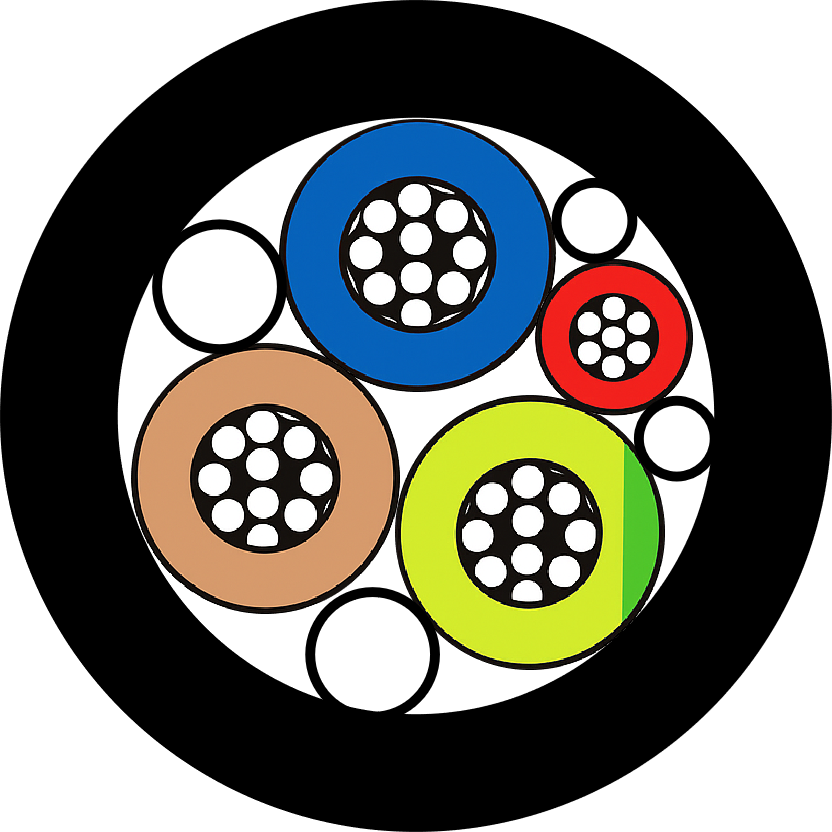
Los cables solares fotovoltaicos de dos conductores son famosos por su durabilidad y eficiencia en los sistemas de energía solar. Su diseño, que presenta dos conductores encerrados en una capa aislante robusta, ofrece varias ventajas, que pueden ser fundamentales para optimizar una instalación solar.
- Eficiencia y Reducción de Pérdida de Energía:
- Los cables de dos conductores suelen tener una resistencia menor en comparación con los cables de un solo conductor, lo que contribuye a reducir las pérdidas de energía. Esta eficiencia es especialmente beneficiosa en instalaciones más grandes donde minimizar la caída de voltaje es crucial.
- Durabilidad mejorada:
- El robusto aislamiento de los cables gemelos proporciona una protección superior contra factores ambientales como la radiación ultravioleta, la humedad y las temperaturas extremas. Esto da como resultado una vida útil más larga y una mayor confiabilidad en instalaciones al aire libre.
- Facilidad de instalación:
- El uso de cables de doble conductor simplifica el proceso de instalación ya que reduce la necesidad de múltiples ejecuciones de cables. Esto no sólo ahorra tiempo sino que también disminuye la probabilidad de errores de conexión, lo que puede impedir el rendimiento del sistema.
- Mejora de la estética y la organización:
- Los cables de doble conductor ofrecen una solución de gestión de cables más limpia y organizada, lo que hace que el mantenimiento y la resolución de problemas del sistema sean más sencillos.
- Parámetros técnicos:
- Cable doble conductor de 10 AWG:
- Capacidad actual: 30 amperios
- Caída de voltaje: aproximadamente 2% sobre 100 pies
- Resistencia: 1,24 µ/kft
- Cable doble conductor de 12 AWG:
- Capacidad actual: 20 amperios
- Caída de voltaje: Aproximadamente 3% sobre 100 pies
- Resistencia: 1.588 µ/kft
-
En conclusión, los cables solares fotovoltaicos de dos conductores ofrecen importantes ventajas en términos de eficiencia, durabilidad, facilidad de instalación y organización del sistema. Sus especificaciones técnicas garantizan que cumplan con las rigurosas demandas de las instalaciones solares modernas y al mismo tiempo cumplan con los estándares de la industria. Por estas razones, integrar cables de doble conductor en sistemas solares fotovoltaicos es una estrategia eficaz para maximizar tanto el rendimiento como la longevidad de la instalación.
Clasificación de temperatura y resistencia a los rayos UV de cables solares gemelos
Los cables solares gemelos están diseñados intencionalmente para su uso en los entornos exteriores más severos, por lo que pueden durar mucho tiempo en servicio y funcionar mejor. Normalmente, este tipo de cables tienen cubiertas hechas de materiales resistentes a los rayos UV, como el polietileno reticulado (XLPE), que los protegen de daños debido a la exposición al sol durante mucho tiempo. La capacidad de dichos materiales para resistir los rayos UV es importante porque ayuda a mantener intacto el aislamiento y así prevenir fallas eléctricas.
Cuando se trata de clasificaciones de temperatura, los cables solares gemelos se crean para que puedan ser eficientes en un amplio rango de temperaturas. Por lo general, los cables solares gemelos estándar pueden soportar temperaturas entre -40°C y 90°C (-40°F y 194°F). Algunas variedades son muy avanzadas en términos de rendimiento y pueden incluso soportar temperaturas máximas de hasta 150°C (302°F). Esta gran tolerancia al calor permite que estos cables conserven sus propiedades mecánicas y eléctricas en cualquier condición climática, garantizando así una confiabilidad constante durante todo el año.
En resumen, lo que hace que los cables solares gemelos sean buenos para los sistemas de energía solar para exteriores es su fuerte resistencia a la luz ultravioleta junto con las altas temperaturas; esto garantiza seguridad y durabilidad.
Conectándolo todo juntos: conectores de cables de paneles solares

Conectores solares que resisten el agua y la luz ultravioleta para uso en exteriores
En aplicaciones solares para exteriores, los conectores solares impermeables y resistentes a los rayos UV son importantes por su seguridad y eficacia en diversas condiciones ambientales. Normalmente, estos conectores están fabricados con materiales termoplásticos resistentes que no se degradan incluso si se exponen a la luz solar directa durante largos períodos de tiempo. Este tipo de conectores se protegen contra la humedad a través de sistemas de sellado especiales que a menudo emplean juntas tóricas o juntas para mantener el agua fuera, garantizando así conexiones eléctricas confiables incluso cuando está mojada. Los modelos estándar cumplen o superan la clasificación IP67, lo que significa que son herméticos al polvo y también capaces de resistir la inmersión temporal en agua.
Además, estos componentes pueden funcionar dentro de un amplio rango de temperatura desde -40°C (-40°F) hasta 85°C (185°F), por lo que permanecen funcionales tanto en ambientes extremadamente fríos como calurosos. Tienen convenientes mecanismos de bloqueo, como conectores de clic, que facilitan la instalación y al mismo tiempo proporcionan juntas fuertes y estables. Por lo tanto, al ser resistentes a la radiación ultravioleta (UV), impermeabilidad y tolerancia a altas temperaturas; Estos elementos se vuelven indispensables para lograr confiabilidad, seguridad y eficiencia operativa de los sistemas de energía solar en entornos al aire libre.
Por qué es importante combinar conectores con especificaciones de cables solares fotovoltaicos
La combinación de conectores con especificaciones de cables solares fotovoltaicos garantiza conexiones confiables y una generación de electricidad eficiente en un sistema fotovoltaico. No hacer coincidir los tipos de conectores puede provocar conexiones de alta resistencia que pueden provocar pérdidas de energía debido al efecto de calentamiento o incluso provocar riesgos de incendio. Se deben utilizar conectores diseñados específicamente para ciertos tamaños de cables porque permiten la máxima transferencia de energía entre paneles y minimizan las pérdidas causadas por una mala conectividad.
Además, el uso de cables con clasificaciones adecuadas junto con conectores que cumplen con estándares reconocidos como la certificación IEC o UL mejora la seguridad general durante el proceso de instalación, así como la vida útil de toda la configuración. Cuando dos partes no son compatibles, esto provocará la anulación de garantías y el incumplimiento de las reglas obligatorias establecidas por las autoridades pertinentes, por lo que siempre asegúrese de que los conectores coincidan cuidadosamente con las especificaciones de los cables fotovoltaicos. Esto quiere decir que no conectar los cables correctamente puede tener consecuencias graves, por lo que se debe prestar mucha atención al realizar esta tarea para evitar cualquier forma de accidente o daño.
Herramientas y kits para la instalación segura de cables solares
Herramientas necesarias para comprimir cables solares fotovoltaicos
Sin duda, las herramientas de engarzado son un requisito imprescindible a la hora de montar o comprimir cables solares fotovoltaicos. Normalmente, los compresores de buena calidad diseñados específicamente para conductores solares deberían tener la capacidad de ajustar las fuerzas de engarzado y cambiar las matrices para que puedan adaptarse a diferentes tamaños de terminales, así como a calibres de cables. Los principales tipos de herramientas de compresión incluyen:
- Engarzadores de trinquete: los modelos de trinquete proporcionan una presión uniforme, lo que da como resultado conexiones más precisas.
- Engarzadores hidráulicos: se recomiendan cuando se necesita una gran fuerza con el mínimo esfuerzo requerido por el usuario, especialmente en cables más grandes.
- Engarzadores de palanca: tienen un diseño ergonómico y son fáciles de usar, por lo que son adecuados para instalaciones repetitivas.
- Herramientas de engarzado hexagonal (hexagonal): esta herramienta se recomienda para comprimir conectores solares como MC4 porque proporciona constantemente fuertes engarces de forma hexagonal.
- Herramientas de engarzado multifuncionales (de múltiples propósitos): algunos modelos pueden pelar cables además de cortarlos, lo que los hace versátiles para realizar varias tareas.
Se deben comprar engarzadores especializados en lugar de usar alicates normales o llaves ajustables, ya que ayudan a mantener la confiabilidad del sistema al garantizar que se cumplan sus estándares de seguridad y al mismo tiempo minimizar el riesgo de fallas de conexión.
El papel de las herramientas de corte y pelado de cables hacia una instalación precisa
La precisión de pelar y cortar cables afecta directamente la conexión entre sí de varias secciones dentro de un sistema solar fotovoltaico. En consecuencia, es necesario emplear pelacables y cortadores de alta calidad durante el proceso de instalación. A diferencia de otros instrumentos utilizados para eliminar el aislamiento de los cables, estos dispositivos garantizan que ningún conductor se atasque o dañe mientras se retiran las cubiertas exteriores, manteniendo así intacta la continuidad entre los caminos eléctricos. Aquí hay algunos tipos importantes junto con sus características:
- Desbrozadoras automáticas de alambre «Pueden trabajar con alambres de diferentes espesores y producir tiras limpias en todas partes sin dañar los conductores.
- Desbrozadoras de alambre ajustables «Estas desbrozadoras están diseñadas para varios calibres para que una persona pueda establecer la longitud correcta de la tira requerida en un momento dado, así como la cantidad de presión que se aplicará.
- Cortadores de cables - Tienen mordazas fuertes que les permiten cortar cables pesados de forma fácil y limpia, lo que permite preparar dichos cables en medidas exactas.
- Desbrozadoras de cables rotativas - Este tipo de peladoras funcionan girando alrededor del aislamiento, logrando así un trabajo más uniforme, especialmente en cables de gran tamaño.
- Herramientas de corte de precisión: estas cortadoras de alambre de tamaño pequeño producen cortes finos sin deformar los extremos.
Al utilizar estos dispositivos únicos, cada cable se prepara con la máxima precisión, lo que conduce a instalaciones seguras y eficientes de sistemas solares fotovoltaicos. Cualquier persona que no aplique adecuadamente las herramientas de corte y pelado de cables podría terminar con malas conexiones eléctricas y aislamientos dañados, lo que reduciría los niveles de confiabilidad.
Desde el fabricante hasta la instalación: navegando por las especificaciones de cables solares

Opciones de producto de descifrado: cables solares listados en UL versus cables solares reconocidos en UL
Conocer la diferencia entre los productos Listados por UL y Reconocidos por UL es esencial para el cumplimiento y el rendimiento al elegir cables solares para sistemas fotovoltaicos (PV). La certificación UL (Underwriters Laboratories) significa que un producto ha sido probado exhaustivamente para garantizar seguridad y confiabilidad; sin embargo, el alcance de este término varía de un contexto a otro.
Cables solares listados por UL: se han sometido a pruebas de amplio alcance para que puedan cumplir con estrictos requisitos de seguridad aplicables solo a productos completos diseñados para su uso en aplicaciones particulares. Además de estar certificados individualmente según sus propias especificaciones, los cables listados por UL también están certificados en función de cómo funcionan dentro de sistemas más grandes. Esta certificación implica que dichos cables se pueden instalar directamente en aplicaciones de uso final sin necesidad de realizar más pruebas; por lo tanto, los contratistas que desean un simple cumplimiento de los códigos de construcción a menudo los encuentran atractivos.
Cables solares reconocidos por UL: por el contrario, los componentes reconocidos generalmente se someten a una evaluación limitada a ciertas propiedades porque están destinados a usarse junto con otras piezas que forman un conjunto que luego se somete a pruebas como una unidad completa. Si bien los cables reconocidos cumplen con estándares de seguridad particulares; Si estos cables cumplirán dichos estándares a la luz de un sistema completo, sigue estando sujeto a una evaluación adicional. Esto aporta más flexibilidad durante la etapa de diseño o durante la fabricación, pero exige que se tengan en cuenta todos los aspectos necesarios para garantizar la seguridad y conformidad general del sistema.
Para las instalaciones de sistemas fotovoltaicos, el uso de cables listados por UL puede acelerar el proceso de aprobación al brindar confianza en que cada componente satisface de forma independiente altos niveles de seguridad y rendimiento. Sin embargo, cuando se trata de soluciones personalizadas; Siempre que exista una verificación integral del cumplimiento mediante pruebas exhaustivas de los sistemas ensamblados, es posible que aún sea posible la flexibilidad necesaria en la etapa de diseño optando por ULRW. Comprender estas diferencias guía la toma de decisiones hacia elecciones basadas en el conocimiento donde la conformidad legal va de la mano con el mejor resultado posible desde el punto de vista del rendimiento de la instalación solar.
Estándares y cumplimiento globales para cables y alambres solares fotovoltaicos
Garantizar que los alambres y cables solares fotovoltaicos cumplan con los estándares globales es crucial para mantener la seguridad, el rendimiento y la longevidad de los sistemas fotovoltaicos. Organizaciones como la Comisión Electrotécnica Internacional (IEC), Underwriters Laboratories (UL) y la Organización Internacional de Normalización (ISO) establecen los estándares primarios para alambres y cables fotovoltaicos.
Standarde cheie:
IEC 62930: Esta norma especifica requisitos para cables flexibles utilizados en sistemas fotovoltaicos de hasta 1,5 kV CC. Incluye criterios de resistencia mecánica, retardo de llama y rendimiento eléctrico.
- Parámetros técnicos:
- Clasificación de voltaje: Hasta 1,5 kV CC
- Rango de temperatura: -40°C a +90°C
- Retardo de llama: Se adhiere a IEC 60332-1
- UL 4703: Esta norma UL cubre cables fotovoltaicos para uso en paneles solares conectados a tierra y sin conexión a tierra, definiendo clasificaciones eléctricas, pruebas ambientales y características físicas.
- Parámetros técnicos:
- Clasificación de voltaje: 600 V a 2000 V
- Clasificación de temperatura: -40°C a +90°C
- Resistencia a la luz solar: probada según UL 1581
- ISO 14507: Esta norma internacional especifica requisitos para el impacto ambiental y la reciclabilidad de los cables fotovoltaicos
- Parámetros técnicos:
- Pruebas ambientales: resistencia a los rayos UV, resistencia al ozono
- Reciclabilidad: Cumplimiento de las directivas de gestión de residuos
- EN 50618: Esta norma europea se aplica a los cables para sistemas fotovoltaicos, centrándose en la durabilidad y el rendimiento a largo plazo en condiciones ambientales adversas.
- Parámetros técnicos:
- Clasificación de voltaje: 1,5 kV CC
- Rango de temperatura: -40°C a +90°C
- Durabilidad: Vida útil mínima de 25 años
-
Tener en cuenta estos estándares garantiza que los alambres y cables fotovoltaicos sean adecuados para una variedad de condiciones ambientales y cumplan con rigurosos criterios de seguridad y rendimiento. Estas certificaciones brindan a los instaladores y fabricantes la confianza de que sus sistemas solares funcionarán de manera confiable y eficiente durante su vida útil prevista. Comprender y cumplir con estos estándares globales es esencial para el rendimiento óptimo del sistema solar fotovoltaico y el cumplimiento normativo.
Fuentes de referencia
Aquí hay tres fuentes confiables y relevantes que brindan información sobre cómo desbloquear el potencial de los cables y alambres solares con certificación UL:
Estas fuentes ofrecen una visión completa de la importancia de la certificación UL en el contexto de los cables solares, proporcionando conocimientos tanto prácticos como técnicos adecuados para una variedad de audiencias interesadas en el tema.- “Navegando por el mundo de los cables solares certificados por UL” «Cable Kuka-ñan
- Fuente: https://www.kukacable.com/news/1701.html
- Resumen/anotación: Este artículo proporciona una guía completa para comprender la importancia de la certificación UL para cables solares. Enfatiza los beneficios de seguridad y confiabilidad que conlleva el uso de productos con certificación UL en proyectos de energía renovable. La fuente analiza los protocolos y estándares de prueba que deben cumplir los cables para lograr la certificación UL, lo que lo convierte en un recurso valioso para quienes buscan garantizar el cumplimiento y la seguridad en sus instalaciones solares.
- “Por qué es importante utilizar cables listados por UL para sus paneles solares” «-ñan Hufft Solar
- Fuente: https://hufftsolar.com/top-5-reason-why-its-important-to-use-ul-listed-cables-for-your-solar-panels/
- Resumen/anotación: Esta publicación de blog describe las principales razones por las que el uso de cables listados por UL es crucial panel solar sistemas. Cubre aspectos como seguridad, confiabilidad y cumplimiento de los estándares de la industria. El artículo es particularmente útil para propietarios e instaladores que necesitan tomar decisiones informadas sobre sus componentes solares. Los conocimientos prácticos y las explicaciones claras proporcionadas lo convierten en un recurso accesible para lectores de diversos niveles de experiencia técnica.
- “Pruebas y Certificación de Cables Fotovoltaicos (PV)” «-lul
- Fuente: https://www.ul.com/services/photovoltaic-pv-cable-testing-and-certification
- Resumen/anotación: Esta página web de UL (Underwriters Laboratories) detalla los procesos específicos de prueba y certificación de cables fotovoltaicos (PV). Destaca los rigurosos estándares y procedimientos involucrados en la certificación UL, asegurando que los cables cumplan con altos criterios de seguridad y rendimiento. Como fuente autorizada de la organización que otorga la certificación, esta página es esencial para comprender los requisitos técnicos y reglamentarios de los cables y alambres solares certificados por UL.
Preguntas frecuentes (FAQ)

P: ¿Qué es la certificación UL 4703 y por qué es importante para cables y alambres solares?
R: La certificación UL 4703 fue establecida por Underwriters Laboratories (UL) como estándar para cables fotovoltaicos (PV) utilizados en sistemas de energía solar. Esto garantiza que el cable cumpla con estrictos requisitos de rendimiento y seguridad, como buen envejecimiento térmico, resistencia contra la exposición a la luz solar, humedad, solventes, grasas y baja pérdida de energía, ideal tanto para sistemas de energía fotovoltaica conectados a tierra como sin conexión a tierra. Esta certificación es muy importante porque garantiza que las instalaciones solares sean confiables y seguras, lo cual está de acuerdo con el Código Eléctrico Nacional (NFPA 70).
P: ¿Cómo selecciono el calibre de cable adecuado para mi sistema de energía solar?
R: Varios factores determinan qué calibre de cable se debe utilizar en un sistema de energía solar; estos factores incluyen, entre otros; corriente (ampacidad), voltaje del sistema y longitud total del recorrido del cable. Para aplicaciones solares inferiores a 600V es recomendable utilizar un cable certificado UL 4703 para que sea compatible con sistemas tanto con conexión a tierra como sin conexión a tierra. Teniendo en cuenta el flujo esperado de corriente eléctrica, se debe calcular para que consulten el Código Eléctrico Nacional o un profesional que les ayude a elegir el tamaño de cable adecuado, garantizando así la máxima eficiencia y seguridad durante toda la instalación.
P: ¿Se pueden utilizar cables y alambres solares certificados por UL en ambientes exteriores?
R: Sí, los cables y alambres solares certificados por UL, especialmente aquellos que cumplen con UL 4703, están fabricados para aplicaciones en exteriores donde están expuestos a condiciones extremas. Están aislados y encamisados, lo que los hace resistir cosas como la exposición a la luz solar, las variaciones de temperatura, la lluvia, etc. También tienen muy buena resistencia a la humedad junto con su capacidad de no verse afectados por disolventes o grasas, lo que los hace adecuados para una confiabilidad a largo plazo en instalaciones al aire libre de esta naturaleza.
P: ¿Cuál es la importancia del cobre trenzado en los cables solares?
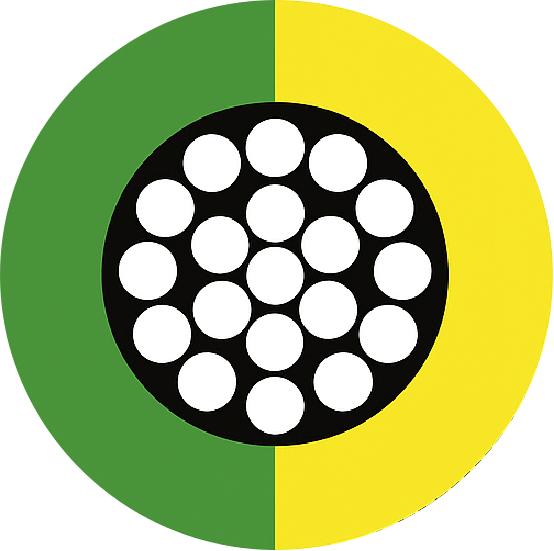
R: El cobre trenzado comúnmente utilizado en cables certificados UL 4703 proporciona flexibilidad, lo que los hace fáciles de instalar en comparación con los cables sólidos que son más propensos a romperse. Los cables de cobre trenzados también tienen una menor pérdida de energía y una alta conductividad, por lo que desempeñan un papel importante para lograr una mayor eficiencia de los sistemas solares fotovoltaicos. Este tipo particular de construcción equilibra bien entre durabilidad y rendimiento, especialmente en condiciones dinámicas típicas de las aplicaciones solares.
P: ¿Cómo afecta el calor a los cables y alambres solares certificados por UL?
R: Los cables y alambres solares certificados por UL, como los tipos UL 4703, UL44 y UL 854, están diseñados para que puedan funcionar dentro de un amplio rango de temperaturas, exhibiendo así excelentes propiedades de envejecimiento térmico. Estos cables tienen aislamiento y materiales de cubierta que resisten los daños de la soldadura, garantizando así la seguridad incluso a temperaturas elevadas que se encuentran en instalaciones fotovoltaicas. Sin embargo, la exposición continua a temperaturas más allá de los límites especificados puede alterar las características eléctricas del cable, lo que lleva a una vida útil reducida. Por lo tanto, se debe garantizar la selección de cable o alambre con una clasificación de temperatura adecuada basada en el entorno de aplicación esperado.
P: ¿Los cables solares con certificación UL son capaces de resistir la humedad y el agua?
R: Aunque no son resistentes al agua, los cables solares certificados por UL (por ejemplo, los que cumplen con UL 4703) tienen buena resistencia a la humedad. ‘Resistente a la humedad’ se refiere a su capacidad para funcionar bien al aire libre en condiciones posiblemente húmedas sin sufrir cortocircuitos debido a la humedad. Esto se logra evitando la penetración de líquidos que puede afectar la integridad eléctrica del cable, pero cabe señalar que si planea enterrar o sumergir parcialmente estos cables, es posible que sea necesario tomar medidas de seguridad adicionales, como el uso de cables o conductos con clasificación de ‘entierro directo’.
P: ¿Qué herramientas se requieren al engarzar cables solares certificados por UL?
R: Normalmente utilizará una herramienta de engarzado de calidad profesional para el tipo de conector específico y el calibre de cable que se utiliza al engarzar cables solares con certificación UL. Una buena conexión de engarzado es importante porque garantiza una baja resistencia, lo cual es crucial para una transferencia eficiente de electricidad en cualquier sistema fotovoltaico; por lo tanto, la seguridad tampoco debe verse comprometida. El dispositivo también debe proporcionar una presión uniforme para no dañar ni el terminal ni el conductor, ya que esto afecta la confiabilidad durante toda la vida útil de dicha instalación (los fabricantes generalmente recomiendan ciertos modelos junto con sus productos); por lo tanto, se pueden consultar esas instrucciones.
P: ¿Cómo puedo saber cuánto cable solar certificado UL necesito?
R: Para determinar cuánto cable solar con certificación UL necesita para su proyecto, primero asigne dónde se ubicarán todos los paneles entre sí y luego mida la distancia desde cada panel hasta un inversor u otro punto donde necesitarán conectarse. Considere también cualquier recorrido vertical que pueda ser necesario entre niveles, como sistemas de montaje en tierra con varias filas apiladas una encima de la otra (longitud adicional). Siempre es una buena idea agregar alrededor de 10% adicionales en caso de que haya complicaciones imprevistas durante la instalación, por lo que ahora sería un buen momento para hacer esos cálculos. Una vez que haya realizado este cálculo, le dará la longitud total, que se puede ingresar o seleccionar entre el tamaño de cable a granel apropiado para su compra.
P: ¿Dónde puedo comprar cables solares certificados por UL ñona como el cable 600v ul 4703?
R: Para su proyecto, puede intentar comprar cables solares con certificación UL de un proveedor confiable que se ocupa de suministros eléctricos o solares. Powerwerx es un ejemplo de una de esas empresas; Tienen varios tipos de estos cables, así como otros componentes y accesorios relacionados en stock que se pueden ver según necesidades específicas basadas en diferentes proyectos. Siempre debes optar por materiales probados y aprobados al comprar, así que asegúrate de que quien los venda cumpla con los estándares de seguridad, de lo contrario, podría haber problemas más adelante en lo que respecta al rendimiento de los sistemas de energía.
P: ¿Cómo me pongo en contacto con alguien de una empresa que conoce los cables y alambres solares certificados por UL?
R: Si desea obtener más información sobre cables y alambres solares certificados por UL de una empresa en particular, visite su sitio web oficial donde pueden aparecer detalles de contacto como la dirección de correo electrónico o el número de teléfono. La mayoría de los proveedores ofrecen departamentos de atención al cliente con personal capacitado en este campo que puede manejar cualquier consulta sobre el producto y ayudar a los clientes a seleccionar artículos de acuerdo con las especificaciones técnicas requeridas por el proyecto que se está llevando a cabo; por lo tanto, tener preparados datos relevantes sobre qué es exactamente lo que se necesita hacer ayudaría a facilitar una asistencia más rápida.
Recomendar lectura: Soluciones de cables solares UL de JOCA