








NYR(AL)Y/NAYR(AL)Y
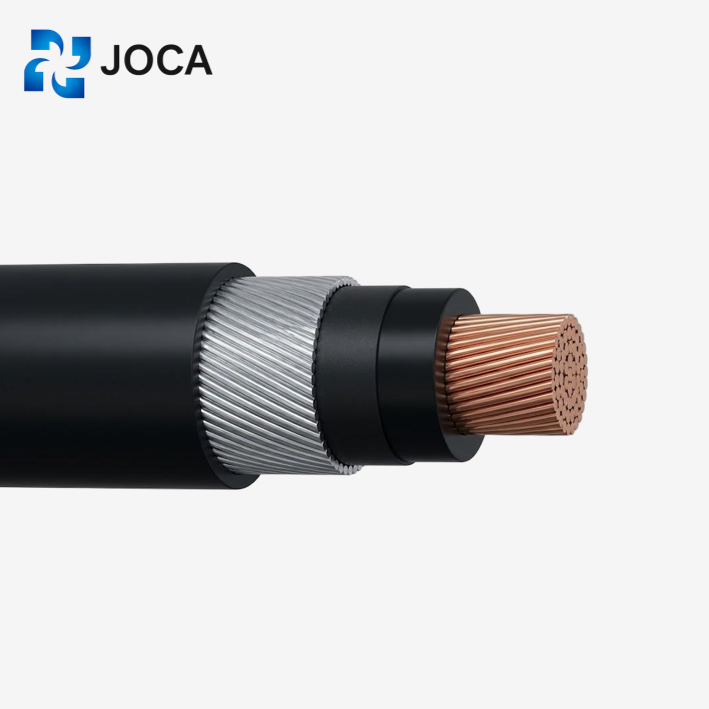
cavo di alimentazione con rivestimento in alluminio con isolamento in PVC a nucleo singolo da 0,6/1kV
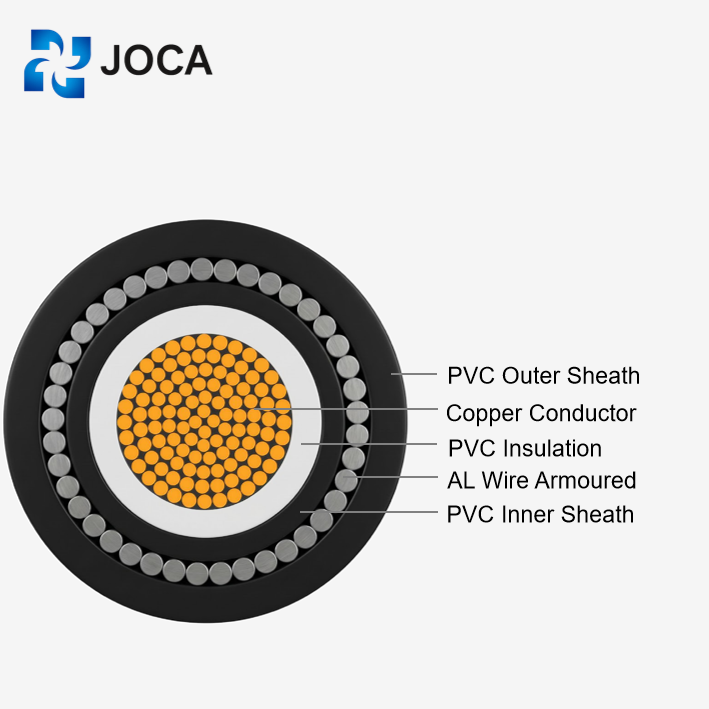
Direttore: Rame o Alluminio
Isolamento: PVC
Guaina interna: PVC
Corazzato:Armatura in filo di alluminio
Guaina esterna: PVC
Standard: CEI 60502-1
- Elaborazione rapida dei campioni con soluzioni personalizzate
- Materiali di alta qualità
- Opzioni di prezzo convenienti
- Consegna globale
- Per una migliore protezione dei dati, assicurati che tutti i caricamenti siano sicuri
Risparmia almeno 30% in media
-
Descrizione del prodotto
Cavo corazzato SWA AWA STA: Descrizione del prodotto e specifiche
Il NYR(AL)Y serie è costruita per Monocore distribuzione corre.Ecco la fisica: Non è possibile utilizzare un'armatura in acciaio su un cavo AC single-core. Crea un campo magnetico che surriscalda l'armatura (effetto induzione). Ecco perché usiamo Armatura metallica in alluminio (AWA). Non è magnetico. Ottieni una gabbia meccanica dura come la roccia per la sepoltura diretta, ma senza i problemi di riscaldamento.Le tue opzioni: Conduttori in rame o alluminio. Bisogno LSZH per la sicurezza antincendio o PE per il terreno bagnato? Basta specificarlo, e lo estruderemo.
-
Vantaggi
Cavo corazzato SWA AWA STA: vantaggi e caratteristiche
Perché Armatura in Alluminio (AWA)? Fisica semplice L'armatura in acciaio trasforma i cavi single-core in riscaldatori a induzione. L'alluminio è non magnetico, quindi impedisce al cavo di cuocersi mentre agisce ancora come una gabbia meccanica.
Rame o alluminio: La tua chiamata. Andare Rame (NYR) per potenza grezza o Alluminio (NAYR) per tagliare la fattura del progetto.
Costruito per gli estremi: Corre dal congelamento -20°C a caldo +90°C. Necessita di impermeabile? Chiedere PE. Bisogno di sicurezza antincendio? Scambiamo in LSZH.
Carichi di mostri: È un cavallo di battaglia Spinge fino a 885A (in aria) e sopravvive massicciamente 42,84kA cortocircuiti senza fusione.
CEI 60502-1: Nessun angolo tagliente Lo costruiamo rigorosamente dal regolamento globale.
Dimensioni/Parametri
cavo di alimentazione corazzato e con rivestimento in PVC con conduttore in rame a nucleo singolo con conduttore in rame e cavo di alimentazione con rivestimento in PVC
| Setta trasversale nominale. (mm2) | DC Resistenza a 20 °C (km/km) | Resistenza AC a 70 °C (km/km) | Induttanza - Formazione del trifoglio (mH/km) | Induttanza - Formazione piatta (mH/km) | Capacità Attuale - Trifoglio - in aria (A) | Capacità attuale - Trifoglio - nel terreno (A) | Capacità corrente - Piatto - in aria (A) | Capacità corrente - Piatto - nel terreno (A) | Corrente di cortocircuito a 1 sec (kA) |
|---|---|---|---|---|---|---|---|---|---|
| 10 | 1.83 | 2.190 | 0.442 | 0.489 | 73 | 77 | 75 | 79 | 1.15 |
| 16 | 1.15 | 1.376 | 0.412 | 0.458 | 96 | 99 | 98 | 102 | 1.84 |
| 25 | 0.727 | 0.870 | 0.386 | 0.432 | 127 | 128 | 130 | 131 | 2.88 |
| 35 | 0.524 | 0.627 | 0.367 | 0.414 | 154 | 153 | 158 | 157 | 4.03 |
| 50 | 0.387 | 0.463 | 0.351 | 0.397 | 187 | 181 | 192 | 186 | 5.75 |
| 70 | 0.268 | 0.321 | 0.333 | 0.379 | 234 | 222 | 240 | 227 | 8.05 |
| 95 | 0.193 | 0.232 | 0.322 | 0.368 | 286 | 264 | 292 | 269 | 10.93 |
| 120 | 0.153 | 0.184 | 0.315 | 0.361 | 331 | 299 | 338 | 304 | 13.80 |
| 150 | 0.124 | 0.150 | 0.309 | 0.355 | 376 | 334 | 383 | 338 | 17.25 |
| 185 | 0.0991 | 0.120 | 0.302 | 0.348 | 431 | 375 | 438 | 378 | 21.28 |
| 240 | 0.0754 | 0.092 | 0.294 | 0.340 | 507 | 429 | 511 | 430 | 27.60 |
| 300 | 0.0601 | 0.075 | 0.293 | 0.340 | 573 | 472 | 573 | 468 | 34.50 |
| 400 | 0.0470 | 0.060 | 0.290 | 0.337 | 650 | 522 | 644 | 513 | 41.20 |
| 500 | 0.0366 | 0.048 | 0.284 | 0.330 | 732 | 573 | 719 | 557 | 51.50 |
| 630 | 0.0283 | 0.040 | 0.275 | 0.321 | 820 | 625 | 799 | 602 | 64.89 |
| 800 | 0.0221 | 0.033 | 0.275 | 0.321 | 883 | 651 | 851 | 620 | 82.40 |
cavo di alimentazione con rivestimento in alluminio con conduttore in alluminio a nucleo singolo con cavo di alluminio con rivestimento in PVC e rivestimento in alluminio da 0,6/1kV
| Dimensione (mm²) | Resistenza del conduttore max DC a 20 °C ( km) | Resistenza del conduttore max AC a 70 °C ( km) | Capacità corrente max in aria - Trifoglio (A) | Capacità corrente max. in aria - Flat (A) | Capacità corrente max. nel terreno - Trifoglio (A) | Capacità corrente max. nel terreno - Piatto (A) | Induttanza (mH/km) | Corrente di cortocircuito max. a 1 sec. (kA) |
|---|---|---|---|---|---|---|---|---|
| 10 | 3.08 | 3.701 | 62 | 56 | 76 | 60 | 0.396 | 0.76 |
| 16 | 1.91 | 2.295 | 82 | 74 | 102 | 80 | 0.370 | 1.22 |
| 25 | 1.20 | 1.442 | 125 | 113 | 134 | 105 | 0.358 | 1.90 |
| 35 | 0.868 | 1.043 | 145 | 131 | 180 | 141 | 0.345 | 2.66 |
| 50 | 0.641 | 0.770 | 176 | 160 | 215 | 168 | 0.336 | 3.80 |
| 70 | 0.443 | 0.533 | 224 | 202 | 265 | 204 | 0.326 | 5.32 |
| 95 | 0.320 | 0.385 | 271 | 249 | 319 | 245 | 0.321 | 7.22 |
| 120 | 0.253 | 0.305 | 314 | 291 | 363 | 279 | 0.316 | 9.12 |
| 150 | 0.206 | 0.249 | 361 | 333 | 409 | 312 | 0.313 | 11.40 |
| 185 | 0.164 | 0.198 | 412 | 384 | 464 | 353 | 0.310 | 14.06 |
| 240 | 0.125 | 0.152 | 484 | 460 | 543 | 410 | 0.307 | 18.24 |
| 300 | 0.100 | 0.122 | 548 | 530 | 615 | 464 | 0.305 | 22.80 |
| 400 | 0.0778 | 0.096 | 666 | 642 | 719 | 538 | 0.302 | 27.20 |
| 500 | 0.0605 | 0.076 | 776 | 744 | 821 | 610 | 0.299 | 34.00 |
| 630 | 0.04699 | 0.061 | 885 | 854 | 888 | 696 | 0.293 | 42.84 |
-
Processi di produzione del cavo elettrico
Per garantire una qualità superiore, JOCA opera linee di produzione completamente digitalizzate e automatizzate per cavi alimentazione. Specificatamente, questo flusso di lavoro completo coperture trefolo conduttore, estrusione isolante, vagliatura metallica e guaina finale. Inoltre, sistemi intelligenti monitorare attivamente ogni fase per garantire prestazioni stabili e qualità del prodotto costante. In aggiunta, la fabbrica non c'è bisogno di strutture di prova avanzate, come prove di scarica parziale, prove di trazione e prove di scintilla. Di conseguenza, queste misure rigorose garanzia che ogni cavo consegnato soddisfa rigorosamente gli standard internazionali.

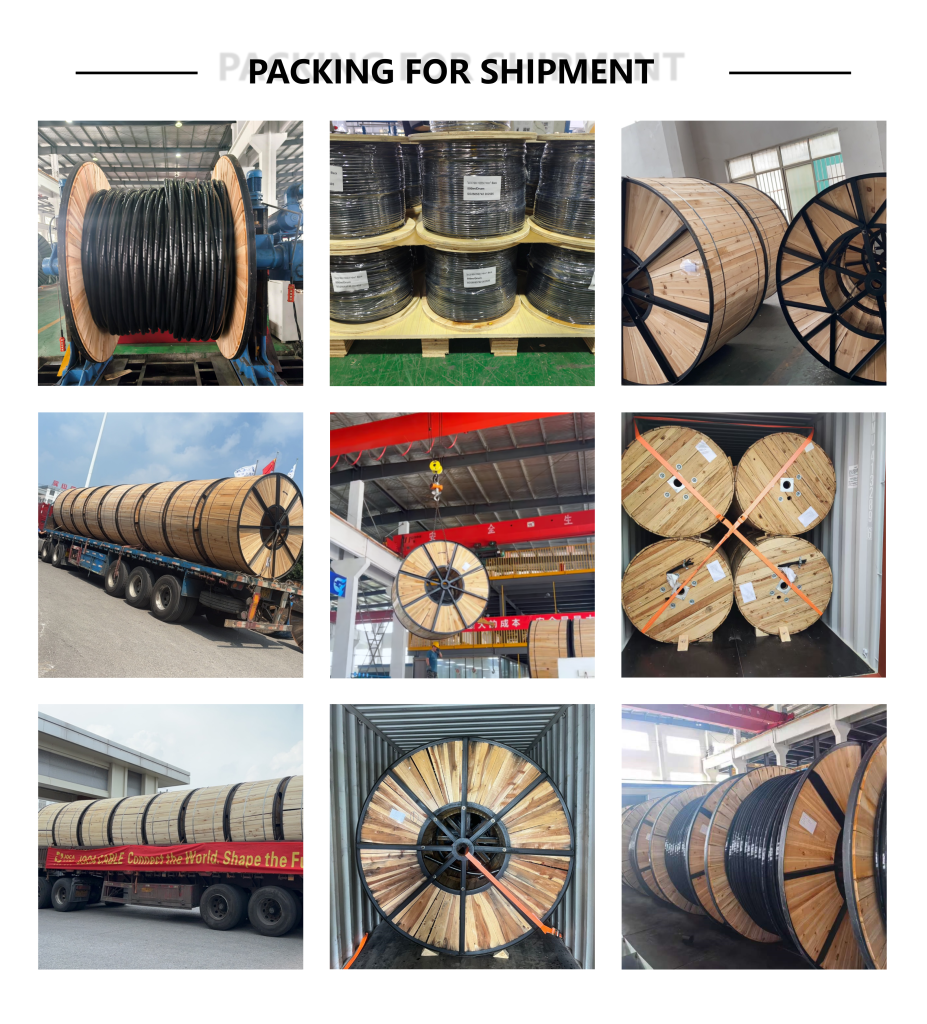
Imballaggio per la spedizione
Per soddisfare le varie esigenze di trasporto, ci sono molti metodi di imballaggio che possono essere utilizzati.
Hai altre domande?
Inizia facilmente trovando le risposte alle domande più frequenti sulla nostra azienda e sui nostri servizi.
D: NYR contro NAYR: Qual è la differenza?
A: Solo il metallo conduttore. NYR è Rame. NAYR è alluminio. Questo è tutto. L'alluminio è più leggero ed economico.
D: Perché utilizzare l'armatura in alluminio (AWA) invece dell'acciaio?
A: Per impedirgli di cucinare. L'acciaio è magnetico Su un cavo a nucleo singolo, l'armatura in acciaio si trasforma in un riscaldatore a induzione. L'alluminio è non magnetico, in modo da protegge il cavo senza i problemi di calore.
D: Posso seppellirlo sottoterra?
A: Assolutamente. Questo è esattamente ciò che serve per fermare le rocce e la pressione del suolo derivante dallo schiacciamento del nucleo.
Q: Valutazione di tensione?
A: Bassa tensione standard: 0,6/1kV.
Q: Posso cambiare il materiale della guaina?
A: Già. Standard è PVC. Necessita di impermeabile? Chiedere PE. Hai bisogno di sicurezza antincendio per un tunnel? Chiedere LSZH. Dicci solo di cosa ha bisogno il lavoro.
D: Limiti di temperatura?
A: Gestisce gli estremi: dal congelamento -20°C fino a +90°C.
D: È ignifugo?
A: Solo se esegui l'upgrade. Ustioni standard in PVC Se hai bisogno di resistenza alla fiamma, tu deve specificare il LSZH (alogeno a basso contenuto di fumo zero) versione.
D: Che standard è questo?
A: Strettamente CEI 60502-1. Seguiamo il regolamento globale, nessuna scorciatoia.