








NYR(AL)Y/NAYR(AL)Y
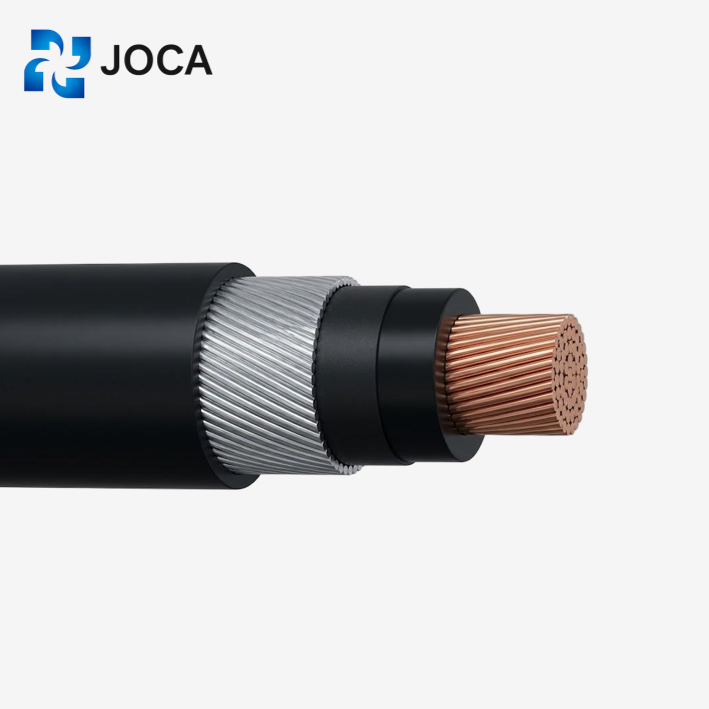
0,6/1 kV Cablu de alimentare cu jachetă din aluminiu cu izolație PVC cu un singur miez
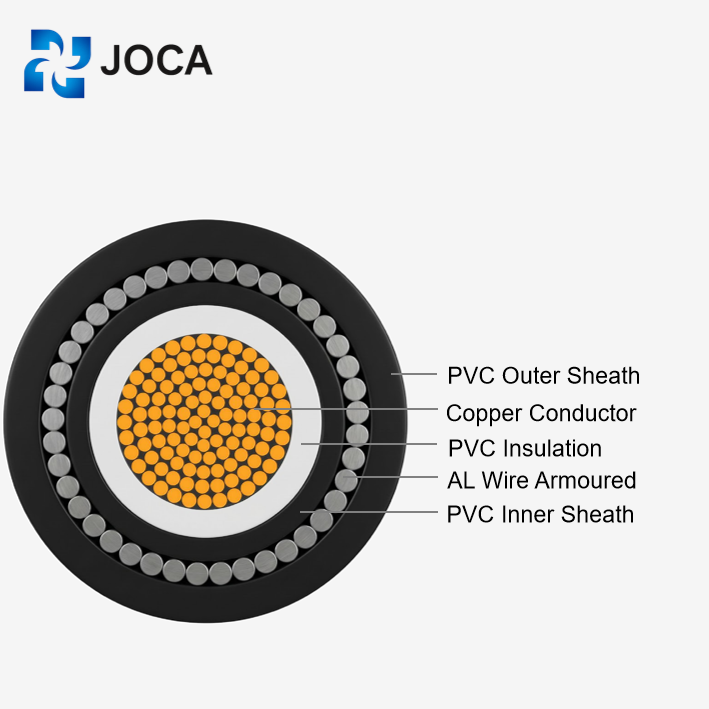
Dirijor: Cupru sau Aluminiu
Izolație: PVC
Teaca interioara: PVC
Blindat:Armură din sârmă de aluminiu
Teaca exterioara: PVC
Standarde: IEC 60502-1
- Procesare rapidă a probelor cu soluții personalizate
- Materiale de înaltă calitate
- Opțiuni de preț accesibile
- Livrare globală
- Pentru o mai bună protecție a datelor, asigurați-vă că toate încărcările sunt sigure
Economisiți cel puțin 30% în medie
-
Descrierea produsului
Cablu blindat SWA AWA STA: Descrierea produsului și specificațiile
The NYR(AL)Y seria este construită pentru Single-Core rulări distribuție.Iată fizica: Nu puteți folosi armura de oțel pe un cablu AC cu un singur miez. Creează un câmp magnetic care supraîncălzește armura (efect de inducție). De aceea folosim Armură din sârmă de aluminiu (AWA). Este nemagnetic. Primești o cușcă mecanică tare ca piatra pentru înmormântare directă, dar fără problemele de încălzire.Opțiunile dvs.: Conductoare din cupru sau aluminiu. Nevoie LSZH pentru securitatea la incendiu sau PE pentru sol umed? Doar specificați-l, și îl vom extruda.
-
Avantaje
Cablu blindat SWA AWA STA: Beneficii și caracteristici
De ce armura de aluminiu (AWA)? Fizică simplă. armura de oțel transformă cablurile cu un singur miez în încălzitoare cu inducție. Aluminiul este nemagnetic, așa că oprește cablul să se gătească singur, acționând în același timp ca o cușcă mecanică.
Cupru sau aluminiu: Apelul dvs. Merge Cupru (NYR) pentru putere brută sau Aluminiu (NAYR) pentru a reduce factura proiectului.
Construit pentru extreme: Fugi de îngheț -20°C a fierbinte +90°C. Ai nevoie de impermeabilitate? Cere PE. Ai nevoie de siguranță la incendiu? Schimbăm la LSZH.
Monstru se încarcă: Este un cal de bătaie. împinge până la 885A (în aer) și supraviețuiește masiv 42,84 kA scurtcircuite fără topire.
IEC 60502-1: Fără colțuri de tăiere. Îl construim strict după regulamentul global.
Dimensiuni/Parametri
0,6/1 kV Conductor de cupru Un singur miez PVC Izolație Sârmă de aluminiu Blindat și PVC Cablu de alimentare cu jachetă
| Nom. Sectă transversală. (mm2) | Rezistență DC la 20 °C (ob/km) | AC Rezistență la 70 °C (ob/km) | Inductanță - Formarea trefoilului (mH/km) | Inductanță - Formație plată (mH/km) | Capacitate de curent - Trefoil - în aer (A) | Capacitate de curent - Trefoil - în pământ (A) | Capacitate curent - Plat - în aer (A) | Capacitate de curent - Plat - în pământ (A) | Curent de scurtcircuit la 1 sec (kA) |
|---|---|---|---|---|---|---|---|---|---|
| 10 | 1.83 | 2.190 | 0.442 | 0.489 | 73 | 77 | 75 | 79 | 1.15 |
| 16 | 1.15 | 1.376 | 0.412 | 0.458 | 96 | 99 | 98 | 102 | 1.84 |
| 25 | 0.727 | 0.870 | 0.386 | 0.432 | 127 | 128 | 130 | 131 | 2.88 |
| 35 | 0.524 | 0.627 | 0.367 | 0.414 | 154 | 153 | 158 | 157 | 4.03 |
| 50 | 0.387 | 0.463 | 0.351 | 0.397 | 187 | 181 | 192 | 186 | 5.75 |
| 70 | 0.268 | 0.321 | 0.333 | 0.379 | 234 | 222 | 240 | 227 | 8.05 |
| 95 | 0.193 | 0.232 | 0.322 | 0.368 | 286 | 264 | 292 | 269 | 10.93 |
| 120 | 0.153 | 0.184 | 0.315 | 0.361 | 331 | 299 | 338 | 304 | 13.80 |
| 150 | 0.124 | 0.150 | 0.309 | 0.355 | 376 | 334 | 383 | 338 | 17.25 |
| 185 | 0.0991 | 0.120 | 0.302 | 0.348 | 431 | 375 | 438 | 378 | 21.28 |
| 240 | 0.0754 | 0.092 | 0.294 | 0.340 | 507 | 429 | 511 | 430 | 27.60 |
| 300 | 0.0601 | 0.075 | 0.293 | 0.340 | 573 | 472 | 573 | 468 | 34.50 |
| 400 | 0.0470 | 0.060 | 0.290 | 0.337 | 650 | 522 | 644 | 513 | 41.20 |
| 500 | 0.0366 | 0.048 | 0.284 | 0.330 | 732 | 573 | 719 | 557 | 51.50 |
| 630 | 0.0283 | 0.040 | 0.275 | 0.321 | 820 | 625 | 799 | 602 | 64.89 |
| 800 | 0.0221 | 0.033 | 0.275 | 0.321 | 883 | 651 | 851 | 620 | 82.40 |
Cablu de alimentare cu jachetă din aluminiu cu un singur miez din PVC, izolație din aluminiu, blindat și PVC
| Dimensiune (mm²) | Max. Rezistența conductorului DC la 20° C (ob/km) | Max. Rezistența conductorului AC la 70° C (ob/km) | Max. Capacitatea curentului în aer - Trefoil (A) | Max. Capacitatea curentului în aer - Plat (A) | Max. Capacitatea curentului în pământ - Trefoil (A) | Max. Capacitatea curentului în sol - Plat (A) | Inductanță (mH/km) | Max. Curent de scurtcircuit la 1 sec. (kA) |
|---|---|---|---|---|---|---|---|---|
| 10 | 3.08 | 3.701 | 62 | 56 | 76 | 60 | 0.396 | 0.76 |
| 16 | 1.91 | 2.295 | 82 | 74 | 102 | 80 | 0.370 | 1.22 |
| 25 | 1.20 | 1.442 | 125 | 113 | 134 | 105 | 0.358 | 1.90 |
| 35 | 0.868 | 1.043 | 145 | 131 | 180 | 141 | 0.345 | 2.66 |
| 50 | 0.641 | 0.770 | 176 | 160 | 215 | 168 | 0.336 | 3.80 |
| 70 | 0.443 | 0.533 | 224 | 202 | 265 | 204 | 0.326 | 5.32 |
| 95 | 0.320 | 0.385 | 271 | 249 | 319 | 245 | 0.321 | 7.22 |
| 120 | 0.253 | 0.305 | 314 | 291 | 363 | 279 | 0.316 | 9.12 |
| 150 | 0.206 | 0.249 | 361 | 333 | 409 | 312 | 0.313 | 11.40 |
| 185 | 0.164 | 0.198 | 412 | 384 | 464 | 353 | 0.310 | 14.06 |
| 240 | 0.125 | 0.152 | 484 | 460 | 543 | 410 | 0.307 | 18.24 |
| 300 | 0.100 | 0.122 | 548 | 530 | 615 | 464 | 0.305 | 22.80 |
| 400 | 0.0778 | 0.096 | 666 | 642 | 719 | 538 | 0.302 | 27.20 |
| 500 | 0.0605 | 0.076 | 776 | 744 | 821 | 610 | 0.299 | 34.00 |
| 630 | 0.04699 | 0.061 | 885 | 854 | 888 | 696 | 0.293 | 42.84 |
-
Procese de producție ale cablului de alimentare
Pentru a asigura o calitate superioară, JOCA operează linii de producție complet digitalizate și automatizate pentru cabluri alimentare. Specific, acest flux de lucru cuprinzător acoperă toroane conductoare, extrudare izolație, ecranare metalică și înveliș final. Mai mult, sisteme inteligente monitorizați activ fiecare etapă pentru a asigura o performanță stabilă și o calitate constantă a produsului. În plus, fabrica utilizează facilități avansate de testare, cum ar fi testarea cu descărcare parțială, testarea la tracțiune și testarea scânteilor. În consecinţă, aceste măsuri riguroase garanţie că fiecare cablu livrat respectă cu strictețe standardele internaționale.

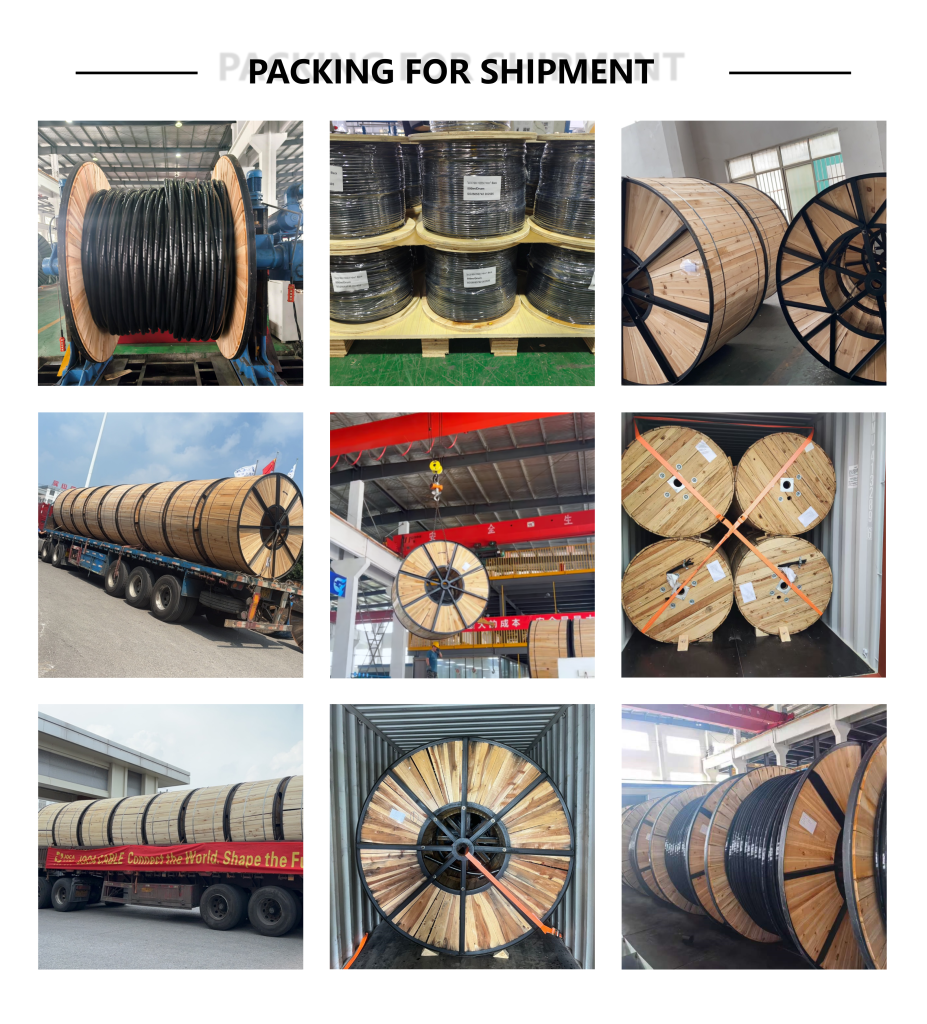
Ambalare pentru expediere
Pentru a satisface diverse nevoi de transport, există multe metode de ambalare care pot fi utilizate.
Ai mai multe întrebări?
Începeți cu ușurință prin a găsi răspunsurile la întrebările frecvente despre compania și serviciile noastre.
Î: NYR vs. NAYR: Care este diferența?
A: Doar conductorul de metal. NYR este cupru. NAYR este aluminiu. Asta e. Aluminiul este mai ușor și mai ieftin.
Î: De ce să folosiți armura de aluminiu (AWA) în loc de oțel?
A: Să-l oprească de la gătit. Oțelul este magnetic.pe un cablu cu un singur miez, armura de oțel se transformă într-un încălzitor cu inducție. Aluminiul este nemagnetic, deci protejează cablul fără probleme de căldură.
Î: Pot îngropa asta în subteran?
A: Absolut. Exact asta este armura pentru oprirea rocilor și presiunea solului de la zdrobirea miezului.
Î: Evaluarea tensiunii?
A: Tensiune joasă standard: 0,6/1kV.
Î: Pot schimba materialul învelișului?
A: Da. Standard este PVC. Ai nevoie de impermeabilitate? Cere PE. Aveți nevoie de siguranță la incendiu pentru un tunel? Cere LSZH. Spune-ne doar de ce are nevoie postul.
Î: Limite de temperatură?
A: Se descurcă cu extreme: de la îngheț -20°C până la +90°C.
Î: Este ignifug?
A: Doar dacă faceți upgrade. Arsuri standard din PVC. dacă aveți nevoie de rezistență la flacără, vă trebuie specificați LSZH (Halogen cu fum scăzut zero) versiune.
Î: Ce standard este acesta?
A: Strict IEC 60502-1. Urmăm regulamentul global, fără comenzi rapide.