






主に電気システムに関する適切なワイヤサイズを選択することは、安全性と性能に関連して非常に不可欠です。オプションの範囲では、 18ゲージワイヤー これは多用途であり、多くの低電力アプリケーションに適していると見なされているため、一般的に使用されています。重要なことは、過熱や電気的故障を引き起こすことでそのようなワイヤの機能に悪影響を及ぼさないように、18 ゲージ ワイヤのアンプ定格を理解することです。このガイドでは、18 ゲージ ワイヤのアンプ定格の詳細を掘り下げ、絶縁タイプ、ワイヤの距離、環境条件など、その通電能力を決定するすべての要因を詳しく説明します。この記事の最後では、配線プロジェクトにおける 18 ゲージ ワイヤに最適なアプリケーションの種類について十分に説明する必要があります。.
18 ゲージワイヤーとは何ですか?
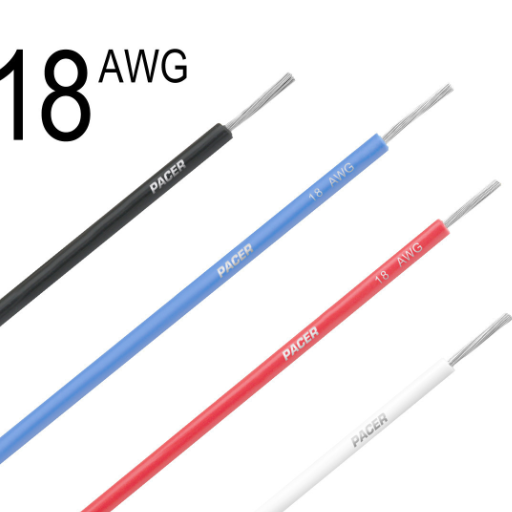
18 ゲージワイヤは、American Wire Gaugeシステムによると、直径0.0403 インチ (1.024 mm) のワイヤで、このタイプのワイヤは、自動車配線、小型家電製品、LED照明などの低から中程度の電流条件を対象としており、柔軟性と抵抗のバランスを与えることができます。多くのプロジェクトに対応できます。電流容量は絶縁タイプやその他の考慮事項によって異なります。.
18 AWG の定義と特性
18 AWG, それは、ワイヤになると, 真に多用途導体になります. それは、電気および電子アプリケーションで非常に一般的に見られます. 電流を運ぶ容量も、絶縁の材料と周囲の動作温度によって変化します. このように, それは、どこかに発振します 10 と 16 アンペアの間の少し電流で一緒に保つために非常に有用, それは、電気技師のツールボックスのほかに、自動車のハーネスに小さな電化製品からどこかに見つけるかもしれません. 上のブログ: 信号とLEDのインストールからいくつかの素敵な配線のためのオーディオシステム. ワイヤの一貫した厚さは、ルート中にいくつかの非常にタイトな領域でルーティングを取得するためにその必要な柔軟性を処理するための適切なバランスを提供します. pthread
18 ゲージの配線は、電圧降下、絶縁タイプ (PVC、テフロン、またはシリコン) 、 ワイヤが受ける環境条件 (湿気または熱) などのさまざまな属性を考慮して選択されます。特定のジョブに適したワイヤ スタイルを選択することで、安全かつ効率的な操作が保証され、過熱や高抵抗が防止されます。費用対効果が高く、多数の技術的または専門的なアプリケーションから簡単にアクセスできますが、18 ゲージのワイヤはおそらく何度も台座の上部に立っています。.
配線プロジェクトにおける 18 AWG ワイヤの応用
18 AWGワイヤは、十分に柔軟であり、十分な電流を送信することができる両方 この多用途ワイヤは、トータル低電圧システム: ドアベル、セキュリティシステム、電子回路接続、およびLED照明 これらのシステムは、18 AWGケーブル電流負荷のために実質的なものを何も持っていません スピーカーや照明器具などの多くの電気アクセサリの車の配線ではかなり頻繁に使用されています これらのシステムは、優れた柔軟性と中程度の機械的抵抗での耐摩耗性耐久性を考慮して、車両電圧ライトまたは動力駆動ホーン、またはファンのいずれかで利用されています。.
それは非常に少し電圧低下の短いから中間の距離にわたって一貫した接続性を維持するために制御回路、サーモスタット、産業オートメーション、および他のあらゆる場所で使用するために好まれる選択であるこの18-AWGワイヤーです。 18-AWGワイヤーは油、熱、または紫外線を扱う能力のおかげで、絶縁材料の広い範囲によって要求の厳しい設定で使用することができますが、それでもよく実行します。 、サイズ/効率/汎用性の比は住宅および商業配線アプリケーションの両方での役割を裏付けます。.
一般的なアプリケーションには以下が含まれます:
- ドアベルとセキュリティシステム
- LED照明設備
- 自動車配線(スピーカー、ライト、ファン)
- 制御回路とサーモスタット
- 産業オートメーションシステム
- オーディオシステム 信号 配線
- 電子回路接続
他のワイヤーゲージとの比較
他のワイヤゲージからの18 AWGワイヤ間の大規模な違いを定義する最も重要な要因のいくつかは、電流容量、抵抗、実際の用途に沿って、例えば、16 AWGワイヤは、比較的厚いコーティングで、より低い抵抗とより高い電力供給を有し、したがって、より多くの電流を運ぶことの利点は必須であり、それがワイヤがそれ自体がより大きな電化製品またはおそらく産業機械で採用されていることに気づく理由である 厚さのためにそれほど柔軟ではなく、狭いスペースや複雑な設置には適していない 多かれ少なかれ反対の観察のために、20 AWGワイヤは、18 AWGワイヤよりもスリムであり、また、小型電子機器や信号伝送のようなより控えめな電力設定で採用されている 抵抗が高いだけでなく、低い通電容量。.
適切なワイヤゲージの決定は、電流定格、ワイヤの走行距離、環境要因などの特定の要因によって異なります。 18 AWG ワイヤは、電力と信号に対する適度なニーズに対応する万能の選択肢のように思えます。導電性、耐久性、柔軟性のトレードオフに基づいて選択すると、住宅用と商業用の両方で最高のパフォーマンスが得られます。.
| ワイヤーゲージ | 特徴 | 最高のアプリケーション | 柔軟性 |
|---|---|---|---|
| 16AWG | より厚く、より低い抵抗、より高い現在の容量 | より大きい電気器具、産業機械 | 柔軟性が低い |
| 18AWG | バランスの取れた柔軟性と現在の容量 | 適度な電力ニーズ、多用途のアプリケーション | よい柔軟性 |
| 20AWG | スリム、より高い抵抗、より低い電流容量 | 小型電子機器、信号伝送 | 柔軟性が高い |
18 AWGワイヤーの容積
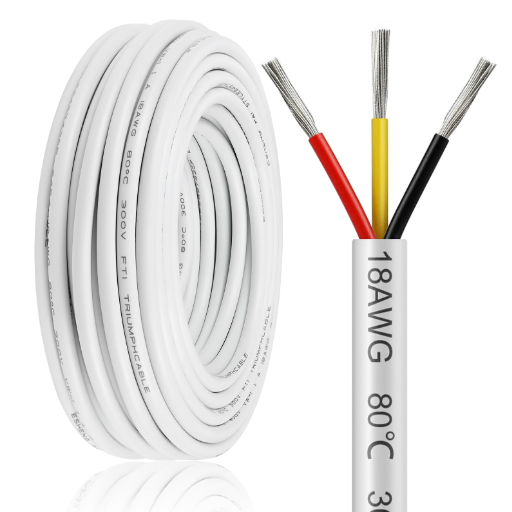
ワイヤー機能内の送電の標準的な適用では、18 AWGワイヤーのアンペア数定格は10 アンペアに境界を定める限界を設定し、コード関連しています。 lampacity/ampacityは絶縁材タイプ、周囲温度、および自由な空気か導管の状態のような要因によって著しく変わることができます。 、この値は、支持されれば、ほとんどのシステムの安全そして有効な操作を可能にします; しかし、それはローカル管轄電気コードおよび標準-等特定の取付けを設計するとき相談されます。.
Ampacity とその重要性を理解する
ワイヤが過熱せずに運ぶことができる電気の量は、ワイヤの「容量」と呼ばれます。 、金属、断面積、絶縁タイプ、および周囲の環境はすべてそれを制御します。たとえば、アルミニウムが放散する熱量と比較して、銅は、その低い抵抗と高い導電率で、より高い容量を持つことができます。導体の構成は別として、周囲温度、導管への配置、直射日光への曝露などの他のものは、ワイヤの容量に大きな影響を与えます。.
重要安全性注: アンパシティの厳密な決定は、安全な単位温度と過熱、絶縁破壊、または火災の危険を回避するために、電力システムの安定性の中心です。米国の国家電気基準 (NEC) などのパラメトリック規格は、発熱変数に関する広範な研究を含む表を提供します。これらは設置の安全性のために必須であり、エンジニアが適切な負荷計算を実行しながらこれらの規格を確認することを効果的に要求します。プロセスの重要な側面は、ローカルコードを完全に満たし、その場しのぎの有線プロジェクトによる正味の損傷の危険を回避するために厳密な操作検査と微調整を行うことにも依存します。.
18 ゲージ ワイヤの最大電流定格
18 ゲージのワイヤによって運ばれる電流は、ワイヤがルートする温度、絶縁、環境に関連する無数の基準によって管理されます 経験則として、18 ゲージのワイヤは、標準的な衝突ケーブルにあるとき、理想的な条件下で10Aを取るが、コードを考慮に入れると、それはあなたがワイヤシリーズの80%で連続的な収容能力を利用することを必要とする だから、典型的には、導体は、ケーブルのトンで8Aに制限されています これらのケーブルが、高温にさらされたり、他の導体と束ねられたりすると、それらの負荷をディレーティングする必要があります 18 ゲージのワイヤは、低電圧システムが多少補償する傾向があるため、より高い電流を運ぶことがあります; したがって、ケーブルの長さは、重要な状況間でアプリケーションの値が大きく異なる可能性があることを考えると、あなたのインストールに準拠の程度が真実であることを確認するためにNECガイドラインまたはメーカーの仕様を遵守します。.
| 条件 | 最大電流 | 推奨 連続 負荷 | 備考 |
|---|---|---|---|
| 理想的な条件 | 10 アンペア | 8 アンペア (80%) | 自由空気の標準ケーブル |
| 温度が上昇しました | ディレーティング | 8 アンペア以下 | ディレーティング計算が必要です |
| バンドルされた導体 | ディレーティング | 8 アンペア以下 | 放熱性が低下しました |
18 AWG ワイヤの容量に影響を与える要因
複数の要因が 18 AWG ワイヤのアンパシティに影響を与える可能性がありますが、最も適切な性能を決定するには、それらすべての分析が必要になります。周囲温度は、抵抗が増加するため、高温でのワイヤの収容力に悪影響を与える可能性がある要因の 1 つであり、過熱を引き起こす可能性があります。アンパシティは絶縁タイプとその温度定格および電気的特性に依存するため、ワイヤ絶縁タイプも関連性があります。もう 1 つの重要な考慮事項は、ワイヤの束ねと導管の状態です。より多くのワイヤが束ねられると、過度の放熱力により、不穏な温度上昇が防止されます。低電圧システムの場合、供給電圧を許容範囲内に保つために、ワイヤの長さと電圧降下も考慮する必要があります。必要な距離にわたってこれらの側面を評価する必要がある場合は、常に現地の規制とメーカーのデータを参照する必要があります。.
Ampacityに影響を与える主な要因:
- 周囲温度: 温度が高くなると、抵抗が増加し、過熱の危険があるため、通電能力が低下します
- 絶縁タイプ: 異なる絶縁材料は、温度定格と電気的特性 (PVC、テフロン、シリコーン) が異なります
- ワイヤーバンドル: 複数のワイヤをグループ化すると、より多くの熱が発生し、温度上昇を防ぐためにディレーティングが必要になります
- コンジットの条件: 封入されたワイヤは、自由空気中のワイヤよりも効果的に熱を放散しません
- ワイヤー長さ: 動作が長くなると、抵抗と電圧降下が増加し、特に低電圧システムでは重要になります
- 環境暴露: 水分、化学物質、紫外線放射は、ワイヤの性能と寿命に影響を与える可能性があります
延長コードと 18 本の AWG ワイヤー
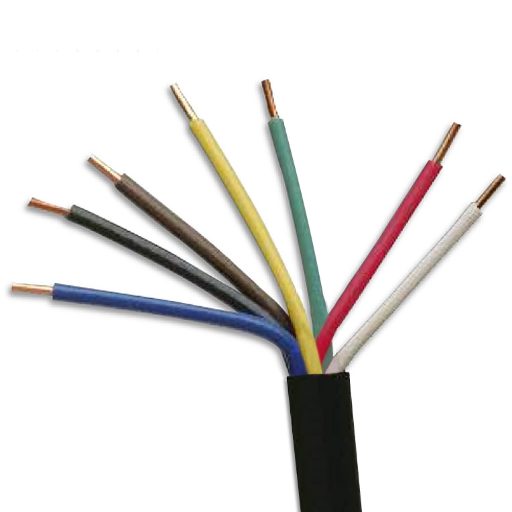
延長コードに装備されている18 ゲージのワイヤーを使用しながら、1 つはまたワイヤーが安全に使用することができる最大電流-carrying容量を考慮する必要がある。 、特にインストールの通常の条件下で、通常18 ゲージのワイヤーは10 アンペアまで運ぶことができるでしょう; しかし、コードの長さは、コードが長いほど、より大きな抵抗、それにより、さらなる対応する電圧低下につながる可能性があり、それによって過熱を引き起こし、したがって効率が低下するため、最大の懸念事項です。.
安全性を考慮するため、18 ゲージの延長コードは、おそらくワイヤのアンペア定格を下回らない電流を流さない低電力家電製品にのみ使用されることをお勧めします。多くの用途では、これらのコードは、家電製品、ランプ、小型家電製品の動作など、非常に軽量な使用を目的としています。定格電力や長さなど、検討中のコードの詳細が、それに取り付けられる可能性のある家電製品と互換性があると考えられることを確認してください。.
延長コード内の 18 ゲージ ワイヤーを安全に使用します
18 AWG ワイヤで作られた延長コードを使用する場合、電気による危険や機器の損傷を防ぐために、安全規制に従う際には特に注意する必要があります。 18 ゲージのワイヤは、電圧降下を最小限に抑えながら、短距離、具体的には 50 フィートまで最大約 10 アンペアを伝送できます。ただし、延長コードの長さが増加すると、抵抗が大きくなるため容量が減少するため、電源が詰まったデバイスでの使用にはお勧めできません。.
18 AWG延長コードに適したデバイス:
なぜ18 ゲージのワイヤーが付いている延長コードを必要とするか疑問に思うか?まあ、それは1,200 ワット以下消費する低い装置のためにちょうどよい; 例えば、電話充電器、卓上ランプ、および小型ファンのためのスペース ヒーター、電動工具、ゲーム コンソール、または電気器具のようなより大きいワット装置のために、あなたははるかに高いAWGワイヤー、すなわち、14 か12 を支持してアップグレードする必要があるより厚いゲージのワイヤーは絶縁材を溶かすことなく、より多くのアンペアを扱うことができます。.
重要安全ガイドライン:
- 延長コードを使用する前に、損傷、摩耗の兆候が見られるかどうか、またはコードの一部が擦り切れていないかどうかを確認してください
- すぐに過熱を引き起こし、火災を引き起こす可能性があるため、複数の延長コードをつなぎ合わせたり、延長コードを敷物の下に置いたりしないでください
- 電源の効率と安全性を維持するために、アンペア数定格がデバイスの総電力要件と一致またはそれを超えるコードを (コードの長さの調整とともに) 選択します
- 使用を消費するデバイスが 1,200 ワット未満に制限します
- スペースヒーターや電動工具などの高ワット数のデバイスには、より太いゲージワイヤ (14 または 12 AWG) を使用します
長時間の運転における電圧降下に関する考慮事項
提案された回路の電力要件を長距離にわたって検討する場合、電圧降下は最も重要な対策の 1 つになります。過度の電圧降下は回路に影響を及ぼし、無効になり、逆に関連するコンポーネントに損傷を与える可能性があります。基本的に、電流の流れと熱源から負荷までの回路の長さが電圧降下に影響を与える主な要因です。ワイヤの長さによってより多くの抵抗が生成され、電圧降下が発生します。したがって、抵抗を下げて導電特性を向上させるために、AWG 値が低い太いワイヤが推奨されます。.
業界標準: 業界標準では、緊急負荷の場合は全体の電圧降下を3 パーセント以下、重要でないアプリケーションでは5%以下とすることが示唆される傾向にあります。 VD = (2 × L × R × I) / 1000 の式を通して電圧降下を計算することができ、Lは各回路とパネルの間の一方向距離を足で表し、Rは抵抗を1 フィートあたりのオーム数で表し、Iは電流をアンペアで表します。適切な効率を提供するだけでなく、同時に安全性も提供できるように、銅やアルミニウムなど、適切なワイヤサイズと材料を選択することが非常に重要です。.
VD = (2 × L × R × I) / 1000
VD = 電圧降下 | L = 一方向距離 (フィート) | R = 抵抗 (オーム/フィート) | I = 電流 (アンペア)
電圧降下を低減する実用的な方法は、可能な場合は距離を最小化することを前提としており、これは、高導電性材料にアップグレードするか、複数の回路に合計負荷を分割することを意味します。より長い回路については、お客様の場所に設置されている電気規格または規格を参照して、要件を満たし、パフォーマンスを最適化します。.
家電製品に適したワイヤーを選択します
正しいアプライアンス ワイヤの選択は、アプライアンスの電力ニーズ、セットアップされた環境、および既存の安全基準の評価によって異なります。いくつかの重要な考慮事項は、アンペア数のニーズ、定格電圧、アプライアンスから電源までの距離を考慮する必要があります。たとえば、オーブンやエアコンなどのアンペア数が重いアプライアンスでは、そのような電流に耐えるために 10 ゲージ以上の配線が必要です。ランプや充電器などの小さなアイテムの場合、16 ゲージまたは 18 ゲージの配線でも問題ありません。.
さらに、材料の選択: 銅またはアルミニウム、ワイヤの導電性と耐久性に大きく影響する可能性があります その購入に発生した高コストにもかかわらず、銅線は、アルミニウム線と比較して導電性が高く、抵抗が低いため、より広く使用されているほとんどのアプリケーションは、したがって、銅配線の使用をサポートする傾向があるのに対し、アルミニウムは、良好な忠実性を維持できる費用対効果の高いケーブルにのみ推奨されます アルミニウム線は酸化の重大なリスクを伴うため、慎重に扱います。.
さらに、湿気や熱への曝露などの環境要因も決定に影響を与えるはずです 熱可塑性プラスチックや熱硬化性樹脂などの絶縁材 (THHNやXHHWなど) を備えたワイヤは、高温耐性や長時間の耐摩耗性、選択されたワイヤの特性が安全ガイドラインを満たしていることを確認するために常に地域の電気規格 (米国のNECなど) に準拠し、疑問がある場合は、接続や火災事故の危険を避けるために資格のある電気技師に自由に相談してください 適切な配線を選択することは、2 つのユニットの最高のパフォーマンスと長寿命、およびより安全な動作を保証するための完璧な基準となります。.
| アプライアンスのタイプ | 推奨ワイヤーゲージ | 典型的なパワードロー | 備考 |
|---|---|---|---|
| オーブン&エアコン | 10AWG以上 | 高いアンペア数 | 頑丈なアプリケーション |
| ランプと充電器 | 16-18AWG | 低アンペア数 | 軽量アプリケーション |
| スペースヒーターと電動工具 | 12-14 AWG | 中~高アンペア数 | 中程度から重労働 |
銅対アルミニウム線
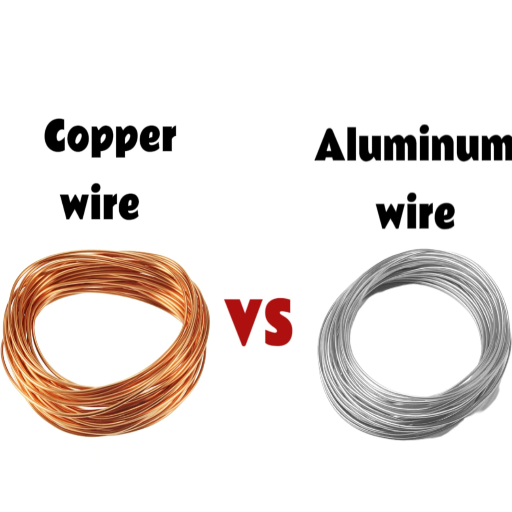
銅とアルミニウムのワイヤには、明確な長所と短所があります。一方、銅はより導電性があり、耐久性があり、耐食性に優れているため、ほとんどの場合、好まれる選択肢となります。これにより、特に小さなゲージに対してより大きな負荷を処理する際に、より良い接続性が保証されます。しかし、銅はアルミニウムよりもかなり高価で重いです。.
アルミニウム ワイヤーは、しかし、銅のように伝導性または耐久性がない間、非常に軽く、安価です。ほとんどの場合、より低い程度の導電性と強度に耐えることができる用途で使用される材料ですが、長距離にわたる電力の伝送や大規模な配電システムなど、導体のコストと重量が重要な用途に使用されます。.
銅線とアルミニウム線のどちらを選択するかは、使用目的、負荷要件、予算の制約を考慮することができます。切断や熱膨張などの問題を回避するには、特にアルミニウム線の場合、適切な設置が重要です。.
18 AWG銅線とアルミニウム線の比較
18 AWG銅とアルミニウム線を比較する際の主な考慮事項は、導電率、物理的特性、耐久性、コストです。銅は電気の優れた導体であり、アルミニウムよりも約60%効果的です; したがって、低抵抗で電気を伝送するのに非常に効率的であり、エネルギー損失をさらに削減します。この側面により、通常、高性能と信頼性が要求されるアプリケーションではより望ましいものになります。.
物性的には、銅はより高い密度と強度を示すため、より大きな機械的圧力と摩耗に耐えることができます。一方、アルミニウムは軽く、それに応じて安価であるため、重量とコストを重視した用途には魅力的かもしれません。しかし、アルミニウムは軽い金属であるため、接続の緩みや、特に端子での熱膨張による酸化などの問題が発生しやすいことは間違いありません。.
最終的には、アルミニウムまたは銅の決定における個々の特定の要件に帰着します 家庭用回路や高出力産業システムなど、厳しい性能および耐久性要件の場合、通常は銅が好ましい選択肢です アルミニウムは通常、必要な設置手順が維持されていれば、より低コストで需要の低い条件で十分であるため、アルミニウムに関連する欠点を軽減する必要性を保護します 安全で準拠した使用を保証するには、地域の電気規格と規格を参照することが重要です。.
| 財産 | 18AWG銅 | 18 AWG アルミニウム |
|---|---|---|
| 電気伝導率 | 優秀(60%より有効) | 良いが銅よりも低い |
| 抵抗 | 抵抗が低く、エネルギー損失が軽減されます | より高い抵抗 |
| 体力 | より高い密度および強さ | 軽い、弱い |
| 耐久性 | 機械的ストレスに対する耐性が向上します | 酸化や熱膨張が起こりやすい |
| コスト | より高いコスト | 低コスト、経済的 |
| 重量 | 重いです | 軽量化 |
| 最高のアプリケーション | 家庭用回路、高性能システム | 長距離伝送、コスト重視のプロジェクト |
AWG銅線を使用する利点
AWG銅線は電気システムの一連の有利な特徴のために常に求められてきました。 、最初は、銅は他の金属との関係で優れた導電体です; ワイヤ全体に効率的に電気を伝達する能力のために、ほとんどの場合、そのようなワイヤは、ワイヤへのエネルギーデトラクタ損失を減らすこと、すなわち、ワイヤ内部で電力が使用される効率は非常に高く、したがって、最小限の熱が生成され、より高いシステムの信頼性を可能にします。パッケージ取引は、銅線は、いくつかの良好な引張強度と優れた耐熱性を有効に活用することができ、このため、負荷や熱の偏位によって形状を変えながらひずみに抵抗することができます。言い換えれば、銅の耐食性は、酸性または湿潤な条件がある環境での長期使用を保証します。最後に、銅線を使用すると、他のほぼすべての部品やカップリングが利用可能になり、特徴に等しいコンパクトなエンティティになります; したがって、他の関連材料に非常に有害な周囲の腐食環境による汚れがなく、これらの特性は、住宅および産業ニッチにおける極端な電気需要と課題に対するAWG銅線の信頼性の高い応答をそれぞれ鮮明にします。.
銅線の主な利点:
- 優れた電気伝導率: エネルギー損失を最小限に抑えながら効率的に電力を伝送します
- 低発熱: 最小限の熱生産により、システムの信頼性が向上します
- 優れた引張強度: 機械的負荷下でのひずみや変形に耐えます
- 高い耐熱性: 劣化することなく熱の移動に耐えます
- 耐食性: 酸性または湿気の多い環境での長持ちするパフォーマンス
- ユニバーサル互換性: 標準的な電気部品と接続でシームレスに動作します
- 信頼性: 住宅用と産業用アプリケーションの両方で実証済みのパフォーマンス
ストランドワイヤーとソリッドワイヤーを使用する時期
固体ワイヤとより線ワイヤの最終決定は、特定の用途と周囲の環境条件に依存します。より線ワイヤは、非常に柔軟な導体を形成するために、多数の小さなゲージのワイヤを一緒に引っ張ってねじって構成されています。多くの場合、より線ワイヤの必要性は、ロボット工学、自動車配線、モバイル機器に関連する電源ケーブルなどにおける頻繁な動きや振動が特に高い場合に顕著です。ワイヤの柔軟性は、導管や狭い空間を通るより少ない強度のルーティングを実現します。.
一方、ソリッドワイヤの構造は単一のソリッド導体です。柔軟性は比較的低いですが、耐久性と安定性が要求されるため、住宅用電気配線などの固定位置に留まらなければならない恒久的な設置にはより適しています。このような用途や振動の少ない環境では、ソリッドワイヤは撚り線と比較してコストが安くなります。ソリッドワイヤは、公正な価格に加えて、より低い抵抗を生成します。.
最終的には、動的で高振動の環境や複雑な配線設備ではより線を選択し、耐久性、シンプルさ、コスト効率が主な関心事である単純な固定用途ではソリッド ワイヤを選択する必要があります。.
| ワイヤータイプ | 建設 | 最高のアプリケーション | 利点 |
|---|---|---|---|
| ストランドワイヤー | 複数の小ゲージのワイヤが一緒にねじれました | ロボット工学、自動車配線、モバイル機器、頻繁な動き | 狭いスペースを柔軟に簡単にルーティングできます |
| ソリッドワイヤー | 単一の固体導体 | 恒久的な住宅設備、固定位置、低振動 | 耐久、安定した、費用効果が大きい、より低い抵抗 |
18 AWG での配線でよくある間違い
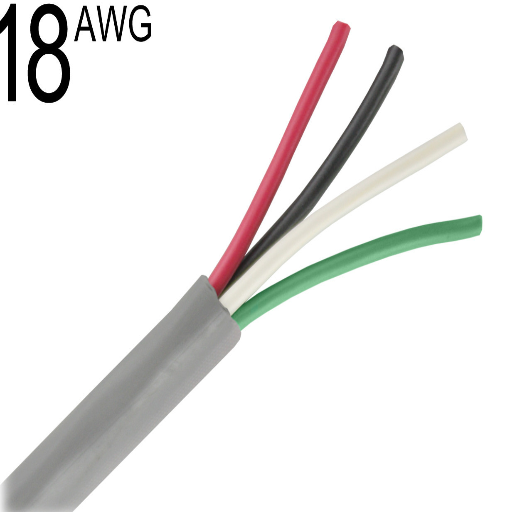
回避すべき重大な配線エラー:
- 導体のサイズオーバー: 最も一般的な間違いの 1 つは、ワイヤの耐荷重能力を超える電流がかかる状況で 18 AWG ワイヤを展開することです。これにより、過熱や火災の危険が生じる可能性があります。.
- 絶縁損傷に反対します: 設置中に絶縁損傷が発生すると、ワイヤの安全機能が低下し、短絡のリスクが高まり、場合によっては制御不能な電気ショックが発生する可能性もあります。.
- 不適切なWire-Typeの使用: 温度や環境条件(耐湿性の低さなど)に不適切な定格の 18 AWG ワイヤを選択すると、早期に故障する可能性があります。.
- 悪い終了: 端子が悪い場合や端子が緩んでいる場合でも、抵抗が増加し、電圧降下や過熱特性が発生し、回路の有効性が損なわれます。.
- 電圧降下を無視する: デバイスのオーバーラップに必要な適切な電力は、長期的には、特に低電圧回路を介して電力が多少オフになるため、実現されません。.
重要: 優れたパフォーマンスと安全性を実現するには、これらのよくある間違いを避けるために、適切な取り扱い、選択、設置方法が必要です。.
回路の過負荷とその結果
したがって、回路に課せられた要求の合計が設計容量を超えると、回路の過負荷が発生します。前記過負荷は、ほとんどの場合、消費デバイスまたは家電製品が同時に接続されすぎて高電力を引き出すことによって生じるイベントです。その他の場合、配線には間違ったサイズが含まれる可能性があります。ユーザーを教育し、防止するためのトラブルの兆候には、加熱されたワイヤ、機能するトリップ サーキット ブレーカー、または最悪のシナリオでは、火災が発生する可能性が含まれます。.
回路過負荷の警告サイン:
- 加熱されたワイヤーまたは暖かいコンセント
- サーキットブレーカーを頻繁にトリップさせます
- 薄暗くなるか、または明滅するライト
- コンセントや配線の近くで燃えるような臭い
- 変色した壁板またはコンセント
回路に過負荷をかけると、配線周囲の絶縁が劣化し、短絡などの悪い結果が生じる可能性があります。さらに、頻繁な停電、接続機器の性能低下、システムコンポーネントの早期摩耗が繰り返しの過負荷によって発生する可能性があります。回路の過負荷は、設計プロセス中に定められた制限を尊重し、負荷を慎重に分散することで回避するのが最善です。また、高電力使用のために配線をアップグレードしたり、個別の回路を追加したりすることもできます。このような安全上の危険はすべて、適切な計画だけでなく、電気規格への準拠によっても適切に終了する可能性があります。.
ブレーカーに不適切なワイヤーサイズを使用する
ワイヤとブレーカの容量が一致していない場合、多くの安全上の問題、特に過熱、火災の危険性、および機器の故障が発生する可能性があります。私は、ブレーカ定格と比較することで適切なワイヤ サイズを確保することが、安全な電気動作に不可欠な要素であると心から信じています。ワイヤ サイズが小さい場合、負荷の下で磨耗するだけでなく、過熱の原因となる可能性があります。ブレーカのパフォーマンスが不適切であることがわかります。特定のブレーカ定格に適したワイヤ サイズを選択するために、関連するコードと指令を常に確認するようにします。これにより、リスクが軽減され、安全基準に準拠できることが保証されます。.
| ワイヤーゲージ | 最大ブレーカーサイズ | 最大アンペア数 | 代表的なアプリケーション |
|---|---|---|---|
| 18AWG | 7-10 アンペア | 10 アンペア(8A連続) | 低電力デバイス、LED照明、ドアベル |
| 16AWG | 13-15 アンペア | 13-15 アンペア | 照明器具、小型家電製品 |
| 14AWG | 15 アンペア | 15 アンペア | 一般的な照明回路、コンセント |
| 12AWG | 20 アンペア | 20 アンペア | キッチン家電、電動工具 |
配線エラーを回避するためのヒント
安全な配線のための必須ガイドライン:
1.正しいワイヤーゲージを選択します
ワイヤの通電容量が回路の電流要件に対応していることを確認してください 適切な設計については常にNECを参照し、過熱を恐れてワイヤを必要以上に小さくしたり、不適切なブレーカ機能を恐れて太くしたり、チャートアクティビティまたはいくつかのソフトウェア支援を使用して、アンペア数-サイズ-距離の関係を決定します。.
2.接続と端子を確認する.
ワイヤ接続は良好でなければならず、端子のトルクは製造業者によって決定されなければなりません。不良接続はアーク放電を起こしやすく、配線やコネクタの異常を助長する傾向があります。.
3 電気箱の過密を避けること.
すべてのワイヤとデバイスに対応できるように、電気ボックスに十分な容量があることを確認してください。過包装するとすべてが加熱され、すべてが故障する可能性があります。したがって、NEC に記載されているボックス充填計算に慣れて、ボックスが特定のアプリケーション上の特定のワイヤ、デバイス、コネクタで使用するように構成されていることを確認する必要があります。.
4 ゾーンに適した断熱材を選択してください。.
耐候性の配線は屋外および露出区域のために適します、THWNの使用のような; NMケーブル(Romex)はほとんどすべての屋内住宅の適用のために適します。 環境は特別なエッチングを必要とします。.
5 ワイヤー容量でサーキットブレーカーを一致させます
適切な回路ブレーカーが適切な配線とペアリングされていれば、良い結果が得られます。間違った配線と照合された回路ブレーカーは、過負荷や短絡中に不適切にトリップしたり、回路を保護することさえできない可能性があります。メーカーがテストし承認した組み合わせが利用可能な場合は、使用してください。.
概要: とりわけ、提供されるガイドラインと主要なリソースの利用(NEC などのマニュアルで常に引用されている)は、基本的にワイヤー火災をチェックし、安全性と電気ケーブル システムへの完全な準拠を保証します。.
クイック参考チャート: 18 AWG ワイヤ仕様
| 指定 | 価値 |
|---|---|
| ワイヤー直径 | 0.0403インチ(1.024mm) |
| 最大電流 (理想) | 10 アンペア |
| 連続的な積載量 | 8 アンペア(最高80%) |
| 最大ワット数 (120V) | 1,200ワット |
| 推薦された延長コードの長さ | 最大50フィート |
| 電圧降下制限 | 3%(緊急)、5%(重要ではない) |
| 一般的な断熱タイプ | PVC、テフロン、シリコン |
結論
18 ゲージワイヤのアンペア定格と適切な用途を理解することは、安全で効率的な電気設備に不可欠です。 理想的な条件下での最大電流容量は約 10 アンペア、推奨される連続負荷は 8 アンペアで、18 AWG ワイヤは、LED 照明、ドアベル、セキュリティ システム、自動車付属品、小型電子機器などの低出力から中出力のアプリケーションに優れた選択肢として機能します。.
実装を成功させる鍵は、アンパシティに影響を与えるすべての要因を慎重に検討することにあります: 絶縁タイプ、周囲温度、ワイヤの束ね、導管の状態、および距離に対する電圧降下 銅とアルミニウムの導体のどちらを選択するか、またはより線構造と固体ワイヤ構造のどちらを選択するか、それぞれの決定はプロジェクトの特定の要件、環境条件、および適用される電気コードに基づいて行われる必要があります。.
回路の過負荷、ブレーカーの不適切なワイヤーサイズの使用、設置中の絶縁の損傷、長時間の電圧降下計算の無視などの一般的な間違いを回避することで、常に安全性を優先します。適切なワイヤーの選択、正しい設置方法、NEC ガイドラインと地域の電気規格の遵守は、電気プロジェクトにとって交渉の余地のない要件です。.
疑問がある場合は、認可を受けた電気技師に相談するか、最新の NEC コードブックを参照して、設置がすべての安全基準を満たし、今後何年にもわたって確実に機能することを確認してください。専門的な指導や高品質の材料への比較的少額の投資により、高額な修理、機器の損傷、生命を脅かす可能性のある電気的危険を防ぐことができます。.
最終安全リマインダー:
- 18 AWGワイヤーの最大アンペア数定格を超えることはありません
- ワイヤーが50 フィートより長く走る場合は、常に電圧降下を計算してください
- 延長コードに損傷、擦り切れ、摩耗がないか定期的に検査してください
- 環境 (湿気、熱、紫外線暴露) に適した絶縁材でワイヤーを使用してください
- すべての接続がきつく、適切にトルクされていることを確認してください
- 複数のエクステンションコードを一緒にデイジーチェーンしないでください
- NEC規格に準拠したブレーカー定格にワイヤーゲージを合わせます
- 1,200 ワットを超えるデバイスでは、14 または 12 AWG へのアップグレードを検討してください
- 複雑な設置や不確実な場合は、認可を受けた電気技師に相談してください
- 地域の電気規定や規制に常に最新の情報を入手してください
ベストプラクティスの概要:
洽適正企画: 設置前に電力要件と電圧降下を計算します
瀹 品質 材料: 適切な絶縁材で適切に評価されたワイヤに投資します
莠 正しい インストール: メーカー仕様とNECガイドラインに従ってください
洽定期保守: 配線に摩耗や損傷の兆候がないか定期的に検査します
莠プロフェッショナルコンサルテーション: 複雑なプロジェクトや一か八かのプロジェクトについては、専門家のアドバイスを求めてください
瀹コードコンプライアンス: 常に地域の電気規格と安全基準を遵守してください
参照ソース
よくある質問 (FAQ)
特定の電気プロジェクトのワイヤーのサイズをどのように決定すればよいでしょうか?
特定の電気プロジェクト用にワイヤのサイズを決定する際には、システムに何をさせるかを決定するいくつかの要素を考慮する必要があります。おそらく、電気製品システムに消費する電流の量、ワイヤの長さ、電圧降下を実行するには電力を供給する必要があります。たとえば、最大 15 アンペアの負荷回路の場合、18 AWG ワイヤの代わりに 14 AWG ワイヤとより長いワイヤの実行を使用することを検討するとよいでしょう。.
20 アンペア回路で18 AWGワイヤを使用できますか?
厚さはいずれにせよ適切ではなかった-厚さ18 のAGWは20 アンペア回路をサポートするために決して使用されるべきではないこの特定のワイヤの最大負荷容量は10 アンペアのみを処理するように設計されており、それを超えると、18 AWGワイヤは非常に熱い特徴になり、火災の危険につながる可能性があります。 20アンペア回路に関しては、14 AWGや12 AWGワイヤなど、より重いものを使用することをお勧めします。.
18 AWG ワイヤのアンプ定格にはどのような要因が寄与しますか?
アンプの定格に関しては、ワイヤの長さ、絶縁係数、周囲温度、および組み立てられるワイヤの数など、いくつかの要素を配置する必要があります。したがって、これらは各ワイヤの熱伝達能力を決定する要因であり、したがって、前記ワイヤの電力負荷に影響を与える可能性があります。.
ワイヤー直径はアンパシティーにどのような影響を与えますか?
ワイヤの直径は電流容量に直接影響します。14 AWG または 12 AWG である大きなワイヤ サイズは、18 AWG などの小さなサイズよりもはるかに多くの電流を流します。これは、ワイヤの抵抗が低くなり、熱くなることなく安全により多くの電流を流すことができることを意味します。.
ワイヤーは屋外での使用に適していますか?
18 ゲージを使用して構築されたワイヤは、屋外での使用に適切に評価されている場合、つまり耐湿性または紫外線安定化されている場合にのみ屋外での使用に適用できます。ただし、より高い電流または非常に長い動作が意図されている用途では、14 AWG または 12 AWG のようなより大きなワイヤ サイズがより強く推奨されます。.
18 AWG ワイヤにはどのような定格荷重がかかるのでしょうか?
18 AWG ストランド ワイヤの最大負荷は通常、約 10 A です。ただし、ワイヤの長さについてはさまざまな要因も考慮する必要があり、この電気システムの安全性と確実な効率を確保するには、特定の用途を実際に考慮する必要があります。.
電圧降下はワイヤサイズの選択にどのように影響しますか?
電圧降下は、ワイヤに沿って移動中に放散される電気エネルギーの損失として定義されます。電圧降下を軽減するには、より長く稼働するためのより重くて厚いワイヤの実装や、より多くの電流を必要とするアプリケーション (たとえば、それぞれ 14 AWG または 12 AWG) を実装することを検討する必要があります。正しい電圧を必要とするデバイスが依然として電圧を取得し、したがって最も効率的に動作するようにします。.
18 AWG ワイヤーではどのような機器を複雑にすることなく使用できますか?
18 ゲージのワイヤは、低電力家電製品および最大約 10 アンペアのデバイスに使用されます。これらの家電製品の例としては、小型ランプ、低電力ヒーター、および特定の電子機器があります。一部の高負荷の場合は、より大きなゲージを使用する必要があります。.