








Choosing the proper wire size, mainly concerning electrical systems, is quite essential in relation to safety and performance. In the range of options, an 18-gauge wire is commonly used since it is seen as versatile and suitable for many low-power applications. Of importance is an understanding of the amp rating of an 18-gauge wire, so as not to adversely affect the functionality of such wire by causing overheating or electrical failures. This guide will delve into the specifics of 18-gauge wire amp ratings, breaking down all factors that determine its current-carrying capability, including insulation type, distance of the wire, and environmental conditions. At the end of this article, you should be adequately informed as to the type of applications suited best for 18-gauge wire in your wiring projects.
What is 18 Gauge Wire?
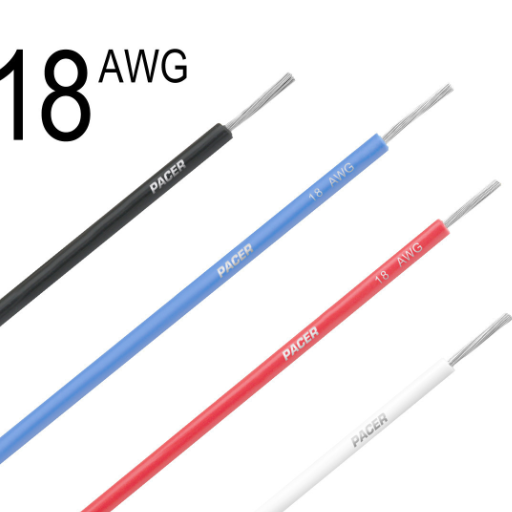
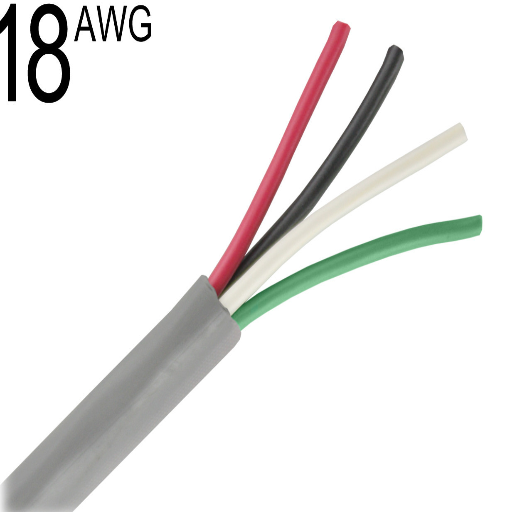
18-gauge wire, according to the American Wire Gauge system, has a diameter of 0.0403 inches (1.024 mm). This type of wire is intended for low to moderate current conditions, such as automotive wiring, small appliances, and LED lighting. It gives a balance between flexibility and resistance. It can handle a number of projects. Current carrying capacity depends on insulation type and other considerations.
Definition and Characteristics of 18 AWG
18 AWG, when it comes to the wire, becomes a truly versatile conductor. It is seen very commonly in electrical and electronic applications. The current-carrying capacity also varies with the material of insulation and the ambient operating temperature. As such, it oscillates somewhere between 10 and 16 amperes. Critically useful in keeping together in a little current, it may be found anywhere from a small appliance to an automotive harness, besides an electrician’s toolbox. Blog on: Audio systems for some nice wiring from the signal and LED installations. The consistent thickness of the wire provides an apt balance for handling its required flexibility to get routed in some very tight areas, en route. pthread
Wiring of 18-gauge is selected by taking into account its various attributes, such as voltage drops, insulation type (PVC, Teflon, or silicone), and environmental conditions (moisture or heat) the wire is subjected to. Choosing the right wire style for a given job ensures safe and efficient operation and prevents overheating and high resistance. Although cost-effective and easily accessible for a multitude of technical or professional applications, 18-gauge wire arguably stands at the top of the pedestal many times.
Applications of 18 AWG Wire in Wiring Projects
The 18 AWG wire is both sufficiently flexible and capable of transmitting sufficient electrical current. This versatile wire is used in total low-voltage systems: doorbells, security systems, electronic circuit connections, and LED lighting. These systems carry nothing substantial for the 18 AWG cable current load. It is quite frequently used in car wiring for many electrical accessories, such as speakers and light fixtures. These systems are utilized either with vehicle voltage lights or power-driven horns, or fans, given their great flexibility and abrasion-resistant durability at moderate mechanical resistance.
It is this 18-AWG wire that is the favorite selection for use in control circuits, thermostats, industrial automation, and everywhere else for maintaining consistent connectivity throughout short to medium distances with very little voltage drop. An 18-AWG wire can be used in demanding settings by a broad range of insulation materials, thanks to its ability to handle oil, heat, or UV rays, but still perform well. Subsequently, the size/efficiency/versatility ratio confirms its role in both residential and commercial wiring applications.
Common Applications Include:
- Doorbells and security systems
- LED lighting installations
- Automotive wiring (speakers, lights, fans)
- Control circuits and thermostats
- Industrial automation systems
- Audio system signal wiring
- Electronic circuit connections
Comparison with Other Wire Gauges
Some of the most significant factors defining the massive differences between 18 AWG wire from other wire gauges are current capacity, resistance, along practical application. For instance, 16 AWG wires, with relatively thicker coatings, have lower resistance and higher power delivery, and hence the advantage of carrying more current is a must, and that is why the wire finds itself being employed in larger appliances or perhaps the industrial machinery. It isn’t as flexible and isn’t suited for tight spaces or intricate installations as much due to its thickness. For a more or less opposite observation, 20 AWG wires, being slimmer than 18 AWG wires, are also employed in more modest-power settings like small electronics and signal transmissions. The reason for this is its higher resistance as well as low current-carrying capacity.
Determining the proper wire gauge depends on specific factors like the current rating, the distance to travel of the wire run, and environmental factors. The 18 AWG wire seems an all-around good option for moderate needs for power and signal; choosing based on conductivity, durability, and flexibility trade-offs will lead to the best performance in both residential and commercial applications.
| Wire Gauge | Characteristics | Best Applications | Flexibility |
|---|---|---|---|
| 16 AWG | Thicker, lower resistance, higher current capacity | Larger appliances, industrial machinery | Less flexible |
| 18 AWG | Balanced flexibility and current capacity | Moderate power needs, versatile applications | Good flexibility |
| 20 AWG | Slimmer, higher resistance, lower current capacity | Small electronics, signal transmissions | Highly flexible |
Ampacity of 18 AWG Wire
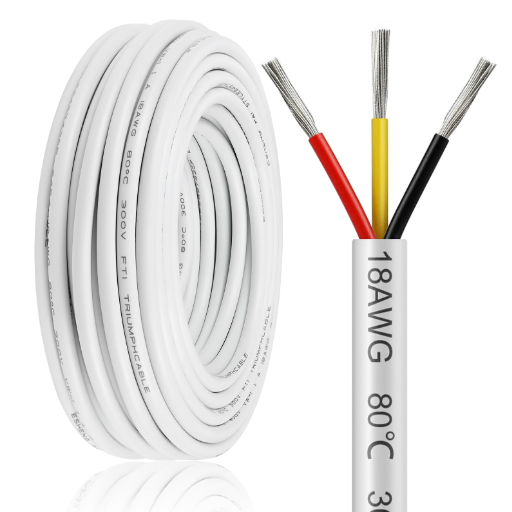
In a standard application of power transmission within the wire capabilities, the amperage rating of 18 AWG wire sets limits that border on 10 amperes and is code-related. The lampacity/ampacity can significantly vary by factors like insulation type, ambient temperature, and free air or conduit condition. This value, if upheld, allows for the safe and efficient operation of most systems; however, it is best if local jurisdictional electrical codes and standards-etc. are consulted when designing a specific installation.
Understanding Ampacity and Its Importance
The amount of electricity that a wire can carry without overheating is referred to as the wire’s “ampacity.” The metal, cross-sectional area, insulation type, and surrounding environment all control it. For example, compared with the amount of heat that aluminum dissipates, copper, with its lower resistance and higher conductivity, can carry a higher ampacity. Aside from the conductor’s configuration, other stuff like the ambient temperature, placement in conduit, and exposure to direct sunlight greatly influence the wire’s ampacity.
Critical Safety Note: The rigorous determination of ampacity is central to the stability of electrical power systems in order to ensure safe unit temperatures and the avoidance of overheating, insulation breakdown, or fire danger. Parametric standards, such as the National Electrical Code (NEC) in the United States, provide tables that contain extensive research on the heat-producing variables. These are both mandatory for installation safety and effectively require engineers to confirm with these standards while performing proper load calculations. A key aspect of the process will also depend on fully satisfying local codes and operating inspection and fine-tuning under stringency to avoid the danger of net damage coming from a makeshift wired project.
Maximum Current Ratings for 18 Gauge Wire
The current carried by 18-gauge wire is governed by a myriad of criteria related to the temperature, insulation, and environment in which the wire routes. As a rule of thumb, an 18-gauge wire will take 10A under ideal conditions when in standard impingement cable. But when the code is taken into consideration, it requires you to make use of a continuous carrying capacity at 80% of the wire series. So typically, the conductor is limited to 8A on tons of cables. When these cables are exposed to elevated temperatures or are bunched with other conductors, their load must be derated. The 18-gauge wire may carry higher currents because a low-voltage system tends to compensate somewhat; therefore, cable length becomes vital. Observe NEC guidelines or manufacturers’ specifications to see that the degree of compliance is true for your installation, given that application value can vary widely between situations.
| Condition | Maximum Current | Recommended Continuous Load | Notes |
|---|---|---|---|
| Ideal Conditions | 10 Amperes | 8 Amperes (80%) | Standard cable in free air |
| Elevated Temperature | Derated | Below 8 Amperes | Requires derating calculation |
| Bundled Conductors | Derated | Below 8 Amperes | Heat dissipation reduced |
Factors Affecting Ampacity of 18 AWG Wire
While multiple factors may influence 18 AWG wire ampacity, deciding upon the most appropriate performance would require an analysis of them all. Ambient temperature is one such factor that can have a negative effect on the carrying capacity of the wire at high temperatures, due to increased resistance, which could cause overheating. Wire insulation type is also of relevance, since ampacity is dependent on insulation type and its temperature rating and electrical properties. Another significant consideration is wire bundling and conduit conditions. When more wires are bunched together, excessive heat dissipation forces derating to prevent a disturbing temperature rise. For low-voltage systems, wire length and voltage drop considerations must also be taken into account in order to keep the supplied voltage within acceptable limits over the required distance. It is always recommended that local regulations and manufacturer data be consulted if one has to assess these aspects for an authentic picture.
Key Factors Affecting Ampacity:
- Ambient Temperature: Higher temperatures reduce current-carrying capacity due to increased resistance and risk of overheating
- Insulation Type: Different insulation materials have varying temperature ratings and electrical properties (PVC, Teflon, silicone)
- Wire Bundling: Multiple wires grouped together generate more heat, requiring derating to prevent temperature rise
- Conduit Conditions: Enclosed wires dissipate heat less effectively than those in free air
- Wire Length: Longer runs increase resistance and voltage drop, especially critical in low-voltage systems
- Environmental Exposure: Moisture, chemicals, and UV radiation can affect wire performance and longevity
Extension Cords and 18 AWG Wire
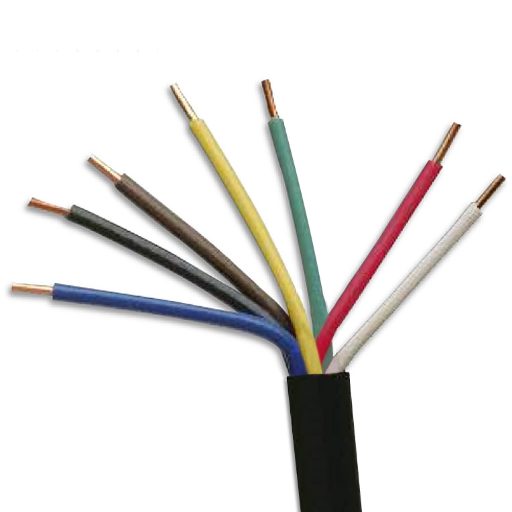
While using the 18-gauge wire equipped on extension cords, one also needs to consider the maximum current-carrying capacity at which the wire may safely be used. Ordinarily, in the case of the length of wire reachable, particularly under normal conditions of installation, the 18-gauge wire will normally be able to carry up to 10 amperes; however, the cord length is the paramount concern because, the longer the cord, the greater the resistance, that can lead to further corresponding voltage reduction, thereby causing overheating and thus reduced efficiency.
For safety considerations, it is better to see that an 18-gauge extension cord is used only for low-power appliances that will not draw current more than perhaps below the wire’s amp rating. In many applications, these cords are meant for very light-duty use, such as the operation of home electronics, lamps, and small household appliances. Make certain that the particulars of any cord under consideration, such as the power rating and length, are believed to be compatible with the appliances that might be attached to it.
Safe Use of 18 Gauge Wire in Extension Cords
When using an extension cord made with 18 AWG wire, you need to practice extra caution in following safety regulations to prevent any electric hazard or equipment damage. An 18-gauge wire can carry a maximum of approximately 10 amps for short distances, specifically 50 feet, with a minimal voltage drop. However, as the length of the extension cord increases, its capacity decreases owing to higher resistance, thereby making it inadvisable for use on power-packed devices.
Suitable Devices for 18 AWG Extension Cords:
Wondering why one would need an extension cord with 18-gauge wire? Well, it is just fine for low devices that consume less than 1,200 watts; for example, phone chargers, desk lamps, and mini fans. For higher-watt devices such as space heaters, power tools, gaming consoles, or appliances, you need to upgrade in favor of a much higher AWG wire, i.e., 14 or 12. The thicker gauge wire can handle a larger number of amperes without melting the insulation.
Critical Safety Guidelines:
- Before using your extension cord, check whether it shows any sign of damage, wear, or if any part of the cord is frayed
- Do not string more than one extension cord together or put an extension cord under a rug because it could cause overheating soon and may result in fire
- Select a cord whose amperage rating matches or exceeds the total power requirements of the device (along with adjustment for cord length) to maintain the efficiency and safety of the power supply
- Limit use to devices consuming less than 1,200 watts
- Use thicker gauge wire (14 or 12 AWG) for high-wattage devices like space heaters and power tools
Voltage Drop Considerations for Long Runs
When considering the power requirements of the proposed circuit made over longer distances, the voltage drop becomes one of the most important countermeasures. Excessive voltage drop will affect the circuit, rendering it ineffective, and may conversely damage the associated components. Basically, the current flow and the length of a circuit from the heat source to the load are the principal factors that affect voltage drop. More resistance is created through wire length, causing a voltage drop. Thus, thicker wires with lower AWG values are recommended to lower resistance and improve the conductive properties.
Industry Standards: The industry standards tend to suggest an overall voltage drop of not more than 3 per cent for emergency loads and 5% for non-critical applications. The calculation of the voltage drop can be made through the formula of VD = (2 × L × R × I) / 1000, with L representing the one-way distance between each circuit and the panel in feet; R stands for resistance in ohms per ft; and I represents current in amperes. It is so important to select proper wire size and material, be it copper or aluminum, so that we can not only provide proper efficiency but also, at the same time, safety.
VD = (2 × L × R × I) / 1000
VD = Voltage Drop | L = One-way distance (feet) | R = Resistance (ohms/ft) | I = Current (amperes)
The practical ways to decrease voltage drop assume minimizing the distance where possible, which means upgrading to higher-conductivity materials or splitting the total load across more than one circuit. As to longer circuits, refer to the installed electrical codes or standards at your location to meet requirements and also to optimize performance.
Choosing the Right Wire for Appliances
The selection of the correct appliance wire depends on an assessment of the appliance’s power needs, the environment set up, and the existing safety standards. Some crucial considerations must be factored into amperage needs, voltage rating, and distance from the appliance to the power source. For example, appliances like ovens and air conditioners, which draw heavier amperage, need wiring of 10-gauge or larger to withstand such currents. For smaller items like lamps and chargers, wires of 16- or 18-gauge are fine.
Moreover, material selection: copper or aluminum, can greatly affect the wire’s conductivity and durability. Despite the high costs incurred on its purchase, copper wires are more widely used due to their high conductivity and lower resistance compared to aluminium wire. Most applications, therefore, tend to support the use of copper wiring, whereas aluminum can only be recommended for cost-effective cables where they can maintain good fidelity. Handle with care, as aluminum wires run the serious risk of oxidation.
Additionally, environmental factors, such as moisture and heat exposure, should have an influence on your decision as well. Wires with insulation such as thermoplastic or thermoset (e.g., THHN or XHHW) are great for high-temperature resistance and long abuse resistance. Always comply with local electrical codes (like the NEC in the U. S.) to ensure that chosen wire properties satisfy the safety guidelines, and if you have any doubts, feel free to consult a qualified electrician to avoid the danger of connection and fire accidents. Choosing the right wiring will be the perfect criterion for guaranteed best performance of the two units and longer life, and safer operation.
| Appliance Type | Recommended Wire Gauge | Typical Power Draw | Notes |
|---|---|---|---|
| Ovens & Air Conditioners | 10 AWG or larger | High amperage | Heavy-duty applications |
| Lamps & Chargers | 16-18 AWG | Low amperage | Light-duty applications |
| Space Heaters & Power Tools | 12-14 AWG | Medium to high amperage | Moderate to heavy-duty |
Copper vs. Aluminum Wire
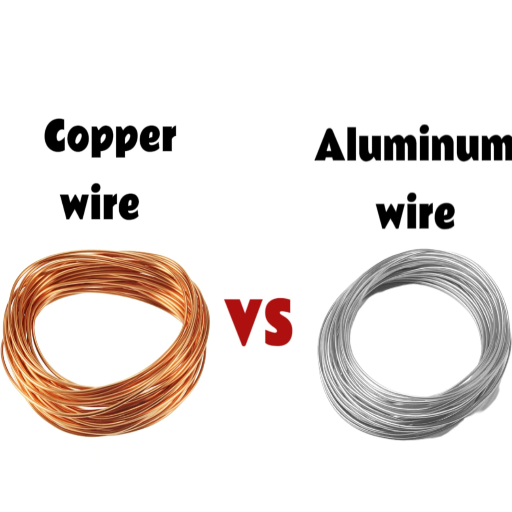
Copper and aluminum wires have their distinct advantages and disadvantages. On one side, copper is more conductive, durable, and offers better corrosion resistance, making it the preferred choice most of the time. This also ensures better connectivity, especially in handling greater loads for a smaller gauge. However, copper is also quite costly and heavier than aluminum.
Aluminum wire, however, while not as conductive or as durable as copper, is very light and cheap. It is almost always the material used in applications that can tolerate a lesser degree of conductivity and strength, but where the cost and weight of the conductors are crucial, such as in the transmission of electric power over long distances or for large-scale electrical distribution systems.
While making the choice between copper and aluminum wire, users can take into consideration the intended use, load requirements, and budget constraints. Proper installation is critical, especially for aluminum wire, to avert issues like disconnection or thermal expansion.
Comparison of 18 AWG Copper and Aluminum Wire
The primary considerations in comparing 18 AWG copper and aluminum wire are electrical conductivity, physical properties, durability, and cost. Copper is an outstanding conductor of electricity, about 60% more effective than aluminum; therefore, it is very efficient at transmitting electricity with low resistance, further reducing energy loss. This aspect usually makes it more desirable in applications requiring high performance and reliability.
In terms of physical properties, copper shows higher density and strength, thus enabling it to endure greater mechanical pressure and wear. On the other hand, aluminum is light and, correspondingly, cheap, which may be attractive for weight- and cost-conscious applications. However, being a lighter metal, aluminum is definitely weaker and is more prone to such problems as loosening connections or oxidation due to thermal expansion, especially in terminals.
Ultimately, it comes down to individual-specific requirements in the decision for aluminum or copper. In cases of stringent performance and durability requirements, such as household circuits and high-power industrial systems, copper is normally the preferred choice. Aluminum usually suffices for the lower-cost, lower-demand conditions if the necessary installation procedures are maintained, therefore safeguarding the need to mitigate the drawbacks associated with aluminum. It is important to consult your local electric codes and standards to ensure a safe and compliant use.
| Property | 18 AWG Copper | 18 AWG Aluminum |
|---|---|---|
| Electrical Conductivity | Excellent (60% more effective) | Good but lower than copper |
| Resistance | Low resistance, reduced energy loss | Higher resistance |
| Physical Strength | Higher density and strength | Lighter, weaker |
| Durability | Better resistance to mechanical stress | Prone to oxidation and thermal expansion |
| Cost | Higher cost | Lower cost, economical |
| Weight | Heavier | Lighter weight |
| Best Applications | Household circuits, high-performance systems | Long-distance transmission, cost-sensitive projects |
Benefits of Using AWG Copper Wire
AWG copper wire has always been sought after for electrical systems’ series of lucrative features. Initially, copper is a great electrical conductor in relation to other metals; owing to its ability to transmit electricity efficiently throughout a wire, in most instances, such wires reduce energy detractor loss to the wire. That is to say, the efficiency at which the power is used inside the wire is very high, and hence, a minimal amount of heat is produced, enabling higher system reliability. The package deal is that copper wire can make good use of some good tensile strength and great heat resistance, for this reason to resist straining while changing form due to loads and thermal excursions. In other words, the corrosion resistance of copper guarantees a long-lasting use in an environment where there are acidic or humid conditions. Finally, using copper wires, with almost all other parts and couplings available, becomes a compact entity equal to a feature; thus, no staining by a surrounding corrosive environment that would be very detrimental to other affiliated materials. These properties sharpen the AWG copper wire’s reliable response to the extreme electrical demands and challenges in residential and industrial niches, respectively.
Key Benefits of Copper Wire:
- Superior Electrical Conductivity: Transmits electricity efficiently with minimal energy loss
- Low Heat Generation: Minimal heat production ensures higher system reliability
- Excellent Tensile Strength: Resists strain and deformation under mechanical loads
- High Heat Resistance: Withstands thermal excursions without degradation
- Corrosion Resistance: Long-lasting performance in acidic or humid environments
- Universal Compatibility: Works seamlessly with standard electrical components and connections
- Reliability: Proven performance in both residential and industrial applications
When to Use Stranded vs. Solid Wire
The final decision between a solid and stranded wire is dependent on the particular application and the surrounding environmental conditions. Stranded wire is constructed out of many smaller-gauge wires pulled together and twisted to form a very flexible conductor. Often, the necessity for stranded wire is pronounced where frequent movement or vibration in robotics, automotive wiring, power cables associated with mobile equipment, etc., is particularly high. The wire’s flexibility delivers less strenuous routing through conduits and tight spaces.
On the other hand, the structure of a solid wire is that of a single solid conductor. It is relatively less flexible, but it requires being durable and stable, and as a result, remains more suitable for permanent installations, such as residential electrical wiring, in which the wires must remain in a fixed position. Solid wire does cost less when compared to stranded wire for such applications and environments having little vibration. Solid wire generates a lower resistance in addition to a fair price.
Ultimately, in dynamic, high-vibration environments or complex wiring installations, you should select stranded wire, and in straightforward, stationary applications where durability, simplicity, and cost-efficiency are the main concerns, go for solid wire.
| Wire Type | Construction | Best Applications | Advantages |
|---|---|---|---|
| Stranded Wire | Multiple smaller-gauge wires twisted together | Robotics, automotive wiring, mobile equipment, frequent movement | Highly flexible, easy routing through tight spaces |
| Solid Wire | Single solid conductor | Permanent residential installations, fixed positions, low vibration | Durable, stable, cost-effective, lower resistance |
Common Mistakes in Wiring with 18 AWG
Critical Wiring Errors to Avoid:
- Over-sizing the conductor: One of the most common mistakes is to deploy 18 AWG wire in situations where it will be subject to currents that exceed the wire’s load-bearing capacity, which can lead to overheating and potential fire hazards.
- Oppose Insulation Damage: Insulation damage occurring during installation will reduce the safety features of the wire, increase the risk of short-circuiting, and even come in the way of uncontrollable electrical shocks as a likely consequence.
- Using Improper Wire-Type: Choosing 18 AWG wire of an inappropriate rating for temperature or environmental conditions (such as low moisture resistance) is likely to result in early failure.
- Bad Terminations: Even poor terminations or ones that are loose will result in increased resistance, leading to voltage drops and overheating property, thereby compromising the circuit’s effectiveness.
- Neglecting Voltage Drop: The appropriate power required for the overlapping of the devices is not realized as a result of the power running somewhat off in the long run, especially through low-voltage circuits.
Important: Great performance and safety require the proper handling, selection, and installation practices in order to avoid these common mistakes.
Overloading the Circuit and Its Consequences
Therefore, whenever the sum of the demands placed on the circuit surpasses the designed capacity, it results in circuit overload. The said overload is mostly an event created from having too many consumption devices or appliances connected at the same time, drawing high power. In other cases, the wiring may contain the wrong sizes, for instance. Among the signs of trouble from which to educate and prevent the user are as follows: heated wires, functioning trip circuit breakers, or, in the worst-case scenario, the possibility of overheating to the point where a fire is created.
Warning Signs of Circuit Overload:
- Heated wires or warm outlets
- Frequently tripping circuit breakers
- Dimming or flickering lights
- Burning smell near outlets or wiring
- Discolored wall plates or outlets
When you overload a circuit, the insulation around the wiring may deteriorate, which could result in worse consequences, such as a short circuit. Moreover, frequent power interruptions, poor performance of connected equipment, and premature wear of system components may ensue from repeated overloads. Circuit overloading is best avoided with the careful distribution of the load, respecting the limitations laid out during the design process, and possibly upgrading the wiring or adding separate circuits for high-power usage. All such safety hazards may be well terminated not just by proper planning but also through compliance with the electrical codes.
Using Inappropriate Wire Sizes for Breakers
When the wire and breaker capacities are not matched, a number of safety problems can result, particularly overheating, fire hazard, and equipment malfunction. I wholeheartedly believe that ensuring proper wire size by comparing it with the breaker rating is an essential factor in safe electrical operation. If the wire size is small, besides being worn out beneath the load, they can be responsible for overheating; improper breaker performance could be known. I always ensure to take a look at the relevant codes and directives in order to pick out the right wire size for a specific breaker rating. This reduces risk and ensures that safety standards can be complied with.
| Wire Gauge | Maximum Breaker Size | Maximum Amperage | Typical Applications |
|---|---|---|---|
| 18 AWG | 7-10 Amp | 10 Amps (8A continuous) | Low-power devices, LED lighting, doorbells |
| 16 AWG | 13-15 Amp | 13-15 Amps | Light fixtures, small appliances |
| 14 AWG | 15 Amp | 15 Amps | General lighting circuits, outlets |
| 12 AWG | 20 Amp | 20 Amps | Kitchen appliances, power tools |
Tips for Avoiding Wiring Errors
Essential Guidelines for Safe Wiring:
1. Select the Correct Wire Gauge
Ensure that the current-carrying capacity of a wire corresponds with the current requirement of the circuit. Always refer to the NEC for a proper design, never making the wire smaller than required for fear of overheating or making it thicker for fear of improper breaker functionality. Use the charts activity or some software assistance to determine the amperage-size-distance relationship.
2. Check the connections and terminals.
The wire connections must be good, and the torque on the terminals must be dictated by the manufacturer. Bad connections are prone to arcing and promoting an anomaly in the wiring or connector.
3. Avoid Overcrowding the Electrical Boxes.
Make sure that the electrical boxes have enough capacity so as to be able to accommodate all the wires and devices. Overpackaging would heat everything up, allowing everything to fail. You should, therefore, familiarize yourself with the box fill calculations as stated in the NEC to make sure that the boxes have been configured for use with the particular wires, devices, and connectors on the particular application.
4. Choose an insulation suitable for the zone.
Weather-resistant wiring is appropriate for outdoor and exposed areas, like the use of THWN; NM cable (Romex) is appropriate for almost all indoor residential applications. Environments require special etchings.
5. Match Circuit Breakers with Wire Capacity
You command good results if the right circuit breaker pairs with appropriate wiring. A circuit breaker matched with the wrong wiring might trip improperly or not even protect the circuit during an overload or short circuit. Use manufacturers’ tested-and-approved combinations when available.
Summary: Above all, the guidelines offered and the utilization of key resources (always cited in the NEC or the like manuals) will essentially check for wire fires and guarantee safety and total compliance with the electrical cable system.
Quick Reference Chart: 18 AWG Wire Specifications
| Specification | Value |
|---|---|
| Wire Diameter | 0.0403 inches (1.024 mm) |
| Maximum Current (Ideal) | 10 Amperes |
| Continuous Load Capacity | 8 Amperes (80% of max) |
| Maximum Wattage (120V) | 1,200 Watts |
| Recommended Extension Cord Length | Up to 50 feet |
| Voltage Drop Limit | 3% (emergency), 5% (non-critical) |
| Common Insulation Types | PVC, Teflon, Silicone |
Conclusion
Understanding the amp rating and proper applications of 18 gauge wire is essential for safe and efficient electrical installations. With a maximum current capacity of approximately 10 amperes under ideal conditions and a recommended continuous load of 8 amperes, 18 AWG wire serves as an excellent choice for low to moderate power applications including LED lighting, doorbells, security systems, automotive accessories, and small electronics.
The key to successful implementation lies in carefully considering all factors that affect ampacity: insulation type, ambient temperature, wire bundling, conduit conditions, and voltage drop over distance. Whether choosing between copper and aluminum conductors, or deciding between stranded and solid wire construction, each decision should be based on the specific requirements of your project, environmental conditions, and applicable electrical codes.
Always prioritize safety by avoiding common mistakes such as overloading circuits, using inappropriate wire sizes for breakers, damaging insulation during installation, and neglecting voltage drop calculations for long runs. Proper wire selection, correct installation practices, and adherence to NEC guidelines and local electrical codes are non-negotiable requirements for any electrical project.
When in doubt, consult with licensed electricians or refer to the latest NEC code books to ensure your installation meets all safety standards and performs reliably for years to come. The relatively small investment in professional guidance or higher-quality materials can prevent costly repairs, equipment damage, and potentially life-threatening electrical hazards.
Final Safety Reminders:
- Never exceed the maximum amperage rating of 18 AWG wire
- Always calculate voltage drop for wire runs longer than 50 feet
- Inspect extension cords regularly for damage, fraying, or wear
- Use wire with appropriate insulation for the environment (moisture, heat, UV exposure)
- Ensure all connections are tight and properly torqued
- Never daisy-chain multiple extension cords together
- Match wire gauge to breaker rating according to NEC standards
- Consider upgrading to 14 or 12 AWG for devices exceeding 1,200 watts
- Consult licensed electricians for complex installations or when uncertain
- Stay current with local electrical codes and regulations
Best Practices Summary:
✓ Proper Planning: Calculate power requirements and voltage drop before installation
✓ Quality Materials: Invest in appropriately rated wire with suitable insulation
✓ Correct Installation: Follow manufacturer specifications and NEC guidelines
✓ Regular Maintenance: Inspect wiring periodically for signs of wear or damage
✓ Professional Consultation: Seek expert advice for complex or high-stakes projects
✓ Code Compliance: Always adhere to local electrical codes and safety standards
Reference Sources
Frequently Asked Questions (FAQs)
How would one go about the sizing of the wire of a specific electric project?
In sizing a wire for your particular electrical project, you need to consider several factors that determine what you want your system to do, perhaps the amount of current you want to draw for your electrical appliances system will need to be powered to perform, the length of the wire run, and the voltage drop. For instance, for a maximum 15-amp load circuit, you might consider using 14 AWG wire and longer wire runs in place of 18 AWG wire.
Can you use an 18 AWG wire in a 20-amp circuit?
The thickness was not appropriate in any event-a thickness of 18 AGW should never be used to support a 20-amp circuit. The maximum load capacity of this particular wire is engineered to handle only 10 amps, and should it be exceeded, the 18 AWG wire could become a very hot feature, possibly leading to a hazard of fires. I would advise going with something heavier, like 14 AWG or 12 AWG wire, when it comes to a 20-amp circuit.
What factors contribute to the amp rating of the 18 AWG wire?
When it comes to the amp rating, several factors need to be put in place: the length of the wire, isolation factors, the ambient temperature, and the number of wires that are put together. So these are factors that would determine each said wire’s capacity for transmitting heat and can therefore have an impact on the said wire’s power load.
How does a wire diameter affect the ampacity?
Wire diameter directly affects ampacity: larger wire sizes, being 14 AWG or 12 AWG, carry way more current than smaller sizes, such as the 18 AWG. This implies the wire will have lower resistance and can safely take more current without getting hot.
Is the wire suitable for outdoor use?
Wire constructed using 18-gauge can be applied for outdoor use only when properly rated for outdoor use, that is, being moisture-resistant or UV-stabilized. However, for applications where higher current or very long runs are intended, a larger wire size like 14 AWG or 12 AWG is more strongly preferred.
What load rating can an 18 AWG wire be loaded with?
The maximum load in an 18 AWG stranded wire typically varies around 10 A. However, a range of factors must also be accounted for – wire length and the particular application should really be taken into consideration to ensure the safety and certainly efficiency of this electrical system.
How does voltage drop affect wire size selection?
Voltage drop is defined as the loss of electrical energy that is dissipated while traveling along a wire. In order to mitigate voltage drop, one should consider implementing a heavier, thicker wire for longer runs or applications that require more current, for example, 14 AWG or 12 AWG, respectively, in such a manner that devices requiring the correct voltage still get it and thus work most efficiently.
What sorts of equipment can I use with 18 AWG wire without causing any complications?
18-gauge wire is used for low-power appliances and devices up to about 10 amps. Examples of these appliances are small lamps, low-power heaters, and certain electronics. For some high loads, a larger gauge must be used.