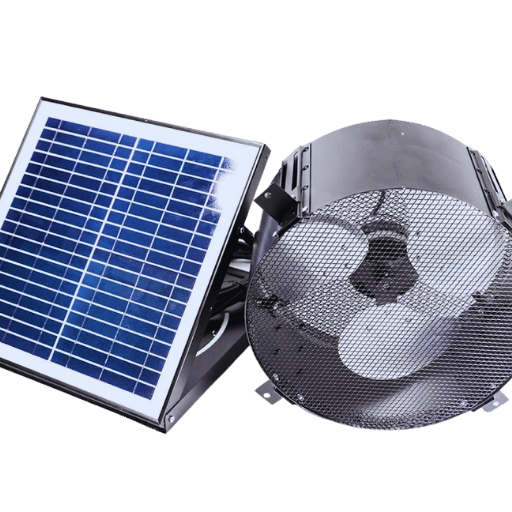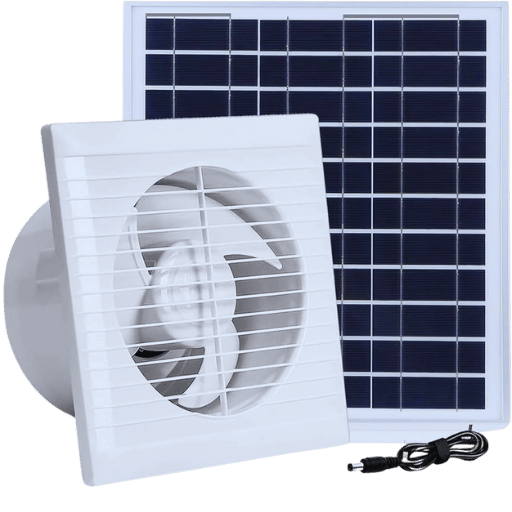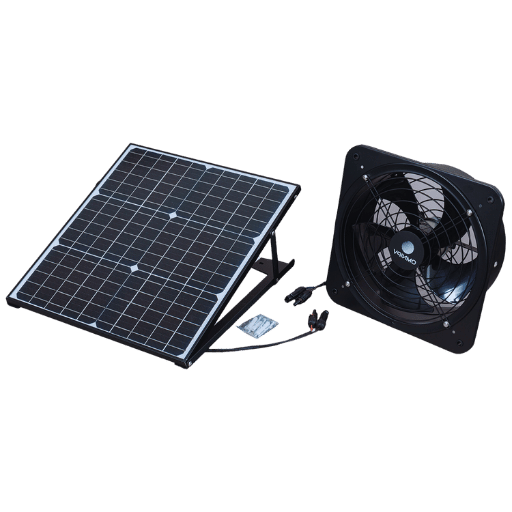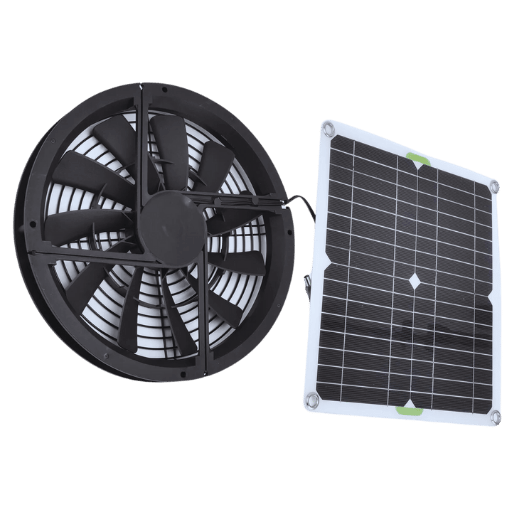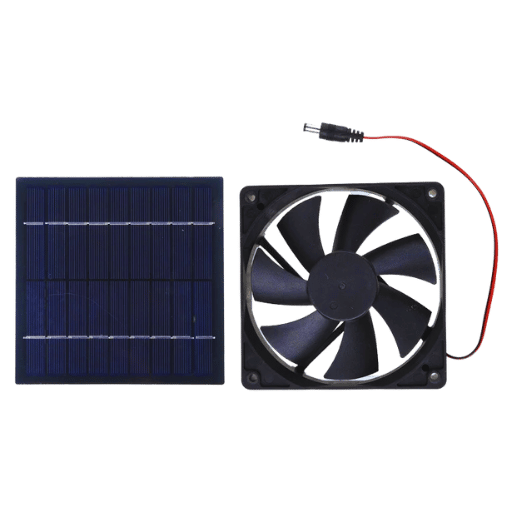


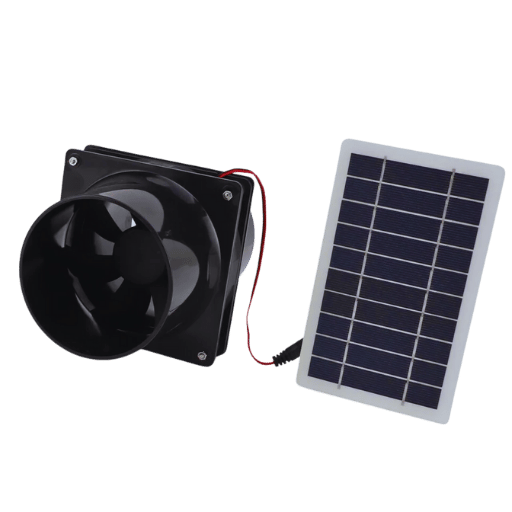
Solar-powered exhaust fans are essential for the greenhouses’ optimal environmental conditions as they are used for heating. What this means is that not only do these fans effectively control temperature, but they also circulate air. In addition to being powered by renewable solar energy, thereby reducing operation costs and carbon emissions, it has become a must-have among sustainable and energy-saving solutions sought by greenhouse operators. In this post, we shall be looking at some important points one should consider when selecting the best solar-powered exhaust fan for his or her greenhouse. It is important to note that this knowledge will help you make informed choices about the capacity size of the fan, efficiency level, and installation requirements, among others, which can contribute greatly towards healthy plants while conserving ecology.
How Does a Solar-Powered Exhaust Fan Work?

What is the role of a solar panel in the system?
A solar panel in a solar-powered exhaust fan system is its main energy source. It changes sunlight into electricity, which in turn runs the fan motor that helps to circulate air and control temperature within the greenhouse. The use of this system allows for self-sufficiency in terms of power because it does not rely on the electric grid; thus making greenhouses sustainable and cost-effective in terms of energy consumption.
How effective is solar power for ventilation?
Many studies have shown that 太陽エネルギー is a great solution for greenhouse ventilation. A correctly sized solar-powered exhaust fan can move enough air to change the temperature and humidity of an area significantly. The U.S. Department of Energy says that well-ventilated greenhouses are ten degrees Fahrenheit (5.6 degrees Celsius) cooler than ones without vents on average.
The amount of electricity a solar-powered exhaust fan makes depends on various factors such as how many watts its solar panels are rated at, what kind of climate it’s in, and how big or small it is designed to be among others. For example, most 50-watt fans will move between 800-1200 cubic feet per minute (CFM) which can ventilate up to five hundred square feet of greenhouse space effectively. Additionally, there have been findings where combining energy-saving fans with sun power causes them to perform thirty percent better than regular electrically operated ones, according to some tests.
These benefits do not only make conditions favorable for plants’ growth but also cut down energy costs thus representing sustainable agriculture investment in the long run. As more improvements happen within this sector; you cannot ignore using environmental friendly techniques such as eco-friendly management systems for greenhouses which utilize solar powered ventilation units.
Can solar fans run at night with a battery backup?
Certainly, provided they have a battery back-up system, solar-powered exhaust fans can work at night. This means that after sunset, the fan can continue running by utilizing saved power which was generated during the day. During the nighttime hours, the battery guarantees a steady supply of energy, thereby making the fan more effective in temperature control and creating a favorable environment for plants’ growth inside greenhouses even when it’s dark outside. In choosing such kind of a fan, one should take into account its energy consumption rate as well as the capacity of batteries used so that they can operate properly throughout the entire nighttime period.
Which Types of Solar Exhaust Fans Are Best for Greenhouses?

What are the benefits of a solar-powered exhaust fan for greenhouses?
Solar-powered fans for ventilation in greenhouses are advantageous in several ways:
- 効率性: They use clean energy which is renewable thus reducing the electricity bills and dependence on fossil fuels.
- Environmental Impacts: These fans do not emit greenhouse gases during their operation hence supporting sustainable farming practices.
- Savings: The initial costs may be high but this will be compensated with lower operational expenses over time.
- Airflow Enhancement: By regulating humidity levels as well as temperatures, improved aeration facilitates better conditions for plant growth.
- Maintenance Levels: Because they have fewer mobile components than conventional electrically operated ones; it means that solar fans need little maintenance attention.
- Independent Running: The majority of these models can operate autonomously, thereby allowing continuous usage without other sources of power.
Are there specific brands recommended for greenhouse exhaust fans?
There are many solar-powered ventilators for greenhouses that are known for being dependable as well as long-lasting. Among the companies that manufacture such fans, Solatube is recognized for producing a variety of models that are not only durable but also very energy efficient. Another company that falls under this category is Eco-Worthy; its products can be installed easily and have been proven to work well even in different climate zones. For larger greenhouses that need stronger systems with more functions like variable speed controls, etc., Amiana would be the best choice since they offer these features alongside their robustness. Sunforce, on the other hand, boasts affordability without compromising essential functionalities, which makes it suitable for those who are on a tight budget while shopping around for such items. However one should consider specific needs of his/her greenhouse like size, among others before choosing any brand so as to achieve maximum performance from them especially where ventilation is concerned.
How to select the right wattage for a greenhouse solar fan?
To achieve optimal ventilation and temperature control in a greenhouse, it is important to select the right wattage for a solar fan. In general, this required power mainly depends on the size of the structure. Usually, it is recommended that an individual should use a single watt for each square foot of area covered by the greenhouse. This means that if you have 100 sq ft, then go for a minimum of 100 watts fan.
Moreover, you should also take into account specific needs depending on your location’s climate conditions and types of plants being grown there. More powerful fans may be needed for hotter environments or when housing sensitive species in greenhouses so as to provide sufficient air circulation. Additionally, check CFM rating which indicates how much air can be moved by the fan per minute; choose those models with higher ratings if possible. Leading experts suggest that one should aim at getting fans capable of achieving not less than twenty air changes within every hour spent inside their greenhouses as this will help manage temperatures better throughout the day. So read some product reviews before buying any product related to your greenhouse.
What Are the Key Features to Look for in a Solar Exhaust Fan?

Why is CFM important in a solar exhaust fan?
Cubic feet per minute (CFM) is an important measurement of a solar exhaust fan because it shows how much air the fan can move in a given time. This number helps determine how well the fan keeps air flowing around a greenhouse at the right conditions for plants to live. Without enough CFMs, there will not be adequate ventilation, which will prevent heat stress and keep humidity levels suitable for plants to grow. When a fan has too few CFM ratings, this causes still air and ineffective temperature control, thereby hindering plant development and leading to reduced yields.
How does the mount type affect the installation?
With regards to where it can be placed, how stable it is, and its efficiency, all these are influenced by the type of mount of a solar exhaust fan. Airflow optimization characteristics may be achieved through fixed mounting alternatives like wall or roof mounts, but this could necessitate more sophisticated installation approaches. On the other hand, portable or adjustable mounts give room for maneuverability, which means that people can move the fans around according to seasonal variations or particular airflow needs. The structural soundness of the mounting surface should be evaluated to ensure that it can bear the weight and vibrations caused by the operation of the ventilator. Correct alignment is also important because if wrongly positioned, then there will be reduced performance plus less efficiency in air flow.
Should you choose a dual-fan system?
Deciding on a twin fan system can greatly improve the ventilation efficiency in a greenhouse or similar settings. With two fans, there is better air circulation, which is good for bigger rooms or locations with airflow blocks. Having each fan work separately enables direct control over where the air flows; for instance, one may be used to draw out hot air while another brings in cold outside breezes. Besides, this type of setup typically offers better backup options – if one of them fails, then necessary airing can still be achieved using another fan. Nevertheless, it should also be considered that such systems may require more complicated installation procedures and involve higher initial costs than single-fan installations, but they compensate for increased performance and energy-saving potentialities. The final choice depends on individual demands concerning space size, ventilation needs, and the budget available.
How do you install a solar-powered exhaust fan?

What are the steps to mount a solar exhaust fan on the roof?
- Selecting the Mounting Location: Choose a proper place on the roof that gets enough sunlight and is free from any obstructions.
- Preparing the Roof Surface: Clean the area where you are going to install your fan. Make sure it is clean and free from dust or any other debris.
- Marking the Installation Area: Position the base of your fan on top of your roof. Use a marker pen to mark where screws should be fixed.
- Making Holes: Drill holes in marked areas so as to fix fans tightly on roofs using right size drill bit or driver attachment suitable for fastening them securely onto roofs.
- Fix Flashings: Put some flashings over roofs around fans if necessary so that water cannot penetrate through roofing materials around them during heavy rainfall or snowfall events.
- Securing Fans: Line up each fan along its respective drilled holes; fasten them with screws tightly until they fit well together, ensuring no loose parts are left behind.
- Connecting Electrical Components: Follow the manufacturer’s instructions when connecting solar panels together with required wires; ensure all connections are waterproofed properly against moisture damage.
- Testing The System: After mounting, operate fans briefly to see if they work efficiently then re-adjust accordingly.
How can proper ventilation in the attic be ensured using solar exhaust fans?
To ventilate the attic properly with the help of solar-powered extractor fans, follow these main steps:
- Determine ventilation needs: Calculate the required airflow by finding out how much air space is in the attic. Normally, it is one square foot for every three hundred square feet of floor area.
- Choose the correct size fan: Choose a solar-powered exhaust fan that will work best for your attic’s volume according to calculated requirements of venting. This means higher CFM rated fans will move more air faster.
- Consider using multiple fans: If an attic is big, you may need several solar-powered extractor fans so as to ensure that there is uniform circulation all over by preventing hot spots and condensation areas.
- Ensure adequate intake vents: Incorporate solar-driven exhaust fans with sufficient intake ports like soffit or gable-end vents; this creates a continuous air movement system where cold enters while warm leaves.
- Regular maintenance: Checkup cleanliness should be maintained on these facilities often times not only prevent blockage but also helps them work better through time thus maximizing their efficiency during operation periods.
Utilization of this method will see to it that Sun powered ventilators keep fresh air moving and temperature control which are vital for good health as well energy saving in attics.
Can a solar panel-powered fan be installed in a shed?
Yes, fans powered by solar panels can be installed in sheds, and they offer several benefits. The most important thing is that this is a sustainable cooling solution that does not need any external power supply and, hence, can work best in places that are off the grid or are located far away where there’s no electricity. To mount one of these, you are required to choose a solar fan according to the size and air circulation requirements of your shed. Commonly, during the installation process, sunlight exposure is maximized by placing PV modules on roofs while also ensuring the safety of wires used when connecting them with fans — this means fixing should be done properly so that no loose connections occur since it may cause fire outbreaks. Furthermore, integrating fans into vents placed at strategic points can help improve airflow, thus reducing dampness & preventing the growth of molds inside storage structures like sheds. Such an approach saves energy and ensures favorable conditions for stored goods in terms of being eco-friendly.
How to Maintain and Troubleshoot Solar Exhaust Fans?

What maintenance does a solar-powered fan require?
Solar-powered fans need very little maintenance to function at their best. Here are some of the usual procedures:
- Regular Checking: Look out for dirt or any other material that could block sunlight on the solar panel; clean with a soft cloth when necessary.
- Cleaning the Fan: Remove dust from around and on fan blades so as to avoid accumulation which may lower efficiency.
- Wiring Inspection: Periodically examine all connections and wires for security plus signs of corrosion or damage.
- バッテリーメンテナンス: Where applicable, monitor the state of health of a solar-charged battery over time and replace it if necessary according to the maker’s instructions.
Carrying out these straightforward tasks will ensure that a solar-powered fan lasts long while serving its purpose.
How to address common problems with solar exhaust fans?
However, there are several common mistakes that may occur when troubleshooting solar fans. They include the following:
- Fan Not Working: First, check if enough sunlight is reaching the solar panel and that it is free from any obstructions. Also, inspect every wire connection for any signs of wearing out or damage.
- Reduced Air Flow: Dust or debris on fan blades will affect their performance. Additionally, clear intake and exhaust vents can help boost airflow.
- Battery Issues: Keep an eye on its charging status and look out for signs of wear if it has one. Sometimes a non-functioning battery should be replaced.
- Inconsistent Performance: There are times when variance in performance can be attributed to solar charging, which might be affected by weather conditions. Ensure that the solar panel is well positioned so as to get maximum sunshine throughout the day.
With systematic identification and resolution of these problems; the efficiency as well as the reliability of these gadgets can still be maintained.
Are there specific parts that often need replacement?
Rightly so, various components in solar exhaust fans may get eroded over time and need replacement for better performance. Among common parts are:
- ソーラーパネル: Though sturdy, solar panels deteriorate due to long exposure to the elements, leading to reduced efficiency. Regular inspections may ascertain whether replacement is necessary.
- Fan Blades: Dust, debris, or physical damages on the blades cause poor airflow. When cleaning fails to improve performance, the fan blades should be replaced.
- バッテリー: Normally batteries used for energy storage in solar-powered fans have a relatively short life span. Therefore battery performance should be monitored and replaced as recommended by the manufacturer to keep them functional.
Therefore, through this approach, users can best control the maintenance requirements of their solar exhaust fans.
参照ソース
よくある質問 (FAQ)
Q: What are the primary advantages of a solar exhaust fan in a greenhouse?
A: 温室に太陽光発電の排気ファンを設置することには多くの利点があります。これには、換気の向上、温度の低下、エネルギーの節約が含まれます。外部から吸い込まれた新鮮な空気を補充しながら高温の停滞した空気を取り除くことで、植物の健全な成長に必要な最適な生育条件を維持するのに役立ちます。.
Q: What factors should I consider when selecting a solar-powered exhaust fan for my greenhouse?
A: 屋内庭用の太陽光発電通気ユニットを選択するときは、その大きさ (インチ)、ワット数 (太陽光ワット)、空気流容量 (CFM)、騒音レベル (低騒音)、耐候性などの要素を考慮してください。また、バックドラフトを防ぐことができるルーバー/シャッターが含まれているかどうかも確認してください。設置キットには壁掛けプラグが付属していますか。.
Q: How much wattage do I need for an exhaust fan in my greenhouse?
A: 温室を換気するのに十分適した空気抽出器システムによって必要とされるエネルギー量は、そのサイズと望ましいCFM定格によって異なります。 20w -100wattパネルは、中小規模の温室には十分であるはずですが、スペースが広い場合は、太陽光発電で動く20インチのファンを使用するなど、より大きくしてください。.
Q: Are there any specific types of ventilators made just for chicken coops or pet houses?
A: はい、確かに!鶏小屋、犬小屋などの中で使用するために特別に設計された特定の種類の送風機が存在します。これらのユニットは通常、「鶏小屋用の扇風機」などの名前で一緒にパッケージ化されており、これには、運転中に静かであることや、耐水性パネルが付いていることなどの機能が含まれる場合があります。また、電動デュアルファンセットアップ、サイズは小さいが、主にそれらを中心に設計されており、より小さなエリア内に配置されていることなども探してみることもできます。.
Q: How do I install a solar-powered ventilation fan in my greenhouse?
A: 通常、ユニットを壁や屋根に取り付けてから、ソーラーパネルを接続します。これに続いて、付属のコードを使用してすべての電気接続が適切に行われていることを確認し、必要に応じてプラグインが含まれています。キットによっては、亜鉛メッキ鋼ファンなどのものが、最適な取り付け方法に関する詳細な説明とともに存在する場合があります。新しいセットアップが正しく機能するかどうかをテストする前に、すべてをしっかりと固定することを忘れないでください。.
Q: Can I use a solar-powered exhaust fan for both ventilation and cooling?
A: 絶対に、換気と冷却の 2 つの目的のために太陽光発電の排気ファンを使用できます。この装置は、温室内の温度を下げる役割を担う熱気の排出だけでなく、空気循環の改善にも役立つように設計されており、したがって植物が健康に成長するための理想的な環境を作り出すことができます。これにより、それらはあらゆる温室システムにとって非常に価値のあるアクセサリーになります。.
Q: What are some benefits of having a waterproof solar panel fan kit?
A: 防水ソーラー パネル ファン キットがあると、特に雨やその他の湿気が頻繁に接触する可能性のある屋外で使用すると、寿命が延びます。この機能により、太陽光発電の温室通気口は悪天候に関係なく効果的に機能するため、温室全体で継続的に空気を入れることができます。.
Q: Do I have to write a review after buying a solar-powered exhaust fan?
A: You do not have to but it would be nice if you did. Writing reviews after purchasing products could greatly help other people who may want to buy the same items too. By telling them about how easy installation was or what made me happiest about this product among others then my words might influence their decisions positively.
Q: Are there any free shipping options available for solar-powered exhaust fans?
A: Yes there are many places that offer free shipping on these types of fans especially when one spends above certain amount indicated by seller’s policy statement. To take advantage of such deals always ensure that before checking out from site/store confirming availability free shipments at checkout page.