






電気配線に関しては、安全性、効率性、機能性を保証するためには、適切な種類のワイヤを選択する必要があります。 熱可塑性 高耐熱ナイロンコーティング(THHN)ワイヤー は、住宅用と商業用アプリケーションの両方で最も広く使用されているタイプの1 つです。 この開口部の目的は、それを読む人に、その機能の点でTHHNワイヤがどのようなものであるか、および適用できる場所についての基本的な知識を与えることですこのテキストは、THHN配線に関連する技術仕様、利点、コンプライアンス要件、およびdos&dontsを調べることによって、電気プロジェクトに取り組んでいる間、情報に裏付けられた決定を下すことを可能にします。 経験豊富な電気技師または請負業者 {DIY愛好家を忘れないこと } は、さまざまな設定で電気設備を安全に実行できるように、このカテゴリのワイヤによって示される特殊性をよく理解している必要があります。.
THHN Wireとは?
THHN ワイヤーの基礎を理解する
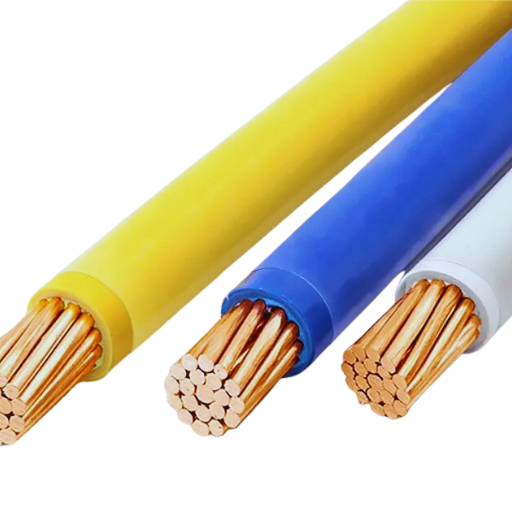
THHN ワイヤは、高温に耐える能力が特徴の熱可塑性絶縁でコーティングされた銅またはアルミニウムの導体で作られています。 「T」は断熱材の一種である熱可塑性樹脂の略で、「HH」は乾燥した場所で最大 90° C (194° F) まで処理できるため高熱を意味します。 「THHN」の後に「N」の文字でも示されるナイロンコーティングは、水に対する耐性や摩耗などの物理的損傷を強化します。最も一般的な用途分野には、特に、国家電気基準 (NEC) に記載されている規則に従いながら、家庭、オフィス、工場内の汎用配線に使用される導管システムやケーブル トレイが含まれます。.
THHN ワイヤーにおけるナイロン ジャケットの役割
ナイロンジャケットの重要な役割はTHHNワイヤーの性能と耐久性を向上させることです 水、化学物質、物理的摩耗などの要素に対する追加の障壁として機能し、これらのものからワイヤーを保護する下にある絶縁体を損傷する可能性があります しかし、これ以上に、そのようなジャケットは寿命を延ばし、老化や劣化によって引き起こされる電気的故障の発生を減らし、さらに、それらはまた、それらができるように、より展性があります 複雑な配線に簡単に取り付けられます 他のカバーがそうすることに失敗するであろうシステム。 結論としては、それから - 間違いなく、これは、異なるアプリケーションでもTHHNワイヤのすべてのタイプを維持するために必要です!
THHN ワイヤと他のワイヤ タイプの比較
THHN ワイヤを他の種類の電線と比較する場合、熱抵抗、耐湿性、用途への適合性、導体材料などの要素を考慮する必要があります。.
熱抵抗:
- THHN: 乾燥した環境で90° C (194° F)まで使用することができます; 従って、それは高温の場所のために適しています。.
- 投げ: THHNと同様に、濡れた場所でも使用できます。最大75° C(167° F)の温度に耐える能力もあります。.
- XHHW: このタイプの電気配線には架橋ポリエチレン絶縁が施されており、湿潤状態でも乾燥状態でも 90°C (194° F) もの高温で動作できます。.
耐湿性:
- THHN: ナイロンコーティングが施されており、湿気に対する耐性が向上します。ただし、このタイプは主に乾燥した場所向けに設計されています。.
- 投げる/XHHW: これらは特に湿った場所向けに設計されており、過酷な条件下でも優れた耐湿性と耐久性を備えています。.
コンダクター材料:
- THHN: これは通常、良好な導電性特性を持つ銅またはアルミニウムで作られています。.
- 使用: 地下サービス入口ケーブル。地下に埋設すると性能が良いため、通常はアルミニウムです。.
アプリケーションの適合性:
- THHN: このワイヤは、柔軟性と相まって高い耐熱性が求められる住宅用および商業用の配線を含む、さまざまな目的に使用できる汎用性があります。.
- NM-B (非金属被覆ケーブル): 壁内の住宅用途に最も適しています。導管の運転には適しておらず、温度定格が低いため制限されます (乾燥した場所では最大 90° C)。.
- MCケーブル(メタルクラッド): THHN よりも重く高価ですが、追加の物理的保護が必要な産業環境に最適です。.
結論として、THHN ワイヤは適度なレベルの耐熱性とある程度の防湿性としなやかさを提供するため、幅広い電気設備に適用できますが、他のワイヤは特定の用途や環境条件を対象とした特定の利点を提供できる可能性があります。それらの間の選択は、主に、一般的な環境課題に対して設置場所が要求するものに依存する必要があります。.
THHN ワイヤは電気設備でどのように使用されますか?
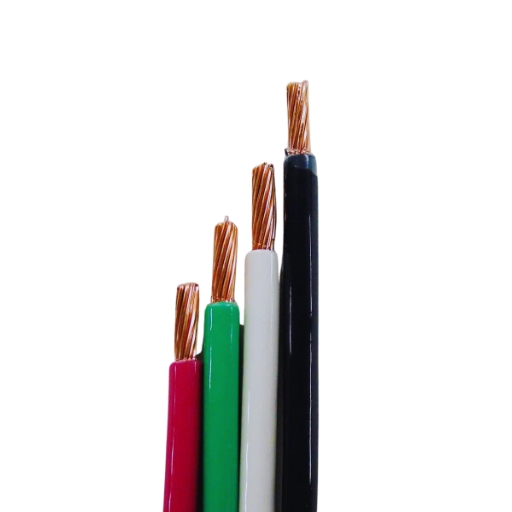
導管およびケーブルトレイのTHHNワイヤー
THHN ワイヤは、熱と適応性に耐える能力があるため、導管やケーブル トレイに広く使用されています。耐湿性があり、導管に設置すると物理的な摩耗に耐えることができます。ケーブル トレイは、放熱や乱雑さの軽減とともに、多くのケーブルを整理するためのアクセス可能なルートとして機能します。スペースが限られている商業または産業環境では、この種のワイヤは、その柔軟性により作業が容易であるため、設置中にこのようなシステムを通過できるため、新しい建設や改修の両方に最適です。.
分岐回路での応用
分岐回路は通常、THHN ワイヤを使用します。これは、幅広い電気用途に使用できるため、メイン パネルからコンセントやその他のデバイスに電気を供給するシステムであるため、信頼性が重要です。ゲージのサイズ、設置条件、周囲温度は、電気技師が電流伝送容量の別の単語であるアンパシティ (12 ゲージ) と呼ぶものを決定する要素の 1 つです。たとえば、12 ゲージの THHN ワイヤは、通常の状況下では 20 アンペアも伝送できます。.
家庭の照明回路やレセプタクル回路は、電力に依存する家電製品に電力を供給するものと同様に、THHN で配線されることがよくあります。商業環境では、NEC または国家電気規格に明記されている安全性と性能のベンチマークを満たすために必要な機器や機械とともに使用されています。柔軟性と組み合わせた耐湿性と耐熱性は、電気的故障の可能性を減らしながら長期的な耐久性を実現します。ただし、負荷が正しく計算され、このように分岐回路を構築する効率を無駄にしないように物事が適切に取り付けられている場合に限ります。.
産業用および工作機械のアプリケーション
THHNワイヤーは、その強力な設計と良好な熱性能により、産業用および工作機械用途でよく使用されます。高電圧および電流負荷に対応できるため、最適です 製造における重機の動力 自動システムを使用する設定 そのカバーは、これらの場所の物理的な磨耗だけでなく、油、化学物質、湿気などへの曝露にも耐えるように構築されています 耐炎性もこのタイプの配線のもう1 つの安全機能であり、厳格な業界標準にも準拠しています コントロールパネル、モーターリード、配電システムはすべて信頼性が必要であり、最高の運用レベルで適切に連携するには効率が鍵となります。.
THHN ワイヤーのさまざまな種類は何ですか?
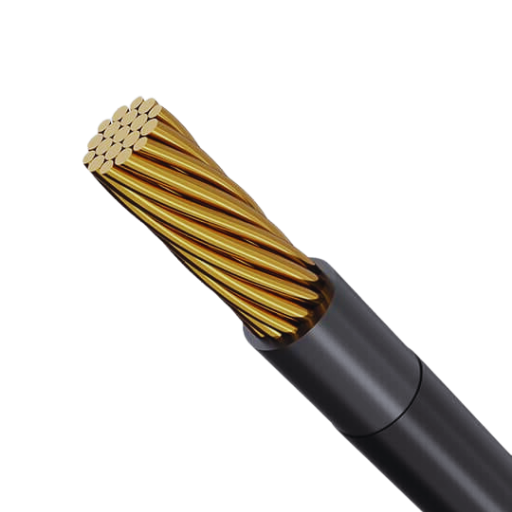
ストランド対ソリッドTHHNワイヤ
THHN ワイヤの特定の用途では、設置や環境のニーズに応じて、より線を使用するか固体線を使用するかを決定することが重要です。.
ソリッドTHHNワイヤー 固体である導体は 1 つだけです。この種のワイヤは通常、柔軟性が大きな関心事ではない恒久的な設置に使用されます。固体ワイヤは、長さに中断がないため導電率が高く、低電圧での抵抗が低くなり、効率が高くなりますが、柔軟性に欠けており、曲げすぎたり頻繁に動かしたりすると簡単に破損する可能性があり、座礁 THHN ワイヤなどの他のタイプと比較して耐久性が低くなります。.
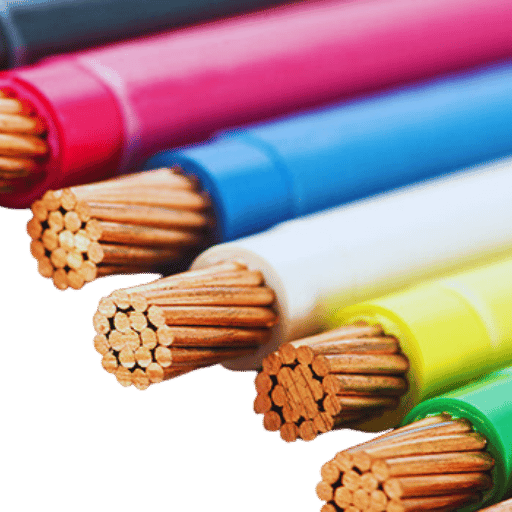
ストランド THHN ワイヤー は多数の小さなワイヤをねじって柔軟な導体にしたもので、この設計は他のどのタイプよりも柔軟性が高く、取り扱いが容易であるため、動的配線システムやポータブル機器など、曲げや移動が多いアプリケーションと比較して、このフォームがわずかに高い抵抗を示す可能性があるため、さまざまな状況下での効率に影響を与える可能性があるというトレードオフがあります。.
どれを使用するかを決定する際には、設置場所、どのくらいの頻度でシフトするか、また、その時点でどのくらいの電力が流れるかなど、さまざまな点を考慮する必要があります。商業施設では通常、そのような設定内で機械によって引き起こされる振動力に耐える能力 (つまり) により撚線を使用しますが、固体導体は通常、ゲージ選択中のアンパシティ定格に基づく安全基準に関する NEC 規制に従って、固定導電率の卓越性が必要な場合に選択されます。.
THHN と THWN および THWN-2 ワイヤーの比較
THHN ワイヤと THWN および THWN-2 ワイヤを比較する際に考慮すべき重要な技術仕様が数多くあります。.
- THWNワイヤー: この種のワイヤは、湿気や水に頻繁に接触する可能性のある場所での使用を目的として設計されています。 THHN と同じ耐熱性を持ちますが、湿気に対する保護も追加されています。そのため、この組み合わせにより、湿った場所に適しています。 THWN ワイヤが動作できる最高温度は、湿った状態では 75° C、乾燥した状態では 90°C です。.
- THWN-2 ワイヤー: 標準の THWN ワイヤの改良版で、同様のレベルの耐熱性と耐湿性を提供しますが、柔軟性が向上しています。湿潤環境でも乾燥環境でも最大 90°C で使用できるため、設置プロセス中にこれら 2 つの状態間の変化がより頻繁に発生する、より広範囲のアプリケーションが可能になり、このような場合の信頼性が向上します。.
結論として、これらのワイヤ間の差別化要因は主に、湿気に耐える能力と温度定格にあります。したがって、THHN、THWN、TWN-2 の選択では、誤った選択は、問題となっているシステムの性能、安全性、耐久性に大きく影響を与える可能性があるため、NEC ガイドラインに基づいて、それらを使用する特定の環境条件も考慮する必要があります。.
湿った場所と乾燥した場所で THHN ワイヤーを使用する
湿式および乾燥状態の両方について、THHNワイヤを使用する際に従う必要があるいくつかの規則があります。 湿気のない場所で使用するように設計されていますが、このタイプのワイヤは、承認された導管またはその他の手段によって十分に保護されている場合は、湿った場所でも使用できることに注意してください。これらの規格を定めた国家電気規格 (NEC) によると; レースウェイまたは導管での使用が許可されていますが、その評価はカバーされていません 直接埋葬 適切な断熱材なしで地下や湿気にさらされる理由 私がこれをお伝えするのは、安全規制に従うか、長期的な信頼性を確保するかのどちらかを選択しなければならない状況に時々遭遇する可能性があるためです。 ~ 電気システムの設置作業中に湿った環境に頻繁に対処する場合は、安全規定に準拠するだけでなく、時間の経過とともに安定するように、THWNまたはTHWN-2 ワイヤを使用した方がよい。また、温度変化が起こりやすい場所での柔軟性を高める、THWN-2 ワイヤを使用した湿潤状態に対して 90° C 定格で提供されるような設置中の最大許容温度も重要です。.
すべてが安全なガイドラインを満たしていることを確認しながら最高のパフォーマンスを達成するには、まず周囲のエリアを評価し、次に電気技師が採用する適切なタイプの配線を評価する必要があります。.
THHNワイヤーの仕様は何ですか?
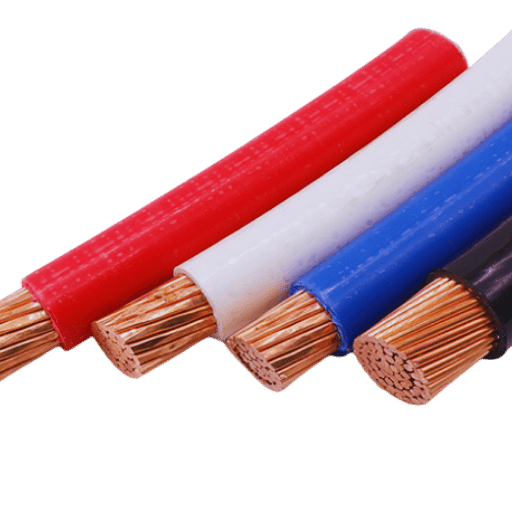
ワイヤーゲージと容量
THHNケーブルにはさまざまなサイズがあり、通常は14 から2/0 AWGの間です。 THHNケーブルの電力定格は、その厚さと取り付け方法によって異なります。 60° C環境では、14ゲージのTHHNケーブルの電力定格は15 アンペアであるのに対し、2/0 AWGの同じワイヤは最大175 アンペアを伝送できます。 NECテーブルに注目することが重要です。 NECテーブルは、効率を損なうことなく安全要件を確実に満たすことができるように、特定の用途に対応するアンペア定格とともに適切なゲージを提供します。.
耐熱性と温度評価
THHN ワイヤは、さまざまな温度で使用することを目的としており、さまざまな用途に適しています。 THHN ワイヤの推奨温度定格は、通常、乾燥した場所では 90° C、湿気や湿気が存在する可能性がある場所では 75° C です。この熱に耐える能力により、ワイヤが作業応力にさらされても劣化リスクは最小限に抑えられます。対照的に、THWN-2 は湿気の多い条件でも同様の温度定格を維持するため、湿気にさらされやすい設置中に必要になります。.
特定のプロジェクトのケーブルを選択する場合、周囲温度だけでなく、電気負荷から生成される総熱も考慮することが重要です。 NEC にある容量表では、設置の安全性と効率を確保するために、さまざまな温度定格でゲージ サイズあたりの最大許容電流を規定しています。たとえば、定格 90°C の 12 AWG THHN のアンパシティは約 20 アンペアですが、75°C の条件下では、この値は約 18 アンペアまで低下します。.
実際のシナリオでは、関連ガイドラインに基づいて効率的で耐久性があり、準拠した電気接続を実現するために、耐熱能力と並行して温度定格を批判的に評価し、そのようなシステム内の安全性と信頼性を促進する必要があります。.
PVC絶縁とナイロンコーティングの重要性
PVC 絶縁は、導電体の保護に不可欠です。耐薬品性、耐久性、多用途性により、さまざまな方法で使用できます。さまざまな種類の環境では、ワイヤーに良好な耐湿性、耐熱性、耐摩耗性が必要になる可能性があります。さらに、感電の危険性や短絡のリスクを軽減し、システム全体の安全性にも貢献します。.
ナイロンコーティングは、機械的強度特長と環境要因に抵抗する能力を有する余分な層を追加することにより、PVC絶縁体の保護機能を強化します この種のコートは、衝撃や摩耗に対してシールドし、したがって、ケーブルが不利な条件にさらされてもより強力になる 故障することなく一貫して良好に機能するように、時間の経過とともに産業上の要件を満たす一方で、両方の層が電線、すなわち、ナイロンジャケットと一緒にポリ塩化ビニル絶縁体に接触する可能性がある、または極端な温度変化が予想される2 段階の保護は非常に重要であり、それは安全で永続的な電気設備にそれらを必要とします。.
プロジェクトに適した THHN ワイヤーを選択するにはどうすればよいですか?
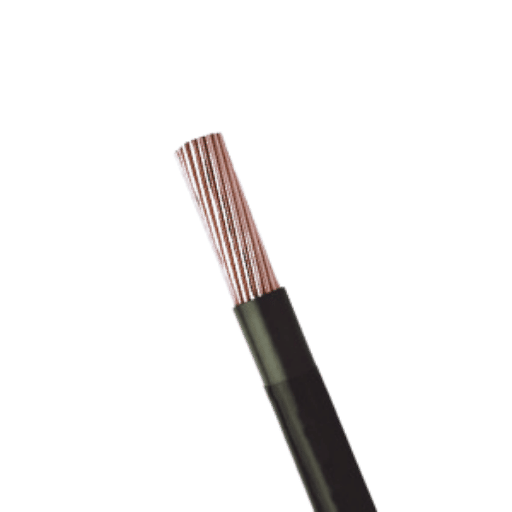
適切なワイヤゲージの決定
プロジェクトに正しいワイヤゲージを選択する際には、次の考慮事項を考慮する必要があります:
- アンペア数要件: ケーブルを流れる総電流を計算します これは過熱を避け、安全性を確保するために重要です。.
- ランの長さ: ワイヤーの長さを測定します。距離が長くなると、電圧降下を考慮してより大きなゲージが必要になる場合があります。.
- 負荷の種類: 誘導性、抵抗性、または容量性であるかどうかを示し、それによってワイヤの性能に影響を与えます。.
- 環境条件: 高温、湿気、またはゲージと断熱要件の重要な決定要因となる化学物質にさらされるかどうかを考えてください。.
- 規制遵守: 地域の電気規格や規格に準拠したゲージを選択していることを確認してください。.
これらの側面を考慮することで、特定のユースケースに適したワイヤ ゲージを正しく確立できます。.
固体ワイヤーとより線ワイヤーの選択
無線ワイヤとより線を選択する際には、使用される用途と各タイプの性能特性を考慮する必要があります。.
- ソリッドワイヤー: このタイプは、ちょうど1 つの導体を持っている、それは低い抵抗と高い導電率を持っていることを意味します 柔軟性は、それが家の配線のような恒久的な設備で主に使用されるので、その強いスーツではありません また、他のワイヤよりも簡単に終了します; したがって、より短い距離での信号の完全性は、ソリッドワイヤでより優れている傾向があります。.
- ストランドワイヤー: 一方、より線線は、多数の小さなストランドがねじれて構成されているため、対応するストランドと比較して柔軟性が高くなります ーロボットやポータブルデバイスなどの可動部品や曲げ可能な部品を扱う場合、この機能は便利になります このようなワイヤは、これらすべての別々のストランドにより表面積が大きいため、壊れることなく曲がりますが、それでも良好な導電性を維持できますが、これらの個々の薄い導体間のエアギャップにより固体よりもわずかに高い抵抗を持ち、終端が少し困難になる可能性があります。.
要約すると、フレックス寿命要件などの要素を考慮して、s/he が自分の/彼女のプロジェクトにどのような特定の機能を必要とするかに基づいて、固体導体またはより線導体のいずれかを選択する必要があります。特に設置環境条件(温度範囲など)、電気的性能基準など。.
国家電気規格要件を理解する
National Electrical Code (NEC) は、米国における電気配線と機器の設置および保守方法を制御する一連の規定であり、主に安全性を確保し、電気システムの効率的な運用を促進することを目的としています。ほとんどの電気設備は、配線方法、接地方法、および機器の設置に関する特定の規則に従うことを義務付ける NEC に準拠する必要があります。.
ワイヤの種類とサイズは、機能だけでなく安全性にも直接影響を与えるため、NEC がカバーする主要な領域の 1 つです。最小ワイヤ ゲージ サイズは、温度や環境条件などの問題を考慮して、特定の用途で必要とされるすべての容量に対して NEC に従って使用する必要があります。また、このコードは、過電流保護、適切な回路配置または設計、可燃性材料からのクリアランスなどを含む電気的危険に対する保護措置を規定しています。これに加えられる定期的な改訂は、現在の技術と業界の慣行を反映しています。したがって、専門家は、発生する可能性のある変更について常に最新の状態に保つ必要があります。したがって、電気工学分野でより高い基準を維持することに加えて、電気工事に関連するリスクを最小限に抑えながらコンプライアンスを確保するには、これらの要件とその適用に関する十分な知識が必要です。.
参照ソース
よくある質問 (FAQ)
Q: THHNワイヤーは何のために立っていますか?
A: 熱可塑性高耐熱性ナイロンコーティング (略称THHN) ワイヤは、さまざまな電気用途で一般的に使用される建築用ワイヤであり、銅導体とナイロンシースの形での追加の保護が含まれています。摂氏90度までの高温に耐えられるように構築されています。.
Q: ソリッドTHHNワイヤと撚りTHHNワイヤの違いは何ですか?
A: THHN ワイヤの固体タイプは銅製の単一導体を備えているため、柔軟性が低く、永久配線システムに適しています。対照的に、より線状のタイプは、柔軟性を高めるために一緒にねじられた銅線の小さなストランドで構成されており、ワイヤが頻繁に曲がったり動いたりする必要がある場合に最適です。.
Q: THHNワイヤーは屋外で使用可能ですか?
A: 物理的虐待や環境要因から保護するために導管を通す限り、THHN 配線は屋外でも使用できます。通常、屋外に出る場合、人々は一般に似ていますが、THHN 線よりも優れた設計の THWN 線を使用することを好みます。湿気に対する抵抗力。.
Q: THWNとTHHNワイヤの関係は何ですか?
A: このプロダクトは熱可塑性の熱および耐水性ナイロン上塗を施してあるワイヤー(THWN)の略です。 (THHN)熱プラスチック高い耐熱性のナイロン ワイヤーと本質的に同じですが、湿式条件の下で使用のために評価されて両方は90 度までそれらを交換可能に採用する他の多くの適用とのより高い温度の動作環境に耐えることができます。.
Q: XHHW-2 ワイヤと THNN プロセスで製造されたワイヤを区別するものはありますか?
A: はいXHHW-2 ワイヤーとTNNHプロセスによってなされるものとの相違があります。 XHHW-2 タイプのワイヤーは湿式および乾燥した位置の両方で使用される高熱の耐水性ケーブルです。 PVC絶縁と比較して柔軟性を向上させる架橋ポリマー絶縁に加えて、他の利点には耐摩耗性、化学物質および高温が含まれます。.
Q: THHN線をいくつか組み合わせることは可能ですか?
A: 確かに、複数の THHN ワイヤを導管またはケーブル トレイ内に束ねて、商業施設や産業施設のサービスおよび分岐回路に接続できます。ただし、束ねると各ワイヤの放熱が妨げられる可能性があるため、束はアンペア数定格に関して安全な動作制限を超えてはなりません。.
Q: THHN ワイヤに関して、American Wire Gauge (AWG) は何を意味しますか?
A: AWG システムは、ワイヤ サイズの標準化された命名法である American Wire Gauges の略です。たとえば、10 AWG と 8 AWG は一般的な THHN 建物ワイヤ タイプです。数値が小さいほど、より高い電流に対応する太いワイヤを示します。ワイヤのゲージは、その柔軟性、抵抗、および用途への適合性に影響します。.
Q: THHNワイヤーは高温を扱えますか?
A: はい、THHN ワイヤは最高 90 度に達する高温に耐えられると評価されています。これにより、電気配線が極度の熱条件にさらされる可能性がある状況に最適です。正しく使用するには、必ず Southwire の仕様またはメーカーが提供する仕様を参照してください。.
Q: THHNはどの分野で一般的に使用されていますか?
A: 住宅、商業、産業用途では、サービスや分岐回路用のトレイに置かれたケーブルなど、建物の配線によく使用される単導体電線など、電気設備の中でも特に THHN がよく見られます。その多用途性と、非常に高い温度に耐える能力が組み合わさって、多くの業者にとって魅力的な選択肢となっています。.
Q: ナイロン コーティングはTHHNワイヤーにどんな利点を提供しますか?
A: ナイロンコートの助けを借りて、摩耗剤や湿気などの化学物質に対する耐性が高まります。これにより耐久性が最大化され、ユーザーは過酷な条件下でもこの製品を塗布できるようになり、ユーザーは予想よりもはるかに早く必要な交換費用を節約できます。また、設置や操作中の物理的な摩耗から保護するのにも役立ちます。.