
KVV: PVC/PVC Control Cable
PVC Insulated Control Cable for Industrial Automation
- コンダクター: 銅
- 断熱材: PVC,
- Insulation Color: White-Black
- 温度範囲: -20°C to +70°C
- Nominal Voltage: 300V/500V
- テスト電圧: 1000V
- スタンダード: IEC
- カスタマイズされたソリューションによる高速サンプル処理
- 高品質な素材
- 手頃な価格のオプション
- グローバル デリバリー
- より良いデータ保護のために、すべてのアップロードが安全であることを確認してください
平均で少なくとも30%を保存します
-
製品の説明
KVV: PVC/PVC Control Cable : Product Description and Specifications
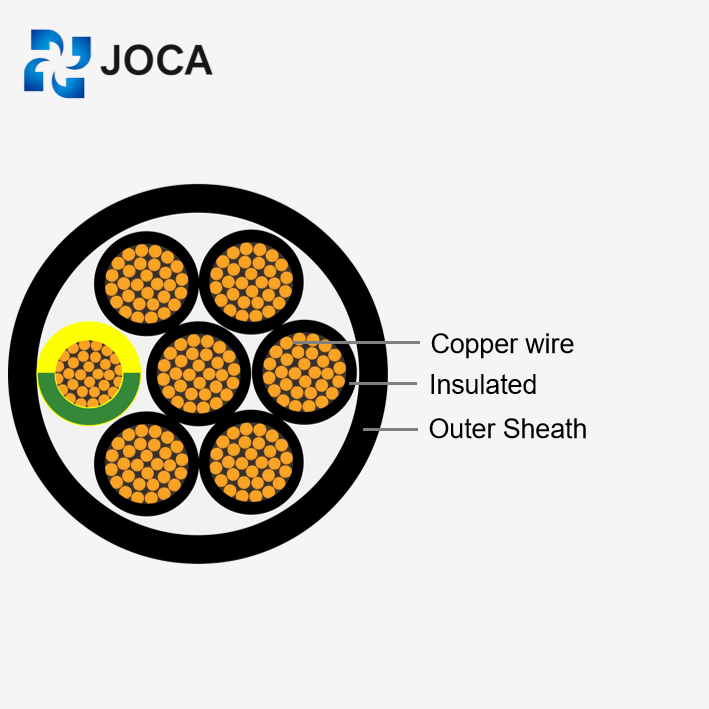
KVV cables are extensively used for interconnecting control equipment, instruments, and protection relays within monitoring and distribution circuits. In applications requiring ease of routing, high-quality flexible variants are the standard choice. Their robust design supports a broad range of applications, specifically within the robotics, construction, and manufacturing sectors. Consequently, these cables have become a standard specification for electrical infrastructure in commercial and industrial markets.
-
利点
KVV: PVC/PVC Control Cable : Benefits and Features
Resists Harsh Conditions: Durable PVC stands up to oil, acid, and moisture.
Simpler Wiring: Color-coded cores prevent errors and speed up installation.
Budget Friendly: Offers reliable 450/750V performance at a competitive price.
Easy Routing: Flexible design fits effortlessly into tight trays and conduits.
Safety First: Can be customized with flame-retardant properties for compliance.
寸法/パラメータ
| Nominal Size | Conductor Structure | Insulation Thickness | Sheath Thickness | Approx. Overall Dia. | Approx. Weight | Nominal Size | Conductor Structure | Insulation Thickness | Sheath Thickness | Approx. Overall Dia. | Approx. Weight |
|---|---|---|---|---|---|---|---|---|---|---|---|
| mm2 | No./mm | mm | mm | mm | kg/km | mm2 | No./mm | mm | mm | mm | kg/km |
| 2x0.75 | 1/0.97 | 0.6 | 1.2 | 6.8 | 59 | 2x0.75 | 7/0.37 | 0.6 | 1.2 | 7.1 | 62 |
| 3x0.75 | 1/0.97 | 0.6 | 1.2 | 7.2 | 68 | 3x0.75 | 7/0.37 | 0.6 | 1.2 | 7.4 | 71 |
| 4x0.75 | 1/0.97 | 0.6 | 1.2 | 7.8 | 83 | 4x0.75 | 7/0.37 | 0.6 | 1.2 | 8.1 | 87 |
| 5x0.75 | 1/0.97 | 0.6 | 1.2 | 8.4 | 101 | 5x0.75 | 7/0.37 | 0.6 | 1.2 | 8.8 | 106 |
| 6x0.75 | 1/0.97 | 0.6 | 1.2 | 9.0 | 118 | 6x0.75 | 7/0.37 | 0.6 | 1.2 | 9.4 | 123 |
| 7x0.75 | 1/0.97 | 0.6 | 1.2 | 9.0 | 123 | 7x0.75 | 7/0.37 | 0.6 | 1.2 | 9.4 | 129 |
| 8x0.75 | 1/0.97 | 0.6 | 1.2 | 9.7 | 138 | 8x0.75 | 7/0.37 | 0.6 | 1.2 | 10.1 | 144 |
| 10x0.75 | 1/0.97 | 0.6 | 1.2 | 11.2 | 174 | 10x0.75 | 7/0.37 | 0.6 | 1.2 | 11.7 | 182 |
| 12x0.75 | 1/0.97 | 0.6 | 1.5 | 12.1 | 210 | 12x0.75 | 7/0.37 | 0.6 | 1.5 | 12.7 | 219 |
| 14x0.75 | 1/0.97 | 0.6 | 1.5 | 12.7 | 236 | 14x0.75 | 7/0.37 | 0.6 | 1.5 | 13.3 | 247 |
| 16x0.75 | 1/0.97 | 0.6 | 1.5 | 13.3 | 266 | 16x0.75 | 7/0.37 | 0.6 | 1.5 | 13.9 | 277 |
| 19x0.75 | 1/0.97 | 0.6 | 1.5 | 14.0 | 301 | 19x0.75 | 7/0.37 | 0.6 | 1.5 | 14.6 | 314 |
| 24x0.75 | 1/0.97 | 0.6 | 1.5 | 16.1 | 376 | 24x0.75 | 7/0.37 | 0.6 | 1.5 | 16.9 | 393 |
| 27x0.75 | 1/0.97 | 0.6 | 1.5 | 16.4 | 407 | 27x0.75 | 7/0.37 | 0.6 | 1.5 | 17.3 | 426 |
| 30x0.75 | 1/0.97 | 0.6 | 1.5 | 17.1 | 446 | 30x0.75 | 7/0.37 | 0.6 | 1.5 | 17.9 | 466 |
| 37x0.75 | 1/0.97 | 0.6 | 1.7 | 18.7 | 549 | 37x0.75 | 7/0.37 | 0.6 | 1.7 | 19.6 | 574 |
| 44x0.75 | 1/0.97 | 0.6 | 1.7 | 20.9 | 649 | 44x0.75 | 7/0.37 | 0.6 | 1.7 | 21.9 | 679 |
| 48x0.75 | 1/0.97 | 0.6 | 1.7 | 21.2 | 692 | 48x0.75 | 7/0.37 | 0.6 | 1.7 | 22.3 | 722 |
| 52x0.75 | 1/0.97 | 0.6 | 1.7 | 21.7 | 737 | 52x0.75 | 7/0.37 | 0.6 | 1.7 | 22.8 | 770 |
| 61x0.75 | 1/0.97 | 0.6 | 1.7 | 23.1 | 852 | 61x0.75 | 7/0.37 | 0.6 | 1.7 | 24.3 | 889 |
-
Production Processes Of Control cable
Control cables are manufactured via pressure extrusion to lock in PVC density. Quality control goes beyond standard metrics: we conduct mandatory oil resistance and bending tests on each production lot. This verifies actual performance against IEC specs, ensuring durability in real-world automation environments.
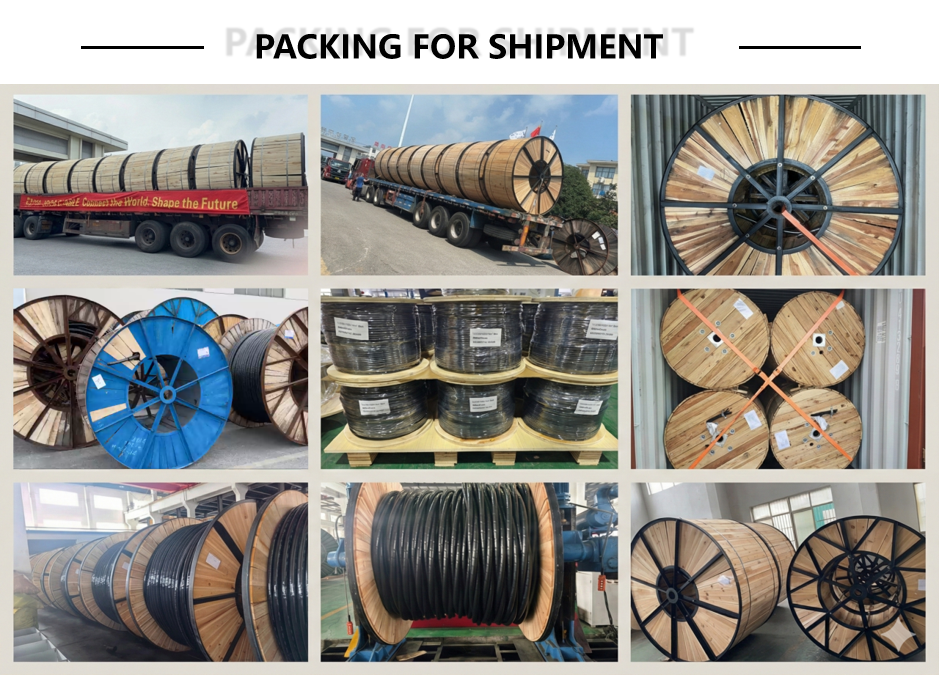
配送用梱包
さまざまな輸送ニーズを満たすために、使用できる梱包方法は数多くあります。.
もっと質問がありますか?
Q: What is the main difference between KVV and power cables?
A: Think of power cables as the muscle and KVV as the brain. Power cables carry heavy electricity, while KVV handles control signals. KVV usually operates at lower voltages (450/750V) but contains many more cores—sometimes up to 61—to manage complex commands.
Q:Can I use standard KVV cable outdoors or underground?
A: Standard KVV is best suited for indoor installation in conduits or trenches. It isn’t built for direct burial because it lacks steel armor protection. If you need to bury it, we suggest upgrading to KVV22 (Steel Tape Armored). For outdoor use exposed to sun, we can add UV resistance to the outer sheath upon request.
Q: When should I choose the shielded version (KVVP) instead of KVV?
A: If your cable runs near high-voltage lines or heavy machinery, signal interference can be a problem. In those cases, you should definitely opt for KVVP. The copper wire braiding or copper tape shield acts as a barrier to keep your control signals clean and stable.
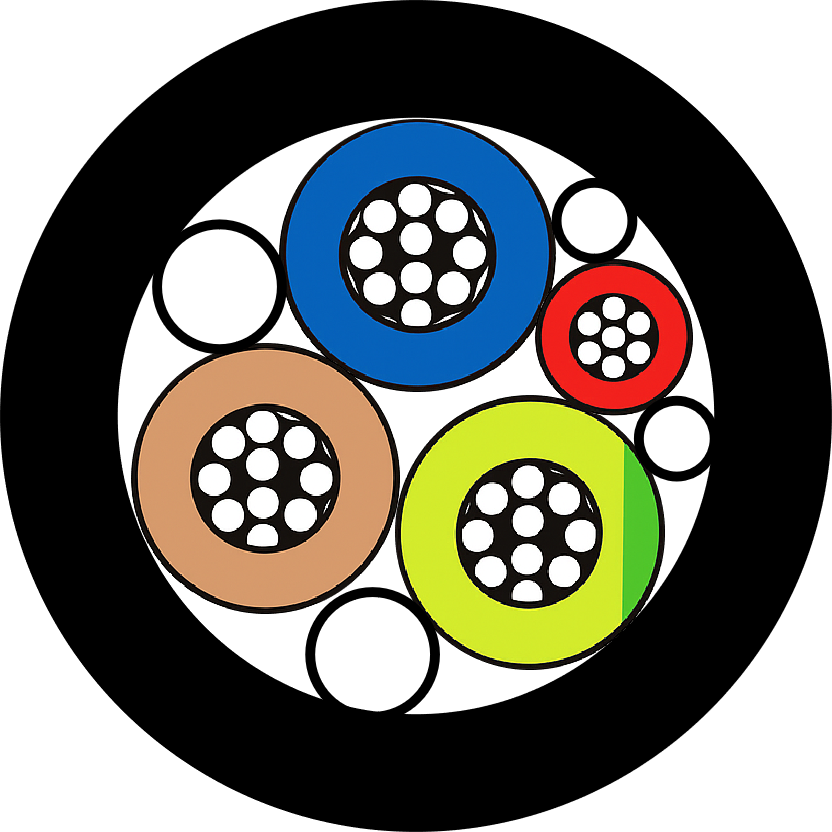
Q: How are the cores identified inside the cable?
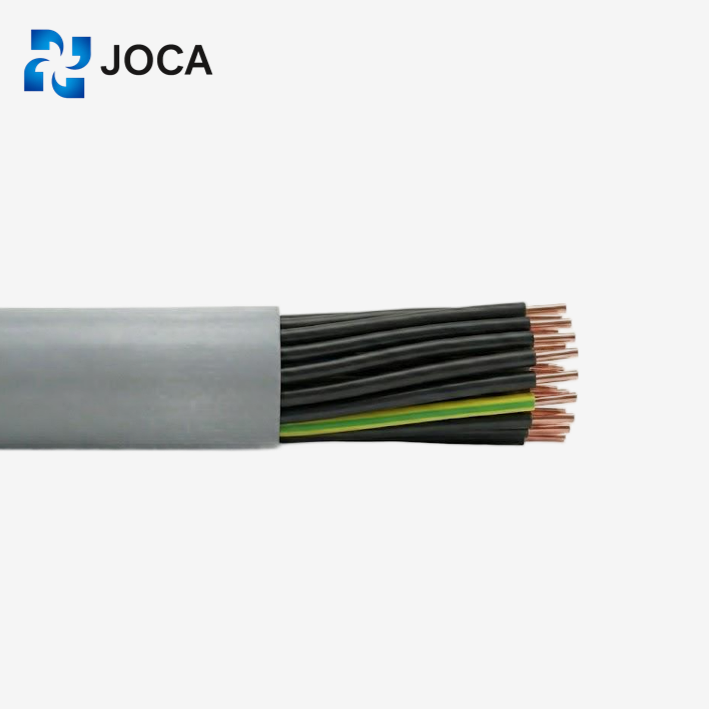
A: For cables with a small number of cores (usually under 5), we use different colors. For cables with many cores (like 10, 20, or more), we use white numbering on black insulation. This makes it much faster for your electricians to trace connections during installation.
Q: Is the conductor solid or flexible?
A: It depends on your preference. We offer both Class 1 (Solid copper) and Class 2 (Stranded copper). Most clients prefer the stranded Class 2 version because it is easier to bend and route through tight cable trays compared to the stiff solid version.
Q: What is the temperature rating for this cable?
A: The standard PVC used in KVV is rated for 70°C. However, if your environment is hotter, we can switch the insulation material to handle 90°C or even 105°C. Just let us know the operating conditions before we quote.
Q: Does this cable come with flame retardant properties?
A: The base model is standard PVC. But we frequently manufacture it as ZR-KVV (Flame Retardant). This means if a fire occurs, the cable will self-extinguish after the flame source is removed, which is a safety requirement in many industrial buildings.
Q : Can you customize the sheath color?
A: Yes. While black is the industry standard for control cables, we can extrude the outer sheath in grey, red, or other colors if you need to distinguish between different systems (like fire alarms vs. regular control) visually.