








Wiring a toggle switch might seem scary, but it could be quite simple and gratifying if you follow the instructions. In case of updating an electrical system, a self-made project, or device repair, you must know the basics of toggle switches and how to wire them. Toggle switches have an application in practically every industry, and their main role is to stop or permit the flow of current. This guide will take you through everything related to toggle switches, from their working principles to the required tools and wiring techniques step-by-step. By the time you finish reading this article, you will have acquired the needed knowledge to wire any toggle switch, leaving you confident to start your project.
Understanding Toggle Switches
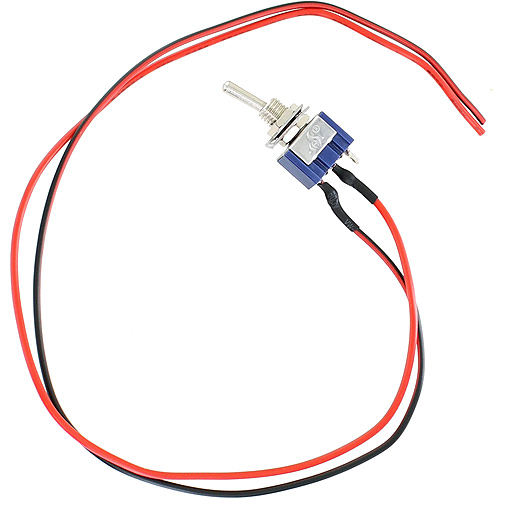
Toggle switches are the simplest type of device used to make or break an electrical circuit. They usually feature a lever or handle to move the switch between the on and off positions. These switches are provided in differing configurations, such as single-pole, double-pole, etc., to accommodate control of one or more circuits. Otherwise, being well regarded for their robustness and ease of use, toggle switches can be applied to anything, from machinery to vehicles to consumer electronics. They primarily seek to enable or prevent the flow of either AC or DC into a load in the most efficient manner.
What is a Toggle Switch?
The toggle switch is an indispensable element in modern electrical installations, intended to be manually opened or closed. It operates by changing the lever position or actuator, thereby performing actions with the flow of the current. The toggle switch stands distinguished in terms of various configurations, such as SPST (single-pole single-throw), SPDT (single-pole double-throw), or DPDT (double-pole double-throw), according to the particular use case.
Typically, toggle switches are rated by voltage and current to be compatible with the circuits that they control. For example, in industries, toggle switches attain higher current ratings from 10A to 30A and voltages of 120V or 240V, whereas smaller ones used in household appliances or devices are usually rated lower.
Industry Applications: In various industries, the switches perform critical roles. They find massive applications in automotive systems to control lighting, ignition, and auxiliary accessories. In the same vein, the toggle switches are used to control cockpit instruments and controls in aviation. Likewise, they find uses in heavy machinery, communication systems, and electronic equipment for efficient and reliable circuit control.
Durability is another standard of the toggle switches. Many are designed against harsh environmental conditions, such as excessive heat, vibration, or moisture, often with protective IP-rated enclosures. These days, some newer types feature indicator LEDs for user feedback, providing easy and intuitive operation.
Hence, the versatility, reliability, and ease of use make toggle switches a crucial part of everyday and industrial purposes in electrical engineering and design systems.
Types of Toggle Switches
Toggle switches come in all kinds of varieties, each suited for a task and an application:
| Switch Type | Configuration | 기능 | Common Applications |
|---|---|---|---|
| Single Pole Single Throw (SPST) | ON/OFF positions | Controls one circuit | Simple light or appliance circuits |
| Single Pole Double Throw (SPDT) | Two circuits | Sends current to one of two outputs | Three-way light wiring, complex wiring |
| Double Pole Single Throw (DPST) | Two connected SPST switches | Controls two circuits simultaneously | Industrial equipment requiring simultaneous disconnection |
| Double Pole Double Throw (DPDT) | Two inputs to two outputs | Reverses polarity or current direction | Motor controls, reversing motors |
| Momentary Toggle Switches | Returns to original position | Temporary activation | Car horn, reset buttons |
Each control-action toggle switch serves unique functional purposes specific to the environment, hence, having great significance in the application areas, from home appliances on one end of the spectrum to industrial systems on the other.
Applications of Toggle Switches
Toggle switches are renowned for their versatility and reliability in a wide array of fields:
- Home appliances: Light switches, power tools, and kitchen appliances with crucial on/off functionality
- Industrial systems: Control machinery, operating and stopping heavy equipment, and operating conveyor belts
- Automobile sector: Headlights, ignition, and dashboard controls requiring reliable operation under harsh conditions
- Aerospace and marine applications: Navigation systems and critical equipment requiring accuracy and ruggedness
Their versatility, coupled with a simple operating mechanism, renders them key components across various applications.
Preparing to Wire a Toggle Switch
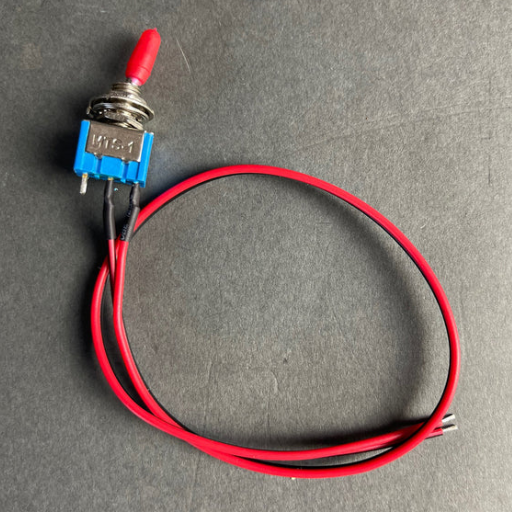
Essential Preparation Steps
- Gathering Tools and Materials: Ensure that you have the necessary instruments, such as a screwdriver, wire stripper, and electrical tape, as well as whichever wire and connector are relevant to your job.
- Turn the Power Off: To stay safe while working on the wiring, your power supply must be disconnected.
- Determine the Circuit: Check whether the toggle switch controls a single device or multiple devices, then plan the wiring pattern accordingly.
- Check the Components: Test the switch and wires for any kind of damage so as to guarantee its safe use and proper function.
- Wiring Preparation: Strip the insulation from the ends of the wires, allowing sufficient length to go around the toggle switch.
In doing so, you have now created a safe and efficient setup for wiring your toggle switch.
필요한 도구 및 재료
Some of the tools and materials needed to wire the toggle switch properly include the following:
- Toggle Switch: Select the right type of switch you need for your project; it could be a single-pole switch or a double-pole one.
- Wires: Ensure that you have wires of the appropriate gauge, usually 16 or 18 gauge, for some of the low-voltage projects.
- Wire Stripper: This is used to strip insulation cleanly off wires.
- 드라이버: Usually, a flathead screwdriver should be enough, but you might require one with a Phillips head depending on your switch’s terminals.
- Soldering Iron and Solder (optional): Enables more secure and more durable connections, especially when some vibrations are involved.
- Heat Shrink Tubing or Electrical Tape: For covering exposed connections to insulate them for safety’s sake.
- Multimeter (optional): Can be used to test continuity, proper connections, and current flow.
Having these tools and materials handy would allow for smooth and more efficient wiring of your toggle switch.
Safety Precautions
⚠️ Safety First: When working with electrical wiring, such as wiring a toggle switch, safety should always be your first concern. To have a safe and successful project, follow these precautions:
- Disconnect Power: Always turn off the power, unplug the power source, and work with no power in the circuit, as the inability to do so might lead to shocks and injuries.
- Inspect Tools and Wires: Inspect all your tools, wires, and components for damage or wear before use. Damaged tools, components, wires, or other equipment make an electrical hazard more likely.
- Use Insulated Tools: Tools with an insulated handle should always be used to guard yourself against accidental contact with live wires.
- Wear Protective Gear: Safety goggles and insulated gloves help give extra protection while working with electrical systems.
- Avoid Water and Moisture: The workspace should be kept dry since water can greatly raise the risk of electric shock.
- Understand the Circuit: Examine the wiring diagram and the purpose of the circuit to ensure that you do not configure it incorrectly, which could cause short circuits or set fire.
- Double-Check Connections: After making all connections, but before powering, check that they are mechanically strong, properly insulated, and properly oriented.
- Test the Setup: The most secure thing you could do is test continuity with a multimeter on the circuit and see that no one is faulting it before switching it on.
By adhering to all safety hazards, you reduce any chance and allow the working environment and your wiring project to work efficiently and securely.
Choosing the Right Toggle Switch
The choice of a particular toggle switch for your project depends on several considerations:
| Consideration | 세부사항 | 영향 |
|---|---|---|
| Electrical Aspects | Voltage and current ratings | Ensures safe and efficient load handling |
| Circuit Configuration | SPST, DPDT, or other configurations | Determines how switch controls the circuit |
| Construction Quality | Metal or reinforced plastic materials | Affects durability and maintenance needs |
| 환경 요인 | Waterproof or dustproof ratings | Necessary for harsh environments |
| Aesthetic and Ergonomic | Size, shape, and operation feel | Ensures design complements user interface |
Taken holistically, these elements will help guide you to choosing a toggle switch tailored exquisitely to meet the exact requirements of your electrical project.
Step-by-Step Guide to Wiring a Toggle Switch
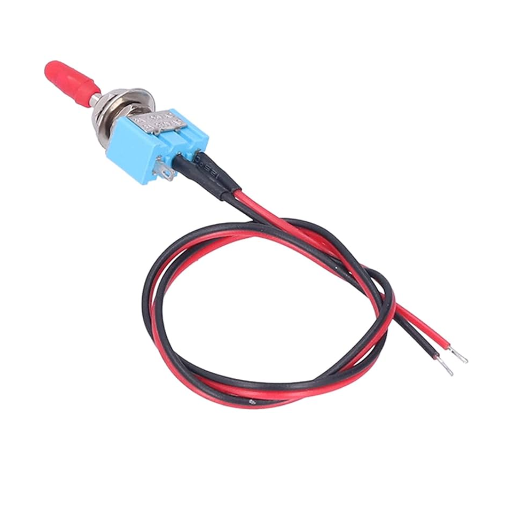
Step 1: Gather Your Tools and Materials
Make sure all the tools are available, including a soldering iron, wire cutters, crimp connectors, electrical tape, and the appropriate wires. Check that the rating of the toggle switch corresponds to your circuit requirements.
Step 2: Turn Off Power
For safety, the power supply to the circuit you want to work on must always be disconnected to avoid shocks or damage to components. Anything you do with wiring and installation of toggle switches, thus, the whole power must be disconnected from the circuit or device first. This step is necessary so that one can avoid getting an electric shock or damage to components. Turn off the power at the main circuit breaker or unplug the device from the electricity supply. Before commencing with any installation, test with a voltage tester to ensure that no current is on the wire. Ensuring that there is nothing there aligns safety-first principles to minimize risk during installation.
Step 3: Identify Wires
First, the wiring must be properly checked to ensure that correct connections exist. Usually, three main wires are involved in the working of a toggle switch; these are the live wire, the neutral wire, and the earth wire. The live wire is generally black or red, the neutral is mostly white, and the earth wire is generally green or is left bare copper. Have a look at the device wiring diagram or manual to be guided, since wire colors vary by region. If required, mark the wires for clear identification of every connection. Proper identification of the wires is important for the safe and efficient working of the switch.
Step 4: Connect the Wires to the Toggle Switch
Connecting wires to the toggle switch begins with the following steps:
- Turn Off Power: Confirm that power to the breaker has been turned off, so that the work can now be accomplished safely.
- Prepare the Wires: Strip the insulation over the end of the wires for about ½ inch or a little over 1 cm so that the stripped ends can be securely joined.
- Identify the Terminals: A toggle switch mostly comes with three terminals:
- Common Terminal (COM): Connects to the power source or load
- Input Terminal: Connects to the live wire or power source
- Output Terminal: Connects to the device or component to be controlled
Refer to the manual to confirm the terminal layout.
- 전선을 연결하십시오: Secure the wires at the terminals as follows:
- Fix the live wire at the input terminal
- Fix the load wire at the output terminal
- If needed, connect the ground wire to the grounding terminal
- Check all terminal wire connections to ensure they are tight and secure with a screwdriver
- Insulate with Care: Insulate any exposed terminal connections with electrical tape to avoid accidental short circuits.
- Test the Connection: After ensuring everything is connected and insulated, turn on the power supply. Test the operation of the switch to confirm that it works as intended.
Always double-check the wiring against the diagram(s) or instructions (s) of the toggle switch to avoid making any mistakes. If unsure or uncomfortable, contact a licensed electrician.
Step 5: Secure the Switch and Restore Power
Once the wiring has been tested and found to operate properly, the next phase is to install the toggle switch per its mounting location. Either screws or mounting brackets supplied with the switch should be utilized to keep the switch firmly in place so that it does not move when being used. Recheck everything to ensure the connections are tight and fully insulated. When you secure the switch, turn on the power to the circuit again by way of turning on the breaker or the power source. Test the toggle switch to verify it operates smoothly and as it is intended to be. In case any problems arise, turn off the power immediately and go over the wiring one more time. Safety first-at all times! Call a professional electrician if you aren’t sure what you’re doing.
Installing a Toggle Switch
Mounting the Toggle Switch
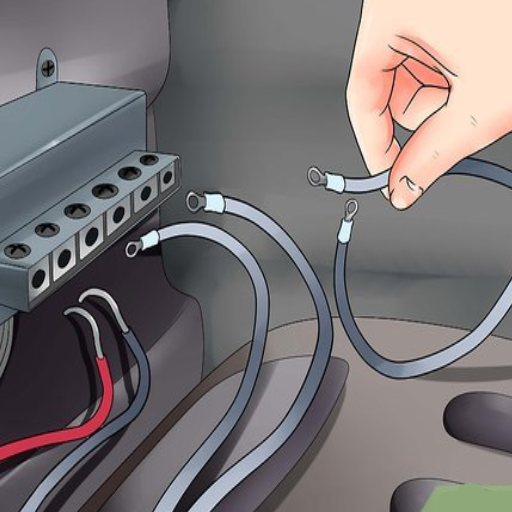
Installing a toggle switch involves a comparatively simple procedure to ensure proper operation and safety. Select a suitable location for the switch, something within reach of the operator and safe from moving parts or the intrusion of water. Use a drill or cutting tool to prepare an appropriately sized hole on the mounting surface corresponding to the dimensions of the switch. Insert the toggle switch into the hole and fasten it with the supplied mounting hardware-nuts, screws, or whatever may be included. Ensure that the switch is firm and mounted in the correct orientation.
Connecting the wires depends on the switch configuration after mounting. Usually, you will connect the power source wire, load wire, and ground wire to their respective terminals on the switch. Double-check all connections to ensure that they are secured and that no bare wires are exposed. The operation of the toggle switch should be tested immediately after wiring to verify its proper workings before completing the installation. Safety first! Always turn off the power when performing any installation, or consider hiring a certified electrician if you are unsure.
Testing Your Installation
To make sure your installation succeeds, follow these steps:
- Examine Connections: Check if all wires are properly connected to the terminals they are supposed to be connected to. Do not keep any wires loose or exposed; rectify such situations immediately.
- Turn On the Power: Turn on the circuit’s power by switching on the breaker or power supply.
- Test the Toggle Switch: Turn the switch ON and OFF while looking at its controlled device; the controlled device (an incandescent lamp, motor, etc.) should operate accordingly.
Troubleshooting:
- If the device does not operate, ensure the wiring is correct with respect to the wiring diagram.
- Using a multimeter, check continuity and confirm that the voltage is present at the switch terminals and at the load.
- Check if the defective switch is the cause by using it or testing another.
If the toggle switch does not work even after you do some troubleshooting, then the services of an expert electrician might be needed. Testing is important to ensure the safe installation of the device and that it actually works before it can be used in the normal way.
Troubleshooting Common Issues
Check the following for common problems with toggle switches:
| Problem | Possible Causes | 솔루션 |
|---|---|---|
| Switch Does Not Work | Incorrect wiring, faulty switch | Double-check wiring using diagram; test for continuity with multimeter |
| No Power to the Load | Disconnected/damaged power supply | Check power supply connections; measure voltage at switch terminals |
| Intermittent Operation | Corroded terminals, loose wires | Inspect and clean terminals; tighten loose connections |
If the problem persists after these checks, it would be best to bring in a qualified electrician for safety reasons.
Purchasing a Toggle Switch
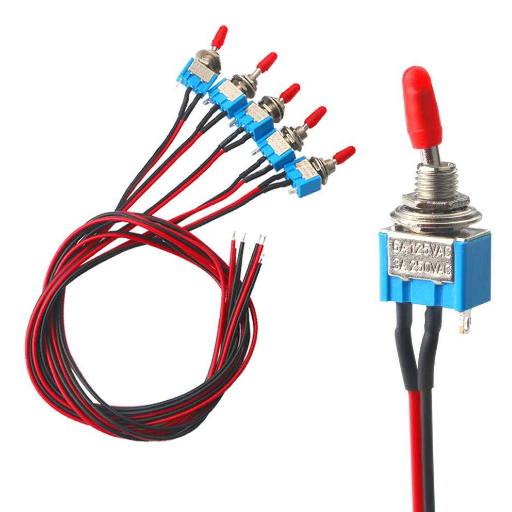
The following has been discussed with the important considerations for toggle switch purchases:
- Electrical Ratings: The voltage and current rating of the toggle switch must be considered in the range of application so as not to cause malfunctioning or hazards.
- Switch Type: Since several different circuits require either single-pole, double-pole, or any other configurations for the toggle-switch; thus, it is a matter of consideration.
- 내구성: Higher-quality material must be used in the toggle switches so that they can last longer, especially if they are to be used in harsh environments.
- Application: A toggle switch shall be chosen for a particular application: automotive, household, or industrial.
- Size and Fit: Make sure the dimensions of the switch are a perfect fit for the setup or panel where it is going to be installed.
- Certifications: A certification should be checked so that the switch complies with safety standards, like UL or CE.
By considering the above-mentioned things, you can choose a toggle switch that fits your needs perfectly, with safety and reliability.
Where to Buy Toggle Switches
Search in several good places when in the market for toggle switches:
| Retailer | Specialization | 혜택 |
|---|---|---|
| Amazon | General marketplace | Extensive variety for automotive, home, and industrial applications; customer reviews; competitive pricing |
| Home Depot | Home improvement | Residential and heavy industrial applications; in-store pickup; product advice |
| 마우저 일렉트로닉스 | Electronic components | Technical specifications; professional-grade certified parts; precise technical needs |
These platforms can grant you access to a wide array of options, from bargain switches to custom-made, premium-grade switches to suit the requirements of your application.
Factors to Consider When Purchasing
In my thinking about buying toggle switches, I consider some important factors to make sure I make the right choice:
- Durability and Materials: Look at the durability and materials of the switch because this affects its working ability and longevity.
- Electrical Specifications: Consider specifications relating to voltage and current, ensuring suitability for the project at hand.
- Switch Configuration: Pick the type of toggle switch (SPDT, DPDT) according to what you really need.
- Quality Verification: Read customer reviews and certifications to confirm the quality and reliability before buying them.
Comparing Prices and Quality
When the price and quality of toggle switches are discussed, one should begin by choosing among well-known suppliers in the industry of electronic components. Websites such as Digi-Key, Mouser, and Amazon usually give an array of choices along with specifications on each option. Pricing differs based upon attributes such as the exact type of toggle switch (SPDT, DPDT, for instance), material elements, and the manufacturer’s name.
Quality Indicators: Generally speaking, expensive toggle switches enjoy sturdy builds, high current-rating capability, and are usually UL- or CE-certified. Well-worth customer reviews and ratings enable one to separate those toggles that achieve a reasonably sufficient price point into the different factors of quality and performance.
Remember to consider the shipping cost and any other possible charges while calculating the overall value.
Final Safety Reminder: Always prioritize safety when working with electrical components. If you’re unsure about any aspect of wiring or installation, consult with a qualified electrician. Proper installation ensures both safety and optimal performance of your toggle switch system.
참조 소스
“Filtered Leakage Current Measurement for Various Loads”
“eZWSN-Exploring Wireless Sensor Networking Lab Version”
자주 묻는 질문 (FAQ)
어떻게 하나의 와이어가 토글 스위치입니까?
먼저 장치의 전원을 차단합니다. 그런 다음 스위치를 설치하려는 공급 와이어를 자릅니다. 스위치에 수반되는 지침에 따라 끝을 벗겨 스위치 단자에 부착하십시오. 와이어 너트 또는 솔더 연결을 사용하여 사운드 회로를 보장하십시오.
토글 스위치의 종류는?
토글 스위치의 모든 종류가 있습니다; 예를 들어 SPST (단극 단일 던지기), SPDT (단극 이중 던지기) 및 DPDT (이중 극 이중 던지기). SPST 스위치는 단일 회로를 켜고 끄는 간단한 온-오프 토글 스위치입니다. 그러나 SPDT 및 DPDT 스위치는 다수의 회로를 켜고 끄거나 다른 회로 구성을 허용하는 데 사용될 수 있습니다.
토글 스위치를 구입할 때 고려해야 할 사항은 무엇입니까?
토글 스위치를 구입할 때 스위치 1 의 유형이 SPST,SPDT 또는 DPDT 일 수 있는지,스위치의 등급 및 회로에 필요한 구성을 고려하십시오. 또한 스위치의 크기,보다 구체적으로 스위치 부싱의 직경을 확인하여 응용 분야에 맞는 품질을 보장하기 위해 평판이 좋은 제조업체를 선택했는지 확인하십시오.
토글 스위치의 어떤 부분이 배선에 필수적입니까?
토글 스위치의 배선 필수품에는 공급 와이어가 연결될 표시인 스위치 단자와 회로를 열거나 닫는 데 사용되는 토글 레버가 포함됩니다. 때로는 전기 설정을 더욱 안전하게 만들기 위해 접지 단자가 제공됩니다.
토글 스위치 SPST 및 DPDT 를 만드는 것은 무엇을 의미합니까?
반면,SPST 형 토글 스위치는 하나의 회로를 동작시키는 온-오프 타입의 스위치인 반면,DPDT 타입은 두 개의 분리된 회로를 동작시킬 수 있으므로,구성에서의 사용을 더욱 복잡하게 만들며,DPDT 스위치는 별도의 전력 및 별도의 활성화를 제어함으로써 동작하는 두 개의 전원 또는 장치들 사이에서 선택할 필요가 있을 때 사용된다.
설치 후 토글 스위치를 어떻게 테스트합니까?
To check for your switch, restore any power to the circuit first. Next, try operating your switch to open and close the circuit. You can also take your multimeter and check for continuity at the switch terminals.
What tools should I have in tools to wire a toggle switch?
To wire a toggle switch, wire cutters will be needed to cut the supply wire, wire strippers to strip wire ends (either supply or switch wires), and a soldering iron if you want to solder the connections, or you could just use wire nuts to hold the connections together. Having these tools available will make the installation much easier.