






De belangrijkste elementen van industriële en commerciële elektrische systemen zijn betrouwbaarheid en efficiëntie Een essentiële factor voor krachtoverbrenging op een prestatieniveau dat aan veiligheidscriteria voldoet, is de MV-105 kabel. Maar wat is een MV-105-kabel, en waarom wordt deze breed gebruikt in middenspanningstoepassingen? Hier onderzoeken we de kenmerken, toepassingen en voordelen van de MV-105-kabels om een duidelijk idee te geven van hun belang in de hedendaagse infrastructuur. Of u nu een elektrotechnisch ingenieur, facility manager of gewoon een nieuwsgierig persoon bent die elektrische componenten wil begrijpen, dit artikel zal u zeker informeren over de werking van MV-105-kabels en hun belang voor verschillende industrieën. Laten we dus eens duiken en kennis maken met alles aan deze krachtige en veelzijdige kabel.
Overzicht van MV-105 Kabel
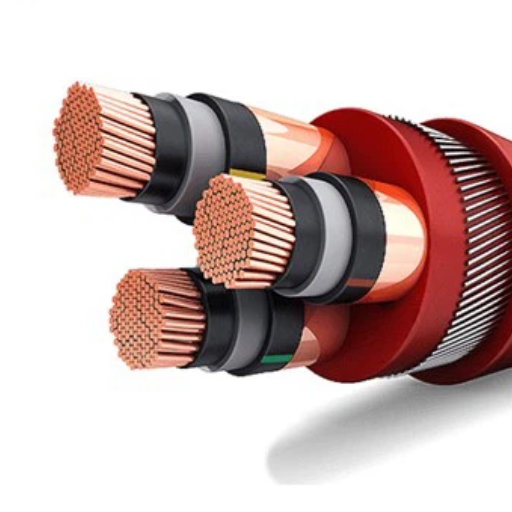
Een middenspanningskabel die gewoonlijk wordt gebruikt voor industriële en commerciële transmissie en distributie van stroom is de MV-105-kabel. MV-105-kabels hebben een nominaal vermogen voor spanningen tot 15 kV en bestaan uit een koperen of aluminium geleider, EPR-isolatie en een buitenmantel die bescherming biedt. Dit ontwerp biedt betrouwbaarheid, weerstand tegen hitte en vocht, en weerstand in ruwe omgevingen. Dankzij het hoge thermische vermogen en de flexibiliteit van deze kabel kan deze in een breed scala aan omgevingen worden geïnstalleerd, vooral ondergronds en in afgesloten ruimtes.
Wat is MV-105-kabel?
De MV-105-kabel is ontworpen voor de transmissie van stroom bij middenspanningen in industriële, commerciële en nutsomgevingen, met een vermogen van minder dan 15 kV. De constructie omvat een koperen of aluminium geleider voor een goede elektrische geleidbaarheid, met GPR-isolatie voor verbeterde elektrische eigenschappen en weerstand tegen hitte en omgevingsfactoren. Buiten de isolatie worden een halfgeleidend schild en een metalen schild aangebracht om spanningscorrectie te bieden en elektrische veldspanningen te minimaliseren.
De gehele kabel wordt bedekt door een buitenmantel van goede mechanische sterkte, vochtbestendig, en chemisch bestendig PVC of een ander geschikt materiaal De “105” rating geeft aan dat de kabel continu kan werken bij 105 °C met zeer efficiënte en betrouwbare operationele prestaties.
MV-105's zijn zeer geschikt voor gebruik in ondergrondse systemen, leidingen en directe begravingstoepassingen Deze kabels zijn bijzonder geschikt voor stroomverdeling in gebieden die een zeer hoge thermische weerstand, duurzaamheid en flexibiliteit vereisen. Ze voldoen ook aan normen zoals ICEA S-93-639 en AEIC CS8 om een uniforme kwaliteit te behouden en te voldoen aan de veiligheidseisen. Dit maakt ze levensvatbaar voor de installatiebehoeften van Mexicaanse kritische energiesystemen en een harde behandeling.
Specificaties van Type MV-105
MV-105 kabels zijn middenspanningskabels met een vermogen tot 35 kV, ontworpen met koperen of aluminium geleiders, en geïsoleerd met ethyleenpropyleenrubber (EPR) Ze zijn geschikt voor directe begravings - of leidinginstallaties in industriële toepassingen.
|
Key Point |
Specificatie |
|---|---|
|
Voltage |
Tot 35kV |
|
Conductor |
Koper/aluminium |
|
Isolatie |
EPR |
|
Temperatuur |
105°C (max) |
|
Application |
Directe begrafenis |
|
Standaarden |
ICEA, AEIC |
|
Flexibiliteit |
High |
|
Duurzaamheid |
Uitzonderlijk |
|
Resistance |
Thermisch, Vocht |
|
Gebruik |
Industriële kracht |
Toepassingen van MV-105-Voedingskabel
De MV-105 stroomkabels, die sterkte en efficiëntie belichamen in extreme spanningsomstandigheden, bevorderen de industriële kar-wiel oriëntatie in zware situaties Als de draden zich richten op voedingssystemen met spanningen tot 35kV, is hun primaire toepassing op het gebied van zware stroomverdeling. Hiermee zijn enkele toepassingsgebieden van MV-105-kabels
Nutsdistributiesystemen: In ondergrondse nutsdistributiesystemen worden deze kabels vaak gebruikt. Het kunnen weerstaan van directe begravingsomstandigheden, samen met een bedrijfstemperatuur van 105 graden (Celsius), helpt bij ononderbroken stroomafgifte, zelfs als de omgeving bedreigend is.
Industriële faciliteiten: Deze kabels blijven intensief gebruikt in industriële installaties, productie-eenheden, chemische fabrieken en energieopwekkingsfaciliteiten. Dankzij de thermische, chemische en vochtbestendige eigenschappen kunnen de kabels gedurende langere perioden goed dienen bij zulke ernstige toepassingen.
Onderstationverbindingen: MV-105-kabels dienen goed voor stroomverbindingen op onderstations waar hoge spanning en flexibiliteit vereist zijn De kabels, met de beste isolatie-eigenschappen die worden geboden door ethyleenpropyleenrubber (EPR), minimaliseren de kans op elektrische storingen.
Installaties voor hernieuwbare energie: Ze hechten groot belang aan installaties voor hernieuwbare energie, zoals windparken en zonnevelden, waar de overdracht van elektriciteit van apparatuur voor energieopwekking naar het elektriciteitsnet bekabelingsapparatuur van topkwaliteit vereist.
Commerciële complexen en campussen: Het wordt voornamelijk gebruikt in commerciële hoogbouwcomplexen, ziekenhuizen en universiteitscampussen voor stroomlevering van klasse 1 en klasse 2 via enorme elektriciteitsnetten, hoewel de kabel zelf tijdens de installatie bestand is tegen trekbelastingen.
Volgens de uiteenlopende industriestandaarden, zoals ICEA en AEIC, worden MV-105-kabels vervaardigd om uitstekende isolatie en afscherming te hebben, waardoor het energieverlies wordt beperkt en tegelijkertijd de veiligheid wordt gewaarborgd. Bovendien vergemakkelijken ze met grotere flexibiliteit een eenvoudige installatie, zelfs in complexe leidingsystemen, waardoor arbeid en stilstand worden verminderd. Met een gevestigde geschiedenis van goed presteren onder ongunstige omstandigheden, wordt de MV-105 algemeen gekozen voor langetermijntoepassingen die een kritische stroomverdeling vereisen.
MV-105 Constructie en materialen
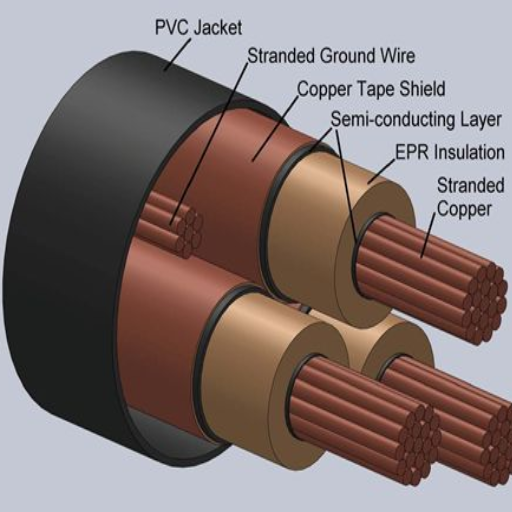
De MV-105 kabel is een naam die verwijst naar de constructie van een kabel met behulp van betere materialen voor hoge prestaties eisen Meestal wordt koper of aluminium gebruikt als geleider, wat zorgt voor een uitstekende elektrische geleidbaarheid Anderzijds is de geleider omgeven door een strengafscherming en vervolgens door isolatie gemaakt van ethyleenpropyleen rubber (EPR), die uitstekende diëlektrische eigenschappen en hittebestendigheid heeft Over de isolatie is een halfgeleidend isolatieschild om een uniforme verdeling van het elektrische veld te garanderen Het metalen schild bestaat doorgaans uit kopertape, die zowel aardings - als afschermingsfuncties dient Buiten het metalen schild liggen de buitenmantels, gemaakt van PVC of polyethyleen materiaal, om te beschermen tegen gevaren voor het milieu, zoals vocht, chemicaliën, en mechanische constructie MV0 betrouwbaar en betrouwbaar maakt industriële kabels.
Materialen die worden gebruikt in MV-105 voedingskabel
MV-105 stroomkabels, voorzien van een speciale constructie en met gebruikmaking van hoogwaardige materialen, zijn ontworpen om een balans te vinden tussen elektrische prestaties, duurzaamheid en veiligheid De primaire materialen zijn
Leider: De geleider is ontworpen om optimale geleidbaarheid te bieden met behulp van koper of aluminium. Koper heeft over het algemeen de voorkeur vanwege zijn grotere geleidbaarheid en flexibiliteit, terwijl aluminium wordt gebruikt wanneer gewicht en kosten een probleem zijn. De koperen geleider is doorgaans vervaardigd om te voldoen aan de ASTM B8-norm, waardoor goede prestaties in middenspanningssystemen worden gegarandeerd.
Isolatie: XLPE is het meest gebruikte isolatiemateriaal voor de kabel Het vertoont betere diëlektrische eigenschappen en thermische stabiliteit dan andere materialen die vocht binnenlaten Het XLPE-isolatiesysteem zou efficiënt werken bij hoge temperaturen, typisch bij 105 °C, zoals gespecificeerd in de kabelstandaard.
Halfgeleidende Laag: Een halfgeleidend schild bedekt de binnengeleider, en een ander halfgeleidend schild bedekt ook de buitenkant van de isolatie Deze schilden bestaan uit halfgeleidende thermoplastische of thermohardende verbindingen In wezen voorkomen ze elke niet-uniformiteit op elektrisch gebied die diëlektrische spanning kan veroorzaken, waardoor voortijdige storingen in isolatiematerialen worden verminderd.
Metallic Shield: Het metalen schild, typisch gemaakt van koperen tape of draad, omringt het isolatieschild Dit schild dient een tweeledig doel: het fungeert als een retourpad voor foutstromen en voorkomt dat elektromagnetische interferentie (EMI) aangrenzende kabels of apparaten verstoort, waardoor de operationele veiligheid wordt vergroot Koperen tape-ontwerpen van schilden zijn doorgaans bedoeld om, indien nodig, kortsluitstromen te transporteren.
Buitenjas: De buitenste beschermlaag, ook bekend als de kabelmantel, bestaat voornamelijk uit polymere materialen, zoals PVC of polyethyleen. Ze zorgen voor weerstand tegen mechanische schaafwonden, chemicaliën, UV-straling en andere agressieve omgevingselementen. Voor buiten- of ondergrondse installaties moeten de mantels die op de kabels worden gebruikt, worden beoordeeld op extra vocht- en corrosieweerstand.
De combinatie van deze materialen maakt het mogelijk dat MV-105 kabels hogere prestatie - en veiligheidsparameters bereiken, waardoor ze geschikt zijn voor middenspanningstoepassingen, zoals industriële stroomvoorziening, elektriciteitsnetten en ondergrondse installaties Het hoogwaardige ontwerp biedt een lange levensduur, weerstand tegen zware werkomgevingen en betrouwbare elektrische prestaties.
Koper versus aluminium geleider in MV-105
Wat betreft MV-105 kabels, de keuze tussen aluminium en koperen geleiders houdt een afweging in tussen efficiëntie, kosten, en prestaties Koperen geleiders staan goed bekend om hun uitstekende elektrische geleidbaarheid, ongeveer 61% hoger dan die van aluminium voor hetzelfde dwarsdoorsnedeoppervlak Kiezen voor koper zal daarom resulteren in verminderde vermogensverliezen over lange afstanden Door zijn hogere treksterkte verhoogt het koper de mechanische duurzaamheid en weerstand tegen mogelijke schade tijdens de stadia van productie, installatie, of werking.
Aluminium daarentegen wordt lichter geacht in gewicht, met ongeveer 30% van het stroomvoerende vermogen van koper, Dit maakt ze gemakkelijk te hanteren en te installeren, waardoor ze geschikt zijn voor overheadinstallaties en locaties waar kostenreductie een prioriteit is De prijs per gewichtseenheid aluminium is aanzienlijk lager dan die van koper, waardoor minder kostbare toepassingen in grote projecten en nutsvoorzieningen worden gerealiseerd.
Terwijl aluminium de neiging heeft om meer uit te zetten dan koper per warmte, kunnen talrijke montage- en ontwerpopties de betrouwbaarheid van de verbinding over een lange periode vergemakkelijken en daardoor garanderen. De voorkeur voor koperen of aluminium geleiders voor gebruik in MV-105-kabels hangt dus af van de specifieke mechanische, operationele en economische behoeften van de middenspanningstoepassing. Elk materiaal is zeer geschikt voor verschillende doeleinden wanneer het zorgvuldig is afgestemd op de ontwerpcriteria.
Isolatietypes: EPR en de voordelen ervan
Ethyleenpropyleenrubber (EPR), zijnde een zeer veelzijdig en duurzaam materiaal, wordt veel gebruikt voor isolatie in middenspanningskabeltoepassingen Met uitstekende thermische stabiliteit kan het goed functioneren binnen een temperatuurbereik van -50 °C tot 150 °C, waardoor het een grotere acceptatie vindt in zware omgevingsomstandigheden. In de aanwezigheid van vocht, ozon of UV-stralen is een van de grootste eigenschappen de ondoordringbaarheid ervan; dus de isolatie zal vele jaren effectief blijven, zelfs in buiten- of ondergrondse omgevingen.
De flexibiliteit die EPR biedt is een bijkomend voordeel van het installeren van kabels met behulp van deze isolatie, vooral in situaties waarin er zeer weinig ruimte is of frequente bochten nodig zijn. Daarentegen vertoont EPR-isolatie over het algemeen superieure diëlektrische eigenschappen, wat resulteert in een efficiënter elektrisch systeem en verbeterde betrouwbaarheid. Recente evoluties in EPR-formuleringen hebben hun prestaties op het gebied van ontladingsweerstand en levensduur van de kabel verder verbeterd door elektrische spanning te verlichten.
Studies onderzoeken het feit dat kabels geïsoleerd met EPR stabiele elektrische eigenschappen behouden, zelfs na langdurige blootstelling aan hoge spanningen, en daardoor fungeren als veilige en betrouwbare beschermende isolatie voor elektrische energiesystemen Uit veldbewijs blijkt dat op EPR gebaseerde kabelsystemen minder verslechtering ervaren in vergelijking met oudere isolatiesystemen, wat de voordelen van EPR-verbeteringen aan de kerninfrastructuur en industriële toepassingen verder benadrukt De combinatie van veerkracht, flexibiliteit en diëlektrische sterkte blijft EPR tot een populair merk maken in moderne middenspanningskabelsystemen.
Prestatiekenmerken van MV-105
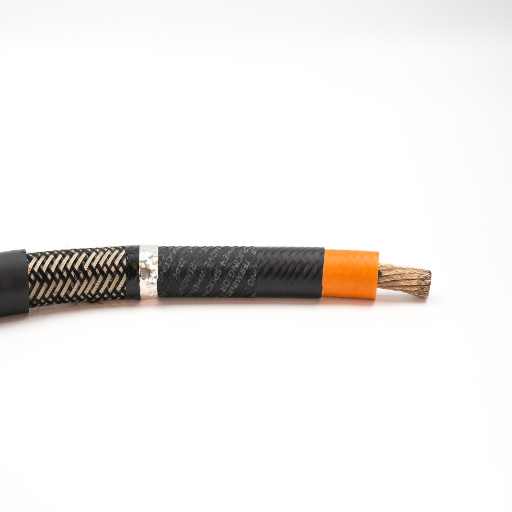
MV-105 kabels zijn middenspanningsstroomkabels met een bedrijfsspanning van 15 kV. Ze bezitten de hoogste diëlektrische sterkte en hebben een goede weerstand tegen warmte en vocht De kabels gebruiken een combinatie van EPR-isolatie en een stijf mantelmateriaal om ze robuust te maken tegen omgevingskrachten. Hun nominale bedrijfstemperatuur is 105 °C, dus onder aanhoudende warmtebelasting zouden de kabels volledig blijven presteren met uitstekende weerstand tegen elektrische spanning. Toepassingsgebieden zoals industriële faciliteiten, stroomdistributiesystemen en andere veeleisende toepassingen maken MV-105-kabels tot een betrouwbare keuze.
Spanningsbeoordelingen en prestaties van 15kV MV-105
De 15kV MV-105 kabels zijn ontworpen voor middenspanningstoepassingen, waarbij de spanning tot 15.000 volt varieert Deze kabels voldoen aan de industriestandaarden, waaronder AEIC CS8, ICEA S-93-639/NEMA WC74 en UL 1072, om de veiligheid en betrouwbaarheid in elektrische systemen te garanderen. Omdat ze stijver, geïsoleerd en voorzien van mantels zijn, stellen de isolatie- en mantelsystemen van deze kabels ze verder in staat uitstekend te presteren onder mechanische, thermische en elektrische spanningen.
Cruciaal voor hun efficiëntie is het bieden van optimale stroomvoerende capaciteiten bij omgevingstemperaturen tot 105 °C. De kabels bieden verbeterde diëlektrische sterkte, verminderd gedeeltelijk ontladingspotentieel en uitstekende weerstand tegen vocht- en chemische aanvallen, waardoor de levensduur van de kabel en de stabiliteit van de service worden verbeterd. Deze kabels maken ook het afhandelen van tijdelijke elektrische pieken mogelijk, veroorzaakt door kortsluiting en overbelastingsstromen, waardoor ze geschikt zijn voor zware industriële en nutstoepassingen.
De capaciteit wordt doorgaans gespecificeerd in datasheets en testrapporten voor kabels, variërend van ongeveer 600 ampère, afhankelijk van de installatieconfiguratie, zoals directe begraving of gebruik in kanalen. Deze eigenschappen, samen met de mogelijkheid van de kabels om corona-ontladingen overal langs de kabellengte en -afsluiting te onderdrukken, maken dit tot een van de meest betrouwbare opties voor middenspanningstransmissie die beschikbaar zijn voor moderne elektrische infrastructuur.
Temperatuurbeoordelingen en milieuoverwegingen
Middellange spanningskabels zijn ontworpen om betrouwbaar te werken onder wisselende temperatuuromstandigheden, die in de loop van de tijd kunnen veranderen als gevolg van factoren zoals installatie, werking of omgevingsinvloeden. Temperatuurparameters voor de typische kabel kunnen bijvoorbeeld worden uitgegeven voor werking op korte termijn versus in normale toestand. Normaal gesproken is de maximaal toegestane temperatuur van de geleider bij continu gebruik 90 °C voor XLPE-geïsoleerde draden. Tijdens kortsluiting (niet langer dan 5 seconden) kan deze oplopen tot 250 °C. EPR-geïsoleerde kabels hebben meestal vergelijkbare operationele parameters.
Een zeer belangrijke factor bij het bepalen van de wijze waarop een kabel presteert, is de omgevingsconditie, voornamelijk omgevingstemperatuur, evenals de installatiemethode. Bij koud weer kunnen kabels tijdens opslag en installatie bestand zijn tegen temperaturen tot -40 °C, waarbij sommige gespecialiseerde kabels worden beoordeeld op nog koudere extremen. UV-bestendigheid en vochtbescherming worden ook als noodzaak aangemerkt als de kabel wordt blootgesteld aan directe blootstelling aan zonlicht en als deze in een atmosfeer met een gevaarlijk hoge luchtvochtigheid wordt gelegd. Daartoe worden effectieve beschermende omhulsels en vochtblokkerende technieken gebruikt om een lange levensduur en functionaliteit te garanderen.
Ten slotte moeten er afleidingsfactoren worden toegepast op kabels die zijn gelegd in gebieden met ongewoon hoge temperaturen of in besloten ruimtes waar de warmteafvoer kan worden belemmerd. Met deze factoren worden een goed ontwerp en een grondige thermische analyse cruciaal voor het maximaliseren van de operationele efficiëntie van de kabel en het garanderen van naleving van de industrienormen. Dit garandeert dat middenspanningskabels veilig stroom zullen overbrengen onder ongunstige omgevingsomstandigheden.
Duurzaamheid en levensduur van MV-105-stroomkabels
MV-105 stroomkabels zijn ontworpen voor verbeterde sterkte en duurzaamheid, waardoor ze zeer geschikt zijn voor middenspanningstoepassingen in verschillende industrieën en nutsvoorzieningen. Deze kabeltypen, vervaardigd met behulp van stevige materialen zoals verknoopte polyethyleen (XLPE) isolatie, geven de kabels hun eigen vermogen om hitte bij hoge temperaturen te weerstaan en jarenlang mechanische spanning te verdragen, zelfs onder ongunstige omstandigheden.
Ze zijn daarom zeer duurzaam, werken normaal bij een temperatuur van 105 °C, en praktisch toegestaan om noodoverbelastingen bij 140 °C te dragen De isolatiesystemen zullen vocht, chemische aantasting, en fysieke mishandeling weerstaan zolang de kabel niet wordt behandeld met een middel dat de buitenste omhulling of de binnenste eigenschappen van de isolatie zal aantasten Studies hebben aangetoond dat, met de juiste installatie en naleving van kabelbeheerpraktijken, de levensduur van kabels kan worden verwacht om meer dan 30 jaar onder normale omstandigheden.
De verhoogde weerstand tegen schuren en stoten geeft de kabel ook een hogere kans om ondergronds te worden geïnstalleerd wanneer deze wordt blootgesteld aan externe krachten Deze sterkte zorgt voor stabiele prestaties en minimaliseert de stilstandtijd die nodig is voor reparaties en herstarts als gevolg van kabelstoringen Periodieke inspecties en onderhoud kunnen helpen problemen te identificeren en de betrouwbaarheid te behouden. In totaal zijn MV-105-stroomkabels een aanzienlijk duurzame en langetermijnoplossing voor de huidige stroomverdeling.
Installeren en onderhouden van de MV-105
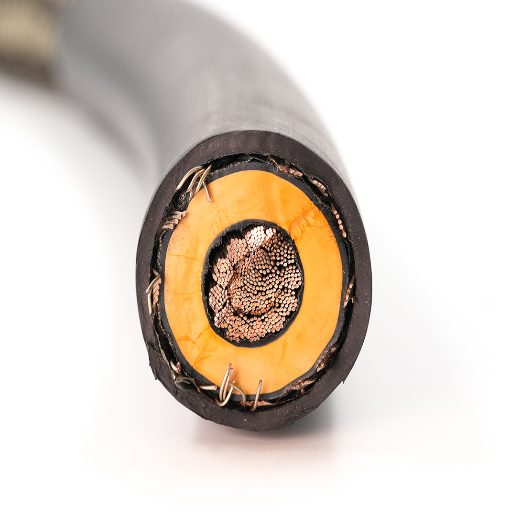
Voor een goede prestatie en levensduur moeten MV-105 kabels perfect worden geïnstalleerd en onderhouden Tijdens de installatie is het essentieel om de richtlijnen van de fabrikant strikt te volgen, inclusief een passende behandeling en het vermijden van alle mogelijke oorzaken van schade. Er moeten goede strip-, buig- en beveiligingstechnieken worden gebruikt en alle verbindingen moeten worden gelegitimeerd om ervoor te zorgen dat ze vochtbestendig zijn.
Onderhoud omvat regelmatige visuele inspecties om elk teken van slijtage, corrosie of andere schade op te sporen Periodieke tests, zoals tests van de isolatieweerstand, moeten ook worden uitgevoerd om vroege punten van zorg te detecteren Kabels moeten altijd schoon worden gehouden, vrij van oliën en stof die ze kunnen verontreinigen, om hun efficiëntie te behouden. Bovendien moeten er zo snel mogelijk reparaties worden uitgevoerd met betrekking tot het potentiële probleem om te voorkomen dat het escaleert tot een grotere storing, waardoor een soepele stroomdistributiestroom wordt gegarandeerd.
Best Practices voor het installeren van MV-105-kabel
Om veilig en efficiënt MV-105 kabel te installeren, volg deze best practice richtlijnen:
Goede behandeling en opslag: bewaar MV-105-kabels in een schone, droge en temperatuurgecontroleerde omgeving. Dit voorkomt het binnendringen van vocht of schade aan de kabelisolatie en de mantel. Zorg er tijdens het hanteren voor dat deze niet voorbij de minimale buigradius van de kabel wordt gebogen, zoals gespecificeerd door de fabrikant, om de structurele integriteit ervan te behouden.
Bereiding van leidingen en sleuven: De installatie van leidingen en de voorbereiding van sleuven moeten worden uitgevoerd om de spanning op de kabels tijdens het trekken van kabels tot een minimum te beperken. De leidingen moeten vrij zijn van vuil, scherpe randen of enige belemmering. Bij het installeren van kabels door directe begraving wordt aanbevolen een sleufdiepte van minimaal 24 inch te handhaven, zoals gespecificeerd in lokale codes, met voldoende zand- of fijne grond.
Technieken voor het trekken van kabels: De juiste apparatuur moet worden gebruikt om te voorkomen dat spanning tijdens het trekken de kabelinstallatie beschadigt Gebruik een smeermiddel dat compatibel is met het kabelmateriaal om wrijving te minimaliseren Houd de trekspanning in de gaten en zorg ervoor dat deze nooit de limieten overschrijdt die voor de kabel zijn vastgesteld, omdat overmatige trekkracht de isolatie of de geleider binnenin kan beschadigen.
Beëindigingen en Splicing: Gebruik accessoires zoals aanbevolen door de fabrikant en volg de bijbehorende instructies voor het beëindigen en verbinden Alle connectoren moeten stevig worden gekrompen en goed geïsoleerd om elektrische storingen te voorkomen De betrouwbaarheid van de las moet worden vastgesteld door testen na het splitsen, zoals gedeeltelijke ontlading of hoogspanningstests.
Aarding en verlijming: Een goede aarding van de MV-105 kabelafscherming is essentieel voor de veiligheid en de beperking van elektromagnetische interferentie Metalen onderdelen en behuizingen moeten volgens geaccepteerde commerciële normen aan de grond worden gehecht, waardoor aardlussen worden geëlimineerd.
Testen na installatie: Hoogspanningsbestendig testen, met spanningsniveaus variërend van ongeveer 200% tot 250% van de nominale spanning van de kabel, vormt de test voor de installatie. Dit zorgt ervoor dat geen fouten die voortkomen uit de productie of installatie tot een eventuele storing kunnen leiden.
Naleving van normen: Zorg ervoor dat de installatie voldoet aan relevante normen, zoals IEEE 400 en de National Electrical Code (NEC), evenals aan toepasselijke netnummers, om een veilige werking te garanderen en apparatuurstoringen of andere problemen te voorkomen die kunnen leiden tot codeovertredingen.
Al deze praktijken kunnen, als ze tijdens de installatie aandachtig met aandacht voor detail worden toegepast, de efficiënte werking van de MV-105-kabel gedurende de hele levensduur garanderen. Daarom zijn een goede planning, kwaliteitscontroles en testen de essentiële elementen om een installatie succesvol te laten zijn.
Onderhoudstips voor MV-105-voedingskabel
Goed onderhoud van MV-105 stroomkabels is essentieel om hun levensduur te verlengen, betrouwbaarheid te behouden en consistente prestaties te garanderen Hier zijn de gedetailleerde tips voor redelijke onderhoudsprocedures:
Regelmatige visuele inspectie: Voer regelmatig visuele inspectie uit op tekenen van slijtage of schade veroorzaakt door omgevingsstress. Er kan slijtage, barsten en verkleuring worden waargenomen en er moeten onmiddellijk corrigerende maatregelen worden genomen om verdere degradatie te voorkomen.
Isolatietests: Voer periodieke isolatieweerstandstests uit met behulp van een megohmmeter om eventuele isolatiedegradatie te detecteren. Eventuele veranderingen in de isolatieweerstand van tests ten opzichte van hun initiële basiswaarden moeten worden genoteerd en opgevolgd om falen te voorkomen.
Thermische bewaking: handhaaf thermische omstandigheden die geschikt zijn voor kabels, vermijd oververhitting De detectie van hotspots of abnormale temperatuurvariaties met behulp van infraroodthermografie kan erop wijzen of draden overbelast zijn of dat er slechte verbindingen bestaan.
Vochtbeheersing: Hoewel MV-105-kabels vochtbestendig zijn, kan langdurige blootstelling aan vocht door binnendringen of overmatige relatieve vochtigheid hun prestaties in de loop van de tijd beïnvloeden Zorg voor een goede afdichting van kabelafsluitingen en -verbindingen om het binnendringen van vocht te voorkomen.
Laadregeling: Het is essentieel om ervoor te zorgen dat de kabels binnen hun nominale belasting werken Overbelasting impliceert overmatige warmteopwekking en overmatige degradatie van isolatiemateriaal. Er kunnen realtime belastingscontrolesystemen op de kabel worden geïnstalleerd om de niveaus van de elektrische belasting te bewaken.
Gedeeltelijke ontladingstests: Gedeeltelijke ontladingstests kunnen worden gebruikt om onvolkomenheden in het kabelsysteem te detecteren, zoals holtes of isolatieverontreiniging. Deze vroege detectie maakt het mogelijk kleine reparaties uit te voeren voordat er een grote storing optreedt.
Milieuoverwegingen: Bescherm kabels tegen directe blootstelling aan ongunstige omgevingsomstandigheden, waaronder UV-straling, extreme temperaturen en chemische verontreinigende stoffen. Gebruik beschermende leidingen of trays waar deze bedreigingen waarschijnlijk het hoofd zullen worden geboden.
Documentatie en trendanalyse: Het bijhouden van gedetailleerde documentatie van alle tests, inspecties, reparaties en andere activiteiten die op de kabel worden uitgevoerd, vergemakkelijkt trendanalyse, die kan worden gebruikt om gemeenschappelijke problemen of potentiële nieuwe problemen te identificeren.
Dergelijk onderhoud verlengt de operationele levensduur van MV-105-stroomkabels aanzienlijk en minimaliseert ongeplande uitval. Tijdige evaluaties en preventieve acties garanderen veilig werken in de loop van de tijd.
Veelvoorkomende problemen en probleemoplossing
Bij het onderhoud van MV-105-stroomkabels kunnen zich regelmatig problemen voordoen, waardoor gespecialiseerde probleemoplossingspraktijken nodig zijn om de efficiënte werking en de lange levensduur van het systeem te garanderen.
Isolatiedegradatie: De isolatie kan in de loop van de tijd verslechteren als gevolg van thermische spanning of vochtabsorptie, of kan chemisch beschadigd raken. Meestal worden isolatieproblemen geïdentificeerd door middel van gedeeltelijke ontladingstests, tests van de weerstand tegen natte isolatie of inspecties van infraroodthermografie. Thermische beeldvorming zal bijvoorbeeld abnormale warmteopwekking ergens langs de kabel identificeren, wat wijst op een gebrek aan isolatie. Daarom moeten beschadigde secties worden vervangen of gerepareerd en moeten er enkele beschermende lagen worden aangebracht om verdere schade te voorkomen.
Elektrische Boomvorming: De groei en voortplanting van microscopisch kleine holtes binnen de isolatie, onder de spanning van hoge spanning, veroorzaakt een geleidelijke afbraak, ook bekend als elektrische booming Gedeeltelijke ontladingsmetingen worden gebruikt om elektrische booming te detecteren Maatregelen om defecten te elimineren zijn onder meer het opnieuw beëindigen van de kabel of verbetering van de spanningscontrole bij de verbinding om punten van spanningsconcentratie te vermijden.
Thermische overbelastingen: Advertent of onbedoeld bereikt de stroom die door de MV-105-kabels gaat een gevaarlijk niveau van de heetste temperaturen, waardoor de kans op storingen wordt bedreigd. Bij analyse van de belastingstroom en thermische monitoring worden kabels gedetecteerd die hun thermische limieten naderen. Implementeer procedures voor het afleiden of herverdelen van de belastingen over parallelle circuits om dergelijke aanhoudende overbelastingsomstandigheden te voorkomen.
Vochtindringing: Het binnendringen van vocht vermindert de sterkte van het diëlektricum en veroorzaakt corrosie in de huls. Het testen van hulskabels en Time Domain Reflectometry (TDR) zijn diagnostische methoden die worden gebruikt om de bronnen van vochtproblemen op te sporen. Het gebruik van waterblokkerende materialen tijdens kabelbehuizingen en afdichting bij verbindingen is een manier om het binnendringen van vocht te verminderen.
Connector en Joint Failures: Onjuiste installatie of de veroudering van deze verbindingen en afsluitingen kan resulteren in losse verbindingen en boogvorming Regelmatige testspanningsbestendigheid en visuele inspecties zorgen ervoor dat de componenten intact en functioneel blijven Beschadigde connectoren worden vervangen door de hoogste kwaliteit door warmte krimpbare materialen.
Corrosie van metalen componenten: De metalen schilden en aardingssystemen van MV-105-kabels zijn gevoelig voor corrosie in een zeer corrosieve omgeving die wordt verergerd door vochtigheid of zure grond Periodieke meting van de bodemweerstand, in combinatie met corrosiebeschermingsmethoden, kan de corrosie van metalen componenten helpen voorkomen. Beschermingsmethoden zijn onder meer kathodische bescherming en de toepassing van corrosiewerende coatings.
De meeste van deze problemen kunnen worden geïdentificeerd en gecorrigeerd voordat ze een enorme verstoring veroorzaken door het gebruik van geavanceerde diagnostiek en preventief onderhoud Proactieve probleemoplossing maakt betere prestaties van MV-105-kabels mogelijk, waardoor de onderhoudskosten verder worden verlaagd en daardoor de algehele systeembetrouwbaarheid wordt verbeterd.
Samenvatting van de voordelen van de MV-105-kabel
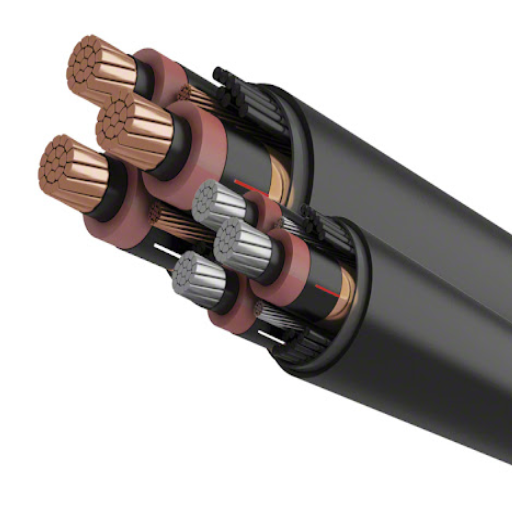
De MV-105 kabels hebben tal van voordelen die bijdragen aan hun brede toepassing in verschillende toepassingen Deze zware kabels bieden uitzonderlijke duurzaamheid tegen omgevingsfactoren, waaronder vocht, warmte, en chemische blootstelling Hoogwaardige isolatiematerialen worden ook gebruikt om elektrische eigenschappen te verbeteren, waardoor een hoog niveau van betrouwbaarheid over een langere periode wordt gegarandeerd De installatie en het onderhoud van de MV-105 zorgen ook voor minimale stilstand en lagere kosten Een lange levensduur, efficiëntie en betaalbaarheid maken deze kabels een stevige optie voor stroomdistributiesystemen met gemiddelde spanning.
Toekomstige trends in middenspanningskabels
De middenspannings (MV) stroomkabelindustrie is een snel evoluerende sector die wordt aangedreven door de groeiende vraag naar efficiënte energiedistributie, duurzaamheidsdoelstellingen en technologische vooruitgang. Een van de belangrijkste trends is de ontwikkeling van groene MV-kabels die recycleerbare en milieuvriendelijke materialen gebruiken. Deze ontwikkelingen lopen parallel met de mondiale inspanningen om de ecologische voetafdruk te verkleinen en duurzame infrastructuur te bevorderen, waarbij verschillende landen hun milieuwetten hebben aangescherpt.
Geavanceerde isolatiematerialen zijn een belangrijke trend, met de nadruk op verbeterde thermische en elektrische prestaties XLPE van hogere kwaliteit en nieuwe composietmaterialen worden gebruikt om de kabels beter bestand te maken tegen hitte, mechanische spanning en langdurige veroudering, waardoor ze betrouwbaar worden in zware werkomgevingen. Bovendien worden intelligente monitoringtechnologieën steeds meer geïntegreerd in circulatienetwerken, waardoor ze diagnostisch en voorspellend onderhoud in realtime kunnen uitvoeren. Dit vermindert onverwachte storingen en kostbare stilstand voor nutsbedrijven en industrieën.
De sector hernieuwbare energie is een andere belangrijke speler in het stimuleren van MV-kabelinnovatie Vanwege de groeiende nadruk op wind en zonne-energie projecten, kabels zijn nu ontworpen om bestand te zijn tegen zware omstandigheden, waaronder onderdompeling van water en extreme temperaturen. Zo wordt er een sterke stijging van de vraag waargenomen op de markt naar robuustere kabels die geschikt zijn voor offshore windparken en ondergrondse transmissiesystemen. Industriebronnen voorspellen dat de mondiale middenspanningskabelmarkt naar verwachting aanzienlijk zal afnemen en de komende tien jaar een waarde van tientallen miljarden dollars zal bereiken. Dit toont de cruciale rol aan die MV-kabels spelen bij het opzetten van robuuste energienetwerken wereldwijd voor duurzame doeleinden.
Laatste gedachten over het kiezen van de juiste voedingskabel
Eerst en vooral streef ik ernaar om te voldoen aan de specifieke eisen van de toepassing, waaronder spanning, draagvermogen, en omgevingsomstandigheden, Van daaruit wordt de nadruk gelegd op duurzaamheid en efficiëntie op lange termijn zonder afbreuk te doen aan veiligheidsnormen Ook wordt toekomstbestendigheid een cruciaal element van het ontwerp, waardoor het systeem op grotere schaal in de energiebehoefte kan voorzien, dit perspectief zou me dus in staat stellen een kabel te selecteren waarvan de capaciteit overeenkomt met zijn onmiddellijke energiebehoeften en tegelijkertijd aansluit bij duurzame doelstellingen.
Referentiebronnen
MV-90 en MV-105 voedingskabel:
MV-kabel met drie kernen (MV-105):
Begrijp hoe u draden en kabels in middenspanningssystemen kunt formatteren:
Veelgestelde vragen (FAQ's)
Wat is een MV-105 kabel?
Een MV-105 kabel is een type middenspanningskabel ontworpen voor stroomverdelingstoepassingen Het beschikt doorgaans over een zwarte PVC mantel en is geconstrueerd met gestrande kale koperen geleiders Deze kabels zijn geschikt voor gebruik bij hoge temperaturen, specifiek 105 °C, waardoor ze geschikt zijn voor verschillende veeleisende omgevingen.
Wat zijn de kenmerken van de MV 105 kabel?
De MV 105 kabel is voorzien van een zwarte PVC mantel die beschermt tegen omgevingsfactoren De kabel is ontworpen met klasse B gestrande geleiders, waardoor flexibiliteit en installatiegemak wordt gegarandeerd Het isolatieniveau is ontworpen om hoge temperaturen te weerstaan, met een tolerantie voor het werken tot 250 °c, waardoor het ideaal is voor industriële toepassingen.
Wat is de conducteur temperatuurclassificatie voor MV-105 voedingskabels?
De conducteur temperatuurclassificatie voor MV-105 voedingskabels is typisch 105 °c voor regelmatige verrichting Deze classificatie zorgt ervoor dat de kabel veilig elektrische stroom kan dragen zonder oververhitting onder standaardomstandigheden.
Welke materialen worden gebruikt bij de constructie van MV 105 kabels?
De constructie van MV 105-kabels omvat gewoonlijk uitgegloeide kale koperen geleiders, die de geleidbaarheid en flexibiliteit verbeteren. De kabel is ook omhuld met een zwarte PVC-mantel die mechanische bescherming en isolatie biedt tegen omgevingsfactoren. Bovendien kunnen sommige ontwerpen een papierlaag bevatten voor extra isolatie en vochtbestendigheid.
Hoe verhoudt de NEC-tabel zich tot MV-105-kabels?
De NEC-tabel (National Electrical Code) biedt essentiële richtlijnen voor de installatie en het gebruik van MV-105-kabels.Het schetst de toegestane spanningswaarden, isolatieniveaus en vereiste installatiepraktijken om de veiligheid en naleving van elektrische normen te garanderen.
Wat is het doel van een aardgeleider in MV-105 kabels?
De aardgeleider in MV-105-kabels dient als veiligheidsvoorziening en biedt een pad voor elektrische storingen om veilig in de grond te verdwijnen. Dit is van cruciaal belang bij het voorkomen van elektrische schokgevaren en het waarborgen van de algehele veiligheid van het elektrische systeem.
Kunnen MV-105 kabels worden gebruikt in buitentoepassingen?
Ja, MV-105 kabels kunnen worden gebruikt in buitentoepassingen vanwege hun duurzame zwarte PVC-mantel, die beschermt tegen UV-stralen en vocht Het is echter essentieel om ervoor te zorgen dat de installatie voldoet aan lokale codes en normen om prestaties op lange termijn te garanderen.
Wat is de betekenis van de overlap in de isolatie van MV 105-kabels?
De overlap in de isolatie van MV 105-kabels is aanzienlijk omdat het ervoor zorgt dat er geen gaten in de beschermlaag zitten. Dit ontwerpkenmerk helpt de integriteit van de kabel te behouden, het binnendringen van vocht te voorkomen en de algehele duurzaamheid ervan in zware omstandigheden te verbeteren.