






The key elements of industrial and commercial electrical systems are reliability and efficiency. One essential factor for power transmission at a performance level that meets safety criteria is the MV-105 cable. But what is an MV-105 cable, and why does it find broad utilization in medium-voltage applications? Here, we explore the characteristics, applications, and advantages of the MV-105 cables to give a clear idea of their importance in contemporary infrastructure. Whether you are an electrical engineer, a facility manager, or simply a curious individual seeking to understand electrical components, this article will surely enlighten you about the workings of MV-105 cables and their importance to various industries. So, let’s dive in and get acquainted with everything about this powerful and versatile cable.
Overview of MV-105 Cable
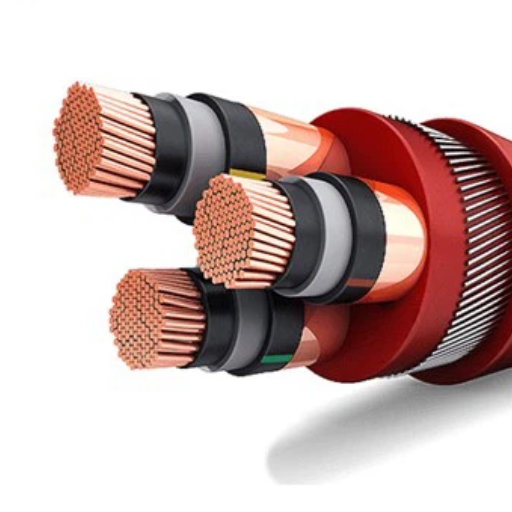
A medium-voltage cable commonly used for industrial and commercial transmission and distribution of power is the MV-105 cable. MV-105 cables are rated for voltages up to 15 kV and consist of a copper or aluminum conductor, EPR insulation, and an exterior jacket that provides protection. This design offers reliability, resistance to heat and moisture, and withstandability in rough environments. The high thermal rating and flexibility of this cable allow it to be installed in a wide array of settings, particularly underground and in enclosed spaces.
What is MV-105 Cable?
The MV-105 cable is designed for the transmission of power at medium voltages in industrial, commercial, and utility environments, with ratings below 15 kV. Its construction includes a copper or aluminum conductor for good electrical conductivity, with GPR insulation for enhanced electrical properties and resistance to heat and environmental factors. A semi-conducting shield and a metallic shield are applied outside the insulation to provide voltage grading and minimize electric field stresses.
The entire cable is covered by an outer jacket of good mechanical strength, moisture-resistant, and chemical-resistant PVC or another suitable material. The “105” rating indicates that the cable can operate continuously at 105 °C with highly efficient and dependable operational performance.
MV-105s are well-suited for use in underground systems, conduits, and direct burial applications. These cables are particularly suited for power distribution in areas requiring very high thermal resistance, durability, and flexibility. They also comply with standards such as ICEA S-93-639 and AEIC CS8 to maintain uniform quality and adhere to safety requirements. This makes them viable for Mexican critical power system installation needs and harsh treatment.
Specifications of Type MV-105
MV-105 cables are medium-voltage cables rated up to 35 kV, designed with copper or aluminum conductors, and insulated with ethylene propylene rubber (EPR). They are suitable for direct burial or conduit installations in industrial applications.
|
Key Point |
Specification |
|---|---|
|
Voltage |
Up to 35kV |
|
Conductor |
Copper/Aluminum |
|
Insulation |
EPR |
|
Temperature |
105°C (max) |
|
Application |
Direct Burial |
|
Standards |
ICEA, AEIC |
|
Flexibility |
High |
|
Durability |
Exceptional |
|
Resistance |
Thermal, Moisture |
|
Usage |
Industrial Power |
Applications of MV-105 Power Cable
The MV-105 power cables, embodying strength and efficiency in extreme voltage conditions, are furthering industrial cart-wheel orientation in heavy-duty situations. If the wires cater to power systems with voltages up to 35kV, their primary application is in the realm of heavy-duty power distribution. With these, a few areas of application of MV-105 cables are:
Utility Distribution Systems: In underground utility distribution systems, these cables are commonly used. Being able to withstand direct-burial conditions, along with an operating temperature of 105 degrees (Celsius), helps with uninterruptible power delivery even if the environment is threatening.
Industrial Facilities: These cables remain in heavy use in industrial plants, manufacturing units, chemical plants, and power generation facilities. The thermal, chemical, and moisture resistance properties let the cables serve well over extended periods in such severe applications.
Substation Interconnections: MV-105 cables serve well for power interconnections at substations where high voltage and flexibility are required. The cables, with the best insulation properties offered by ethylene propylene rubber (EPR), minimize the chances of electrical failure.
Renewable Energy Installations: They place great importance on renewable energy installations, such as wind farms and solar fields, where the transfer of electricity from power generation equipment to the grid requires top-quality cabling apparatus.
Commercial Complexes and Campuses: It is primarily used in commercial high-rise complexes, hospitals, and university campuses for Class 1 and Class 2 power delivery over vast electrical grids, although the cable itself can withstand tensile loads during installation.
According to varying industry standards, such as ICEA and AEIC, MV-105 cables are manufactured to have excellent insulation and shielding, thereby limiting energy loss while ensuring safety. Additionally, with greater flexibility, they facilitate easy installation even in complex conduit systems, thereby reducing labor and downtime. With an established history of performing well in adverse conditions, the MV-105 is widely chosen for long-term applications requiring critical power distribution.
MV-105 Construction and Materials
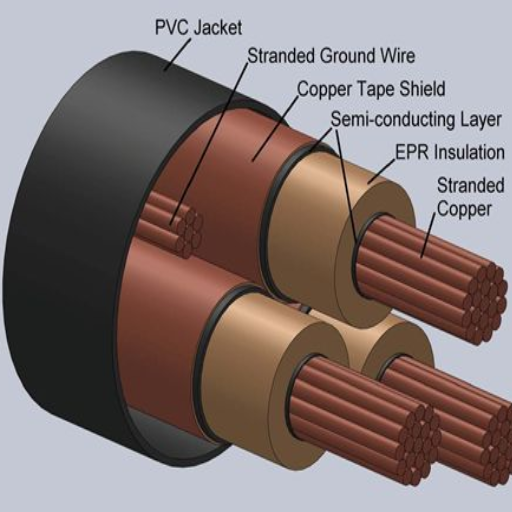
The MV-105 cable is a name referring to the construction of a cable using better materials for high-performance requirements. Typically, copper or aluminum is used as a conductor, providing excellent electrical conductivity. On the other hand, the conductor is surrounded by a strand shield and then by insulation made of ethylene propylene rubber (EPR), which has excellent dielectric properties and heat resistance. Over the insulation is a semiconducting insulation shield to ensure a uniform distribution of the electric field. The metallic shield typically consists of copper tape, which serves both grounding and shielding functions. Outside the metallic shield lay the outer jackets, made of PVC or polyethylene material, to protect against environmental hazards such as moisture, chemicals, and mechanical stress. Such construction makes MV-105 cables reliable and safe for several industrial and power distribution purposes.
Materials Used in MV-105 Power Cable
MV-105 power cables, featuring a special construction and utilizing premium-quality materials, are designed to strike a balance between electrical performance, durability, and safety. The primary materials are:
Conductor: The conductor is designed to provide optimal conductivity using copper or aluminum. Copper is generally preferred for its greater conductivity and flexibility, while aluminum is used when weight and cost are a concern. The copper conductor is typically manufactured to comply with the ASTM B8 standard, ensuring proper performance in medium-voltage systems.
Insulation: XLPE is the most commonly used insulation material for the cable. It exhibits better dielectric properties and thermal stability than other materials that allow moisture to enter. The XLPE insulation system would operate efficiently at high temperatures, typically at 105 °C, as specified in the cable standard.
Semi-conducting Layer: A semi-conducting shield covers the inner conductor, and another semi-conducting shield also covers the outside of the insulation. These shields consist of semi-conducting thermoplastic or thermosetting compounds. Essentially, they prevent any non-uniformity in the electrical field that may cause dielectric stress, thereby reducing premature breakdowns in insulating materials.
Metallic Shield: The metallic shield, typically made of copper tape or wire, surrounds the insulation shield. This shield serves a dual purpose: it acts as a return path for fault currents and inhibits electromagnetic interference (EMI) from disturbing adjacent cables or devices, thereby enhancing operational safety. Copper tape designs of shields are typically intended for carrying short-circuit currents, if necessary.
Outer Jacket: The outermost protective layer, also known as the cable jacket, is primarily composed of polymeric materials, such as PVC or polyethylene. They ensure resistance to mechanical abrasions, chemicals, UV radiation, and other harsh environmental elements. For outdoor or underground installations, the jackets used on the cables have to be rated for additional moisture and corrosion resistance.
The combination of these materials enables MV-105 cables to achieve higher performance and safety parameters, making them suitable for medium-voltage applications, such as industrial power supply, utility grids, and underground installations. The high-grade design offers longevity, resistance to harsh operating environments, and reliable electrical performance.
Copper vs. Aluminum Conductor in MV-105
In terms of MV-105 cables, the choice between aluminum and copper conductors involves a trade-off between efficiency, cost, and performance. Copper conductors are well recognized for their excellent electrical conductivity, approximately 61% higher than that of aluminum for the same cross-sectional area. Choosing copper will, therefore, result in reduced power losses over long distances. Through its higher tensile strength, the copper increases mechanical durability and resistance to possible damage during the stages of manufacturing, installation, or operation.
Aluminum, by contrast, is deemed lighter in weight, with approximately 30% of the current-carrying capacity of copper. This makes them easy to handle and install, making them suitable for overhead installations and locations where cost reduction is a priority. The price per unit weight of aluminum is significantly lower than that of copper, thus catering to less costly applications in large projects and utility systems.
Whereas aluminum tends to expand more than copper per heat, numerous fitting and design options can ease and, therefore, guarantee the reliability of the joint over a long period. Thus, the preference for copper or aluminum conductors for use in MV-105 cables depends on the specific mechanical, operational, and economic needs of the medium-voltage application. Each material is well-suited for different purposes when carefully matched with the design criteria.
Insulation Types: EPR and Its Benefits
Ethylene Propylene Rubber (EPR), being a highly versatile and durable material, is widely utilized for insulation in medium-voltage cable applications. With excellent thermal stability, it can function well within a temperature range of -50°C to 150°C, thereby finding greater acceptance in harsh environmental conditions. In the presence of moisture, ozone, or UV rays, one of its greatest attributes is its imperviousness; thus, the insulation will remain effective for many years, even in outdoor or underground environments.
The flexibility that EPR offers is an additional advantage of installing cables using this insulation, especially in situations where there is very little space or frequent bends are required. In contrast, EPR insulation generally exhibits superior dielectric properties, resulting in a more efficient electrical system and enhanced reliability. Recent evolutions in EPR formulations have further improved their performance in terms of discharge resistance and cable life by alleviating electrical stress.
Studies investigate the fact that cables insulated with EPR maintain stable electrical characteristics, even after prolonged exposure to high voltages, thereby acting as safe and reliable protective insulation for electric power systems. Field evidence suggests that EPR-based cable systems experience fewer occurrences of deterioration compared to older insulation systems, further highlighting the benefits of EPR enhancements to core infrastructure and industrial applications. The combination of resilience, flexibility, and dielectric strength continues to make EPR a popular brand in modern medium-voltage cable systems.
Performance characteristics of MV-105
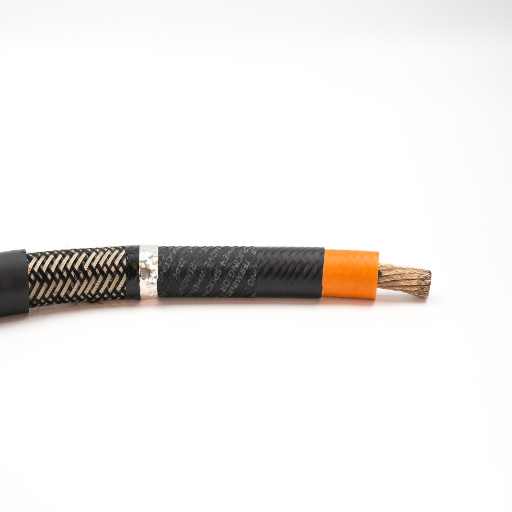
MV-105 cables are medium-voltage power cables with an operating voltage of 15 kV. They possess the highest dielectric strength and have good resistance to heat and moisture. The cables use a combination of EPR insulation and a rigid jacket material to make them rugged against environmental forces. Their rated operating temperature is 105°C, so under continued heat load, the cables would remain fully performing with excellent resistance to electrical stress. Application areas such as industrial facilities, power distribution systems, and other demanding applications make MV-105 cables a reliable choice.
Voltage Ratings and Performance of 15kV MV-105
The 15kV MV-105 cables are designed for medium voltage applications, where the voltage ranges up to 15,000 volts. These cables adhere to industry standards, including AEIC CS8, ICEA S-93-639/NEMA WC74, and UL 1072, to ensure safety and reliability in electrical systems. Being more rigid, insulated, and jacketed, the insulation and jacket systems of these cables further enable them to perform excellently under mechanical, thermal, and electrical stresses.
Critical to their efficiency is providing optimum current-carrying capacities in ambient temperature conditions of up to 105 °C. The cables offer enhanced dielectric strength, reduced partial discharge potential, and excellent resistance to moisture and chemical attacks, thereby enhancing cable life and service stability. These cables also allow the handling of temporary electrical surges caused by short circuits and overload currents, making them suitable for heavy industrial and utility applications.
Ampacity is typically specified in datasheets and test reports for cables, ranging from approximately 600 amperes, depending on the installation configuration, such as direct burial or use in ducts. These properties, along with the cables’ ability to suppress corona discharges from anywhere along the cable length and termination, are what make this one of the most dependable medium-voltage power transmission options available for modern electrical infrastructure.
Temperature Ratings and Environmental Considerations
Medium voltage cables are designed to operate reliably under varying temperature conditions, which can change over time due to factors such as installation, operation, or environmental influences. For example, temperature parameters for the typical cable may be issued for short-term versus regular condition operation. Typically, the maximum permissible temperature of the conductor in continuous operation is 90 °C for XLPE-insulated wires. During a short circuit (not exceeding 5 seconds), it may rise to 250 °C. EPR-insulated cables usually have similar operational parameters.
A very important factor in determining how a cable performs is its environmental condition, primarily ambient temperature, as well as the installation method. In cold weather, cables may be required to withstand temperatures as low as -40°C during storage and installation, with some specialized cables being rated for even colder extremes. UV resistance and moisture protection are also singled out as necessities if the cable is subjected to direct sunlight exposure and if it is laid in an atmosphere with dangerously high humidity. To this end, effective protective sheaths and moisture-blocking techniques are employed to ensure longevity and functionality.
Finally, derating factors must be applied to cables laid in areas of unusually high temperatures or in confined spaces where heat dissipation may be impaired. With these factors, sound design and thorough thermal analysis become crucial in maximizing cable operational efficiency and ensuring compliance with industry standards. This guarantees that medium voltage cables will safely transmit power under any adverse environmental conditions.
Durability and Longevity of MV-105 Power Cables
MV-105 power cables are engineered for enhanced strength and durability, making them well-suited for medium-voltage applications in various industries and utility services. These cable types, manufactured using sturdy materials such as cross-linked polyethylene (XLPE) insulation, endow the cables with their proprietary ability to resist heat at high temperatures and endure mechanical stress for many years, even in adverse conditions.
They are, therefore, very durable, operating normally at a temperature of 105°C, and practically permitted to carry emergency overloads at 140°C. The insulation systems will resist moisture, chemical attack, and physical abuse as long as the cable is not treated with any agent that will degrade the outer sheath or inner properties of the insulation. Studies have shown that, with proper installation and adherence to cable management practices, the lifetime of cables can be expected to exceed 30 years under normal conditions.
The increased resistance to abrasion and impact also affords the cable a higher chance of installation underground when subjected to external forces. This strength ensures stable performance and minimizes the downtime required for repairs and restarts due to cable failures. Periodic inspections and maintenance can help identify problems and preserve reliability. In all, MV-105 power cables are a considerably durable and long-term solution for present-day power distribution.
Installing and maintaining the MV-105
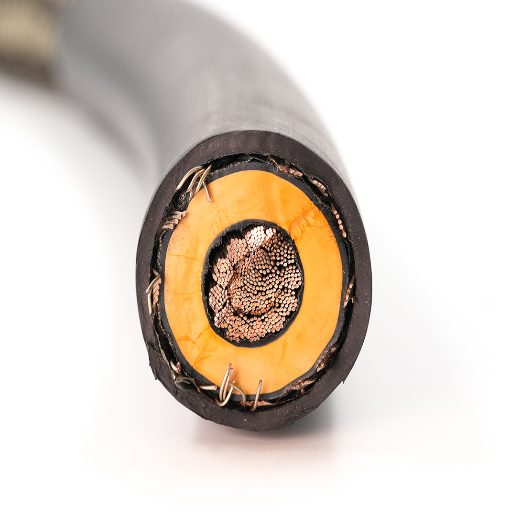
For proper performance and longevity, MV-105 cables must be installed and maintained perfectly. During installation, it is essential to strictly follow the manufacturer’s guidelines, including appropriate handling and avoiding all potential causes of damage. Proper stripping, bending, and securing techniques should be employed, and all connections should be legitimized to ensure they are moisture-proof.
Maintenance includes regular visual inspections to spot any sign of wear, corrosion, or other damage. Periodic testing, such as insulation resistance tests, should also be conducted to detect early points of concern. Cables must always be kept clean, free of oils and dust that can contaminate them, to maintain their efficiency. Furthermore, repairs should be made at the earliest possible time regarding the potential issue to prevent it from escalating into a larger failure, thereby ensuring a smooth power distribution flow.
Best Practices for Installing MV-105 Cable
To safely and efficiently install MV-105 cable, follow these best practice guidelines:
Proper Handling and Storage: Store MV-105 cables in a clean, dry, and temperature-controlled environment. This prevents moisture ingress or damage to the cable insulation and jacket. During handling, ensure that it is not bent beyond the cable’s minimum bending radius, as specified by the manufacturer, to preserve its structural integrity.
Conduit and Trench Preparation: Conduit installation and trench preparation shall be performed to minimize stress on the cables during cable pulling. The conduits shall be free of debris, sharp edges, or any obstruction. When installing cables by direct burial, it is recommended to maintain a trench depth of at least 24 inches, as specified in local codes, with an adequate bedding of sand or fine soil.
Cable Pulling Techniques: The correct equipment should be used to prevent tension during the pulling operation from damaging the cable installation. Use a lubricant that is compatible with the cable material to minimize friction. Keep an eye on the pulling tension, ensuring it never exceeds the limits set for the cable, as excessive pull can damage the insulation or the conductor inside.
Terminations and Splicing: Use accessories as recommended by the manufacturer and follow related instructions for termination and splicing. All connectors should be firmly crimped and well-insulated to prevent electrical faults. The reliability of the splice should be established by testing after splicing, such as partial discharge or high-voltage tests.
Grounding and Bonding: Proper grounding of the MV-105 cable shield is essential for safety and the mitigation of electromagnetic interference. Metallic parts and enclosures shall be bonded to the ground by accepted commercial standards, thereby eliminating ground loops.
Testing After Installation: High-voltage withstand testing, with voltage levels ranging from approximately 200% to 250% of the cable’s rated voltage, constitutes the test for the installation. This will ensure that no faults originating from the manufacture or installation could lead to eventual failure.
Compliance with Standards: Ensure that the installation complies with relevant standards, such as IEEE 400 and the National Electrical Code (NEC), as well as applicable utility codes, to ensure safe operation and prevent equipment failures or other issues that may lead to code violations.
All these practices, if taken heedfully with attention to detail during installation, can ensure the efficient functioning of the MV-105 cable throughout its lifespan. Hence, proper planning, quality checks, and testing are the essential elements for an installation to be successful.
Maintenance Tips for MV-105 Power Cable
Proper maintenance of MV-105 power cables is essential to extend their lifespan, maintain reliability, and ensure consistent performance. Here are the detailed tips for reasonable maintenance procedures:
Regular Visual Inspection: Perform regular visual inspection for signs of wear or damage caused by environmental stresses. Abrasion, cracking, and discoloration may be observed, and there should be immediate corrective action to prevent further degradation.
Insulation Testing: Conduct periodic insulation resistance tests using a Megohmmeter to detect any insulation degradation. Any changes in the insulation resistance of tests from their initial baseline values should be noted and followed up on to prevent failure.
Thermal Monitoring: Maintain thermal conditions suitable for cables, avoiding any overheating. The detection of hot spots or abnormal temperature variations using infrared thermography may indicate whether wires are overloaded or poor connections exist.
Moisture Control: Although MV-105 cables are moisture-resistant, prolonged exposure to moisture from ingress or excessive relative humidity can affect their performance over time. Ensure the proper sealing of cable terminations and splices to prevent moisture ingress.
Load Regulation: It is essential to ensure that the cables operate within their rated load. Overload implies excessive heat generation and excessive degradation of insulation material. Real-time load-monitoring systems may be installed on the cable to monitor levels of the electric load.
Partial Discharge Testing: Partial discharge testing can be used to detect imperfections within the cable system, such as voids or insulation contamination. This early detection allows minor repairs to be made before a major failure occurs.
Environmental Considerations: Protect cables from direct exposure to adverse environmental conditions, including UV radiation, extreme temperatures, and chemical pollutants. Employ protective conduits or trays where these threats are likely to be faced.
Documentation and Trend Analysis: Maintaining detailed documentation of all tests, inspections, repairs, and other activities carried out on the cable facilitates trend analysis, which can be used to identify common problems or potential new issues.
Such maintenance considerably extends the operational life of MV-105 power cables and minimizes unplanned outages. Timely evaluations and preventive actions will guarantee safe working over time.
Common Issues and Troubleshooting
When servicing MV-105 power cables, frequent problems may arise, requiring specialized troubleshooting practices to ensure the system’s efficient operation and long life.
Insulation Degradation: The insulation may deteriorate over time due to thermal stress or moisture absorption, or it may be chemically damaged. Typically, insulation problems are identified through partial discharge testing, wet insulation resistance tests, or infrared thermography inspections. For example, thermal imaging will identify abnormal heat generation somewhere along the cable, indicating a lack of insulation. Hence, damaged sections should be replaced or repaired, and some protective layers should be applied to prevent further damage.
Electrical Treeing: The growth and propagation of microscopically small voids within the insulation, under the stress of high voltage, causes a gradual breakdown, also known as electrical treeing. Partial discharge measurements are used to detect electrical treeing. Measures to eliminate defects include re-termination of the cable or improvement of stress control at the connection to avoid points of stress concentration.
Thermal Overloads: Advertently or inadvertently, the current passing through the MV-105 cables gets to dangerous levels of its hottest temperatures, threatening the possibility of failure. Load flow analysis and thermal monitoring will detect cables approaching their thermal limits. Implement procedures for derating or redistributing the loads among parallel circuits to avoid such sustained overload conditions.
Moisture Intrusion: The entry of moisture reduces the dielectric’s strength and causes corrosion within the sheath. Testing sheath cables and Time Domain Reflectometry (TDR) are diagnostic methods used to trace the sources of moisture problems. The use of water-blocking materials during cable casing and sealing at joints is one way to reduce moisture ingress.
Connector and Joint Failures: Improper installation or the aging of these joints and terminations can result in loose connections and arcing. Regular test voltage withstands and visual inspections ensure that the components remain intact and functional. Damaged connectors will be replaced with the highest-grade heat-shrinkable materials.
Corrosion of Metallic Components: The metallic shields and grounding systems of MV-105 cables are susceptible to corrosion in a highly corrosive environment exacerbated by humidity or acidic soil. Periodic measurement of soil resistivity, in conjunction with corrosion protection methods, can help prevent the corrosion of metallic components. Methods to protect include cathodic protection and the application of anti-corrosive coatings.
Most of these problems can be identified and corrected before they cause a massive disruption through the use of advanced diagnostics and preventive maintenance. Proactive troubleshooting enables better performance of MV-105 cables, further reducing maintenance costs and thereby improving overall system reliability.
Summary of MV-105 Cable Advantages
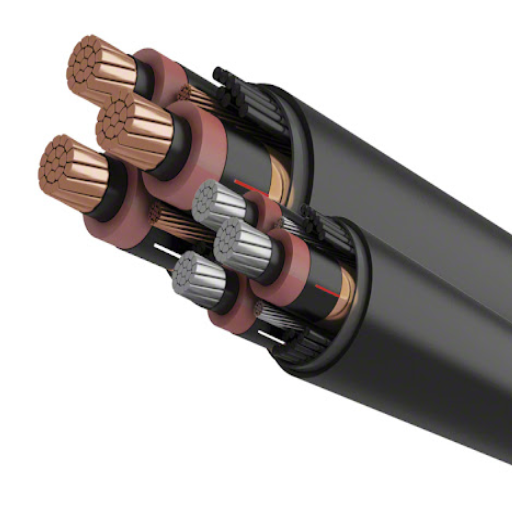
The MV-105 cables feature numerous advantages that contribute to their widespread adoption in various applications. These heavy-duty cables offer exceptional durability against environmental factors, including moisture, heat, and chemical exposure. High-class insulation materials are also used to enhance electrical characteristics, ensuring a high level of reliability over an extended period. The installation and maintenance of the MV-105 also ensure minimal downtime and lower costs. Longevity, efficiency, and affordability make these cables a sturdy option for medium-voltage power distribution systems.
Future Trends in Medium Voltage Power Cables
The medium voltage (MV) power cable industry is a rapidly evolving sector driven by growing demands for efficient energy distribution, sustainability goals, and technological advancements. One of the key trends is the development of green MV cables that use recyclable and environmentally friendly materials. These developments are parallel to global efforts to reduce carbon footprints and promote sustainable infrastructure, with several countries tightening their environmental laws.
Advanced insulation materials are a significant trend, with a focus on enhanced thermal and electrical performance. XLPE of higher quality and novel composite materials are used to make the cables more resistant to heat, mechanical stress, and long-term aging, thereby making them reliable in harsh working environments. Additionally, intelligent monitoring technologies are becoming increasingly integrated into circulation networks, enabling them to perform diagnostic and predictive maintenance in real time. This reduces unexpected failures and costly downtime for utilities and industries.
The renewable energy sector is another major player in pushing MV cable innovation. Due to the growing emphasis on wind and solar power projects, cables are now designed to withstand harsh conditions, including water immersion and extreme temperatures. For instance, a surge in demand is observed in the market for more robust cables suitable for offshore wind farms and underground transmission systems. Industry sources predict that the global medium voltage cable market is expected to decline significantly, reaching a value of tens of billions of dollars over the next decade. This demonstrates the vital role MV cables play in establishing robust energy networks worldwide for sustainable purposes.
Final Thoughts on Choosing the Right Power Cable
First and foremost, I strive to meet the specific requirements of the application, including voltage, load capacity, and environmental conditions. From there, the emphasis is placed on long-term durability and efficiency without compromising on safety standards. Future-proofing also becomes a crucial element of the design, allowing the system to accommodate energy needs on a larger scale. This perspective would thus enable me to select a cable whose capacity corresponds with its immediate energy needs while also aligning with sustainable objectives.
Reference Sources
Understand how to size wires and cables in medium-voltage systems:
Frequently Asked Questions (FAQs)
What is an MV-105 cable?
An MV-105 cable is a type of medium-voltage cable designed for power distribution applications. It typically features a black PVC jacket and is constructed with stranded bare copper conductors. These cables are rated for operation at high temperatures, specifically 105 °C, making them suitable for various demanding environments.
What are the characteristics of the MV 105 cable?
The MV 105 cable features a black PVC jacket that protects against environmental factors. The cable is designed with class B stranded conductors, ensuring flexibility and ease of installation. Its insulation level is engineered to withstand high temperatures, with a tolerance for operating up to 250°c, making it ideal for industrial applications.
What is the conductor temperature rating for MV-105 power cables?
The conductor temperature rating for MV-105 power cables is typically 105°c for regular operation. This rating ensures that the cable can safely carry electrical current without overheating under standard conditions.
What materials are used in the construction of MV 105 cables?
The construction of MV 105 cables commonly includes annealed bare copper conductors, which enhance conductivity and flexibility. The cable is also encased in a black PVC jacket that provides mechanical protection and insulation from environmental factors. Additionally, some designs may include a paper layer for added insulation and moisture resistance.
How does the NEC table relate to MV-105 cables?
The NEC (National Electrical Code) table provides essential guidelines for the installation and use of MV-105 cables. It outlines the permissible voltage ratings, insulation levels, and required installation practices to ensure safety and compliance with electrical standards.
What is the purpose of a ground conductor in MV-105 cables?
The ground conductor in MV-105 cables serves as a safety feature, providing a path for electrical faults to dissipate safely into the ground. This is critical in preventing electrical shock hazards and ensuring the overall safety of the electrical system.
Can MV-105 cables be used in outdoor applications?
Yes, MV-105 cables can be used in outdoor applications due to their durable black PVC jacket, which protects against UV rays and moisture. However, it is essential to ensure that the installation complies with local codes and standards to guarantee long-term performance.
What is the significance of the overlap in the insulation of MV 105 cables?
The overlap in the insulation of MV 105 cables is significant as it ensures that there are no gaps in the protective layer. This design feature helps maintain the integrity of the cable, preventing moisture ingress and enhancing its overall durability in harsh environments.