






Elke individuele industrie stelt unieke uitdagingen voor elektromechanische systemen of elektrische infrastructuur. Van alle belangrijke onderdelen van em-systemen heeft het selecteren van bedrading een grote invloed op de operationele efficiëntie, verbeterde veiligheid en levensduur. Kabels geïsoleerd met PVC (voor polyvinylchloride) val op als de dominante keuze vanwege hun onvergelijkbare voordelen en aanpassingsvermogen tussen velden. Er zijn zeker onderliggende factoren die hen onderscheiden van hun tegenhangers. Vanuit een nauwgezet perspectief probeert deze gids inzichtelijk te zijn understanding van de belangrijkste hoogtepunten van geïsoleerde kabels door uitleg over hun technische specificaties evenals de voordelen die hun wijdverspreide gebruik in moderne elektrische installatie-infrastructuur ondersteunen Als u deel uitmaakt van de industrie die probeert om operationele praktijken te verfijnen of nieuwsgierig bent naar bedrading technologie, dit artikel zal helpen bij een beter begrip van hier geïsoleerde kabels die de voorkeur hebben voor bedrading in elektromechanische systemen.
Wat is een PVC geïsoleerde kabel?
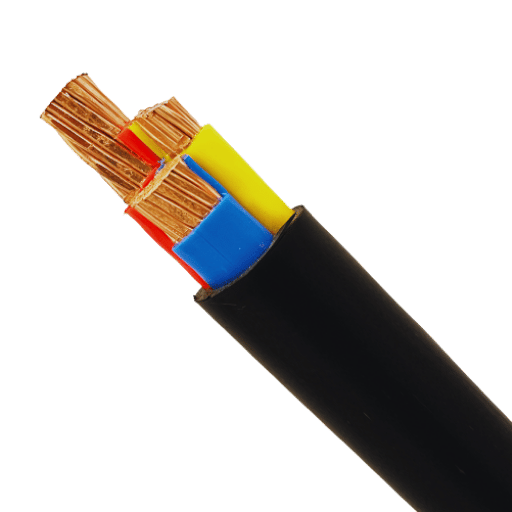
PVC geïsoleerde kabels zijn elektrische kabels waarvan de geleiders zijn ingekapseld in een beschermende omhulling van polyvinylchloride (PVC) Deze beveiliging zorgt voor bescherming tegen fysieke schade, omgevingsfactoren en eventuele elektrische lekkage. Bovendien dient PVC als een sterke en aanpasbare thermoplast. De vocht-, chemische en hittebestendigheid bieden zowel fundamentele als aanvullende waarde kabels in residentiële bedrading, industriële machines, en zelfs buiteninstallaties De isolatie verbetert de veiligheid en betrouwbaarheid van de kabels tijdens prestaties onder verschillende werkomgevingen.
PVC-isolatie begrijpen
Het gebruik van PVC-isolatie is gebruikelijk vanwege de belangrijkste voordelen, zoals hoge sterkte, lage prijs, weerstand tegen vocht, hitte en chemicaliën. Het beschermt de kabel en vermindert schade als gevolg van elektrische fouten en kortsluiting, waardoor een betrouwbare elektrische functionaliteit wordt gegarandeerd. Bovendien maakt het brede scala aan toepassingen het geschikt van thuis tot industriële toepassingen, waardoor de betrouwbaarheid en effectiviteit van elektrische systemen wordt vergroot.
Hoe verschillen PVC-geïsoleerde kabels van andere typen?
De verschillen tussen PVC-geïsoleerde kabels en andere typen komen voornamelijk voort uit kosten, flexibiliteit, duurzaamheid, hittebestendigheid en specifieke toepassingen.
| Parameter | PVC Kabels | Rubber Kabels | Silicone Cables | XLPE-kabels |
|---|---|---|---|---|
|
Kosten |
Laag |
High |
High |
Matig |
|
Flexibiliteit |
Matig |
High |
Zeer Hoog |
Laag |
|
Duurzaamheid |
High |
Matig |
Matig |
Zeer Hoog |
|
Hittebestendig |
Tot 105 °C |
Matig |
Tot 200 °C |
Tot 90 °C |
|
Applications |
Algemeen doel |
Mobiele tools |
High-temp. gebruikt |
Hoogspanning |
Veel voorkomende toepassingen van PVC-geïsoleerde kabels
- Residentieel 1 Circuits worden gebruikt in woningen voor verlichting en systemen voor stroomverdeling.
- Commercieel -Geschikt voor gebruik in kantoren, winkelcentra en andere commerciële centra waar betrouwbare elektrische service vereist is.
- Industrieel -Vaak aangetroffen in fabrieken en fabrieken voor het beëindigen van elektromotoren, besturingsbedrading en distributie van stroomcircuits.
- Ondergrondse Installaties - Deze worden gebruikt voor de milieubescherming van leidingen die zijn ontworpen voor ondergrondse krachtoverbrenging.
- Automotive Industry -Gebruikt in voertuigen omdat het flexibel moet zijn en wordt blootgesteld aan verwarming en chemische stoffen.
- Telecommunicatie -Uitgebreid gebruikt in telecommunicatiesystemen, bedrading voor data- en signaaloverdracht en bekabeling.
- Mariene en Offshore Toepassingen -Deze worden gebruikt in schepen en offshore platforms vanwege de voordelen van vocht en isolatie.
Waarom kiezen voor PVC-geïsoleerd boven andere isolatiematerialen?
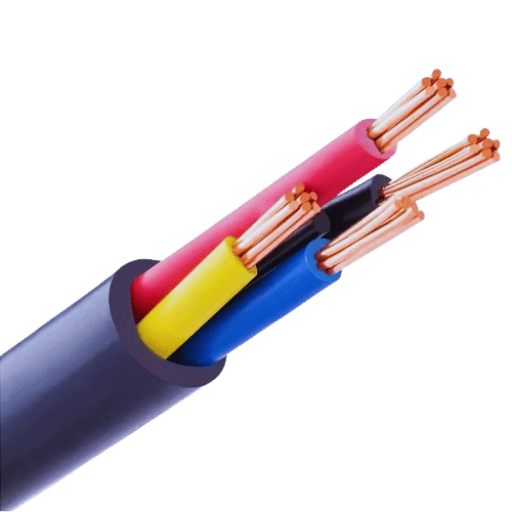
De voordelen van polyvinylchloride bij de kabelproductie
- Kosteneffectiviteit -De kostenefficiëntie van PVC maakt het een gunstige optie in de kabelindustrie, vooral voor de productie van bulkkabels, omdat het een kwaliteitsnorm handhaaft.
- Duurzaamheid -Biedt uitstekende weerstand tegen schokken en blootstelling aan het milieu, waardoor een langdurige duurzaamheid onder zware omstandigheden wordt gegarandeerd.
- Thermische stabiliteit -Biedt uitstekende prestaties binnen een breed temperatuurbereik, waardoor PVC betrouwbaar ‘thermisch’ kan presteren in verschillende categorieën.
- Chemische Weerstand - Refreinen van oliën, zuren, alkaliën en andere bijtende stoffen waardoor het materiaal geschikt is voor industriële werken.
- Vlamvertraging 10 Voor extra veiligheid voegt PVC minder risico op brandgevaar toe, omdat het vlamvertragend is PVC beschermt tegen brand.
- Vochtbestendigheid -Het beschermt tegen het binnendringen van water en vocht, wat nuttig is voor onderwater of vochtige omgevingen.
- Flexibiliteit -Het gemak van behandeling en installatie als gevolg van de buigzaamheid van PVC vergemakkelijkt complexe bedradingsvoorzieningen.
- Elektrische Isolatie 1. Het gebruik van PVC zorgt voor elektrische isolatie, wat de veiligheid en betrouwbaarheid van de prestaties bevordert, garandeert isolatie in verschillende toepassingen.
- Recycleerbaarheid -Ondersteunt duurzaamheid in de kabelproductie door de impact op het milieu te verminderen, aangezien PVC gemakkelijk recyclebaar is.
- Veelzijdigheid -gebruikt in bijna elke industrie van de bouw tot telecommunicatie als gevolg van het overtreffen van aanpassingsvermogen, heeft het materiaal tientallen toepassingen.
Vergelijkende analyse: vlamvertragende kabels versus niet-vertragend
Vlamvertragende kabels belemmeren de verspreiding van brand, terwijl niet-vertragende kabels de voortplanting van brand kunnen vergemakkelijken.
|
Parameter |
Vlamvertragend |
Niet-vertragend |
|---|---|---|
|
Doel |
Voorkom verspreiding van brand |
Geen brandpreventie |
|
Materiaal |
Behandeld met chemicaliën |
Standaard materialen |
|
Fire Behavior |
Zelfdovend |
Voortplant vuur |
|
Applications |
Veiligheidskritische gebieden |
Algemeen gebruik |
|
Rook/gas |
Lage emissie |
Hoge emissie |
|
Kosten |
Hoger |
Lager |
|
Duurzaamheid |
Brandwerend |
Standaard duurzaamheid |
Hoe temperatuur de PVC-isolatie beïnvloedt
De doeltreffendheid en de sterkte van de isolatie van PVC worden beïnvloed door de temperatuur Fysiek en mechanisch treedt verzachting op bij hogere temperaturen, waardoor de exacte elektromechanische processen die de structurele en elektrische veiligheid helpen behouden, worden verzwakt De situatie is omgekeerd bij lagere temperaturen, waar de broosheid van PVC het gevoelig maakt voor breuken en scheuren tijdens gebruik of beweging De prestaties van PVC-geïsoleerde kabels hangen af van hun constructie, wat vastgestelde minimum- en maximumtemperaturen met zich meebrengt. Binnen dit ontworpen bereik wordt de operationele veiligheid gegarandeerd zonder verslechtering van de elektromechanische kenmerken. Functionaliteit en veiligheid blijven behouden wanneer deze beoordelingen worden nageleefd in veranderende omgevingsomstandigheden.
Het onderzoeken van het isolatiemateriaal en de constructie van deze kabels
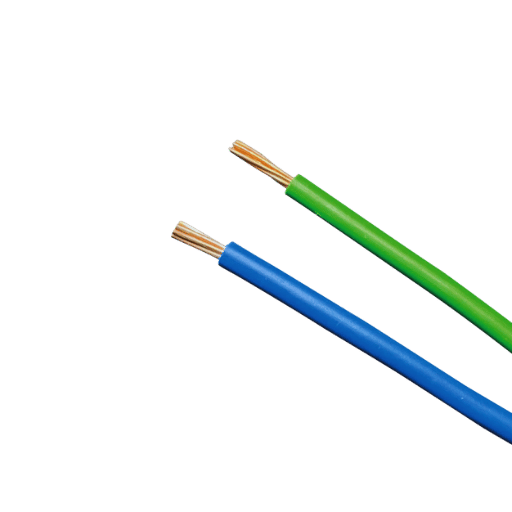
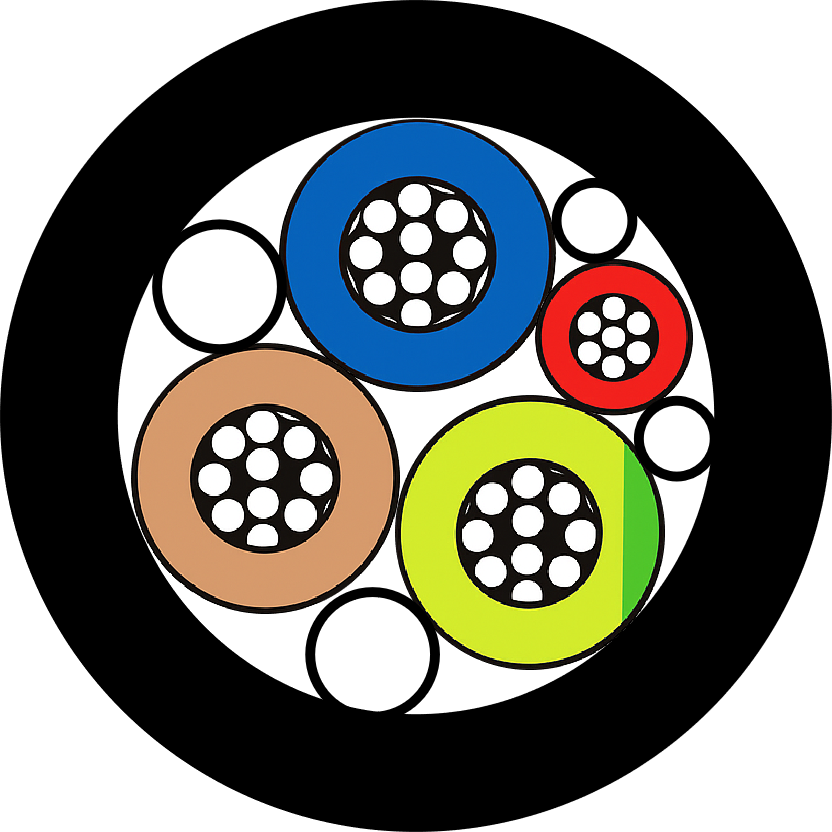
Kerncomponenten van een PVC-geïsoleerde kabel
Conductor
- De geleider is het belangrijkste onderdeel van de kabel die door zijn goede elektrische geleidbaarheid van koper of aluminium is gemaakt, Het fungeert als kanaal, waardoor elektrische stroom beweegt.
Isolatie Laag
- De isolatielaag die is gemaakt van polyvinylchloride (PVC) omringt de geleider voorkomt elektrische lekkage Dit verzekert de veiligheid en zorgt voor een soepele energieoverdracht.
Innerlijke schede
- De binnenmantel biedt extra beschermende barrières van mechanische aard en isolatie, die dienen als buffer tussen de geleider en de buitenlagen.
Pantser (indien van toepassing)
- In het geval van gepantserde PVC-kabels wordt de pantserlaag toegevoegd ter bescherming van de kabel tegen mechanische spanning, impact en andere externe factoren, waaronder de omgeving. Meestal gebeurt dit via staaldraad of tape.
Buitenschede
- Net als de binnenste makes van de kabel, is de buitenste omhulling ook gemaakt van PVC en dient daarom als de externe beschermende afdekking van de kabel. Het beschermt de kabel tegen fysieke schade, vocht, chemicaliën en blootstelling aan UV.
Vulmaterialen
- Tijdens bedrijf helpen de vulmaterialen de algehele cirkelvorm van de kabels en voegen ze stabiliteit toe.
Gezamenlijk zorgen deze componenten ervoor dat PVC-geïsoleerde kabels goed functioneren, lang meegaan en veilig zijn om in verschillende toepassingen te gebruiken.
De rol van de PVC-mantel en omhulde kabel
De kabelmantel houdt de binnenste delen van de draad vast, terwijl de mantels van de PCV dienen als beschermende bekleding De mantel PCV beschermt de binnenste delen tegen omgevingsfactoren, mechanische spanning zoals doffe schaafwonden van andere objecten, beweging van de binnenplaat en chemicaliën Schild-PCV beschermt ook de binnenste componenten tegen UV-stralen Dit verbetert zowel de werking als de duurzaamheid van de kabels in verschillende toepassingen. Door de structurele integriteit en isolatie te behouden vermindert mantel-PCV elektrische fouten, wat resulteert in een veilige en efficiënte werking.
Wat is het Kabelbouwproces?
Er zijn cruciale stappen in het proces van kabelconstructie om ervoor te zorgen dat het veilig, functioneel en duurzaam is De allereerste stap in dit proces is het verkrijgen ervan en het naaien van geleiders gemaakt van koper of aluminium via een trek- en gloeiproces. Zodra dit proces is voltooid, zijn deze geleiders goed geïsoleerd om elektrische energielekkage te veroorzaken en te voorkomen. Afhankelijk van het gebruik en ontwerp van de kabel kunnen de geleiders, nadat de isolatielaag is voltooid, worden gegroepeerd, gedraaid of afgeschermd in bundels. Ten slotte kunnen extra beschermende afdekkingen zoals PVC worden toegevoegd om ze tegen mechanische schokken te beschermen. Elke stap in het proces doorloopt een reeks kwaliteitscontroles om ervoor te zorgen dat deze voldoet aan de industriële en toepassingsbehoeften.
De geleider in PVC-kabels begrijpen
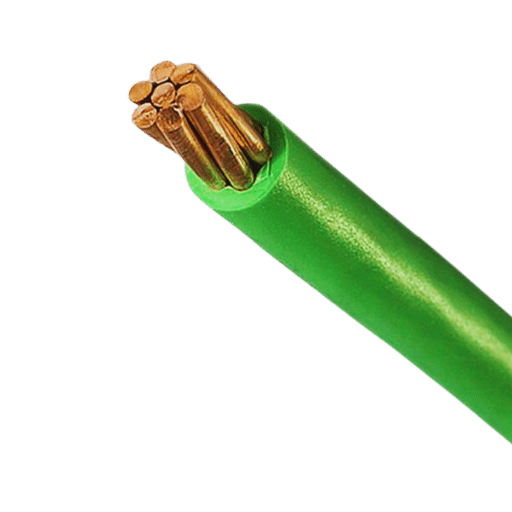
Soorten geleiders: koperen geleider versus aluminiumdraad
Geleiders zijn voornamelijk van twee soorten, koper en aluminium; beide verschillen in eigenschappen, voordelen en toepassingen.
Hier volgt een korte vergelijking
| Parameter | Copper | Aluminium |
|---|---|---|
|
Geleidbaarheid |
Hoog (100% GBCS) |
Matig (61% GBCS) |
|
Weight |
Heavy |
Lichtgewicht |
|
Kosten |
Duur |
Betaalbaar |
|
Duurzaamheid |
High |
Matig |
|
Corrosie |
Resistent |
Prone |
|
Flexibiliteit |
High |
Matig |
|
Applications |
Bedrading, kracht |
Transmissie, vliegtuigen |
|
Grootte nodig |
Kleinere |
Groter |
|
Thermal Conduct. |
High |
Matig |
|
Levensduur |
Long |
Korter |
Verbeterde prestaties met gestrande koperen geleider
Gestrande koperen geleiders zijn flexibeler dan massief koperen geleiders. Ze bestaan uit individuele strengen koper die in elkaar zijn gedraaid, waardoor de prestaties worden verbeterd bij toepassingen die onderhevig zijn aan herhaalde beweging en buiging. Deze flexibiliteit helpt breuk te verminderen en is vooral nuttig in dynamische... omgevingen Gestrande koperen geleiders bieden ook een betrouwbare elektrische geleidbaarheid, waardoor koper zijn functie als energieleiding kan vervullen zonder de structurele integriteit onder mechanische spanningen te verliezen. Deze kenmerken maken gestrande koperen geleiders geschikt voor de auto-, robotica- en telecommunicatie-industrie, waar betrouwbaarheid een constante vraag is.
Het belang van geleiderpvc in stroomkabeltoepassingen
Leider PVC is van cruciaal belang bij de toepassingen van stroomkabels omdat het een effectieve isolatiebarrière biedt PVC beschermt tegen elektrische lekkage, waardoor een veilige overdracht van stroom mogelijk is. Op grote schaal gebruikt PVC, gebruikt voor verschillende toepassingen, heeft een langere levensduur, is uniek duurzaam en flexibel terwijl het chemisch bestendig en thermisch stabiel is binnen een groot temperatuurbereik. De fysieke flexibiliteit helpt bij de installatie in gebieden die lastig zijn en krappe bochten vereisen of complexe lay-outs hebben. Over het geheel genomen verbetert de mechanische veerkracht, samen met de isolatiekenmerken van PVC, de betrouwbaarheid en veiligheid van stroomkabels die in huizen en tijdens industriële activiteiten worden gebruikt.
Hoe u de juiste PVC-geïsoleerde kabel voor uw behoeften selecteert
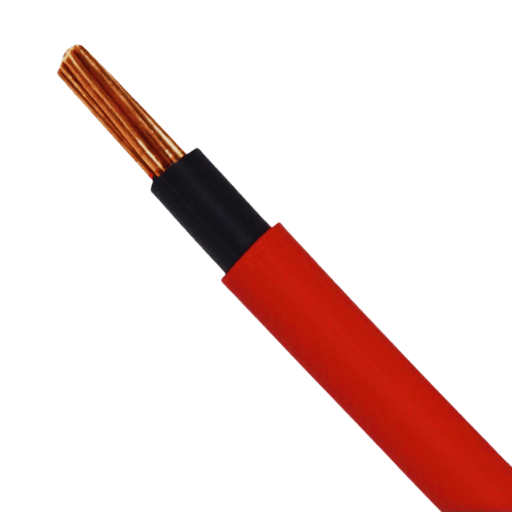
Factoren waarmee rekening moet worden gehouden: spanning PVC en temperatuurbeoordeling
Voor het selecteren van kabels met PVC-isolatie moet men rekening houden met het volgende
- Voltage Rating-Bevestig dat de spanningswaarde van de kabel gelijk is aan of groter is dan de bedrijfsspanning van het systeem voor de beste resultaten Als u dit niet doet, kan dit een defect aan de isolatie, oververhitting of beide veroorzaken.
- PVC-eigenschappen 10 Zorg voor de vlamvertraging, flexibiliteit en taaiheid van de PVC-isolatie Selecteer een kabel die het meest geschikt is voor bepaalde omgevingssituaties, zoals chemicaliën of vocht.
- Temperatuurbeoordeling: Bekijk de temperatuurlimieten van de kabel om een betrouwbare werking onder de heersende omstandigheden te verifiëren. Kies kabels die geschikt zijn voor hoge temperaturen of installatie bij koud weer voor de betreffende temperatuurclassificatie.
Het in aanmerking nemen van al deze factoren zorgt ervoor dat de veiligheid, functionaliteit en prestaties optimaal zijn voor de PVC-geïsoleerde kabel.
Decodering 3-kern pvc-kabel en Multi-Core omhulde staaldraad
3-Kern pvc-Kabel
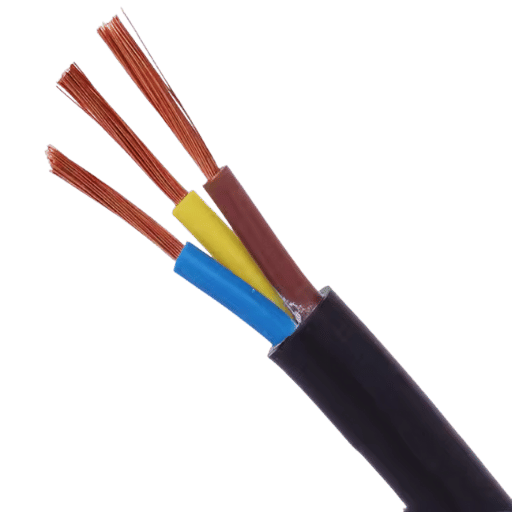
Drie-kern PVC-kabels zijn elektrische kabels bestaande uit drie geïsoleerde geleiders met een stevige PVC-mantel Ze worden gebruikt voor de voeding in residentiële, commerciële en industriële systemen Elke kern krijgt meestal een live, neutrale en aardverbinding toegewezen, geschikt voor eenfasige stroom. De PVC-isolatie beschermt de kabel tegen blootstelling aan vocht, slijtage en lichtchemicaliën.
Multi-Core Sheathed Steel Wire
Meeraderige omhulde staaldraad heeft verschillende geleiders die individueel geïsoleerd zijn; deze geleiders zijn dan ingekapseld in een staaldraadpantser, dat verder is ingesloten in een buitenste beschermmantel De mechanische sterkte van de meeraderige omhulde staaldraad verbetert voor zware toepassingen en gebieden waar fysieke schade of hoge spanning wordt verwacht als gevolg van de stalen bepantsering Deze staalsoort wordt voornamelijk gebruikt voor industriële stroomdistributie en andere installaties die een hoge duurzaamheid en bescherming vereisen.
Kwaliteitsborging: het selecteren van een betrouwbare PVC-geïsoleerde kabelsfabriek
Bij het selecteren van een vertrouwde fabriek voor PVC-geïsoleerde kabels, denk ik eerst aan de merkreputatie, de plaats van de fabriek en de veiligheidsvoorschriften in de industrie. Ik vertrouw op fabrieken zoals JOCA, die gewetensvolle naleving van hoogwaardige materialen, grondige tests en prestatieconsistentie aantonen Bovendien controleer ik of de fabriek passende certificaten afgeeft en advies biedt dat is afgestemd op de gedefinieerde reikwijdte van het project.
Veelgestelde vragen (FAQ's)
Vraag: Wat zijn de belangrijkste voordelen van het gebruik van de PVC-geïsoleerde elektrische kabels?
A: Het gebruik van PVC geïsoleerd elektrische kabels komt met een aantal voordelen die omvatten: uitstekende elektrische isolatie, beschermde mechanische betrouwbaarheid, uithoudingsvermogen aan vocht, chemische blootstelling, schuring, en brand, Afgezien van die, hebben zij een lagere prijs in vergelijking met andere geïsoleerde kabels, terwijl het handhaven van een sterke elektrische prestaties in talrijke elektrische installaties.
Vraag: Op welke manieren draagt PVC-isolatie bij aan de veiligheidsvoorzieningen van gepantserde elektrische kabels?
A: Het veilige gebruik van gepantserd elektrische kabels wordt versterkt door PVC-isolatie omdat het een extra beschermlaag toevoegt die beschermt tegen elektrische schokken, kortsluiting en andere gevaren. De vlamvertragende eigenschappen verlagen ook de kans op brand.
Q: Wat zijn de 3 kernpvc-kabels, en waar worden zij het meest gebruikt?
A: 3-kern PVC-kabels bestaan uit drie afzonderlijke geleiders, die zijn geïsoleerd met behulp van PVC. Hun toepassing komt veel voor in zowel persoonlijke als zakelijke omgevingen voor de stroomvoorziening en besturingsfuncties van systemen met gemiddelde mechanische afschermingseisen.
Q: Wat vindt u belangrijk over kabelisolatie voor elektrische kabels?
A: Kabelisolatie is belangrijk omdat het een veilige en efficiënte krachtoverdracht biedt door lekkage te elimineren, de kans op elektrische schokken te verkleinen en de geleiders te beschermen tegen externe verslechterende factoren.
Vraag: Welke rol speelt vertind koper bij het construeren van PVC-stroomkabels?
A: Vertind koper helpt bij het verbeteren van de geleidbaarheid van PVC-stroomkabels en voorkomt tegelijkertijd oxidatie en corrosie. Dit is vooral gunstig in vochtige of zoute omgevingen.
Vraag: Hoe verbetert een PVC-mantel die een koperen geleider omhult de prestaties van een kabel?
A: Een PVC-mantel die een koperen geleider omhult, verbetert de prestaties van de kabel door een goede elektrische geleidbaarheid en flexibiliteit te bieden, samen met mechanische bescherming. Dit is nuttig voor veel toepassingen, waaronder het gebruik van flexibele koperen geleiders.
Vraag: Wat zijn de extra functies van meeraderige omhulde staaldraadkabels?
A: Multi kern omhuld staal draadkabels bieden verbeterde sterkte en bescherming, waardoor ze ideaal zijn voor zware omstandigheden Ze zijn ook flexibel, wat het installatiegemak verbetert en tegelijkertijd een grotere mechanische bescherming en duurzaamheid biedt.
Vraag: Bespreek de impact van de IEC-normen op de kwaliteit van PVC-geïsoleerde kabels.
A: De IEC-normen zorgen er doorgaans voor dat PVC-geïsoleerde kabels voldoen aan een bepaald niveau van criteria voor veiligheid, prestaties en kwaliteit. Dit leidt tot een grotere betrouwbaarheid en efficiëntie van elektrische systemen en vermindert tegelijkertijd defecten aan apparatuur en veiligheidsrisico's.
Vraag: Wat is de betekenis van geleider-pvc-geïsoleerde kabels met vlamvertragende eigenschappen?
A: De rol die PVC-geïsoleerde kabels van de geleider spelen bij het verbeteren van de veiligheid van elektrische installaties door het verminderen van het brandgevaarrisico van systemen is aanzienlijk.
Vraag: Waarom hebben verknoopte PVC-kabels de voorkeur voor omgevingen met hoge temperaturen?
A: Geknoopte PVC-kabels zijn voordeliger in extreme temperatuurinstellingen omdat verknoopt PVC een betere weerstand biedt bij verhoogde temperaturen, wat zorgt voor goede kabelprestaties zonder schade in zware omstandigheden.
Referentiebronnen
- Een studie van isolatieparameters van PVC geïsoleerde kabel - Dit onderzoek bestudeert de isolatie-eigenschappen van PVC-geïsoleerde kabels, terwijl het gebruik ervan in vliegtuigen wordt overwogen.
- Verklarende woordenlijst van het netsnoer van de terminologie -- Een uitgebreide woordenlijst waarin verschillende klassen netsnoeren worden geanalyseerd, waaronder thermoplastische geïsoleerde kabels van PVC.
- Draad- en kabelisolatie en -mantel: levenscyclusanalyse -- Een EPA-document waarin de levenscyclusanalyse van PVC in draden en kabels wordt besproken.
- Wire
- Elektrische kabel
- Voltage