






Any individual industry poses unique challenges to electromechanical systems or electrical infrastructure. Out of all important constituents of em systems, selecting wiring greatly influences operational efficiency, enhanced safety, and lifespan. Cables insulated with PVC(for polyvinyl chloride) stand out as the dominating choice owing to their incomparable benefits and adaptability across fields. Surely, there are underlying factors that differentiate them from their counterparts. From a meticulous perspective, this guide seeks to offer an insightful understanding of the major highlights of insulated cables by explaining their technical specifications as well as the advantages that support their widespread use in modern electrical installation infrastructure. If you are part of the industry attempting to refine operational practices or are curious about wiring technology, this article will aid with an enhanced comprehension of here insulated cables being preferred wiring in electromechanical systems.
What is a PVC Insulated Cable?
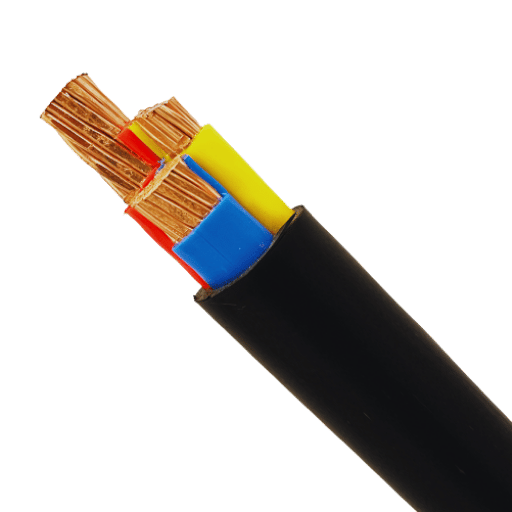
PVC insulated cables are electrical cables whose conductors are encased in a protective sheath of polyvinyl chloride (PVC). This safeguarding ensures protection against physical damage, environmental factors, and any potential electrical leakage. Furthermore, PVC serves as a strong and adaptable thermoplastic. Its moisture, chemical, and heat resistance provide both fundamental and supplementary value to cables in residential wiring, industrial machinery, and even outdoor installations. The insulation enhances the safety and reliability of the cables during performance under different operating environments.
Understanding PVC Insulation
The use of PVC insulation is common because of its primary advantages such as high strength, low price, resistance to moisture, heat, and chemicals. It protects the cable and reduces damages resulting from electrical faults and short circuits ensuring reliable electrical functionality. Furthermore, its broad range of uses makes it appropriate from home to industrial applications enhancing the reliability and effectiveness of electric systems.
How Do PVC Insulated Cables Differ from Other Types?
The differences of PVC insulated cables compared to other types come primarily from cost, flexibility, durability, heat resistance, and specific applications.
| Parameter | PVC Cables | Rubber Cables | Silicone Cables | XLPE Cables |
|---|---|---|---|---|
|
Cost |
Low |
High |
High |
Moderate |
|
Flexibility |
Moderate |
High |
Very High |
Low |
|
Durability |
High |
Moderate |
Moderate |
Very High |
|
Heat Resistant |
Up to 105°C |
Moderate |
Up to 200°C |
Up to 90°C |
|
Applications |
General-purpose |
Mobile tools |
High-temp. uses |
High-voltage |
Common Applications of PVC Insulated Cables
- Residential – Circuits are used in homes for lighting and power distribution systems.
- Commercial – Suitable for use in offices, shopping malls and other commercial centers where dependable electrical service is required.
- Industrial – Commonly found in factories and manufacturing plants for electric motor terminations, control wiring, and power circuit distribution.
- Underground Installations – These are used for the environmental protection of conduits designed for underground power transmission.
- Automotive Industry – Used in vehicles because it must be flexible and is exposed to heating and chemical substances.
- Telecommunications – Used extensively in telecommunication systems wiring for data and signal transmission as well as cabling.
- Marine and Offshore Applications – These are used in ships and offshore platforms because of the advantages of moisture and insulation.
Why Choose PVC Insulated Over Other Insulation Materials?
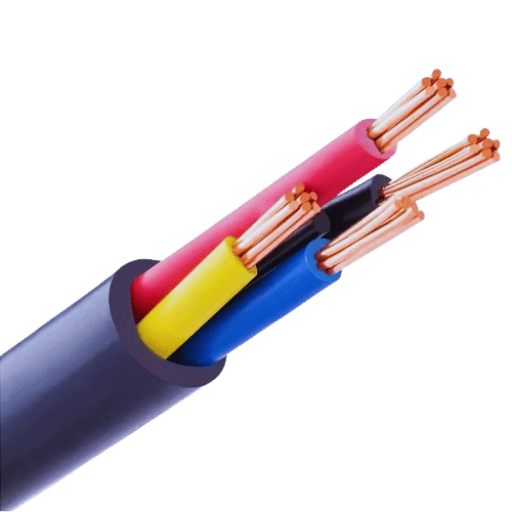
The Advantages of Polyvinyl Chloride in Cable Manufacturing
- Cost-Effectiveness – The cost efficiency of PVC makes it a favorable option in the cable industry, especially for bulk cable production, as it maintains a standard in quality.
- Durability – Offers outstanding resistance to impacts and environmental exposure, guaranteeing long-standing durability in harsh conditions.
- Thermal Stability – Exhibits excellent performance within a wide range of temperature, enabling PVC to perform reliably ‘thermal’ across different categories.
- Chemical Resistance – Refrains from Oils, acids, alkalis and other corrosive substances making the material suitable for industrial grade works.
- Flame Retardancy – For additional safety, PVC adds less risk of fire hazards, as it is flame retardant. PVC protects from fires.
- Moisture Resistance – It protects from the penetration of water and moisture which is useful for underwater or humid surroundings.
- Flexibility – Ease of handling and installation due to the pliability of PVC, facilitates complex wiring arrangements.
- Electrical Insulation – Use of PVC ensures electrical insulation, aiding safety and reliability of performance guarantees insulation in various applications.
- Recyclability – Supports sustainability in cable production by reducing environmental impact, as PVC is easily recyclable.
- Versatility – Used in almost every industry from construction to telecommunication due to surpassing adaptability, the material has dozens of applications.
Comparative Analysis: Flame-Retardant Cables vs Non-Retardant
Flame-retardant cables inhibit the spread of fire, whereas non-retardant cables may facilitate fire propagation.
|
Parameter |
Flame-Retardant |
Non-Retardant |
|---|---|---|
|
Purpose |
Prevent fire spread |
No fire prevention |
|
Material |
Treated with chemicals |
Standard materials |
|
Fire Behavior |
Self-extinguishing |
Propagates fire |
|
Applications |
Safety-critical areas |
General use |
|
Smoke/Gas |
Low emission |
High emission |
|
Cost |
Higher |
Lower |
|
Durability |
Fire-resistant |
Standard durability |
How Temperature Affects PVC Insulation
The effectiveness and the strength of PVC insulation are impacted by temperature. Physically and mechanically, softening occurs at higher temperatures, weakening the exact electro-mechanical processes that help preserve structural and electrical safety. The situation is reversed at lower temperatures, where brittleness of PVC makes it prone to fractures and cracks during usage or movement. The performance of PVC insulated cables hinges on their construction, which involves set minimum and maximum temperatures. Within this designed range, operational safety is guaranteed without degradation of electro-mechanical features. Functionality and safety are preserved when these ratings are adhered to in changing environmental conditions.
Exploring the Insulation Material and Construction of These Cables
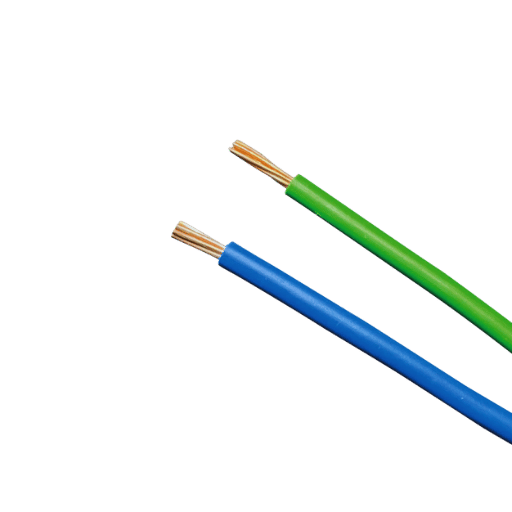
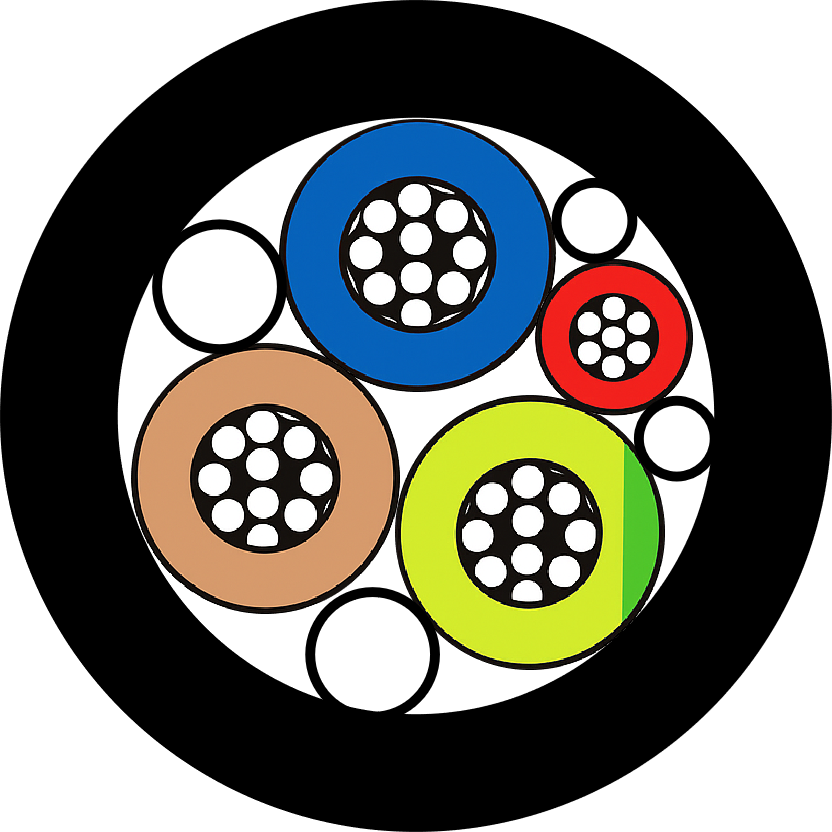
Core Components of a PVC Insulated Cable
Conductor
- The conductor is the most important part of the cable which is made of copper or aluminum due to its good electrical conductivity. It acts as a channel, through which electrical current moves.
Insulation Layer
- The insulation layer which is made of polyvinyl chloride (PVC) surrounds the conductor prevents electrical leakage. This assures safety and ensures smooth energy transfer.
Inner Sheath
- The inner sheath offers added protective barriers of a mechanical nature as well as insulation, serving as a buffer between the conductor and the outer layers.
Armor (if applicable)
- In the case of armoured PVC cables, the armor layer is added for the cable’s protection against mechanical stress, impact, and other external factors including the environment. Usually, this is done through either steel wire or tape.
Outer Sheath
- Like the inner makes of the cable, the outer sheath is also made of PVC, therefore serves as the cable’s external protective covering. It safeguards the cable from physical damage, moisture, chemicals, and UV exposure.
Filler Materials
- During operation, the filler materials help the overall circular shape of the cables and add stability.
Collectively, these components make sure that PVC-insulated cables function properly, last long, and are safe to use in different applications.
The Role of the PVC Sheath and Sheathed Cable
The cable sheath retains the inner parts of the wire, while the PCV’s sheaths serve as protective coverings. The sheath PCV protects the inner parts from environmental factors, mechanical stress like dull scrapes from other objects, inner plate movement, and chemicals. Shield PCV also protects the inner components from UV rays. This improves both the functioning and durability of the cables in different applications. By maintaining structural integrity and insulation, sheath PCV reduces electrical faults, which results in safe and efficient operation.
What is the Cable Construction Process?
There are critical steps in the process of cable construction to make sure it is safe, functional, and durable. The very first step in this process is obtaining them and sewing conductors made of copper or aluminum through a drawing and annealing process. Once this process is done, these conductors are properly insulated to provide and prevent any electrical energy leakage. Depending upon the usage and design of the cable, after the insulation layer is done, the conductors may be grouped, twisted, or shielded in bundles. Finally, additional protective coverings such as PVC can be added to protect them from mechanical shocks. Each step in the process goes through a series of quality controls to ensure it meets industrial and application needs.
Understanding the Conductor in PVC Cables
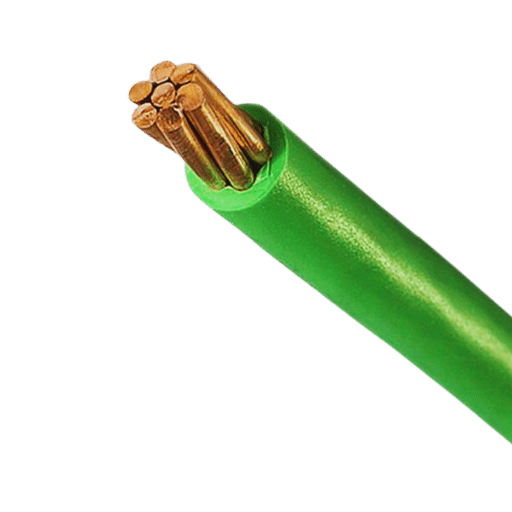
Types of Conductor: Copper Conductor vs Aluminum Wire
Conductors are mainly of two types, copper and aluminum; both differ in properties, benefits, and uses.
Here is a brief comparison :
| Parameter | Copper | Aluminum |
|---|---|---|
|
Conductivity |
High (100% IACS) |
Moderate (61% IACS) |
|
Weight |
Heavy |
Lightweight |
|
Cost |
Expensive |
Affordable |
|
Durability |
High |
Moderate |
|
Corrosion |
Resistant |
Prone |
|
Flexibility |
High |
Moderate |
|
Applications |
Wiring, Power |
Transmission, Aircraft |
|
Size Needed |
Smaller |
Larger |
|
Thermal Conduct. |
High |
Moderate |
|
Longevity |
Long |
Shorter |
Enhanced Performance with Stranded Copper Conductor
Stranded copper conductors are more flexible than solid copper conductors. They consist of individual strands of copper twisted together, improving performance in applications subject to repeated motion and flexing. This flexibility helps to reduce breakage, and is especially useful in dynamic… environments. Stranded copper conductors also offer dependable electrical conductivity, allowing copper to perform its function as an energy conduit without losing structural integrity under mechanical stresses. These features make stranded copper conductors suitable for automotive, robotics, and telecommunication industries where reliability is a constant demand.
The Importance of Conductor PVC in Power Cable Applications
Conductor PVC is critical in the applications of power cables because it provides an effective insulation barrier. PVC protects against electrical leakage, permitting the safe transmission of power. Widely used PVC, used for different applications, has a prolonged service life, is uniquely durable, and is flexible while being chemical resistant and thermally stable within a large temperature range. Its physical flexibility assists in the installation in such areas that are tricky and require tight bends or have complex layouts. Overall, the mechanical resilience, along with the insulation attributes of PVC, enhances the reliability and safety of power cables used in homes and during industrial activities.
How to Select the Right PVC Insulated Cable for Your Needs
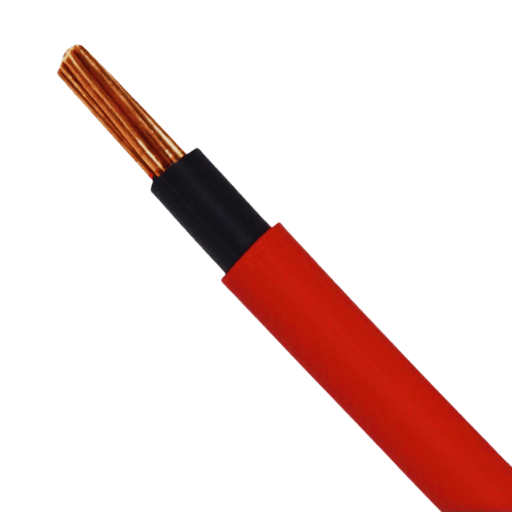
Factors to Consider: Voltage PVC, and Temperature Rating
Selecting cables with PVC insulation requires one to take into account the following:
- Voltage Rating– Confirm the cable’s voltage rating is equal to or greater than the system’s operating voltage for the best results. Failure to do so may cause insulation failure, overheating, or both.
- PVC Properties – Ensure the flame retardancy, flexibility, and toughness of the PVC insulation. Select a cable best suited for certain environmental situations, such as chemicals or moisture.
- Temperature Rating: Review the cable’s temperature limits to verify reliable operation in the prevailing conditions. Choose cables suitable for high temperatures or installation in cold weather for the respective temperature rating.
Considering all of these factors ensures that safety, functionality, and performance are optimal for the PVC-insulated cable.
Decoding 3-Core PVC Cable and Multi-Core Sheathed Steel Wire
3-Core PVC Cable
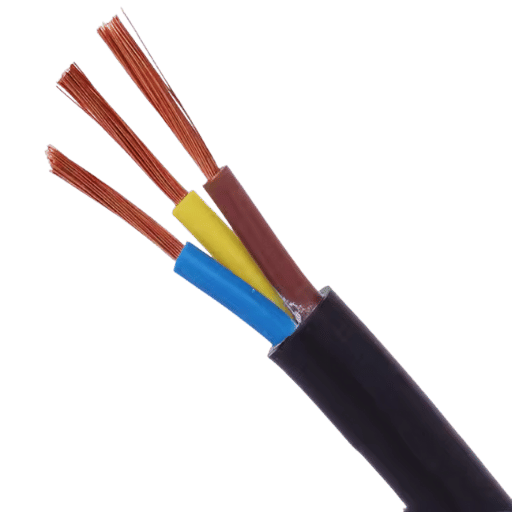
Three-core PVC cables are electrical cables consisting of three insulated conductors with a tough PVC sheath. They are used for power supply in residential, commercial, and industrial systems. Each core is usually assigned a live, neutral, and earth connection, suitable for single-phase power. The PVC insulation safeguards the cable from moisture, abrasion, and light chemical exposure.
Multi-Core Sheathed Steel Wire
Multi-core sheathed steel wire has several conductors that are individually insulated; these conductors are then encased in a steel wire armor, which is further enclosed in an outer protective sheath. The mechanical strength of the multi-core sheathed steel wire improves for heavy-duty applications and areas where physical damage or high tension is expected due to the steel armoring. This steel grade is mainly used for industrial power distribution and other installations that require high durability and protection.
Quality Assurance: Selecting a Reliable PVC Insulated Cables Factory
In selecting a trusted factory for PVC-insulated cables, I first consider brand reputation, the place of the factory, and industry safety regulations. I trust factories like JOCA, which show conscientious compliance to high-grade materials, thorough testing, and performance consistency. Moreover, I check if the factory issues appropriate certificates and offers consultancy tailored to the defined scope of the project.
Frequently Asked Questions (FAQs)
Q: What are the main advantages of using the PVC-insulated electrical cables?
A: The use of PVC insulated electrical cables comes with a number of advantages which include: superb electrical insulation, protected mechanical reliability, endurance to moisture, chemical exposure, abrasion, and fire. Apart from those, they have a lower price compared to other insulated cables, all the while maintaining a strong electrical performance in numerous electrical installations.
Q: In which ways does PVC insulation add to the safety features of armoured electrical cables?
A: The safe use of armoured electrical cables is enhanced by PVC insulation because it adds an additional protective layer that guards against electrical shocks, short circuits, and other dangers. Its flame retardant properties lowers the chances of fire as well.
Q: What are the 3 core PVC cables, and where are they used most?
A: 3-core PVC cables are made up of three separate conductors, which are insulated using PVC. Their application is prevalent in both personal and business environments for power supply and control functions of systems with medium mechanical shielding demands.
Q: What do you think is important about cable insulation for electric cables?
A: Cable insulation is important because it provides safe and efficient transmission of power by eliminating leakage, lowering the chances of electric shocks, and shielding the conductors from external deteriorating factors.
Q: What role does tinned copper play in constructing PVC power cables?
A: Tinned copper assists in improving the conductivity of PVC power cables while also preventing oxidation and corrosion. This is especially beneficial in humid or salty environments.
Q: How does a PVC jacket encasing a copper conductor improve the performance of a cable?
A: A PVC jacket encasing a copper conductor improves the performance of the cable by providing good electrical conductivity and flexibility, along with mechanical protection. This is useful for many applications including the flexible copper conductor usage.
Q: What are the additional features provided by multi-core sheathed steel wire cables?
A: Multi core sheathed steel wire cables provide enhanced strength and protection, making them ideal for harsh conditions. They are also flexible, which improves ease of installation while providing greater mechanical protection and durability.
Q: Discuss the impact of the IEC standards on the quality of PVC-insulated cables.
A: The IEC standards typically ensure that PVC insulated cables are compliant with a certain level of criteria for safety, performance, and quality. This leads to enhanced reliability and efficiency of electrical systems while mitigating equipment failure and safety risks.
Q: What is the significance of conductor PVC insulated cables having flame retardant properties?
A: The role conductor PVC insulated cables play in enhancing electrical installation safety by reducing systems fire hazard risk is significant.
Q: Why are cross-linked PVC cables preferred for high-temperature environments?
A: Cross linked PVC cables are more advantageous in extreme temperature settings because cross-linked PVC provides better resistance at elevated temperatures which ensures proper cable performance without damage in harsh environment.
Reference Sources
- A study of insulation parameters of PVC insulated cable – This research studies the insulation characteristics of PVC insulated cables while considering their use in aircraft.
- Power Cord Glossary of Terminology – A comprehensive glossary analyzing different classes of power cords, including PVC thermoplastic insulated cables.
- Wire and Cable Insulation and Jacketing: Life-Cycle Analysis – An EPA document discussing the life cycle analysis of PVC in wires and cables.
- Wire
- Electrical cable
- Voltage