







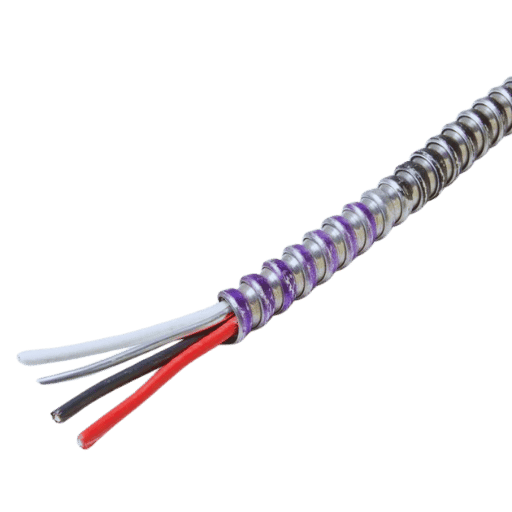
すべてのワイヤーは、そのユニークな仕様を持っており、それらを正しく取得することは、安全性、効率性、および建築基準法または義務への準拠を保証します。 最も人気のある住宅用および商業用配線方法の1 つは、 AC(装甲ケーブル)とMC(金属被覆ケーブル). 表面レベルでは、これらの両方が同じとして遭遇する可能性がありますが、構造、用途、準拠法が大きく異なります。この記事では、特定のプロジェクト要件に関する意思決定の理解を容易にするために、AC ケーブルと MC ケーブルの違いを説明することを目的としています。電気技師、請負業者、DIYer、および一般に、電気設備中に使用されるこれらのデバイスのボルトとナットについて詳しく知りたい人にとって、このガイドでは、これらのコンポーネントを包括的に説明しようとします。.
AC ケーブルと MC ケーブルの主な違いは何ですか?
建設:
- AC (Armored Cable) には、一般的に装甲内に収められた紙製のラップまたはボンディングストリップが含まれています。 MC (Metal-Clad) ケーブルにはこのボンディングストリップは含まれていません。代わりに、緑色の絶縁接地導体が装備されており、接地目的に使用されます。.
アプリケーション:
- 住宅地と軽商業ゾーンは、ACケーブルの使用のための一般的な場所です。 で MCケーブルとの比較, 、MCケーブルはより堅牢です、それは屋内および屋外の両方の使用のために、機械的または環境要因の上昇の工業地帯を含んで適しています。.
グラウンディング:
- AC ケーブルの装甲とボンディング ストリップにより接地が提供されます。接地目的で使用される個別の絶縁導体を備えているため、MC ケーブルは接地のさまざまな構成により適応性が高く、多用途性が保証されます。.
コード要件:
- AC ケーブルは国家電気法 (NEC) の第 320 条に準拠し、MC ケーブルは第 330 条に準拠します。要件の違いは、各ケーブルの構造と使用法が異なることを示しています。.
これらの違いを念頭に置くと、仕様と必要な安全基準に関連して、プロジェクトの電気作業に最適なタイプのケーブルを選択できるようになります。.
AC ケーブルと MC ケーブルの違いを理解する
AC ケーブルと MC ケーブルの用途に関する理解を深めるために、これらを区別する主要な機能の詳細なリストを以下に示します。.
建設:
- ACケーブル: 内部にボンディングストリップがあり、装甲とともに低インピーダンスの故障電流経路を形成します。.
- MCケーブル: 印刷されていないフルサイズの座礁接地導管が含まれており、裸または緑色の断熱が施されています。これは機器の接地導体として機能します。.
装甲材質:
- ACケーブル: 通常、連動するアルミニウムまたはスチール製の装甲で構成されており、物理的な保護を提供するだけでなく、システムの基礎にもなります。.
- MCケーブル: アルミニウムと鋼製の装甲が供給されますが、装甲は接地導体として使用されません。.
接地コンダクター:
- ACケーブル: 内部のボンディングストリップと装甲を接地に使用します。.
- MCケーブル: 接地の信頼性を一貫して保証するための補助接地導体を備えています。.
コード要件:
- ACケーブル: NEC の第 320 条に拘束され、AC ケーブルの接地と設置に関する正確な規制が義務付けられています。.
- MCケーブル: NEC の第 330 条に拘束され、その建設および接地システムに関するさまざまな規定があります。.
アプリケーション:
- ACケーブル: 主に住宅向けのサービスを提供しています 光 商用アプリケーション、特に設置の容易さが不可欠な場合。.
- MCケーブル: 産業および商業環境、特に強力な接地または腐食に対する保護が必要な場所で広く使用されています。.
構成の柔軟性:
- ACケーブル: 主に従来の建物配線用です。.
- MCケーブル: さまざまなタイプの接地、直接埋設、湿式位置環境など、より柔軟です。.
このような差別化を分析することで、専門家は電気システムの安全性、コンプライアンス、最高の機能を確保しながら、最適なケーブル タイプを選択できるようになります。.
AC ケーブルと MC ケーブルの用途を検討しています
AC (装甲ケーブル) とMC (金属クラッドケーブル) の両方は、その設計に関連するそれらの特定のアプリケーションを持っている、したがって、電気設備で広く使用されています ACケーブルは、主に屋内で、より具体的には、一般的な分岐回路配線のための軽い商業および住宅構造において、そのアプリケーションを見つけます ケーブルを湿気などの不快な条件にさらさない領域でうまく機能します。.
MCケーブルは、産業用、商業用、屋外用などのさまざまな環境に適応できるため、より汎用性が高くなります。湿気からの保護、直接埋設、または厳しい環境でのシールドが必要な領域での用途が見出されます。汎用性と強度により、追加の接地、エンクローザー、保護経路が必要な複雑な設備で特に好まれます。.
AC ケーブルと MC ケーブルにおける接地の役割
AC (装甲ケーブル) および MC (金属被覆ケーブル) システムにおける接地の重要性は、電気的安全性とシステム全体の信頼性の観点から、どれだけ強調してもしすぎることはありません。AC ケーブルには、装甲でしっかりと巻かれた一体型のボンディング ストリップが組み込まれており、その結果、接地のための直接経路が形成されます。これにより、ケーブル装甲が接地導体として機能することが可能になります。.
MCケーブルの接地は装甲によって提供されていません むしろ、絶縁または裸地が含まれています ケーブルにワイヤー 組み立て 物理的損傷や腐食性の損傷を受ける領域でも、この導体は遮るもののない信頼性の高い接地経路を提供します。重要な違いは、MC ケーブルに別個の接地導体を追加すると、強力な電気接地が重要な過酷な用途での性能が強化されることです。.
電気設備に AC ケーブルを選ぶ理由は何ですか?
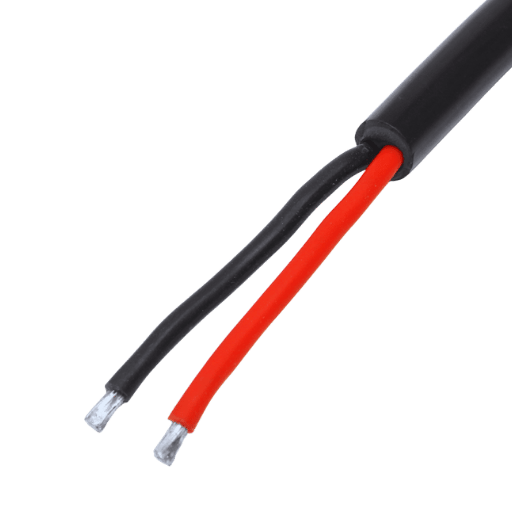
住宅配線における装甲ケーブルの利点
- 強化された耐久性: 装甲ケーブルは、物理的損傷から保護する強力な金属シースを使用して製造されているため、住宅用途で長期的な信頼性を提供します。.
- 耐火性: 金属装甲は、熱や炎に対する追加の障壁として、電気設備の火災安全性にさらに貢献します。.
- 設置の容易さ: 労働時間を短縮することで設置プロセスを合理化し、多くの場合、装甲ケーブルは導管を必要としません。.
- 電磁干渉 (EMI) 保護: 信頼性の高い電気的性能を提供する金属装甲は、内部導体を電磁干渉から保護し、中断のない安定した信号を保証します。.
- スーペリアグラウンディング: を減らす 必要 別個の接地ワイヤの場合、装甲ケーブルのシースは、いくつかの設備で効果的な機器の接地導体として機能します。.
- コスト効率の高いソリューション: 装甲ケーブルの耐久性の組み合わせと、個別の耐火性と接地機能を組み合わせることで、他の単純なケーブルよりもコスト効率が高くなります 配線システム.
- コードの遵守: 装甲 ケーブルは適用可能な電気を満たします 安全性とパフォーマンスを管理し、住宅規格、信頼できる配線、住宅規格に準拠します。.
- 多用途性: 装甲ケーブルは、さまざまな設置設定に適した、隠された壁、露出した場所、または湿った環境で使用できるため、適応性を示しています。.
- 最小限のメンテナンス: 金属装甲の耐久性が向上すると、必要なメンテナンスや修理の頻度が減り、時間の経過とともにその全体的な価値が向上します。.
AC ケーブルのボンディング ストリップを理解する
AC ケーブルのボンディング ストリップはケーブルへの接地導体として機能し、電気安全要件に従って接地への低インピーダンス経路として電気保護を提供します。.
濡れた場所で AC ケーブルを使用する時期
- 屋外での使用: AC ケーブルは、雨やあらゆる湿気にさらされる屋外の場所で使用できます。.
- 地下での使用: AC ケーブルは、湿式定格導管システム内に設置されている限り、地下の場所に適用できます。.
- 湿った工業条件: このケーブルは、湿気が多く、水や湿気が常に存在する産業施設で使用できます。.
- ランドリーとその他の類似の場所: AC ケーブルは、湿気が発生しやすいランドリーなどの住宅または商業スペースで使用できます。.
- クロールスペースまたは地下室: より老朽化した構造では、AC ワイヤは湿気の多い地下室やクロールスペースで保護された形で使用できます。.
- 海洋または沿岸: ACケーブルは湿気の多い場所や継続的に塩水を噴霧する場所で実用的です。また、ドック、マリーナ、海岸沿いの建物など、水域の近くの場所でも同様です。.
- 農業地域: 結露や灌漑にさらされる温室、納屋、および同様の農業構造物は、AC ケーブルの使用から大きな恩恵を受けることができます。.
濡れた場所に AC ケーブルを組み込み、効果的に使用できるかどうかは、適切な設置方法と地域の電気規制に大きく依存します。.
MC ケーブルが電気技師にとって好ましい選択肢となるものは何ですか?

タイプMCケーブルの特徴
- 堅牢な構造: タイプ MC ケーブルは耐久性のある金属装甲で覆われており、物理的損傷に対する優れた保護を提供します。.
- 多用途性: その応用範囲は産業、商業、住宅分野に及びます。.
- コンパクトデザイン: MC ケーブルの連動装甲構造により、性能を犠牲にすることなく、省スペースで軽量な設計が実現します。.
- 耐火性の評価:多数のMCタイプケーブルには、複数の火災および安全要件を満たすために、耐火機能が備わっています。.
- 設置の容易さ: これらのケーブルの柔軟性により、導管や角付近のルーティングが簡素化され、時間が節約され、設置時の難易度が最小限に抑えられます。.
- グラウンディングとの互換性: 特定の MC ケーブルの装甲により、機器接地導体 (EGC) として機能するため、機器の接地が簡素化されます。.
- 耐湿性: オプションのアウタージャケットと密閉構造を備えたタイプ MC ケーブルは、湿った状態や湿った状態に接触する可能性があります。.
- 高い導電率: これらのケーブルは銅を利用するか、 アルミニウム 導体は、さまざまな配電ニーズに対応して効率的な導電性を確保します。.
- 温度範囲: タイプ MC ケーブルは、幅広い温度範囲で動作するように設計されているため、極端な環境条件でも使用できます。.
- コードの遵守: タイプMCケーブルは複数の適用のためのNEC (国民の電気コード)規則へのギャップレス構造です。 MCタイプ ケーブルはセットされた標準を超過することを保証します。.
アプリケーション: MC ケーブルはいつ優先されますか?
- 産業施設: 機械的損傷や過酷な条件に耐える強力な構造により、MC ケーブルは産業用職場で一般的になります。.
- 商業ビル: また、その多用途性と安全規制への準拠により、オフィスビル、ショッピングセンター、さらには病院での使用にも適しています。.
- 住宅プロジェクト: 防火ニーズが高まっている集合住宅や集合住宅にもMCケーブルが適しています。.
- 地下施設: 一部のタイプの MC ケーブルは直接埋設用と評価されているため、地下配電によく使用されます。.
- 露出したアプリケーション: 地下室やユーティリティルームなどの露出した走行には、連動装甲により保護が強化されるため、MC ケーブルは理想的です。.
- 危険な場所: MC ケーブルは危険な場所の特定の設備に適しており、可燃性ガス、蒸気、粉塵が発生するエリアの基準を満たしています。.
- データセンター: 重要なシステムや機器に電力を中継することで、データセンターでは MC ケーブルが頻繁に依存するようになります。.
- 制御と信号伝送: MC ケーブルは、制御回路や照明や信号伝達のためのビルディング オートメーション システムでも使用されます。.
- 屋外用途: 特定の MC ケーブルは屋外に設置でき、正しいジャケット素材を取り付けると日光や湿気に耐えます。.
- 一時的な電源設備: 設置や解体が容易なため、建設現場やイベント時の一時的な電力の供給に広く使用されています。.
MC ケーブルがさまざまなコンポーネントで構成される方法
MC ケーブルは絶縁導体と接地/結合導体で作られており、すべてアルミニウムまたはスチールの連動装甲で覆われており、耐久性を高め、適用される基準を満たすために耐湿ジャケットでさらに保護されている場合があります。.
AC ケーブルと MC ケーブルはどのように保護と接地を確保しますか?
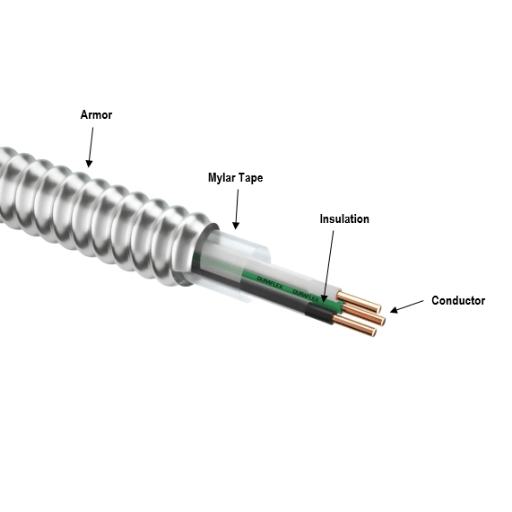
電気安全における金属装甲の重要性
電気ケーブル内の保護金属シースは、物理的な破損や電磁干渉から保護すると同時に、現代の電気安全規制に沿った効果的な接地点としても機能します。.
AC および MC ケーブルにおける接地導体の役割
- 強化された安全性: 接地導体により電気的故障が効率的に地面に消散するため、安全性が向上し、感電や火災のリスクが大幅に軽減されます。.
- 障害電流処理: アース回路は故障電流も処理するため、異常状態のいずれかのときに回路ブレーカーまたはヒューズが故障回路を開くことができます。.
- 電磁干渉 (EMI) 低減: また、接地導体はケーブルを接地することで EMI を支援し、干渉を軽減して、敏感な電気機器が正確かつ確実に動作できるようにします。.
- 規格への準拠: 適切な接地を行い、電気規格と適切な規制の要件を満たすことで、設置が許容された安全制限を下回らないようにします。.
- 最小化された電圧ビルドアップ: 地上導体により、ケーブルの装甲や機器に動かず、信じられないほど危険な電圧が蓄積されなくなり、システムや人員が保護されます。.
それぞれが提供する接地のレベルを理解する
各システムの保護機能はその構造と実行に左右されます。効果的な接地により、最小限の抵抗でアースリターンパスが保証され、安全性と運用効率が保証されます。個別の接地導体を備えたシステムは、通常、接地に導管やケーブル装甲に依存するシステムよりも優れた保護を提供します。接地システムの実現可能な信頼性は、接地部品の徹底的な検査、安全規制の遵守、および定期的なシステムの維持によって達成されます。.
特定のニーズに最適なケーブルの種類を決定するにはどうすればよいですか?

電気規格の要件を評価します
特定のケーブルの適切なクラスを検証しようとすると、これらのアプリケーションは、住宅、産業、または商業などの異なる市場セクションを含むだろう これは、ISOマークとローカル電気コード、特にNECで確認した後に導き出すことができます 電圧レベル、ケーブルの現在の能力、およびケーブルを設置する場所 (湿式および乾式) の環境条件を分析する必要があります 電圧グレードもケーブルを選択する際に考慮すべき重要な要素です 提供されたケーブルは、コードによって定義された適切な絶縁のテストに必ず合格する必要があります また、それらの関連する承認スタンプもチェックする必要があります 絶縁テスト、スタンプテスト、および全体的なマークコンプライアンスは、負荷、環境、および運用上のニーズに提供される安全性と照らし合わせてチェックする必要があります 信頼性と並んで常に十分性を保証します。.
物理的損傷の保護を考慮します
物理的な損傷からケーブルを保護するために、コンジットシステム、ケーブルトレイ、または設置環境に適したその他の保護エンクロージャを使用する必要があります 衝撃、摩耗、腐食性物質への曝露の可能性から保護する材料を選択する必要があります 保護システムは、国家電気規格 (NEC) などの関連規定および規格に準拠する必要があります 定期的な検査とメンテナンスは、ケーブルの健全性に対する潜在的な脅威を特定し、軽減するのに役立ちます この多層的なアプローチにより、ケーブルの寿命と動作の完全性が維持されます。.
2 種類の電気ケーブルの選択
絶縁体、導体のタイプ、および使用法の特定の要求に関しては、これらの3 つの要因、とりわけ、2 つの可能なタイプの電気ケーブルのうちの1 つについての私の選択を導くために、私はしばしば助けに頼る JOCA ケーブル, 、ケーブルの種類と適切な使用法に関する徹底的なガイダンスを提供します。このようにして、私が下す決定は、品質、耐久性、規制や規格への準拠などの要素に基づいていると確信しています。.
よくある質問 (FAQ)
Q: 金属被覆電気配線に使用される MC ケーブルと AC ケーブルの違いは何ですか?
A: MC (Metal Clad) ケーブルと AC (Armored Cable) ケーブルの設計は、金属被覆電気配線で使用されるケーブルと区別するものです。 MC ケーブルには絶縁されたフルサイズの接地ワイヤが含まれています そして一般にぬれた場所のために適します、ACケーブルは装甲の内側で包まれる結合ワイヤーを含んでいて、通常乾燥した場所で見つけられます。 MCケーブルは比較的柔軟であるだけでなく、よりよい物理的な損傷からの保護その適用範囲が広い金属のジャケットのためにです。.
Q: 金属被覆ケーブルの特徴は何ですか?また、ケーブルはどこで使用されていますか?
A: 金属被覆ケーブルは、その名の通り、a 電気配線の種類 絶縁導体の周囲に金属が覆われており、安全性と信頼性の向上とともに、あらゆる形態の損傷に対する物理的保護を強化します。これらの使用は、強度、保護、外部要因からのカバーが不可欠な電気のさまざまな設備において重要です。.
Q: ケーブル装甲の連続性が金属被覆ケーブルの性能に与える影響は何ですか?
A: 装甲の連続性により、接地システムによる金属被覆ケーブルの動作性能が向上します。完全な金属ジャケットは、故障電流に対する効率的な電気経路を提供し、障害を軽減することで電気システムの安全性と信頼性を高めるため、設置に有利です。.
Q: ACケーブルのボンディング ワイヤーの機能は何ですか?
A: クラフト紙にボンディングワイヤを巻き、AC ケーブルに配置すると、ケーブルを効果的に接地して確実に取り付け、ケーブル装甲を確実に接地するガードワイヤの機能を果たします。.
Q: MC ケーブルにおける専用アース線の適用について説明します。.
A: 保護ケーシングは MC ケーブル用に個別に絶縁された接地線を採用しており、これによりワイヤの残りの部分とは別に明確な接地経路が作成され、電気ネットワークの安全性プロファイルが向上します。.
Q: 金属被覆ケーブルにおける薄い金属装甲の重要性は何ですか?
A: 配線システムの多くの迂回による移動は、金属被覆ケーブルに薄い金属装甲を使用することで簡単になり、柔軟性を維持し、障害を大幅に軽減しながら物理的損傷から高度な保護を提供します。.
Q: 個別に絶縁された導体は MC および AC ケーブルにどのようなメリットをもたらしますか?
A: 個別絶縁導体は、短絡や電気的干渉に対する保護を強化することで、電気設備における MC および AC ケーブルの安全性と有効性を向上させます。.
Q: MCの電気ケーブルを他のタイプのケーブルと比較し、保護はどのように提供されますか?
A: MCの電気ケーブルの保護機能は専用接地ワイヤーが付いている適用範囲が広い金属のジャケットの存在のために最も進められたの1 つです。 theyは標準的なケーブルが提供するものの物理的な損傷の保護が強まる設定で最もよく使用されます。.
Q: 金属クラッドケーブルを取り付ける際に、標準的なアース線が重要な理由は何ですか?
A: クラッド金属ケーブル設備で標準のアース線を使用すると、安全基準や電気規制に準拠した電気システムを接地する手段が提供されます。.
Q: 金属被覆ケーブルは湿った環境でも使用できますか?
A: はい、金属被覆ケーブル、特に MC ケーブルは、フルサイズの絶縁アース線を備えており、被覆材が耐湿性があるため、湿った環境での使用に適しています。.
参照ソース
- 建物のメンテナンスと配線 ~ AC および MC ケーブルの特性を詳しく説明した説明ビデオ。.
- LCLS ケーブルの仕様 * SLAC 国立加速器研究所が作成した、MC ケーブルを含むケーブルの仕様を詳述する文書。.
- ノースウェスタン大学設計ガイドライン ・低電圧電気回路における MC および AC ケーブルの適用に関する規制。.
- 24 CFR § 3280.808 § 配線方法と材料 ~ 特定の状況における AC および MC ケーブルの適用と関連性を詳しく説明する法文。.
- 低電圧の導電体とケーブル ・AC および MC ケーブルの準拠基準に関する規制要件を説明する IMSA の教科書。.
- 電気ケーブル
- ワイヤー
- 電気配線