

複雜的電線網路是任何結構的支柱,根據預定的地理和電氣規範仔細控制電力流動。透過在各個地理區域使用單一標準,依序處理電氣系統變得更加容易。對於那些處理更先進水平的中國佈線系統的人來說,了解特定的電線顏色代碼對於充分限制危險風險和操作效率至關重要。本指南將解釋中國電線顏色代碼,用清晰詳細的資訊填補空白,同時確保與IEC顏色代碼保持一致,並且不偏離行業標準。本文不僅希望讓電氣工程從業者受益,而且希望讓好奇的國際接線標準和實踐的公眾相信中國佈線系統的工具。.
什麼是 電線 中國使用的顏色代碼?
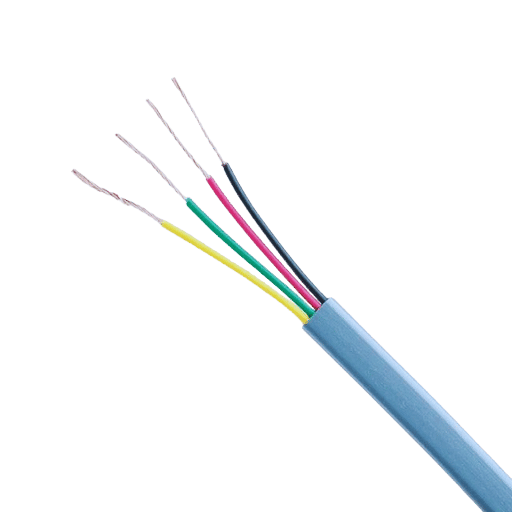
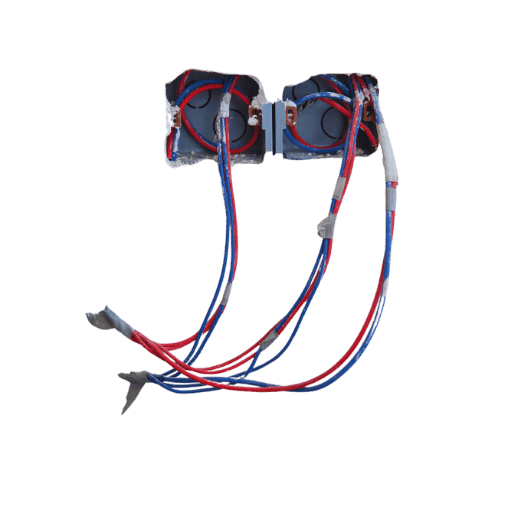
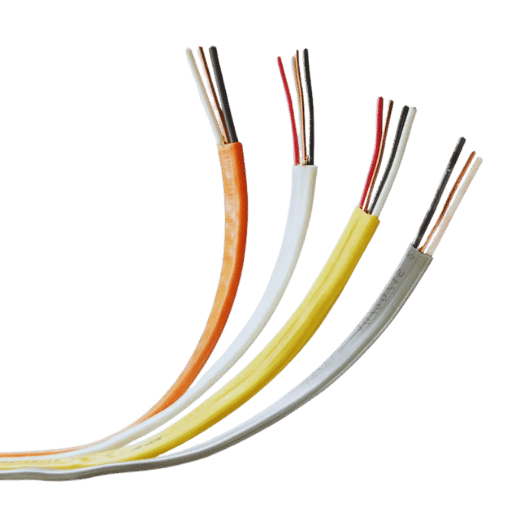
中國採用了GB/T 14048.1-2006標準,為電氣工作中使用的電線分配了特定的顏色,以增強安全性和均勻性。用於對各種電線進行著色的配色方案如下:
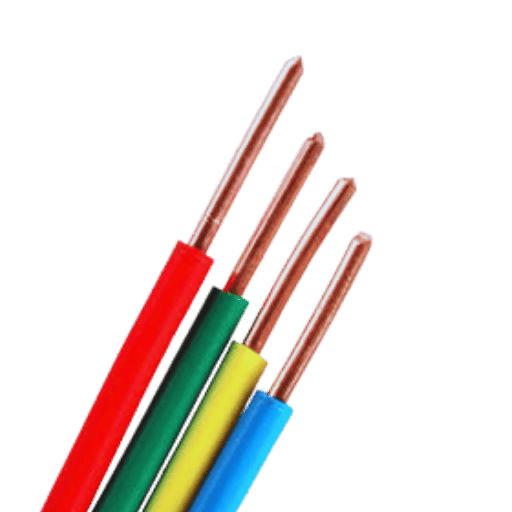
- 活線或相線可以是黃色、紅色、綠色
- 中性淺藍色
- 接地線或接地線為黃色和綠色條紋
所有顏色均符合中國國家標準(GB標準),安裝統一。電線必須正確分類,以便在維護和故障排除期間安全運作。.
概述 線材顏色代碼 在中文接線中
中國的佈線配色方案特別注重易於識別,因為它有助於降低電氣風險並確保正確的電路操作。這些做法在 GB 50303-2015 下進行了標準化,該標準透過以下方式管理相線、中性線和接地線的顏色編碼:
- 相(帶電)電線:* 對於單相或三相電路,通常標記為紅色、黃色或綠色,這些顏色用於向電器和設備傳輸電流的導體。.
- 中性電線:中性線是普遍使用的術語,以淺藍色表示。中性線的作用是形成完整的電路,將電流返回電源。.
- 接地線:為了防止觸電,這些電線標有黃綠色條紋,表示接地和防電氣故障。.
- 此外,商業和工業佈線內的附加區別可能使用更複雜的相位識別和子電路分離。.
主要統計數據和趨勢
根據對住宅和工業項目使用的接線顏色代碼的分析,遵守標準化電線顏色代碼緩解了與接線錯誤相關的問題。電氣安全審計估計,近 80% 的不合規問題源於電線顏色的錯誤應用。這指出了對訓練有素的人員和遵守準則的需求。英國標準有助於縮小中國電氣系統相對於全球安全基準的差距。.
隨著智慧控制和再生能源技術等創新的系統現代化,必須維持佈線技術的標準化。為了確保這些高度複雜的系統中的使用者和操作員的安全,透過電線顏色編碼進行充分的識別手段至關重要。.
與國際的比較 線材顏色代碼 標準
不同地區關於顏色編碼線的做法有所不同。然而,對於電氣配件的均勻性和安全性有基本準則。例如,國際公認的 IEC 在整個歐洲和世界其他一些地區實施控制。它為導體提供了標準化的顏色編碼方案,以盡量減少錯誤識別它們的機會。根據 IEC 60446,保護性接地線為綠色,帶有黃色條紋,而中性導體為淺藍色。另一方面,帶電電線根據相位使用棕色、黑色或灰色。.
相反,在美國,《國家電氣規範》規定根據電壓等級和系統使用黑色、紅色或藍色帶電電線。中性線始終為白色,而接地線為綠色或帶有黃色條紋的綠色。在中國,相線積極使用紅色,中性線積極使用藍色,接地線積極使用綠黃色。.
三相繫統帶電電線顏色標準有差異; UNE 使用黑色作為主要顏色,而棕色和灰色是次要顏色,這與 NEC 和中國標準相矛盾,後者將混合配置改為棕色、藍色和黃色。這種差異強調了國際上必須解決的統一問題,因為電氣系統有更多的互連。.
納入太陽能等再生能源系統帶來了新的要求,例如標記太陽能線,這進一步說明了對顏色編碼準確性的需求。研究表明,不充分的統一慣例如何以低效率、接線錯誤或危險的形式帶來問題,特別是在跨國企業或使用不同標準的進口系統的情況下。區域層級可能存在一些差異,但國際協調措施(例如 IEC 代碼的修訂)努力增強跨區域的安全性和統一性。.
遵循的重要性 標準接線顏色代碼
準確遵循佈線系統的顏色代碼可以增強電氣安全,減少誤解的機會,並提高營運效率。業內最新報告稱,基於顏色代碼混亂的不受監管的佈線行為導致近 25% 的電氣故障;標準不一致會加劇這個問題。這兩個因素不僅阻礙安裝或維護工作的及時完成,還會帶來短路、設備故障或災難性火災等嚴重後果。.
為了解決全球範圍內的差異,設計了 IEC 60446 等標準化接線規範,以實現協調。特別是,IEC 對相導體顏色(例如棕色、黑色和灰色)制定了具體規定,而藍色將用於三相電氣系統中的中性導體。採用這些標準的國家的調查數據顯示,安裝錯誤顯著減少。此外,研究表明,已開發國家加強採用這些標準,導致國際爭議標記消失,外國電力系統毫不費力地融入國內基礎設施。.
此外,透過與這些顏色規範保持一致,組織可以加強工人培訓計劃,因為標準化可以更輕鬆地學習新電工和技術人員的任務。安全機構進行的研究表明,與擁有過時或模糊佈線法規的地區相比,擁有有效強制合規結構的國家的工作場所電氣事故減少了近 30%。這強調了綜合標準在增強電氣系統安全性和可靠性方面的重要性。.
怎麼樣 線材顏色 直流和交流電源的代碼不同?
理解 直流顏色代碼 電力系統
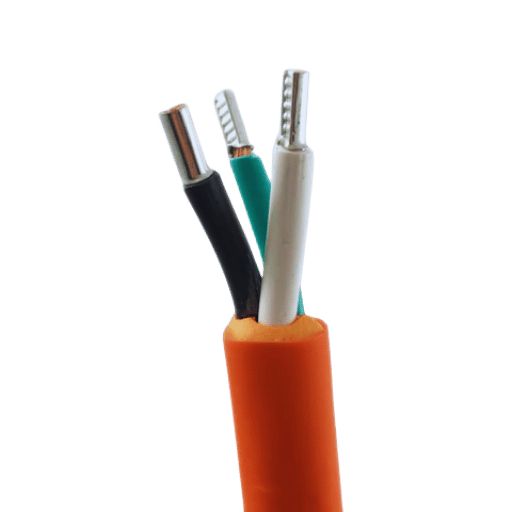
出於安裝和維護過程中的安全原因,直流電源系統對電線應用某些顏色代碼來指示極性。通常,正極線是紅色的,負極線是黑色的,如果有接地線,它是綠色或帶有黃色條紋的綠色。這種標準做法有助於防止不同直流應用中接線的混亂和錯誤,因為統一的顏色系統可以最大限度地減少錯誤的風險。.
交流電源和 線材顏色代碼 區別
交流 (AC) 電力系統使用設定的電線顏色代碼,以確保所有電氣裝置的安全性、運作效率和均勻性。交流電的結構,無論是單相還是三相,都附有其區域電線著色標準。這與直流電器不同。.
例如,在美國 (US),單相繫統中交流線路的國家電氣規範 (NEC) 顏色分配包括:
- 黑色代表現場指揮「“熱”電線。.
- 白色代表中性導體。.
- 接地線為綠色或綠色,有黃色條紋。.
對於美國的三相繫統,相線可以是:
- A 階段為黑色。.
- B 階段為紅色。.
- C 階段的藍色。.
在歐盟,國際電工委員會 (IEC) 規定了地面的顏色代碼如下:
- 棕色是帶電或相線。.
- 藍色是中立的導體。.
- 接地線綠色和黃色提供了電氣系統中特定電線的指定用途。由於系統/方案的分離區別具有重要影響並限制由於佈線故障而導致的不匹配,可能導致不當故障、設備損壞、安全風險等。此外,澳洲和英國作為地區可能會遵循自己的標準,這些標準通常符合一些 IEC 和其他當地規範。除了顏色代碼外,不同行業還利用萬用電錶等各種專業等級工具來驗證所提到的工作,並在安裝或維修過程中測試電線的功能,以減少錯誤等複雜情況,包括提及確定電線顏色的代碼。.
了解顏色代碼標準集的差異對於幫助電氣工程師、技術人員,甚至在國際企業工作的承包商同樣重要,因為它涉及必須遵守當地法律以及國際企業內相關係統的安全性的合規性。電氣領域。.
的意義 顏色代碼 在 電氣系統
電氣系統中的標準化顏色代碼對於維護電氣裝置的安全性、可操作性和法律要求至關重要。它們作為一種國際通訊模式,減少了安裝、維修和日常維護過程中的錯誤和事故 電氣佈線系統 組件。.
例如,國家電氣規範為接線設定了顏色約定;在美國,綠色用於接地導體,白色用於中性線。對於安全電源線安裝同樣重要的是美國規範。歐洲也符合這些標準。藍色經常用於中性導體和接地導體,而綠色和黃色條紋則用於保護性接地。 IEEE 進行的一項研究表明,忽視這些標準可能會導致電線識別不當,這是電氣事故最常見的原因之一。這會導致昂貴的維修費用並引起安全問題。.
此外,規範的採用和遵守簡化了建築、製造和資料中心產業的國際合作。在不同地區營運的全球公司通常遵循國際公認的標準 IEC 60446。這有助於消除不同地理區域電氣系統整合所帶來的混亂。.
根據多份行業安全報告,遵守標準化電氣顏色規範可以減少近 23% 的接線相關事故。這不僅提高了安全性,還提高了營運效率,因為現成的資訊使技術人員和工程師能夠輕鬆準確地解決電氣問題。這種深厚的知識,加上對這些規範的堅定遵守,維持了當代電氣工程的基本理解。.
什麼是常見的 電線和電纜 中國電線中的顏色?

識別 電纜顏色 對於 單相 系統
與許多工業化國家一樣,中國已將各種顏色編碼方案納入電線中,其中包括單相繫統的顏色編碼方案。單相繫統採用普遍接受的方案,包括:
- 導線(相或L):導線一般以紅色表示。這表明電線攜帶電流,如果觸摸可能會造成危險。.
- 中性線(N):中性線以藍色表示。此導線可作為電流的返回路徑,對於完成電路至關重要。.
- 地線(地線或PE):地線顏色編碼為黃綠色。其主要職責是促進多餘的電荷安全轉移到地下,從而提供安全機制。.
這些指南取自 GB 50303-2015:中國電氣裝置施工品質驗收規範。觀察這些適當顏色的電線和截面非常重要,因為如果不這樣做可能會導致接線錯誤,從而引發危險的火災或衝擊。在安裝和維護過程中,國內和國際工程師都有責任檢查顏色代碼並遵守法律規定的安全標準。.
使用的顏色 三階段 電源電路
三相電源電路的標記在電氣設備的安裝中起著至關重要的作用。與電氣技術中的其他所有內容一樣,它需要嚴格遵守標記標準和顏色代碼,這些標準和顏色代碼需要在整個設施和/或工作站中保持一致。遵循世界各地標準從業者的具體法規和建議步驟是最佳實踐。下面,您可以找到最常見的標準:
- L1 階段為棕色,
- L2 階段為黑色,
- L3 階段為灰色
- 藍色代表中性 (N)
- 綠黃色保護地球 (PE)
比較分析:
US (NEC):不提供嚴格的相位顏色要求,但有共同的建議。.
- A 階段 (L1) 為黑色
- B 階段 (L2) 為紅色
- C 階段 (L3) 為藍色
- 白色或灰色表示中性 (N),
- 綠色或帶有黃色條紋的綠色,用於地面/保護地球
中國 GB/T 2681-2011:
- A 階段 (L1) 為黃色
- B 階段 (L2) 為綠色
- C 階段 (L3) 為紅色
- 淺藍色代表中性 (N)
- 黃綠色代表保護地球 (PE)
此相位顏色簡寫根據 IEC 法規進行標準化。.
- A 階段 (L1) 也稱為黃色
- 而B期(L2)是綠色的
- 紅色標記 C 階段 (L3)
- 中性 (N) 標記為淺藍色
英國(BS 7671):
- 棕色相 (L1):棕色
- 黑相 (L2):黑色
- Phase Grey (L3): Grey
- Neutral (N): Blue
- Earth: Green-Yellow striped
This also applies to Electric installations. Errors due to inconsistencies with the company’s wiring color schemes within the facility can pose a threat to safety and prolong maintenance issues. Enhanced operational safety is guaranteed if applicable local standards or regulations are relied on during the planning stage (or when modifying) an electric system.
理解 中性線, 地線, 和 活線 Colors
As per the regional standard, the neutral wire may be marked blue or white, and it completes the circuit for the flow of electric current. A safety wire, or ground wire, which is typically green or green-striped with yellow, prevents the risk of electric shock by channeling the surplus current safely into the ground. Active electricity flows through the live wire, which may be colored red, brown, or black, and is transmitted from the power source to the device that is plugged in. Compliance with local standards and verification of proper identification of electrical wiring must be followed.
怎麼樣 Wire and Cable Color Codes Implemented in Chinese Wiring?

的作用 International Electrotechnical Commission (IEC) in Standardization
The International Electrotechnical Commission (IEC) has been instrumental in the international standardization of wire and cable color codes, including his impact on Chinese wiring systems. The IEC frameworks offer fundamental benchmarks of consistency, safety, and interoperability on electrical installations ranging from simple power cables to more complex systems. Through the efforts of the IEC, China has also implemented color coding systems that align with global practices while adapting local nuances as per IEC mandates. Such measures significantly reduce ambiguity and the possibility of mistakes in performing electrical tasks.
Comparison with 國家電氣規範 (NEC) Standards
The National Electrical Code (NEC) of the United States is utilized to formulate the regulations about the safe installation and servicing of electrical systems within a given country. There are striking differences between the two standards, even when both have similar goals of improving safety and reliability within the functions of electricity.
Another area in which there is a difference is in the wiring color codes. For example, according to NEC, black wires are to be employed for ungrounded (hot) conductors, white wires for grounded (neutral) conductors and green or bare wires are to be used for grounding conductors. In other countries, the IEC practices brown for hot/live, blue for neutral, and green-yellow for grounding wires. NEC, for example, is more stringent in some areas, like the United States, with residential, commercial, and industrial wiring, whereas IEC is more lenient with regional variations within its framework.
Voltage types also differ within the context of systems. The National Electric Code (NEC) focuses mostly with 120/240 volt ranges for residential systems while IEC seems to be more accommodating to higher international voltages like 230 volts and 400 volt systems. Recent data shows that the U.S. industrial sector appears to still be adopting the NEC because of its defined structure and localized reasoning, whereas IEC standards tend to support systems needing cross-border alignment and uniformity.
Complying with NEC also highlights additional requirements related to wire protection, conduit, and grounding that tend to affect the schedule and budget of a project. Some studies have suggested that in comparison with IEC standards, NEC is more prescriptive, which results in increased material expenditure due to granularity of safety detail. On the other hand, IEC provides the broadest scope of safety benchmarks while adopting flexible guidelines, which leads to stronger innovation.
Both NEC and IEC have equally vital roles in regulating the safety and efficiency of an electrical system, however these standards’ boundaries are regionally dictated by policies, practices, and specific project requirements. Electrical engineers and contractors dealing with global projects need to understand these differences for effective working design tailored to varied project requirements.
Adapting to Old and New Color Codes 在 電氣佈線
As is clear, the changeover from previous to modern color codes used in electrical wiring poses an issue of great concern for engineers, electricians, and even contractors. The International Electrotechnical Commission, along with many local governing authorities across the globe, has tried to increase safety and reduce confusion with the introduction of new guidelines over the years. This is exemplified by the harmonized wiring color codes introduced in the European Union under IEC 60446, which sought to mitigate practices and decrease interborder electrical risks caused by inconsistent cross-border systems.
Key Differences Between Old and New Color Codes
Consider, for example, the UK’s wiring practices before 2004. Using the older wiring standards, some colors, such as red and black, were assigned the live phase and neutral, respectively, while the earth wire was green. After 2004, the harmonized color codes changed red to brown for live and black to blue for neutral. Green/yellow remained unchanged as earth. These revisions sought to adopt the European Standard to consolidate safety measures.
Data on Common Wiring Standards
Below is a summary of commonly referenced color codes for electrical wiring based on existing global standards:
|
功能 |
Pre-2004 UK Color Code |
Post-2004 Harmonized Code |
US NEC (National Electrical Code) |
|---|---|---|---|
|
Live (Phase 1) |
紅色的 |
棕色的 |
黑色的 |
|
中性 |
黑色的 |
藍色 |
白色的 |
|
Earth (Ground) |
綠 |
綠色/黃色 |
綠色或裸色 |
These differences emphasize the need for thorough documentation and compliance with the applicable standards for each region where work is being conducted.
Implementation Challenges
A key issue that arises during the adaptational phase is maintaining safety when older systems are upgraded or expanded. When an installation’s wiring is both new and old, the absence of strict segregation and adequate labeling will confuse maintenance or troubleshooting, which will result in mistakes. Hence, cross-region patchwork on systems that employ direct current is critical while working or traversing borders with differing standards. Direct Cross-region patchwork and direct color code changes of the label color scheme necessitate untangling incompatible standards and testing across region restrictions.
Addressing these differences and ensuring compliance with contemporary standards greatly improves the risks encountered, as well as the reliability of the entire electrical system.
Why is Understanding Electrical Wiring Color Important for Electricians?

Ensuring Safety with Electrical Wire Color Code
Correct interpretation and use of electrical wire colors are essential for upholding safety standards regarding electrical installations and repairs. These codes enable electricians to understand the function of the wires, which include ground, power supply, and neutral. Adherence to these standards helps avert electrical dangers like short-circuiting and unintentional shocks while also easing maintenance diagnostics. Following accepted color schemes allows electricians to increase precision and reduce problems related to incorrect wiring.
Challenges in Dealing with Old Wiring Color 系統
Working with outdated wiring color systems is both a safety risk and a functionality issue. Older installations used to use non-standardized or obsolete color codes, which make maintenance or upgrades quite confusing. For example, some systems used black or red wires for neutral connections which is in conflict with modern conventions that use white or gray for neutrals. Such discrepancies increase the risk of miswiring which can result to short-circuits, electrocution, or the damaging of sensitive apparatuses.
Most old system documents are either incomplete or missing entirely, which makes it increasingly frustrating for electricians as now they have to do guesswork and extensive testing to figure out the use of the wires. This task is quite tedious, time-consuming, and error-prone. Some studies claim that inadequate wiring upgrades in older properties are one of the primary causes of electrical fires, especially in aging homes. In addition, modern systems fitting into existing infrastructure may increase the time and money spent due to possible compatibility problems between old and new parts.
To address these problems, electricians may need to employ specialized equipment like wire tracers and continuity testers for determining the functions of vague wires. During modernizations, accurate labeling and updated documentation also play an important role in long-term safety and compliance with regulations. Moving away from these legacy systems to current standards improves safety and also optimizes future repair and maintenance activities.
Best Practices for Electricians in China
1. Adhering to National Standards:
The National Standards of Electrical Safety (GB/T) set critical safety regulations and technical prerequisites for electricians in China. These standards help to create a safe working environment and improve the reliability of electrical installations. Compliance with China Compulsory Certification (CCC) is mandatory for electrical equipment and products, as this certification asserts compliance with national safety and quality requirements.
2. Incorporation of Smart Grid Technology:
China’s rapid development in smart grid technology requires electricians to learn the newest innovations like the deployment of smart meters, advanced sensor technology, and integrated energy systems. Studies show the goal for China is to fully modernize the grid by 2030. This means there is a growing need for well-trained electricians in smart grids and renewable energy systems.
3. Renewable Energy Specialization:
There is a growing demand for electricians to assist in the installation and maintenance of systems that harness renewable energy like photovoltaic (PV) panels. In China, the share of renewable energy is expected to exceed 50% of the country’s total energy consumption by 2025. Knowledge of operational and safety procedures for solar panel and wind power installations is a necessity for electricians in both cities and rural areas.
4. Upgrades in Training and Certification
Professional development and endorsement are issued by the government through specialized institutions, which encourage vocational certification for electricians. High-level certifications, like the High-Voltage Electrical Installation Certification, allow an electrician to stay relevant in the ever-changing employment marketplace. Furthermore, new teaching methodologies place greater emphasis on training concerning automation systems and energy management.
5. Putting a Premium on Safety at the Workplace
Data shows that electrical accidents mostly stem from outdated practices and insufficient safety measures. Electricians need to pay greater attention to the use of Personal Protective Equipment (PPE) such as insulated gloves and boots, as well as performing pre-use inspection and testing of tools. Thorough checks for safety and compliance with procedures that guard the workplace from electrical hazards must be performed to reduce risk.
Such practices enable Chinese electricians to adapt to changes in the electrical industry’s technology while ensuring safety, sustainability, and efficient service delivery.
常見問題(常見問題)

Q: Which color codes are used in Chinese wiring systems for the electrical wires?
答:在中國的佈線系統中,顏色被分配給不同的電線。在大多數情況下,紅色電線表示帶電電線,藍色表示中性線,而接地線則表示黃色和綠色。這些顏色代碼對於保持電流分配的安全性和精確性起著重要作用。.
Q: In what ways is the comparison of the Chinese wiring color code with European countries wiring systems differs?
A: Both China and European countries use color codes for wiring purposes, but the specific colors used may vary. For instance, red is associated with live wires in China – it is brown in Europe. Additionally, blue is used for neutral in Europe while China prefers blue. Adherence to wiring color codes promotes safety, streamlined operations, and ease in using different electrical systems.
Q: How important is the earth wire in a cable assembly?
答:接地線通常標有黃色和綠色條紋,在電纜組件中發揮重要作用。它有助於將電力流引導回地面,消除電擊風險,從而提高整個電氣系統的安全標準。.
Q: Is it possible to apply a yellow wire as a hot wire in the Chinese wiring system?
答:不。一般來說,黃線在中國佈線系統中不被指定為熱線。如前所述,紅色是熱線使用最廣泛的顏色,使用黃色等其他顏色可能會造成混亂和危險。如果安全是優先事項,則不建議偏離標準電氣顏色代碼,而安全是任何電氣工作中的必備條件。.
Q: What is the responsibility of electrical engineers in terms of working on wiring harnesses?
答:就線束設計而言,電氣工程師發揮著重要作用,因為他們創建了佈置示意圖以及選擇適當的電纜和絕緣顏色。此外,他們還確保涉及佈線系統的風險以及人員和設備的安全在效率方面處於可接受的限度內。他們的工作是透過正確、安全和高效的電力安裝來提出想法。.
Q: How are three-phase and single-phase systems distinguished in terms of wiring color codes?
A: 在三相繫統中,三根帶電電線的顏色代碼可能是紅色、黃色和藍色;中性線可以是藍色或白色。在單相繫統中,通常有一條帶電電線,紅色帶藍色中性線。正確的識別可確保準確的安裝和操作。.
Q: Describe what the difference between AC and DC wire color codes is in China.
A: In China, the wires of AC circuits are coded red for live wires, blue for neutral, and green with yellow stripes for the earth wire. For DC wire color coding, the standard red is used for the positive terminal and black for the negative terminal. There are separate codes for DC and AC to avoid misunderstanding and guarantee safety.
Q: What is the rationale in adhering to standard electrical color codes in a system of wiring?
答:遵循標準電氣顏色規範可以優化人員安全,降低電氣風險,並協助接線系統的維護和故障排除。遵守這些準則有助於避免錯誤並提高電氣系統的可靠性。.
Q: In what way does the color of insulation on cables assist in differentiating between various electrical cables?
答:電纜著色方案透過表示電纜各自的角色(例如帶電導體、中性導體或接地導體)來幫助區分電纜。這有助於電氣技術中的正確安裝和維護,因為借助及時識別可以輕鬆避免疏忽和事故等問題。.
參考來源
1. Title: The Theory and Practice of Developing Color Chinese Character Authentication Code on ASP.NET
- 作者: Duan Xue-li
- 出版日期: 2006 (not within the last 5 years)
- 總結: This paper analyzes the issues concerning Chinese character coding for use in an ASP.NET application with special attention to the creation of dynamic color Chinese character certification codes. While it pertains to the area of color coding, it does not focus on wire color codes.
2. Title: Cross-Cultural Semiotics: Cultural Code Of Color Terms In Chinese And Russian Languages
- 作者: N. Perfilieva
- 出版日期: 2019 (not within the last 5 years)
- 總結: This research investigates the sociocultural implications of color designations in the Chinese and Russian languages, elucidating how colors are viewed and classified across various cultures. But does not center on the discussion of wire color codes.
3. Title: The Importance of Color in the Chinese Dress Code
- 作者: Kim Soonjin, Han Yong-Su
- 出版日期: 2018 (not within the last five years)
- 總結: This research explores the meaning of the five color words concerning dress codes in China. It also looks at how color as an abstract concept, impacts expression. Although it covers the concept of color, it makes no mention of the color coding of wires.