







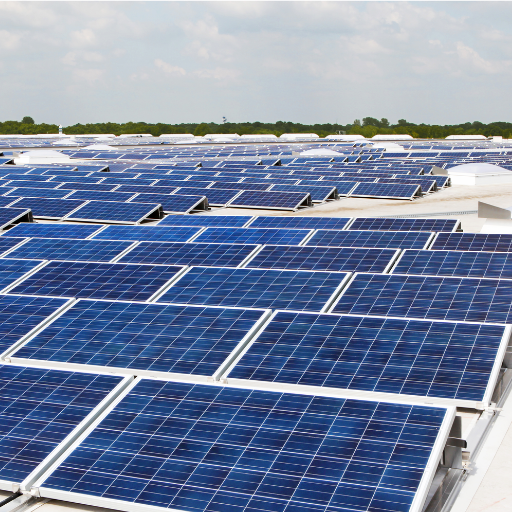
當個人尋求再生能源時,太陽能可以成為家庭和企業的主要解決方案。然而,關於太陽能電池板,人們應該了解的眾多事情之一是它們的尺寸要求。本文全面介紹了與此相關的一切 太陽能組件的尺寸, ,包括物理尺寸、技術類型以及這些如何影響輸出功率和安裝難易度。無論您想在家中還是在工作場所使用它們都沒關係,因為如果不了解哪種尺寸最適合每種情況,就無法實現效率。同時,任何專案的可行性確定也可能有問題。因此,這篇文章旨在為讀者提供信息,使他們能夠在探索不同形式的陽光發電時做出明智的選擇。.
標準太陽能板尺寸是多少?
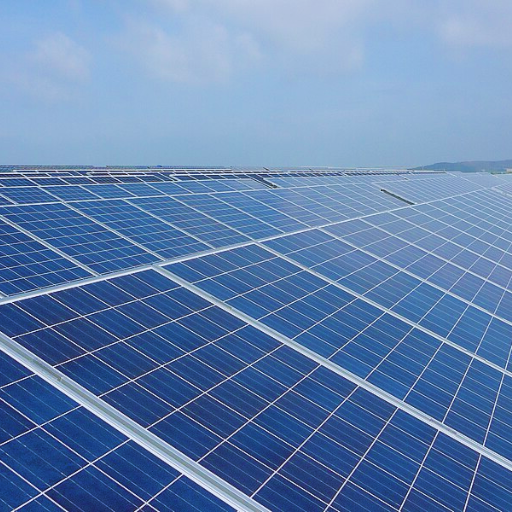
太陽能電池板通常有多大?
通常,太陽能電池板的尺寸估計約為 65 英寸 x 39 英寸(1.65 米 x 1 米)。對於大多數住宅系統來說,該測量值對應於每單位 300 至 400 瓦的額定瓦數。然而,這可能會根據它們使用的電池技術類型以及這些電池的效率而波動。製造商可能有不同的規格或製造各種面板型號;商業級模組通常超過 80 英寸 x 40 英寸。了解預期結果將有助於您準確判斷將它們放置在哪裡、可以產生多少電力以及整套的整體佈置應該是什麼樣子。.
了解太陽能電池板的尺寸
在考慮太陽能板的尺寸時,需要考慮其物理尺寸、瓦數容量和效率等級。產生一定能量所需的面板數量取決於其尺寸,影響系統佈局和安裝要求。更緊湊的單元可以在可用空間有限的地方更自由地定位它們,而更大的單元則可以在大企業中獲得更高的輸出。此外,與多晶矽相比,單晶矽等各種技術也可能導致尺寸和效率之間的差異。因此,這些考慮因素對於在設立公司時從他或她的錢中獲得最大性能至關重要 太陽能 系統。.
影響太陽能電池板尺寸的因素
技術、應用和效率等多種因素決定了太陽能板的尺寸。.
- 技術類型:單晶、多晶、薄膜是關鍵技術,其不同的性能影響尺寸。例如,單晶面板通常比多晶面板更有效率,因此在相同瓦數額定值下它們可能更小。.
- 效率等級:面板的效率等級越高,它轉化為電能的陽光就越多,這可能允許更小的物理尺寸,同時仍滿足功率輸出要求。.
- 應用要求:住宅系統通常需要緊湊性才能適應有限的屋頂空間,而商業設施可以擁有更大的單元以最大限度地提高大面積的產量。.
- 製造商變化:製造商通常提供具有獨特規格的面板,有助於市場規模的多樣性。.
這些考慮因素對於選擇適合特定能源需求和安裝環境的面板尺寸至關重要。.
太陽能電池板的重量是多少?
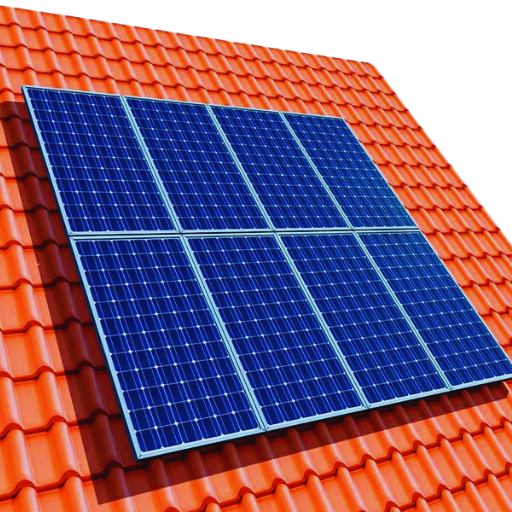
太陽能電池板的平均重量
太陽能板的重量主要取決於板的種類和發展。標準光伏板每塊重 15 至 25 公斤(33 至 55 磅)。單晶面板更輕,因為它們具有高效的設計,大多數每 300 瓦重約 18 公斤(40 磅)。相比之下,多晶電池板可能稍大一些,但在相似瓦數水平下仍可達 20 公斤(44 磅)。薄膜太陽能電池板的效率低於這兩款,但它們透過通常重量輕(通常約為七或十公斤(15-22 磅)來彌補這一點。安裝它們時,必須考慮它們的效率以及不同類型的重量,因為這會影響結構要求和安裝系統。.
太陽能電池板的尺寸和重量重要嗎?
是的,太陽能電池板的尺寸和重量對於安裝、效率和系統設計至關重要。根據領先的行業消息來源:
- 安裝過程中的注意事項:更小、更輕的面板可以簡化流程;因此,它們適合有結構限制的屋頂。出於安全原因,笨重的安裝系統可能需要堅固的安裝系統,特別是在經歷極端天氣條件的地區。.
- 效率與功率輸出:太陽能板的功率輸出與其尺寸成正比;更廣泛的面板產生更多的電力。然而,這必須與可用於安裝的空間相平衡。它們的排列或定向方式也會影響它們的效率和產生的總能量。.
- 運輸和搬運:將太陽能電池板從一個地方運送到另一個地方時,重量至關重要。較重的模組在運輸過程中成本較高,並且在處理時需要格外小心。根據行業規範,在完成任何安裝之前,必須評估建築物的強度以支援給定光伏系統的重量。.
簡而言之,在選擇太陽能電池板時,兩個維度都同樣重要,因為它們決定了安裝是否可能,並影響安裝階段產生的成本以及結構上的調整。.
重量對太陽能板安裝的影響
安裝策略和場地適宜性很大程度上受到太陽能電池板重量的影響。如果面板很重,它們可能需要更堅固的安裝座,這也需要加固屋頂結構以獲得更好的重量分佈;這樣做是為了確保安全性和遵守法律。重量也會影響物流,例如安裝過程中的運輸和裝卸。更輕的模組在結構有限的住宅設施中很受歡迎,因為正如一些市場評論中所述,它們可以輕鬆且廉價地修復。此外,一些生產商正在製造更輕的材料,不會降低效率,從而增加不同類型裝置的選擇。總而言之,根據我對主題的理解,太陽能電池板的重量顯然會影響太陽能專案在經濟上是否可行。.
您如何計算您需要多少塊太陽能板?
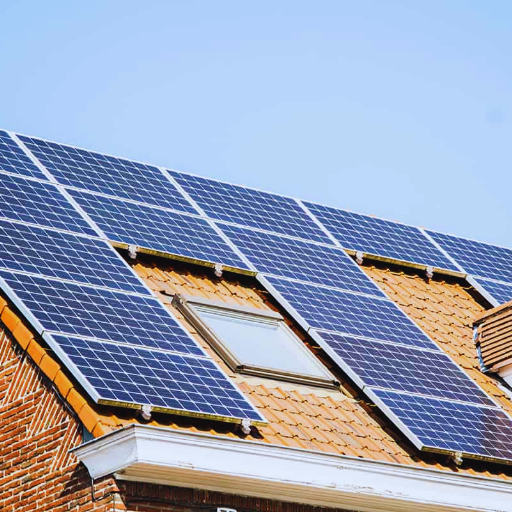
住宅太陽能:您需要多少個太陽能板?
在確定家庭安裝所需的太陽能電池板數量時,必須考慮一些重要的因素,例如家庭的能源使用量、太陽能電池板的瓦數以及當地平均太陽輻照度。.
- 評估能源消耗:首先檢查每月的電費,以確定以千瓦時 (kWh) 為單位的平均能源消耗,這表明您的太陽能係統需要發電量。.
- 了解面板瓦數:確定您想要使用的太陽能板的瓦數額定值。住宅電量通常在 250W 至 400W 之間。.
- 計算生產要求:將總能耗(千瓦時)除以您所在位置每天的陽光時間,然後考慮因逆變器和其他組件損耗而產生的效率(約 75-85%)。.
- 最後一個方程式:最後,將每個面板的每日產量(根據其瓦數和當地太陽能可用性)除以獲得所有面板所需總量所需的能量。.
此方程式提供了一種逐步方法,用於確定生產足夠住宅用電所需的太陽能電池板數量,同時牢記效率。.
影響面板數量的因素
太陽能安裝所需的太陽能電池板數量取決於許多因素。了解這些變數對於正確調整系統尺寸並使其盡可能高效工作至關重要。.
- 地點和太陽輻照度:您所在地理位置會影響您所在地區接收到的太陽功率(以瓦每平方公尺為單位),稱為太陽輻照度。有些地方會產生更多的能量,因為它們暴露在陽光下的程度較高;因此,所需的面板數量會更少。例如,平均而言,加州的日照時間比美國東北部的任何州都多。.
- 面板方向和傾斜:太陽能電池板的能量輸出受到安裝角度的影響。理想情況下,在北半球,它們應該面向真南(如果您在南半球,則應面向真北)並傾斜以捕捉一年中所有季節的最大太陽光線量。不正確的方向或傾斜會降低效率 10-30%。.
- 陰影:周圍的樹木、建築物或結構可能會在面板的某些部分上投射陰影,這可能會因陰影效應而導致其性能顯著下降。即使只有特定的電池被遮蔽,也不會產生電力,導致能源產量不成比例地減少。這可能意味著進行陰影分析以確定其影響程度。.
- 系統損耗:不同的系統效率低下,稱為損耗,會影響太陽能係統的整體能量輸出,例如佈線損耗、逆變器損耗、溫度影響和麵板上的灰塵累積。因此,在計算裝置足夠的發電能力時必須考慮這些因素。.
- 電池備用要求:如果光伏陣列中包含電池儲存用於自用或緊急備用電源,以便在需求較低的白天為這些電池充滿電,則可能需要安裝額外的太陽能電池板;這決定了每日使用所需的儲存能量決定了額外的容量。.
- 消費的未來變化:預測用電量的變化很重要。如果計劃擁有電動車、更多電器,甚至擴大客廳,則需要更多面板來滿足未來的需求。.
透過深入考慮所有這些因素,可以更輕鬆地確定滿足能源需求的最佳太陽能電池板數量,同時保持系統內的效率和可靠性。.
哪些因素影響太陽能板輸出和效率?
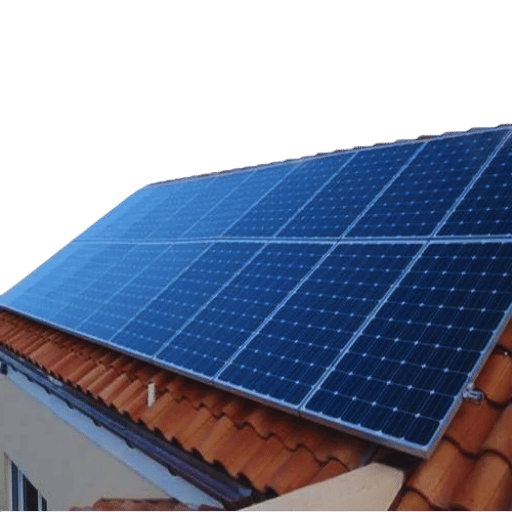
了解太陽能電池板輸出
各種因素都會影響太陽能電池板的輸出。其中一個因素是照射到它的陽光量,稱為太陽輻照度。這個值越高,設備產生的能量就越多。其次,溫度也很重要;雖然它的設計在陽光下工作得很好,但過多的熱量可能會對其性能產生不利影響。另一件事需要考慮的是,您將面板放置在太陽周圍的位置,因為不同的位置接收不同的功率。因此,如果可能的話,我們應該始終尋求最佳位置。第四但並非最不重要的一點是,所使用的技術不同,構成這些設備的電池類型之間的轉換率也有所不同,並且隨著時間的推移而不斷改進。個人應該考慮這些點,以了解他們的系統在任何給定時間可以提供什麼,因此,就將它們安裝在哪裡做出最佳決定。.
最佳太陽能電池板選項可實現最高效率
在考慮具有最高效率的太陽能電池板品種時,根據當今的技術和性能標準,我想到了三個主要類別。.
- 單晶太陽能板:採用單晶結構製成,因此效率約為 20%。因此,由於每平方公尺發電量較高,它們可以在有限的空間內表現良好。生產單晶面板的一些最好的公司是 SunPower 和 LG。.
- 多晶太陽能板:多晶電池由多種晶體結構組成,通常比單晶電池具有更低的效率水平(約 15-17%)。儘管如此,對於面積不是問題的大型裝置來說,這些裝置仍然是具有成本效益的選擇。加拿大太陽能和 JinkoSolar 是最值得稱讚的製造商之一。.
- Bifacial Solar Panels: This type of photovoltaic module can capture sunlight from both sides, increasing total energy output, especially when mounted over reflective surfaces. Bifacial panels may exceed 20% efficiency and are becoming popular in commercial projects or large-scale utilities. LONGi Solar and Trina Solar represent some key players in this field.
It is important to consider specific power requirements, budget limitations, and installation conditions such as location and surroundings while making a decision between them since each one has its own strengths depending on those factors. This will ensure maximum performance and optimize the return on investment.
How Panel Size Influences Solar Energy Production
The amount of 太陽能 produced depends on the panel size because it determines how much sunlight can be captured and converted into electricity. In most cases, larger panels have higher power output potentials as they offer more surface area for light absorption. Hence, a 300-watt system will generally produce more electricity than a smaller 250-watt one if its technologies and efficiencies are similar. Furthermore, panel arrangement and spacing can affect system performance in terms of large panels being well-arranged to minimize shading while maximizing airflow, which improves thermal efficiency and saves energy. On the other hand, small spaces or roofs with irregular shapes may benefit from using smaller modules. However, this might necessitate installing many units to meet energy requirements, thereby increasing the complexity and cost of installation. Choosing an appropriate panel size ultimately balances space availability against power demand and economic considerations.
Why Choose the Best Solar Installer for Your Project?
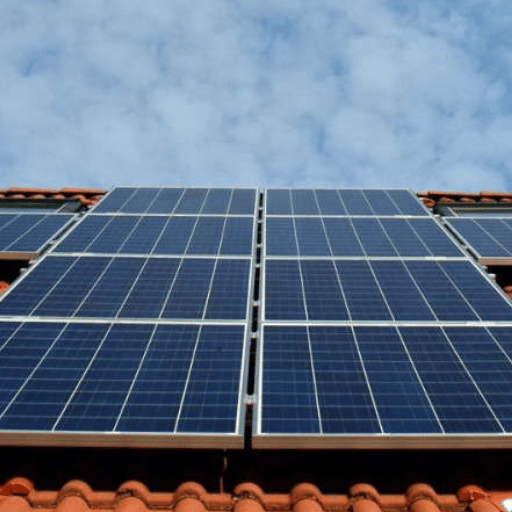
Benefits of Professional Solar Installation
Opting for a professional installer has many benefits that can significantly improve the success level of a solar project. One is that they deeply understand local regulations, permitting processes, and utility requirements, guaranteeing compliance during installation. Also, experienced installers can do custom designs and engineering to optimize the system’s layout for best performance based on specific energy needs and site conditions.
Another thing is that most professional installers work with high-quality equipment and materials, hence getting better warranties and long-term performance guarantees. They’re knowledgeable in complicated tasks like troubleshooting or maintenance, thus increasing the number of years it will serve at peak productivity while still functional. Lastly, good reputation businesses providing installations might also give finance options plus tax incentive advice for clients to make informed financial decisions, which boost returns on investments made towards them. Ultimately, going for professional installers reduces risks while maximizing immediate gains alongside those realized later.
What to Look for in a Solar Installer
When choosing a solar installer, consider some key points to ensure that the contractor meets your project’s needs.
- Experience and Reputation: Choose an installer who has been in this field for a long. Look at what others say about their services from testimonials, reviews, or case studies. A reputable organization with many years of operation will know how to navigate various challenges faster.
- Licensing and Certifications: Check if they have met all the required licenses or certifications, such as those given by NABCEP (North American Board of Certified Energy Practitioners). This indicates compliance with recognized technical standards and a commitment to continuous learning.
- Full-Service Offerings: The best solar installers provide various services, including designing, installing, maintaining, and supporting. This makes work easier for you because there will be only one point of contact throughout the project cycle, thus enhancing accountability.
- Equipment Quality: Seek to know which brands and models of solar panels plus inverters these companies use. Usually, top-notch devices come with better guarantees besides high-efficiency rates, influencing general system performance.
- Financing Options: Familiarize yourself with various financial arrangements, such as solar loans, leases, or power purchase agreements (PPAs). Good installers should guide clients through these alternatives so that they can select the most appropriate path for their investment in solar energy.
Consider these things deeply to identify a photovoltaic installation firm that will consider your energy targets and financial plan.
Installation Tips for Optimal Solar Power Performance
- Best Spot and Positioning: Place solar panels in the best position to receive maximum sunlight. In the northern hemisphere, they should face southwards, and their tilt angle should equal the latitude height to increase efficiency. This way, they will get direct sunlight throughout most hours of the day.
- Regular Care: Plan regular checkups and cleanup periods for your solar panel system so that no dirt, leaves, or snow accumulates on them. These things block sun rays, reducing their efficacy. Cleaning them should, therefore, become a habit if you want better results from these devices; it makes them work better and last longer.
- Track Performance: It is essential to track how much energy your solar array produces using some form of monitoring equipment. This will let you know when productivity or other problems drop off early, allowing for prompt fixing before things worsen.
- Shade Management Consideration: Avoid having tall trees around, which might cast shadows over this facility or any building nearby, obstructing it from receiving full light energy. Even a little shade can greatly reduce total electricity output. If shading cannot be avoided, use microinverters or power optimizers to counteract losses associated with such situations.
- Consult Professionals: When installing these units, seek advice from qualified personnel who deal with them regularly because they have experience with what works, where, and under which conditions one may achieve optimal results given different energy requirements and environmental factors.
If all these guidelines are followed during the installation, your solar power system’s performance and efficiency levels can significantly improve.
參考來源
常見問題(常見問題)
Q: How big are solar panels?
答:住宅用太陽能板的標準尺寸約為 65 英吋 x 39 英吋。出於商業目的,它們更大,尺寸約為 77 英寸 x 39 英寸。這使得它們能夠安裝在大多數有空間限制的屋頂和地面裝置中。.
Q: What must I know to determine how many solar panels I need?
答:首先,您應該考慮您的能源使用量,通常以千瓦時 (kWh) 為單位。接下來,看看所考慮模型的瓦數。將您的完整能源需求與每個面板的瓦數分開以確定所需的數量。您可以隨時要求安裝這些系統的任何專家進行詳細計算,因為他們將根據適用於您情況的內容進行計算。.
Q: What are solar panel sizes and weights like?
答:住宅太陽能板尺寸約為 65 英寸 x 39 英寸,每塊重量在 40 至 50 磅之間。通常,商用太陽能板更大,尺寸約為 77 英寸 x 39 英寸,重量約為 50 至 70 磅。安裝這些設備時注意測量值和重量非常重要。.
Q: What is the difference between a 60-cell and a 72-cell module?
答:六十單元模組在尺寸和功率輸出額定值方面與同類模組不同;通常尺寸約為六十五乘三十九英寸,主要出現在家庭中,而七十二個單元則更多地用於商業用途,例如屋頂或有充足空間的田地,因為它們比住宅同類產品更大;此類裝置提供更高的瓦數,但僅由於此功能就需要更重要的安裝區域。.
Q: How large is a residential solar panel?
答:此類物品的平均尺寸約為 65 英寸長 x 39 英寸寬或 65 英寸 x 39 英寸(5.4 英尺 x 3.25 英尺),非常適合大多數房屋的屋頂;它們通常每隻重約四十磅。.
Q: Can solar panels be set up by oneself?
A: 是的,可以自己安裝太陽能板;但是,通常建議僱用專業安裝人員。安裝太陽能係統涉及電氣工作、獲得許可證以及以最佳方式定位電池板以最大限度地提高效率。具有該領域經驗的人將知道如何安全有效地處理這些複雜性。.
Q: What are some things that determine the size of a solar panel system?
答:您每月使用的能源量、可以分配多少空間用於安裝目的,以及考慮到其他因素(例如氣候條件)的評級,哪種類型/型號(或品牌)的太陽能電池在那裡工作效率最高您所在位置普遍存在這些光伏系統的影響大小要求。.
Q: How do I know what kind of solar panel best suits my needs?
答:要選擇合適的太陽能集熱器,應考慮性能比、壽命、保固期、使用壽命等變數。將各種模型與這些基準進行比較,再加上諮詢專業人士,可以幫助您做出明智的決策。此外,在評估產品品質標準時也應考慮客戶評論。.
Q: How much area is needed to set up solar panels?
答:光伏陣列佔用的空間取決於其數量或尺寸尺寸,但通常佔 200 平方英尺(對於 15-19 個住宅單元)到 400 平方英尺/單元或更多;然而,功效可能會根據所選的具體尺寸而有所不同。.
Q: Are there different kinds of sun-powered cells used in houses versus commercial enterprises?
答:是的,確實如此,與企業/行業相比,某些家庭每單位面積的瓦數輸出較小,而企業/行業主要由於工業化功耗模式而需要更高的瓦數集中在更重要的地區。.