

詐欺攔截器

喬卡

了解揚聲器線規:選擇合適的揚聲器線尺寸

了解揚聲器線規:選擇合適的揚聲器線尺寸
臉書
推特
紅迪網
領英

Regarding audio systems, the sound quality is greatly affected by the speaker wire used in the setup. The speaker wire gauge determines how well an amplifier can transmit sound across various channels. This article aims to attenuate the complexity surrounding speaker wire gauges by comprehensively introducing their performance details. Understanding wire gauge, resistance, and signal quality should enable readers to pick better speakers for such needs. We will delve into technical specifications, considerations for different setups, and best practices for achieving optimum sound delivery regardless of how complex your audio system is.

What is a Speaker Wire Gauge?

What is a Speaker Wire Gauge?

揚聲器線規的定義

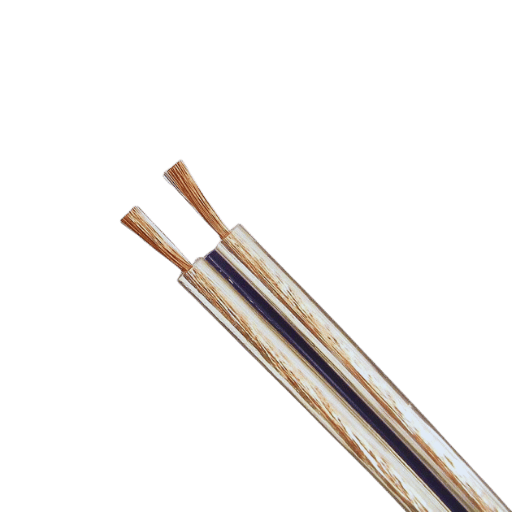
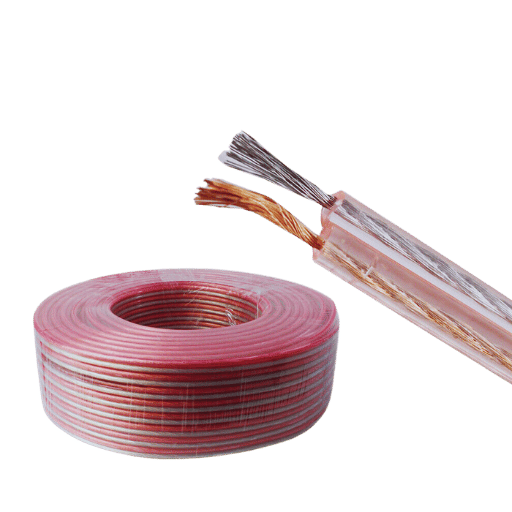
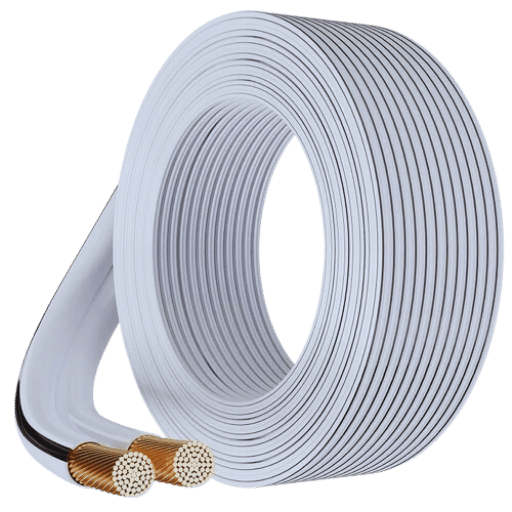
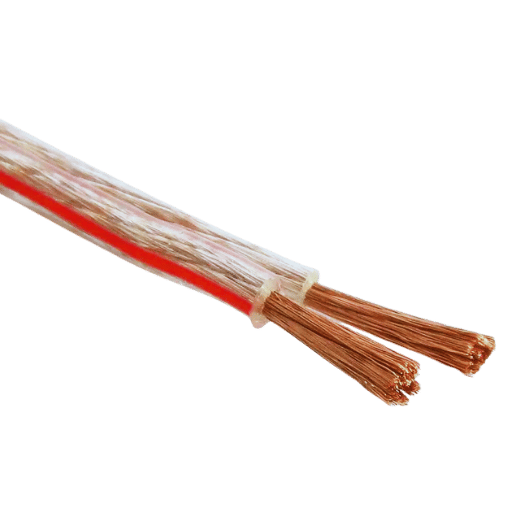
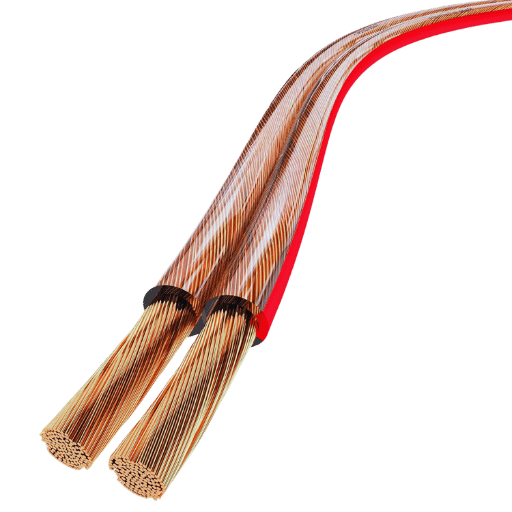
Regarding speaker wire gauge, the term implies the diameter or thickness of a wire that connects an audio amplifier and speaker. The gauge is measured in American Wire Gauge (AWG) measurement standards with lower gauges indicating thicker wires. For instance, 12 AWG is larger than 16 AWG. The size of the wire gauge is essential since it influences its resistance, thus affecting how power is transmitted and sound quality. Thicker wires (lower gauge) carry more current over long distances with less signal loss; hence, they are most suited for high-power audio systems or longer runs from amplifiers to speakers. On the other hand, bigger gauge cables may be more suitable for various audio setups. Smaller ones may be enough for shorter distances or less powerful systems but can lead to poor performance when used beyond their ideal range because of this limitation.

Importance of Wire Size in Audio Systems

The size of the speaker wire is highly critical to sound systems because it significantly impacts on the fidelity and clarity of sound produced. Selecting the right gauge wire reduces resistance, which is essential for maintaining optimal audio performance. This means that thicker wires like 12 or 14 AWG are better at transmitting power more efficiently thereby reducing possibilities of distortion and voltage sagging. This becomes especially important in larger installations where amplifiers may be some distance away from speakers or when dealing with high-wattage systems. Conversely, using a wire gauge that is too small for its intended application can result in inadequate current transfer, thus losing precision in music reproduction and potentially destroying both the amplifier and speakers forever. In conclusion, knowing what kind of cable to install not only guarantees superior sonic quality but also makes sure that the audio system is durable and dependable.

How Gauge Number Affects Audio Quality

The speaker wire gauge number significantly impacts audio quality, influencing resistance and current carrying capacity. Thicker wires have lower gauge numbers, meaning they have less resistance and are good conductors of audio signals. Lower gauge numbers are associated with thicker wires with less resistance and can transmit more efficient audio signals. In high-power audio applications, this efficiency is important in maintaining sound integrity over long distances by using larger diameter wires to minimize distortion and voltage loss. Conversely, higher gauge numbers imply thinner wires that tend to increase resistance, thus degrading signals, especially in long runs or high-wattage situations. This implies that correct wire gauges must be used to ensure optimal audio performance and protect other audio system components from damage due to inadequate current supply.

How to Choose the Right Speaker Wire Gauge?

How to Choose the Right Speaker Wire Gauge?

Factors Affecting Wire Gauge Selection

  1. Distance: The greater the space between the speaker system and its amplifier, the thicker the wire gauge needed to minimize resistance and prevent signal loss.
  2. Power Rating: Higher wattage sound systems require thicker wires in order to handle high current without overheating and distortion.
  3. Speaker Impedance: Wire gauge requirements depend on the speakers’ impedance rating. Lower impedance loads may necessitate a larger diameter cable to deliver current sufficiently.
  4. Installation Environment: Factors such as temperature variations during installation and probable moisture exposure impact wiring selection and the need for insulation.
  5. Type of Audio System: Thicker cables may be preferred for complex audio systems with several components to maintain maximum signal integrity throughout all connections.

Recommended Gauge for Various Cable Lengths

Choosing an appropriate wire gauge based on the cable run length is vital to maintain audio quality and preserve system integrity. Below is a brief guide for wire gauge recommendations according to the distance between the amplifier and speakers: big gauge wire is better for long runs.

  1. Up to 25 feet: 16 AWG (American Wire Gauge) will generally be sufficient for most standard applications.
  2. 25 to 50 feet: 14 AWG is recommended in order to decrease resistance and increase current delivery, especially with moderate – high power systems.
  3. 50 to 100 feet: 12 AWG is suggested since longer distances can entail substantial voltage drop and signal degradation.
  4. Over 100 feet: 10 AWG would be perfect for high-end systems ensuring minimum resistance and best possible propagation of signals while a mid-range system could also use a 12 AWG wire as an alternative.

These recommendations may vary depending on a system’s specific requirements; therefore, additional considerations like speaker impedance or overall system wattage should always guide your decision-making process.

What is the Difference Between 12 AWG and 14 AWG Speaker Wire?

What is the Difference Between 12 AWG and 14 AWG Speaker Wire?

Thicker Wire vs. Thinner Wire: Performance Comparison

Signal Deterioration: A thicker wire such as 12 AWG will have less resistance than a thinner one of, say, 16-gauge, reducing signal losses over long distances.

Handling Power: In terms of power handling, thick wires can take in more current than the rest, making them ideal for high-power audio systems, thus preventing overheating and possible damage.

Flexibility and Ease of Installation: These smaller gauge wires are more adaptable and easier to move through things, which is beneficial when dealing with tight spaces during installation. On the other hand, bigger or thicker gauges may be more rigid and thus hard to route.

Costing: Generally, thick wires are expensive than their thin counterparts so this should be considered when installing on a big scale.

When to Use 12 AWG vs 14 AWG Wire

The best decision between 12 AWG and 14 AWG speaker wires comes from your audio system’s specific requirements. High-power applications such as home cinema or pro audio systems work best with 12 AWG wire, especially over long distances (over 50 feet) where the signal’s integrity must be maintained. It is also suitable for systems that have a low speaker impedance or those that use high-wattage amplifiers. On the contrary, for regular applications such as home stereo with shorter cable runs (below 25 feet) and moderate power levels, a 14 gauge wire is often enough. In cases where flexibility and ease of installation are crucial advantages, you will find it advantageous to use a 14 AWG cable as routing becomes easier in tight spaces. Always consider the unique features of your audio equipment and installation conditions before choosing any type of speaker prong terminal pin connection or other speaker plug adapter.

Audio System Compatibility with Different Gauges

The compatibility of a speaker wire gauge with an audio system is imperative for the most efficient performance.12 AWG wire can be used in high-end systems that have large power requirements and offer low resistance, which satisfies the power demands of a professional or hi-fi stereo setup. It performs best on systems that function under low impedance, guaranteeing strong and clear audio signals over longer distances. Conversely, 14 AWG is standard for general home audio systems, especially those with lower wattage levels and shorter runs of speaker wires. It performs well for most casual listening scenarios, making easy installations in tight spaces possible. This means that the choice of wire gauge should consider the power requirement, length, and installation parameters of your particular sound system in use.

How Does Cable Length Affect Speaker Wire Gauge?

How Does Cable Length Affect Speaker Wire Gauge?

Recommended Wire Sizes for Longer Runs

As the length of the speaker wire increases, choosing a suitable wire gauge is essential to prevent resistance and maintain good signal integrity. Generally speaking, for distances of over 25 feet, it is advised that one uses 12 AWG wires, which effectively reduce power loss and keep the audio clarity, especially when using large gauges. If longer than this, use 10 AWG wires because they have less resistance and are best for high-power applications. Such big gauges should be used for long distances in order to protect sound quality as well as achieving optimum performance especially in highly sophisticated sound systems. Always remember to consider the distance and power needs of your installation so that you can select an appropriate gauge size.

Impact of Distance on Signal Quality

The distance between the amplification system and the speakers actually affects audio signal quality due to the wire’s inherent resistance and potential attenuation. When the speaker wire lengths are increased, so is the electrical resistance, which may result in reduced power transfer and, hence, a decrease in sound clarity. This is very important for low-impedance systems because even small increases in resistance can cause major changes in performance, especially with 16-gauge wires.

Research has shown that if a speaker wire run goes over 25 feet, special care must be taken when selecting its gauge to avoid loss of high frequencies and overall degradation of audio signals. Moreover, signals transmitted through cables that are longer may also be more prone to interference that may introduce undesirable noise or distortion, thereby ultimately compromising the listening experience. It is necessary to ensure an ideal gauge and minimize cable length for high-fidelity audio setups so as to uphold the integrity of an audio signal, resulting in an accurate, enjoyable sound reproduction. Therefore, one should carefully weigh both distance and wire gauge during audio system design and setup.

Understanding Resistance in Longer Cable Runs

Resistance is such a fundamental issue for audio systems in long cable runs, especially when it comes to 16 AWG wires. Hence, the resistance that the signal experiences will increase as the length of the wire increases, resulting in voltage drops and, as a result, sound quality. For example, an ordinary copper speaker wire has a resistance of about 0.0015 ohms per foot. Over long distances, this resistance adds up requiring thicker wire gauges so as to enable optimal signal transmission.

For a start, it is recommended that you keep the speaker wire running under 50 feet because each additional foot of the wire increases resistance, resulting in the potential loss of high-frequency signals. Several trusted sources point out that if your cables are longer than 25 feet, use a larger gauge (lower AWG number) to minimize resistance and retain audio fidelity. Therefore, by understanding what resistance means over longer cable distances, electronics professionals can choose the right cable size and improve procedures for better-sounding home entertainment systems.

What Types of Speaker Cable Connectors Are Available?

What Types of Speaker Cable Connectors Are Available?

Common Types of Connectors for Speaker Wire

Different types of speaker wire connectors are commonly used, and you can find several popular ones for various applications and advantages.

  1. Banana Plugs: Banana plugs are common due to their simplicity and guaranteed contact. They disengage and reconnect rapidly, and there is no risk of wires falling out. Banana plugs are ideal for home audio systems or professional setups.
  2. Spade Connectors: Spades, with a flat fork-like shape, can easily be lodged into a binding post. They ensure that the connection remains steady and are especially good when the speaker wire is frequently connected and disconnected.
  3. Bare Wire Connections: This simple technique involves peeling back the wire ends before attaching them directly to the terminals on your speakers. It takes more effort to ensure a solid connection, but it is often used in many do-it-yourself audio projects because it is easy to use and cost-effective.

Also, line-level signal components like RCA connectors are used in some loudspeaker systems, mainly powered speakers. Each connector type provides different benefits, affecting overall performance and system flexibility for audio purposes.

Choosing the Right Connector for Your Setup

To achieve the best audio performance and system reliability, it is essential to choose the right speaker cable connector. First of all, think about the kind of audio system you have. Banana plugs may be the best option for high-end home theater systems because they are easy to use and can maintain a solid connection over time. Conversely, if you’re frequently modifying or adjusting your setup, 16 AWG wire might be more convenient because of its flexibility.

Spade connectors offer stability for strong connections that can be quickly changed.

Connector compatibility and durability must also be considered in professional sound reinforcement settings. For example, suppose unshielded or outdoor cabling is being used. In that case, bare wire connections must be protected from environmental hazards such as moisture ingress or mechanical damage caused by heavy equipment moving nearby.

Ultimately, whichever type of connector is chosen should take into account the specific requirements of the audio system in terms of ease-of-connection-making ability, frequency of change, and environmental concerns such as weather resistance, etc., so that both performance quality and lifespan are guaranteed.

Installation Tips for Speaker Cable Connectors

To correctly install speaker wire connectors, observing workmanship and avoiding any possible issues is important. The following are some of the main pointers:

  1. Prepare the Wire: Strip the ends of the speaker wires to approximately half an inch (1.27 cm). This length will expose enough wire to make a good connection without causing any risks of short circuits.
  2. Twist strands together: For those using stranded wire, twist all individual strands tightly before inserting them into the connector. This will ensure firm electrical contact and prevent fraying.
  3. Secure Connections: Ensure that connectors are firmly attached and that no bare wire is left outside the connector itself. This lowers the chances of short circuiting and prolongs their lifespan.
  4. Avoid Overtightening: When securing wires tightly, avoid applying excess force, as this may damage the connectors and wires themselves. Instead, apply moderate pressure.
  5. Test Installation: It is wise to test your audio system once you have completed its installation to confirm whether all connections are working properly or not. Distortion or loss of connectivity indicates that there could be a problem in the future.

These installation instructions help users maintain speakers’ reliability and efficiency over time.

參考來源

Speaker wire

美國線規

揚聲器

常見問題(常見問題)

常見問題(常見問題)

Q: What is my home theatre system’s correct speaker wire gauge?

答:揚聲器線的右頁取決於電纜運行長度和揚聲器阻抗。對於超過 50 英尺的運行,請使用 14 克或 12 號電線以確保良好的音質。.

Q: How does the thickness of a wire affect sound output?

答:事實上,較粗的電線(較低規格)允許更多電流流過它們,從而提高音質,尤其是在較遠的距離上。同時,使用細(較高規格)電線可能會導致音訊品質損失,主要是當擴大機產生較高瓦數時。.

Q: What’s good for an 8-ohm speaker as far as gauge is concerned?

答:對於短距離運行(50 英尺以下),八歐姆揚聲器通常最適合使用 16 號電線。但是,對於較長的運行,請考慮使用 14 或 12 號電纜,以保持其保真度。.

Q: How do I measure how much wiring I need for my stereo setup?

答:測量從擴大機到揚聲器的距離,注意任何障礙物或電線必須到達的位置。請務必添加一點額外的內容,這樣您就有足夠的電纜連接到揚聲器。.

Q: Is there any difference between 16-awg and 16-gauge speaker wires?

答:不,它們都表示相似的電線厚度。 AWG 代表美國線規,這是電線的標準測量系統。這兩個術語可以互換使用。.

Q: Can I use an 18 gauge wire for my home audio system?

答:雖然 18 號電線可以以較低的功率用於短距離,但不建議用於長距離或更高功率的系統。在這種情況下,最好安裝較粗的電線,例如 16 號或 14 號電線。.

Q: What is the maximum length of 12 awg wire I can use without losing sound quality?

答:12awg 揚聲器線的最大允許長度通常不應超過約 100 英尺,否則音訊訊號保真度會過度衰減,具體取決於擴大機瓦數輸出和揚聲器阻抗。.

Q: How can I tell if my speaker wire is rated for my specific needs?

A: You will have to go through the datasheet provided by the cable manufacturer, which gives you information on its thickness and materials like copper that was used in making it. Ensure that it fully complies with your amp’s rating while matching up with your speaker’s impedance.

Q: What types of speaker wires are available for use?

A: Some examples are copper conductor cable, OFC (oxygen-free copper) wiring, and different sizes such as #12awg, #14awg, and #16awg. The choice between these depends on one’s requirements when setting up.

主要產品
最近發布
標誌
喬卡集團

讀者們好!我是 JOCA,這個部落格的作者。我擁有 15 年專門從事高品質光伏電纜製造的經驗,對卓越的承諾推動了我們公司的發展。我以創新為生,為我們尊貴的客戶提供先進的解決方案。.

滾動到頂部
與 JOCA 公司取得聯繫

請填寫下面的表格與我們聯繫。我們的目標是在 12 小時內回覆您。祝您一切順利!

聯絡表格演示

喬卡