







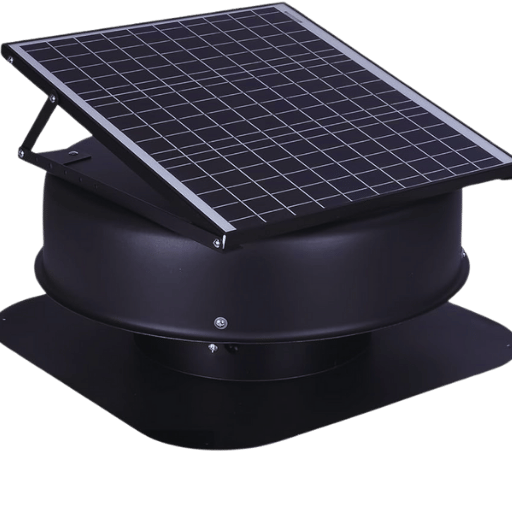
L'efficacité énergétique est de plus en plus importante dans le monde moderne Les propriétaires, par conséquent, cherchent continuellement à minimiser leurs empreintes carbone et leurs factures d'énergie En effet, une solution est d'utiliser l'énergie solaire pour différentes fonctions ménagères Un excellent exemple est un ventilateur de ventilation de grenier à énergie solaire cela garantit non seulement un mouvement correct de l'air, mais maintient également la maison à une température optimale. Cette pièce présentera les avantages d'avoir un ventilateur de grenier à énergie solaire et son mécanisme de travail comme contribution à l'efficacité domestique globale. Connaître ces informations devrait vous aider à décider si une telle technologie respectueuse de l'environnement doit ou non être adoptée dans votre maison.
Comment fonctionne un ventilateur de grenier solaire ?
Comprendre les bases de l'énergie solaire
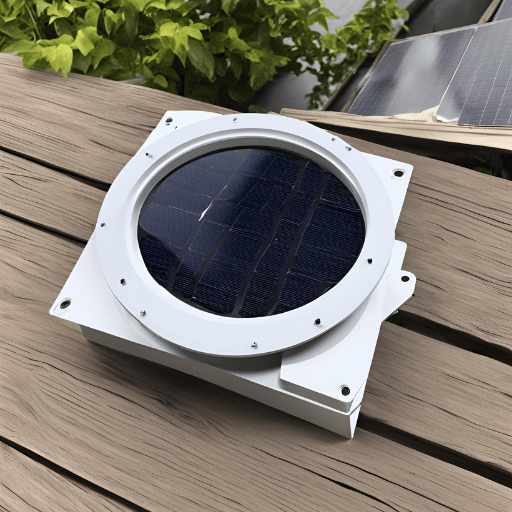
Énergie solaire Capte l'énergie du soleil dans les cellules photovoltaïques (PV) qui convertissent la lumière du soleil directement en électricité Ces cellules, généralement composées de silicium, créent un courant électrique lorsqu'elles entrent en contact avec la lumière en établissant un champ électrique grâce à l'interaction entre les photons de lumière et le matériau semi-conducteur Cette électricité peut être utilisée pour faire fonctionner des appareils électroménagers dans les maisons tels que les ventilateurs de grenier ; nécessitant ainsi parfois des onduleurs au sein des systèmes d'énergie solaire pour transformer les courant continu produits par les cellules PV en courant alternatif requis à des fins domestiques C'est une forme d'énergie verte et durable qui nous aide à réduire notre dépendance à l'égard de sources non renouvelables comme le charbon ou le pétrole.
Le rôle de la ventilation dans votre grenier
Une circulation d'air suffisante à l'intérieur de votre loft est importante pour garder la qualité intérieure et sauver la structure de la maison Si un grenier est correctement ventilé, il contrôlera la teneur en humidité qui peut causer de la moisissure Ces champignons sont nocifs à la fois pour la santé et l'intégrité des bâtiments De plus, une bonne ventilation rejette la chaleur pendant les saisons chaudes, ce qui à son tour améliore l'efficacité des climatiseurs tout en réduisant les factures électriques Quand il fait plus froid à l'extérieur, ce même système empêche les barrages de glace en évitant la condensation du toit protégeant ainsi l'isolation ainsi que les matériaux de couverture Ventiler un grenier de manière adéquate, donc, contribue grandement à la durabilité et aux mesures d'économie d'énergie à la maison.
Avantages de l'utilisation de l'énergie solaire
La nature verte et favorable aux poches de l'énergie solaire l'a rendue très célèbre parmi de nombreux propriétaires Écologiquement, ce type d'énergie réduit les émissions de gaz à effet de serre en réduisant l'utilisation des combustibles fossiles C'est une source propre qui réduit la pollution de l'air et freine le réchauffement climatique Aussi, il peut économiser beaucoup d'argent sur les factures d'électricité Après avoir été mis en place, les panneaux solaires fournissent l'électricité gratuite qui conduit à des factures de services publics plus faibles chaque mois En plus de cela, fournir des crédits d'impôt et des remboursements pour ceux qui les installent donc augmenter leur rentabilité encore plus la valeur de la propriété va aussi avec les systèmes d'énergie solaire ; les maisons équipées avec ceux-ci sont plus attrayants aux acheteurs qui les considèrent un actif qui paiera au fil du temps grâce à des périodes de puissance réduite sont bien alimenté.
Pourquoi choisir un ventilateur de grenier alimenté par l'énergie solaire ?
Efficacité énergétique et économies de coûts
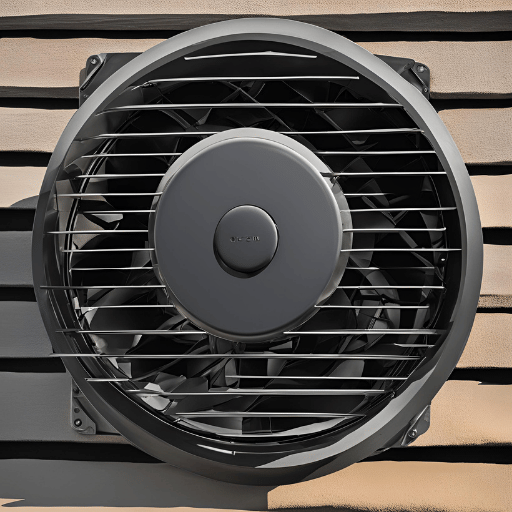
Un ventilateur de grenier solaire est un appareil utile qui peut être utilisé pour garder l'espace sous votre toit bien ventilé sans vous faire dépenser plus sur les factures d'électricité Une autre raison pour laquelle ces types de ventilateurs sont efficaces est parce qu'ils peuvent aider à préserver le flux d'air En fait, des études ont trouvé que la température d'une maison pourrait être abaissée de dix degrés si son grenier a une bonne ventilation, donc réduire les dépenses de refroidissement jusqu'à trente pour cent. Les ventilateurs de grenier solaire sont généralement de différentes tailles à des fins différentes, à juste titre, une ventilation de grenier appropriée devrait vous éviter de dépenser 10-121TP3 T annuellement sur la climatisation, selon le Département de l'énergie des États-D0000000000000000000000000000000000000000000000000000000000000000000000000000000000000000000000000000000000000000000000000000000000000000000000000000000000000000000000000000000000000000000000000000000000000000000000000000000000000000000000000000000000000.
Avantages environnementaux de la ventilation solaire
Les ventilateurs de grenier à énergie solaire aident beaucoup la Terre car ils diminuent les gaz à effet de serre et réduisent le besoin de combustibles fossiles. Ce que font ces ventilateurs, c'est utiliser l'énergie qui provient du soleil au lieu de prendre l'électricité des ressources non renouvelables, réduisant ainsi la production de dioxyde de carbone de votre maison. De plus, si vous avez une meilleure ventilation dans votre grenier, cela rendra l'ensemble du bâtiment plus économe en énergie afin qu'il y ait moins de chauffage ou de refroidissement requis, ce qui permet également d'économiser de l'énergie, mais cela permet également d'économiser des matériaux, mais diminue également les niveaux de pollution autour des centrales électriques tout en réduisant les émissions de CO2. Les avantages environnementaux peuvent également être trouvés dans les ventilateurs solaires, en outre, lorsque des matériaux durables sont utilisés lors de la production de déchets favorisant la conclusion.
Prolonger la durée de vie de votre toit avec une ventilation appropriée
Pour éviter que l'humidité ne s'accumule et minimiser le risque de destruction, il faut obtenir une bonne ventilation dans un toit Trop d'eau peut entraîner la croissance de moisissures, de moisissures et de pourriture, qui ronge les matériaux de toiture Un contrôle approprié de la température est assuré par suffisamment d'aération qui évite de piéger la chaleur et l'humidité dans l'espace du grenier qui finirait par entraîner un vieillissement précoce ou une distorsion des bardeaux sur un toit Une ventilation adéquate permet d'économiser de l'argent sur les réparations tout en prolongeant la durée de vie de tout type de toit en laissant échapper de l'air chaud pendant l'été et en empêchant la formation de barrages de glace pendant l'hiver De plus, l'utilisation de ventilateurs à énergie solaire en plus d'énergie durable aidera à créer un environnement où l'énergie durable est utilisée pour réguler les températures et les températures et les niveaux d'humidité dans votre maison.
Quelles sont les options d’installation d’un ventilateur solaire ?
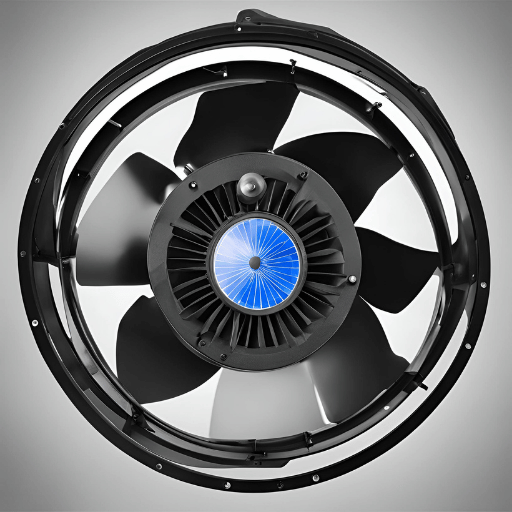
Installation sur un support de toit
La mise en place d'un ventilateur de grenier à énergie solaire sur un support de toit nécessite de nombreuses étapes techniques dont il faut tenir compte pour qu'il fonctionne correctement et dure longtemps Tout d'abord, le meilleur endroit pour le ventilateur doit être identifié en fonction de la direction du toit et de son exposition aux rayons du soleil La plupart des parties orientées vers le sud sont idéales car elles reçoivent un maximum de lumière solaire tout au long de la journée Il devrait ensuite être installé près ou au niveau de la crête afin que plus d'air chaud puisse en être retiré.
Pour commencer, vous devez marquer où vous voulez qu'il soit fixé et couper un trou qui correspond au diamètre du conduit de votre ventilateur ; assurez-vous qu'il n'y a pas d'obstruction autour de cette zone et qu'il s'aligne bien avec les chevrons, aussi. Ensuite, insérez le clignotement de votre évent dans cette ouverture, en vous assurant qu'il est étanche en utilisant des clous de toiture ensemble avec du matériau de calfeutrage Ensuite, le ventilateur est connecté à la partie flashé à l'aide du matériel fourni par le fabricant afin qu'ils s'ajustent étroitement les uns contre les autres.
Certaines spécifications qui nécessitent une attention particulière sont les suivantes :
- Panneau solaire puissance : ceux-ci vont généralement de 15 W à 30 W selon la taille et les exigences de performance d'un appareil particulier.
- Capacité de débit d'air : Généralement mesurés en pieds cubes par minute (CFM), différents modèles peuvent avoir entre 800 CFM et 1 500 CFM.
- Niveaux de bruit : La majorité d'entre eux fonctionnent autour de 50 décibels, garantissant un minimum de perturbations ; par conséquent, les ventilateurs de grenier à énergie solaire sont plus silencieux que les ventilateurs traditionnels.
- Résistance météorologique : Ils doivent avoir un boîtier capable de résister aux rayons UV, ainsi que des caractéristiques d'étanchéité pour l'imperméabilisation contre diverses conditions environnementales.
Enfin, raccrochez le fil d'alimentation électrique des panneaux solaires dans le bornier du moteur en suivant le schéma de câblage donné par le fabricant, en s'assurant que toutes les connexions sont suffisamment serrées et à l'abri des changements climatiques sévères soit en les recouvrant, soit en utilisant des matériaux appropriés destinés à des fins extérieures Après avoir fini l'installation, testez si c'est aux heures de pointe lorsqu'il y a une lumière abondante venant d'en haut ; faites-le de manière à savoir si tout fonctionne bien en termes de fonctionnalité et d'efficacité Pour de meilleures performances et la longue durée de vie de cet appareil, un bon montage et un service de routine sont indispensables.
Utilisation d'un support à pignon pour votre ventilation solaire
Dans certaines conceptions de toit, un support de toit peut ne pas être aussi approprié que les supports à pignon Des bouches solaires montées sur pignon sont installées sur un mur à pignon vertical, ce qui peut simplifier leur installation et leur entretien.
Étapes pour installer un support à pignon :
- Choisissez un Spot : Choisissez une partie ombragée du mur pignon qui reçoit suffisamment de soleil toute la journée.
- Préparez le site : Marquez où vous voulez l'installer, puis mesurez-le pour qu'il convienne aux spécifications du ventilateur Découpez une ouverture correspondant à la taille de son conduit.
- Fixez le support de montage : Mettre en place l'amortisseur de backdraft et clignoter dans ce trou ; les fixer fermement à l'aide de vis et de produit d'étanchéité pour empêcher l'eau de fuir à l'intérieur.
- Fixez le boîtier du ventilateur et le clignotement : Fixez en toute sécurité le boîtier de votre modèle souhaité sur le solin fourni à l'aide du matériel donné ; assurez-vous qu'il n'y a pas d'espace entre eux, ce qui pourrait laisser échapper de l'air.
- Mettre en place des panneaux solaires : Positionnez ces panneaux sur le point le plus élevé du toit ou sur toute autre zone où ils peuvent être exposés au plus grand soleil Suivez les instructions données par le fabricant sur la meilleure stratégie de placement.
- Connectez les fils électriques : Observez la sécurité tout en établissant des connexions en particulier lors de l'intégration du panneau solaire 15 w. Utilisez le schéma de câblage fourni avec l'unité de ventilateur ; connectez le terminal moteur avec le fil positif du module PV puis négatif un devrait retourner dans la batterie de banque après avoir été fusionné séparément près des bornes d'entrée/sortie du contrôleur de charge (rouge/noir).
- Opération de test : Une fois que tout a été suffisamment bien réparé, effectuez des tests pendant la journée pour garantir le bon fonctionnement avant la fin.
En suivant correctement ces étapes, vous disposerez d'un système de ventilation solaire efficace monté sur pignon qui offre une ventilation adéquate tout en améliorant les niveaux d'efficacité énergétique dans votre résidence.
Choisir un kit de ventilateur solaire pour poulailler
Pour ventiler et garder votre troupeau en bonne santé de manière optimale, vous devez tenir compte de plusieurs éléments lorsque vous choisissez un kit de ventilateur à énergie solaire pour un poulailler. Voici les domaines sur lesquels vous concentrer
- Capacité de ventilation : Évaluer la cote pieds cubes par minute (CFM) de cet appareil Un tel ventilateur ne peut déplacer qu'une quantité limitée d'air, rendant ainsi impossible la fourniture d'air frais à l'intérieur du poulailler et réduisant l'accumulation d'ammoniac.
- Efficacité du panneau solaire : Vérifiez également les kits dotés de panneaux solaires très efficaces capables de générer suffisamment d’énergie dans des conditions de faible luminosité. Les panneaux monocristallins ont de meilleurs résultats en termes de performances et de capacités d’économie d’espace.
- Sauvegarde de la batterie : Sélectionnez des kits qui offrent une batterie de secours afin qu'ils puissent continuer à fonctionner pendant les jours nuageux ou la nuit lorsqu'il n'y a pas d'ensoleillement. Il aide à maintenir une bonne circulation et évite la surchauffe ou l’humidité.
- Durabilité et résistance aux intempéries : Parce que ces pièces seront laissées à l’extérieur, elles doivent résister à toutes sortes de conditions météorologiques ; optez donc pour des matériaux résistants aux intempéries tels que l'acier inoxydable ou les plastiques résistants aux UV qui ne rouillent pas facilement.
- Facilité d'installation : Prenez en considération la facilité d'installation de chaque kit et s'il est livré avec le matériel de montage nécessaire Des instructions claires doivent également être fournies par le fabricant ; sinon, la mise en place pourrait devenir plus difficile que prévu De plus, le montage en toute sécurité assure la sécurité.
- Niveau sonore : Assurez-vous que le bruit produit par tout type de ventilateur ne dépasse pas cette limite parce que les bruits forts stressent les oiseaux, les faisant se comporter de manière anormale, même si les poulets ne comprennent pas ce qui a causé de telles perturbations Une fois que le calme a reculé, ils reprennent leurs activités normales.
En examinant ces points et en passant en revue les évaluations des produits, on peut sélectionner des kits de ventilateurs solaires pour poulaillers qui répondront à leurs exigences en matière de ventilation, créant ainsi des conditions de vie plus saines chez les volailles.
Comment entretenir votre système de ventilation attique ?
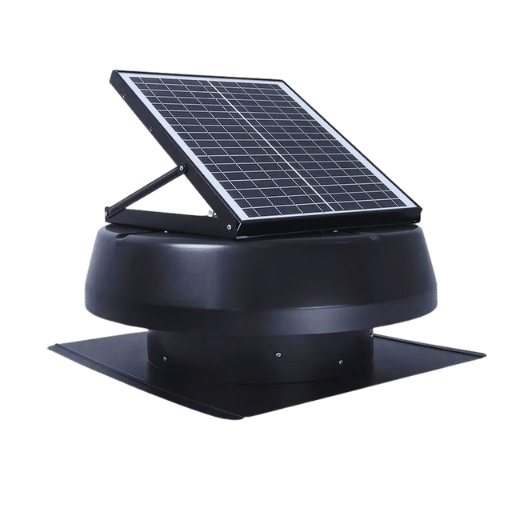
Inspection et nettoyage réguliers
Les ventilateurs de grenier solaire ont-ils des problèmes standards ?
- Oui, les problèmes courants incluent une efficacité réduite due à la saleté et aux débris sur le panneau solaire, à l'usure mécanique et aux problèmes avec les systèmes de secours par batterie.
Comment m'y prendrais-je pour entretenir mon système de ventilation du grenier ?
- Panneau solaire propre : Nettoyez régulièrement la planche ensoleillée à l'aide d'un tissu délicat et d'un nettoyant doux pour garantir la plus grande compétence.
- Recherche d'obstructions : Assurez-vous qu'il n'y a pas de déchets ou d'obstacles arrêtant le ventilateur ou les évents qui pourraient obstruer la libre circulation de l'air.
- Examiner les ensembles mécaniques : Étudiez occasionnellement les signes montrant une lassitude comme les pannes de moteur ; pales de ventilateur corrodées ; supports de montage desserrés, etc.
- Testez les connexions électriques : Vérifiez que toutes les connexions électriques sont sûres et fonctionnent comme prévu.
- Changer les pièces usées : Remplacez immédiatement toutes les pièces qui pourraient être usées afin de maintenir des niveaux de performances élevés.
Surveillance du panneau solaire pour l'efficacité
Pour que le ventilateur de grenier à énergie solaire fonctionne le plus efficacement possible, il est nécessaire de surveiller régulièrement le panneau solaire. Voici quelques mesures importantes à prendre pour une surveillance efficace :
- Performances de la piste : Enregistrez périodiquement les performances du ventilateur et notez s'il y a des changements notables dans le débit d'air ou les heures de fonctionnement. Cela peut vous aider à remarquer quand ses performances diminuent.
- Recherchez Shade : Vérifiez que rien n'empêche la lumière du soleil d'atteindre le panneau solaire, comme les arbres, les débris ou d'autres bâtiments susceptibles de projeter des ombres sur celui-ci. ombrage peut réduire considérablement les niveaux d'efficacité.
- Ajuster les angles : Assurez-vous que tout au long de chaque journée, les panneaux de cet appareil sont placés à des angles où ils recevront des quantités optimales de temps d'exposition directe au soleil.
- Panneaux propres : Nettoyez fréquemment la poussière de ces composants afin que la saleté ne s'accumule pas ; nettoyez-les également de temps en temps pour les excréments d'oiseaux ou d'autres corps étrangers collant sur leurs surfaces, car ceux-ci peuvent bloquer les rayons et réduire les taux d'efficacité.
- Tests système : Avec un multimètre, mesurer les sorties de tension produites par les panneaux de ce type de système, en s'assurant qu'elles correspondent aux valeurs de sortie électrique attendues.
Suivre ces techniques de surveillance vous permettra de maintenir votre système de ventilation dans les combles efficace tout le temps grâce à l'énergie du soleil.
Remplacement de pièces pour prolonger la durée de vie de votre toit
Pour que votre toit dure longtemps, il est important de faire un entretien régulier et de remplacer à temps certains de ses principaux composants Voici les domaines qui nécessitent une attention particulière :
- Bardeaux : Remplacez immédiatement les bardeaux endommagés ou manquants lorsqu'ils laissent entrer de l'eau, ce qui peut causer des problèmes structurels ultérieurement.
- Clignotant : Pour les installations extérieures, cette partie évite les fuites autour du ventilateur d'évent Vérifiez le clignotement autour des cheminées/fenêtres/autres pénétrations du toit pour décroître et remplacez-les pour éviter les fuites.
- Gouttières : Assurez-vous que les gouttières et les descentes ne sont pas bouchées mais plutôt intactes ; un mauvais drainage peut gâcher le bord d'un toit ainsi que ses fondations.
- Ventilation : Gardez les systèmes de ventilation des combles tels que les évents/ventilateurs fonctionnels pour éviter l'accumulation de chaleur qui pourrait endommager les matériaux de toiture en raison de l'accumulation d'humidité.
- Scellants : Pour garantir le maintien de la résistance à l'eau, réappliquez ou renouvelez les mastics fissurés/épluchants autour de tout ce qui est fixé sur le toit.
Si vous vous occupez de ces choses, votre toit sera à l'abri de la plupart des dommages et durera plus longtemps, aussi.
Quels sont les problèmes et solutions courants pour les ventilateurs de grenier à énergie solaire ?
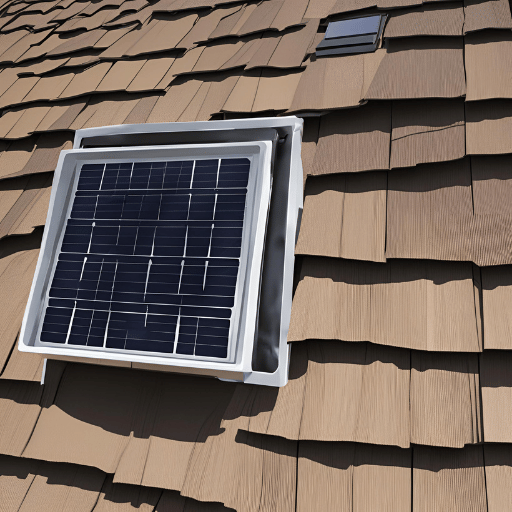
Résolution des problèmes liés à l'énergie solaire
Lorsque les ventilateurs de grenier fonctionnant à l'énergie solaire ne fonctionnent pas bien, il est possible d'envisager de nombreux problèmes et solutions :
Manque d'exposition à la lumière du soleil :
- Problème: L'efficacité du ventilateur diminue car le panneau est ombré ou mal orienté.
- Solution: Placez le panneau solaire là où il reçoit suffisamment de soleil pour toute la journée, idéalement orienté vers le sud.
- Données: Angles d'inclinaison spécifiques à la latitude (par exemple, environ 40° de latitude, environ 40° d'inclinaison).
Panneaux solaires sales ou bloqués :
- Problème: Le panneau contient de la saleté, des feuilles ou de la neige, ce qui bloque l'absorption de la lumière.
- Solution: Nettoyez fréquemment la surface des panneaux solaires en essuyant doucement avec un chiffon doux et de l'eau afin de maintenir l'efficacité.
- Données: Un module poussiéreux peut perdre jusqu'à 251TP3 T de sa capacité à convertir la lumière du soleil en électricité.
Problèmes de connexion électrique :
- Problème: Les fils peuvent être connectés de manière lâche au niveau des joints, ce qui peut couper le flux électrique du panneau vers le ventilateur.
- Solution: Inspectez toutes les connexions pour vérifier l'étanchéité et la corrosion, en vous assurant que les fils ne sont pas cassés.
- Données: Calculer la chute de tension par pied de fil pour sélectionner la jauge appropriée (par exemple, pour un système 12 V, chute de 0,1 V sur 10 pieds en utilisant 10 AWG).
Mauvais moteur de ventilateur :
- Problème: Le moteur du ventilateur peut être défectueux ou grillé afin qu'il ne s'allume pas ou ne fonctionne pas correctement lorsqu'il est activé par les réglages du commutateur/thermostat.
- Solution: Tester les moteurs en se connectant directement aux bornes d'alimentation ; remplacer si nécessaire.
- Données: Vérifiez la puissance nominale du moteur par rapport à la puissance de votre panneau solaire (par exemple, un moteur de 20 W a besoin d'un minimum de panneaux de 25 W).
Problèmes de stockage de la batterie (le cas échéant) :
- Problème: Les batteries de stockage d'énergie peuvent se dégrader et affecter les performances pendant les périodes de faible luminosité.
- Solution: Vérifiez les batteries qui ne parviennent pas à maintenir la charge efficacement et remplacez-les si nécessaire.
- Données: Les batteries au plomb durent en moyenne 3 à 5 ans ; les cellules lithium-ion peuvent durer jusqu'à dix ans avec des soins appropriés.
En suivant ces mesures correctives de bon sens et en citant des points de référence exacts, on peut restaurer et maintenir l'efficacité ainsi que l'efficience des ventilateurs de grenier à énergie solaire.
Faire face à l'air chaud indésirable dans le grenier
Pour bien gérer l'air chaud indésirable de leur grenier, les gens doivent appliquer des méthodes de ventilation à la fois passive et active L'installation d'un ventilateur de ventilation contribuera à augmenter la circulation de l'air en général.
Ventilation passive :
- Aérations Ridge et évents Soffit : Installez des bouches d'aération faîtières au sommet du toit et des bouches d'aération au soffite sur l'avant-toit pour améliorer le flux d'air naturel. Les bouches d'aération faîtières permettent la libération d'air chaud ; les bouches d'aération au soffite fournissent une prise d'air plus frais.
- Évents à pignon : Lorsqu'ils sont placés sur les pignons d'un grenier, ils facilitent une meilleure ventilation croisée en créant des voies par lesquelles l'air vicié ou chaud peut s'écouler à mesure que de nouvelles brises fraîches entrent. Les types à moteur peuvent également le faire.
Ventilation active :
- Ventilateurs de grenier à énergie solaire : Ces ventilateurs sont alimentés par des panneaux solaires pour éliminer activement la chaleur des greniers. Ils fonctionnent mieux pour maintenir les températures des pièces supérieures pendant les périodes ensoleillées.
- Ventilateurs de grenier électriques : En cas de panne d'énergie solaire, utilisez des ventilateurs électriques équipés de thermostats pour réguler des niveaux de chaleur plus constants.
En utilisant toutes ces techniques ensemble, on garantit une efficacité maximale dans la ventilation de leur loft, minimisant ainsi le piégeage de chaleur et améliorant les mesures générales d'économie d'énergie dans les maisons.
Optimisation de la circulation et de la ventilation de l'air
Pour s'assurer que l'air circule et se déplace dans un grenier, il est nécessaire d'avoir à la fois des points d'admission et d'échappement Les bouches d'admission doivent être situées dans une position plus basse que les bouches d'évacuation afin de permettre un écoulement facile de l'air frais dans le grenier.
Ventilation équilibrée :
- Évents d'admission : Ce sont des évents conçus pour laisser entrer l'air frais dans un grenier Ils peuvent être situés sur des soffites ou des pignons Il est recommandé que les évents d'admission soient placés faiblement par rapport à ceux d'évacuation créant ainsi une aspiration naturelle de brise fraîche dans cet espace.
- Évents d'échappement : Il s'agit de crêtes ou d'évents de toit installés sur les parties les plus hautes des toits pour permettre l'évacuation de l'air chaud des bâtiments Pour une performance efficace, ces types doivent aller de pair avec suffisamment d'évents d'admission.
Ventilation mécanique :
- Ventilateurs de grenier : Ils sont utilisés pour augmenter le mouvement de l'air dans cette zone. Des ventilateurs solaires ou électriques peuvent être appliqués ici. Ces ventilateurs doivent être fixés près des sections supérieures des greniers afin de faciliter le soufflage de chaleur tout en aspirant l'air extérieur plus frais via les prises d'air.
- Systèmes de ventilation intelligents : Les systèmes de ventilation avancés modernes peuvent être connectés à la technologie de la maison intelligente qui permet de contrôler et de surveiller plus précisément la température ainsi que les niveaux d'humidité dans les lofts pour des conditions idéales.
Si les propriétaires peuvent atteindre une répartition raisonnable entre les espaces d'entrée et de sortie ainsi que les supports mécaniques actuels, ils obtiendront un flux d'air amélioré dans toutes leurs maisons, réduisant ainsi la consommation d'énergie en raison de la réduction de l'accumulation de chaleur à l'intérieur des plafonds.
Sources de référence
Foire aux questions (FAQ)
Q : Quels sont les avantages de la mise en place d'un ventilateur de grenier à énergie solaire ?
R : La mise en place d'un ventilateur de grenier à énergie solaire permet de réduire l'accumulation de chaleur dans votre grenier, de réduire les dépenses de refroidissement et n'augmente pas la facture d'électricité. Il est économe en énergie et respectueux de l’environnement, un moyen efficace d’améliorer la ventilation des maisons.
Q : Comment fonctionnent les ventilateurs solaires de grenier ?
R : Les ventilateurs solaires des combles fonctionnent grâce à des systèmes électriques sensibles à la lumière Ces systèmes convertissent la lumière du soleil en électricité à l'aide de panneaux photosynthétiques Les ventilateurs utilisent ensuite cette énergie pour souffler l'air chaud des greniers, améliorant ainsi l'aération générale et réduisant simultanément les coûts de refroidissement.
Q : Est-il difficile d’installer un système de ventilateur solaire dans le grenier ?
R : Généralement, installer un évent à énergie solaire pour un grenier est suffisamment simple pour que n'importe qui puisse le faire lui-même avec des outils de base tels que des tournevis, des forets, etc. ; cependant, si vous manquez de confiance lorsque vous faites les choses vous-même, il y a toujours la possibilité d'embaucher des professionnels qui veilleront à ce que tout se passe bien du début à la fin.
Q : Puis-je mettre mon ventilateur solaire à l'extérieur, ou doit-il être à l'intérieur seulement ?
R : Oui ! Vous pouvez installer ce type de ventilateurs n'importe où à l'extérieur où ils rempliraient le mieux leur fonction, comme des serres, des poulaillers et des poulaillers qui nécessitent une meilleure circulation de l'air. Par conséquent, ils créent un environnement de vie sain autour d’eux tout en garantissant une qualité de l’air optimale dans ces zones, car ils sont également conçus spécifiquement pour une installation extérieure.
Q : Existe-t-il différents types d’aérations solaires ?
R : Il existe plusieurs types disponibles, notamment les modèles portables montés sur le toit à pignon, les modèles à double panneau, etc. Certains sont également dotés de fonctionnalités supplémentaires comme la batterie de secours ou un mode commutable pour une efficacité accrue au cours de différentes saisons, etc. ; par conséquent, en fonction des besoins spécifiques, on peut choisir quel type leur convient le mieux, en tenant compte de facteurs tels que la taille, l'espace, la puissance disponible, etc. Donc oui, en effet, de nombreuses alternatives existent ici.
Q : Quelle est la différence entre un évent à pignon solaire et un évent de toit solaire ?
R : Un évent à pignon solaire est installé sur le pignon d'un bâtiment tandis que des bouches d'aération solaires sur le toit sont montées sur les toits ; cela signifie que les deux utilisent la lumière du soleil pour les alimenter, mais ils sont conçus différemment car leurs emplacements nécessitent des méthodes d'installation différentes.
Q : Quelle est l'efficacité d'un ventilateur de grenier solaire de 20 w ?
R : Un 20 watts peut fonctionner assez efficacement pour un grenier de taille moyenne car il fournit plus de flux d'air que nécessaire. Cela permet de maintenir des températures modérées dans cet espace pendant la plupart des saisons sans utiliser l'électricité du réseau, économisant ainsi de l'argent sur les factures.
Q : Puis-je connecter de nombreux panneaux solaires à mon système de ventilateur de grenier ?
R : Certainement ! certains modèles autorisent des connexions de panneaux supplémentaires tant que vous ne dépassez pas la puissance nominale maximale recommandée de ventilateurs spécifiques, car cela pourrait les endommager ou même provoquer un incendie dû à une surcharge de câblage, etc. Cependant, lorsqu'il s'agit de grands greniers, avoir plus d'un panneau pourrait être bénéfique, en particulier là où il y a peu de lumière directe du soleil atteignant ces zones dans de tels cas, envisagez d'utiliser un panneau de 15 w pour de meilleurs résultats.
Q : Les bouches d’aération à énergie solaire fonctionnent-elles également la nuit ?
R : Non, les basiques ne fonctionneront pas pendant les heures de nuit puisqu'ils dépendent uniquement de la lumière du jour Une fois le soleil couché, il n'y a plus de source pour les alimenter, donc ils arrêtent de fonctionner immédiatement ; néanmoins, certains types ont des batteries intégrées qui stockent l'énergie des rayons du soleil reçus tout au long de la journée, permettant un fonctionnement continu au-delà du coucher du soleil jusqu'au lever du soleil, offrant ainsi une ventilation constante malgré tout.
Q : Des modèles uniques conviennent-ils aux structures extérieures comme les serres et les hangars ?
R : Oui, en effet ! il existe divers kits spéciaux tels que ceux conçus spécifiquement pour les serres, par exemple, le kit de serre pour ventilateur d'échappement d“”olar, le” entre autres destiné aux poulaillers ou à d'autres endroits similaires où les animaux peuvent nécessiter une circulation d'air appropriée tout en, des kits supplémentaires conçus explicitement pour les bâtiments extérieurs comme les hangars, etc., sont également nécessaires car ce type d'établissements manque généralement de moyens naturels bien conçus par lesquels l'air frais peut circuler librement, provoquant ainsi des conditions insalubres à l'intérieur.