






電線和直埋電纜 是抵抗被放置在地下而沒有額外保護的必要元素。這些特殊導體適用於戶外使用,其建造能夠承受濕度、土壤類型以及溫度波動。因此,了解它們的規格、用途和安裝方法非常重要,以便電氣項目安全高效。這件作品旨在提供有關主題的完整指南,包括用於製造直接埋地電線或電纜的建築材料、它們相對於其他類型佈線系統的優勢,以及它們應如何正確安裝,其中包括法律要求,這些要求可能因地方而異,從而為讀者提供進行電線工程時所需的所有必要資訊。.
什麼是直埋線?
了解直接埋葬的基礎知識
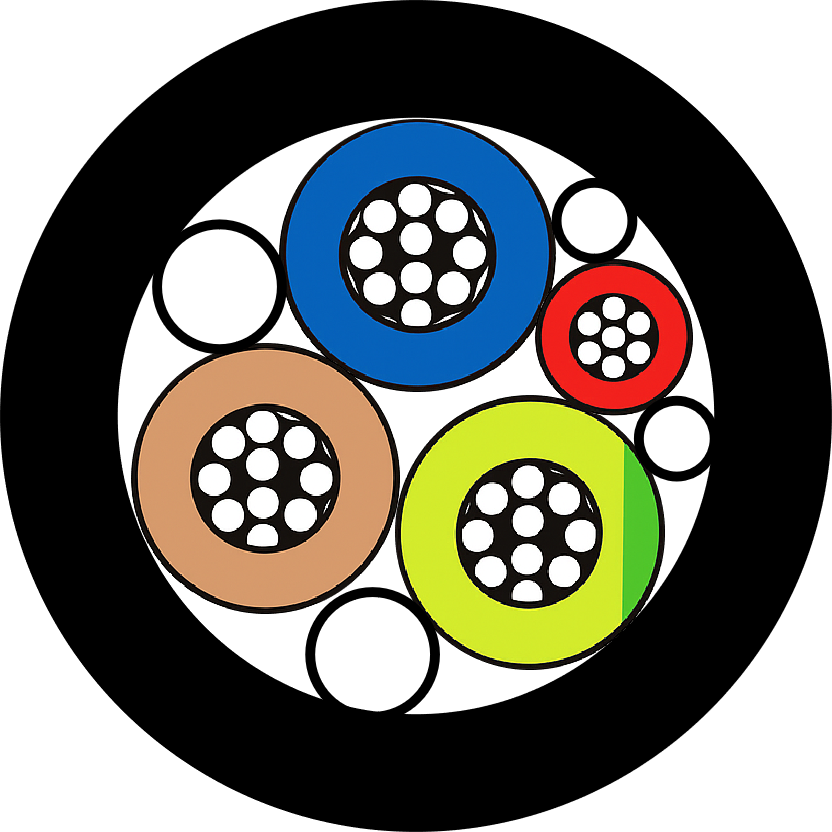
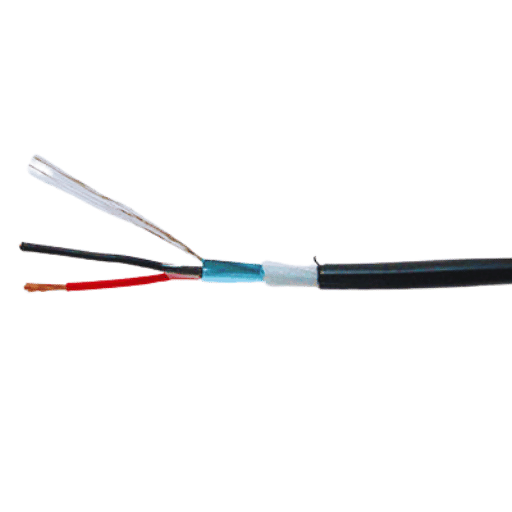
直接埋地線無需導管即可直接放入地下。它由堅韌的材料製成,可抵抗濕氣和土壤腐蝕。最常見的是,這些電線上的絕緣材料由熱塑性塑膠或熱固性化合物製成,具有靈活性和對環境因素的保護。一些例子包括符合嚴格安全標準和性能要求的 UF(地下饋線)電纜和 USE(地下服務入口)電纜。如果按照深度規則正確安裝並避免與其他公用設施緊密接近,直接埋地佈線系統將隨著時間的推移保持可靠和功能。.
直接埋地電纜和普通電線之間的差異
為特定工作選擇合適的材料需要我們區分普通電線和直埋電纜。 UF 和 USE 類型是此類電纜的範例,這些電纜專為地下使用而設計,其絕緣層和護套旨在抵抗濕氣、土壤酸性或溫度變化。相反,普通電線缺乏這些堅固的塗層,因此不能與泥土直接接觸。.
- 絕緣材料: 為了使它們更堅固,直埋電纜採用重型熱塑性塑膠或熱固性材料作為絕緣材料,而普通電線中使用的標準絕緣材料無法提供足夠的抗濕性。.
- 耐濕性: 與普通電線在接觸埋地環境時會迅速惡化不同,直埋電纜能夠承受長時間的降雨而不會損壞。.
- 安裝深度: 法律規定電線埋藏的深度通常約為 24-30 英寸,具體取決於您居住的地方,但由於普通電線從來不用於地下目的,因此沒有此類規範。.
- 應用: 照亮花園或向棚屋供電等戶外活動可能需要使用直接埋地電纜,而缺乏外部條件的室內環境只需要普通電線。.
了解這些差異後,專業人員將能夠選擇在電氣安裝過程中在安全性和效率方面效果最佳的產品。.
使用直接埋地電線的好處
以下是使用直埋電線進行安全高效輸電的各種原因:
- 額外的安全性: 濕氣、化學物質和囓齒動物會影響電纜的效率。因此,它們需要有更堅固的絕緣層和護套,以防止此類威脅的發生。這反過來又會使它們更加可靠並降低維護成本。.
- 保護改進: 這些電纜在安裝在地下之前符合法律要求的所有必要標準,從而減少了導致電氣故障或短路的可能性,從而危及周圍的生命。.
- 應用靈活性: 不同的戶外系統,如灌溉網路、景觀照明設計等,可能需要來自遙遠建築物的電力連接。因此,埋藏電纜在各種使用情況下都很有用。.
在戶外工作的專業人員使用本應使用很長時間但仍能確保人們安全的電器,由於其眾多優點,總是會選擇直接埋地電線。.
如何選擇正確的直埋線?
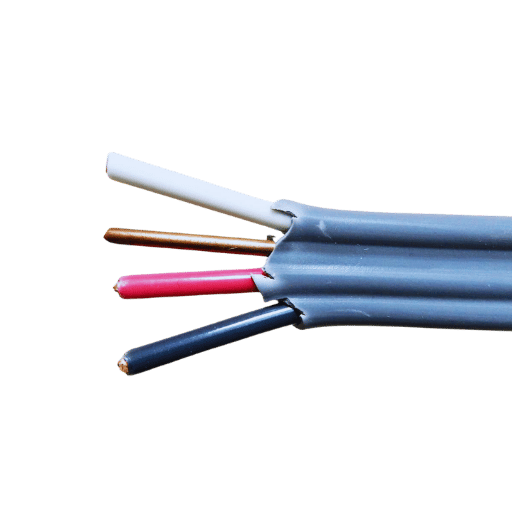
選擇直接埋線時要考慮的因素
為了實現最佳性能並符合安全標準,在為電氣裝置選擇最合適的直埋線時必須考慮幾個重要問題:
- 線規 (AWG): 美國線規 (AWG) 系統用於確定影響其載流能力的電線厚度。對於典型的住宅應用,需要較低的 AWG 數量才能處理較高的負載。做出此選擇時必須審查本地電氣規範和負載計算。.
- 絕緣類型: 有直接埋絲,具有不同的絕緣材料類型,如 PVC 或 XLPE。 PVC 具有優異的防潮和抗紫外線能力,而 XLPE 則具有優異的耐熱性和耐化學性。應根據環境條件和具體安裝要求選擇絕緣材料。.
- 電壓額定值: 電纜的額定電壓指示其最大工作電壓。確保所選電線能夠滿足裝置的電壓需求,無論是景觀照明等低壓系統或附屬建築供電等高壓應用。.
- 環境條件: 必須考慮土壤類型、濕度水平以及化學物質或腐蝕性物質的存在。選擇符合特定環境條件的電纜,特別是如果將其放置在洪水易發地區或可能接觸化學物質的地方。.
- 符合標準: 確保擬使用的直接埋設電線符合相關行業標準,例如美國使用的國家電氣規範 (NEC)。遵守規定可確保在將電線放入地下之前對其進行安全測試。.
透過仔細評估這些因素,專業人員可以選擇合適的直埋線,從而確保可靠和安全的戶外電氣裝置。.
您的專案應該使用哪種線規?
選擇正確的線規非常重要,這樣電力就可以輕鬆流動,而不會出現過熱的危險。美國線規 (AWG) 系統通常用於住宅用途,其中數量較少意味著較大的電線能夠承載更大的電流。例如,12 AWG 對於大多數照明系統和插座來說就足夠了,而 10 AWG 對於更大的電器或更長的電纜運行可能是必要的,以最大限度地減少電壓降。在確定應採用哪種尺寸時,您需要考慮以安培為單位的總負載、線路長度以及任何相關的電氣規範,但您也要謹慎,尋找線路規表並諮詢電工,以免您的安全合規性變得低效。.
選擇銅線直接埋葬的重要性
選擇銅線用於直接埋藏應用的重要性怎麼強調也不為過。銅是一種很好的電導體,不易生鏽。這些特性使其能夠比任何其他可能選擇的金屬更好地長距離傳輸電力,同時能量損失最小。此外,這種電線不像鋁線那樣受溫度或環境變化的影響更大;因此,除了具有靈活性(使其在安裝過程中易於使用)之外,銅的延展性還可以在必要時在彎曲處形成更尖銳的角落,從而比任何替代方案更容易適應複雜的佈局。因此,歸根結底,當電線直接埋入地下時,它們應該始終完全由銅製成,以便不僅提高系統效率,而且滿足該行業設定的安全標準。.
直埋電纜安裝指南
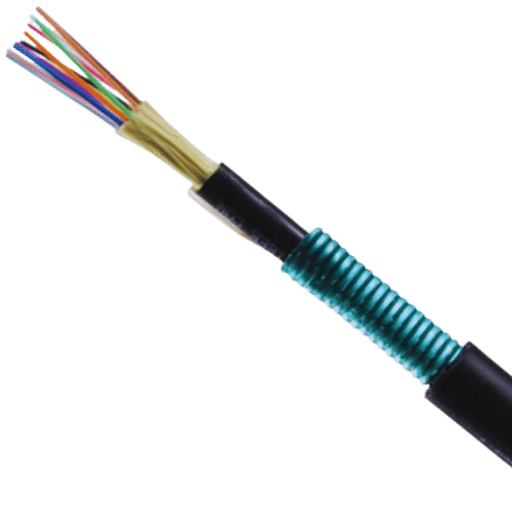
安裝 UF-B 地下饋線電纜的逐步說明
- 規劃路線: 確定不會幹擾現有地下公用設施的最短、最安全的電纜安裝路線。.
- 深度要求: 按照當地法規挖一條至少兩英尺深的溝渠。.
- 電纜選擇: 根據總負載和運行長度選擇適當的 UF-B 電纜尺寸,同時遵循建築物的電氣規範要求。.
- 溝槽準備: 溝槽底部應光滑,以防止損壞電線。任何鋒利的東西或碎片都必須取出。.
- 電纜放置: 將直 UF-B 電纜放入溝槽中,注意不要超過製造商規定的任何彎曲。.
- 回填: 添加至少 2 英寸的沙子或土壤,為電纜提供額外的填充物,以便它們能夠免受岩石和碎片的侵害。.
- 標記區域: 清楚指出這條隱藏的電纜被埋在哪裡;這可以透過使用磁帶和標記來提醒其他人在以後的場合來完成。.
- 最終檢驗: 在回填之前進行最終檢查,以確定正確的位置並遵守建築規範。.
- 測試: 安裝完成後,請確保進行連續性和絕緣測試,以確保電氣系統的完整性。.
安全預防措施和 NEC(國家電氣規範)合規性
安裝 UF-B 地下饋線電纜時最重要的是遵守安全措施並符合 NEC。為避免事故,工作時必須始終戴上必要的個人防護裝備,如手套和安全眼鏡。在開始挖掘之前,必須對安裝地點進行徹底調查,以了解下方現有的公用設施。根據 NEC 法規,埋地深度應等於或超過距地面 24 英寸,以便不僅保護而且最大限度地減少這方面的損壞風險。為了在安裝過程中防止電氣危險的額外安全性,必須採用國家電氣規範要求的正確接地和黏合方法。定期進行檢查以及在整個過程中進行的測試將有助於確保合規性和安全性。.
安裝過程中要避免的常見錯誤
在安裝 UF-B 地下饋線電纜時,重要的是要避免一些可能損害安全性和效率的常見錯誤。.
- 埋葬深度不足: 未能達到 NEC 要求的 24 英吋最小埋藏深度是最常見的錯誤之一。地表活動或自然力造成的意外損壞的危險隨著深度不足而增加。.
- 不標記實用程式: 未能定位並清楚標記現有的地下公用設施可能會在挖掘過程中造成事故。始終確認其他線路的位置,以免撞到它們,因為這需要昂貴的維修費用並帶來安全風險。.
- 不正確的回填方法: 如果回填使用不適當的材料,可能會產生壓力點,損壞電纜。回填物應正確壓實,並採用適當的土壤,不會隨著時間的推移而沉降,從而損害安裝完整性。.
了解這些常見錯誤並養成良好的習慣將使安裝過程更安全、更符合法規。.
有哪些類型的直接埋地電纜可供選擇?
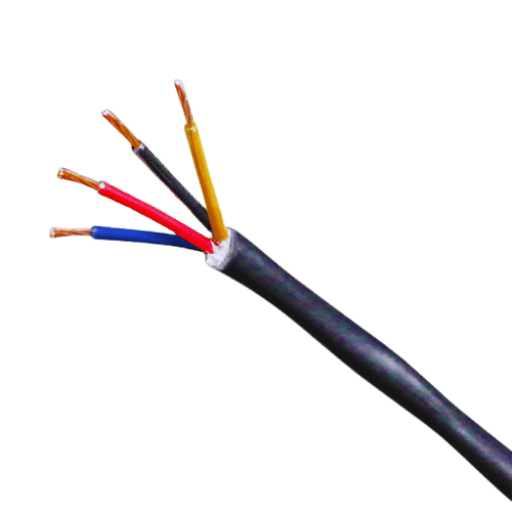
常見 UF-B 和 UF-B WG 地下饋線模型概述
地下饋線 (UF-B) 電纜和帶接地 (UF-B WG) 電纜的地下饋線專為地下使用而製造。 UF-B 電纜可以直接埋入,無需管道。它通常用於為戶外照明、景觀應用和其他永久性裝置供電。然而,UF-B WG 包括一個額外的接地導體,為接地故障電流提供了良好的路徑,從而提高了安全性。.
兩種類型的電纜均針對潮濕位置進行額定,並具有堅固的防潮蓋,可確保較長的使用壽命和可靠性。一些常見的尺寸有 14 AWG、12 AWG 和 10 AWG。它們具有不同的額定電壓,可以滿足各種應用需求。因此,根據安裝位置和負載要求選擇正確的類型和尺寸非常重要。.
比較地下裝置的不同導體類型
在選擇地下裝置的導體時,必須考慮不同類型的規格和應用。初級導體類型包括銅和鋁,它們具有獨特的優勢和權衡。.
銅是一種良好的導體,因為它具有高導電性和低流動阻力。這意味著它在效率最重要的地方是完美的。它也比任何其他金屬更能抵抗腐蝕,這使得它在地下環境中成為一個很大的優勢。然而,銅的成本高於鋁,從而影響大型設施的預算分配。.
另一方面,雖然鋁的電阻率比銅高,但重量更輕、更便宜,這使得它廣泛應用於許多需要地下安裝的應用。它們需要更大的直徑,因為它們在承載相同電流時比銅導電性更低,但退火或合金鋁等新開發改進了它們的性能特性。.
總之,是否應該選擇使用銅導體或鋁導體取決於安裝成本、重量考慮、耐腐蝕性等因素以及專案的特定負載要求。因此,了解這些差異將引導您做出適當的選擇,以確保安裝在地下用於配電目的的系統的可靠性和安全性。.
使用 PVC 護套製作地下電纜的好處
在地下電纜上使用 PVC(聚氯乙烯)護套的原因有很多。首先,PVC具有良好的防潮性能;這可以防止導體被水腐蝕或損壞,從而導致電氣故障。其次,它的特點是化學穩定性強,對環境因素的抵抗力高,因此可以在不同類型的土壤中延長使用壽命。.
此外,這些夾克重量輕且靈活,因此易於安裝,尤其是在有限的空間或困難的地形中。除了足夠堅韌以抵抗安裝和使用過程中的磨損外,該材料還可以承受沿其長度與物體物理接觸而引起的磨損。此外,PVC 適合此應用的其他因素之一是其作為絕緣體的能力,因為它具有良好的絕緣性能。所有這些優點結合在一起,提供了保護地下電線免受潛在危險的最合適方法。.
直接埋地電線的維護和故障排除

定期檢查以確保直接埋線的使用壽命
- 目視檢查: 定期檢查地上終端點和接線盒是否有任何腐蝕、損壞或進水的跡象。.
- 土壤狀況評估: 注意墓地周圍過度潮濕、侵蝕或化學污染。.
- 電纜完整性測試: 使用絕緣電阻測試儀或電纜故障定位器對於檢測可能出現的任何可能的故障或絕緣性能惡化至關重要。.
- 熱成像: 檢查熱像儀,透過不尋常的加熱模式找出是否有電力過載或短路。.
- 文件審查: 維護全面的安裝記錄,包括檢查、維修和環境條件,因為它們有助於在一段時間內監控電纜性能。.
- 植被控制: 管理墓地上方植物的生長,以避免物理損壞並減少電纜附近水分滯留的機會。.
儘早識別問題和電線缺陷
為了快速發現直埋電線的問題和電線故障,重要的是採用視覺和技術檢查的有計劃的方法。定期進行週邊目視檢查,特別注意地上連接和接線盒是否有任何腐蝕或物理損壞的跡象。使用光纖檢查攝影機可以幫助發現內部電線缺陷,而無需挖掘。.
熱成像可用於監測溫度變化,這可能表明潛在的故障點,而常規絕緣電阻測試有助於識別可能損害電線完整性的絕緣惡化。此外,您可以透過查看歷史維護記錄來檢測性能趨勢,從而可以在異常情況導致災難性故障之前儘早識別它們。這不僅延長了電氣系統的使用壽命,而且大大降低了與故障佈線系統帶來的電氣安全隱患相關的風險。.
維修和更換:您需要了解的內容
在開始維修和更換直埋電線之前,首先確定損壞程度非常重要。對於不太嚴重的損壞,例如小切口或擦傷,可以使用高品質的直埋應用修復套件,以恢復其功能,而無需更換整根電線。專用黏合劑和防護罩可確保這些包裝中通常包含氣密密封件。.
在某些情況下,電線嚴重損壞或退化,因此需要更換。選擇符合或超過原始規格的電線非常重要,以確保相容性和性能。選擇替換電纜時應考慮的一些因素包括導體尺寸、絕緣等級和環境電阻等。修復後,需要進行徹底的測試以確定它們是否在要求的限度內運作;進行連續性檢查、進行絕緣電阻測試、檢查負載能力等。.
在此過程的每個階段遵循當地規範和法規不僅可以確保合規性,還可以增強安全性和可靠性。特別是對於關鍵系統,強烈建議聘請能夠正確處理或安裝這些設備的合格人員,從而最大限度地減少因此類組件處理或安裝不當而可能產生的任何風險。.
關於直接埋線的問題
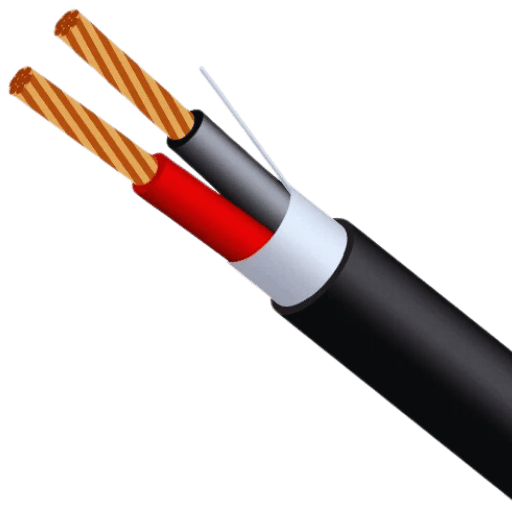
我可以使用直接埋線進行所有類型的安裝嗎?
直埋線是專門設計用於防止潮濕、土壤和其他環境因素的地下佈線。但值得注意的是,這些電線並不普遍適用於所有安裝。.
安裝種類:
- 地下電氣應用: 直埋線與需要防潮和耐久性的地下電氣系統配合良好。它通常用於服務側向和室外照明的連接。.
- 地上裝置: 對於室內佈線或未埋入土壤的外部結構等地上應用,應考慮導管保護佈線(UF 電纜),因為它可以更好地防止物理損壞和環境因素。.
- 潮濕地點: 雖然直接埋藏適用於潮濕的地方,但在容易發生洪水或電纜可能被長時間淹沒的地方使用它需要使用被評為水下的電纜。.
監管標準:
- 國家電氣規範 (NEC) 對電線安裝制定了嚴格的要求。遵守這些規定可確保安全;因此,直埋線必須符合適當的絕緣性和耐環境等級。.
性能資訊:
- 選擇直埋線時,必須考慮容量等級以及溫度等級,因為安裝地點的特殊需求。例如,在潮濕或乾燥條件下可承受高達 90 °C (194°F) 的 USE-2 型電線通常是住宅應用的首選。.
總之,雖然直埋線足夠堅固,可以在大多數地下電氣裝置上工作,但它並不適合所有情況。因此,了解環境和規則非常重要,以便安全有效地安裝。始終諮詢合格的專業人員,他們將幫助您選擇適合您需求的電線類型。.
直接埋藏應用的電流容差和電壓額定值是多少?
直接埋入地下的電線的載流量由規格、絕緣類型和環境溫度等因素決定。例如,銅線往往比類似尺寸的鋁線具有更高的載流量。通常,12 AWG 銅線在正常情況下的額定電流約為 20 安培。.
就額定電壓而言,直埋式電纜可用於高達 600 伏特的系統,這適用於許多住宅和商業應用。然而,某些安裝可能需要更高的額定電壓電纜,尤其是在工業環境中。在進行電氣安裝時,請務必諮詢您的供應商並遵循 NEC 標準,以確保安全和合規性。.
儲存未使用的直接埋設電纜的最佳實務
在儲存未使用的直埋電纜時,應採取許多措施來維持其壽命和性能。.
- 乾燥環境: 未使用的電纜應存放在乾燥、涼爽的地方,以避免積聚水分,進而導致絕緣故障,導致電氣故障增加。.
- 沒有直接陽光: 絕緣材料可能會被太陽紫外線降解,因此電纜需要陽光不穿透的隱藏位置或用不透明材料覆蓋它們。.
- 線圈電纜正確: 捲繞/纏繞電纜時應使用大環,以免扭結或損壞電線。同樣重要的是不要使線圈太緊,因為它會強調電線絕緣。.
- 易於識別的標籤: 每條電纜上必須清楚標明線規和類型等規格,以便在需要時易於識別。.
- 避免重載: 重負載或壓力使儲存的電線變形,使其無法使用。因此,應注意不要將電纜暴露在這種情況下。.
有了這幾個提示,您將始終擁有一條完整的直埋電纜,可供將來使用。.
參考來源
常見問題(常見問題)
Q:什麼是 UF-B WG 地下饋線直埋線?
答:UF-B WG 地下饋線直埋線,也稱為 UF 電纜,是一種可以放置在地面上的電線,無需任何額外的保護,例如導管。它能夠承受室外條件,通常用於花園項目和室外照明。.
Q:WG 地下饋線直埋線與其他地下電線有何不同?
答:WG 地下饋線直埋線具有絕緣層和接地線,兩者均設計用於直接埋入。這意味著它可以根據土壤和濕氣的暴露程度進行評級,而不需要像其他類型的地下電線那樣添加保護導管。.
Q:我應該在直接埋入式超濾線中尋找什麼規格?
A:看看電線的載流量等級、溫度等級以及它的用途(例如,如果它在外面有燈,那麼你會想要 UF-B)。最常用的電流為 60 °C,儘管他們可能會說它們的最大溫度為 90 °C,因為實際上大多數直接埋入非混凝土或濕土中時不會超過 60 °C。.
Q:UF-B 線可以用於服務入口應用嗎?
答:一般來說,人們不使用 UF-B 線作為服務入口,因為與僅需要這些類型的系統滿足不同規格的服務入口電纜相比,它們的設計受到限制;然而,有時根據安裝過程中遇到的具體情況存在例外情況,因此在就此事做出決定之前請務必查閱 NEC 指南。.
Q:是否有不同類型的超濾線適用於各種應用?
答:是的,有不同類型,例如標準電纜或 UFB 電線,可以根據特定需求使用。對於更簡單的設置,帶有接地的雙導體 UFB 電纜可能有效,而更複雜的配置可能需要特殊的佈線選項。.
Q:如何偵測故障的地下電線?
答:確保先查找任何明顯的損壞,然後使用萬用電表檢查連續性,最後檢查是否有短路或電氣故障。如果出現缺陷,請立即更換電線,以確保安全和正常運作。.
Q:UF-B 電線的典型 AWG 尺寸是多少?
答:UF-B 電線的常見 AWG 尺寸為 14、12 和 10 AWG。所需的尺寸取決於特定的應用和電力負載需求。選擇正確的線規時,請務必參考當地的電氣規範和標準。.
Q:我可以在不使用管道的情況下運行地下線路嗎?
答:是的,可以在沒有管道的情況下運行某些類型的地下線路,例如 UF-B WG 地下饋線直埋線。由於這些電纜是為直接埋設而製造的,因此絕緣體可以保護它們免受潮濕和其他環境因素的影響。.
Q:UF-B 線每五英尺要花多少錢?
答:每五英尺 UF-B 線的價格因尺寸 (AWG)、使用的絕緣類型和特定應用要求等因素而異。因此,建議檢查當地不同供應商的價格,以免在進行該專案時超支。.
Q:在處理高載流量要求時,我需要另一種電纜嗎?
答:是的,可能需要專門設計一種不同的電纜類型,以應對大量電流在高溫下長時間連續流過它們的情況,因為普通電纜是不夠的,而是由於標準電流的載流量受限而過熱。uf-b 電線,最高溫度限制為 60 C。.