







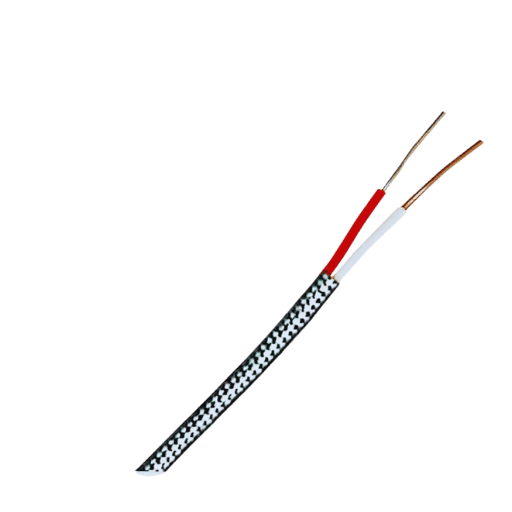
A j-type thermocouple wire is a widely used component in temperature measurement activities since its functionality and operability are commendable. This type is often referred to as an iron-constantan thermocouple, which works efficiently in the range of actual temperature -200°C to 750°C (-328°F to 1382°F). There are many applications in industry, laboratory, and HVAC where the application of J Type thermocouples is common mainly due to their high sensitivity and fast response times. This article will deal with the fundamental features of J-type thermocouple wire, which include its type of construction, temperature limit, area of its application, benefits, and barriers with standards for selection and use. Thus, a reader will become fully aware of the J-Type thermocouple wire, which is the aim of this article.
什麼是a J Type Thermocouple?
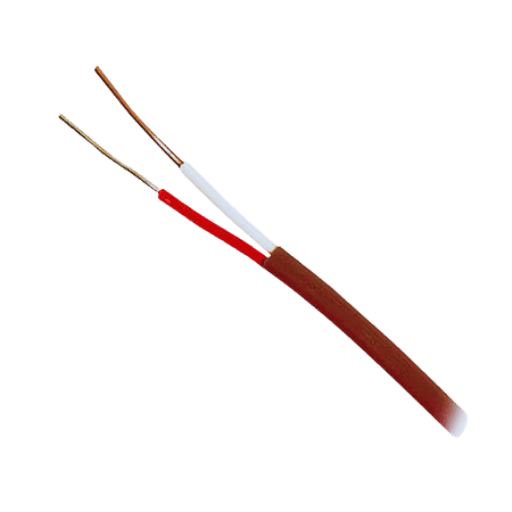
理解 thermocouple basics
Thermocouples are temperature-measuring devices made of two polar metals permanently fused at one end and give out voltage where there is heat difference. More specifically, the overall process is based on the Seebeck effect, whereby the junction of the joined temperature control wires and their open ends induces a current upon the existence of a temperature gradient. This voltage that has been produced is then read and expressed in acceptable temperature units. The classification of the thermocouples is made according to the design of the products and materials of construction (types J, K, T, etc.) and their operational characteristics, such as temperature ranges and precision instruments. They find so many applications because they are strong and durable, quick to respond, and can be used in different areas industrial-wise.
一個如何 J Type Thermocouple 工作?
The J-type thermocouple is a device that is based on the general principles of the Seebeck effect. This works whereby a voltage is induced in the joint of two wires which are made of dissimilar materials will usually be made of iron and constantan when there is a temperature variation at their joint. In this case, the probe tip, termed the hot junction, is held at some temperature higher than the reference temperature that is held at the other end, termed the cold junction, and thereby, a potential difference is developed. Even though voltage is induced, the voltage generated is a function of the difference between the disconnected ends of the thermoelectric sensor. The voltage is also given to a temperature-measuring instrument that registers temperature values. In practical applications, the prevention of J-Type thermocouple from providing accurate readings despite their specification temperature range can note be highlighted without mentioning its relative sensitivity issue.
Comparing J-type thermocouples with other types
This statement can be contrasted with whatever K-Type and T-Type thermocouples are, considering factors such as composition, operating temperature, effectiveness and appropriateness of application.
- Material Composition: J-Type thermocouples make use of iron and constantan whereas K Type thermocouples use chromel and alumel. Copper / constantan T-Type thermocouples. These different materials have different configurations that affect their thermal and electrical properties.
- 溫度範圍: J-Type thermocouples are effective within a temperature range of about -40°C to 750°C (-40°F to 1830°F). In comparison, K-Type thermocouples are efficient within a larger span of -200°C and 1260°C (-328°F to 2300°F). T-type thermocouples have optimum temperature operations between – 200°C to 350°C (-328°F – 662°F).
- Sensitivity and Accuracy: J-type thermocouples are characterized by their high sensitivity and accuracy within the low and moderately high-temperature ranges. Therefore, they suit applications where temperature control is highly critical. K-type thermocouples, less sensitive than the Jones, find application in high-temperature environments where a broader range of use is necessary. T-type thermocouples with proper stability characteristics also operate in the cryogenic range of temperature.
All in all, a thermocouple type that best suits the problem of reference has to be employed in order to suit the particular need of the application in terms of its temperature range, accuracy, and conditions of use of the sensor.
如何選擇正確的 Thermocouple Wire?
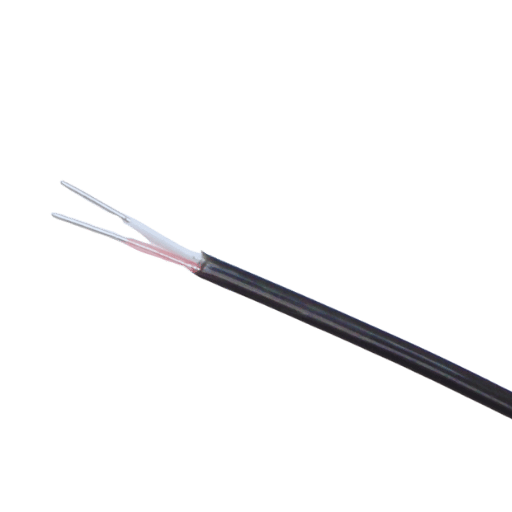
Factors to consider when selecting 熱電偶線
- Thermocouple Type: Take care to ensure the correct thermocouple type (J, K, T, etc.) so that the results can be measured accurately.
- 溫度等級: Select a properly insulated wire to avoid insulation melting at the expected maximum temperature of the application.
- 絕緣材料: Choose the right insulation material depending on weather conditions (for example, fiberglass for polyurethanes and PVC for cold temperatures).
- 線規: Apply the wire gauge depending on the application; thicker wires are rated for higher currents but lack flexibility.
- 環境條件: Consider the environment for wire features such as corrosion, moisture, and wear, and hence choose the wire features and materials that are appropriate for the things.
- Length and Configuration: Based on where the installation needs to be done and where measurements are to be taken from, decide on suitable wire length and configuration such as compensating wire, extension wire and so on.
Difference between thermocouple grade and extension grade wire
Thermocouple grade wire is made to suit the thermoelectric characteristics of the respective thermocouples helping in direct thermometry in a defined range. Such types of wires are applicable at the sensor junction so as to avoid any thermal offset and achieve better accuracy. On the other hand, extension-grade wire is designed to only carry the thermocouple signal to the measuring instrument. It is not meant to be used at the measurement junction. Some extension grade wire can exhibit similar thermoelectric properties as thermocouple grade wires, however, they will not perform well in hot or other such conditions. This is why it is important to make the right choice based on the application requirements.
Choosing the right AWG for your application
Picking the right American Wire Gauge (AWG) is a matter that encompasses a number of important factors that affect the performance and safety of the wire. To begin with, what is the maximum current required for your case? Wires of a lower gauge number have higher current carrying capacity without overheating. Second, it is important to look at the wire run length. A longer distance means that there will be a drop in voltage, and thus, a thicker wire will be needed in order to sustain efficiency and performance. Other considerations include the installation place; temperature, moisture, or even the presence of certain chemicals may actually determine the kind of insulation and the wire gauge to be used. Last but not least, in determining your choice, other applicable regulatory standards and safety codes in your field of application should help rather than restrict your choices. To achieve the best of awg so, many aspects must be considered and balanced out properly.
的類型 絕緣 for J-Type Thermocouple Wire
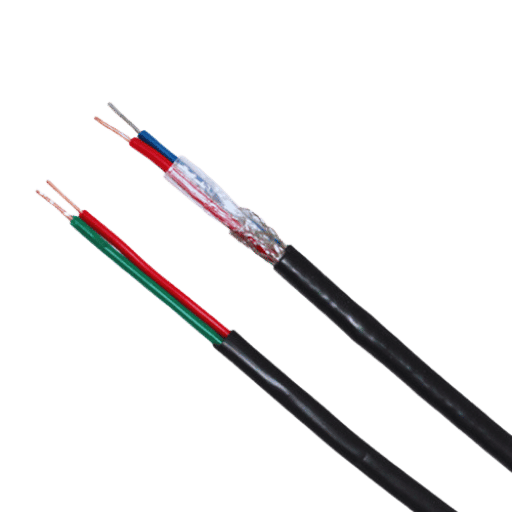
Overview of 聚氯乙烯 絕緣
J-type thermocouple wire is mostly insulated using PVC (Polyvinyl Chloride) because of its good dielectric and moisture resistance capabilities. It works well in a temperature range of −20 °C to 85 °C (−4 °F to 185 °F) and offers good performance with respect to environmental stress. Because it is made of PVC, it has reasonable flexibility and facilitates easy handling, especially during installation. The only demerit is that it would be unsuitable for applications that would have exposure to high temperatures or adverse chemical substances. Therefore, although PVC is good for many standard applications, adequate precautions should be taken to address environmental conditions and temperature requirements when selecting insulation materials.
When to use PFA 絕緣
PFA (Polyfluoroalkoxy polymer) jacket is best suited for J-type thermocouple wire when the application seeks better structural stability, chemical resistance, and flexibility. PFA can withstand very low temperatures extending from −200° C up to very high temperatures of about 260° C ( −328° F) to about Romag temperatures; PVC will fail. With these properties, the installation and management of cables are made easier owing to better electric properties and less frictional surfaces.
Application of PFA Insulation jacket:
- High-Temperature Application areas: PFA is used in cases when thermocouples are subjected to high heat which is usually a requisite in industrial furnace or chemical plants.
- Exposure To Chemicals: Chemical Zuozhong technology PFA is perfect for application even on thermocouples that will be placed many times in contact with aggressive chemicals or solvents in order to protect the device and provide effectiveness over time.
- Aerospace and Nuclear: Due to the extremely high thermal and electrical stability of the PFA insulation it is also widely used in aerospace and nuclear systems as there would be critical safety concerns in the event of insulation failure.
關鍵數據點:
- Temperature Limit: -200°C to 260°C (-328°F to 500°F).
- Dielectric Strength: About twenty kilo voltages per millimeter .converts into kilo volt high dielectric strength against high voltage application.
- Chemical Properties: The most salient feature of PFA is its extraordinary chemical resistance to most of the acids and base and solvents separation which makes it suitable for many industries.
As we can see, PFA insulation is the best suited for J-Type thermocouples when used in adverse conditions, in terms of reliability of performance and meeting safety requirements.
的好處 Fiberglass Insulation
Fiberglass insulation remains the best choice regarding effectiveness, energy efficiency, and acoustical performance. The importance of these cannot be overstated:
- 能源效率: Fiberglass insulation has very high thermal resistance (R-value) thereby minimizing heat transfer and consequently, energy usage for heating and cooling. Such efficiency can culminate in energy savings which can be quite cost effective.
- Sound Absorption: It has the unique property of being able to soak up sound, and thus is used in most noise producing places such as houses, offices, and factories.
- 耐火性: Fiberglass does not ignite, which contributes to the overall fire safety of buildings. This attribute may also provide critical time in the event of fire.
- 耐濕性: After proper treatment, fiberglass can be moisture resistant, reducing chances of mold or structural damage especially in damp environments.
- Width of Application: Easy to handle because of its light weight and flexibility, fiberglass insulation is applicable to almost anything – walls and ceilings and basements and to even shape draping structures.
In summary, the application of fiberglass insulation finds a cost-effective, secure and state-of-the-art technology aimed at enhancing thermal comfort and energy efficiency in residential as well as commercial structures.
Frequently Asked Questions About Type J Thermocouples
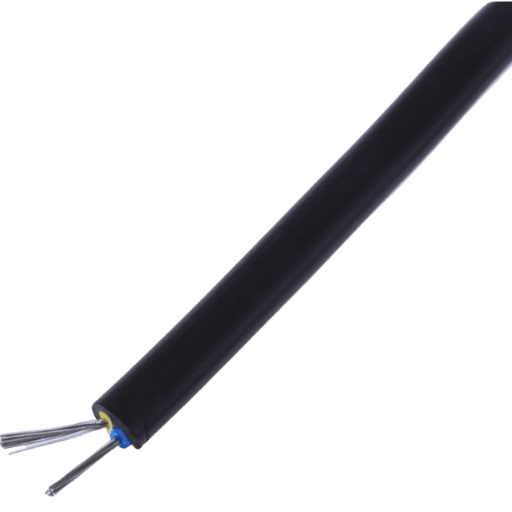
What temperature range can a J Type of Thermocouple handle?
The J type thermocouple is capable of measuring temperatures in the approximate range of -40 degrees Celsius to 750 degrees Celsius (–40 and 1382 degrees Fahrenheit). This thermocouple type includes an iron wire and a constantan wire which works well in operation over the given temperature ranges.
Key Specifications:
- Low-Temperature Limit: An example of the range is the lower range which is -40 degrees C which is useful for refrigeration or cryogenic applications.
- High-Temperature Limit: The J type thermocouple also has an upper limit wherein it can tolerate about 750degrees C giving it room to be carried out in both manufacturing activities as well as metallurgical activities.
應用: the temperature readings of the J type thermocouple can also be used in several other areas such your applications working temperature inclusions ranging between – 40 to 750 deg C.
Caution: however, this should be noted exposure of the iron wire to high temperature like in this case 750 Deg C is not recommendable and though the wires do not break, the sensor does indeed drift leading to incorrect temperature readings. Therefore in instances whereby such high temperatures are required, K or T thermocouple types would be better options.
How do you properly connect a type J thermocouple?
To properly connect a type J thermocouple and obtain accurate readings and reliability, the following steps should be taken:
- Strip the Wires: From the ends of iron and constantan wires, remove about 1/4 of insulation with care to prevent untwine of the wire’s strands.
- Identify Polarity: Pay attention to the positive (constantan) and negative (iron) wires making sure they are well identified. The positive wire is normally attached to the positive end of the measuring unit, from the negative wire, it is attached negative end.
- Connect to Terminals: Firmly attach the exposed wires of the head of the thermocouple to the relevant sockets on a measuring device, which could be a digital thermometer, data logger, etc. This can be done by screw terminals, soldering, or by thermocouple connectors.
- 檢查連接: With such major connections completed, check their tightness and security so that there are no breaks in signal that interfere with signal transmission.
- Calibration: After all those wires are connected, there are cases when the thermocouple will need to be calibrated depending on the nature of your task to achieve the desired temperature measurement.
Taking into account these actions will allow the user of Type J thermocouple to install and use it effectively, increasing the resolution of temperature measurements in number of ways.
Can I use a thermocouple extension wire with Type J?
Yes, Type J thermocouples may also be connected to Type J thermocouple extension wires, but only if such extension wires are intended for Type J use. Those extension wires use the same materials that form the iron-constantan thermocouple Type J thermocouple. Appropriate extension wire facilitates and minimizes errors thermally regardless of the glorification of the measurement. It is, however, imperative that extreme care is taken where extension wires are used to stabilize the temperature at the reference junction for accurate readings. Always check with the manufacturer for the instructions concerning the installation of compatible extension wires.
Related Items and Accessories for Type J Thermocouples
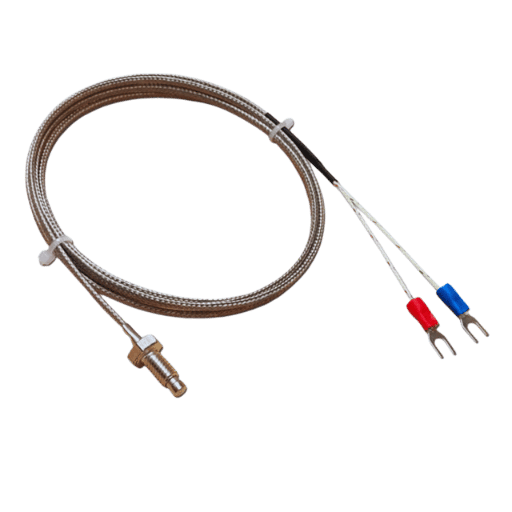
Common connectors used with J Type Thermocouples
Common connectors for Type J thermocouples are as follows :
- Miniature Connectors: These Connectors are used in smaller applications since they are compact in size and have good, reliable connections.
- Standard Connectors : Connectors of this category are larger and provide more sturdiness and hence they are able to withstand harsh industrial surroundings.
- Panel-Mount Connectors: These are fixed connectors utilized where disconnection is not required but the connectors are easily accessible for maintenance purposes in a stable manner.
- Weatherproof Connectors: These connectors are applied wherever the environment is wet or outdoors to keep moisture from entering and to ensure accurate measurements.
Use only those connectors that have proper specifications as per Type J thermocouple connectors to ensure accuracy in measurements.
最好的 thermocouple probes for accuracy
A variety of thermocouple probes may be selected in order to obtain the best level of accuracy, i.e. it is important to take into consideration material compatibility, design of the probe and response time. For Type J thermocouples, the following probes are noted for their accuracy:
- Ceramic Sheathed Probes: These probes are resilient to most hostile conditions and have good thermal conductivity, ensuring accuracy in measurement.
- Stainless Steel Probes: With superior durability and corrosion resistance, stainless steel probes range complex uses while holding temperature constant within acceptable interactions.
- Low Mass Probes: 低質量探頭具有響應性,因此可以實現快速熱平衡,這有助於測量動態溫度。.
- 浸沒探頭: 這些探頭用於液體測量,因此可以完全浸入被測介質中以提高準確性。.
建議根據特定應用的要求及其操作條件選擇探頭,以獲得並保持測量所需的精度。.
去哪裡買 熱電偶線?
在尋找熱電偶線時,選擇可以訂購優質材料的供應商至關重要。.
- 歐米茄工程(omega。com): 除了大量從未使用過的工業熱電偶之外,Omega Engineering 還提供各種規格和長度的 J 型熱電偶線等與熱電偶的商品聯繫。他們也為其設備提供全面的支援以及合適的技術文件。.
- Thermocouple.com(熱電偶.com) 是一個熱電偶站點,提供大量熱電偶熱線類型庫存。其組織良好的站點和產品資料表可實現高效的產品採購。.
- AutomationDirect(automationdirect.com): 零售店 AutomationDirect 擁有經濟高效的熱電偶線,可用於多種應用。電線和此類資訊的傳遞對訊息中的實際客戶進行了描述和評論。.
這些供應商廣為人知,可以滿足各種熱電偶線採購需求。.
參考來源
常見問題(常見問題)
Q:熱電偶線是什麼類型?它的用途是什麼?
答:J 型熱電偶線是一種用於各種工業應用的特定類型的溫度感測線。這種類型的電線是透過導電鐵導體與常數(銅鎳合金)線對交替產生的熱量。這種電線通常用於測量攝氏 0-750 度(32 至 1382 華氏度)範圍內的溫度,廣泛用於塑膠、橡膠和低溫冶金行業。.
Q:J型熱電偶線常用的線規有哪些?
A: J 型熱電偶線也生產多種規格,其中包括最受歡迎的 AWG 24 之一。對於某些應用,可以使用 AWG 24 實心 J 型熱電偶線。其他可用的儀表包括: AWG 20、22、24、26 可以根據您正在從事的專案的目的提供。.
Q:K型熱電偶線和J型熱電偶線有什麼差別嗎?
A: 儘管兩者都測量溫度,但 J 型和 K 型熱電偶線在所用材料和工作溫度範圍方面有所不同。 J型由鐵和恆定導體組成,可在高達750°C的溫度下使用。K型由鉻鎳鐵合金和鋁鎳合金導體組成,能夠測量高達1250°C的溫度。另一方面,K型通常應用於高溫區域的通常設計特徵。.
Q:工業/亞馬遜 J 型熱電偶線類別的客戶可以做什麼?
A:在亞馬遜,J型熱電偶線類別,梯度,關於電氣和工業部分,測試和測量溫度濕度感測器,經常發現J型熱電偶線塑料,電線溫度。它可以在與熱電偶、溫度調節和行業自動化相關的子類別中觀察到。.
Q:消費者傾向於購買哪些單獨製造的 J 型熱電偶線產品?
答:其他客戶也選擇購買其他物品以及J型熱電偶線,例如熱電偶連接頭、資料記錄應用程式、高溫計、熱塑性護套,甚至K型其他熱電偶線。除此之外,客戶還傾向於購買線軸或捲軸等電線儲存系統。.
Q:當客戶要求時,J熱電偶線捲筒可以賣多久?
A: J 型熱電偶線很容易獲得多種長度,儘管大多數時候傾向於使用 10 碼(10 碼)線軸。儘管如此,專案要求和供應商通常也允許常見的 25、50 或 100 碼長度。.
Q:J型熱電偶線採用什麼樣的加熱和熱電偶線屏障?
A:J型熱電偶線大多採用PFA(全氟烷氧基)覆蓋層,能承受高溫,完全耐化學效應。或者,它還可以包括玻璃纖維、Kapton 或 PTFE 等電氣絕緣材料,這些材料特定於所需的應用和溫度範圍。.
Q:是否允許使用J型熱電偶線作為延長線?
A: 是的,J 型熱電偶延長線或熱電偶級延長線可用於增加測量儀器和熱電偶感測器之間的距離。然而,在延長溫度測量的測量距離時,擁有正確類型的延長線(在本例中為 J 型)非常重要。.
Q:在哪裡可以找到一種熱電偶線的正確零件號碼?
答:如果您想找到 J 型熱電偶線的正確零件號,您必須考慮一些方面,例如線規(例如 AWG 24)、絕緣類型(例如 PFA)、實心或絞合線,以及單線或J 型熱電偶雙工線。每個製造商都有一個通用的編碼系統。因此,最實用的方法是參考他們的目錄或產品規格,以了解哪個零件號碼適合他們。.