
詐欺攔截器

喬卡

關於太陽能裝置太陽能管道您需要了解的一切

關於太陽能裝置太陽能管道您需要了解的一切
臉書
推特
紅迪網
領英

Solar energy is now one of the most preferred sources for electrical installations in residential and commercial establishments. With this increasing demand for sustainable and economical energy sources, so does the knowledge of the specifics of solar installations. One such element often neglected but of utmost importance is the solar conduit, widely used in solar installations. The enclosing raceway for the electrical wiring and solar conduit is essential for the protection, effective operation, and long-term usage of photovoltaic systems. This article explains how solar conduit systems work, their importance, how they are installed, and what regulatory standards are related to them. At the end of this article, the readers will understand why proper selection and use of conduits significantly improves solar installation projects.

What is Solar Conduit and Why is it Important?

What is Solar Conduit and Why is it Important?

Solar conduit consists of a tubing system explicitly designed for solar installations to protect and divert electrical wires. Its main objective is to prevent electrical cables from being exposed to environmental and signifying mechanical threats, thus boosting the safety and dependability of the photovoltaic system. Solar conduits are essential since one of their functions is to mitigate electrical risks like electric shocks or electric fires caused by damaged or bare wires. Moreover, on top of having all cables in order, conduit systems enhance both the aesthetics and maintenance of solar installations and ensure compliance with law requirements and best practices.

The Role of Conduit in Solar Installations

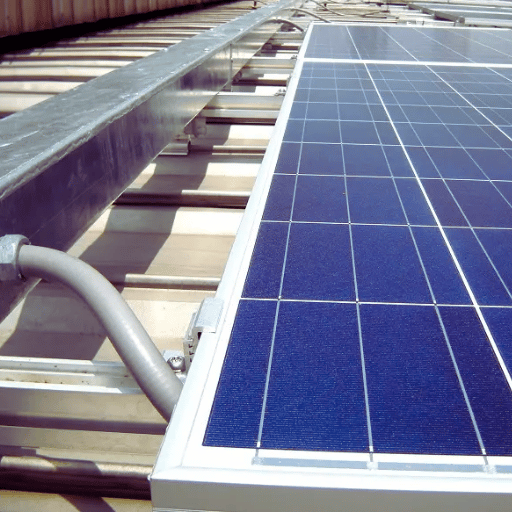
Conduit is an essential part of solar installations; conduit protects the wiring and enables regulatory compliance, which is necessary for solar luminary manufacturers. It forms the second line of defense, protecting the wiring from physical abuse, UV rays, moisture, and other extraneous conditions that could compromise insulation or material integrity. Such protection is critical in averting shorts, ground faults, and fires. From an organizational perspective, integrating conduit systems reduces the wires’ layout and routing, easing maintenance, troubleshooting, and upgrades. Besides, vital conduits also help ensure compliance with the required electrical and building codes, making the installation safe and legal. So, from the concept of solar systems regulation, systems integrity, and effective service would collaterally help enhance the solar systems’ operational effectiveness.

Types of Conduit Used in Solar Applications

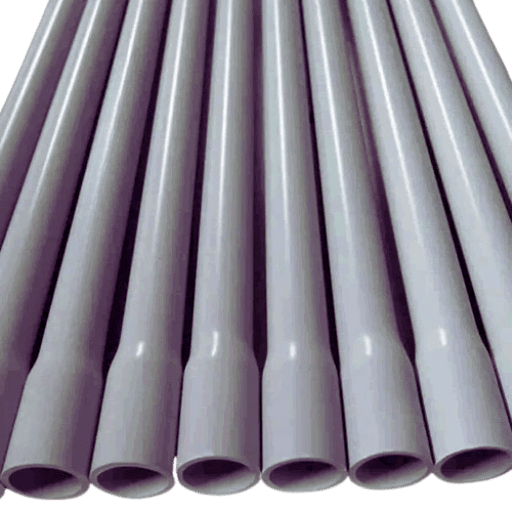
Solar installations commonly use many conduits designed for particular conditions and specifications. Areas that require high strength and protection against mechanical damage often use Rigid Metal Conduit (RMC). Those not using RMC can opt for IMC, which is lighter but provides decent coverage. In situations where heavy-duty ENC protection is not required, Electrical Metallic Tubing (EMT) is preferred because of its lower cost and ease of installation. For the range that does not use metallic coverings, PVC Conduit is recommended because it is non-metallic, and many of its structures have good resistance to weather, especially UV. This is why, in general, some scope of conduit application has been precisely defined. Each type of conduit has its dominant practical application and is used depending on ambient conditions, execution conditions, and regulations.

How Conduit Ensures Safety in Solar Power Systems

Conduit provides the safety of solar power systems by protecting the electrical wires against environmental factors or damage due to other physical attributes. This attachment eliminates the chances of experiencing hazards of an electrical nature, such as shorts or ground faults, which can cause fires. Cables can be installed in conduits, so it might be possible to prevent accidental contact by personnel, which reduces the risk of electric shock. Furthermore, using conduit systems also achieves the requirements of electrical safety codes and standards that aim at avoiding accidents and ensuring the stability of solar installations over the years.

How to Choose the Right Conduit for Your Solar Installation

How to Choose the Right Conduit for Your Solar Installation

Considerations for Selecting PVC Solar Conduit

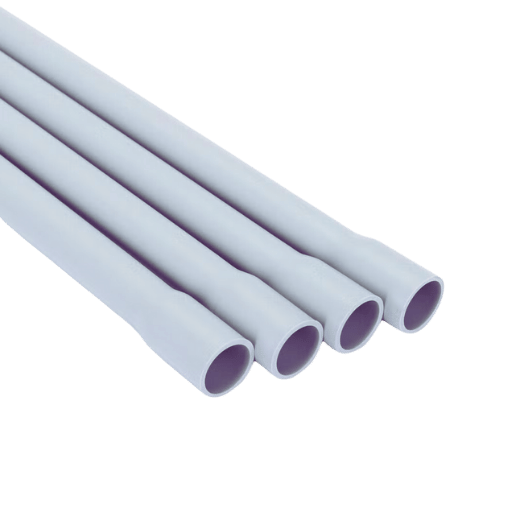
Several points should be analyzed when choosing PVC solar conduit for the project to enhance its effectiveness. To begin with, evaluate the climatic conditions at the installation site, such as sunlight, moisture, and temperature fluctuations, which are mitigating factors for using PVC in outdoor applications due to its UV stability. Second, the conduit dimension and volume to contain the required cables should be reviewed, and future embellishments should be provided. Adjust to the governing bodies of the area, as some may require specific satellite designs or methods of sprouting for safety purposes. Last, the installation ease and other costs of using PVC instead of different materials are assessed to get a medium between the budget limit and system reliability and durability.

Understanding Flexible Metal Conduit and Its Uses

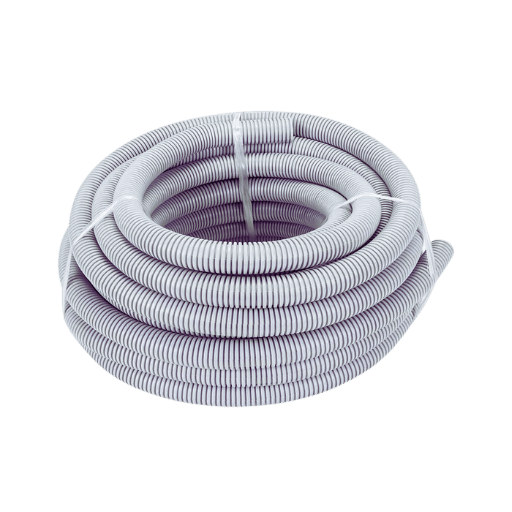
The flexible metal conduit (FMC) is used in cases where wiring has to be installed in portions of the building that require wiring to be flexible due to vibration or movement. It is flexible enough to be installed in complicated or small areas, which would not be practical for rigid conduit systems. The use of FMC applies a form of highly efficient protection against physical abuse and can be easily reshaped to fit into different spatial configurations. In addition to a reasonably high level of mechanical protection, it effectively reduces electromagnetic interference. This type of conduit is commonly found within the electrical wiring systems of commercial and industrial sites, as well as in some parts of the residential structure where there is a need for flexible wiring. Ensuring that the FMC to be used complies with the local electrical and building codes for safe and good practice is advisable.

Comparing Non-Metallic and Metallic Conduits

Several fundamental elements, such as the application environment, durability, and costs, should be considered while comparing non-metallic and metallic conduits. Nonmetallic substances like PVC and others are less corrosive and do not weigh much, so they are preferred for outdoor or underground usage. They serve an insulating purpose, and minimal upkeep is required, thus being a very economical option in different weather situations.

On the other hand, metallic conduits such as steel or aluminum have conduits made of these metals, providing a robust structure and increased grounding capabilities. These conduits are suitable for challenging industrial or high-traffic areas susceptible to mechanical or chemical forces. Moreover, metallic conduits have better shielding against electromagnetic waves than non-metallic conduits, making interactions in high electromagnetic interference more stable.

To conclude, the appropriate selection of conduits depends on their suitability for the intended environment, compliance with local regulations, ease of installation, and cost so that the system is efficient and safe in terms of electric equipment.

Steps to Install Conduit in Solar Energy Systems

Steps to Install Conduit in Solar Energy Systems

Planning the Conduit Run

To prevent installed elements from environmental exposure while complying with the NEC or local codes and regulations, it is recommended to do a full assessment of the area in which the conduit run will be laid out, and in this case, the solar energy system. Emphasis should also be placed on minimizing the risk of accidents for maintenance purposes and the need to access high-density locations. Remember the conduit’s total length and cross-section area since this may also be important for expansion while supporting the system’s wiring. Finally, this also means that enough time and resources must be allocated, which would facilitate route alterations with minimal disruption to residents and others not relevant to the objective. These factors would guarantee that the energy lost in conduits would be negligible and the lifespan of the conduit or the overall system would increase.

Tools and Techniques for Installing Electrical Conduit

安裝 electrical conduits in solar energy systems requires an appreciation of tools, skills, and practices that guarantee correct code-compliant installation. Some essential tools are conduit benders, which enable the mechanical geometry of conduit pipes to the path, fish tapes, which allow wire pulling during installation, and cutting tools for the accurate size of pipes. The other accessories with this horizontal passway include levels, measuring tapes, brackets, and clamps for fastening the conduit in position.

Some installation methods include – first, the estimated length of conduit to be used is measured, followed by cutting the conduit to size while ensuring the edges are smooth so as not to damage the wires. The installers then use appropriate cutting devices that permit the bending of the conduit to achieve the desired angle when installing the conduit. The conduit may be fitted using suitable fittings and tightly joined to ensure no leakage occurs and foreign materials cannot infiltrate the conduit. In addition, quality installation accomplished by respecting the NEC guidelines will promote compliance with electrical safety measures, limiting future system breakdowns and hazards. Overall, solar energy systems can benefit from effectively installing electrical conduits and circuitry as their efficiency and dependability would be heightened.

Common Challenges and Solutions in Conduit Installation

Electrical conduits are essential components of electrical installations, and their installation comes with multiple challenges. One such challenge is fitting conduits in areas such as corners with limited space, demanding much foresight and planning or advanced kneeling abilities to make it right. Flexible conduits or fashioned routes could lessen those considerations. A security feature that ignores weatherproofing is another frequent obstacle to protection, even worse. At this out-on-the-compound barrier, sealing conduits out to the minute dot or possibly allowing moisture to intrude on the shield is essential. Such stressors can be mitigated by using weather head fittings and sealing materials. Finally, dealing with electrical code compliance, particularly the NEC, can be a little nauseating for its large swath of content. However, staying on top of these processes ensures that installations can contain all the needed safety and compliance knowledge pertinent to regulation. By addressing these challenges early, the reliability and efficiency of the conduit systems within solar energy installations can be hugely improved.

Understanding the Conduit Fittings Used in Solar Panels

Understanding the Conduit Fittings Used in Solar Panels

Types of Conduit Fittings and Their Applications

Conduit fittings are essential components that facilitate the electrical installation process. They enable transitions and terminations and electrically combine sections of conduits with electrical boxes. Among them are straight connectors that securely attach a conduit to a box or a panel, allowing the conductors to be wired together continuously. Elbow fittings allow for vertical and lateral turning of conduit runs, particularly around obstructions. They are essential in preserving system design configurability while retaining electrical performance. Couplings, another critical type of fitting, join two conduit segments to make them longer and make the connection solid and airtight. These fittings are crucial to installing systems, providing not only mechanical robustness and geometry but excellent environmental protection from penetration of harmful substances, thus meeting electrical requirements and enhancing the effective operation of solar panel systems installations.

Ensuring Compatibility with Solar Panels

The following factors must be considered when ensuring compatibility between conduit fittings and solar panels. First of all, material selection is of utmost importance; PVC electrical conduit and fittings should be made up of corrosion- and UV-degradation-resistant materials to provide long-term service regardless of the weather. Secondly, suitable fittings that match the specific conduit employed should be used to achieve proper closure and maintain electrical passage. Fittings are common elements, and many leading practice recommendations concerning solar installations suggest that fittings intended for outdoor service, such as those coated with glass or made of stainless steel or polymer containing UV filters, should be used. Also, manufacturers often give compatibility information or recommended charts. It also helps guarantee that the components designed will work together. This way, the durability and efficacy of the entire solar energy system are achieved while simultaneously conforming to the industry’s standard requirements and the local electrical codes.

Maintaining and Replacing Solar Conduit Fittings

Solar conduit fittings need an overhaul, and maintenance is critical. Routine checks must be done to assess whether the fittings are corrupted, damaged, or worn out. Weather inspections open up possibilities for either strength improvement or replacement. Cleaning the fittings with a non-corrosive solution assists in preventing the accumulation of dust, dirt, and odd materials, which negatively affects the lifespan of the fittings. Conduit fittings must be replaced on any signs of damage or during system upgrades. There is a need to ensure that replacement fittings are identical to the previous ones to provide the solar installation’s overall performance. Also, guaranteeing accredited contractors do these types of maintenance helps as they abide by the safety regulations and eliminate possible risks.

Where to Find a Reliable Conduit Manufacturer and Supplier for Solar Projects

Where to Find a Reliable Conduit Manufacturer and Supplier for Solar Projects

Top Conduit Manufacturers in the Industry

In considering my study to identify the significant challenges in the conduit manufacturing industry, I worked on three companies that are reputed to have a quality product and retain reliability. First, Atkore International is impressive for its wide range of HVAC construction systems, including perishable items like steel and PVC conduits that meet international regulations. The second company is Wheatland Tube, also a member of Zekelman Industries, which has potential conduits for excellent materials and high manufacturing. Lastly, Calpipe Industries is considered well-known for producing stainless steel conduit systems, which are best suited for critical situations where environmental solid protection is needed. All these manufacturers also engage in extensive testing and quality assurance compliance with policies within the solar systems conduit manufacturers.

Criteria for Selecting a Supplier of Solar Conduit

When sourcing suppliers for solar conduit, I have a few chief requirements based on the best information conceivable. First, I ensure that the suppliers have been in operation for a considerable duration, manufacturing the likes of Atkore, Wheatland Tube, and Calpipe Industries products, among others. This lets me ascertain product quality and functionality, solidifying and guaranteeing their systems. I then consider how well they can offer client assistance, such as supply on demand, because these are core to running schedules. I also look into a potential supplier’s environmental standards and practices, ensuring full support for the green energy initiatives. Finally, product reviews and customer testimonials are essential in making the final decision on the supplier as they indicate whether the supplier is reliable and the quality of their service.

Exploring Conduit Solutions for Commercial Solar Projects

When evaluating conduit solutions for commercial solar projects, it is helpful to consider the global context of crucial players, such as The Home Depot, Allied Tube and Conduit, and Grainger. The Home Depot mentions that PVC and metallic conduit options are numerous and versatile enough for indoor and outdoor applications, which meets the National Electrical Code requirements. Allied Tube and Conduit have a vast range of electrical conduits, such as rigid metal conduits (RMC) and electric metallic tubing (EMT), which are said to be easy to install for large solar projects. On the other hand, Grainger guides you in choosing the suitable conduit material depending on the conditions, size of the project, and application to provide both anti-corrosion and high-temperature conduits. Considering these factors, conduit systems for commercial solar projects can be more productive, last longer, and be more compliant with regulations.

參考來源

電源逆變器

電氣管道

電氣佈線

常見問題(常見問題)

Q: What are the different solar conduits available for solar installations?

答:各種建築物和結構,例如桿穀倉和穀倉棚,都可以依賴太陽能。太陽能安裝可以包括剛性型導管、PVC 導管或其他類型,具體取決於需要什麼。 PVC 導管重量輕且成本低,這就是它們經常使用的原因,但這並不意味著它們是唯一的選擇。更剛性的選擇也可以選擇;然而,金屬內管可能很昂貴且重量相當大。 EMT 導管是建築時使用的另一種金屬,但它可以提供良好的整體保護,同時不難使用。太陽能結構的建造和安裝是一個靈活的導管,非常適合經歷運動或振動的部分。.

Q: What do I need to know about solar conduits for my PV system?

答:找到理想的系統對於實現預期結果至關重要;最重要的是,調整部分以補充太陽能裝置至關重要。確保管道能夠防止損壞或惡劣天氣。正確安裝部分以補充其他零件和佈線通道非常重要,因為某些通道使用佈線系統來提高準確性和有效性。如果尺寸不匹配,不同的零件最終可能不會安裝在一起,或者在某些情況下可能會限制面積擴大。管道的尺寸應適當,以確保系統能夠發揮最佳運行效果,同時不影響當地的電氣規範。確保一切完成可以相應地提高性能並縮短太陽系的壽命。.

Q: How do I select a suitable solar conduit for my installation?

答:太陽能管道的選擇取決於多種因素。需要考慮許多因素,例如暴露於紫外線、極端溫度和身體虐待。此外,考慮系統的路線也會有所幫助,因為這將決定您是否使用剛性或柔性管道。此外,請檢查當地的建築規範和法規,因為它們可能規定有關安裝管道的材料和方式的標準做法。為了方便起見,請考慮向專業太陽能安裝商或 PVC 管道製造商尋求建議。.

Q: What are the benefits of using PVC Electrical conduits for solar piping or installation?

答:PVC 導管為太陽能安裝提供了許多好處。它比金屬導管體積小,更容易處理和安裝。 PVC 也不會生鏽和紫外線輻射,這對於外部使用的太陽能產品非常重要。它價格便宜,許多管道供應商處理不同的 PVC 系列。此外,Lassen聯軸器和聯軸器在現場切割和修改非常簡單,在安裝過程中留有更大的餘地;但是,Select PVC 耦合器專為戶外使用而設計,不會違反電氣規範。.

Q: What are the different installation processes regarding the various solar conduits?

答:安裝過程有很大不同,取決於所採用的太陽能管道的類型。剛性導管安裝幾乎沒有犯錯的空間,因為在彎曲和轉彎時不太寬鬆。切割和連接 PVC 導管不太複雜,通常使用溶劑水泥來連接。對於狹窄的空間或有障礙物的區域,柔性波紋導管是最容易安裝的。但無論哪種類型,導管都必須得到良好的支撐和充分的安全。無論是在中國,製造商在為太陽能係統進行任何形式的管道安裝時都必須確保正確的規格和當地合規性。.

Q: What is the best practice concerning solar panel installations about the conductors?

答:安裝太陽能管道時,必須牢記一些挑戰:首先,標準架空管道和電線尺寸應能夠覆蓋從太陽能電池陣列延伸到逆變器的所有電線,然後是配電板。其次,管道運作應採用適當的支撐和連接方法,使其能夠快速、充分地承受熱膨脹和收縮,並使用適當的配件和連接器可以防止垂直彎曲的變形。第三,應避免佈線管道內積水。此外,如果接地或太陽能板的配置發生變化,設計人員還必須確保未來有足夠的空間來提供電線和太陽能板的膨脹。此外,出於安全原因,接地和黏合金屬導管運作是必要的。.

Q: If I have a solar installation, what are the effects of the type of solar conduit used?

A: The type of solar conduit can impact your installation substantially, as High-Quality conduit facilitates and ensures durability. A suitable conduit protects the wires from UV, moisture, and high/low temperatures, which may potentially damage the wiring in the future. Rigid conduit also protects against any physical harm caused by animals and other debris. Furthermore, It helps to choose the correct type of conduit for a particular installation location, providing a better shield to the wires of a system throughout the lifetime of a solar array, minimizing maintenance requirements and thereby increasing the life of solar arrays and enhancing the return on solar investment.

主要產品
最近發布
標誌
喬卡集團

讀者們好!我是 JOCA,這個部落格的作者。我擁有 15 年專門從事高品質光伏電纜製造的經驗,對卓越的承諾推動了我們公司的發展。我以創新為生,為我們尊貴的客戶提供先進的解決方案。.

滾動到頂部
與 JOCA 公司取得聯繫

請填寫下面的表格與我們聯繫。我們的目標是在 12 小時內回覆您。祝您一切順利!

聯絡表格演示

喬卡