








One primary consideration that often goes overlooked when installing or upgrading an electric water heater is the wire size required for safe and efficient operation. Wire size is not a trivial matter; its consideration spells the difference between a safety hazard and compliance with the electrical codes, the latter ensuring optimum performance of the water heater. This blog post aims to examine the key considerations when selecting the correct wire size, from the perspective of amperage, circuit breaker, and proper insulation. When it comes to simple electrical concepts, taking the DIY route requires brushing up on these basics. Otherwise, if you engage an electrician, they will ensure that your installation adheres to these basics, guaranteeing a safe and long-lasting installation.
Importance of Proper Wire Size for Water Heaters
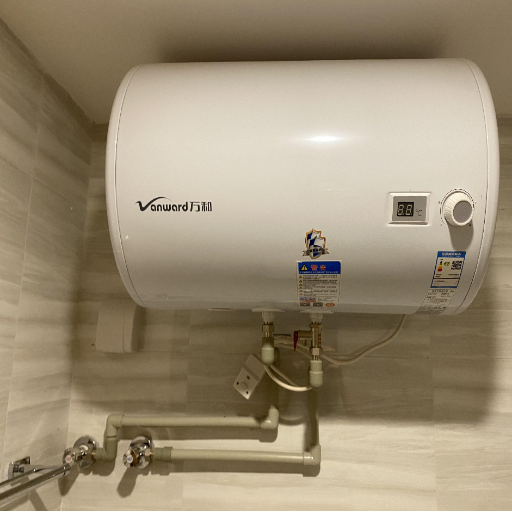
The selection of wire size for a water heater is a crucial consideration for ensuring safety, preventing overheating, and ensuring proper operation. The use of wire, whether too thin or too thick, can pose an electrical hazard, such as becoming short-circuited or creating a fire hazard. The wire size should correspond to the amperage required for the water heater, which is usually listed in the user manual or on the appliance label. In most cases, a 30-amp circuit is wired with 10-gauge wire; however, large water heaters demand 8-gauge wire or heavier. Therefore, ensure that you check your model’s requirements, and the circuit breaker must be rated for the wire size; otherwise, there may be trouble. When in doubt, it is best to consult a certified electrician to ensure compliance with safety standards and local electrical codes.
安全考慮
When installing electrical wiring for a water heater, safety must be the foremost consideration to prevent accidents or hazards. First things first: power off the circuit breaker before making any adjustments. Use a voltage tester to ensure that no current is flowing in the wires. Technicians typically identify the inappropriate wire size and mismatched circuit breaker as the most significant hazards, which can cause overheating and electrical fires. For instance, when a circuit is overloaded by 20% over its capacity, it can overheat in a matter of minutes, damaging the insulation or causing a fire.
Ensure that all connections are secure and use wire nuts to insulate all exposed wires. It is essential to comply with local electrical codes and safety standards, as this will ensure a reasonably long lifespan for the installation. Additionally, if your water heater requires a ground wire, it must be connected to the proper ground; otherwise, you create a risk of electrical shock. From a safety standpoint, if a GFCI is not installed in the circuit, consider installing it. When questions arise or problems are encountered, do not hesitate to contact and retain a qualified electrician for your safety and the integrity of the system.
Efficiency of Electric Water Heaters
With the advancement of technology and innovative design, electric water heaters are becoming increasingly efficient. These newer models incorporate features such as superior insulation and refined heating elements to ensure minimum energy loss. Traditional electric water heaters, with energy efficiency ratings averaging approximately 90%, lose very little energy, primarily converting it into heat for the water. However, high-efficiency units, such as the heat pump water heater, perform significantly better and may use up to half the energy of a conventional electric resistance heater.
Size matters for efficiency, too — choosing a size that fits your household greatly enhances the efficiency of your water heater. A properly sized water heater will ensure that it is not using energy to heat extra water that is not needed upfront, but will undoubtedly satisfy household needs. Energy Star states that an energy-efficient water heater may save approximately $350 annually in energy costs, depending on your usage and local rates. If owners implement energy-efficient technologies in conjunction with intelligent behavior, they may reduce energy consumption and, ultimately, their environmental footprint.
Impact on Hot Water Supply
Essentially, energy-efficient water heaters are designed to provide the exact amount of hot water when needed, thereby minimizing unnecessary energy waste. Today, tankless water heaters, for instance, are designed to furnish hot water on demand and hence have no storage tanks that retain heat; standby heat loss in conventional water heaters can account for 10-15% of energy consumption. Additionally, these units are capable of providing 2-5 gallons of hot water per minute, meeting the needs of most homes.
Hybrid water heaters, equipped with heat pumps, would otherwise work in conjunction with traditional elements to ensure an uninterrupted supply, while consuming 60% less energy than a conventional electric water heater, particularly in larger homes with higher hot water demands. Studies show that upgrading to such systems results in annual energy savings of between $300 and $600, depending on the number of people in the household and their water consumption patterns.
Furthermore, with the advent of innovative technology, homeowners can monitor and adjust their hot water usage remotely, giving them greater control over their supply and energy consumption. From these perspectives, the said innovations keep pace with comfort and convenience, further reducing energy bills and greenhouse gas emissions.
Standard Wire Sizes for Different Water Heaters
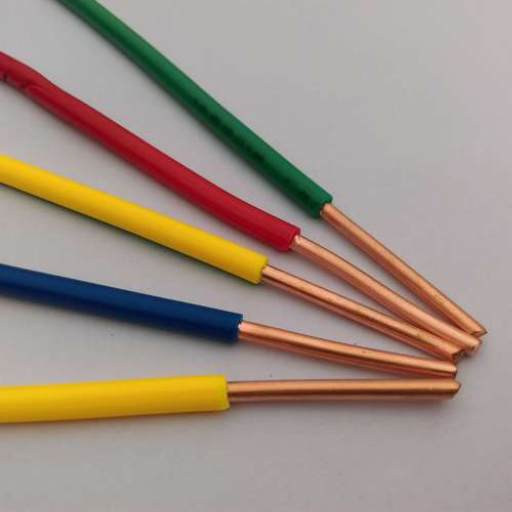
The wire size for water heaters primarily depends on the power rating and electrical specifications. In general, residential water heaters are rated at:
30-gallon water heaters are usually installed with 10-gauge wires and a 30-amp breaker.
40 to 50-gallon water heaters usually use 10-gauge wire and a 30-amp breaker.
Larger-capacity or tankless water heaters may use 8-gauge or larger wires, depending on the required amperage, as specified by the manufacturer.
Consult with your manufacturer and ensure compliance with local electrical codes. If you are unsure about installation, always seek the services of a licensed electrician.
Wiring for Traditional Hot Water Heaters
When wiring traditional water heaters, it is crucial to adhere to safety standards and follow the manufacturer’s guidelines to ensure the installation’s integrity and compliance with local electrical codes. Nearly all residential water heaters need a dedicated 240-volt circuit. A 10-gauge wire with a 30-amp breaker is generally sufficient for water heaters with a volume of between 30 and 50 gallons. Larger units or tankless ones, however, might require heavier gauges, depending on their specific power requirements, such as an 8-gauge wire.
Ensure the wire gauge is appropriate for the amp rating on the circuit breaker and check that the unit has the correct voltage. It’s best to follow the manufacturer’s specifications for water heater models regarding their exact electrical demands. Suppose you are at all uncertain about the wiring methods or the procedure in general. In that case, it is highly recommended that you hire a licensed electrician to install your well safely.
Wire Gauge Requirements for Tankless Water Heaters
Selecting the correct wire gauge is essential to ensure the safety and efficiency of your tankless water heater. As wire gauge is directly related to current drawn by the unit, current generally depends on the power rating of the unit in kW and the voltage supplied in the electrical system. Most residential tankless water heaters use either 240V or 208V.
For instance, a 9 kW tankless water heater on a 240V circuit requires an inherently rated breaker with a current capacity of not less than 40 Amperes and wires of not less than AWG 8. A larger unit with a higher power rating, such as 18 kW, may require a 75-ampere breaker with a wire of AWG 4 size. It is therefore essential to note that some huge capacity heaters may require multiple dedicated circuits, each wired with the proper gauge.
Factors such as the distance from the water heater to the breaker panel also come into wire selection criteria. Voltage drop may be considerable when wires are long, making it necessary to use thicker wires than would usually be required to maintain safe operation. For instance, the National Electrical Code (NEC) and the manufacturer’s specifications for your particular model should always be consulted to avoid any errors. Knowing the correct wire gauge and breaker size can preclude overheating, repeated tripping of breakers, or, even worse, fire hazards while in use.
Comparative Analysis of Wire Sizes
When determining a suitable wire size for a water heater, it is essential to analyze both the electrical load and the distance between the heater and the breaker panel. A 10-gauge wire is sufficient for a standard 30-amp circuit up to a 50-foot distance, which is the standard distance requirement of residential water heaters. If the wire runs are longer, such as over 100 feet, 8-gauge wire should be used to minimize voltage drops and ensure the system operates smoothly.
For larger water heaters that require 40-50 amps, the 8-gauge wire is the accepted standard, and the 6-gauge wire is recommended for extended distances of over 100 feet. Remember that exceeding recommended ampacity ratings can cause wires to overheat and lead to electrical fires.
The following table summarizes standard wire sizes and their corresponding ampacity for residential applications:
|
線規 |
Maximum Ampacity |
Recommended Uses |
Approximate Distance Limit (Standard Load) |
|---|---|---|---|
|
10 特設工作小組 |
30 amps |
30-amp breakers and devices |
最多 50 英尺 |
|
8 特設工作小組 |
40 amps |
40-amp breakers and devices |
Up to 100 feet |
|
6 特設工作小組 |
55 amps |
High-powered heaters or devices |
Over 100 feet |
These general guidelines may vary depending on the installation environment, ambient temperatures, and type of insulation used. Always ensure compliance with NEC standards and verify the manufacturer’s requirements for optimal safety and efficiency. Proper adherence to these specifications not only safeguards your equipment but also provides reliable performance across a range of conditions.
影響線材尺寸選擇的因素
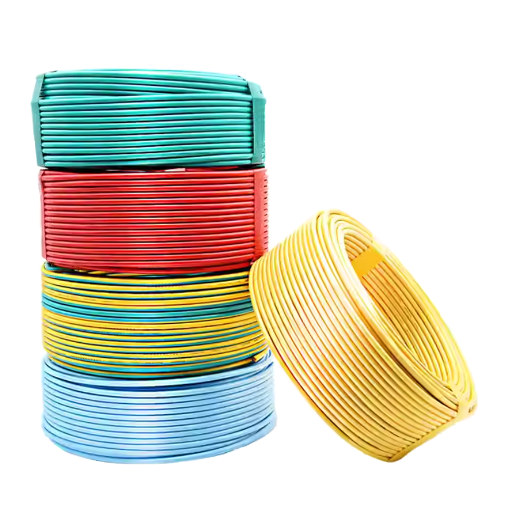
Carrying Current Capacity: The wire shall be chosen to take the maximum expected current without overheating. Of course, it depends on the ampacity rating of the wire.
Voltage Drop: The wire shall be chosen to minimize voltage drop and assure efficient performance, especially if the run is long.
Environmental Conditions: Temperature, moisture, and the presence of chemicals affect the wire insulation and performance.
Conductor Material: Common materials, such as copper and aluminum, differ in conductivity and should be chosen according to application requirements.
Code Compliance: The National Electrical Code (NEC) standards shall be followed, along with the local regulations for safety.
Upon consideration of the above factors, a suitable wire size can be selected that is essential for safe and efficient functioning.
Voltage Requirements
Voltage follows wiring, determining what type of wiring is appropriate for an electrical system. Depending on the application, the voltage can vary, for instance, between residential, commercial, and industrial uses. Household circuits typically operate at a different voltage, such as 120V or 240V, whereas some heavy manufacturing applications may require 480V or higher. The selection should go through a wire that can withstand the system’s voltage level without insulation breakdown or overheating, while also being safer and more reliable.
In addition, longer wire runs must consider voltage drop. For efficient operation of equipment, the National Electrical Code (NEC) recommends a voltage drop limit of 3% on branch circuits. For example, in a planned 120V circuit system, the voltage at the load is not allowed to drop below 116.4V in itself. Selecting a wire with an adequate gauge size, suitable for the circuit’s length and current flow, will minimize voltage drop.
Check the voltage requirements for equipment; they are usually indicated on the nameplate or in the manufacturer’s specifications. Failure to comply with this requirement may limit the equipment’s performance, cause overheating, or even damage the equipment to which it is connected. The wiring should, therefore, consistently be rated for at least the voltage application in the system with which it is associated to ensure its performance and safety by standards.
Distance from Electrical Panel
The distance from the electrical panel to the devices connected to it plays a vital role in wire sizing and voltage drop. A voltage drop occurs when an electric current loses some of its voltage while traveling through a conductor due to resistance. To maintain system efficiency and safety, the National Electrical Code (NEC) recommends that voltage drop in branch circuits be kept below 3% during normal operating conditions.
In our example, a 120V circuit carrying 20 amperes over 50 feet with 12 AWG wire would probably have an unacceptable voltage drop. It is recommended to upgrade to 10 AWG wire to prevent this issue. For cable runs of 100 feet or higher, even larger wires should be used to avoid severe power loss and overheating.
To make accurate calculations, online voltage drop calculators can be employed, or one may rely on various recommendations present in the NEC. Always consider the load on the system, as well as the type of wire used (copper or aluminum), when preparing your wiring layout to ensure efficiency and adherence to safety requirements.
Current Draw Specifications
Current draw specifications require accurately calculating the total circuit load. Start with identifying the devices connected to the circuit and noting their power ratings in watts. Calculate the current draw for each device using the formula Amps = Watts ÷ Volts, and then add them to compile the total current draw. Ensure that the circuit current does not exceed 80% of the breaker capacity, as per the NEC’s 80% rule for continuous loads.
Longer wire runs should allow for voltage drop consideration, or else damage or inefficiency might ensue. An allowable voltage drop is generally recommended to be 3% or less for branch circuits. Additionally, consider the wire type, as copper typically offers better conductivity and lower resistance compared to aluminum. After weighing these considerations, your electrical system will be efficiently and safely operational.
Choosing the Right Water Heater Wire
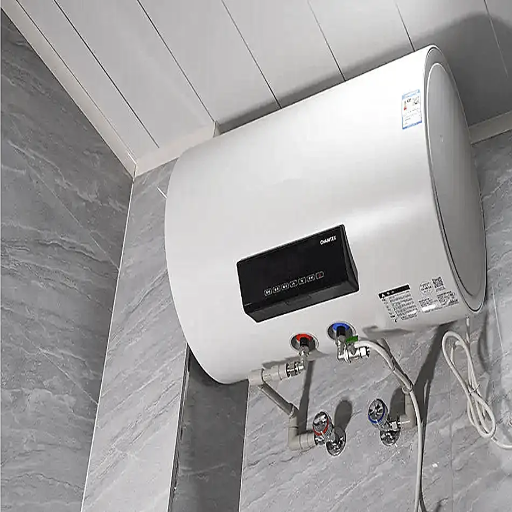
When selecting the wire for your water heater, consider the power rating and current requirements of the water heater. Most residential water heaters require a dedicated circuit with a wire gauge of 10 for units rated up to 30 amps and a voltage of 240 volts. The type of wire must correspond with your electrical installation; white NM cable is suitable for most indoor wiring, while weather-resistant wire, such as UF-B cable, may be required for outdoor work. Refer to the manufacturer’s instructions and local electrical codes before installation for code and safety compliance.
Understanding Wire Gauge Ratings
Wire gauge ratings play a significant role in electrical wiring, as they determine the ability to carry electrical current safely without overheating. AWG (American Wire Gauge) is the most common industry standard to dictate wire size. The wire with the lower gauge number shall be thicker and therefore be able to carry greater current loads. A 10-gauge wire, for example, can handle 30 amps for general residential use, while a 12-gauge wire carries 20-amp power loads on circuits.
Wire gauge typically depends on the current rating of the electrical device or system and the length of the wire. Very long runs could benefit from a thicker gauge to compensate for the voltage drop, which is the loss in potential difference that occurs when an extended run of thinner wire develops electrical resistance against the current flow. To substantiate our argument, let’s assume an electrical circuit is to be laid over a reasonable distance. Logically, an 8-gauge wire would be used instead of a 10-gauge wire to ensure good operation.
Key data include the ampacity (current capacity) of wires, temperature ratings, and insulation materials. Common types of insulation, such as THHN or THWN, protect against various conditions, including heat and moisture. Knowing these ratings ensures that the wire installation is conducted efficiently and by National Electrical Code (NEC) standards.
Recommended Materials for Wiring
Copper Conductors: Copper wires are the most common electrical wires thanks to their excellent conductivity, durability, and flexibility. Best suited for residential and commercial installations, copper resists corrosion effectively, especially when carrying a heavy electrical load.
Aluminum Conductors: Being lightweight and relatively inexpensive, aluminum conductors serve as an alternative to copper, most commonly used in larger-scale wiring, such as utility grids. Modern aluminum wiring, when properly alloyed, offers enhanced performance and is coated to resist oxidation.
THHN and THWN Insulated Wires: Known for their durability in various environments, THHN and THWN-thermoplastic heat- and water-resistant nylon-coated wires can be used for both indoor and outdoor electrical systems when installed inside conduits or in areas with moderate moisture and abrasion.
Non-Metallic: NM Sheathed Cable: NM cables are used for indoor residential wiring in most cases. NM sheathed cable consists of multiple copper conductors within a plastic sheath and thus is easy to install, safe, and reliable.
Conduits and Raceways: Conduits protect wire from physical damage and moisture. Materials such as PVC are selected in conjunction with metals or flexible conduits, depending on the environment and the degree of protection required.
After choosing appropriate materials rated for safety, your electrical system will operate efficiently and safely for years to come. Always choose materials certified by national or local standards, such as the National Electrical Code (NEC).
Standard Wiring Mistakes to Avoid
Overloaded Circuits: Overloading circuits by attaching many devices to a single circuit is one of the most common wiring mistakes. Doing so could result in excessive heating, tripping of breakers, or worse, a fire hazard. According to electrical safety insights, a circuit must not be run at more than 80% of its rated capacity. For instance, a 15-amp circuit should not carry a constantly operating load exceeding 12 amps.
Improper Wiring Connections: Incorrect wire connections, such as wire nuts of the wrong type or those that are not tightened sufficiently, can cause loose wires that may create an arc or interrupt power in some manner. Always ensure that cables are stripped to the proper length and connected tightly with the appropriate connectors.
Using Undersized Wiring: The use of wires with undersized gauges for a circuit’s amperage can cause excessive heat buildup and eventual failure. For example, appliances that draw 20 amps require wiring of 12-gauge and not less. Ampacity charts are thus an essential tool when deciding on wire sizing.
The Failure to Ground Electrical Systems: In many cases, wiring systems are not grounded correctly. This is a dangerous practice. The ground provides a safe pathway for excessive electricity and helps prevent an individual from being shocked or their equipment from being damaged. One should always ensure the ground wires are correctly connected, especially with metal fixtures or devices.
Outlets Without GFCIs in Wet Locations: GFCIs should protect all outlets in kitchens, bathrooms, and outdoor locations. In the absence of such protection, electrocution is highly probable. Since their introduction, it is estimated that homes with GFCI outlets have reduced electrocution hazards by approximately 70%.
Improper Use of Junction Boxes: Leaving wires spilling out of junction boxes violates electrical safety standards and increases the risk of damage due to moisture or physical contact. Always use covered junction boxes for connections for safety in the long run.
Failing to Permit Wire Expansion: During installation, wires should be allowed some freedom of movement to accommodate natural heat expansion and contraction. Overtightening or overly constraining the wire can cause insulation cracking over time, potentially leading to faults.
Avoiding these wiring mistakes ensures not only the operational efficiency of your electrical system but also the safety of everyone who uses it. Following established electrical codes and guidelines is a critical step in any wiring project.
Installation Tips for Water Heater Wiring
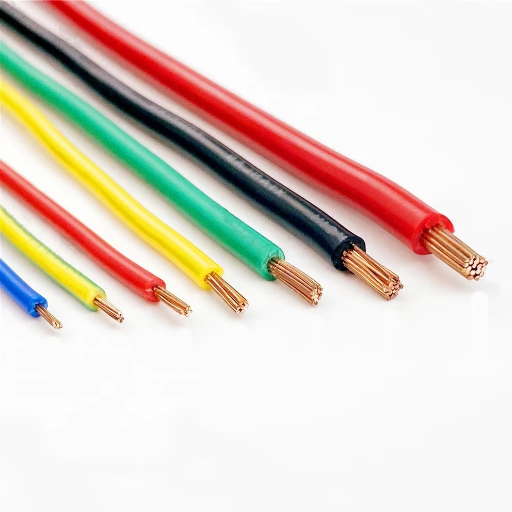
Select the Correct Wire Size: Always match the wire size to the water heater’s ampere rating. For most standard water heaters, 10-gauge wire and 30-amp circuit breakers should be suitable. However, always consult the manufacturer’s instructions concerning circuit and wiring requirements.
Use Dedicated Circuits: Because water heaters tend to consume a significant amount of electricity, they should be allocated their own dedicated circuit to prevent overloading other household circuits.
Ensure Proper Grounding: Connected to the grounding conductor that must be securely fastened; otherwise, it may result in electrical hazards. While installing, verify compliance with local electrical codes and regulations.
Follow Local Electrical Codes: Adhere to all current electrical codes and building regulations regarding installation to ensure a safe and compliant installation. A licensed electrician should be consulted whenever uncertain about any specific requirements.
Double-Check Connections: Re-check the electrical connections if they are found to be loose; loose connections may cause overheating and eventual damage to the system.
Following these tips will help you wire your water heater safely and efficiently, reducing hazards and guaranteeing long-lasting reliability.
Connecting the Wiring Safely
Correct installation and wiring of your water heater are critical to its use and safety. Begin by turning off the power at the circuit breaker for safety reasons. Identify the wiring diagram for your unit, which can be found in the manual corresponding to your specific water heater model, and follow it strictly. Pay close attention to wire colors and connections.
Typically, modern water heaters are wired with the green or bare ground wire firmly connected to the grounding terminal within the junction box. Black and white wires are then connected to their respective terminals as directed by the manufacturer. Additionally, wiring connections should be made using wire nuts or secure connectors that cannot come loose, as a loose wire could cause overheating.
Confirm the correct circuit requirements. Many residential water heaters use a 30-amp breaker and 10-gauge wire for smooth operation and efficient handling of the electrical load. Incorrect wiring can result in inconsistent operation or damage to the unit. After completing all the connections, perform a thorough check to ensure proper insulation and smooth positioning, keeping wires away from water and excessive heat.
Lastly, check all wiring outlets using a voltage tester before turning the power back on to ensure that the current indeed goes to the water heater. Regular maintenance inspections should also be implemented to ensure wiring integrity and extend the system’s lifespan. When followed through properly, your water heater shall be wired reliably and safely.
測試和故障排除
一般來說,在給熱水器接線或故障排除時,安全應該是首要任務。考慮到安全,我總是先暫停供電。使用電壓測試儀可能是第二步。在檢查過程中,檢查接線連接鬆動或損壞,以確保恆溫器設定正確且熱水器沒有故障。一旦檢查每個組件並修復任何問題,獲勝有助於確保系統保持安全並有效率地工作。.
參考來源
1。 使用四個加熱器控制均勻分佈和穩定水浴溫度的模糊邏輯方法
常見問題(常見問題)
標準熱水器的建議電線尺寸是多少?
標準熱水器的建議電線尺寸通常取決於設備的安培數要求。對於大多數功耗約為 4500 瓦的住宅電熱水器,通常使用 10 號電線。然而,如果熱水器具有更高的安培數要求,則可能需要更大規格的電線以確保安全和效率。.
線規如何影響熱水器的性能?
線規直接影響熱水器的性能。較低規格的電線可以處理更多的電流,這對於高需求電器至關重要。如果使用較高規格的電線,它可能無法支援所需的電力負載,可能導致過熱或加熱水效率低。.
無水箱熱水器需要什麼尺寸的電線?
對於無水箱熱水器,電線尺寸取決於裝置的電氣規格。許多無水箱型號需要 10 號電線,尤其是那些消耗大量安培數的電線。請務必參考製造商的指南來確定特定無水箱熱水器的正確電線尺寸。.
與配電板的距離如何影響熱水器線尺寸?
與配電板的距離會影響熱水器所需的電線尺寸。較長的距離可能需要更大規格的電線來減少電壓降。這可確保熱水器獲得足夠的功率以獲得最佳性能,特別是在吸收高電流的情況下。.
住宅電熱水器的典型安培數要求是什麼?
住宅電熱水器的典型安培數要求範圍為 30 至 50 安培,具體取決於裝置的瓦數。大多數額定功率為 4,500 瓦的標準熱水器大約需要 30 安培,而更高容量的型號可能需要更多安培。檢查熱水器的規格以確保正確的線尺寸至關重要。.
我可以在熱水器線上使用額外的絕緣材料嗎?
是的,在熱水器電線上使用額外的絕緣可以提高安全性和效率。絕緣有助於保護電纜免受損壞並減少熱量損失,這對於電線可能暴露在濕氣和溫度波動下的水槽下裝置特別有益。.
更換熱水器電線時我該考慮什麼?
更換熱水器電線時,請考慮新裝置的電流要求、電線運行的長度以及安裝的環境條件。選擇正確規格的電線以防止過熱並確保安全操作至關重要。此外,確保電線絕緣適合安裝位置。.
是否需要諮詢論壇以取得選擇正確熱水器線尺寸的建議?
諮詢論壇有助於收集有關熱水器電線尺寸的建議,尤其是來自經驗豐富的房主和專業人士的建議。然而,必須將任何資訊與當地電氣規範和製造商規範交叉引用,以確保安全和合規性。.