






網路已成為現代生活的支柱。它瞬間連接人、企業和設備。那麼,是什麼能夠實現如此高速、可靠的通訊呢?這個技術奇蹟的核心在於 光纖電纜. 這些玻璃或塑膠奇蹟徹底改變了以光速傳輸資料的整個方法。然而,並非每條光纜都是相同的;有鑑於此,了解它們透過阻抗或設計所做的區分可以大大有助於優化網路活動。本文深入研究了互聯網的光纜類型,揭示了它們的獨特特性,同時使您能夠了解哪種特定光纜最適合某些應用。.
了解光纖技術
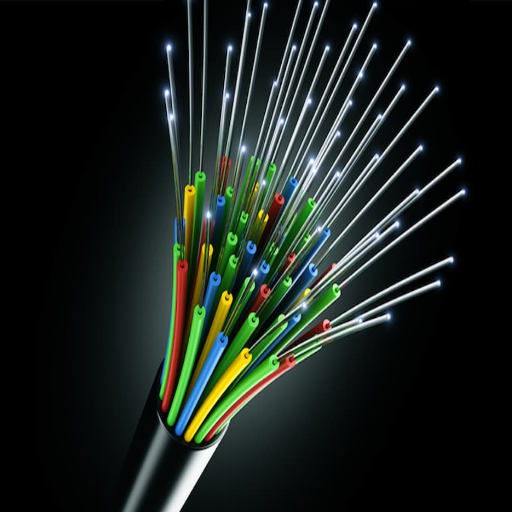
光纖是一種光訊號資料傳輸手段,透過極細的玻璃或塑膠絲(稱為光纖)傳輸。這些光纖能夠以非常高的速度和最小的衰減跨極遠的距離傳輸大量資訊。核心光纖系統由發射器將電訊號轉換為光訊號組成;承載這些光訊號的光纖;接收器將光訊號轉換為電訊號。這項新技術廣泛應用於網路基礎設施,並提供比銅線最高的速度、頻寬和可靠性;因此,與其在串流媒體、線上遊戲和商業網路等高需求應用中的使用並行。.
什麼是光纖?
光纖是一項涉及細玻璃或塑膠線(稱為光纖)的技術,以光脈衝的形式傳輸資料。光纖非常薄,幾乎相當於人類頭髮的厚度,捆綁在電纜中,以便長距離傳輸大量資料。光纖系統使用雷射或 LED 作為光源,以幾乎光速編碼和傳達訊息,使其成為最有效的通訊工具之一。.
光纖提供的最大優勢之一是終極速度。例如,現代光纖網路實際上可以為普通住宅提供近 1 Gbps 的資料傳輸速度,而一些中心的技術進步將速度推至 400 Gbps 以上。光纖網路比銅纜承載更多的數據,也擁有巨大的頻寬。因此,它構成了當今最快的互聯網的支柱。.
光纖的可靠性是另一個需要考慮的重要因素。因此,在某些地方,銅纜容易受到電磁幹擾,訊號會隨著距離的降低而降低,而光纖在傳輸過程中允許高度的訊號完整性。即使在惡劣的天氣下,光纖也始終能夠以最小的能量損失提供最佳且一致的性能。.
全球現代數位經濟由光纖網路提供支援。根據國際電信聯盟 2023 年發布的報告,擁有密集光纖基礎設施的國家屬於網路速度快、還可以維持 5G、物聯網和雲端運算等先進技術的城鎮之一。.
光纖正在成為電信、醫學和國防等行業的必備品。從允許在用於遠端醫療保健的遠距醫療設備中進行高品質的本機視訊串流一直到軍事應用部署中的複雜通信,光纖確實增強了未來的連接性。.
光纖電纜的工作原理
光纖電纜透過玻璃或塑膠細絲的組裝,透過光訊號傳達資料或訊息,每根細絲的直徑都比人的頭髮細。這些纖維被捆綁成電纜,並利用全內反射原理將光引導到很遠的距離。它本質上被包層包圍,將光反射到核心中以最大限度地減少訊號損失。.
由於現代技術,光纖系統變得非常高效,在實驗室中速度達到每秒 1,000 太比特,在消費應用的商業系統中速度達到每秒 1 Gbps 以上。這些電纜以延遲非常低而聞名,可以最好地支援任何即時應用程序,例如線上遊戲、視訊會議和遠端控制。.
這些電纜無需任何訊號放大即可傳輸訊號的長度超過 60 英里;與銅纜相比,這表現出更高的效率。電信業根據要求利用多模和單模光纖。例如,單模光纖適用於訊號色散最小的長距離,而多模光纖則適合較短距離。.
光纖電纜的額外耐用性使其可靠。它們可以抵抗電磁幹擾、濕度等環境因素,甚至極端天氣條件。因此,這些功能表明更好的光纖如何改善所有領域的資料傳輸。.
光纖電纜的類型
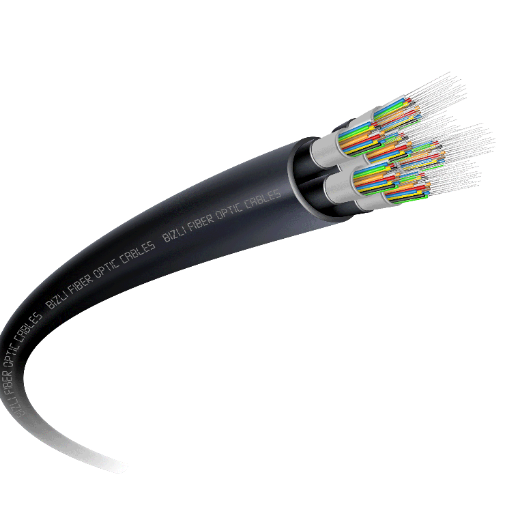
根據應用和性能的不同,光纖電纜有多種類型。兩大類是單模光纖和多模光纖。.
單模光纖
單模光纖電纜在長距離路徑上以最高精度傳輸資料時效果最佳。這些電纜的核心尺寸極小,約為 8-10 微米,允許光在單一路徑中移動,從而避免訊號和更高頻寬的任何退化。這些電纜用於電信、長途網路和高速網路連線。單模光纖傳輸訊號在 100 Gbps 和更高速度下可有效傳輸超過 40 公里(25 英里),因此是跨大陸和海底通訊的必需品。.
單模光纖的纖芯直徑約為 9 微米,因此只能允許一種光模式通過。因此,它可以減少訊號失真,為長距離提供更高的頻寬要求,並且適用於電信、長途資料傳輸和需要高精度的網路應用。單模光纖具有促進遠端通訊的能力,可用於海底電纜和大都會區網路。儘管在長距離訊號完整性方面通常需要比多模光纖更完美的連接,因此設備也更昂貴,但最好的選擇至少是在那些效率和可靠性重要的應用中。.
多模光纖
50 微米或 62.5 微米的芯材賦予這種光纜多模態特性,允許多種光模式同時傳播。該設計適合短距離資料傳輸情況,例如資料中心、區域網路 (LAN) 或企業大樓內的情況。雖然多模光纖通常比單模光纖具有更大的模態色散,但它們非常適合中短距離(約 550 公尺(1800 英尺)),並且通常部署相對便宜的光源,例如 LED 或 VCSEL(垂直腔表面發射雷射)。.
多模光纖的設計考慮了短距離通訊系統,因此主要用於區域網路(LAN)和資料中心互連。它的核心直徑比單模光纖更大;因此,多種光模式可以同時透過它傳播。這有利於在較短距離內進行更大的資料傳輸,但會導致模態色散增加,從而破壞較長距離的訊號。多模光纖一般來說具有成本效益,因為它簡化了連接要求,並且能夠使用低成本光源,例如 LED 和 VCSEL。它發現其應用在頻寬要求較高但電纜長度有限的地方。這樣,多模光纖為高速通訊提供了良好且友善的解決方案。.
裝甲光纖電纜
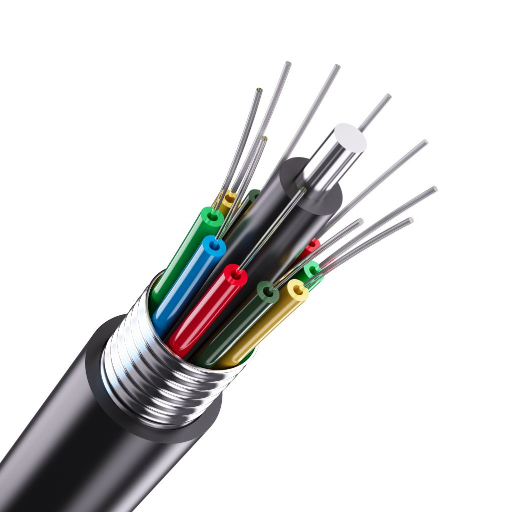
這些是在惡劣環境中持久使用所需的電纜。它們提供了額外的保護層,可以由鋼或鋁組成,防止內部的玻璃纖維受到任何機械損壞或不必要的干擾,例如害蟲或惡劣的天氣變化。工業應用、室外設置和重型機械移動的區域通常是它們使用的地方,確保在惡劣的環境中提供可靠的選擇。.
帶狀光纖電纜
帶狀光纖電纜具有扁平帶狀結構,具有平行光纖,用於高密度安裝。它們的應用區域涵蓋資料中心和電信室,在這些地方節省空間至關重要,並且必須有效地進行拼接。帶狀電纜可能有數百根光纖,在非常小的設計中實現巨大的資料吞吐量。.
特種光纖電纜
特殊光纖電纜,包括海底電纜,已針對某些應用進行了設計和製造。例如,海底電纜能夠承受海洋下的壓力和環境挑戰。另一方面,不對彎曲敏感的光纜專為室內安裝中的急彎而設計,不會造成太多訊號損失,非常適合住宅和辦公環境。.
光纖電纜改變了資料傳輸的遊戲方式:比以往任何時候都更快,具有高度的可靠性和多功能性。進入近代,光纖技術已融入超低損耗材料和製造技術,極大地改變了世界連接的動態,使網路更加智慧、更快、更有彈性。.
比較光纖電纜類型
根據纖芯的尺寸,光纖電纜可分為單模光纖或多模光纖,每種光纖都有不同的用途。單模光纖的纖芯直徑非常小,範圍為 8 至 10 微米。因此,只有一種光模式可以透過它傳播,使其適合以非常高的頻寬進行長距離通訊。在電信、資料中心和有線電視網路中使用單模光纖的其他原因是延遲和模態色散的減少。由於單模光纖實現通常涉及精密製造,並且需要雷射作為更昂貴的光源,因此單模光纖的能力在長距離傳輸資料時使它們與眾不同。.
相較之下,多模光纖具有更大的核心,因此允許多種光模式同時通過。這種情況允許以高速率進行短距離數據傳輸,但模態色散往往會在長距離處發生,訊號品質會下降。由於價格便宜,多模光纖極大地補充了 VCSEL 和 LED 等更便宜的光源,因此廣泛應用於區域網路 (LAN)、資料中心和建築物內的短距離互連。.
在兩者之間進行選擇時需要考慮的一些因素包括距離、數據速率和預算。單模光纖必須放入長距離、高效能網絡中,而多模光纖在緊張的環境中作為廉價、短程的選擇表現良好。它們都可以確保設計者根據其應用的可靠性和可擴展性,從而製定高效且為未來做好準備的網路解決方案。.
光纖互聯網的好處
- 更快的速度: 光纖互聯網提供比傳統寬頻更高的下載和上傳速度,資料傳輸速度更高,線上體驗更流暢。.
- 可靠性: 與銅連接不同,光纖不受天氣和訊號衰減造成的干擾,因此提供穩定且一致的連接。.
- 頻寬較高: 光纖可以一次實現更多的資料傳輸,因此非常適合擁有多種應用頻繁的設備的家庭或企業。.
- 低延遲: 光纖提供的延遲更少,將使視訊會議、線上遊戲和串流媒體的效能更高。.
- 面向未來的技術: 隨著技術的不斷發展,光纖可確保長期可用性,並能夠滿足更大的網路需求。.
速度和性能優勢
如果討論速度和效能,光纖互聯網被認為是可用的最快選項,因此必須在現代連接的最高需求中發揮客製化作用。對稱的光纖網路通常會宣傳目前高達 1 Gbps 或以上的上傳和下載資料速率。因此,透過光纖、檔案下載、即時 4K 視訊串流和視訊會議可以順利地一起進行,沒有任何暫停或緩衝。.
研究表明,光纖網路比傳統的 DSL 或電纜寬頻提供更好的體驗,延遲有時以毫秒為單位。這對於線上遊戲或金融交易等時間敏感的應用至關重要,其中幾毫秒很重要。此外,無論高峰使用時間如何,光纖都能保持速度,而舊技術通常在高峰時段會降低速度。.
Fiber is deeply entrenched in the history of technology advancement. Its ability to carry large amounts of data at high speeds is the foundation for innovations such as smart homes, cloud applications, and augmented reality experiences. This potential positions fiber-optic internet as a future-proof technology, thereby securing the users’ status at the forefront of digital advancements.
Reliability and Stability
Fiber-optic internet is synonymous with absolute reliability and stability, hence an excellent decision for home and business applications. Unlike the other copper-type interface, fiber-optic cables are less affected by any weather-based phenomenon-barometric temperature, argon rays, electromagnetic field, weather-related violence, and so forth. As a result, outages are rare, and a connection becomes more consistent.
The downtime rates for fiber-optic networks are considerably lower, much lower than your DSL or cable systems, according to some studies. Fiber connectivity, for example, can guarantee an uptime of 99.9% – this being a crucial factor for business and remote-working scenarios where uninterrupted internet must take precedence. Also, due to its enhanced core design, fiber allows symmetric upload and download speeds, giving preference to a strong performance during peak hours.
High stability ensures a seamless experience with full-HD video streaming, video conferencing, and the large file transfer process devoid of any lags and buffering issues. To wrap the flights, fiber technology serves as a strong candidate for the modern internet, with number speeds, reliability, and resilience surging along with escalating digital demands.
Cost-Effectiveness in the Long Run
Though fiber-optic internet involves a very high initial investment, the investment pays for itself with time due to durability, reliability, and ability to handle varying demands. Fiber-optic cables are engineered to last a very long time; in fact, most of them claim to have at least 25 years of life. This greatly diminishes frequent maintenance, unlike conventional copper-based networks that require a lot of work now and then. These networks also experience less need for maintenance and replacement. Besides, fiber-optic networks are much more energy-saving compared to older technologies, thereby keeping operational costs low, such as the power used for data transmission.
Data also show increased productivity and less downtime provided by the fiber-optic internet, and a 1% increase in internet speed is associated with a $126 increase in annual global GDP per capita, showing the economic ripple effects of improved connections. Further, homes with fiber internet access might see a rise in property value, as reliable high-speed internet has slowly gained importance as a utility alongside electricity and water. These long-term benefits with future-proof advantages make fiber-optic internet a great option for anyone or business striving to compete in the domain of the digital age.
Choosing the Right Fiber Optic Cable
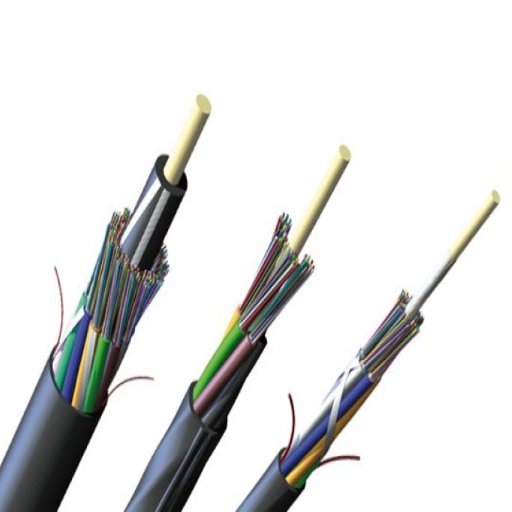
The following are the four prime considerations for selecting an appropriate fiber optic cable:
- Indoor or Outdoor Use: The indoor ones have thin jackets that offer little protection, whereas the outdoor ones are weatherproof and rugged against environmental forces.
- Single Mode or Multi-Mode: Long-distance transmission and higher bandwidth require single-mode cables, while multi-mode cables suit short-distance communications inside a building.
- Desire for Data Speed: Currently, as well as in the future, make sure the cable realizes the required data transfer speed.
- 環境: If the cable will be subjected to harsh environmental conditions like extreme heat or physical stress, identify those with coatings that can withstand such abuse or are built for rigorous environments.
The choice of an ideal cable will promise to make the work more efficient and reliable according to your needs.
需要考慮的因素
- Cable Type and Application: Choosing a cable depending on its intended purpose-therefore networks require Ethernet cables such as Cat5e or Cat6, whereas audiovisual equipment requires HDMI cables. Choose a cable type suitable for the devices and performance needed.
- Compatibility and Standards: A cable should comply with accepted standards (e.g., USB 3.0 or HDMI 2.1) and also be compatible with the devices it is intended to serve. The latest standards usually offer better performance and tend to be more future-proof.
- Length and Signal Quality: The shorter the cable, the better the transmission quality. Although for longer transmission, one might opt for fiber optic cables or cables with signal boosters.
- Durability and Environment: In harsher installations, select cables with coatings such as PVC or maybe with braided shielding that can handle temperature changes, moisture, or some form of physical wear.
- Data Transfer Speed: For instance, if you have fast data transfer requirements, the cable rated for such performance must be chosen, like USB-C for a portable device or Cat6a for high-speed networking. It keeps everything flowing smoothly and efficiently.
Thus, having a cable that fits the above factors is best for your setup’s proper functioning, reliability, and longevity.
Common Mistakes in Fiber Cable Selection
- Ignoring Cable Specifications: This is a very common oversight that people usually manage to commit. It is mostly in the failure to coordinate fiber specification with network requirements, such as bandwidth and distance capabilities. Hence, it may sometimes result in under-performance or unnecessary expenses for the network.
- Overlooking Environmental Factors: Failure to factor environmental conditions into cable selection, such as temperature, moisture, or UV exposure, often ends in premature cable failure or damage.
- Improper Type of Connectors: Using an improper kind of connectors or failure in matching the connectors with existing equipment might cause a poor signal from deterioration or downtime.
- Ignoring Installation Practices: Untoward causes like exceeding bend radius limits or improper handling may yield a damaged fiber and very slow degradation of performance for some time.
- Underestimating Scalability: Being myopic about current needs and blindly ignoring future estimates in bandwidth growth is sometimes more costly in the long run when network expansions come to light.
Avoiding these common mistakes is essential in maintaining the efficient working of fiber optic networks, keeping them durable, and ready for future demands. You should always consider your own requirements and gain expert opinion from industry standards when selecting cables.
Future-Proofing Your Fiber Internet Connection
- High-Quality Components: Fiber optic cables and equipment should be bought to support higher bandwidth capacities than the ones currently in use. It is better to buy newer designs, such as single-mode fibers with 10G or 40G capabilities, to avoid production bottlenecks in case of increased demand.
- Plan Scalability: By considering enhancements in the design of the network, use modular hardware that could be upgraded later on. Consider installing additional conduits or fiber strands that would allow the network to be expanded with increased utilization or technology.
- Stay Informed on Industry Trends: Look into newer technologies such as DWDM or PON technologies that will allow for the more efficient and longer life of your fiber infrastructure.
- Installation and Maintenance of Cables: Have the cables installed by professionals and tested to ensure they perform satisfactorily. Maintenance would involve inspecting them regularly for signs of wear, environmental damage, or signal degradation, all of which impact reliability.
- Collaboration with experts: Collaborate with reputable ISPs and fiber installation contractors to customize solutions that meet your long-term business or personal objectives.
These steps will save you unnecessary upgrades, reduce downtime, and give you a sturdy network infrastructure capable of taking heavier loads.
How Fiber Optic Internet Works
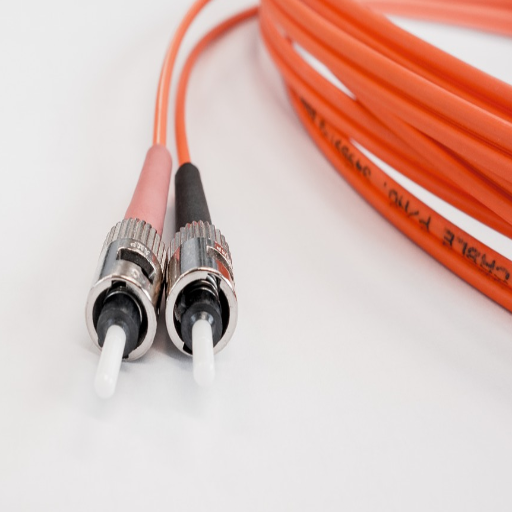
Fiber optic internet transmits data as pulses of light through very thin glass or plastic strands, termed optical fibers. These fibers are bundled into cables capable of transmitting immense quantities of data over great distances, with negligible loss of signal or interference. The light signals are converted into data that particular devices, such as computers or servers, can use. This technology guarantees the fastest possible connectivity, the lowest possible latency, and the ability to engage multiple devices working on huge data transfers at the same time, equating to the perfect solution for contemporary demands.
The Role of Fiber Cables in Internet Connections
Fiber optic cables constitute the most important factor in internet infrastructure today for high-speed and fully reliable access. These transmit data by converting it into light signals, giving it higher speeds and bandwidth that aren’t present with copper cables. Fiber optics reduces latency considerably in almost-real-time streaming, online games, and big file transfers. It is somewhat immune to electromagnetic interference, keeping a connection steady in an electronics-heavy setting. That means the fiber optics network will always be chosen for any high-performance residential and commercial internet service needed to fulfill the demand for an efficient network.
Setting Up a Fiber Internet Network
Setting up a fiber internet may be simulated by contacting an ISP that provides fiber optics in my location. Earth, air, fire, and water-for the different elements, the technician-concepts must install fiber-optic cables, along with a modem or router that is suitable for the location. Once everything has been installed, I would test the connection to verify that everything is working and to observe the fast and reliable pep-up of the internet network.
Understanding Fiber Connections in Homes and Businesses
Fiber optic internet, a comparatively fast and reliable service, stands as a prime choice for both commercial and residential applications. Fiber-assisted internet with high speeds assures uninterrupted browsing, HD streaming, and the swift transfer of large files, thereby enabling businesses to work without delays. Plus fiber ensures the greatest security in terms of lower latency, higher bandwidth, and being a future-proof technology for digital needs. Installation costs notwithstanding, the long-term benefits far outshine the input.
參考來源
Future trends in optical wireless communications systems
Analysis of the Telephone System of a University Campus and Design of a Converged VoIP System
Android Smartphone Damage Diagnosis Expert System by Web-Based Forward Chain Method
常見問題(常見問題)
What fiber optic cables are used for the internet?
The fiber optic cable used for internet connections generally falls into two main categories: single-mode fiber optic cable and multimode fiber optic cable. Single-mode cables are built for long-distance communications and use light to transmit data efficiently over longer distances, whereas multimode cables are more of a short-range cable and are probably used within a building or campus.
Advantages of fiber optic cables?
Fiber optic cables have many advantages over conventional copper cables. It can offer higher bandwidth, longer transmission distances without losses, and immunity to electromagnetic interference. Other advantages include: they are light and thin, easy to fix, and handy to handle installation.
How does fiber-optic technology work?
In fiber optic technology, communication takes place through data signals that are sent as pulses of light through the core of a fiber optic cable. This advantage has given fiber optics the edge in fast internet and reliability compared to the typical DSL and cable options. The light waves move through the cable via reflection from the alternate walls of the fiber core, thereby allowing data to be carried over long distances.
What are the different types of fiber optic cables?
Types of fiber optic cables include single-mode fiber cables for long-distance transmission and multimode fiber cables for short distances. Many different variants within these two categories exist, like OM1 multimode fiber and OS2 single-mode fiber optic, used to prescribe performance characteristics of the cables.
What factors go into choosing a fiber optic cable?
The decisive parameters include the distance of travel of data, the kind of network setup, and bandwidth requirements. Long distances call for single-mode fiber, while shorter distances and lower bandwidth needs are served better by multimode fiber.
What does the basic structure of a fiber optic cable look like?
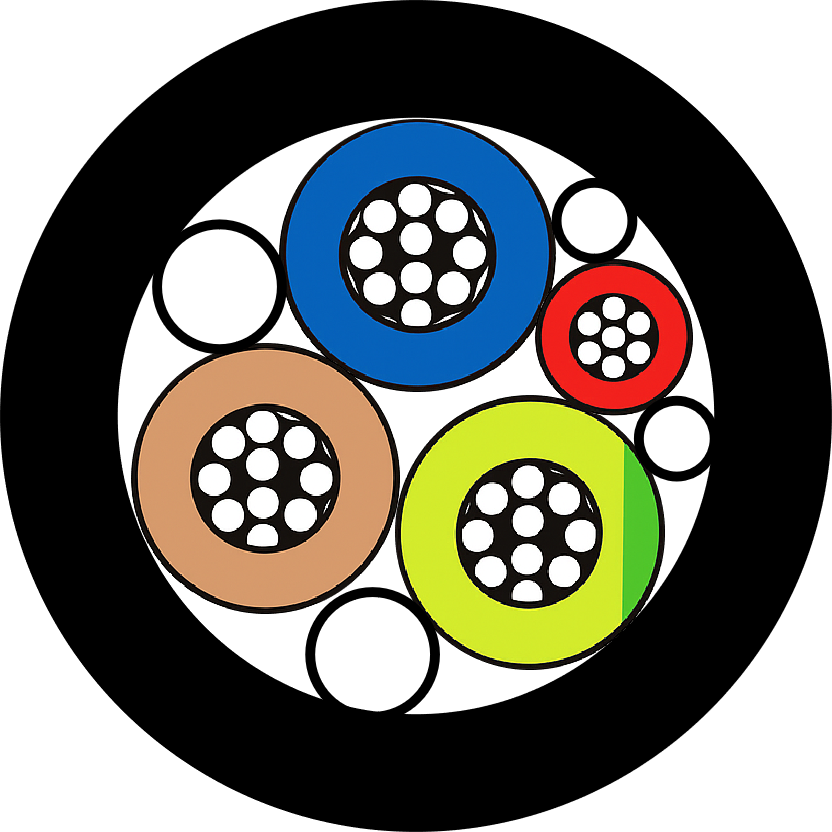
光纜的基本結構是芯層、包層和保護外層。光穿過芯層,而包層將光反射出芯層,以確保損失最小。這種佈置允許在任何距離內透過電纜以高保真度發送資料。.
光纖互聯網有什麼好處?
基於光纖的互聯網的優點是,與傳統的基於電纜的互聯網相比,它具有更快的速度、更高的可靠性和更好的連接穩定性。光纖互聯網同時處理更多數據,使其成為擁有許多需要大量互聯網使用的設備的家庭的絕佳選擇。.
光纖電纜是否容易受到干擾?
他們有這樣的能力,對吧?不!光纖電纜不會受到電磁幹擾的干擾,電磁幹擾主要影響銅纜。這種抗擾度可確保傳輸的資料保持清晰完整,儘管存在外部電噪聲,從而使光纖成為想要高品質網路連線的人的良好選擇。.