






Sowohl für professionelle Elektriker als auch für Heimwerker ist es wichtig, gute elektrische Komponenten zu den günstigsten Preisen auf dem heutigen Markt zu bekommen Der Blog beabsichtigt eine erschöpfende Diskussion über 8-Gauge-Elektrodrähte, Batteriekabel und Kupferkabel, einschließlich ihrer Merkmale, Vorteile und Verwendungszwecke. Es ist für einen Leser möglich, bei seinen Stromprojekten mit Bedacht zu wählen, was Sicherheit und Wirksamkeit gewährleisten muss, indem er die technischen Spezifikationen und Leistungsmerkmale dieser Materialien kennt. Für jedes Heimprojekt, Unternehmen oder jede Industriearbeit hilft Ihnen diese Abschreibung bei der Auswahl der am besten geeigneten Art von elektrischem Verkabelungssystem.
Was ist 8-Gauge-Draht und seine üblichen Verwendungszwecke?
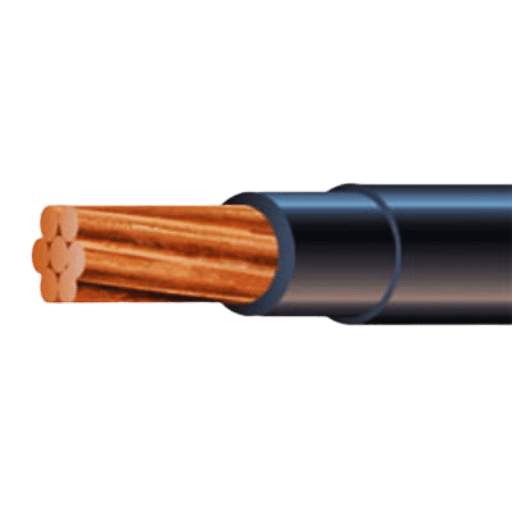
8 AWG-Spezifikationen verstehen
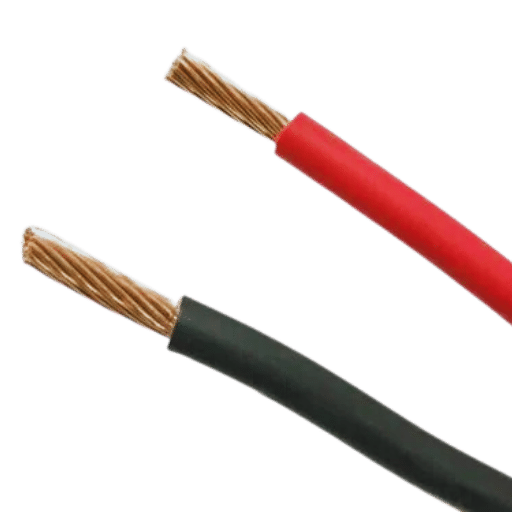
American Wire Gauge (AWG) 8-Draht ist ein elektrischer Draht von Standardgröße mit einem Leiterdurchmesser von etwa 0,1285 Zoll (3,264 mm).Die Fläche des Querschnitts für den 8-AWG-Draht beträgt 8,37 Quadratmillimeter, was die Übertragung von Leistung mit einem Strom von maximal 55 Ampere ermöglicht, der in der privaten, gewerblichen und industriellen Energieübertragung verwendet werden kann. Sie bestehen hauptsächlich aus Kupfer oder Aluminium, obwohl sich herausgestellt hat, dass Kupfer aufgrund seiner guten Leitungseigenschaften überlegen ist. Das Isoliermaterial unterscheidet sich normalerweise und die Geräte sind auf Spannungsanforderungen und Umweltbedingungen angewiesen. Diese Art von Drahtmessgeräten wird daher häufig für schwere Komponenten verwendet.
Anwendungen in elektrischen Systemen
Neben anderen elektrischen Systemen kann 8 AWG-Draht verwendet werden, da es in der Lage ist, schwere Stromlasten zu bewältigen Nachfolgend finden Sie einige seiner Hauptanwendungen sowie entsprechende technische Spezifikationen:
HVAC-Systeme:
- Ampazität: Um 55 A.
- Spannungsbewertung: Meistens um die 600 V, abhängig von der verwendeten Isolierung.
- Anwendungsfall: Stromversorgung von Klimaanlagen, Heizungen und Lüftungsgeräten.
Große Geräte:
- Ampazität: Etwa 55 A.
- Spannungsbewertung: Geeignet sowohl für 120 V - als auch für 240 V-Installationen.
- Anwendungsfall: Anschließen von Elektroöfen, Unterlegscheiben und Trocknern, die eine hohe Leistungsaufnahme erfordern und eine Hochleistungsverkabelung erfordern.
Unterpanels:
- Ampazität: Ungefähr 55 A.
- Spannungsbewertung: Normalerweise für ein 240 V System.
- Anwendungsfall: Hinzufügen von Schaltkreisen in einem Gebäude oder Zuführen neuer Schaltkreise von einem Hauptpanel zu einem sekundären Unterpanel.
Industriemaschinen:
- Aktuelle Kapazität: Bis zu 55 Ampere.
- Spannungsbewertung: Typischerweise bis zu industriellen Umgebungen mit Bewertungen von etwa 600 V.
- Anwendungsfall: Wird in Verkabelungsmotoren, Generatoren und anderen schweren Maschinen eingesetzt, die eine robuste und zuverlässige Stromversorgung erfordern.
Anhand dieser technischen Parameter können Elektriker und Ingenieure einen sicheren Betrieb gewährleisten, da sie die Spezifikationen von Wire an ihre jeweiligen Anwendungsanforderungen anpassen.
Warum Reinkupfer für 8-Gauge-Draht wählen?
Die Auswahl von reinem Kupfer ist in 8-Gauge-Draht von entscheidender Bedeutung, da es im Gegensatz zu Aluminium oder anderen Metallen eine stärkere Stromübertragung hat. Reines Kupfer reduziert Widerstands- und Leistungsverluste und macht es so effizienter für Hochstromanwendungen. Darüber hinaus trägt die gute Wärmeleitfähigkeit von Kupfer dazu bei, Wärme schnell abzuführen und so Überhitzung zu verhindern und die Temperaturen stabil zu halten. Seine Flexibilität und Haltbarkeit machen die Installation einfacher und langlebiger und senken die Wartungs- und Austauschkosten. Alle diese Eigenschaften garantieren ein sichereres, effektiveres und kostengünstigeres elektrisches System.
Wie wählt man das richtige Batteriekabel aus: 8 AWG vs. andere Messgeräte?
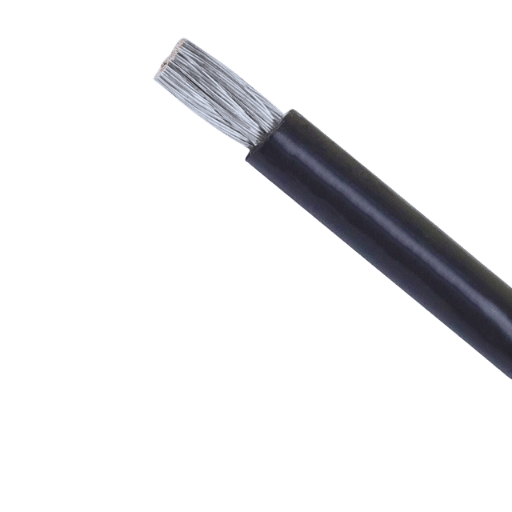
Vergleich von 8-Gauge-Draht mit 10 AWG und 18 Gauge
Beim Vergleich von 8-Gauge-Drähten mit 10 AWG und 18 Gauge sollten Sie die elektrischen und mechanischen Besonderheiten Ihrer Anwendung berücksichtigen.
Aktuelle Kapazität:
- 8-Gauge-Draht: Es kann bis zu 55 Ampere verarbeiten und eignet sich daher ideal für Hochstromanwendungen wie Industriemaschinen und Hochleistungs-Automobilverkabelungen.
- 10 AWG Draht: Diese Größe unterstützt normalerweise maximal 30 Ampere, was für einige Beleuchtungskreise für Privathaushalte und kleinere Motoren ausreicht.
- 18-Gauge-Draht: Dieser Draht kann höchstens 10 Ampere tragen und wird daher hauptsächlich in Niederstromanwendungen wie kleiner Elektronik, Lautsprecherkabel und Steuerschaltungen verwendet.
Spannungsabfall und Widerstand:
- 8-Gauge-Draht: Ein größerer Durchmesser sorgt für einen geringeren Widerstand und einen geringeren Spannungsabfall, was zu einer effizienten Leistungsübertragung über große Entfernungen führt.
- 10 AWG Draht: Moderater Widerstand und Spannungsabfall sind angebracht, wenn Leistungsverluste bei mittellangen Läufen auf einem Minimum gehalten werden müssen.
- 18-Gauge-Draht: Ein hoher Widerstand in Verbindung mit einem großen prozentualen Spannungsabfall über große Entfernungen ermöglicht die Verwendung nur bei Kurzstrecken oder Geräten mit geringem Stromverbrauch.
Mechanische Robustheit:
- 8-Gauge-Draht: Langlebigere und robustere Materialien sind erforderlich, wenn die Drahtintegrität entscheidend ist; Solche Drähte sollten unter Bedingungen hoher mechanischer Belastung oder bei Problemen mit Kabelverlusten eingesetzt werden.
- 10 AWG Draht: Gewöhnliche Anwendungen, die eine mäßige Haltbarkeit benötigen, werden am besten durch diese Kombination aus Flexibilität und Festigkeit erfüllt. Das Gleichgewicht zwischen Flexibilität und Festigkeit macht es für den täglichen Gebrauch geeignet, bei dem eine durchschnittliche Haltbarkeit von entscheidender Bedeutung ist.
- 18-Gauge-Draht: Hochflexible, aber weniger langlebige Drähte eignen sich gut für geschützte Umgebungen oder solche mit mäßiger Belastung.
Durch die Anpassung der spezifischen elektrischen Last, Entfernung und Umgebungsbedingungen sollte sichergestellt werden, dass eine optimale Leistung erreicht wird.
Die Vorteile von Ultra Flexible 8 AWG Draht
Für Anwendungen mit Strombedarf bietet ultraflexibler 8 AWG Draht eine Reihe von Vorteilen Hier sind die wichtigsten Vorteile und relevanten Fachbegriffe:
Erhöhte Stromtragfähigkeit:
- Parameter: Bis zu 55 Ampere.
- Begründung: Durch einen größeren Durchmesser und damit einen geringeren Widerstand kann es hohe Stromlasten für schwere Nutzfahrzeuge und Industriemaschinen tragen.
Geringerer Widerstand und Spannungsabfall:
- Parameter: Ungefähr 0,00158 Ohm pro Meter.
- Begründung: Dieser Querschnittsansatz verringert den Widerstand und verhindert so Energieverluste über große Entfernungen, was eine effiziente Lieferung elektrischer Energie ermöglicht.
Mechanische Haltbarkeit:
- Parameter: Hohe Litzenzahl mit flexibler Isolierung.
- Begründung: Die starke Struktur dieser Verkabelung macht sie zusätzlich zu ihrer Flexibilität widerstandsfähig gegen mechanische Belastungen und eignet sich daher ideal für dynamische Umgebungen, in denen die Drahtintegrität von entscheidender Bedeutung ist.
Hochtemperaturtoleranz:
- Parameter: Bis zu 200°C (je nach Dämmart).
- Begründung: Es kann seine Funktionen aufrechterhalten und gleichzeitig Sicherheitsvorschriften in Bereichen mit hohen Temperaturen einhalten, da es über hitzebeständige Isoliermaterialien verfügt.
Flexibilität und einfache Installation:
- Parameter: Hohe Strangzahl, typischerweise feinere Stränge.
- Begründung: Diese Drähte sind äußerst flexibel gestaltet, sodass sie problemlos durch sehr enge Räume verlaufen können und so Knicken oder Biegen während der Installation in komplexen Konfigurationen minimiert werden.
Anwendungen mit ultraflexiblen 8 AWG-Drähten garantieren Ihnen maximale Effizienz und Zuverlässigkeit bei der Erfüllung elektrischer, mechanischer und thermischer Anforderungen sowie strenger Sicherheitsstandards und Leistungskriterien.
Zu berücksichtigende Faktoren: Länge und Material (10 Fuß, Kupferkonserven)
Um den 8 AWG-Draht für Ihre Anwendung auszuwählen, müssen Sie die Länge und Materialeigenschaften kennen, um die Leistung zu optimieren und die Kosten zu minimieren. Hier sind einige Schlüsselfaktoren gemäß den Industriestandards und Top-Empfehlungen:
Elektrische Leitfähigkeit:
- Parameter: Kupfer verzinnt.
- Nutzen: Kupferdraht aus der Dose hat eine große elektrische Leitfähigkeit und Beständigkeit gegen Rost. Es eignet sich perfekt für Standorte mit hoher Feuchtigkeit oder Orte mit korrosiven Chemikalien, da es die Wirkung der Oxidation im Laufe der Zeit bekämpfen kann.
Länge und Spannung Drop:
- Parameter: 10 Fuß.
- Berücksichtigung: Die Länge von zehn Fuß sorgt für einen überschaubaren Spannungsabfall und ermöglicht dennoch Flexibilität im Betrieb. Bei kurzen Entfernungen gibt es nur einen geringen Spannungsabfall; daher ist die Kraftübertragung effizient; daher sind kleinere Drahtstärken nicht erforderlich.
Haltbarkeit und Korrosionsbeständigkeit:
- Parameter: Kupfer verzinnt.
- Nutzen: Mit Zinn beschichtete Kupferlitzen machen die Drähte insbesondere bei Schiffs - und Außenanlagen beständiger im Hinblick auf Korrosion, auf der Oberfläche dieser Drähte bildet sich durch diese Beschichtung, die eine langfristige Zuverlässigkeit gewährleistet, keine Oxidschicht.
Mechanische Eigenschaften:
- Parameter: Flexible Konstruktion.
- Nutzen: Diese Flexibilität ist bei der Installation unerlässlich, insbesondere wenn schwierige Layouts ohne Beeinträchtigung der mechanischen Festigkeit durchlaufen werden. Daher kann es dort eingesetzt werden, wo Vibrationen oder konstante Bewegungen auftreten.
Durch die Verwendung dieser Überlegungen gewährleistet die Wahl, einen 10 Fuß langen 8-AWG-Draht aus verzinntem Kupfer zu verwenden, Haltbarkeit und Effizienz, die speziell auf die persönlichen Anforderungen an den Strombedarf zugeschnitten ist.
Ist kupferbeschichtetes Aluminium für 8-Gauge-Draht in Betracht zu ziehen?
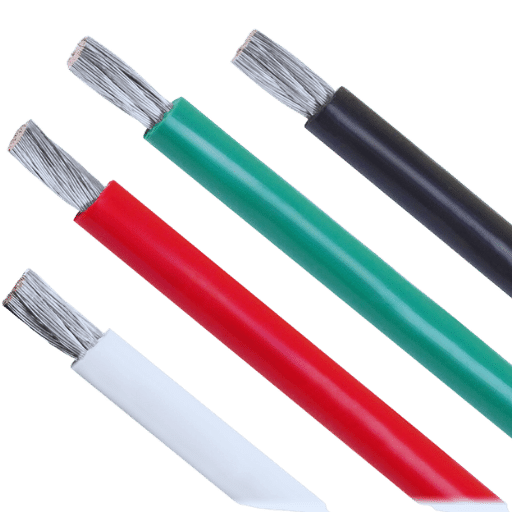
Vorteile und Nachteile von kupferbeschichtetem Aluminium
Vorteile:
- Wirtschaftlich: Im Allgemeinen ist Kupfer-Clad Aluminium (CCA) Draht weniger teuer als reiner Kupferdraht Dies könnte zu erheblichen Einsparungen führen, wenn die Budgets für Großprojekte knapp sind.
- Reduzierte Gewichte: In Fällen, in denen das Gewicht eine wichtige Überlegung ist, ist CCA-Draht leichter als reiner Kupferdraht. Diese Funktion ist von großem Nutzen, insbesondere in der Automobil- oder Luft- und Raumfahrtindustrie, wo jede Unze zählt.
- Anständige Leitfähigkeit: CCA hat im Vergleich zu reinem Kupfer seine geringere elektrische Leitfähigkeit verloren und verfügt dennoch über einigermaßen gute Leiteigenschaften, wodurch es in zahlreichen elektrischen Anwendungen anwendbar ist.
Nachteile:
- Höherer Widerstand: Die Tatsache, dass CCA-Draht einen höheren elektrischen Widerstand als reines Kupfer hat, kann über große Entfernungen zu mehr Energieverlusten führen. Dies würde jedoch die Verwendung größerer Messgrößen erfordern und somit den Kostenvorteil, den es genießt, etwas zunichte machen.
- Probleme mit der Haltbarkeit: Da Aluminiumkerne im Gegensatz zu ihren Kupfergegenstücken zerbrechlich sein können, wenn sie häufigen Biegungen oder Bewegungen ausgesetzt werden, kann dies die Haltbarkeit des Drahtes in Zukunft beeinträchtigen.
- Korrosionsgefahren: Da der Aluminiumkern immer noch anfällig für Korrosion ist, jedoch teilweise durch die Verkleidung aus Kupfer abgeschirmt ist; Es korrodiert leicht, insbesondere in der Nähe von Meeresgewässern und Orten mit hoher Luftfeuchtigkeit. Dadurch verkürzt sich seine Gesamtlebensdauer.
Zusammenfassend lässt sich sagen, dass kupferbeschichtetes Aluminium zwar eine erschwingliche und leichte Alternative darstellt, aber möglicherweise nicht immer Situationen geeignet ist, die extreme Zuverlässigkeit und hohe Leitungsfähigkeit erfordern. Daher müssen Projektspezifika bei der Entscheidung, ob CCA- oder reine Kupferdrähte verwendet werden sollten, gründlich berücksichtigt werden.
Leistungsunterschiede: Reines Kupfer vs. Kupferummanteltes Aluminium
Die elektrische Leitfähigkeit
- Reines Kupfer: Reines Kupfer, das fast 1001TP3 T IACS (International Annealed Copper Standard) ist, hat die beste elektrische Leitfähigkeit Solch hohe Leitfähigkeit macht es zu einem geeigneten Material für den Einsatz in Fällen, in denen die Leckage von Energie nicht akzeptabel ist.
- Kupferummanteltes Aluminium (CCA): Bei CCA-Drähten kann dies etwa 60-651TP3 T IACS betragen, dies ist für die meisten Anwendungen ausreichend; es führt jedoch zu größeren Energieverlusten, wenn die Entfernung mit der Zeit zunimmt.
Elektrischer Widerstand
- Reines Kupfer: Etwa 1,68 µm bei 20°C ist der Widerstandswert für reines Kupfer. Reduzierter Widerstand bedeutet, dass die Energiedissipation minimal und der Wirkungsgrad hoch ist.
- Kupferummanteltes Aluminium: CCA hat einen etwas höheren Widerstand, etwa 2,64 µC-Widerstände bei 20° reinem Kupfer. Höhere Widerstände erfordern möglicherweise größere Drähte, die die Kostengewichtsvorteile etwas ausgleichen.
Mechanische Festigkeit
- Reines Kupfer: Aufgrund seiner hervorragenden Duktilität und Zugfestigkeit (ca. 210 MPa), die für hochdynamische Anwendungen geeignet ist, biegt es sich leicht.
- Kupferummanteltes Aluminium: Leichter als reines Kupfer haben CCA-Kabel mit etwa 150 MPa eine geringere Zugfestigkeit, dies kann insbesondere in flexiblen oder stark belasteten Situationen zu einer höheren Zerbrechlichkeit führen.
Gewicht
- Reines Kupfer: Im Vergleich zu CCA ist reines Kupfer dichter und weist aufgrund dieser Tatsache eine Dichte von 8,96 g/cm³ Gesamtgewicht auf, was es nachteilig macht, wenn das Gewicht bei einigen Anwendungen wichtig wird.
- Kupferummanteltes Aluminium: Im Gegensatz dazu hatte CCA eine Dichte von etwa 3,32 g/cm³, was es viel leichter macht als reines Kupfer. Eine solche Lastreduzierung findet insbesondere in Automobil- und Luft- und Raumfahrtsektoren Anwendung, wo Masse erheblich abgestoßen werden muss, um Leistung und Reichweite zu verbessern.
Korrosionsbeständigkeit
- Reines Kupfer: Unter normalen atmosphärischen Bedingungen ist Kupfer ein äußerst korrosionsbeständiges Material, kann jedoch mit der Zeit anlaufen.
- Kupferummanteltes Aluminium: Die Kupferverkleidung bietet einen gewissen Schutz, aber der Aluminiumkern kann vor allem in salzigen oder Umgebungen mit hoher Luftfeuchtigkeit korrodieren CCA-Drähte sind unter solchen Umständen auf lange Sicht möglicherweise nicht zuverlässig.
Zusammenfassend lässt sich sagen, dass die Wahl zwischen reinem Kupfer und kupferbeschichtetem Aluminium stark von den spezifischen Anforderungen an Leitfähigkeit, mechanische Festigkeit, massenbezogene Probleme und Umgebung abhängt, die sich auf das Aluminium auswirken.
Wie funktioniert 8-Gauge-Draht in Lautsprechersystemen?
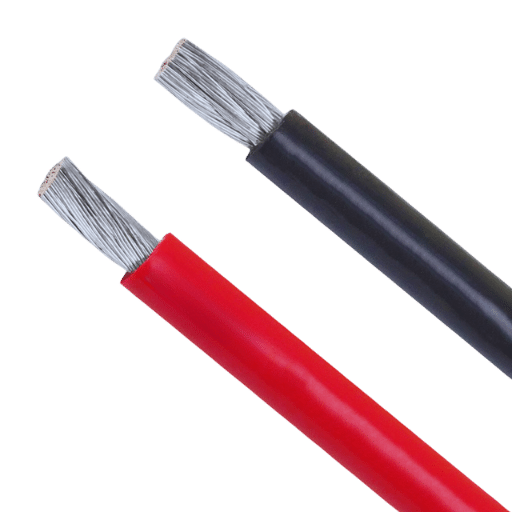
Die Rolle von 8 AWG Wire bei hochwertigen Lautsprecherverbindungen
Wenn hochwertige Lautsprechersysteme verwendet werden sollen, dann sollten 8 AWG-Drähte verwendet werden, je geringer die Messzahl, desto dicker ist der Draht Dies ermöglicht einen einfachen Stromfluss und weniger Widerstand, was von größter Bedeutung ist, um sicherzustellen, dass die Audioqualität auch über große Entfernungen erhalten bleibt sowie wenn es um die Aufrechterhaltung der Audiotreue geht Dadurch können leistungsstarke Verstärker präzise Signale an Lautsprecher senden, ohne dass es zu Qualitätsverlusten kommt. Darüber hinaus unterstützen solche Drähte regelmäßige Verbindungen, wodurch Störungen minimiert und ein kontinuierlicher Betrieb unter harten Audiobedingungen gewährleistet wird.
Wählen Sie die richtige Lautsprecher-Drahtanzeige für Ihr Setup
Um die beste Audio-Performance und Zuverlässigkeit eines Lautsprechersystems zu gewährleisten, muss man wissen, wie man die richtige Lautsprecher-Drahtanzeige auswählt Hier sind einige Richtlinien, wie Sie die geeignete Anzeige für Ihr Setup auswählen können:
Anforderungen an die Energieverarbeitung:
- RMS-Leistung: Stellen Sie sicher, dass die Drahtlehre in der Lage ist, die von Verstärker und Lautsprechern angegebene Nennleistung Root Mean Square (RMS) zu unterstützen. Wenn eine Installation über 100 Watt RMS-Leistung verbraucht, ist es ratsam, dickere Messgeräte wie 8 oder 10 AWG zu verwenden.
- Spitzenleistung: Denken Sie daran, Spitzenleistungen für transiente Reaktionen zu berücksichtigen. Sie sollten Drähte nicht zu stark erhitzen oder zu erheblichen Spannungsabfällen führen.
Länge des Kabellaufs:
- Kurze Entfernungen (<50 Fuß): Normalerweise sind 16- oder 14-AWG-Drähte für kurze Läufe gut genug, da sie eine mäßige Leitfähigkeit in Kombination mit Flexibilität aufweisen.
- Mittlere Entfernungen (50-100 Fuß): Um Signalverluste zu minimieren, empfiehlt es sich, bei mittleren Entfernungen mindestens einen 12 AWG Draht zu verwenden.
- Lange Entfernungen (>100 Fuß): Um den Widerstand niedrig zu halten, damit die Signale bei langen Läufen nicht zu stark beeinträchtigt werden, verwenden Sie entweder 10- oder 8-AWG-Drahtgrößen.
Impedanz Ihrer Sprecher:
- Lautsprecher mit niedrigerer Impedanz (4 Ohm oder 2 Ohm) Ziehen Sie mehr Strom als höhere; Dies bedeutet, dass dickere Drähte, beispielsweise solche mit einer Größe von etwa 10 AWG, erforderlich sind, wenn diese Lautsprecher verwendet werden.
- Lautsprecher mit höherer Impedanz (8 Ohm) Kann relativ dünne Drahtstärken wie 12 oder sogar 14 AWGs verwenden, berücksichtigt aber dennoch die Länge, insbesondere bei längeren Kabellängen, bei denen Dämpfungen aufgrund von Widerstandsverlusten entlang von Leitungen usw. auftreten können.
Umweltbedingungen:
- Inneneinsatz: Für Innenanwendungen genügen serienmäßige Kupferleiter, ohne dass hier besondere Überlegungen berücksichtigt werden müssen.
- Außen-/Hochfeuchtigkeit: Wenn draußen Feuchtigkeit vorhanden ist, ist es besser, solche Typen auszuwählen, die starke Isoliermäntel um sich herum haben, die auch aus Materialien wie verzinntem Kupfer bestehen können, die Korrosion durch Nässe widerstehen.
Schauen Sie sich die technischen Spezifikationen an:
- Widerstand: Je geringer der Widerstand eines Drahtes, desto besser z. B. hat ein 8 AWG einen Widerstand von etwa 0,62 Ohm pro tausend Fuß, was gut genug ist.
- Kapazität und Induktivität: Diese beiden Faktoren beeinflussen den Hochfrequenzgang in Bezug auf die Kapazität der Pico-Faraden (pF) bzw. die Induktivität der Mikrohänomene (µH), wobei dickere Drähte sowohl niedrige Induktivitäten als auch Kapazitäten aufweisen und somit sozusagen mehr Hochfrequenzdetails erhalten bleiben.
Durch das Verständnis dieser technischen Details und die entsprechende Auswahl können Sie mit einer genauen Audiowiedergabe eine optimale Klangqualität Ihrer Lautsprecher erzielen.
Welche Vorteile bietet die Verwendung von Kupferkonserven in 8 AWG-Draht?
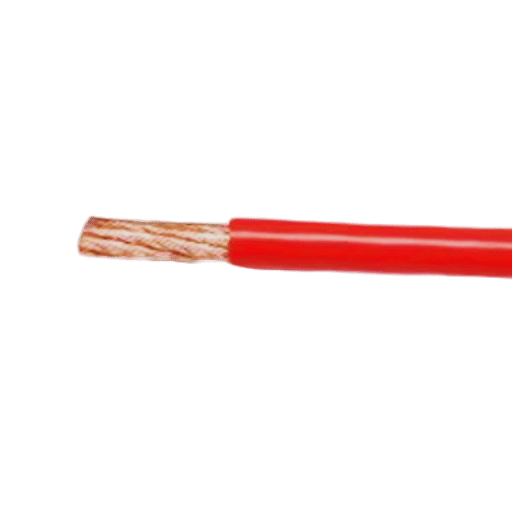
Korrosionsbeständigkeit bei Marine- und Outdoor-Anwendungen
Kupferkonserven sind vor allem für ihre Korrosionsbeständigkeit bekannt, die sie perfekt für den Einsatz auf See und im Freien geeignet macht. Es verhindert, dass das darunter liegende Kupfer aufgrund der Zinnschicht oxidiert oder korrodiert, was ein häufiges Problem bei nassen oder salzigen Umgebungen darstellt. Dies garantiert, dass die elektrische Leitfähigkeit über einen längeren Zeitraum anhält und zuverlässig bleibt. Darüber hinaus hält Kupferverzinnt mehr Verschleiß sowie Umweltgefahren wie extreme Temperaturen besser stand als andere in Verdrahtungssystemen verwendete Materialien; Daher ist kein häufiger Austausch erforderlich, sodass sie auch länger halten.
Haltbarkeit und Langlebigkeit von Kupferdraht aus der Dose
Die Haltbarkeit eines verzinnten Kupferdrahtes ist entscheidend, da er anzeigt, ob er in Bereichen mit rauen Bedingungen überleben kann. Die Abdeckung von Zinn schützt den Draht, indem er eine zusätzliche Schicht hinzufügt, die ihn viel länger hält, als wenn er nur aus Kupfer hergestellt würde. Diese Schicht schützt vor Reibung, Kontakt mit Chemikalien und Substanzen sowie mechanischem Druck, was bei kontinuierlicher Verwendung zu einem Ausfall im Laufe der Zeit führen könnte.
Technische Parameter:
- Abriebfestigkeit: Die Zinnbeschichtung erhöht die Fähigkeit des Drahtes, Abrieb standzuhalten, und eignet sich daher gut für Situationen, in denen es häufig zu mechanischen Bewegungen kommt.
- Chemische Beständigkeit: Kupferdrähte aus der Verzinnung sind beständig gegen verschiedene Chemikalien und können daher in Branchen eingesetzt werden, in denen sie häufig mit aggressiven Materialien in Kontakt kommen.
- Temperaturbereich: Typischerweise haben verzinnte Kupferdrähte einen größeren Arbeitstemperaturbereich (-55°C bis +150°C), was eine gute Leistung unter extremen Bedingungen gewährleistet.
- Flexibilität: Obwohl der verzinnte Kopierer langlebig genug ist, um sich viele Male biegen zu lassen, ohne leicht zu brechen, muss er flexibel bleiben, um die Installation, insbesondere bei komplizierten Konfigurationen, nicht zu erschweren.
Zusammenfassend lässt sich sagen, dass 8 AWG-Drähte aus verzinntem Kupfer aufgrund ihrer Fähigkeit, Umweltbelastungen, mechanischen Schäden und chemischen Angriffen standzuhalten, sehr robust und langlebig sind und so einen nachhaltigen Betrieb bei minimiertem Wartungsaufwand gewährleisten.
Kann 8-Gauge-Draht zum Erden und Schweißen verwendet werden?
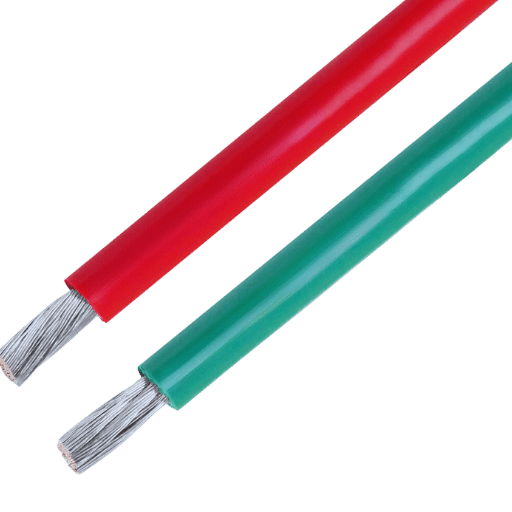
Die Bedeutung von Erddraht in elektrischen Systemen
Beim Auftreten eines Fehlers in elektrischen Systemen dient Erddraht als Medium, über das elektrischer Strom zurück zum Boden geleitet werden kann. Dies geschieht, um zu vermeiden, dass Geräte sowie andere elektronische Geräte um uns herum schockiert und beschädigt werden. Wenn 8-Gauge-Draht zur Erdung verwendet wird, gibt es zwei Dinge zu beachten. Erstens verfügt dieser Drahttyp über genügend Stromtransportfähigkeit und zweitens eignet er sich aufgrund seiner Fähigkeit, rauen Bedingungen standzuhalten, ideal für den Einsatz als Erdleiter und garantiert so einen kontinuierlichen und zuverlässigen Schutz vor möglichen Stromgefahren.
Verwendung von 8-Gauge-Drähten zum Schweißen: Wichtige Überlegungen
Wenn man sich die Drahtgröße von acht Messgeräten zum Schweißen vor Augen führt, dann gibt es viele technische Parameter und Überlegungen, die berücksichtigt werden müssen, um die beste Leistung und Sicherheit zu gewährleisten, Im Folgenden sind einige dieser Aspekte aufgeführt:
- Aktuelle Tragfähigkeit: In den meisten Fällen können 8-Gauge-Drähte Ströme im Bereich von 50-55 Ampere während des Schweißens verarbeiten Diese Bewertung reicht aus, um verschiedene Schweißmaschinen oder -prozesse zu unterstützen, da sie eine zuverlässige Leitfähigkeit bieten.
- Spannungsabfall: Es ist wichtig, Spannungsabfälle beim Umgang mit Schweißnähten zu minimieren, da sie einen großen Einfluss auf die erzielten Ergebnisse haben. Um dies zu erreichen, sollte man über die Drahtlänge im Hinblick auf den gezogenen Strom nachdenken, um optimale Spannungsniveaus über verschiedene Schweißstufen hinweg aufrechtzuerhalten.
- Temperaturbewertung: Die bei solchen Drähten verwendeten Standarddämmtypen können Temperaturen bis zu 90°C (194°F) standhalten, während höhere Werte für spezielle Dämmstoffe akzeptabel sind. Dieses Wissen wird angesichts der hohen Wärme, die bei den meisten Schweißaktivitäten entsteht, erforderlich.
- Stärke und Flexibilität: Acht Messdrähte verfügen sowohl über Festigkeit als auch über Flexibilität, weshalb sie gut für den Einsatz in Verbindungen geeignet sind, bei denen sich Teile während der Herstellung relativ zueinander bewegen müssen. Diese Kabel sind nicht nur insgesamt robust, sondern auch mit robusten Beschichtungen ausgestattet, die ihre Lebensdauer verlängern, selbst wenn sie einer intensiven Nutzung ausgesetzt sind, die in industriellen Umgebungen wie unter anderem auf Schiffbauwerften üblich ist.
- Einhaltung der Sicherheitsvorschriften: Stellen Sie immer sicher, dass jeder Draht, den Sie wählen, den geltenden Sicherheitsstandards entspricht, die von den zuständigen Behörden auf lokaler oder nationaler Ebene je nach Standort bereitgestellt werden. AWS (American Welding Society) hat beispielsweise seine eigenen festgelegten Richtlinien zu diesem Thema; Befolgen Sie daher immer, was sie sagen, wenn Sie unter ihrer Gerichtsbarkeit arbeiten.
Unter Berücksichtigung all dieser oben diskutierten Faktoren ist es für jeden, der einen Acht-Gauge-Draht in irgendeiner Form der Schweißanwendung verwendet, möglich, die gewünschten Ergebnisse konsequent zu erzielen, ohne dabei das persönliche Wohlbefinden zu beeinträchtigen.
Häufig gestellte Fragen (FAQs)
F: Was sind die Hauptanwendungen von achtspurigen elektrischen Leitungen?
A: Der 8-Gauge-Elektrodraht wird in vielen Bereichen wie Automobil, Schifffahrt und Schweißen sowie bei Batterieanschlüssen und anderen Hochstrom-Elektroinstallationen eingesetzt, wo er über ein hohes Maß an Festigkeit und Flexibilität verfügt.
F: Wie kann ich feststellen, ob es sich bei einem Draht um ein flexibles Kabel aus reinem Kupfer handelt?
A: Hohe Leitfähigkeit, Flexibilität und manchmal eine Markierung, die zeigt, dass der Draht aus reinem Kupfer besteht, helfen uns, flexible Kabeldrähte aus reinem Kupfer zu identifizieren. Auch die Sicherstellung, dass er den amerikanischen Drahtmessgeräten (AWG)-Standards entspricht, würde zeigen, dass er von guter Qualität ist.
F: Warum sollte ich für mein Projekt einen achtspurigen Silikondraht wählen?
A: Der Grund dafür ist, dass ein achtspuriger Silikondraht über große Flexibilität, Hitzebeständigkeit und Haltbarkeit verfügt, was ihn für Umgebungen mit höheren Temperaturen und Vibrationen geeignet macht. Es ist auch in Automobilumgebungen und Booten sehr beliebt.
F: Gibt es einen Vorteil bei der Verwendung einer Schweißbatterie für flexible Kabel aus reinem Kupfer?
A: Schweißbatterie-Flexibilitätskabel aus reinem Kupfer verfügen im Vergleich zu anderen verfügbaren Kabeln über eine bessere Leitfähigkeit, Geschmeidigkeit und die Fähigkeit, nicht durch Verschleiß beeinträchtigt zu werden. Dies bedeutet, dass sie unter Bedingungen mit starken Bewegungen, die daher in Bereichen mit hohem Strom bevorzugt werden, perfekt funktionieren können.
F: Wie wirkt sich die Größe des Messgeräts auf die Leistung elektrischer Leitungen aus?
A: Die Größe des Messgeräts beeinflusst seine Fähigkeit, Stromdurchflussgrößen zu verarbeiten. Kleinere Zahlen bedeuten dickere Drähte, die mehr Strom sicher transportieren können. Dementsprechend gewährleistet die ordnungsgemäße Verwendung der Messgrößen einen effektiven Stromverbrauch in Häusern und vermeidet gleichzeitig Brandunfälle.
F: Kann ich einen 8-Aggge-8-Gepäckdraht für den Schiffsgebrauch verwenden?
A: Ja, 8-Gage-8-AWG-Seedrähte sind in der Lage, hohe Ströme zu bewältigen, wie sie in rauen Meeresumgebungen auftreten. Dadurch werden Sie bessere Korrosionsbeständigkeitsfähigkeiten finden, wenn Sie solche Typen für Boote kaufen.
F: Was sind einige Merkmale von Kupferbaudraht?
A: Kupfer-Baudraht ist weithin bekannt für seine hervorragende elektrische Leitfähigkeit, einfache Installation und Korrosionsbeständigkeit Es ist ein zuverlässiges und langlebiges Material für die Verkabelung von Privathaushalten, Gewerbe und Industrie.
F: Wo kann ich hochwertige 8-Agg-Drähte kaufen?
A: Auf der Suche nach hochwertigen 8-Agg-Drähten sind Produkte, die den Industriestandards entsprechen, wie American Wire Gauge (AWG), die beste Wahl. Für weitere Informationen, wie Sie ein gutes Kabel-/Drahtgeschäft finden, müssen Sie die Einkaufsführer für Elektrogeräte durchgehen oder überprüfen, was andere Kunden über bestimmte Geschäfte sagen.
F: Welche Arten von Drähten gibt es für Automobilanwendungen?
A: Im Falle von Automobilanwendungen gibt es einige Arten von Drähten, darunter Silikondraht mit Messgerät, flexible Kabel aus reinem Kupfer und Standard-Automobilverkabelungen. Jeder Typ bietet seine eigenen Vorteile wie Flexibilität, Hitzebeständigkeit oder Haltbarkeit, um unterschiedliche Anforderungen innerhalb der Automobilindustrie zu erfüllen.
F: Wie viele Fuß schwarzen Drahtes brauche ich für meine zehn Fuß lange Reihe?
A: Wenn man in dieser Situation beispielsweise beabsichtigt, einen Zehn-Fuß-Abschnitt in schwarzer Farbe zu installieren, geben Sie an, dass eine Länge von mindestens zehn Fuß erforderlich ist, ohne dass es während der Installation zu Änderungen oder Schnitten kommt. Darüber hinaus ist es wichtig, dass Sie verstehen, wie jeder Typ je nach Projektanforderung im Hinblick auf die Größe und den Zweck des Drahtes eine geeignete Wahl sein kann.