








安裝洗碗機是房屋的常規裝修任務,但另一方面,為了確保其完美、安全地運行,人們應該對電氣規範要求有深入的了解。本文介紹了有關電路規格、接線標準以及遵守國家電氣規範的最重要要點。如果您是 DIY 安裝人員、房主或試圖避免違反規範的專業電工,本指南將提供正確處理的所有重要見解。很快,您就會很好地掌握先決條件 為洗碗機接線 正確、安全,保證其性能可靠,不違反最新規定。.
洗碗機電氣規範簡介

洗碗機的電氣規範以此類設備的安全安裝和維護為中心,因此遵循嚴格的指導方針。洗碗機通常需要單獨的電路,通常額定電流為 15 或 20 安培,以確保沒有進料。根據製造商的建議和當地規範規定,電路必須連接到接地插座或硬連線。 GFCI 保護(接地故障電路斷路器)是使用中的插座的必要條件,特別是當洗碗機安裝在暴露在水中的區域或其附近時,因為它可以提高安全性。.
此外,電線必須由絕緣銅導體組成,這些導體可以承受電路的電流並經過相應的額定值。此外,整個佈線系統應安裝在符合安全標準的盒子中,以避免意外暴露並降低火災風險。與 NEC(國家電氣規範)或當地規範機構核實以確保合規性非常重要,因為根據位置可能存在差異。.
洗碗機的電氣規範是什麼?
NEC(國家電氣規範)全面概述了洗碗機電氣規範的要求,以確保功能和安全。通常,洗碗機需要一個 120 伏特、15 安培或 20 安培的單獨電路。該電路必須接地,並且還包括 GFCI(接地故障電路斷路器),以確保免受電擊,這在 NEC 第 210.8 (D) 條中提到。此外,NEC 第 210.12 (A) 條要求為住宅單元插座提供電力的分支電路提供 AFCI(電弧故障電路斷路器)保護。.
為了符合要求,洗碗機應永久接線或連接專門列出並標記為用於器具使用的電源線。如果使用插頭和電線連接,則必須具有符合 NEC 標準的接地插座。根據 NEC 第 422.16 (B) (2) 條,電源線的長度應在 3 至 4 英尺之間。對於電線連接,使用額定電流的銅導體;一般來說,15安培電路為14 AWG,20安培電路為12 AWG。.
此外,每個安裝都必須符合製造商的規範,該規範通常確定最低佈線和電路要求,以避免保固空白或不安全的設定。此外,本地規範可能會施加比 NEC 更嚴格的限制,例如要求連接箱放置或使用特定方法來固定柔性電纜。參考 NEC 和本地規範以確保安裝的合規性、安全性和耐用性至關重要。.
遵循電氣規範的重要性
嚴格遵守電氣規範非常重要,因為這是確保電氣裝置安全、功能性和合法性的唯一方法。國家電氣規範(NEC)與當地法規一起創建了一個通用框架,可以輕鬆檢測電氣火災、衝擊甚至設備故障等危險。透過正確應用電氣規範,電器和燈的性能將得到改善,能源費用將下降,從而使系統為未來的升級做好準備。在這方面使用不合規可能會導致比預期更昂貴的維修、不再有效的保險設備保修,甚至檢查失敗,從而延長專案。因此,建議遵守電氣規範,不僅作為法律要求,而且作為生命和財產智慧以及電氣系統壽命的重要措施。.
NEC 指南概述
國家電氣規範 (NEC) 是定義家庭、商業區和工廠電氣系統安裝、工作和維護領域盡可能嚴格的標準的首選來源。不斷對規範進行新的修改,新技術以及現代實踐此時已完全融入規範中。 NEC 規範透過其措施主要降低了三個風險領域:電擊、火災和設備損壞。.
關鍵條款包括對接地和黏合的要求,這些要求做得非常出色,可以提供電氣穩定性並有效控制線路和故障電流。該程式碼還指示了指定材料和設備的使用,這意味著這些組件將符合最嚴格的安全和性能標準。另一個優先考慮適當電路保護的領域是要求將過電流設備、接地故障電路中斷器 (GFCI) 和電弧故障電路中斷器 (AFCI) 安裝在適當位置的環境,以防止過載和潛在的火災。.
此外,NEC規範規定了對正確佈線方法的控制,這意味著導管尺寸、電線絕緣類型和載流量等級等細節均由特定應用和環境決定。因此,由於標籤、標記和可訪問性的要求,安裝可以輕鬆監督和維護。.
事實上,嚴格遵守 NEC 規範可以保證雙重遵守地方和聯邦法規,因為市政當局通常會將這些準則納入其法律。工程師、電工和承包商應不斷更新最新修訂版,以確保所有設施符合安全標準,有助於保護財產和人類生命。.
了解電路要求
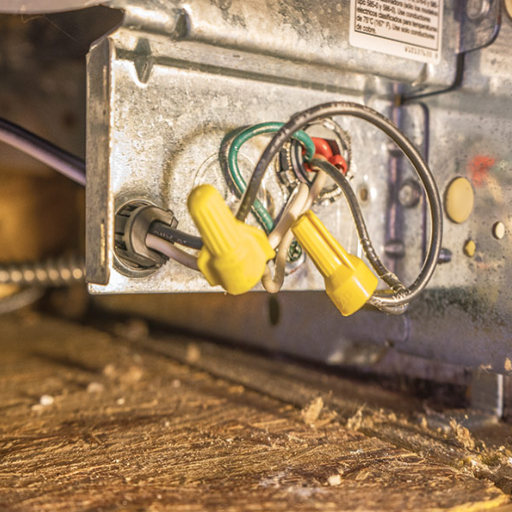
為了確保有效性和安全性,適當的電路必須嚴格遵守某些要求。需要考慮的最重要方面包括:
電路設計:
規劃的電路應該能夠應對既定的最大功率,而不會超過設定的限制。最終,由於過載而導致電路過熱,可能會導致火災危險。.
電壓和電流額定值:
電路的電壓和電流額定值應與連接設備的電壓和電流額定值一致,以防止損壞或故障。.
正確接地:
使用者和設備必須正確接地,以確保免受故障電流的影響。.
線材尺寸:
需要根據電路的電流強度和長度進行正確的電線尺寸調整,以避免電壓下降過多和過熱。.
過流保護:
在故障情況下,保險絲或斷路器等過流設備必須斷開電路。.
符合規範:
遵守地方和國家電氣規範是電氣系統合法性和安全的必要條件。.
重要的是,必須密切解決這些問題,以阻止電氣危險並提供持久的操作穩定性。.
專用電路與共享電路
專用電路是為單一設備或插座設計的電路,提供不間斷的電力,而不會受到其他設備的任何中斷。這種類型的電路對於冰箱、烤箱和洗碗機等高功率電器非常重要,因為它可以防止電路過載和斷路器跳閘的風險。國家電氣規範 (NEC) 通常要求特定電器使用專用電路,以確保最佳性能和安全性。.
相反,共享電路向系統中的多個設備或插座供電。此類電路更便宜且佔用空間更少,但是,當同時使用多個電器時,它們更有可能出現過載等問題。對於低功率系統、燈具和間歇用電的設備,共享電路就足夠了。然而,任何共享電路安裝都必須符合 NEC 第 210.23 (A) 條中提到的負載限制,以便可以信任電路容量。.
這些電路之間的決策是涵蓋電力需求、安全規則和初始資本支出的考慮因素之一。在高需求電器上,專用電路是首選,而處理較少電力需求的電力用戶可能會選擇共享電路,因為它們符合程式碼要求。.
為什麼洗碗機需要專用電路
洗碗機需要專用電路來確保安全運作並符合國家電氣規範 (NEC)。這些設備在操作過程中通常會消耗 10 至 15 安培的電流,這可能會使共享電路緊張並導致斷路器頻繁跳閘或過載。專用的 15 安培或 20 安培電路透過專門為洗碗機提供不間斷電源來消除這種風險。.
使用專用電路還可以確保適當的電壓水平,這對於設備的高效運作至關重要。共享電路引起的電壓降會降低效能並可能損壞內部組件。此外,NEC 指南要求洗碗機採用接地故障電路斷續器 (GFCI) 保護,因此專用電路對於功能和安全至關重要。.
為洗碗機安裝專用電路不僅是最佳實踐,也是大多數司法管轄區的要求。未能提供保固可能會失效、檢查失敗並造成電氣火災等危險。建議諮詢持牌電工,以確保符合當地和 NEC 的要求。.
電壓和安培規格
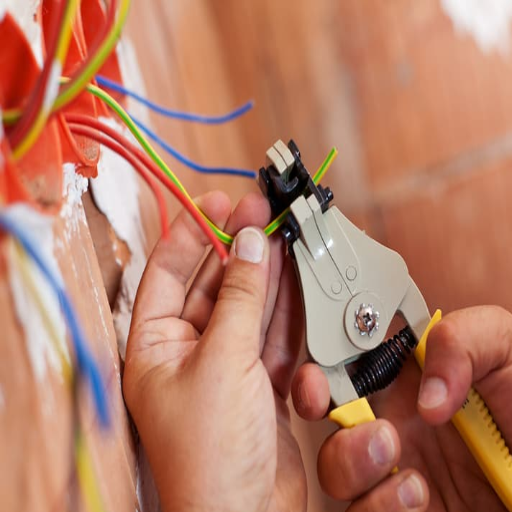
洗碗機所需的電壓
洗碗機通常需要 120 伏特的標準電壓才能正常運作,這在大多數家庭中很常見。此電壓是加熱水、運轉幫浦和其他操作部分的足夠電源。在一些工業或商業型號中,可能需要 240 伏特電路,這實際上增強了功率,從而加快了工作速度。了解製造商想要的特定電壓和接線設定對於確保電器安全、具有最佳性能並滿足國家電氣規範 (NEC) 標準非常重要。用錯誤的電壓安裝洗碗機會導致保固失效,導致機器故障,甚至產生火災危險。.
最低安培評級
洗碗機的最低電流等級主要在10至15安培之間。這就是為什麼通常建議使用 15 安培或 20 安培專用電路,以便設備輕鬆運行且無需加載電路。特定的電流要求將根據洗碗機的型號設計和功率需求來確定,因此製造商提供的安裝指南是最佳選擇。除了電器規格外,還必須遵守國家電氣規範 (NEC) 標準,因為它們規定的電路尺寸可以安全地處理負載。低估電流強度可能會導致重複斷路器跳閘、降低電器性能和潛在的電氣危險。平穩、無故障安裝的最佳方法是讓有執照的電工參與其中。.
用於洗碗機的接線類型
非金屬護套電纜(Romex)
非金屬護套電纜,通常稱為 Romex,是家庭安裝洗碗機最常用的接線選項。它由兩個或多個絕緣導體和裸露的接地線組成,所有這些都包裹在柔性塑膠護套中。對於洗碗機安裝,通常使用 14/2 或 12/2 Romex,這取決於電路電流強度(15 安培電路為 14/2,20 安培電路為 12/2)。.
Romex is accepted because it is effortless to run through walls and ceilings and is also cost-effective. Nevertheless, it should be appropriately placed in junction boxes and protected against physical damage. While making the setup, be sure to follow the National Electrical Code (NEC) regulations regarding the routing of cables, support, and grounding to maintain the safety standards and also avoid the code violations. In specific cases, like installations in damp basements or commercial kitchens, another kind of wiring such as conduit might be needed for better protection.
Conduit and Wire Installations
Conduit and wire installations are a more secure choice for areas needing more protection, such as commercial environments or places exposed to moisture and physical damage. Conduits, including metal (EMT, rigid) or PVC types, encase individual wires to shield them from external factors. For dishwasher installations, insulated copper conductors such as THHN or THWN are run inside the conduit, often using 14 AWG wire for 15-amp circuits or 12 AWG for 20-amp circuits.
When using conduit, all connections must be grounded properly and secured to meet NEC standards. Conduit installations require more labor and materials but offer greater durability and protection, making them suitable for environments with strict electrical or fire safety codes. Proper sizing of the conduit is critical to allow for easy wire installation and future maintenance, as specified in NEC Article 300 and related guidelines.
連接洗碗機的方法
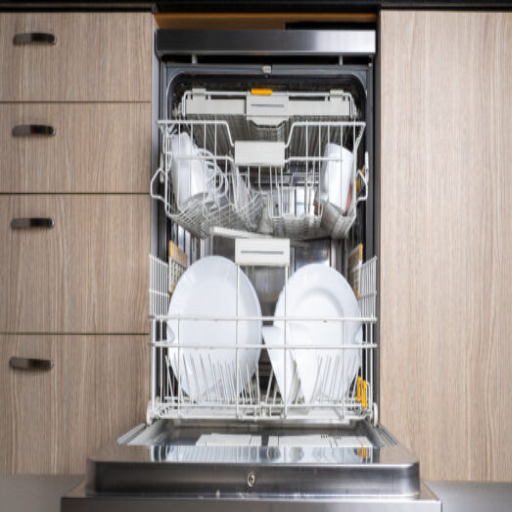
Hardwiring vs. Plug-In Options
Dishwashers can be electrically connected using either hardwiring or plug-in methods, each with distinct advantages and code requirements. Hardwiring involves directly connecting the appliance to the home’s electrical system via a junction box, providing a permanent and secure connection. This method is often preferred for its reliability and compliance with many local codes, as it eliminates the risk of accidentally unplugging the unit.
Alternatively, plug-in connections allow the dishwasher to be connected to a grounded outlet using a three-prong power cord. This method offers flexibility, making it easier to disconnect the appliance for maintenance or replacement. However, the cord must be rated for appliance use and typically limited to 3 to 4 feet in length per NEC Article 422.16(B)(2). The outlet must also be GFCI-protected to ensure safety.
The choice between hardwiring and plug-in options often depends on local electrical codes, manufacturer recommendations, and the specific installation environment. Consulting a licensed electrician can help determine the most appropriate method for your situation.
Junction Box Installations
The typical installation for dishwashers is hardwired, where the unit is connected to the electrical circuits of the house through a junction box. For this kind of installation, a non-metallic sheathed cable (for instance, 14/2 or 12/2, depending on the circuit rating) should be used. All wiring should be done in such a way that wires are tightly twisted together and not outside the junction box to avoid making the area unsafe. Alternatively, a plug and receptacle configuration can be opted for, provided that a ground outlet is installed near the dishwasher installation area.
There should be a security device fitted to the cable or cord that comes into the dishwasher to prevent the transfer of stress to the connections. Always check that wiring follows the manufacturer’s recommendations and that connections are insulated and tight to prevent electrical arcing or overload. Consulting the installation manual of the dishwasher or taking the assistance of an electrician with a proper license would be the best method to ensure compliance with safety standards and the best results.
Appliance Circuit Requirements
For an appliance’s circuit requirements, it is a must to check not only the manufacturer specifications but also the local electrical codes. Most of the current dishwashers consume power from a dedicated 120-volt, 15-amp or 20-amp circuit. The main electrical panel must be used for the wiring of this circuit, and a properly rated circuit breaker should be included. GFCI protection is usually a requirement by the code, especially for wet locations.
Using a 14-gauge (for 15-amp circuits) or 12-gauge (for 20-amp circuits) copper conductors as the minimum for wiring with insulation that is proper for the electrical load, is the safe way to go. It is best if the appliance is hardwired or plugged into a grounded outlet with a three-prong configuration. Do not use extension cords since they may not be able to handle the current safely, resulting in overheating or fire risks.
When planning where to put the wiring and how long to run it, always make sure that there are no strains on the wires and that junction boxes can be easily reached for inspection and maintenance. The installer’s manual must always be followed, and the circuit must be tested at the end to ensure the safety and performance continuity of the operation. In case of doubt, the best option is to study the NEC code requirements and hire a professional electrician to guarantee that safety standards are fully met.
GFCI Protection for Dishwashers
Ground Fault Circuit Interrupter (GFCI) protection is a critical safety measure for dishwashers, designed to protect against electrical shock caused by ground faults. The 2020 National Electrical Code (NEC) mandates GFCI protection for all outlets within six feet of a water source, and dishwashers installed in residential kitchens fall under this requirement. Whether the dishwasher is hardwired or plugged into an outlet, it must be connected to a GFCI-protected circuit.
This protection operates by monitoring the flow of electricity in the circuit; if an imbalance is detected, the GFCI device quickly shuts off the power to prevent potential harm. When installing a GFCI for a dishwasher, ensure the circuit is rated for the appropriate amperage and complies with NEC Article 210.8(D), which specifically addresses the requirements for dishwashers. Always refer to local codes and manufacturer specifications, as they may impose stricter standards. For installations in older homes without existing GFCI protection, consider consulting a licensed electrician to ensure compliance and system safety.
Dishwasher and Garbage Disposal Connections
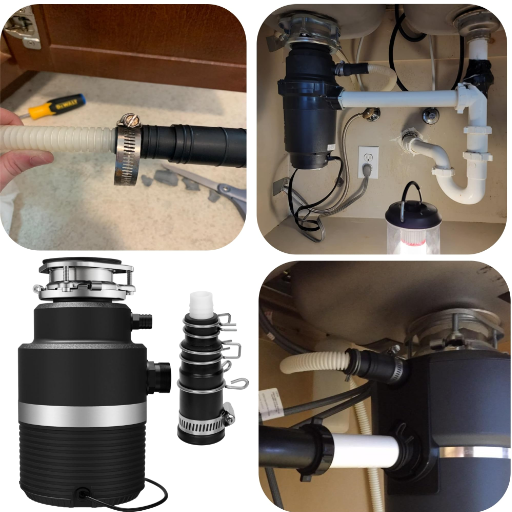
When connecting a dishwasher to a garbage disposal, it is of utmost importance to make sure that both machines have safe and good electrical as well as plumbing setups. According to the plumbing code, the dishwasher drain hose has to be either connected to an air gap or otherwise have a high loop that prevents backflow. For the garbage disposal connection, make sure that the disposal has a port for the dishwasher inlet, which should be removed (usually by knocking out a plastic plug) before connecting the drain line from the dishwasher to the disposal.
When it comes to electric power, the dishwasher and garbage disposal are usually considered to require separate circuits. A 15- or 20-amp circuit is often the choice for the dishwasher, while the disposal is usually connected to a 15-amp circuit that is separate from the other appliances. It is mandatory to follow the guidelines set by the National Electrical Code (NEC) Article 422 and any local regulations that might apply. If the two appliances are on the same circuit, check to make sure that their total load is still within the circuit’s limit. Always refer to the manufacturer’s installation instructions for precise directions and avoid the risk of voiding.
Electrical Code for Dishwasher and Disposal
First, the requirements for the dishwasher and garbage disposal present the need to abide by both the National Electrical Code (NEC) and local codes. The NEC requires that the dishwasher needs a 15- or 20-amp circuit, depending on the manufacturer’s specifications. This circuit should preferably be for the dishwasher exclusively. Similarly, the garbage disposal also usually needs a separate 15-amp circuit, but it might be possible to have a shared circuit if the total load of both devices does not exceed 80% of the circuit’s rated capacity.
When appliances are connected to the same circuit, it is very important that their compatibility with such usage conditions has been verified by knowing the amperage drawn by each appliance. A very precise approach is to take the wattage rating of an appliance and find out its exact amperage by dividing the wattage by the circuit voltage (which is usually 120V). Moreover, for kitchens where there is a possibility of moist conditions, it is essential to provide ground fault circuit interrupter (GFCI) protection as a safety measure. The manufacturer’s installation manuals should always be consulted, as incorrect wiring may not only void warranties but also create dangerous installations. It is of utmost importance to observe NEC Article 210.23(A) for branch circuit load limits and Article 422 for appliance installations to ensure the setup is safe and compliant.
Shared Circuits: Risks and Considerations
I always start when looking at shared circuits, evaluating the total load on the circuit in order to avoid surpassing its capacity, as prescribed in NEC Article 210.23(A). A shared circuit overload can cause a variety of issues, such as tripped breakers, voltage drops, and even fire hazards. Another thing I do is make sure that heavy-use appliances like refrigerators and microwaves are connected to dedicated circuits if possible, in order to avoid disruptions. Besides that, I make sure that shared circuits are equipped with the proper breaker sizes and overload protection to keep the safety and electrical codes compliance.
Local Code Requirements for Combined Circuits
Local codes related to combined circuits mainly focus on load distribution in such a way that the electrical operating point is safe and efficient, and the risk of overloading, fire, and hazards is reduced to a minimum. Most of the regulations allow combined circuits to abide by the provisions of the National Electrical Code (NEC) Article 210. These stipulations include making sure that the combined outlet or an appliance does not take over 50% of the circuit’s rated capacity if it shares the circuit with other devices. Heavy-duty 20-amp circuits are to be installed for the large power-consuming appliances, like those used in the kitchen or laundry, to save them from being overpowered.
Installation of breakers and wiring has to be performed according to the current-carrying needs of the circuit set forth under NEC standards. Ground fault circuit interrupters (GFCIs) and arc fault circuit interrupters (AFCIs) are required for combined circuits in places like kitchens, bathrooms, and laundry rooms to further protect from accidental electric shocks. Moreover, proper marking of circuits and breaker panels is necessary for compliance with inspection requirements. Consulting local amendments to the NEC is advisable, as in some places stricter rules or additional precautions may be imposed.
結論
Understanding and adhering to electrical code requirements for dishwasher installations is essential for ensuring safety, functionality, and compliance with local and national regulations. From selecting the appropriate circuit specifications to implementing proper GFCI protection and following NEC guidelines, each step plays a crucial role in creating a reliable and hazard-free installation. Whether you’re a DIY enthusiast or a professional electrician, consulting manufacturer specifications and local codes while seeking professional guidance when needed will help you achieve a successful installation that meets all safety standards and performs optimally for years to come.
參考來源
“Optimal Scheduling and Demand Response Implementation for Home Energy Management”
“Net Zero Energy Analysis and Energy Conversion of Sustainable Residential Building in Muscat, Oman”
“Heuristic Algorithm for Minimizing the Electricity Cost of a Smart House”
常見問題(常見問題)
What are the Electrical Code Requirements for a Dishwasher?
According to the electrical code, the dishwasher must be hooked up to a dedicated circuit. Usually, this dedicated circuit is a 15-amp or 20-amp one, depending on the power requirement of the dishwasher. The local codes that have to be complied with may differ, and consequently, it is very important to hire a professional electrician to guide the installation and observe the electrical rules that are in place at the time.
Does a Dishwasher Need a Dedicated Circuit?
A dedicated circuit is very necessary for a dishwasher to function safely. The non-sharing of the circuit that supports the dishwasher with other electrical appliances will minimize the possibility of electrical overloads that would cause the tripping of breakers or electrical fires. The appliance will be able to pull the required power without causing your home’s electrical system to be overloaded through a dedicated 15-amp or 20-amp circuit.
洗碗機安裝的具體要求是什麼?
在洗碗器具中,需要安裝要求的是,在大多數情況下,專用於器具的電路必須是15安培或20安培電路。除此之外,安裝應遵守當地電氣規範和 NEC 要求。佈線方面以及連接對於操作的安全性和效率仍然非常重要。.
我可以使用 20 安培電路來洗碗機嗎?
Using a 20-amp circuit for your dishwasher is permissible if the manufacturer’s electrical requirements allow that amperage. The 20-amp circuit will not only prevent the electrical arc that could be a source of fire but also supply the necessary power for the efficient and safe operation of the dishwasher.
什麼是 GFCI 保護?它適用於洗碗機嗎?
GFCI 保護是一種電氣安全系統,可防止人們受到電擊的可能性。如果它感覺到電流流動不平衡,它就會透過斷開電源來運作。法規並不總是要求洗碗機受到 GFCI 保護,但這樣做更安全,特別是在可能出現水的區域。遵守電氣規則和當地建築法規可以增強安全性。.
為什麼遵守洗碗機當地電氣規範很重要?
遵守當地電氣規範的主要原因之一是確保洗碗機安裝的安全性和功能性。本地規範可能會針對不同區域設定不同的電路類型、電流強度和安裝實務。電氣系統過載的可能性很低,同時,如果您遵守規範,您的設備的使用壽命將得到保證。.
洗碗機接線建議使用哪種類型的電路?
In order to properly support the electrical needs of the dishwasher, a dedicated 15-amp or 20-amp circuit is the one that is recommended. By using this circuit type, you will not only avoid the situation of overloading, but also the dishwasher operates safely and efficiently. Get an electrical contractor’s opinion before making your decision to ensure that you choose the right circuit type for your particular setup.
What Happens if I Don’t Install a Dedicated Circuit for My Dishwasher?
如果您決定不為洗碗機安裝專用電路,您將面臨家庭電氣系統過載的風險,這反過來又會頻繁地跳閘斷路器,最終也可能導致電氣火災。您必須採用正確的程式碼要求並安裝專用電路,以消除這些危險並確保您的設備安全運作。.