








Installing a dishwasher is a regular renovation task in the house, but, on the other hand, to make sure it functions flawlessly and safely, one should have a deep knowledge of electrical code requirements. The article presents the most important points regarding circuit specifications, wiring standards, and compliance with the country’s electrical codes. If you are a DIY installer, homeowner, or professional electrician trying to steer clear of code violations, this guide will provide all the important insights to get it right. Soon, you will have a good grasp of the prerequisites for wiring a dishwasher correctly and safely, which will guarantee its reliable performance and that it will not violate the latest regulations.
Introduction to Dishwasher Electrical Code

The electrical code of dishwashers is centered around the safe installation and maintenance of such appliances, hence the strict guidelines followed. It is usual for a dishwasher to need a separate electrical circuit, generally rated at either 15 or 20 amps, to ensure that there is no feeding. Depending on the manufacturer’s recommendations and local code regulations, the circuit must either be connected to a grounded outlet or hardwired. GFCI protection (Ground Fault Circuit Interrupter) is a must for the outlet in use, especially when the dishwasher is installed in a water-exposed area or its vicinity, as it increases safety.
Furthermore, the wire must be comprised of insulated copper conductors that can take the circuit’s amperage and that are rated accordingly. Also, the whole wiring system should be housed in boxes that meet the safety standards to avoid accidental exposure and to lower the risk of fire. It is very important to check with the NEC (National Electrical Code) or your local code authority to ensure compliance, as there might be differences depending on the location.
What is the Electrical Code for Dishwashers?
The requirements for the electrical code for dishwashers are comprehensively outlined in the NEC (National Electrical Code) to guarantee functionality and safety. Usually, a dishwasher needs a separate circuit of 120 volts, 15 amps, or 20 amps. This circuit has to be grounded and also includes a GFCI (Ground Fault Circuit Interrupter) for safety from electric shocks, which is mentioned in NEC Article 210.8(D). Besides, NEC Article 210.12(A) requires AFCI (Arc-Fault Circuit Interrupter) protection for the branch circuits that are providing power to the outlets of the dwelling unit.
In order to comply, dishwashers should either be permanently wired or connected with a power cord that is specifically listed and labeled for appliance use. If a plug-and-cord connection is used, it must be with a grounded outlet meeting NEC standards. The length of the cord is to be between 3 and 4 feet according to NEC Article 422.16(B)(2). For wire connections, copper conductors of the rated amperage are used; generally, it is 14 AWG for 15-amp circuits or 12 AWG for 20-amp circuits.
Also, each installation must comply with the manufacturer’s specifications, which usually determine the minimum wiring and circuit requirements to avoid warranty voids or unsafe setups. Moreover, local codes may impose tougher restrictions than the NEC, such as requiring junction box placements or the use of particular methods for securing flexible cables. It is crucial to refer to both the NEC and local codes to ensure the installation’s compliance, safety, and durability.
Importance of Following the Electrical Code
It is very important to strictly follow the electrical code since this is the only way to guarantee electrical installations that are safe, functional, and legal. The National Electrical Code (NEC), along with local regulations, creates a universal framework that allows for the easy detection of hazards such as electrical fires, shocks, and even equipment failures. Through the correct application of the electric code, the performance of the appliances and lights will be improved, and the energy bill will go down, thus getting the system ready for future upgrades. The use of non-compliance in this regard may result in repairs that are more expensive than anticipated, an insured equipment warranty that is no longer valid, or even an inspection that fails, thus prolonging the project. Therefore, it is advisable to observe the electrical code, not only as a legal requirement but also as a vital measure for the wisdom of lives and property as well as the longevity of electrical systems.
Overview of NEC Guidelines
The National Electrical Code (NEC) is the go-to source when it comes to defining the standards that are as strict as possible in the field of electrical systems installation, working, and maintenance in homes, commercial areas, and factories. New changes are made continuously to the code, and the new technology, along with the modern practices, are, by that time, already fully integrated into the code. The NEC code reduces mainly three areas of risk by its measures: electrical shock, fire, and damage to the equipment.
Among the key provisions are the demands for grounding and bonding that are done excellently to provide electrical stability as well as to control the line and fault currents effectively. And also the code indicates the use of specified materials and devices, which implies that the components will be the ones that conform to the strictest standards of safety and performance. One more area where proper circuit protection is considered a priority is the environment where mandates require overcurrent devices, ground-fault circuit interrupters (GFCIs), and arc-fault circuit interrupters (AFCIs) to be installed at proper locations in order to prevent overloads and potential fires.
Moreover, the NEC code stipulates control over proper wiring methods, which means details such as conduit sizing, wire insulation types, and ampacity ratings are all determined by the specific application and environment. An installation can thus be supervised and maintained easily thanks to the requirements of labeling, marking, and accessibility.
In fact, a strict observance of the NEC code guarantees a double adherence to both local and federal regulations, for the reason that municipalities usually adopt the guidelines into their laws. Engineers, electricians, and contractors are supposed to keep themselves updated about the latest revisions constantly to guarantee that all installations are up to the safety standards, which in turn helps in protecting both property and human lives.
Understanding Electrical Circuit Requirements
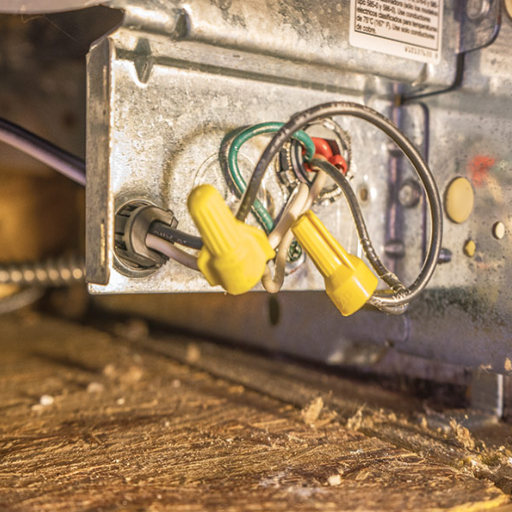
To guarantee efficacy and safety, proper electrical circuits must strictly comply with certain requirements. Among the most important aspects to take into account are:
Circuit Design:
The planned circuits should be able to cope with the maximum power established without surpassing the limit set. Eventually, the circuit overheating, due to overloading, may result in a fire hazard.
Voltage and Current Ratings:
The voltage and current ratings of the circuit should be in line with those of the connected devices to prevent damage or malfunction.
Proper Grounding:
Users and equipment must be properly grounded to be safe against fault currents.
Wire Sizing:
Correct wire sizing, based on the circuit’s amperage and length, is needed to avoid excessive voltage drops and overheating.
Overcurrent Protection:
Overcurrent devices like fuses or circuit breakers are mandatory to break the circuit during fault conditions.
Compliance with Codes:
The adherence to local and national electrical codes is a must for the legality and safety of the electrical systems.
It is of importance that each of these points be addressed closely to stop electrical hazards and provide enduring operational stability.
Dedicated Circuits vs. Shared Circuits
Dedicated circuits are those designed for a single appliance or outlet, providing uninterrupted power without any interruptions from other devices. This type of circuit is very important for high-power appliances such as refrigerators, ovens, and dishwashers because it guards against circuit overload and the risk of tripping breakers. Dedicated circuits are often required by the National Electrical Code (NEC) for specific appliances to ensure optimal performance and safety.
On the contrary, shared circuits deliver power to more than one device or outlet in a system. Such circuits are cheaper and take up less space, they are, however, more likely to have problems like overloading when several appliances are used at the same time. For low-power systems, light fixtures, and devices that use electricity intermittently, shared circuits suffice. Nevertheless, any shared circuit installation must comply with load limits mentioned in NEC Article 210.23(A) so that the circuit capacity can be trusted.
The decision between these circuits is one of the considerations that cover the power demands, safety rules, and the initial outlay of capital. On high-demand appliances, the case of dedicated circuits is the preferred one, whereas power users dealing with less power-demanding circumstances, may go for shared circuits, given that they meet the code requirements.
Why Dishwashers Need Dedicated Circuits
Dishwashers require dedicated circuits to ensure safe operation and compliance with the National Electrical Code (NEC). These appliances typically draw 10 to 15 amps during operation, which can strain shared circuits and lead to frequent tripping of breakers or overloading. A dedicated 15-amp or 20-amp circuit eliminates this risk by providing uninterrupted power exclusively to the dishwasher.
The use of a dedicated circuit also ensures proper voltage levels, which are critical for the efficient operation of the appliance. Voltage drops caused by shared circuits can reduce performance and potentially damage internal components. Additionally, NEC guidelines require ground-fault circuit interrupter (GFCI) protection for dishwashers, making a dedicated circuit essential for both functionality and safety.
Installing a dedicated circuit for a dishwasher is not only a best practice but also a requirement in most jurisdictions. Failure to provide one can void warranties, fail inspections, and create hazards such as electrical fires. Consulting with a licensed electrician is recommended to ensure compliance with local and NEC requirements.
Voltage and Amperage Specifications
Required Voltage for Dishwashers
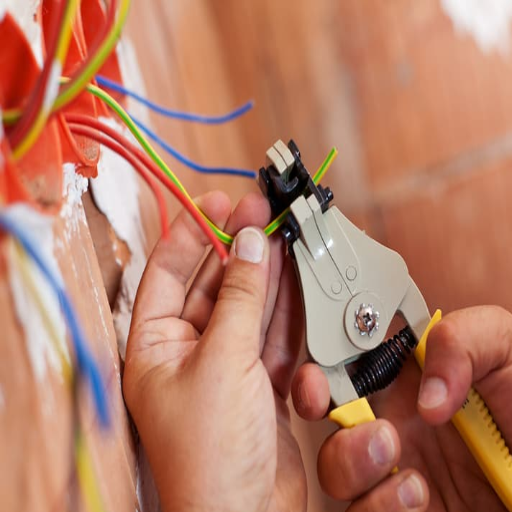
Dishwashers generally need a standard voltage of 120 volts to run well, which is usual in most of the homes. This voltage is a sufficient power supply for heating the water, running pumps, and other parts of the operation. In a few of the industrial or commercial models, the 240-volt circuits may be required, which actually enhances the power and thus they work faster. To know the particular voltage and wiring setup that the manufacturer wants is very significant to make sure the appliances are safe, have optimal performance, and meet the National Electrical Code (NEC) standards. Installing the dishwasher with the wrong voltage would invalidate warranties and cause the machine to fail or even create fire hazards.
Minimum Amperage Ratings
The minimum amperage rating for dishwashers is mainly in the range between 10 and 15 amps. That is why it is usually a general recommendation to use a 15-amp or a 20-amp dedicated circuit so that the appliance runs effortlessly and without loading the circuit. The particular amperage requirements will be determined on the basis of the model design and power demand that the dishwasher has, and therefore, the installation guide provided by the manufacturer is the best option to be used. Apart from appliance specifications, observance of National Electrical Code (NEC) standards is a must, as they impose circuit sizes that can handle the load in a safe manner. Underestimating the amperage may cause repeated breaker trips, reduced appliance performance, and potential electrical hazards. The best way for a smooth and trouble-free installation is to get a licensed electrician involved.
Types of Wiring Used for Dishwashers
Non-Metallic Sheathed Cable (Romex)
Non-metallic sheathed cable, commonly called Romex, is the most utilized wiring option for the home installation of dishwashers. It is made up of two or more insulated conductors and a bare ground wire, all of which are wrapped in a flexible plastic sheath. For dishwasher installations, 14/2 or 12/2 Romex is normally used, which depends on the circuit amperage (14/2 for a 15-amp circuit and 12/2 for a 20-amp circuit).
Romex is accepted because it is effortless to run through walls and ceilings and is also cost-effective. Nevertheless, it should be appropriately placed in junction boxes and protected against physical damage. While making the setup, be sure to follow the National Electrical Code (NEC) regulations regarding the routing of cables, support, and grounding to maintain the safety standards and also avoid the code violations. In specific cases, like installations in damp basements or commercial kitchens, another kind of wiring such as conduit might be needed for better protection.
Conduit and Wire Installations
Conduit and wire installations are a more secure choice for areas needing more protection, such as commercial environments or places exposed to moisture and physical damage. Conduits, including metal (EMT, rigid) or PVC types, encase individual wires to shield them from external factors. For dishwasher installations, insulated copper conductors such as THHN or THWN are run inside the conduit, often using 14 AWG wire for 15-amp circuits or 12 AWG for 20-amp circuits.
When using conduit, all connections must be grounded properly and secured to meet NEC standards. Conduit installations require more labor and materials but offer greater durability and protection, making them suitable for environments with strict electrical or fire safety codes. Proper sizing of the conduit is critical to allow for easy wire installation and future maintenance, as specified in NEC Article 300 and related guidelines.
Methods of Connecting a Dishwasher
Hardwiring vs. Plug-In Options
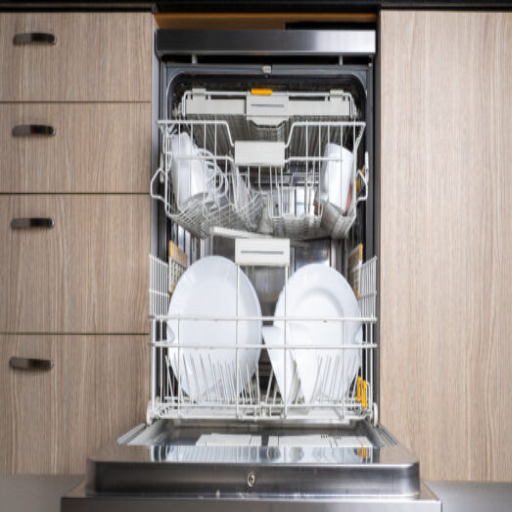
Dishwashers can be electrically connected using either hardwiring or plug-in methods, each with distinct advantages and code requirements. Hardwiring involves directly connecting the appliance to the home’s electrical system via a junction box, providing a permanent and secure connection. This method is often preferred for its reliability and compliance with many local codes, as it eliminates the risk of accidentally unplugging the unit.
Alternatively, plug-in connections allow the dishwasher to be connected to a grounded outlet using a three-prong power cord. This method offers flexibility, making it easier to disconnect the appliance for maintenance or replacement. However, the cord must be rated for appliance use and typically limited to 3 to 4 feet in length per NEC Article 422.16(B)(2). The outlet must also be GFCI-protected to ensure safety.
The choice between hardwiring and plug-in options often depends on local electrical codes, manufacturer recommendations, and the specific installation environment. Consulting a licensed electrician can help determine the most appropriate method for your situation.
Junction Box Installations
The typical installation for dishwashers is hardwired, where the unit is connected to the electrical circuits of the house through a junction box. For this kind of installation, a non-metallic sheathed cable (for instance, 14/2 or 12/2, depending on the circuit rating) should be used. All wiring should be done in such a way that wires are tightly twisted together and not outside the junction box to avoid making the area unsafe. Alternatively, a plug and receptacle configuration can be opted for, provided that a ground outlet is installed near the dishwasher installation area.
There should be a security device fitted to the cable or cord that comes into the dishwasher to prevent the transfer of stress to the connections. Always check that wiring follows the manufacturer’s recommendations and that connections are insulated and tight to prevent electrical arcing or overload. Consulting the installation manual of the dishwasher or taking the assistance of an electrician with a proper license would be the best method to ensure compliance with safety standards and the best results.
Appliance Circuit Requirements
For an appliance’s circuit requirements, it is a must to check not only the manufacturer specifications but also the local electrical codes. Most of the current dishwashers consume power from a dedicated 120-volt, 15-amp or 20-amp circuit. The main electrical panel must be used for the wiring of this circuit, and a properly rated circuit breaker should be included. GFCI protection is usually a requirement by the code, especially for wet locations.
Using a 14-gauge (for 15-amp circuits) or 12-gauge (for 20-amp circuits) copper conductors as the minimum for wiring with insulation that is proper for the electrical load, is the safe way to go. It is best if the appliance is hardwired or plugged into a grounded outlet with a three-prong configuration. Do not use extension cords since they may not be able to handle the current safely, resulting in overheating or fire risks.
When planning where to put the wiring and how long to run it, always make sure that there are no strains on the wires and that junction boxes can be easily reached for inspection and maintenance. The installer’s manual must always be followed, and the circuit must be tested at the end to ensure the safety and performance continuity of the operation. In case of doubt, the best option is to study the NEC code requirements and hire a professional electrician to guarantee that safety standards are fully met.
GFCI Protection for Dishwashers
Ground Fault Circuit Interrupter (GFCI) protection is a critical safety measure for dishwashers, designed to protect against electrical shock caused by ground faults. The 2020 National Electrical Code (NEC) mandates GFCI protection for all outlets within six feet of a water source, and dishwashers installed in residential kitchens fall under this requirement. Whether the dishwasher is hardwired or plugged into an outlet, it must be connected to a GFCI-protected circuit.
This protection operates by monitoring the flow of electricity in the circuit; if an imbalance is detected, the GFCI device quickly shuts off the power to prevent potential harm. When installing a GFCI for a dishwasher, ensure the circuit is rated for the appropriate amperage and complies with NEC Article 210.8(D), which specifically addresses the requirements for dishwashers. Always refer to local codes and manufacturer specifications, as they may impose stricter standards. For installations in older homes without existing GFCI protection, consider consulting a licensed electrician to ensure compliance and system safety.
Dishwasher and Garbage Disposal Connections
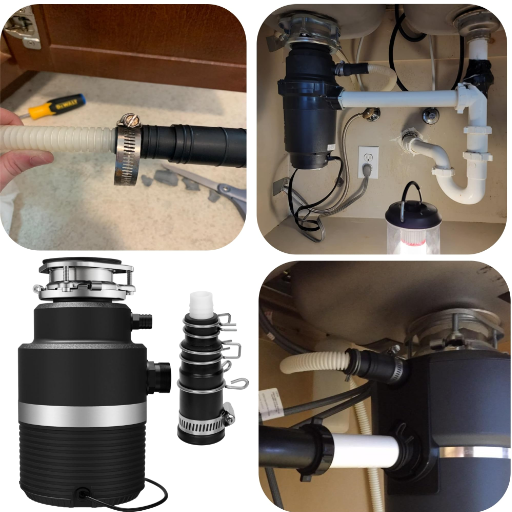
When connecting a dishwasher to a garbage disposal, it is of utmost importance to make sure that both machines have safe and good electrical as well as plumbing setups. According to the plumbing code, the dishwasher drain hose has to be either connected to an air gap or otherwise have a high loop that prevents backflow. For the garbage disposal connection, make sure that the disposal has a port for the dishwasher inlet, which should be removed (usually by knocking out a plastic plug) before connecting the drain line from the dishwasher to the disposal.
When it comes to electric power, the dishwasher and garbage disposal are usually considered to require separate circuits. A 15- or 20-amp circuit is often the choice for the dishwasher, while the disposal is usually connected to a 15-amp circuit that is separate from the other appliances. It is mandatory to follow the guidelines set by the National Electrical Code (NEC) Article 422 and any local regulations that might apply. If the two appliances are on the same circuit, check to make sure that their total load is still within the circuit’s limit. Always refer to the manufacturer’s installation instructions for precise directions and avoid the risk of voiding.
Electrical Code for Dishwasher and Disposal
First, the requirements for the dishwasher and garbage disposal present the need to abide by both the National Electrical Code (NEC) and local codes. The NEC requires that the dishwasher needs a 15- or 20-amp circuit, depending on the manufacturer’s specifications. This circuit should preferably be for the dishwasher exclusively. Similarly, the garbage disposal also usually needs a separate 15-amp circuit, but it might be possible to have a shared circuit if the total load of both devices does not exceed 80% of the circuit’s rated capacity.
When appliances are connected to the same circuit, it is very important that their compatibility with such usage conditions has been verified by knowing the amperage drawn by each appliance. A very precise approach is to take the wattage rating of an appliance and find out its exact amperage by dividing the wattage by the circuit voltage (which is usually 120V). Moreover, for kitchens where there is a possibility of moist conditions, it is essential to provide ground fault circuit interrupter (GFCI) protection as a safety measure. The manufacturer’s installation manuals should always be consulted, as incorrect wiring may not only void warranties but also create dangerous installations. It is of utmost importance to observe NEC Article 210.23(A) for branch circuit load limits and Article 422 for appliance installations to ensure the setup is safe and compliant.
Shared Circuits: Risks and Considerations
I always start when looking at shared circuits, evaluating the total load on the circuit in order to avoid surpassing its capacity, as prescribed in NEC Article 210.23(A). A shared circuit overload can cause a variety of issues, such as tripped breakers, voltage drops, and even fire hazards. Another thing I do is make sure that heavy-use appliances like refrigerators and microwaves are connected to dedicated circuits if possible, in order to avoid disruptions. Besides that, I make sure that shared circuits are equipped with the proper breaker sizes and overload protection to keep the safety and electrical codes compliance.
Local Code Requirements for Combined Circuits
Local codes related to combined circuits mainly focus on load distribution in such a way that the electrical operating point is safe and efficient, and the risk of overloading, fire, and hazards is reduced to a minimum. Most of the regulations allow combined circuits to abide by the provisions of the National Electrical Code (NEC) Article 210. These stipulations include making sure that the combined outlet or an appliance does not take over 50% of the circuit’s rated capacity if it shares the circuit with other devices. Heavy-duty 20-amp circuits are to be installed for the large power-consuming appliances, like those used in the kitchen or laundry, to save them from being overpowered.
Installation of breakers and wiring has to be performed according to the current-carrying needs of the circuit set forth under NEC standards. Ground fault circuit interrupters (GFCIs) and arc fault circuit interrupters (AFCIs) are required for combined circuits in places like kitchens, bathrooms, and laundry rooms to further protect from accidental electric shocks. Moreover, proper marking of circuits and breaker panels is necessary for compliance with inspection requirements. Consulting local amendments to the NEC is advisable, as in some places stricter rules or additional precautions may be imposed.
Conclusion
Understanding and adhering to electrical code requirements for dishwasher installations is essential for ensuring safety, functionality, and compliance with local and national regulations. From selecting the appropriate circuit specifications to implementing proper GFCI protection and following NEC guidelines, each step plays a crucial role in creating a reliable and hazard-free installation. Whether you’re a DIY enthusiast or a professional electrician, consulting manufacturer specifications and local codes while seeking professional guidance when needed will help you achieve a successful installation that meets all safety standards and performs optimally for years to come.
Reference Sources
“Optimal Scheduling and Demand Response Implementation for Home Energy Management”
“Net Zero Energy Analysis and Energy Conversion of Sustainable Residential Building in Muscat, Oman”
“Heuristic Algorithm for Minimizing the Electricity Cost of a Smart House”
Frequently Asked Questions (FAQs)
What are the Electrical Code Requirements for a Dishwasher?
According to the electrical code, the dishwasher must be hooked up to a dedicated circuit. Usually, this dedicated circuit is a 15-amp or 20-amp one, depending on the power requirement of the dishwasher. The local codes that have to be complied with may differ, and consequently, it is very important to hire a professional electrician to guide the installation and observe the electrical rules that are in place at the time.
Does a Dishwasher Need a Dedicated Circuit?
A dedicated circuit is very necessary for a dishwasher to function safely. The non-sharing of the circuit that supports the dishwasher with other electrical appliances will minimize the possibility of electrical overloads that would cause the tripping of breakers or electrical fires. The appliance will be able to pull the required power without causing your home’s electrical system to be overloaded through a dedicated 15-amp or 20-amp circuit.
What are the Specific Requirements for Dishwasher Installation?
Among dishwashing appliances, the need for installation requirements is that the circuit dedicated to the appliance must be a 15-amp or 20-amp circuit in most cases. Besides this, the installation should be done observing the local electrical codes and NEC requirements. The wiring aspect, as well as the connections, remain very significant for safety and efficiency of operation.
Can I Use a 20 Amp Circuit for My Dishwasher?
Using a 20-amp circuit for your dishwasher is permissible if the manufacturer’s electrical requirements allow that amperage. The 20-amp circuit will not only prevent the electrical arc that could be a source of fire but also supply the necessary power for the efficient and safe operation of the dishwasher.
What is GFCI Protection and Does it Apply to Dishwashers?
GFCI protection is an electrical safety system that prevents the likelihood of a person being shocked by electricity. It operates by disconnecting the power supply if it senses an unbalance in the flow of electrical current. Dishwashers are not always mandated by regulations to be protected with GFCI, but it is safer to do so, especially in areas that are likely to experience water. Compliance with electrical rules and local building regulations can enhance safety.
Why is it Important to comply with Local Electrical Codes for Dishwashers?
One main reason for compliance with local electrical codes is to ensure the safety and functionality of dishwasher installation. Local codes may set different circuit types, amperage, and installation practices for different areas. The chances of electrical system overloads would be low, and at the same time, you would have the lifetime of your appliance ensured if you were to adhere to the codes.
What Type of Circuit is Recommended for Dishwasher Wiring?
In order to properly support the electrical needs of the dishwasher, a dedicated 15-amp or 20-amp circuit is the one that is recommended. By using this circuit type, you will not only avoid the situation of overloading, but also the dishwasher operates safely and efficiently. Get an electrical contractor’s opinion before making your decision to ensure that you choose the right circuit type for your particular setup.
What Happens if I Don’t Install a Dedicated Circuit for My Dishwasher?
In case you decide not to install a dedicated circuit for your dishwasher, you will be putting your home’s electrical system at risk of being overloaded, which would in turn frequently trip circuit breakers and could also eventually lead to electrical fires. You have to adopt the right code requirements and install a dedicated circuit in order to get rid of these hazards and ensure that your appliance operates safely.