






在現代,室內溫度必須有效率、可靠地管理,這一點尤其重要。一些創新設備已經以革命性的方式出現來控制我們的環境,乙太網路恆溫器被吹捧為該區塊的最新成員。該設備充分利用超寬頻網路的潛力,實現精確控制、增強可靠性並改善連接,為任何住宅或商業設施供暖或製冷。本部落格旨在探索如何進行 乙太網路恆溫器 重新定義網路重新定義的溫度控制,強調其標誌性特徵、優勢以及為什麼它們最適合作為當今模式的創新解決方案。準備好體驗技術和舒適度的無縫整合!
乙太網路恆溫器簡介
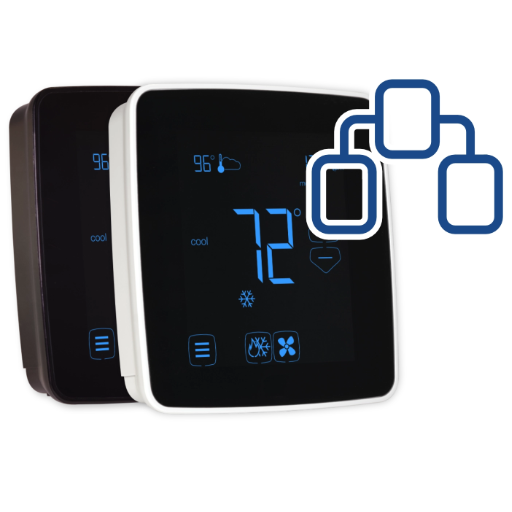
乙太網路恆溫器是透過有線網路連接控制和監控溫度設定的尖端設備。與通訊和可靠性觀點值得懷疑的通常的溫度設定係統不同,乙太網路技術有望實現更好的通訊可靠性和更快的操作。它們非常適合智慧家庭、辦公室甚至工業區等環境,在這些環境中,準確的控制和不間斷的連接至關重要。這些乙太網路恆溫器採用最新的網路設施,與現代創新系統無縫配合,將高效的溫度管理與增強的舒適度融為一體。.
什麼是乙太網路恆溫器?
乙太網路恆溫器是一種利用乙太網路技術提供網路通訊能力的溫度控制設備。與高度可變且不穩定的基於 Wi-Fi 的恆溫器相比,基於乙太網路的恆溫器高度可靠、安全且快速,使其適合任何保證不間斷通訊的環境。這種穩定和先進整合應用的另外兩個主要市場是智慧家庭、商業建築和工業營運。.
由於這些恆溫器可以使用乙太網路電纜從一端到另一端簡單地連接到網絡,因此乙太網路 Pasviy 保證了資料的一致傳輸,而不會出現交流幹擾和訊號漂移(這是無線傳輸的常見問題)。範例:工業環境可以透過保持精確的溫度控制水準來提高其運作效率。各種分析表明,這種方法可以減少 10%-20% 的能源消耗,有助於節能和減少碳足跡。.
其中許多乙太網路恆溫器與集中式家庭自動化系統接口,實現遠端操作,包括建立時間表、追蹤即時數據和控制氣候。它們還可以配備增強的介面選項、可程式功能和智慧助理集成,還增加了便利性和生產力因素。此外,它們處理大型系統的能力也使它們更適合需要企業管理多個區域和設施的應用程式。.
乙太網路智慧恆溫器的優點
在試圖描述這幾個突出的好處時,他們的智慧恆溫器令人難以置信的功能承諾在連接、能源效率和用戶舒適度以及其他附加好處方面具有強大的可靠性。.
穩定可靠的連接:Wi-Fi 恆溫器很容易因訊號強度較弱或網路擁塞而中斷,但乙太網路恆溫器可確保透過硬連線連接實現穩定連接,且不會受到損害。這確保了連接不間斷的地方(例如商業單位或大型住宅)的服務一致性。.
節能與節省成本:乙太網路智慧恆溫器根據目前的能源需求研究微調溫度設置,每年平均可節省能源消耗20-30%。根據進度對系統進行編程以打開和關閉,並即時監控能源消耗,使用戶能夠優化供暖和製冷,避免不必要的能源使用並降低成本。.
安全性:乙太網路連線比無線連線更安全。最好記住這個公理,以幫助防止未經授權的存取或網路威脅,尤其是那些涉及擁有某些個人資料的智慧家庭的威脅。.
大型安裝的可擴展性:在大型建築物或企業中,乙太網路智慧恆溫器配備精良,可運行提供更先進功能的多區域系統。它們可以在集中控制系統蛋糕上形成智慧結冰,從而降低操作複雜性,使其成為具有廣泛氣候控制要求的設施的合適選擇。.
與智慧技術整合:乙太網路恆溫器主要與 Amazon Alexa、Google Assistant 和 Apple HomeKit 的智慧家庭生態系統相容。這可以透過智慧型手機應用程式進行語音命令、遠端控制和管理,以及與其他智慧型裝置的無縫交互,從而增強用戶體驗並提高家庭自動化效率。.
耐用性和使用壽命:乙太網路恆溫器透過提供有線連接解決方案減少對升級、電池更換或組件更換的依賴;因此,從長遠來看,它們更加耐用和穩定。.
透過利用這些優勢,乙太網路智慧恆溫器吸引了包括房主、企業主和設施經理在內的各種用戶,推廣創新、安全和經濟高效的氣候控制方法。.
網路恆溫器的主要特點
在試圖描述這幾個突出的好處時,他們的智慧恆溫器令人難以置信的功能承諾在連接、能源效率和用戶舒適度以及其他附加好處方面具有強大的可靠性。.
穩定可靠的連接:Wi-Fi 恆溫器很容易因訊號強度較弱或網路擁塞而中斷,但乙太網路恆溫器可確保透過硬連線連接實現穩定連接,且不會受到損害。這確保了連接不間斷的地方(例如商業單位或大型住宅)的服務一致性。.
節能與節省成本:乙太網路智慧恆溫器根據目前的能源需求研究微調溫度設置,每年平均可節省能源消耗20-30%。根據進度對系統進行編程以打開和關閉,並即時監控能源消耗,使用戶能夠優化供暖和製冷,避免不必要的能源使用並降低成本。.
安全性:乙太網路連線比無線連線更安全。最好記住這個公理,以幫助防止未經授權的存取或網路威脅,尤其是那些涉及擁有某些個人資料的智慧家庭的威脅。.
大型安裝的可擴展性:在大型建築物或企業中,乙太網路智慧恆溫器配備精良,可運行提供更先進功能的多區域系統。它們可以在集中控制系統蛋糕上形成智慧結冰,從而降低操作複雜性,使其成為具有廣泛氣候控制要求的設施的合適選擇。.
與智慧技術整合:乙太網路恆溫器主要與 Amazon Alexa、Google Assistant 和 Apple HomeKit 的智慧家庭生態系統相容。這可以透過智慧型手機應用程式進行語音命令、遠端控制和管理,以及與其他智慧小工具的無縫交互,從而進一步增強用戶體驗並提高家庭自動化效率。.
耐用性和使用壽命:乙太網路恆溫器透過提供有線連接解決方案減少對升級、電池更換或組件更換的依賴;因此,從長遠來看,它們更加耐用和穩定。.
透過利用這些優勢,乙太網路智慧恆溫器吸引了包括房主、企業主和設施經理在內的各種用戶,推廣創新、安全和經濟高效的氣候控制方法。.
了解智慧恆溫器技術
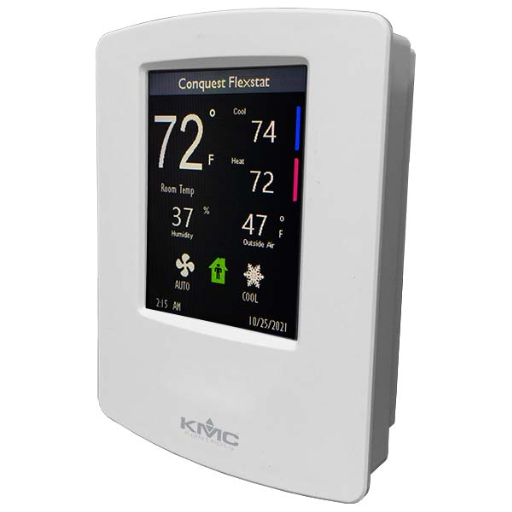
智慧恆溫器透過使用先進的 Wi-Fi 技術和直覺的軟體感測環境並分析室內溫度來運行,使用戶可以透過智慧型手機或語音助理遠端控制暖氣和冷氣系統,從而提供舒適度和能源效率。這些設備還可以配備學習演算法,可以計算用戶隨時間的偏好,也可以安排優化能源使用。智慧恆溫器整合到智慧家庭系統中,提供自動化,有助於節省能源費用,同時保持預期的舒適度。.
智慧恆溫器如何運作
這些智慧恆溫器透過 Wi-Fi 與行動裝置或智慧助理通訊來適應周圍環境。這些設備配備感測器,可監控室內環境,包括溫度、濕度和佔用情況,以進行預防性調整,以集中保持舒適度。.
使用先進的學習演算法,這些設備觀察使用者的行為和偏好。例如,他們學習行為模式,例如居民通常離開家或返回時,並進行相應調整。某些型號有一個稱為地理圍欄的選項,它可以追蹤手機的位置並根據您是否離開或返回進一步調整設定。.
最近的研究和模擬表明,配備智慧恆溫器的房屋每年可降低暖氣和冷氣成本 10-15%。與能源使用報告的整合也將為用戶提供有關更節能選擇的建議,最終有助於減少家庭的碳足跡。.
智慧恆溫器還可與各種 HVAC 系統一起使用,並且通常透過 Amazon Alexa 或 Google Assistant 使用語音命令進行操作。它們是一個非常方便的解決方案。透過結合感測器技術、機器學習和直覺的接口,它們提供了一種智慧且可持續的家庭氣候控制方法。.
將乙太網路與智慧恆溫器系統整合
將乙太網路與智慧恆溫器系統整合可提高可靠性並保持持續的連接。與 Wi-Fi 不同,乙太網路連線容易受到訊號幹擾或網路擁塞;因此,透過乙太網路即時、穩定地連接到恆溫器至關重要。這種可靠性對於牆壁厚、阻擋無線訊號的大型家庭或建築物來說尤其必要。.
乙太網路還可以提高資料傳輸速度,從而允許以最小的延遲處理更新、使用者指令和命令。例如,連接寬頻乙太網路的恆溫器可能會查詢外部伺服器以獲取天氣預報或能源消耗數據,從而使恆溫器能夠快速系統地進行明智的更改。數據表明,與僅 Wi-Fi 系統相比,支援乙太網路的智慧家庭遇到的斷開問題減少了近 20%,從而增強了用戶體驗和設備效能。.
此外,一旦透過乙太網路連接,恆溫器就會提供額外的安全層。有線連接可以更安全地防止駭客攻擊或非法訪問,確保房主可以輕鬆入睡。隨著乙太網路供電 (PoE) 的興起,一些高階智慧恆溫器型號還可以透過 PoE 供電,透過單一電纜提供電力和網路連接,從而降低安裝的複雜性和額外電線的費用。.
透過這種方式,與乙太網路結合,最新智慧恆溫器的功能使房主能夠實現高度安全、可靠和高效的家庭氣候控制系統。.
將乙太網路恆溫器與傳統型號進行比較
乙太網路恆溫器包括 Prolon T1000、CoolAutomation CoolMasterNet 和 Reliable Controls MACH-ProView 等型號。.
|
參數 |
乙太網路 |
傳統的 |
|---|---|---|
|
連接性 |
有線(poe) |
無線網路/電池 |
|
力量 |
PoE 支援 |
有線/電池 |
|
安裝 |
複雜的 |
簡單 |
|
可靠性 |
高 |
中等 |
|
安全 |
高 |
Low-Medium |
|
成本 |
更高 |
較低 |
|
相容性 |
有限公司 |
Broad |
|
控制 |
Precise |
標準 |
|
Networking |
Stable |
變數 |
|
用例 |
Smart Homes |
Basic/Standard |
The Ethernet options excel in reliability and advanced features, while traditional models are more straightforward and more cost-effective.
Installation and Setup of Ethernet Thermostats

Setting up an Ethernet thermostat is a straightforward procedure. The following are the steps:
Check Compatibility – Ensure your thermostat and HVAC system are compatible with Ethernet-based connections. Refer to the manufacturer’s specifications for guidance.
Prepare the Wiring – Locate an Ethernet port near your thermostat’s installation location. If one is unavailable, you may need to run an Ethernet cable to the desired spot.
Connect the Thermostat – Plug the Ethernet cable into the thermostat’s designated port to ensure a secure connection.
Power Up the System – Some Ethernet thermostats receive power through the same cable, known as Power over Ethernet (PoE). If not, ensure the thermostat is connected to a dedicated power source.
Configure the Software – Follow the manufacturer’s app or online setup instructions to connect the thermostat to your network and customize your settings.
By following these steps, you can quickly integrate an Ethernet thermostat into your smart home system for improved performance and control.
Wiring an Ethernet Thermostat: A Step-by-Step Guide
Wiring an Ethernet thermostat requires a keen eye for detail to ensure proper functioning and outright safety. Here is a brief but comprehensive guide combining multiple trusted sources:
Turn Off Power – Before beginning any work, turn off the power supply to your HVAC system at the main breaker to avert any electricity shocks or damage. Double-check by using a voltage tester to see if the power is truly off.
Identify Existing Wiring – Open the thermostat panel and note down the current wire labels (e.g., R, C, W, Y, G). Take a picture as a reference before disconnecting anything so that you can match the wires later.
Run Ethernet Cable – If a PoE is being used, the Ethernet cable should be run from your router or switch to the location of the thermostat. The cable used should comply with Ethernet standards, such as Cat5e or Cat6; otherwise, ensure that separate power wires are in place.
Connect Wires – Compare the wires on your thermostat with the labels on your new Ethernet thermostat (e.g., R to R, C to C) and connect them accordingly. Make sure screws are tightly fastened to avoid any loose connectors, which could result in functionality problem.
Mount and Test – Finish installation by mounting the thermostat on the wall and securing the faceplate. Restore power supply to the HVAC system and test the thermostat to verify that it powers up properly and communicates with the network.
Your successful installation is guaranteed with these steps, ensuring your thermostat is perfectly integrated into your smart home network. Always consult your particular thermostat manual for installation guidance and compatibility requirements.
Connecting Your Ethernet Smart Thermostat to the Network
To successfully connect your Ethernet smart thermostat to its network, the following steps must be followed for an easy setup process:
Check Network Compatibility: Ensure that your thermostat supports Ethernet connectivity and that your home network is compatible with it. Standard Ethernet smart thermostats typically operate on 10/100 Mbps networks and require the presence of a DHCP router that can dynamically assign IP addresses.
Connect the Ethernet Cable: Use a good quality Ethernet Cat 5e or better cable to establish an interference-free connection. Plug one end into the Ethernet port of your thermostat and the other end into any available LAN port on your router.
Power on the Thermostat: Turn on your smart thermostat and allow it to initialize. The vast majority of smart thermostats feature LED indicators or interface screens that display power and connectivity status.
Access Network Settings: Navigate to the settings menu of your thermostat, typically accessed through its touchscreen or companion app. Select the “Network” option and ensure that Ethernet is enabled. Some thermostats may also display the IP address and connection status on this screen after the configuration is complete.
Verify the Connection: Test for functionality by ensuring the thermostat communicates effectively with your home network and any smart home hubs or systems to which it is linked. Most thermostats display a “Connected” or similar confirmation status to indicate that they are connected.
Update Firmware: Firmware updates released by manufacturers typically correct bugs, improve functionality, and enhance security. Check for firmware updates in your thermostat’s menus and install them over an Ethernet connection for enhanced device efficiency.
Try to minimize obstructions between the router and thermostat, and ensure the cables running between them are in good condition. Research shows that wired connections, such as Ethernet, have lower latency and transfer data more consistently than their wireless counterparts; this is why Ethernet becomes a favorite when it comes to smart devices, which require a stable form of communication. With all these factors taken into consideration, your Ethernet smart thermostat will seamlessly integrate into your network, providing precise control and energy-saving algorithms.
常見的安裝錯誤需要避免
Wrong Wiring: The most common error during installation is wiring the thermostat incorrectly. Not sure what the labels mean (Rc, Rh, C, etc.), the user may make a mistake that could cause the system to malfunction or even damage it. The latest reports indicate that approximately 40 percent of smart thermostat installation issues are related to wiring problems. Please always refer to the product manual, and if in doubt, consult a professional to ensure the wiring is correct.
Not First Checking for Compatibility: Not all HVAC systems are compatible with every single smart thermostat. If compatibility is not checked, the feature may not behave as expected or may be entirely incompatible. According to the study, 25 percent of all smart thermostat returns are due to consumers purchasing an incompatible model with their heating or cooling system. Always check against the type of system you are using.
Ignoring the C-Wire Requirement: Most modern smart thermostats require a constant power supply provided by the standard wire (C-wire). Without the presence of a C-wire or a power equivalent, the installed thermostat may experience inconsistent performance or frequent reboots. If your home does not have a C-wire, consider the power extender kit, or an expert may offer you some alternative options.
Placing Your Thermostat in the Wrong Location: From the outset, placement is crucial for optimal performance. If you put a thermostat near heat sources, direct sunlight, or drafty areas, the temperature readings will be compromised, reducing its efficiency. Proposed sites for optimal accuracy should be centrally located and well-insulated.
Skipping Firmware Updates: If you skip updating the thermostat’s firmware after installation, you may regret it due to irregularities in performance or missed opportunities for enhanced features. A study reveals that outdated devices are 30 percent more likely to experience bugs or crashes. Always check for updates during and after installing for a smooth user experience.
Identifying these common mistakes will help you maximize your smart thermostat installation for energy savings and long-term satisfaction.
Advanced Features of Ethernet Thermostats
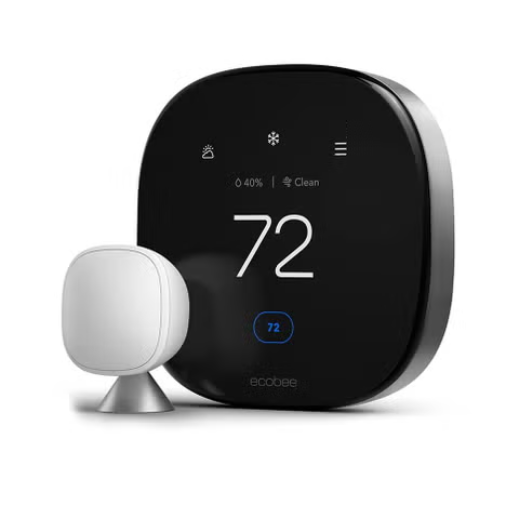
A multitude of advanced features in Ethernet thermostats make them highly efficient and user-friendly. Displaying one notable characteristic of such a thermostat, remote functions enable the user to monitor and modify their system settings from anywhere on the Internet-connected device. You can use the scheduling feature with great precision to control temperatures according to the different activities you perform during the day. Imposing Ethernet thermostats also provide real-time data logging, which helps monitor usage patterns and potential issues. Many varieties continue to integrate with home automation systems, thereby supporting intelligent assistants and voice control functions. While these devices ensure that you experience happy settings, they also contribute to energy savings and provide a user-friendly service.
Humidity Control Capabilities
Modern Ethernet thermostats feature top-notch capabilities that control moisture, designed to maintain ideal indoor air quality and comfort. The water in the air determines comfort. Thus, these systems can monitor humidity levels to see that they do not interfere with comfort, such as excess moisture that causes mold growth, or depleted moisture that causes dryness and discomfort. According to research, indoor humidity levels between 30% and 50% are ideal for human well-being and the preservation of the structure.
Many come equipped with sensors designed to monitor multiple parameters and respond to changes in indoor humidity levels, thereby controlling HVAC systems to maintain balance. A few also perform dehumidifier or humidifier controls to serve as a central solution for managing air quality. The integration of a smart thermostat with a humidifier could enable precise adjustments to dry air throughout the cold winter months. At the same time, built-in dehumidifiers would be a great help in those wet months to control condensation. Additionally, in-depth humidity monitoring through mobile applications provides users with a far greater level of interaction and awareness of their surroundings, thereby helping to create a comfortable and healthy living environment. The result of innovation is to provide efficient and economical operation, marrying comfort with energy conservation.
Remote Control Options and Applications
The trend in modern HVAC systems is to offer, or commercially support, an application that allows users to control their device with great convenience remotely. Most systems are compatible with smartphones, tablets, and voice-enabled devices such as Amazon Alexa or Google Assistant, which teachers can control from anywhere. According to statistics, more than 57% of smart thermostat users rely on mobile apps to set the temperature on their thermostats, resulting in a significantly higher reliance on connected technology.
Such entryways allow for remote control as well as periodic updates on energy usage, scheduling periods for use, and a preferred climate setting. Advanced applications with AI-based insights learn from user behavior and optimize automatically for energy efficiency, providing a seamless user experience. This experience appeals to customers who can expect to see their energy bills reduced by 10-15% annually. The emergence of remotely controlled features marks a key evolutionary point, defining more intuitive, sustainable, and user-centered environments.
Using POE Technology for Power Supply
Power over Ethernet technology empowers all connected devices with the much-needed flexibility of power and data transmission through a single Ethernet cable. The existence of PoE technology essentially reduces the need for a separate power supply for devices and the installation process, which is hugely favorable for the installation of IP cameras, VoIP phones, wireless access points, and IoT sensors.
Recent amendments to PoE standards, as outlined in IEEE 802.3bt, have significantly increased the power delivery capabilities. By leveraging this advancement, the power delivery capacity of PoE can be raised to a maximum of 90 watts per port, making it sufficient to supply power to power-hungry devices such as large HD screens and sophisticated lighting. For instance, a smart building can implement PoE LED lighting; it is energy-efficient, easy to control, and maintain.
Evidence suggests that the infrastructure setup costs decrease remarkably when using PoE, as the technology does not require heavy electrical wiring and reduces energy consumption. Furthermore, PoE technology can also reduce the installation cost by up to 30 percent for companies and organizations. Centralized management of POE-powered devices enhances operational efficiency, as the system can be remotely monitored and controlled through software interfaces, thereby reducing downtime and maintenance.
Thus, PoE technology is a primary contributor to building innovative, sustainable environments by facilitating connectivity, reducing energy wastage, and lowering operational costs. Thanks to all these attributes, the ability to be adaptive and scalable fabrics is necessary for a connected infrastructure in the future.
Choosing the Right Ethernet Thermostat
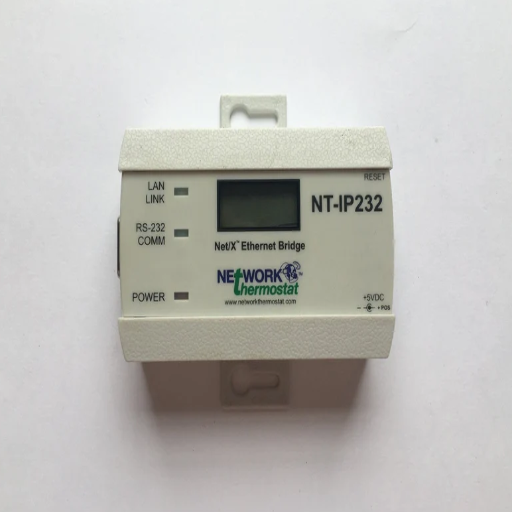
Choose compatibility, features, and ease of use when selecting the right Ethernet thermostat. Verify that the unit supports the required interface with the HVAC system and confirm the protocols it should implement. Some of the essential features include remote access, scheduling, and energy control on the device. Prioritize software that is easy to use with an intuitive interface. Another aspect to consider is the reliability of the manufacturers, and checking for reviews will help you understand their long-term functionality and service.
Factors to Consider When Selecting a Network Thermostat
When selecting a network thermostat, it is essential to consider the advanced features that enable energy efficiency and provide users with more control and convenience. Among other things, some of the latest ones offer geofencing functionalities, which means the thermostat can identify your location and automatically alter the temperature depending on whether you are closer to home. Recent research suggests that geofencing can reduce energy consumption by up to 15%, making it a viable option for households seeking to lower their energy costs.
Another key feature is learning algorithms. Smart thermostats with learning functions gather data on your schedule, preferences, weather, and other external factors, and combine them to produce more accurate schedules. For instance, a device like the Nest Learning Thermostat has demonstrated that custom schedules generate average energy savings of 10-12% for heating and 15% for cooling, which directly translates into annual savings in utility bills.
Voice assistant compatibility is another popular feature found in network thermostats. Most modern ones interface with Alexa, Google Assistant, or Apple HomeKit to provide users with hands-free control and a seamless smart home experience. Ensure that the one you select will support whichever ecosystems you have in your home.”
Finally, watch for energy reports and analytic details. Thermostat tracking in real-time lets users observe energy use patterns and identify areas for improvement. Some even provide suggestions to help cut energy use, thus making greener and smarter choices easier. By keeping a target list of these advanced features, buyers will know their money has gone toward purchasing a unit that will pay back in benefits, all while providing a premium experience.
Top Models on the Market
Regarding some top models currently available on the market, I would like to mention the Nest Learning Thermostat, Ecobee SmartThermostat, and Honeywell Home T9. These options are all energy-saving, intuitive, and easily integrate with different smart home systems. Each of the products suits different household needs, so this would be your first step to increasing the efficiency of your home.
Cost vs. Features: Finding the Best Option
When considering what would be the ideal smart thermostat for a home, the proper balance must be struck between cost and features. Entry-level designs typically range from $50 to $100 and offer basic functions, such as manual scheduling, temperature adjustments, and energy usage reports. These are ideal for those who desire a simple tool to save energy in their home without incurring a significant upfront cost. Medium-range models costing from about $100 to $200 usually have Wi-Fi capability. They may be controlled remotely via smartphone apps and are compatible with voice assistants like Alexa, Google Assistant, or Siri. Other functions include geofencing, a feature that allows the thermostat to adjust temperature settings automatically based on your location at any given time, providing added convenience and efficiency.
High-end thermostats priced above $200 come with advanced features, including self-learning algorithm capabilities, multi-zone functionality, and compatibility with a broader range of smart home ecosystems. For instance, the Nest Learning Thermostat or Ecobee SmartThermostat learns over time to determine what you want and when to do it, thereby minimizing energy use and maximizing savings. In recent times, an analysis suggested such thermostats could save 10-12% of annual heating and cooling expenses, which would be a wise long-term investment.
Also, consider the installation costs if you need to opt for one that requires professional assistance. On the upside, you can check if your energy company in the area offers any rebates, as these can go a long way toward offsetting the purchase cost of a smart thermostat. Other variables that owners consider include the upfront cost, energy savings, convenience features, and personal needs, which help them decide which model to choose.
參考來源
IoT Status Communication for Home Automation
Fortifying the Internet of Things: A Comprehensive Security Review
Machine-Learning-Enabled Context-Driven Control Mechanism for Software-Defined Smart Home Networks
常見問題(常見問題)
What is an Ethernet thermostat?
An Ethernet thermostat is an innovative heating and cooling device that connects to your home network via an Ethernet cable. It enables you to remotely control your home’s temperature using a smartphone, tablet, or computer. By integrating with home automation systems, it provides enhanced energy efficiency and convenience.
乙太網路恆溫器如何運作?
乙太網路恆溫器透過乙太網路連接與您的暖通空調系統進行通訊來運作。它利用感測器來監控室內溫度和濕度水平,使其能夠根據用戶偏好或預設時間表調整加熱和冷卻設定。用戶可以透過網路介面或行動應用程式存取恆溫器。.
使用乙太網路恆溫器有什麼好處?
使用乙太網路恆溫器具有多種優勢,包括遠端存取溫度控制、能源使用報告以及建立自訂加熱和冷卻時間表的能力。它可以透過優化暖通空調操作並提供維護需求警報來顯著降低能源成本。.
我可以將乙太網路恆溫器連接到我的智慧家庭系統嗎?
是的,大多數乙太網路恆溫器都與流行的智慧家庭系統相容,包括 Google Home、Amazon Alexa 和 Apple HomeKit。這種相容性允許語音控制以及與其他智慧型裝置的集成,從而增強家庭環境的整體自動化。.
如何安裝乙太網路恆溫器?
安裝乙太網路恆溫器通常涉及將設備安裝在牆上、將其連接到 HVAC 系統以及將乙太網路電纜連接到路由器。許多製造商提供詳細的安裝說明,有些製造商在需要時提供專業的安裝服務。.
我應該在乙太網路恆溫器中尋找哪些功能?
選擇乙太網路恆溫器時,請考慮可程式調度、遠端存取、能源使用追蹤、與智慧家庭系統的兼容性以及用戶友好的介面等功能。學習功能和地理圍欄等其他功能可以增強便利性和節能。.
乙太網路恆溫器節能嗎?
Yes, Ethernet thermostats are designed to be energy efficient by optimizing HVAC usage based on user preferences and real-time data. They can help reduce energy consumption by adjusting settings automatically when you’re away from home or during peak energy hours.
乙太網路恆溫器的平均成本是多少?
乙太網路恆溫器的成本可能會根據品牌、功能和功能的不同而有很大差異。一般來說,您預計為優質型號支付 $100 至 $300 之間的費用。雖然初始投資可能高於傳統恆溫器,但從長遠來看,潛在的節能可以使其成為具有成本效益的選擇。.
乙太網路恆溫器需要訂閱嗎?
Most Ethernet thermostats do not require a subscription to access basic features, such as remote control and scheduling. However, some advanced features, such as cloud services for data storage or additional integrations, may incur a subscription fee. Always check the manufacturer’s details before making a purchase.